Defective electrical wiring : what to do
By Editorial Team
Updated on August 28, 2024
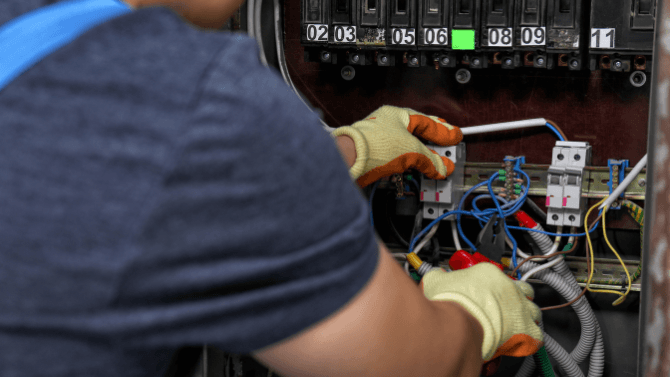
The wires running behind the walls of your home are hidden, but that doesn’t mean they aren’t putting in plenty of work. Having electricity that runs smoothly is key to keeping your home safe and comfortable. It’s crucial to keep your home wiring in excellent condition, as doing otherwise will compromise the safety of both your family and your home. Wiring that is outdated, damaged or in poor condition needs to be taken seriously, but how do you spot a problem?
Defective electrical wiring can lead to house fires, expensive electricity bills as well as costly repairs. If you’d like to avoid these problems, we can offer some tell-tale signs of problematic wiring and what you can do about them!
Here’s what to do if your electrical wiring is defective
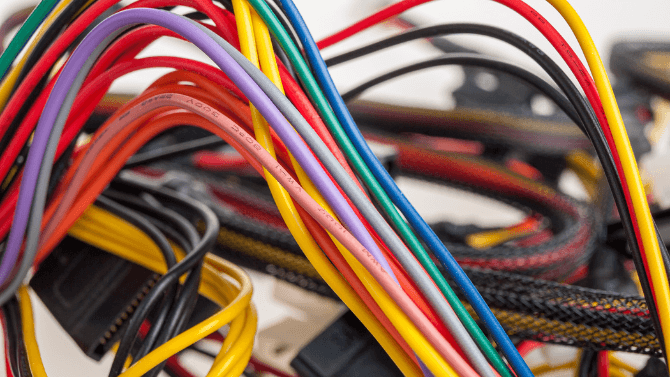
Source : Canva
Is your circuit breaker constantly tripping?
Of course, a home circuit breaker will trip every now and again, but is it happening constantly? Your breaker is specifically designed to shut off your power as soon your home system is overloaded, so it should be expected under certain circumstances. Now, if your circuit breaker is tripping all the time, and we’re talking several times a month, then this is a definite sign of a problem. An issue with your circuit breaker can be quite serious and potentially dangerous, so do take immediate action to deal with it.
Are your lights making unexpected noise?
If a buzzing noise is constantly emanating from your lights or light fixtures, or lights frequently flicker and dim, then you’ve got an issue on your hands. These signs point to outdated or damaged wiring. Especially true if any of these symptoms happen when you’re using multiple appliances, the wiring in your home will need to be changed.
Another time to look out for flickering lighting is when it’s windy outside. This points to frayed wiring where outdoor cables connect to the inside of your home. If these wires are frayed, it will cause them to short every time the weather acts up. This problem has the potential to start a fire, so as mentioned, do deal with it as soon as it is recognized.
Noticed discoloration or scorch marks by your outlets?
Take a look at the outlets around your home, notice anything unappealing? If you happen to catch sight of signs of discolouration or even marks that look like they may be caused from scorching, chances are this points to an issue with wiring. Another obvious sign is smoke emanating from your outlet. This is because damaged wires release heat, and this damages the surfaces of your home.
Strange odours
We’re sure you can agree that no one enjoys an unexpected odor inside the home, and this especially includes the smell of burning. If you smell burning that isn’t coming from something cooking in the stove or oven, this is a definite indication of faulty wiring. Be certain to check your electric panel if you do notice any odd smells, as this points to fire damage which will only worse the longer it’s left alone. Just a note that if a burning smell is detected and the source happens to be your panel, make sure to call an electrician as soon as possible as the work required for this job should not be carried out by the average homeowner.
Warm walls
Yes, it might sound a bit strange but if the wiring in your home is having issues then you’ll be able to feel the heat. Of course, most of the wiring is hidden behind the walls of your home, so one way to test if there’s heat coming from them is to place your hands against your walls. Specifically, place your hands around outlets. Do you notice a slight vibration as well? If so, call a professional!
Looking for something else?
Related articles
The latest industry news, interviews, technologies, and resources.

Editorial Team
•08 Nov 2023
Renting excavation equipment is the best way to carry out construction work without having to purchase machinery. Especially considering that a rental service company will give you access to machinery you wouldn’t necessarily need on a regular basis, not to mention purchasing equipment is expensive. Here’s a deep dive into the matter to give you an idea of the costs involved in renting or purchasing heavy machinery. We’ll let you be the judge and jury of your potential savings.
Editorial Team
•08 Nov 2023
Have you finally decided to organize your garage and store away the tools that have just been piling up everywhere? Are you looking for the best storage system? If so, go for a garage storage cabinet! It’s a functional, utility cabinet that allows you to organize and secure your tools and other items. Learn more about the various types of garage storage cabinets, their features, and their advantages down below!
Amanda Harvey
•16 Jun 2026
Showering, bathing, hair drying and moist towels hanging from every fixture; all the activities that take place in the bathroom breed humidity.

Editorial Team
•02 Apr 2026
Have you noticed white spots on your brick cladding or basement walls? If so, it's probably efflorescence. Never heard of it? Check out the following to find out what’s causing it and how to fix it.

Editorial Team
•06 Feb 2024
Air spaces or cavities aren’t limited to double-glazing, they’re also found between the walls of your home. More specifically, air spaces are found between the walls that make up the structural envelope of your home.