6 things to know to properly maintain your flat roof
By Léa Plourde-Archer
Updated on March 6, 2025
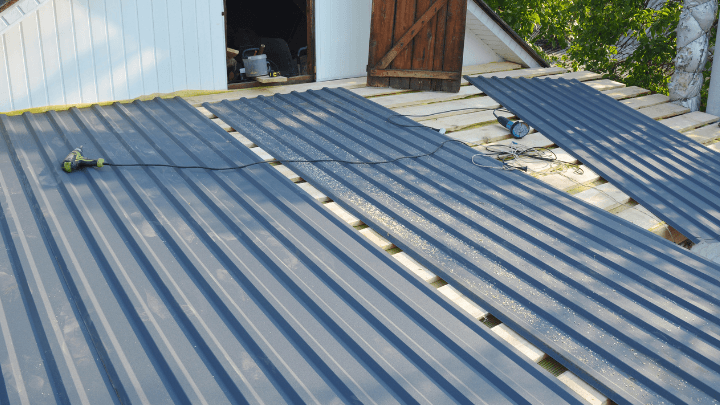
In Canada, many buildings are equipped with flat rooftops. This type of roofing is very practical and often less expensive than a slanted roof. However, since we don’t see their surface, we’re more likely to forget to check their current condition.
Flat roofs can be covered using different materials: bilayer elastomer membrane, multiple-layer asphalt (Built-up roof), TPO membrane (thermoplastic polyolefin) and EPDM membrane (Ethylene Propylene Diene Terpolymer). Most of the advice that is shared in this article will apply to every one of these different materials but if a piece of information only refers to one case, it will be specified.
Why flat roof maintenance is important

Source: Canva
Taking proper care of your roof will greatly increase its durability. For example: when multi-layer asphalt roofs are not well maintained, their lifespan lasts approximately 15 years. However, if well cared for, they can last from 20 to 25 years.
1- Rooftop inspection: how often and when?
A flat roof must be inspected twice a year. The first visit of the year should be done in the spring after the last traces of snow have disappeared. The second should take place in the fall, once the trees have lost all their leaves.
2- What to look for during a flat roof inspection
- Pay attention to the surface’s uniformity. Normally, if the roof is in good shape, there shouldn’t be any parts that are detaching or sections that are warped.
- However, do not be concerned at the sight of asphalt bubbles. As long as they are intact, you should only protect them from getting hit with direct sunlight, using a layer of gravel. If you find bubbles that are popped, fill them in using liquid asphalt and add a layer of gravel on top.
- If applicable, check around the chimney. For a masonry chimney, inspect the joints between bricks and, if necessary, fix them.
- If you notice that after a few days of sunny weather, water is still accumulating and forming a puddle on the flat roof, this could indicate a problem with the drain.
3- Improving the flat roof’s waterproofness
Source: Canva
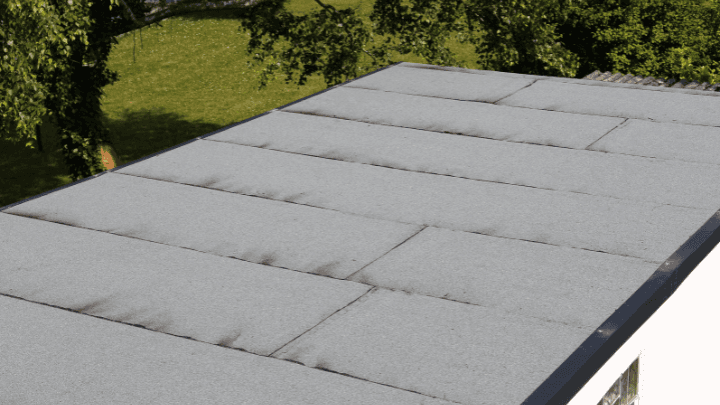
One of the main problems with flat roofs is waterproofness. Applying a coat of protective paint can be a great option to fix this situation. Since it helps block sun rays, it will also act to protect the asphalt.
4- Cleaning the flat roof’s surface
Debris accumulation is a situation that can quickly turn into a major problem. Therefore, it has to be taken care of quickly and regularly. During the inspection process, set aside a bit of time to clean the roof and the eavestroughs, removing any branches, leaves, moss, rocks and any other element which could potentially cause damage.
This advice is especially important when talking about flat roofs that are covered with a layer of gravel, as the wind tends to displace the small rocks.
Pay special attention to the areas near any air vents and around the drain, to see if the latter could become blocked. Having a blocked drain is one of the worst possible situations that can happen with a flat roof. Water will accumulate on the surface and will pass through the slightest crack, in addition to creating extra weight. This could cause overflow on the building’s exterior walls.
For rooftops that are covered in gravel or granules, sweeping and putting things back into place with a broom could make a huge difference. Always make sure that the rocks are well spread out on the surface, as they serve to protect the rooftop.
5- Hiring a roofer

Source: Canva
During the bi-annual inspections, if you notice worrying signs or irregularities, bring in a company that is specialized in rooftops to take a look at things. Rooftop reparations should never be taken lightly as the house’s structural integrity depends on it. One tiny leak can cause important damages.
Furthermore, if your roof is still under warranty, if you try to fix things yourself, you might not benefit from said warranty. Sometimes, it’s also worth it to hire a specialized plumber to clean the pipes and drains. This task should be done every 5 years (even more frequently if your house is surrounded by trees).
6- Renovating a flat roof
You’ve noticed that it’s time to redo your roof? Take a look at all the options that are available to you. Bilayer elastomer membrane and multiple-layer asphalt (Built-up roof) are less expensive but they require a higher maintenance level. EPDM and TPO surfaces are more costly but they last longer and are more environmentally friendly
Please note: Don’t forget to take extra precautions when climbing up on a rooftop, especially if you have to use a ladder.
Always follow these 4 safety rules as suggested by the CNESST:
- Rest the ladder on a solid surface;
- Climb with your hands-free;
- The ladder must surpass the top support section by at least 900 mm (35 inches)
- Attach the ladder properly
Get 3 renovation quotes for your roofing project
RenoQuotes.com can help you get quotes for your roofing project. If you submit your project to us, we’ll put you in contact with 3 qualified professionals. Fill in the form on our homepage (it only takes a few minutes), and you will receive quotes from top-rated renovation companies.
Dial 1-844 828-1588 to speak with one of our customer service representatives
Looking for something else?
Related articles
The latest industry news, interviews, technologies, and resources.

Amanda Harvey
•08 Nov 2023
Without a roof on your home, it would be like living outdoors. Your home's roof is essential for keeping your family, as well as your furniture, dry, cozy and warm. If there is a leak, a crack or a break detected, it is important to repair it as soon as possible so as to avoid further damage to the material underneath as well as to other parts of your home.
Editorial Team
•08 Nov 2023
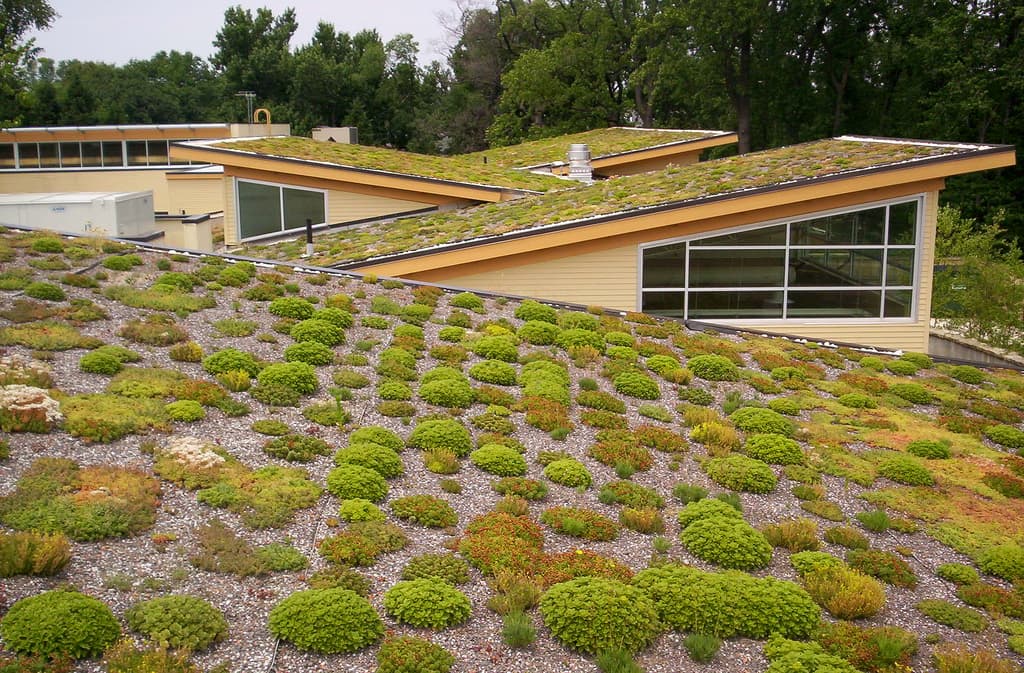
As people begin to recognize the effects of their carbon footprint while living in urban environments, the idea of installing a green roof is becoming a popular choice.

Équipe éditoriale
•08 Nov 2023
People don’t often think about their water heaters - that is, until the hot water stops flowing or the water heater is making noise. Should you repair your old water heater?

Editorial Team
•08 Nov 2023
Whether building a custom home or redesigning one that just wasn’t cutting it anymore, taking on a home building project is exciting, but is also a huge job.

Editorial Team
•06 Jul 2026
In Ontario’s bustling construction industry, the need for skilled labour and efficient staffing solutions has never been greater. Construction staffing agencies play a crucial role in bridging the gap between construction companies and the talented workforce they require. At RenoQuotes, we are committed to helping you understand the benefits and processes of working with these agencies to ensure your projects are staffed with top talent and executed seamlessly. Let’s explore the essential role of construction staffing agencies and how they can help you achieve your project goals.