Gutter Installation Cost in Canada: 2026 Cost per Linear Foot
By Léa Plourde-Archer
Updated on August 25, 2026
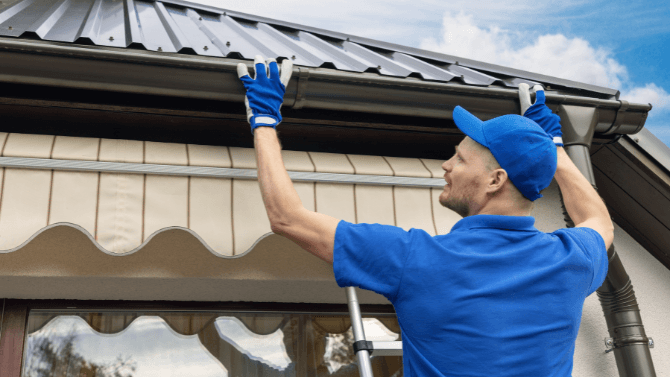
Gutter installation in Canada typically costs $3 to $15 per linear foot installed for most materials, which works out to roughly $600 to $3,000 for an average home. Whether you're replacing old eavestroughs, installing gutters on a new home, or comparing quotes from local professionals, knowing the key cost factors can help you budget more effectively.
A dependable gutter system channels rainwater and melting snow away from your roof, siding, landscaping, and foundation. Regular maintenance, like keeping gutters and downspouts clear, is essential to prevent water damage, as blockages or poor drainage can cause water to end up where it shouldn't.
How much does it cost on average to install new gutters around a house in Canada?
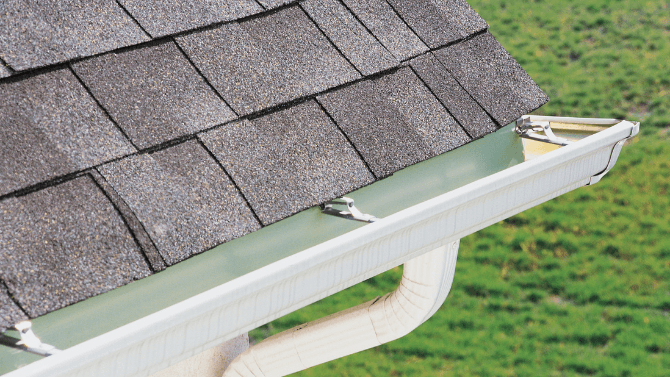
Source: Canva
Gutter installation costs are usually calculated by the linear foot. The final price depends on the gutter material, home size, installation height, roof complexity, downspouts, labour rates, and any repairs needed before installation.
Type of Work | Average Cost |
Vinyl gutter installation, materials and labour | $4 to $9 per linear foot |
PVC gutter installation, materials and labour | $3 to $10 per linear foot |
Galvanized steel gutter installation, materials and labour | $5 to $15 per linear foot |
Aluminum gutter installation, materials and labour | $5 to $13 per linear foot |
Copper gutter installation, materials and labour | $18 to $40 per linear foot |
Professional gutter maintenance | $150 to $400 total |
Gutter guard installation | $1 to $5 DIY, $8 to $28 professional, per linear foot |
Installing soffits | $4 to $22 per linear foot |
Installing fascias | $10 to $25 per linear foot |
What does that work out to for a whole house?
Most single-family Canadian homes need roughly 150 to 200 linear feet of gutter. Applying the rates above to a 175-foot roofline gives a useful ballpark before you request quotes:
Vinyl or PVC: roughly $525 to $1,750
Aluminum: roughly $875 to $2,275
Galvanized steel: roughly $875 to $2,625
Copper: roughly $3,150 to $7,000
These totals cover gutters only. Downspouts, old gutter removal, disposal, gutter guards, and any fascia or soffit repairs are usually quoted separately, which is why two estimates for the same house can look very different.
Gutter Material Types and Their Costs
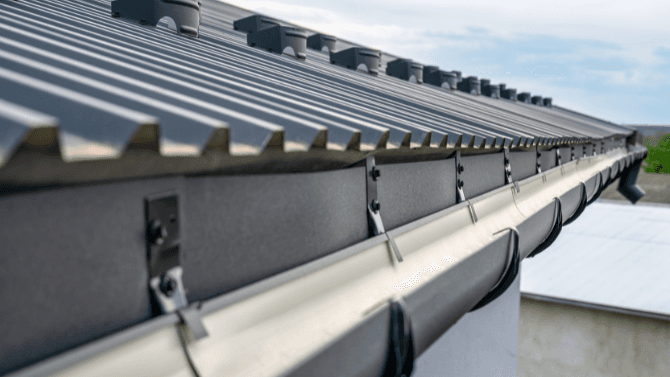
Source: Canva
The material you choose has a major impact on the total gutter installation cost. It also affects lifespan, appearance, maintenance, and how well the system handles Canadian weather.
Vinyl Gutters
Vinyl gutters are among the most affordable options. They usually cost between $4 and $9 per linear foot installed.
They are lightweight and relatively easy to install, which makes them a common choice for smaller projects or budget-conscious homeowners. Vinyl gutters are also one of the more DIY-friendly options.
However, vinyl is generally less durable than aluminum, copper, or steel. If a vinyl gutter section cracks or breaks, it often needs to be replaced rather than repaired.
PVC Gutters
PVC gutters are another budget-friendly option, with average installation costs ranging from $3 to $10 per linear foot.
Like vinyl, PVC gutters are lightweight and affordable. They can work well for certain homes, garages, sheds, or lower-cost projects. However, they may not be the best fit for every climate or roof design, especially where heavy snow, ice, or major temperature swings are common.
Aluminum Gutters
Aluminum gutters are one of the most popular choices for Canadian homes. They usually cost between $5 and $13 per linear foot installed.
Aluminum is lightweight, rust-resistant, and available in many colours, making it easier to match with siding, fascia, trim, and exterior finishes. Seamless aluminum gutters are commonly installed by professionals because they are custom-formed on site.
For many homeowners, aluminum offers a practical balance between cost, durability, and curb appeal.
Galvanized Steel Gutters
Galvanized steel gutters typically cost between $5 and $15 per linear foot installed.
Steel is stronger than vinyl or aluminum and may be a good option for homes that need a sturdier gutter system. Galvanized steel is coated with zinc to help resist corrosion, but it can still rust over time, especially if the coating wears down or is damaged.
Copper Gutters
Copper gutters are a premium option, usually costing between $18 and $40 per linear foot installed.
They are valued for their high-end appearance, long lifespan, and ability to develop a natural patina over time. Copper gutters are often chosen for heritage homes, custom homes, and properties where exterior appearance is a major priority.
The main drawback is cost. Copper is significantly more expensive than vinyl, PVC, steel, or aluminum, and installation usually requires specialized experience.
Zinc, Stainless Steel, and Wood Gutters
Zinc, stainless steel, and wood gutters are less common but may be used on certain architectural, heritage, or custom projects.
Zinc gutters are durable and can develop a protective patina, but they are usually more expensive and may require specialized installation. Stainless steel is strong and corrosion-resistant, though it is typically a higher-cost option. Wood gutters are mostly used for restoration or traditional architectural work and are not common for standard residential installations.
If you are considering one of these materials, ask contractors whether they have experience installing it and whether replacement parts or repairs are easy to source in your area.
What factors affect gutter installation cost?
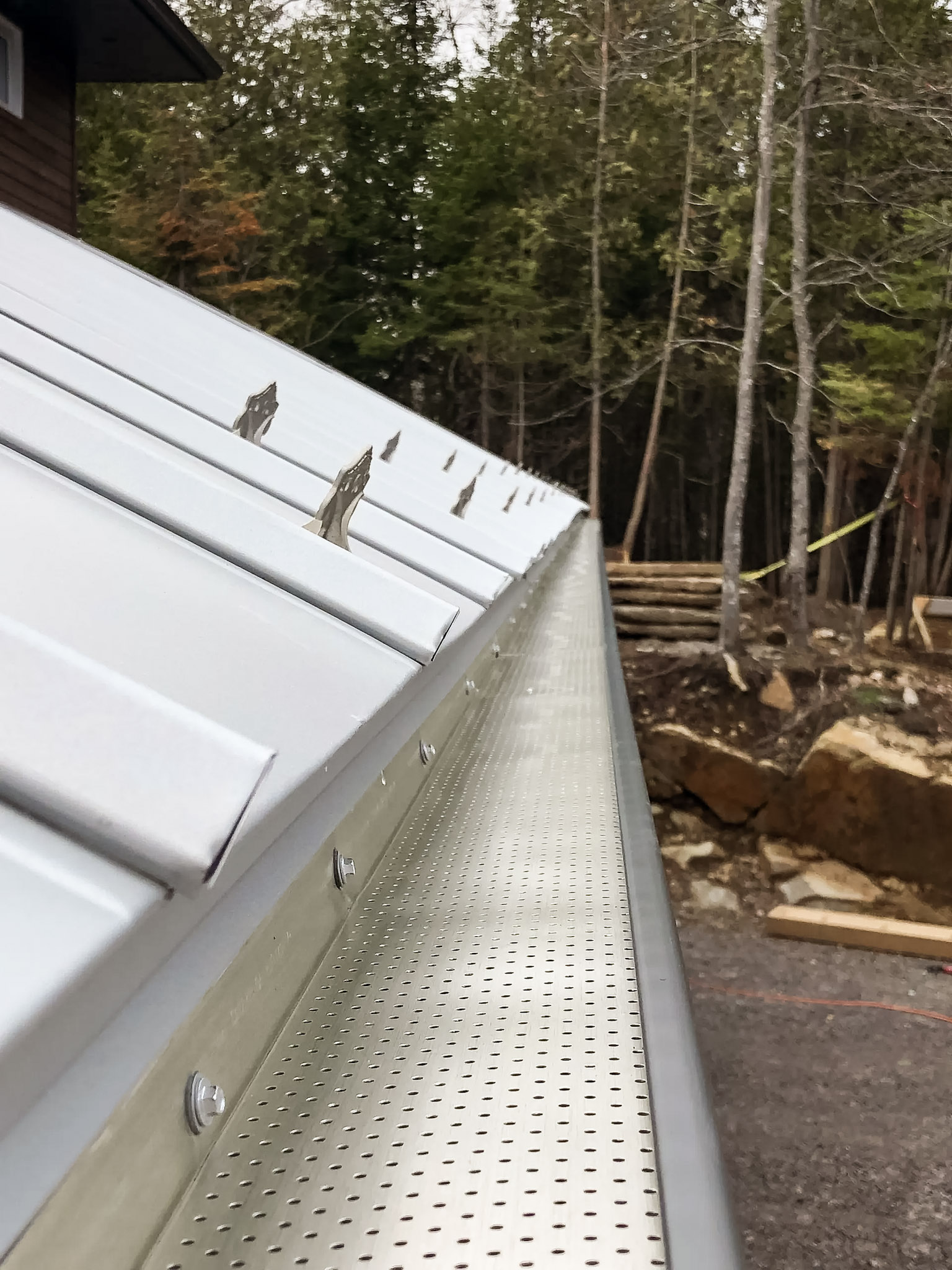
Source: Aluminium sauvé inc.
No two gutter projects are exactly the same. Even if two homes need the same gutter length, the final price can vary depending on roof design, access, material, and existing conditions.
Gutter Length
The longer the roofline, the more materials and labour are needed. Gutter length affects the amount of gutter material, hangers, sealant, end caps, corners, downspouts, and elbows required.
A small bungalow with a simple roofline will usually cost less than a larger two-storey home, a detached garage, or a property with multiple roof sections.
Gutter Material
Material is one of the biggest cost factors. Vinyl and PVC are usually more affordable, aluminum and galvanized steel are mid-range options, and copper is a higher-end material.
Material choice also affects durability, maintenance, appearance, and expected lifespan.
Gutter Size and Style
Standard residential gutters are often available in common sizes and styles, such as K-style gutters. Larger gutters, half-round gutters, or custom profiles can increase the cost.
The right size depends on the roof area, slope, rainfall, and how much water the system needs to handle. An undersized system may overflow during heavy rain.
Home Height
Installing gutters on a one-storey home is usually simpler than working on a two- or three-storey property. Taller homes may require longer ladders, scaffolding, additional safety equipment, or extra labour.
Higher installations can also increase risk and installation time, which may affect labour costs.
Roof Pitch and Roof Complexity
A steep roof pitch, complex roof design, dormers, valleys, multiple corners, or irregular rooflines can make installation more difficult.
Homes with complicated rooflines often need more cuts, mitres, downspouts, and planning to make sure water drains properly.
Roof Accessibility
Limited access can increase the cost. Narrow side yards, landscaping, fences, decks, uneven ground, trees, or overhead wires may make it harder to position ladders and equipment safely.
In some cases, scaffolding rentals or special access equipment may be needed.
Soffit and Fascia Condition
Gutters are typically attached to fascia boards. If the fascia is damaged, soft, rotting, or pulling away from the roofline, it should be repaired or replaced before the new gutters are installed.
Installing new gutters over damaged fascia can lead to sagging, poor drainage, loose fasteners, and future water damage.
Local Building Codes and Permits
Permit requirements vary by municipality and project type. Basic gutter replacement often does not require a permit, but requirements can differ if the work is part of a larger renovation or affects drainage around the property.
When in doubt, ask your contractor or local municipality before work begins.
Gutter Installation Cost by Location in Canada
Gutter installation costs can vary across Canada because of labour rates, material availability, travel distances, climate, and regional home styles.
In larger urban areas, homeowners may have access to more contractors, but labour costs can also be higher. In rural areas, there may be fewer gutter installers, and some companies may charge travel fees.
Climate also matters. Homes in areas with heavy snow, frequent freeze-thaw cycles, strong winds, or heavy rainfall may need stronger hangers, better downspout placement, larger gutters, or more careful installation.
When comparing gutter prices by location, ask what is included in the quote. A low cost per linear foot may not include downspouts, old gutter removal, gutter guards, fascia repairs, disposal fees, or custom colour matching.
Additional Costs to Plan For
The cost of new gutters is not always limited to the gutter material and labour. Some homes need extra work before or during installation.
Removing and Disposing of Existing Gutters
If you are replacing old gutters, the contractor may need to remove and dispose of the existing system.
Some estimates include this service, while others list it as a separate fee. Always confirm whether removal, cleanup, and disposal are included before comparing quotes.
Fascia Board Replacement
Damaged or rotting fascia boards should be repaired before new gutters are installed. Fascia board replacement can add to the project cost, but it helps ensure the new gutter system is properly supported.
Signs of fascia damage include peeling paint, soft wood, visible rot, water stains, loose gutters, or sections where the gutter is pulling away from the house.
Soffit Repairs
Soffits help protect the underside of the roof overhang and can also play a role in attic ventilation. If soffits are damaged, cracked, loose, or affected by moisture, repairs may be needed before or during gutter replacement.
Soffit problems can sometimes point to poor ventilation, pest entry points, or long-term water exposure.
Gutter Flashing
Gutter flashing helps direct water from the roof edge into the gutter instead of behind it. It may be recommended if water has been getting behind the eavestrough, staining the fascia, or damaging the roof edge.
Not every home needs new gutter flashing, but it is worth asking about if you have signs of water damage near the roofline.
Gutter Guard Installation
Gutter guards can reduce debris accumulation and may lower how often gutters need to be cleaned. They are especially useful for homes near mature trees.
However, gutter guards do not make a gutter system maintenance-free. Small debris, pine needles, roof grit, and ice can still create buildup depending on the guard style and local conditions.
Professional gutter guard installation typically costs more than DIY systems but may offer a better fit and more durable installation.
Painting or Colour Matching
Standard gutter colours are usually more affordable and easier to source. Custom colours, premium finishes, or colour matching to existing fascia, siding, or trim may increase the price or extend ordering timelines.
If curb appeal is important, ask your contractor which colour options are standard and which ones cost extra.
Patching Holes or Gaps
If the roof edge, fascia, soffit, or surrounding trim has holes or gaps, repairs may be needed before the new gutter system is installed.
Patching these areas can help reduce the risk of water intrusion, pest entry points, and future deterioration.
Roof Bracing or Structural Repairs
In some cases, gutter issues are connected to larger roofline problems. If the fascia, rafters, or roof edge are no longer properly supporting the gutter system, structural repairs may be needed.
This is not part of a standard gutter installation and should be assessed by a qualified professional.
Splash Blocks and Downspout Extensions
Splash blocks and downspout extensions help move water away from the foundation. This matters because gutters and downspouts are only effective if the water is directed away from the home instead of collecting near the foundation.
For some properties, contractors may recommend longer extensions or connections to an existing drainage system.
Seamless vs. Sectional Gutters
Homeowners often compare seamless gutters and sectional gutters when planning a replacement.
Seamless Gutters
Seamless gutters are made from long continuous pieces, usually formed on site with specialized equipment. They have fewer joints, which can reduce potential leak points along straight sections.
They are commonly made from aluminum and installed by professionals. Seamless gutters are a popular option for homeowners who want a clean appearance and a lower-maintenance system.
Sectional Gutters
Sectional gutters come in pre-cut pieces that are joined together during installation. They are often easier to find at home improvement stores and may be more suitable for DIY projects.
The main drawback is that every joint is a potential leak point. Sectional gutters may need more sealing and maintenance over time.
Which option is better?
For most full-home gutter installations, seamless gutters are often preferred because they reduce the number of joints and create a cleaner look. Sectional gutters can still make sense for smaller projects, sheds, garages, or budget repairs.
When should gutters be replaced?
Source: Wafo tchinda Serge Alain
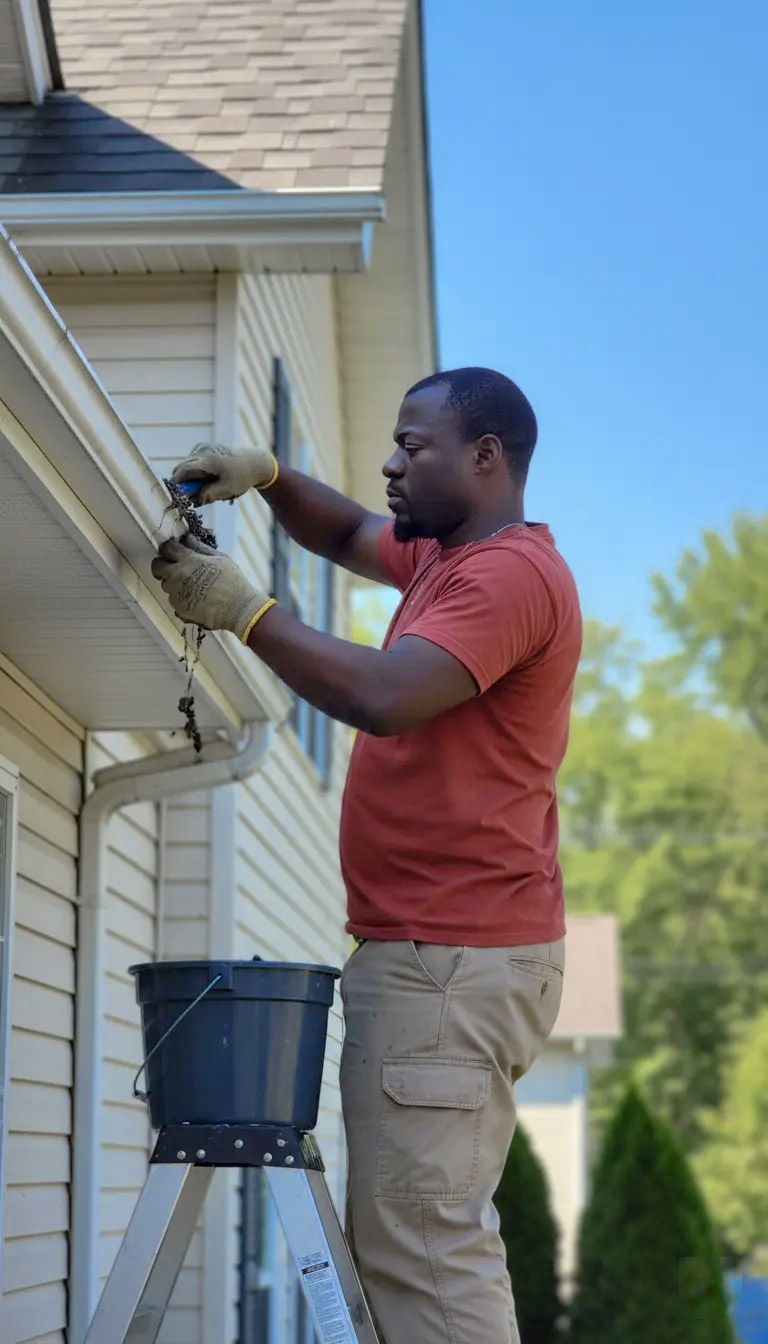
Gutters do not always need to be replaced at the first sign of trouble. Minor leaks, loose hangers, or small alignment issues may be repairable. However, replacement may be the better choice if the system is old, damaged in several places, or no longer draining properly.
Common signs that gutters may need to be replaced include:
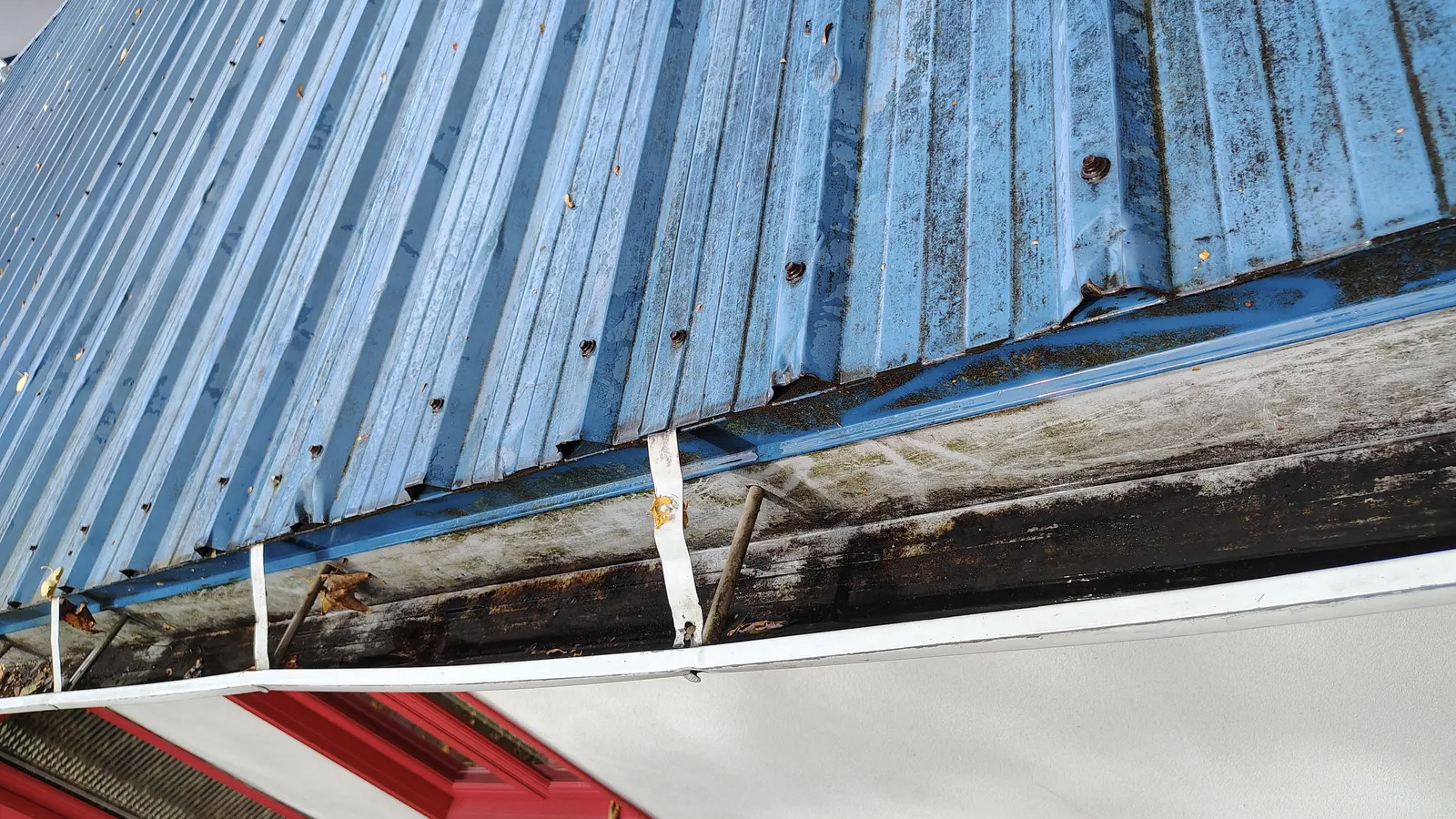
Sagging or pulling away from the fascia
Cracks, holes, or split sections
Rust on steel gutters
Frequent overflowing during rain
Peeling paint or rot along fascia boards
Leaking seams or separated joints
Loose or missing gutter hangers
Downspouts that clog or disconnect often
Repeated repairs that no longer solve the problem
If water is spilling over the gutters or collecting near the foundation, it is worth having the system inspected. Poor drainage can contribute to basement moisture, soil erosion, damaged landscaping, and exterior deterioration.
Gutter Maintenance and Lifespan
Gutter lifespan depends on the material, installation quality, weather exposure, and maintenance. A well-installed system will usually last longer if it is cleaned regularly and repaired when small problems appear.
As a general guide, vinyl and PVC gutters last 10 to 20 years, aluminum lasts 20 to 30 years, galvanized steel lasts 15 to 25 years, and copper lasts 50 years or more. Zinc and stainless steel also commonly exceed 50 years. Canadian conditions tend to push systems toward the lower end of these ranges, since freeze-thaw cycles, ice buildup, and snow load are harder on gutters than a milder climate would be. Poor installation or neglected cleaning can cut any material's lifespan close to half.
Homes surrounded by trees may need gutter cleaning two to three times per year. Homes with fewer trees may only need cleaning once or twice per year. Cleaning gutters and downspouts regularly helps prevent clogs and keeps rainwater moving away from the home.
During maintenance, check for:
Leaves, twigs, and debris
Clogged downspouts
Sagging sections
Loose hangers
Leaking joints
Rust or corrosion
Cracks or holes
Water stains on fascia or siding
Downspouts draining too close to the foundation
Professional gutter maintenance usually costs between $150 and $400, depending on the home size, height, and condition of the system.
Can gutter guards reduce maintenance?
Gutter guards can help reduce the amount of debris entering the system, but they do not eliminate maintenance entirely.
They may be helpful if your home is surrounded by trees or if your gutters clog often. However, performance depends on the guard type, roof design, tree coverage, and local weather.
Common types include screen guards, micro-mesh guards, foam inserts, brush guards, and surface-tension systems. Each has pros and cons, and not every product works equally well with every roof or gutter style.
Before adding gutter guards, ask whether they are compatible with your gutter system and whether they affect any material or labour warranty.
Homeowners Insurance and Gutter Damage
Homeowners insurance may cover gutter damage if it is caused by a covered event, such as certain storms, falling branches, or sudden accidental damage.
However, insurance usually does not cover normal wear and tear, poor maintenance, rust, old age, or gradual deterioration. The Financial Consumer Agency of Canada notes that home insurance does not cover maintenance costs, and damage caused by lack of maintenance is generally not covered.
The Insurance Bureau of Canada also notes that ongoing or repeated water damage may be treated as a maintenance issue, and that roof damage due to wear and tear or poor maintenance is typically not covered.
If your gutters were damaged during a storm, document the damage with photos and contact your insurance provider. Coverage depends on your policy, deductible, and the cause of the damage.
How to Get Accurate Gutter Installation Estimates
The best way to estimate gutter installation cost is to request detailed quotes from multiple local contractors.
A good estimate should clearly list:
Gutter material
Gutter length
Gutter size and style
Number of downspouts
Downspout placement
Labour
Old gutter removal
Disposal fees
Gutter guards, if included
Fascia or soffit repairs
Colour or finish
Warranty details
Any extra access equipment, such as scaffolding
Avoid comparing quotes based only on the total price. One contractor may include downspouts, removal, and fascia repairs, while another may charge separately for those items.
Questions to Ask a Gutter Installation Contractor
Source: Wafo tchinda Serge Alain
Before hiring a gutter installer, ask a few key questions to make sure the quote is complete and the contractor is qualified.
Are the gutters seamless or sectional? This affects appearance, leak risk, and installation method.
What material and gauge are included? For metal gutters, thickness can affect durability. Make sure you know what product is being quoted.
How many downspouts are included? Downspout quantity and placement are important for proper drainage.
Is old gutter removal included? Ask whether removal, cleanup, and disposal are part of the quoted price.
Will you inspect the fascia and soffits? Damaged fascia or soffits should be identified before installation begins.
Are gutter guards included or optional? If they are optional, ask for a separate price so you can compare.
What warranty is included? Ask about both material warranties and labour warranties.
Are you insured and properly qualified for this work? Gutter installation involves working at height, so proper insurance is important.
What happens if hidden damage is found? Ask how additional repairs are priced if rotting fascia, roof-edge damage, or other issues are discovered.
Because the answers to these questions change what is actually included, the only reliable way to know whether a price is fair is to put two or three complete quotes side by side. Gutter work also involves working at height on your specific roofline, which means the fascia condition, access, and downspout count can only be assessed properly on site.
Tips to Make a Well-Informed Decision
Choosing new gutters is not only about finding the lowest price. The goal is to install a system that drains properly, suits your home, and protects it from water damage over time.
Before deciding, consider:
Your budget
The age and condition of your current gutters
Your roof design
The height of your home
Tree coverage around the property
Local weather conditions
The condition of fascia and soffits
Whether you want gutter guards
The importance of curb appeal
How often you are willing to clean and maintain the system
Vinyl and PVC may be suitable for lower-cost projects. Aluminum is a common choice for many Canadian homes because it balances price, durability, and appearance. Copper is a premium option for homeowners who want a distinctive, long-lasting look.
Whatever material you choose, proper installation matters. Poor slope, too few downspouts, weak fascia, or bad drainage can cause problems even with high-quality gutters.
Choosing the Right Gutters for Your Home
Gutter installation cost in Canada depends on the material, gutter length, home height, roof complexity, labour rates, and any extra work needed before installation. Vinyl and PVC are usually the most affordable options, aluminum offers a strong balance of price and performance, and copper is a premium choice for homeowners who want a distinctive, long-lasting look.
To budget properly, look beyond the cost per linear foot. Old gutter removal, fascia board replacement, soffit repairs, gutter flashing, gutter guards, colour matching, and downspout extensions can all affect the final price, and a clear quote from a qualified installer is what tells you which of them apply to your home.
Frequently Asked Questions About Gutter Installation
How much does it cost to replace gutters?
The cost to replace gutters depends on the material, total gutter length, number of downspouts, old gutter removal, disposal fees, and whether fascia or soffit repairs are needed. For an average home with 150 to 200 linear feet, aluminum replacement commonly lands between $875 and $2,275. Replacement may cost more than a new installation if the old system is difficult to remove or has caused water damage.
Are sectional gutters cheaper?
Sectional gutters are often cheaper and easier to find for DIY projects. However, they have more joints, which can increase the chance of leaks if they are not sealed and maintained properly.
How long does gutter installation take?
Most average single-family homes are completed in a single day. Larger homes, complex rooflines, or projects that include fascia repairs may take two days or more, and weather or material availability can extend the timeline.
Does homeowners insurance cover gutter replacement?
Insurance may cover gutter replacement if the damage is caused by a covered event, such as storm damage. It usually does not cover old age, rust, poor maintenance, or normal wear and tear.
Looking for something else?
Related articles
The latest industry news, interviews, technologies, and resources.

Editorial Team
•31 May 2025
Building a patio is a great way to elevate your outdoor space, designing the ideal area to lounge, entertain guests, or simply enjoy the outdoors. Choosing your patio pavers isn’t just a stepping stone, but the initial step, impacting not only your patio’s aesthetics, but also its long-term durability and maintenance. Whether you’re looking for something natural, modern, or unique, this article will guide you through the essential criteria to consider when selecting the perfect pavers for your patio space.
Editorial Team
•08 Nov 2023
Do you need to redo your exterior staircase soon? We’d say it’s a safe bet that you may have some doubts about the material choices. So what’s the best option for this type of project? In order to determine which material is right for you, we’re here to offer some things to think about.
Editorial Team
•23 Jul 2025
Given that your kitchen floor is exposed to it all, from dirt, grime, and wear and tear from heavy foot traffic, boiling and oily spills from falling pots and pans, flooring has to be as tough and resilient as they come. Yet, it still has to look good, stylish even, blending seamlessly with the overall decor.

Cynthia Pigeon
•21 May 2026
Considering a change to your exterior siding? CanExel siding is a popular engineered siding choice in Canada, particularly for homeowners seeking the appearance of wood but with less maintenance than traditional cedar.

Léa Plourde-Archer
•15 Aug 2025
As a contractor, you are familiar with the routine practice of getting your customers to sign contracts. Of course, managing this paperwork is not really fun and this can lead you to question whether it is truly necessary for every situation.