
When it comes to a home, the roof is one feature that is rarely given pause. However, it is the one part that shelters from the elements and, if properly insulated, prevents cold drafts from seeping in. Yet, you may want to change your roof. In such a case, we are looking at changing the roof's structure to then alter the slope. Although this might seem like an impossible task, it is definitely doable.
So, how does it work? How long does it take? Will the process affect the well-being of the occupants of the home? All these questions will be answered!
Check out our roofing articles for more details:

Why Alter the Roof Slope?
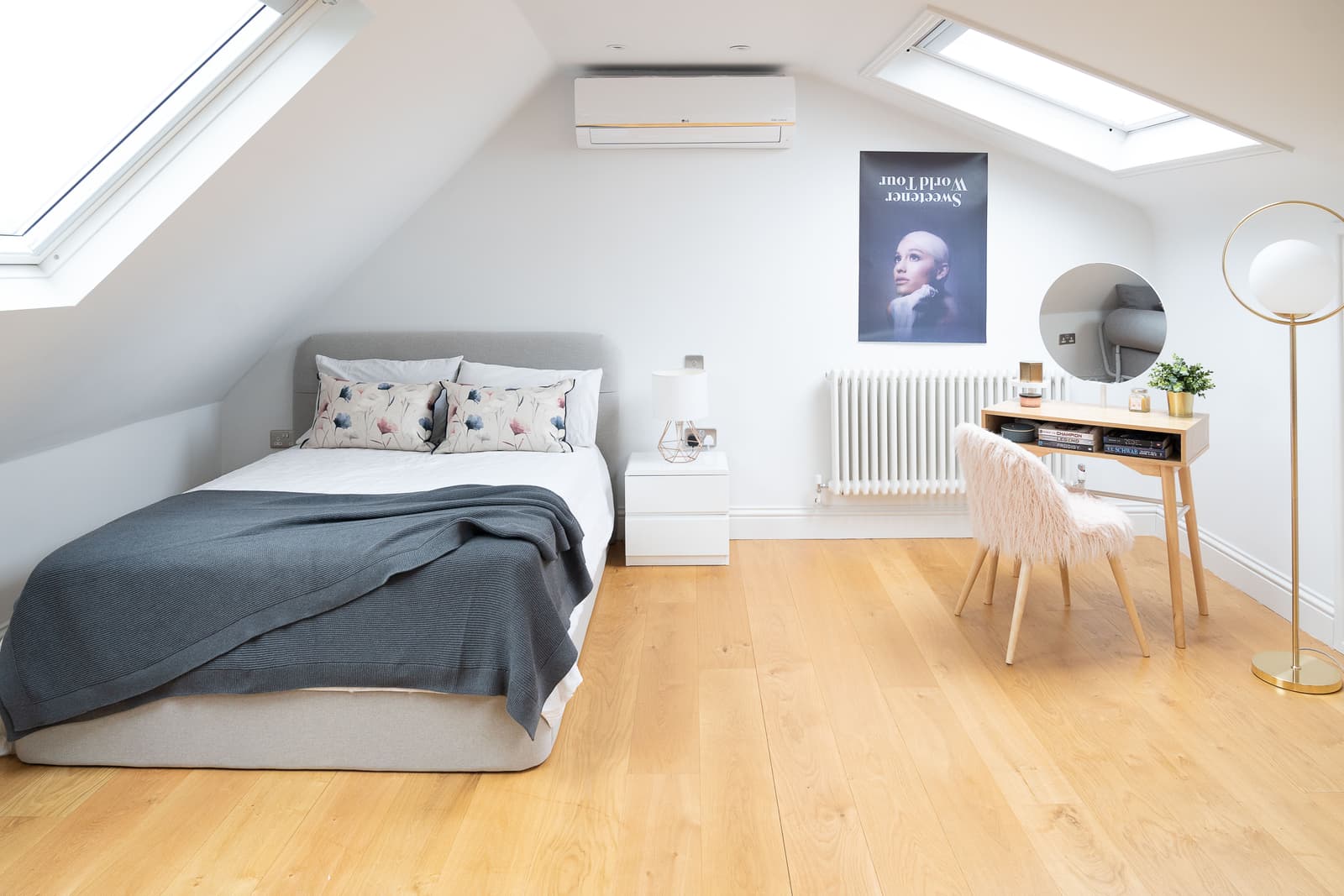
The main reason for changing the slope of a roof is to create a living space (such as a bedroom) or workable space (like an attic) within the roof space, and a steep roof slope will prevent you from using the space as a valuable living space.
Or, another reason may be that a re-roofing is on your list of upcoming renovations. People are usually quick to think of basement remodelling; so, if you have to re-roof your house in the near future, mix business with pleasure!
How to Alter the Slope of a Roof
Simply put, altering the slope of a roof entails changing the existing roof structure and building a new one, which allows for more roof space. The work takes about three to four weeks to complete.
First things first, contact a roofing company and inquire about altering the slope of your roof. Most companies will sketch plans for the proposed roof before starting the work to give you a better idea of the space that will be created.
As with most home renovations, re-roofing is subject to standards and regulations. Hopefully, the roofing company you will be dealing with is no doubt already familiar with these guidelines, but if you would like to familiarize yourself with the requirements, check out our article on standard roof slopes to get a lowdown.
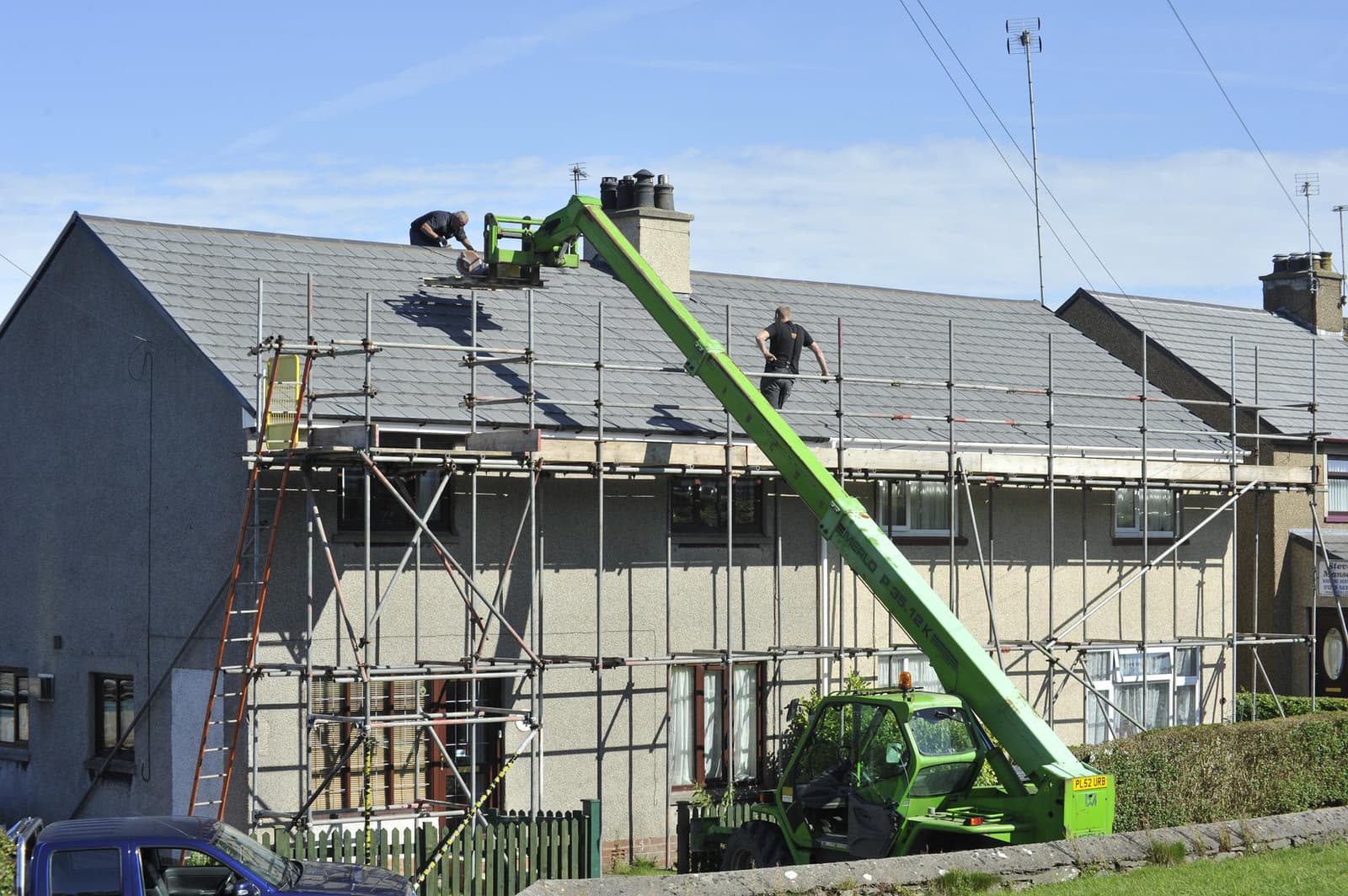
To change the roof slope, the framework will need to be altered and to do so, the new roof structure will be built over the existing one and, once completed, the old framework will be removed. The work is done from outside of the house with the help of scaffolding, which will be set up and taken down following the completion of the project.
Dismantling your old roof more often than not means that some roof space materials, such as asphalt shingles, will either be destroyed or recycled. Since this project involves a considerable time and financial investment, it is a worthwhile endeavour if you need to re-roof your home. However, if you have already renovated your roof, wait a little bit before moving forward with this project.
Altering the Roof Slope: How to Prep
You can help contractors out by prepping the groundwork ahead of time. The better you prep, the faster the work will be done.
First, note that changing the slope of your roof might lead to a significant amount of roof debris on your property. Having the contractor lay down tarps will help limit debris, but consider mowing your lawn a day or two before the work is set to begin. Having a trimmed lawn means debris will be quickly identified during a visual scan.
Make sure to keep your patio furniture clear of the work area to provide better access to your roof. Clear the entire perimeter of your home and move your vehicle(s) out of the way to allow contractors to operate without encountering obstacles caused by blocked paths. Also, they may need an electrical outlet—point out the exterior outlets that can be used.
Needless to say, the entire attic space will need to be cleared out to allow the team to move freely within the area. This process is planned accordingly to ensure that workers require minimal access to the interior of your home by mostly accessing the attic from the outside.
Note that altering the slope of your roof can be a noisy endeavour. Therefore, before you leave your home during work hours, consider whether the noise generated by the workers will prevent you from functioning normally as part of your daily routine. Noise tolerance varies from one individual to the next, and you might want to negotiate a working timeframe with the roofing professionals.
In a Nutshell
To alter the roof slope, the attic's frame must be replaced with a frame that has a different, less pronounced slope. This is not something to be taken lightly, but if done properly, you will be able to benefit from both a brand-new roof and an additional room, both of which represent substantial added value to your home.
And while you are at it, think about re-insulating your roof space for short- and long-term savings on your energy bill! Check out this article for more information:
Photo sources: Pixabay and Pexels
Looking for something else?
Related articles
The latest industry news, interviews, technologies, and resources.

Editorial Team
•08 Nov 2023
Choices, we make them daily, some more significant than others. Since we are living in a world of abundant options, it shouldn’t be any different for home reno and decor. If you’re one of the lucky ones or living in a fancy high-rise condo, you’ve likely got a balcony.
Editorial Team
•08 Nov 2023
In Canada, many buildings are equipped with metal roofing. From the opulent Chateau Frontenac in Quebec City to the humble homes of a residential neighbourhood in Edmonton, this type of roofing has proven that it can stand the test of time (it lasts an average of 50 years). However, from time to time metal roofing needs to be pampered and repaired.
Editorial Team
•10 Sep 2026
Vermiculite, the insulation that every homeowner who bought a home built before 1990 dreads finding, has made headlines many times for all the wrong reasons.

Editorial Team
•05 Dec 2025
Your bathroom is a room on its own, which is purely functional for most, yet somewhere many others will soak in a warm candlelit bath. Painting the surfaces around bathroom-specific items is a simple and cost-effective way to revamp the area and change the overall look. Now it’s up to you to choose the right paint to coat this humidity-prone area.
Cynthia Pigeon
•15 Sep 2026
Some homes built before 1990 may contain vermiculite insulation in the attic. Some of the vermiculite sold in Canada, particularly under the Zonolite® Attic Insulation brand, came from the Libby mine in Montana, where the ore could be contaminated with amphibole asbestos. However, not all vermiculite installed before 1990 necessarily contains asbestos.