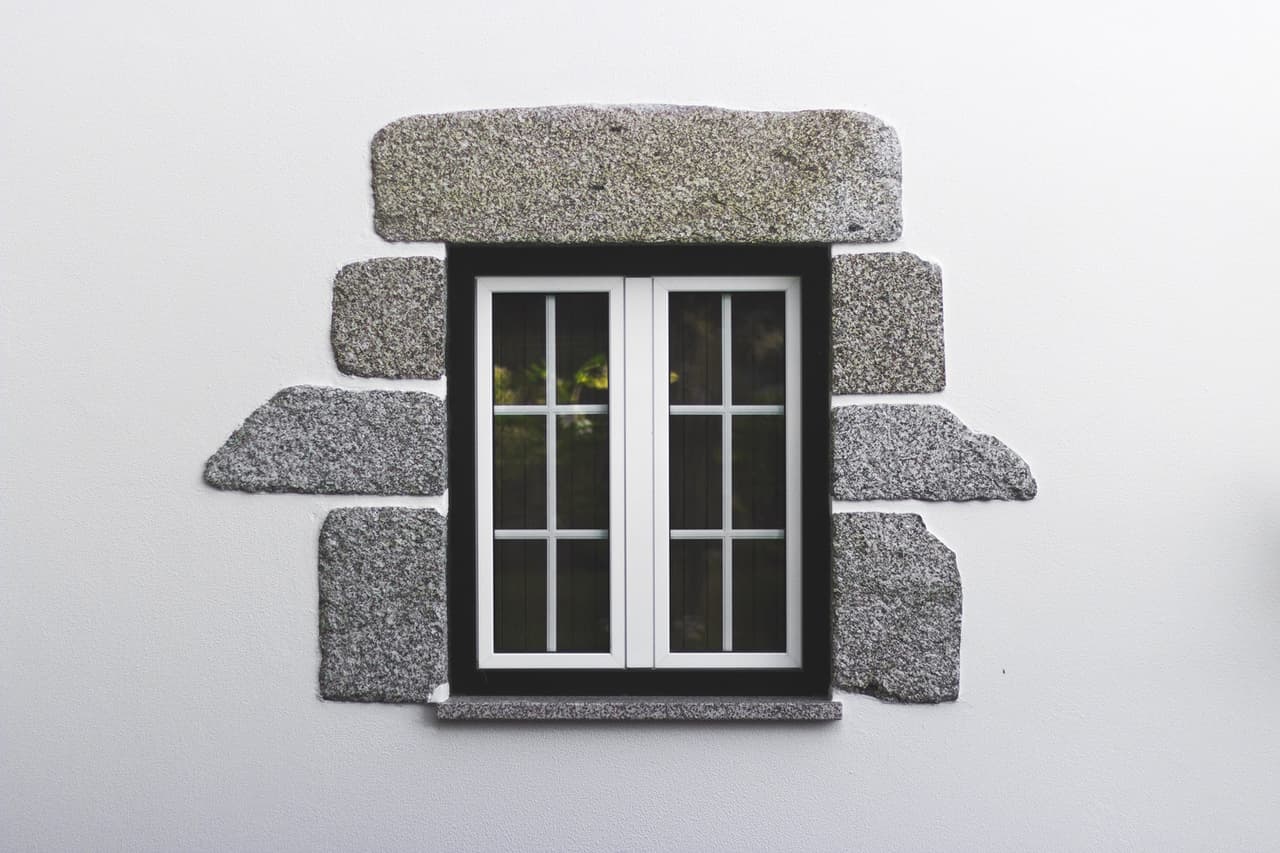
If you’ve done any serious remodelling work on your home, then it’s likely you’ve been met with the signs of water infiltration in some aspect: rotting wood, soaked insulation as well as mould and mildew growth. Notably, these signs can be recognized around a poorly or improperly installed window.
Get Your Project Started Today
Submit your details and receive three free quotes from trusted contractors.
Correctly sealing windows so that they are both airtight and watertight is incredibly important for maintaining a comfortable indoor temperature as well as avoiding issues like heightened energy costs, as well as health risks.
So, how can you make your windows watertight? We promise the process isn’t too complicated and can be completed by the novice or expert alike. Read on for our step-by-step guide!
Making windows more watertight
Sealing problem: why?

Source: Unsplash
One of the main reasons why your windows might not be watertight is due to poor installation. Further, there is an expectation that siding is more effective than it actually is in keeping the moisture out of the wall cavity. It’s important to mention that no matter how well siding is installed, moisture can still easily leak into the house wrap or further, into the frame.
If water does find its way onto the house wrap, it slides down it and manages to worm its way into small cracks or openings. As mentioned, when water finds its way into a wall cavity, it can easily cause mould and mildew growth. Mould and mildew in your home involve serious health risks. It is bad for both materials in your home as well as the humans living inside.
Testing your windows
Before you can know how watertight your window is, you’ll need to test it to try and find any leaks in or around the frame. The simplest way to do this is to buy a pack of incense and burn one of the sticks close to any windows you may suspect have leaks. If you find the smoke coming off of the incent flickers, this is a definite sign of a leak detection.
Specifically check where any two windows meet, where one window meets the frame as well as where the frame meets the wall. A water leak is generally caused by a breakdown in a connection between the wall and the window frame. To prevent or remedy leaks, you will need to caulk the window in the places where it meets the exterior siding.
Installing new windows
If you’re starting from scratch and installing new windows, first and foremost it is important to read the instructions. Detailed instructions should be provided as part of any window kit, and these should be diligently followed in order to avoid water infiltration. Most window installation instructions will address forming a waterproof sill pan as well as shimming the window so that it works properly.
To do this, before installing the window it is suggested that you make an x-cut into the house wrap and staple the resulting tabs into the opening. However, the top tab needs to be cut so that it covers the window top flange. Following this, add pan flashing as this will collect and drain any water that finds its way into the window. If you are in a colder climate, we recommend that you apply a spray adhesive to improve how the pan flashing holds up.
Run it tightly along the insides of the window opening, folding any excess over the house wrap. It’s also recommended that you staple the flashing in place to prevent them from moving. You can find both house wrap and pan flashing at your local hardware store.
Put the new window in place

Source: Unsplash
Now will be the time when you install the window into place. In most cases, you will need to add caulking to the perimeter of the rough opening. Line the opening with caulk and flange, making sure it is correctly sealed. Before the caulk dries, it is crucial to have the window in place.
However, the bottom of the window should stay caulk-free, as sealing the bottom can trap water in the pan flashing, and this will lead to mould and mildew growth. Once the window is in place, there should be shim space on each side of the jamb. Now, check that the sill is level. If you find it’s not level, insert shims under one or both side jambs.
Would you like to read more on the subject? We have a few articles for you:
How to Choose your Windows
How to Know When to Replace your Windows
7 Different Windows Styles to Consider For Your Home
Looking for something else?
Related articles
The latest industry news, interviews, technologies, and resources.

Editorial Team
•18 Jun 2025
Real bricks and fake bricks are currently a staple on the home decor scene: when used as a wall covering material, they add a lot of warmth and character to interior decor. Learn more about the different characteristics of this material, which is durable and stylish.

Editorial Team
•08 Nov 2023
Nowadays, condo living is about as commonplace as living in a home. Many are adopting this lifestyle for a variety of reasons: comfort, ease, affordability and so forth.
Cynthia Pigeon
•25 Jun 2026
Bathrooms are one of the most important rooms in a home, but it is also one of the areas where household accidents are most likely to happen. With humidity, slippery surfaces and often limited space, the risk of falls is especially high for seniors and people with reduced mobility.

Editorial Team
•21 Aug 2026
A media room does not need a dedicated wing of the house to feel like a real home theatre. A spare bedroom, a basement corner, or even a nook off an open-plan living area can become a comfortable spot for movie nights once the layout, lighting, and sound are handled with a small space in mind.

Editorial Team
•08 Nov 2023
Your kitchen faucet serves an important role and is an integral part of this room. This device works hard to play its role in washing dishes daily and works to maintain the overall cleanliness of the kitchen. As a result, it won’t last forever. The parts that keep your faucet running smoothly wear over time and this is why it will leak every once in a while.