2026 Electrician Rates in Canada: How Much Does Electrical Work Cost?
By Cynthia Pigeon
Updated on October 9, 2026

Whether you're planning a renovation, installing a new electrical system, or making a simple repair, knowing electrician rates in Canada is essential to avoid unpleasant surprises. In 2026, with labour and material costs still on the rise, it is more important than ever to understand how electrical work is priced.
This complete guide will help you better understand hourly rates, average costs by project type, factors that influence the final price, and how to choose the right professional. Plan your budget with greater confidence.
What types of work require an electrician?
What factors can affect the cost of electrical work?
How much should you budget for different electrical projects?
These are some of the questions we will answer in this article.
What Is the Hourly Rate for Residential Electricians in Canada?
Source: Groupe Able
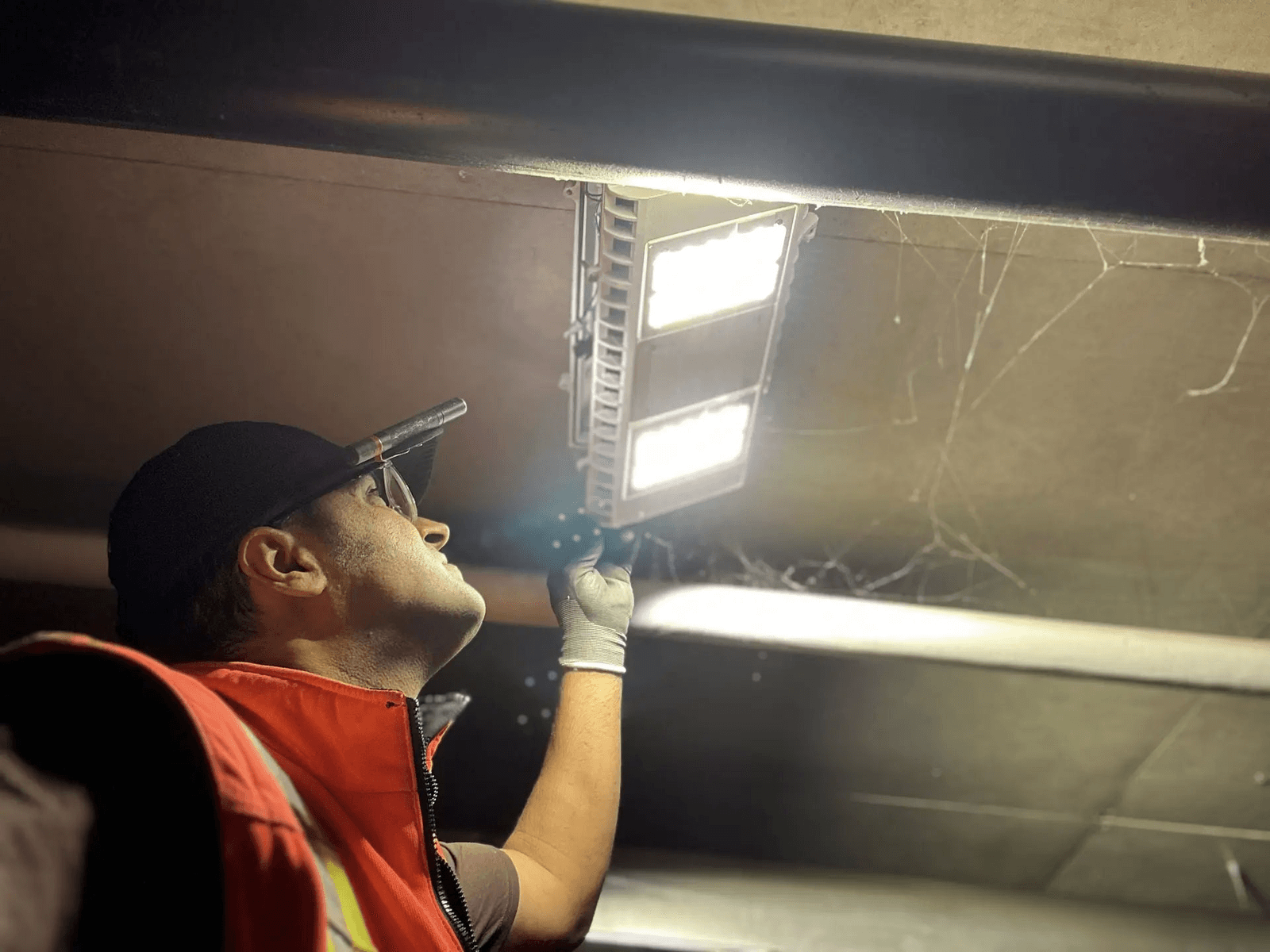
Most residential electricians in Canada charge between $80 and $150 per hour for standard work. In major urban markets, rates of $100 to $160 per hour are increasingly common. Some electricians may charge more when the work commissioned requires specialized expertise, emergency service, complex troubleshooting, or additional certifications.
Typical 2026 residential electrician rates in major Canadian cities include:
City | Typical Residential Hourly Rate |
Montréal | $100 to $145/hour |
Toronto / GTA | $95 to $150/hour |
Ottawa | $100 to $150/hour |
Vancouver / Metro Vancouver | $95 to $175/hour |
Calgary | $100 to $160/hour |
Edmonton | $100 to $160/hour |
Winnipeg | $80 to $130/hour |
Halifax | $80 to $130/hour |
* Service-call minimums and travel charges may apply in addition to the hourly rate. The first hour of a residential service call often costs $100 to $200 or more, depending on the market and type of work.
What Is the Hourly Rate Determined by the CMEQ?
In Quebec, the reference hourly rates published by the Corporation des maîtres électriciens du Québec (CMEQ) vary according to the type of work:
Light residential: $112.58 to $143.30/hour
Heavy residential: $118.88 to $185.08/hour
Institutional, commercial, and industrial: $134.32 to $213.86/hour
Heavy industrial: $141.46 to $219.59/hour
Civil engineering and roadwork: $127.06 to $199.56/hour
Source: CMEQ
* Outside Quebec, pricing structures and licensing systems vary by province, and contractors generally establish their own rates.
Home Electrical Work: How Much Should You Budget?
When you need electrical work done, it often becomes a priority. An electrical system in poor condition can increase the risk of fire and other safety problems. This is why it is important to quickly understand the potential cost and start contacting qualified electrical contractors.
Let's look at average prices for common electrical repair and replacement projects in Canada.
Average Prices for Small Electrical Jobs
If you only need minor electrical work, such as replacing an outlet or installing a light fixture, the electrician will generally charge either an hourly rate or a minimum service-call fee, plus materials.
Flat-rate pricing is less common for projects that require only one or two hours of work, although some contractors now offer fixed prices for common residential services.
Cost to Replace an Outlet or Install a New Electrical Outlet
Source: RenoQuotes
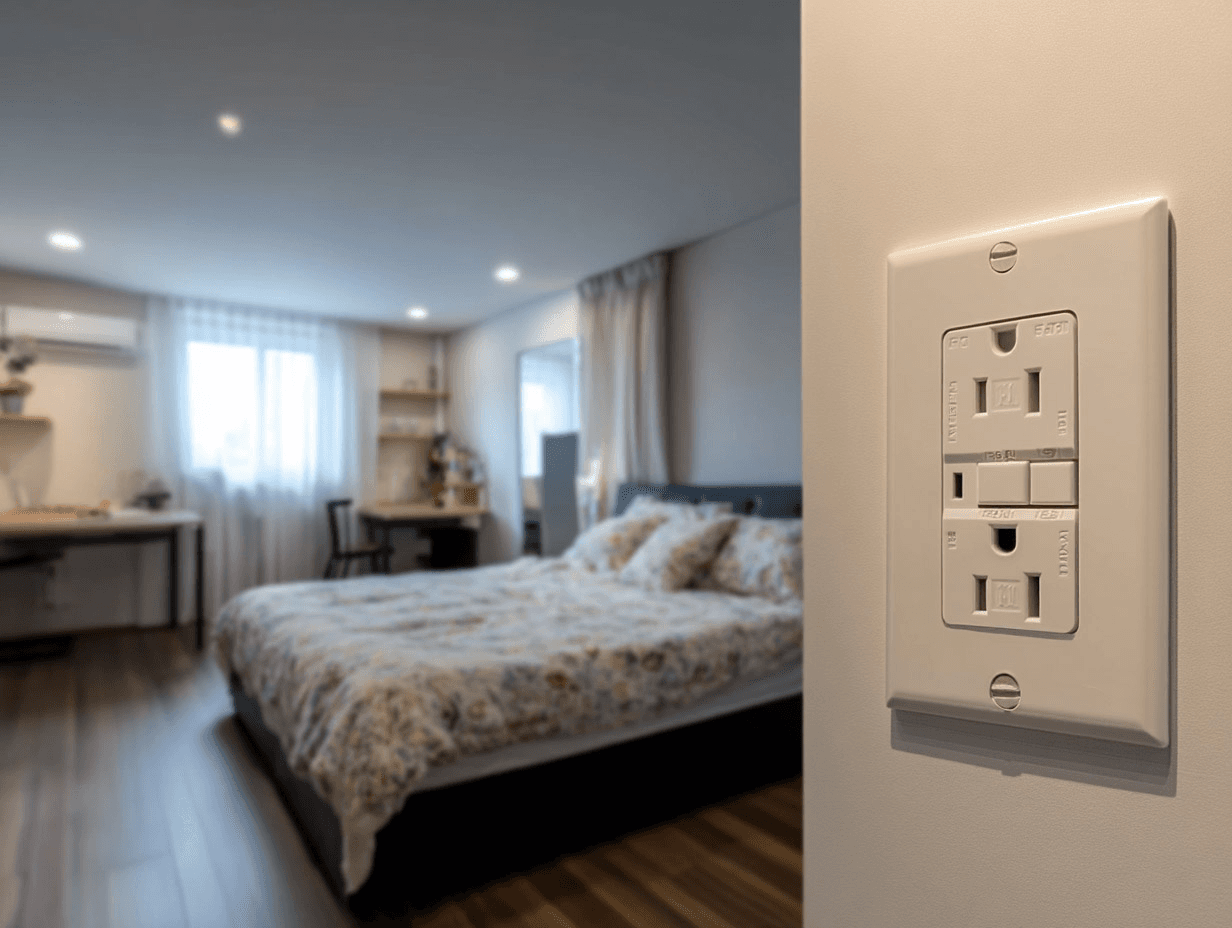
Replacing an existing electrical outlet generally costs about $150 to $300, including basic materials, travel, and labour.
Installing a new electrical outlet generally costs at least $200 to $300, and the total can reach $500 to $600 or more depending on the complexity of the project, the location of the outlet, whether a new circuit is required, and local labour costs.
In major markets such as Toronto and Vancouver, prices are more likely to fall toward the upper end of these ranges.
Light Fixture Installation: How Much Does an Electrician Charge?
Need to install a single light fixture? Budget anywhere between $100 and $300 for a straightforward installation. The electrician may charge a service-call fee along with labour. Most standard light fixtures can be installed relatively quickly when the existing electrical box and wiring are in good condition.
If several fixtures need to be installed during the same visit, the average cost per fixture may be lower because the service-call or travel fee is only charged once.
Average Cost of Major Electrical Work
Electrical work is generally considered standard or large-scale when the project takes several hours, requires walls to be opened, involves major rewiring, or requires modifications to the building's electrical service.
Major electrical projects should be completed by appropriately licensed and qualified electrical professionals in accordance with provincial and local requirements.
Cost to Replace an Electrical Panel in Canada
An electrical panel is the central distribution point of a home's electrical system. If it is outdated, damaged, undersized, or no longer suited to the home's electrical demand, repairs or a full replacement may be necessary. A basic like-for-like panel replacement can start at approximately $1,500 to $2,500.
A more substantial upgrade, particularly from a 100A to a 200A service, generally costs $2,500 to $6,000, although complicated projects can exceed this range.
Check out this article for more information: Replacing an Electrical Panel: What Are the Costs in 2026
Rewiring a House: How Much Does It Cost in Canada?

Source: RenoQuotes
To determine how much you should budget to completely rewire a house, you first need to understand the scope of the project. Prices vary considerably depending on the size of the home, accessibility of the existing wiring, age of the electrical system, condition of the walls, number of circuits, and the city.
A partial rewiring project may begin at around $5,000 for a small home, condo, or limited portion of the electrical system. For a complete house rewiring project, homeowners should more commonly budget $8,000 to $25,000 or more, particularly in older homes where walls must be opened or outdated wiring must be removed.
Cost to Connect a New House to the Electrical Grid
If a newly built home is not yet connected to the local electrical utility, a qualified electrical contractor will need to complete the required electrical service work. For relatively straightforward service connections, homeowners may need to budget approximately $1,500 to $4,000 or more.
However, complex installations, long service runs, underground connections, transformer work, or utility-specific requirements can significantly increase the cost.
Price Table for Common Electrical Work
Here are average planning prices for electrical projects that require an electrician:
Type of Electrical Renovation | Average Price |
100A electrical system work with compliant existing panel | $1,000 to $2,500 |
100A electrical system work requiring panel corrections | $1,500 to $3,500 |
Upgrade to a 200A electrical service | $2,500 to $6,000+ |
Auxiliary electrical panel installation | $800 to $2,500 |
Install a new electrical panel | $1,500 to $4,000+ |
Install a 120V electrical circuit | $300 to $800 |
Install a 240V electrical circuit | $400 to $1,000 |
Add a standard outlet on an existing circuit | $150 to $300 |
Add an outlet requiring a new circuit | $250 to $600 |
Partial or complete rewiring | $5,000 to $25,000+ |
Electrical grounding work | $200 to $800 |
Electrical plan for new construction or major renovation | $500 to $2,500+ |
* These prices are estimates and can vary considerably depending on the city, contractor, permit requirements, materials, accessibility, and complexity of the existing electrical system.
Here is another article about the cost of work completed by electricians: Electrician Prices - How Much to Budget?
Who Can Perform Electrical Work in Canada?
Electrical work is regulated across Canada, although the specific licensing, certification, permit, and inspection requirements vary by province. Electrical contractors and electricians must hold the qualifications required in the province where the work is being completed.
In Quebec, for example:
Contractors must hold the appropriate RBQ licence, including subcategory 16 for electrical work.
Electrical contractors must comply with CMEQ requirements.
Other provinces use their own regulatory systems and electrical safety authorities.
If you're interested in becoming an electrician, training programs are available through trade schools and apprenticeship programs across Canada.
Here is an article to learn more about the profession:
Can I DIY Electrical Work?

Source: RenoQuotes
DIY electrical work is regulated differently from one province/territory to another. Some provinces allow homeowners to perform certain types of electrical work on their own property if they obtain the appropriate homeowner permit and inspection. Other types of work must be completed by licensed electrical contractors or certified electricians.
Regardless of the province, electrical work presents serious safety risks. Incorrect wiring can cause electric shock, equipment damage, overheating, or fire. Always verify the requirements of your provincial electrical safety authority and municipality before performing electrical work yourself.
What Types of Work Require an Electrician?
The exact requirements vary across Canada, but many electrical projects require a qualified electrical professional and, in many cases, a permit or inspection.
Examples include:
Installing light fixtures or ceiling fans
Connecting high-powered appliances
Installing security or home automation systems
Installing electric vehicle charging stations
Adding electrical outlets
Upgrading an electrical panel
Adding new circuits
Rewiring a home
Got your interest? Check out this article while you're at it: Residential Electrical Installation - When Should You Call a Pro?
How to Find an Electrician for a Reliable Project Quote
Finding a qualified electrician doesn't have to be complicated. Simply fill out our project request form and be matched with a local electrical contractor from our network.
That way, you'll be connected with qualified professionals who have the required licensing, insurance, and experience.
For electrical projects, comparing multiple quotes can help you better understand the scope of work, materials included, permit requirements, and overall price.
In Conclusion
Electrical work is often a priority. The cost can vary considerably depending on the work required and the complexity of the project. For smaller jobs, pricing is often calculated using the electrician's hourly rate plus materials and a service-call or travel fee. Larger electrical projects are more commonly quoted as a fixed project price.
FAQ About Electrical Work
What are the warning signs of electrical system problems?
If you think your electrical system may be malfunctioning, here are some of the most common problems to watch for:
Sudden power outages
Short circuits
Circuit breaker problems
Overloaded circuits in certain areas of the home
Insufficient electrical outlets
Electric shocks
Electricity bills that suddenly increase
Wiring problems
Electrical devices, outlets, or appliances producing unusual heat or odours
The following article explains these warning signs in greater detail: The 9 Most Common Electrical Problems
What are the risks of doing electrical work yourself?
Social media provides countless examples of homeowners completing renovation projects without professional help. While some renovation work can be suitable for DIY projects, electrical work involves substantial safety risks.
Electrical work can expose people to electric shock, electrocution, fire, and property damage. Even when the initial installation appears to work correctly, improper wiring, loose connections, overloaded circuits, or incorrect devices can create problems later. Improperly installed light fixtures, outlets, or wiring can create overheating and fire hazards. Unpermitted or non-compliant work may also create complications with inspections, property sales, or insurance claims.
For these reasons, homeowners should verify local regulations and consider using a qualified electrical professional for work involving the home's electrical system.
How can I make sure my home's electrical system is safe?
Homeowners should periodically monitor the condition of their electrical system and pay attention to warning signs. You should also check important components such as:
Electrical panel
Here are other articles that can help you determine whether your electrical system is in good condition:
Looking for something else?
Related articles
The latest industry news, interviews, technologies, and resources.

Editorial Team
•06 Aug 2024
The digital realm has evolved exponentially over the years, and home automation systems are following suit. A home automation system allows you to remotely control a myriad of devices and equipment in your home thanks to technology such as the Internet of Things (IoT) and artificial intelligence (AI). However, while these systems offer unprecedented connectivity, they also present some downsides.
Cynthia Pigeon
•08 Jun 2026
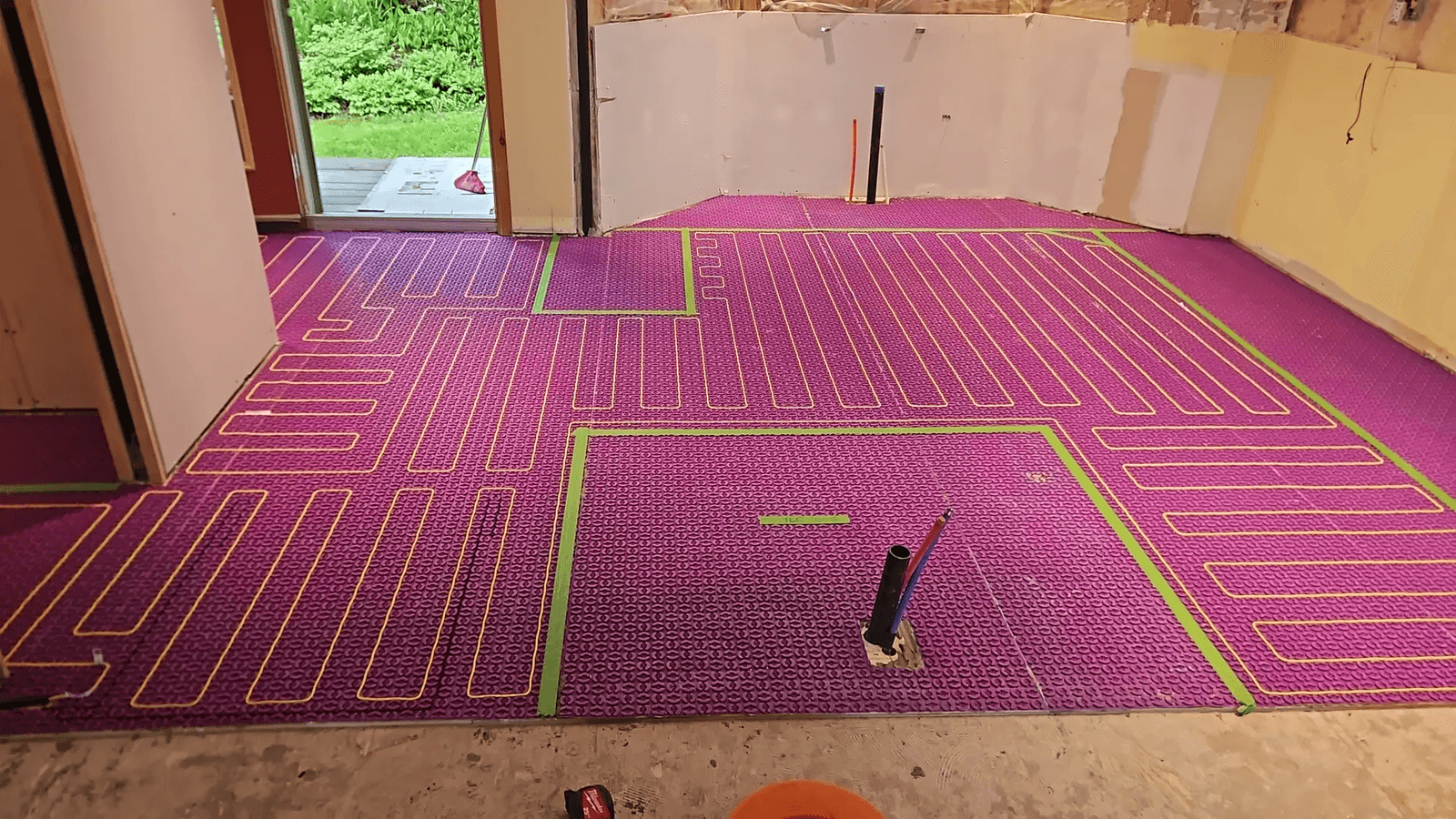
Quebec winters are unforgiving. When the temperature drops below -20°C in Montréal, Québec City or Saguenay, thermal comfort becomes a top priority for homeowners. Stepping onto freezing ceramic tile after a shower or while making your morning coffee is an unpleasant feeling that many households choose to eliminate. This is why electric floor heating has become increasingly popular during residential renovation projects. It provides gentle, even and enveloping heat, while optimizing living space by eliminating the need for bulky baseboard heaters.

Editorial Team
•08 Nov 2023
When we purchase our first home, everything seems perfect. Of course, over time you live there, grow your family and build a cocoon to call your own. Over the years, your home evolves with you, and while it may be subtle, it can age quickly.

Editorial Team
•25 Jul 2025
Flooring, also known as floors or floor coverings, is the visible, functional part on which we tread daily. This covering becomes essential in terms of looks, thermal and acoustic insulation, and safeguarding against factors like moisture. Choosing the right indoor flooring means creating a harmonious setting meeting the space’s practical needs, whether it’s a kitchen, living room, bathroom, or basement.

Editorial Team
•08 Oct 2025
The labour shortage is one of the leading recruiting challenges facing the Quebec construction and renovation industry in 2023. As a result of the aging workforce and declining birth rates, the amount of available workers has significantly decreased in the last few years. Furthermore, the construction and renovation industry is confronted with an intense rivalry from other industries, making talent acquisition even more difficult. Companies are struggling to find labour and its effect is increasingly recognized. It’s a pattern that has been established within our company. Indeed, much like our CEO, Michel Jodoin, stated at the start of the year, hundreds of job offers specific to the renovation industry are being posted on our platform, many of which have yet to find takers.