Residential Electrical Installation – When Should You Call a Pro?
By Editorial Team
Updated on April 18, 2025
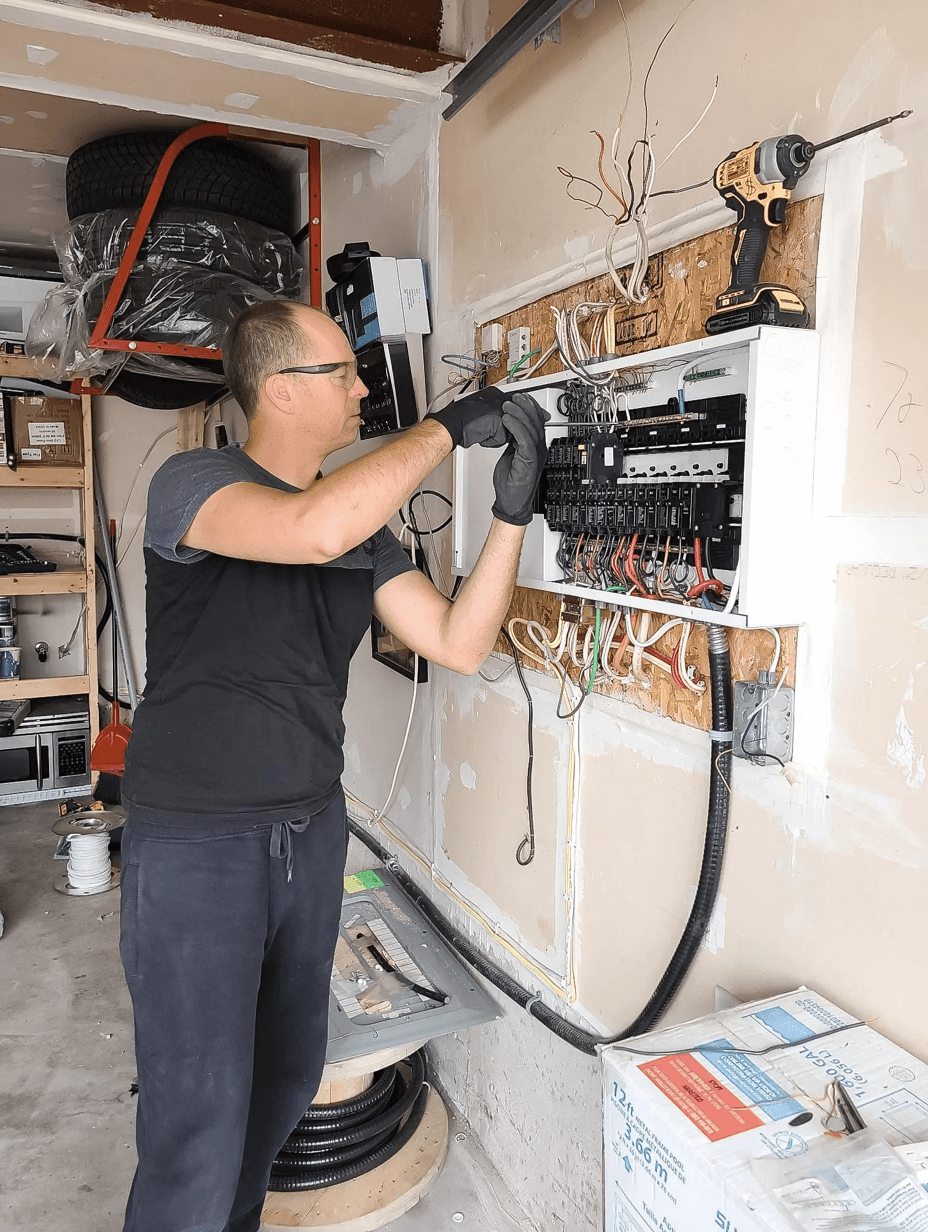
Some handy homeowners may feel comfortable tackling electrical work themselves. After all, replacing a switch or adding a light fixture might seem within anyone’s reach. But be careful — when it comes to electricity, caution is key.
For safety, compliance, and peace of mind, hiring a certified electrician is often the best choice — and it’s also a legal requirement in many cases in Quebec.
What types of work require an expert’s help? Of course, electricians aren’t needed to replace a simple light bulb.
Planning renovations that involve electrical work? Here are a few examples of jobs where you’ll need to call in a pro:
What types of work require an electrician?
Source : Deschênes Électrique Inc.
Some electrical work goes well beyond the realm of DIY. The technical complexity, the impact on home safety, and the need to comply with current codes all make it necessary to call in a certified electrician. Here are several situations where a professional’s expertise is not only recommended — it’s often required by law.
Installing Light Fixtures or Ceiling Fans
Most homeowners are quite capable of replacing light fixtures themselves. However, sometimes the wattage of a new light fixture will not match the amperage of the circuit, and thus the fixture will be incompatible with your current system. If this is the case, homeowners will require an additional wire to be run from their circuit breaker. For homeowners who may not understand the inner workings of their electrical systems, it is best to hire an electrician to complete the job.
If that’s the case, you’ll need to run an additional wire from the breaker. This is a complex process that can be quite dangerous if done incorrectly. If you do the work yourself and a fire occurs afterward, your insurance provider may refuse to cover the damages caused by the incident.Running wires from your circuit breaker is a complex process, and if done incorrectly, could be relatively dangerous. There are a few other instances which might require the aid of an electrician when replacing a light fixture. Especially If you live in an old home, installing a ceiling fan may be tricky. Older buildings do not always have the insulation as well as the wiring to accommodate ceiling fans.
Further, some light fixtures may be too heavy for older ceilings to support. Make sure that if you are installing a new light fixture in an older home or building, that all wiring is in appropriate shape to support newer fixture models and voltage. If you’re not too certain, it would be suggested that you call an electrician.
Hooking Up Heavy-Duty Appliances
Connecting certain appliances — like electric stoves, built-in ovens, spas, or central heating systems — requires specialized circuits that can handle a high electrical load. Poor installation can lead to overloads, failures, or even fires. An electrician will make sure the appliance is connected to a dedicated circuit with the proper breaker, in accordance with the Quebec Electrical Code.
Installing Security or Smart Home Systems
Smart homes are becoming more popular, but installing them requires precise knowledge of both electrical systems and connectivity. Whether it’s automated lighting, a smart thermostat, motorized blinds, or a centralized control system, each component must be safely and properly integrated into your home’s electrical network. An electrician can help build a solid foundation for your smart home setup.
Installing Electric Vehicle Charging Stations
With electric vehicles on the rise, installing a home charging station is becoming increasingly common. However, it often requires upgrading your main electrical panel and checking the capacity of your home’s electrical system. A certified electrician is best suited to carry out this work safely, ensuring the installation meets current regulations and manufacturer requirements.
Adding Sustainable Energy Solutions
Residential solar panels, storage batteries, or hybrid systems (such as solar panels combined with a charging station) involve complex connections between multiple energy sources. The setup must allow for smooth management of energy production, distribution, and storage. A specialized electrician can design an efficient, safe solution that complies with local regulations.
Installing Additional Outlets
Owning a home doesn’t necessarily mean that homeowners can choose the placement of every feature within it. Sometimes, the wiring layout and the location of outlets have already been predetermined. Homeowners may find themselves needing additional outlets in a room due to poor positioning, limited access, or the need for more connections.
In any case, the installation process isn’t as simple as it might seem. Improper electrical grounding can lead to sparks and fire hazards. Installing extra outlets also involves drilling into the walls of your home — a task best left to the pros. Electricians are trained to handle the technical details involved.
Other installations that should be left to certified electricians include Ground Fault Circuit Interrupters (GFCIs), which cut the power when water is detected or when an electrical imbalance occurs in the home. GFCIs help prevent electrocution by shutting off the current and avoiding shocks.
Upgrading Electrical Panels and Wiring
Upgrading to modern lighting or appliances may require additional wiring.
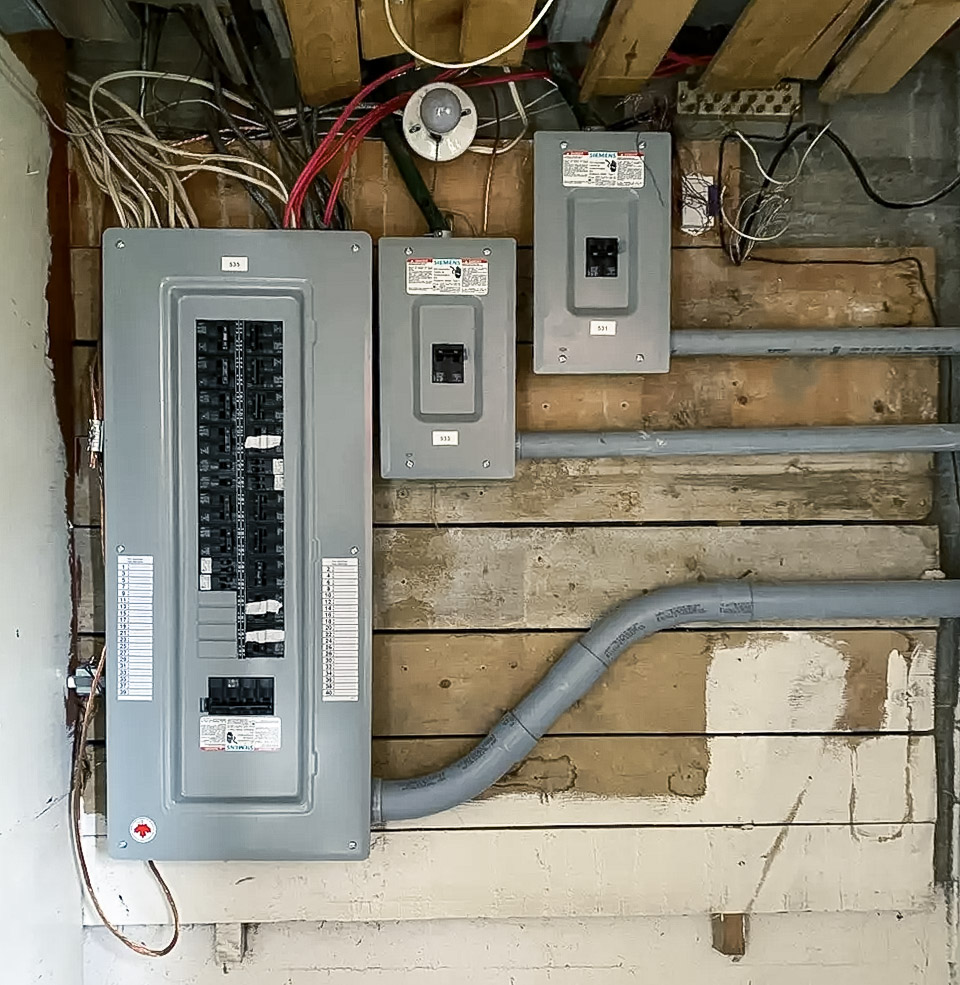
Older homes often have outdated wiring and electrical panels that no longer meet current standards. When paired with modern appliances, an old panel can lead to flickering lights, power outages, or even more serious electrical issues. That’s why upgrading your electrical system may be necessary.
It’s a delicate job — it may involve opening up walls, securing existing circuits, and more. An experienced electrician can handle the work without compromising your home’s structure or safety.
Adding outlets, wiring, upgrading the electrical panel—find out how much these projects cost.
The Quebec Electrical Code: a Matter of Safety
Source : Poly Domotique inc.
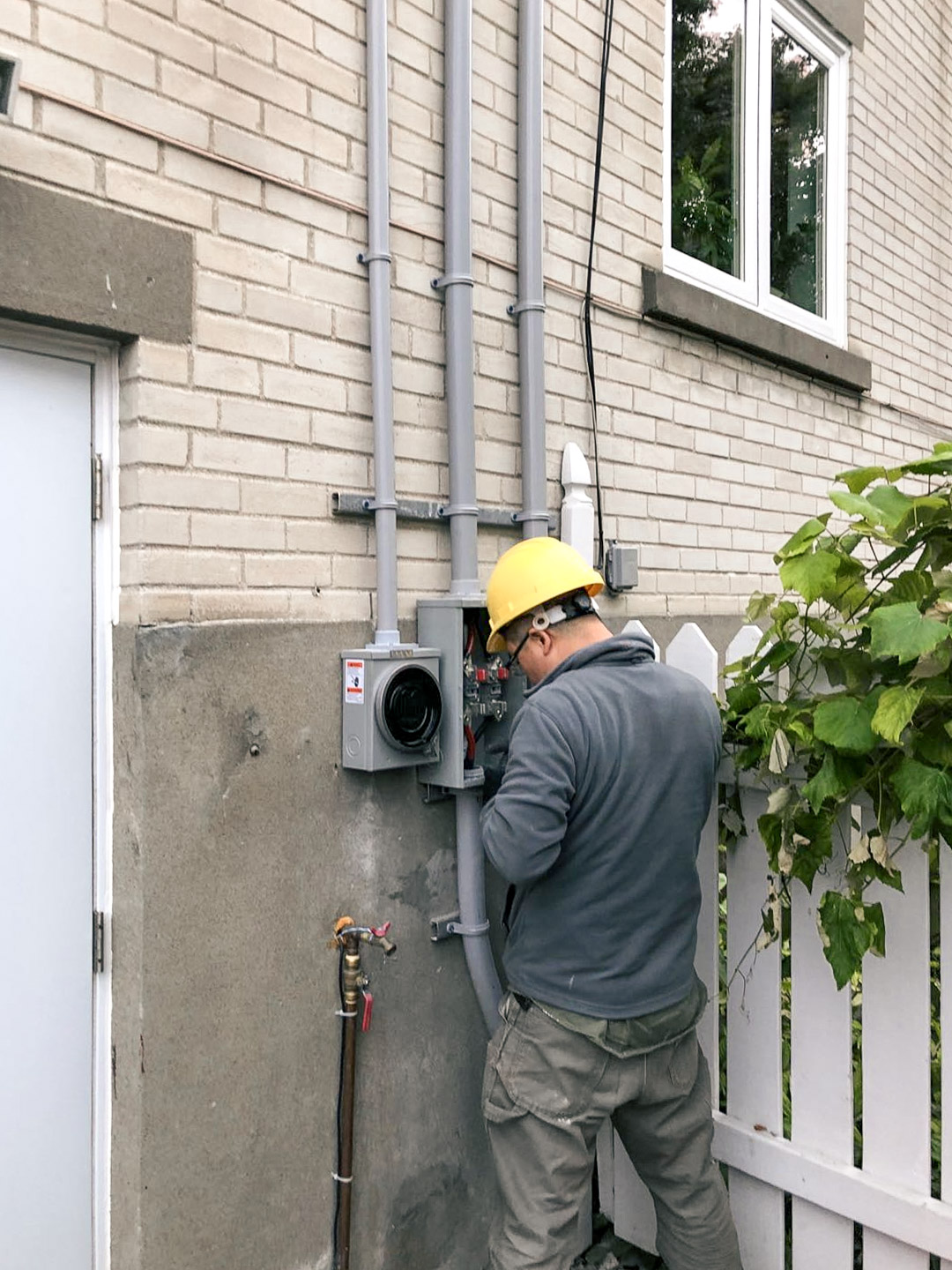
Across Canadian provinces, electrical work is governed by strict regulations. In Quebec, these rules are outlined in the Quebec Construction Code, which is based on the Canadian Electrical Code. According to this code, many types of electrical work can only be performed by electricians who hold a valid licence from the Régie du bâtiment du Québec (RBQ).
Following these standards isn’t just about complying with bureaucracy. It’s primarily about preventing serious risks such as electrical fires, potentially fatal shocks, or circuit failures that can damage appliances and structures. Poor installations or non-compliant wiring can result in costly consequences — not just in repairs, but also through denied insurance claims in the event of a loss.
Hiring a qualified professional ensures the work is done using certified materials, in compliance with the most current standards, and includes the required inspections and documentation. This means peace of mind, optimal performance of your electrical system, and most importantly, a safe environment for you and your loved ones.
Residential Electrician: Your Partner for Safe Electrical Work
In conclusion, hiring a residential electrician is essential any time work involves your home’s electrical system. Whether it’s an installation, a renovation, an upgrade to meet current codes, or simply a diagnostic, their expertise ensures your equipment is safe, compliant, and reliable. Skipping this step can lead to serious risks — both to people and the property itself. By trusting a qualified professional, you gain peace of mind while also enhancing the value of your home.
FAQ – Residential Electrical Work
How can I find a reliable electrician?
To find a reliable electrician, look for a professional licensed by the CMEQ (Corporation des maîtres électriciens du Québec). Check customer reviews, ask for references, and compare multiple quotes. Make sure they also offer a warranty on their work.
What is the hourly rate for an electrician?
In Quebec, the hourly rate for an electrician generally ranges from $80 to $120/hour, depending on the region, the urgency of the job, and the complexity of the work.
Can I do electrical work myself in Quebec?
No. According to the Régie du bâtiment du Québec (RBQ), anyone performing electrical work must hold the proper licence. This means a homeowner cannot, for example, rewire a room, modify an electrical panel, or install a charging station without the help of a licensed electrician.
How much does it cost to bring an old electrical system up to code?
Upgrading an electrical system to meet current standards can cost between $3,000 and $10,000, depending on the scope of the work (panel replacement, grounding, wiring, etc.). An on-site evaluation by an electrician is essential to get an accurate estimate.
Looking for something else?
Related articles
The latest industry news, interviews, technologies, and resources.

Editorial Team
•29 May 2026
Reducing electricity consumption starts with understanding where your home uses the most power. In Canadian homes, electricity can go toward lighting, appliances, electronics, water heating, cooling, and, in many provinces, space heating. Natural Resources Canada notes that space heating and water heating are among the largest energy uses in the average Canadian home, which means small daily habits and larger efficiency upgrades can both make a noticeable difference.
Editorial Team
•01 Dec 2025
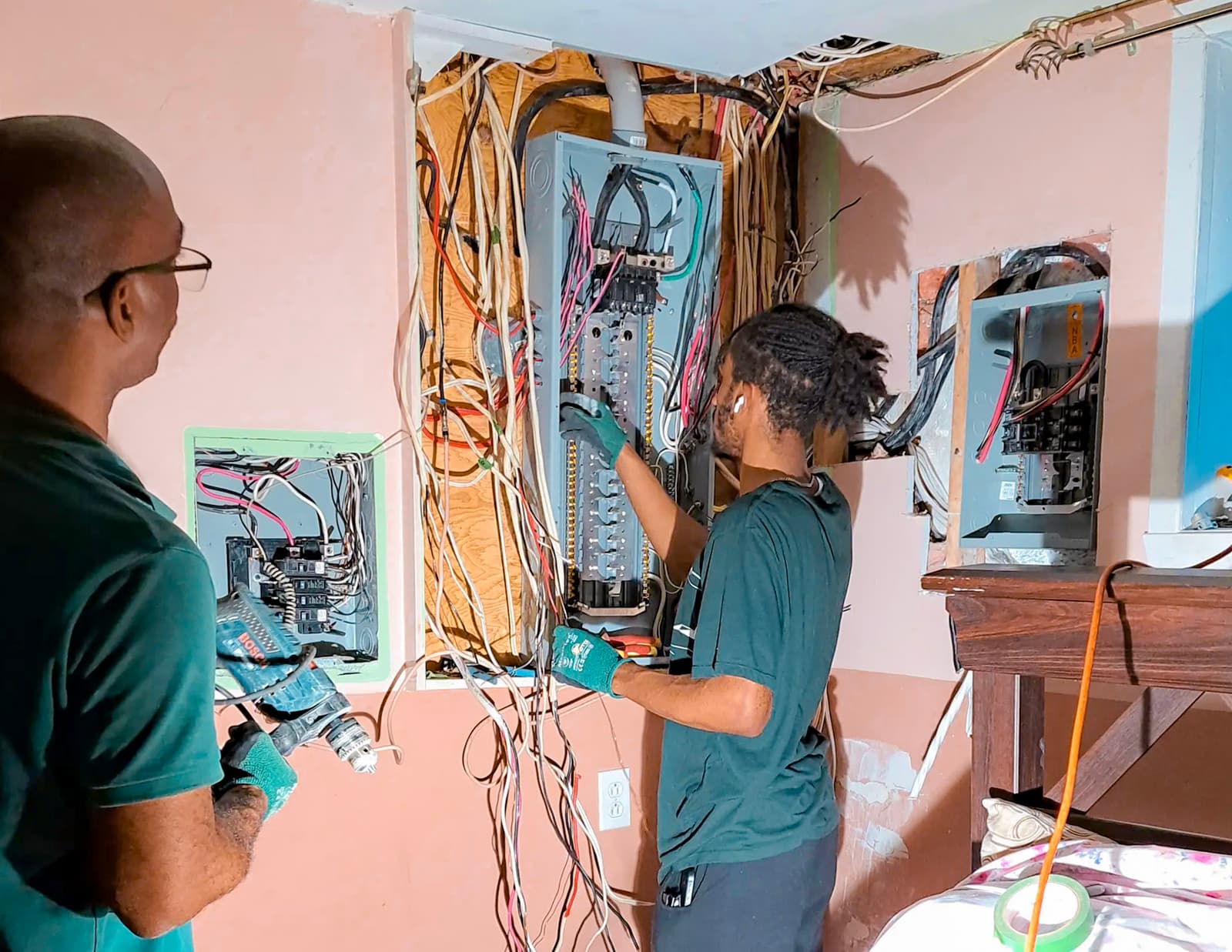
It's important to know if your home's electrical installations meet current safety standards, especially if your house is older. Electrical codes are updated regularly to protect homeowners, contractors, and insurers.

Editorial Team
•08 Oct 2025
Is your work experience deemed non-construction, yet are hoping to leverage your know-how, log hours in your apprentice record book, and break into the industry? Come along as we take a deep dive into this subject matter, detailing how best to shoot your shot while showcasing your relevant work experience.

Léa Plourde-Archer
•04 Feb 2025
The bathroom plays a crucial role in our homes, serving as both a serene retreat and a space for quick, everyday routines. As you plan a bathroom renovation, you might wonder: What changes will enhance both functionality and aesthetics? How can you create a layout that maximizes space? With a plethora of options, the first step is identifying what needs improvement, followed by thoughtful design and decor choices.

Editorial Team
•18 Jan 2025
A lack of space can be seen as an obstacle when thinking about the layout of our home. Of course, that doesn’t mean that it will necessarily be more complicated. Instead, it's all a matter of perception.