7 Reasons King Size Mattresses Improve Sleep Quality
By Collaboration
Updated on February 12, 2026
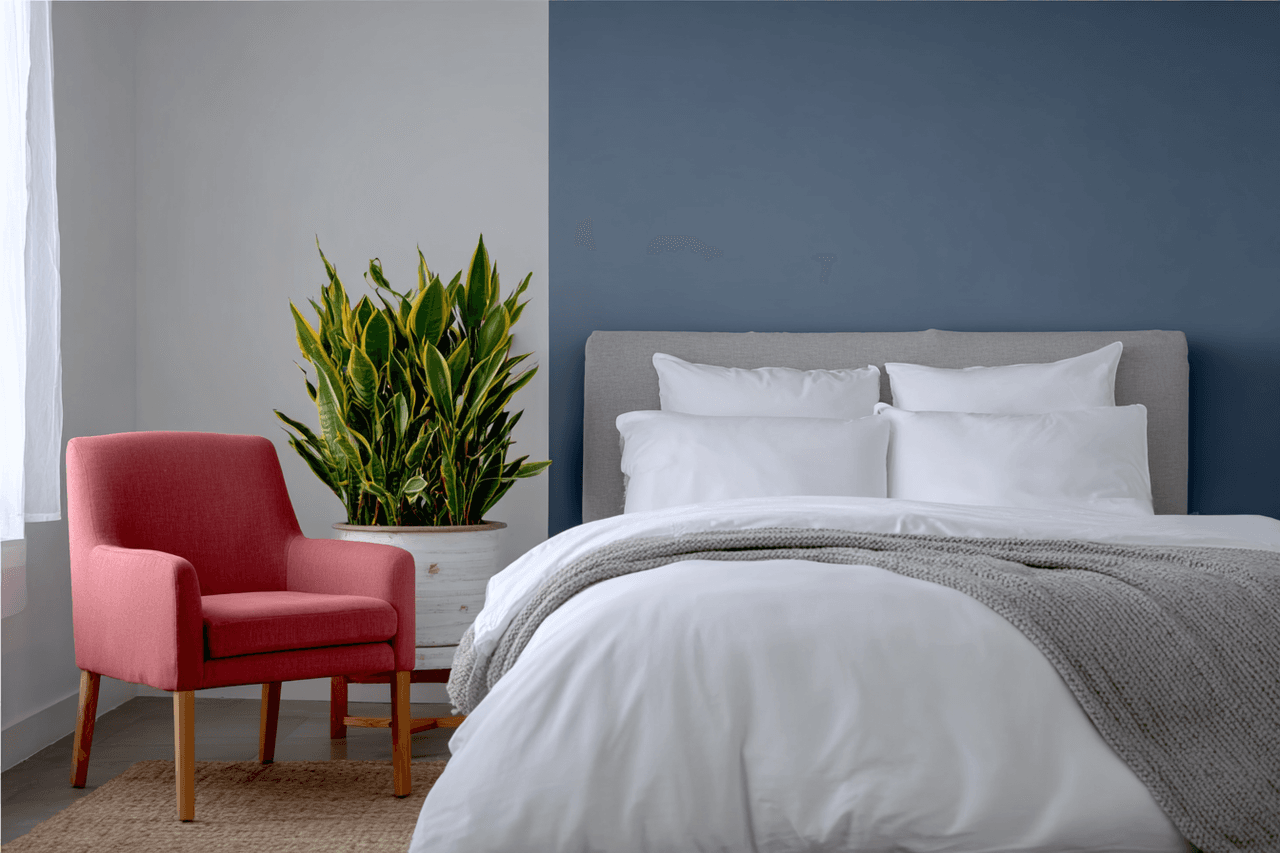
You know that thing where you wake up and realize you've been clinging to about six inches of mattress while your partner's somehow claimed the remaining 90%? Or maybe it's 3 AM and they just rolled over—again—and now you're wide awake wondering if you'll ever get back to sleep. Fun times, right?
Thing is, maybe the issue isn't actually your partner being inconsiderate. Could be you're both just crammed onto a bed that's too small for two adults who move in their sleep like normal humans do. King size mattresses measure 76 inches wide by 80 inches long, which breaks down to each person getting their own twin-bed's worth of space. That's not luxury—that's just... enough room to actually sleep properly. If you're curious what that extra space looks like in practice, browsing king mattress at The Brick shows you everything from memory foam designs that absorb movement to hybrid constructions that work when two people need totally different support levels. Getting familiar with what's out there—different mattress types, firmness options, cooling features—becomes way easier at The Brick, where you can actually compare what matters for sleep instead of just guessing.
So let's talk about how upgrading to a king genuinely changes how you sleep—not in a marketing brochure way, but in ways you'll notice the first week.
7 ways that king size mattresses improve sleep quality
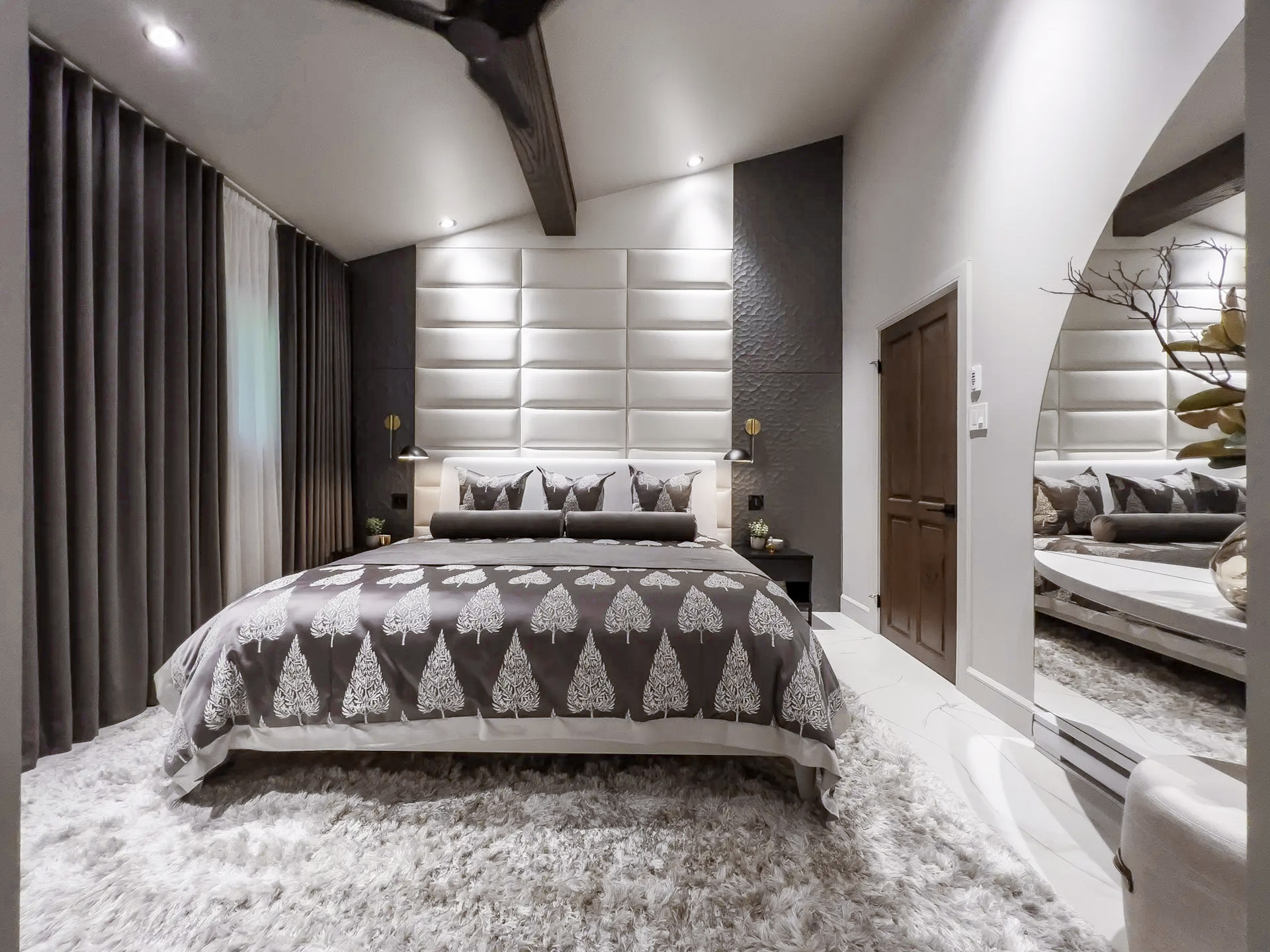
Source: Espace Casa
1. Personal Space Isn't a Luxury Anymore
Here's the breakdown: queen mattresses give each person 30 inches of width. Kings? You each get 38 inches. That's literally twin-bed territory for each sleeper. Might not sound like a huge difference until you've actually experienced it, but those extra 8 inches per person transform everything.
The National Sleep Foundation did research on this and found couples sleeping on larger mattresses saw up to 25% improvement in sleep quality versus those on full or queen sizes. Makes sense when you think about it—you're not doing that weird thing where you limit your movements all night to avoid waking your partner. Want to stretch? Go ahead. Need to stick one leg out because you're too warm? Nobody's getting kicked. That ability to move however your body needs throughout the night keeps you from waking up stiff and sore because you got locked into one position for eight hours.
2. Movement on One Side Stays There
Different sleep schedules are rough on couples. One person works nights, or someone's an early riser while the other's a night owl. On smaller mattresses, every single movement telegraphs across the bed—they shift, you're awake. They get up for water, congratulations, you're up too now.
Kings basically solve this through sheer distance and surface area. What happens on one side barely registers on the other, especially if you've got decent memory foam or hybrid construction that's designed to keep motion isolated. For relationships where one person tosses and turns or has to get up multiple times at night? This can legitimately be relationship-saving stuff. You both stay in those deep sleep cycles where the actual restorative work happens—your brain consolidates memories, your body repairs cells, all that critical maintenance.
3. The Heat Situation Actually Gets Manageable
Two people generate way more heat than you'd think, and when you're packed together on a queen, that warmth just pools between you creating this uncomfortable hot zone. If one or both of you runs hot naturally, it becomes genuinely miserable. You're constantly adjusting covers, overheating then freezing, never quite comfortable.
The physics of a king mattress work in your favor here: more surface area means better airflow. There's actual breathing room between sleepers so air can circulate instead of heat getting trapped. This matters a lot if you're dealing with night sweats, going through menopause, or just naturally sleep warm. You can also use cooling toppers and breathable sheets more effectively when you're not forced into constant contact. Better temperature control throughout the night means fewer wake-ups and deeper, more consistent sleep.
4. Both Sleep Positions Work Without Negotiation
Maybe you're a dedicated side sleeper who needs to curl up with a body pillow situation. Your partner sleeps flat on their back, arms out. On a queen, somebody's compromising and probably waking up with a crick in their neck because of it. On a king? Both things happen simultaneously without conflict.
That width accommodates pretty much any sleep position—side, back, stomach, whatever weird diagonal thing you do. This matters more than it seems like it should because your preferred sleeping position usually supports proper spinal alignment and reduces pressure on joints. When space forces you into unnatural positions, you wake up hurting—stiff neck, sore back, that general feeling of having "slept wrong." A king lets both people sleep how their bodies actually want to sleep, which directly translates to better physical recovery and less pain when you wake up.
5. Your Brain Actually Relaxes
There's this psychological thing that happens when you feel physically cramped trying to sleep—your body stays slightly tense, never fully letting go. You're managing limited space even when unconscious, which keeps stress hormones slightly elevated.
Something about having room to really spread out on a king mattress helps drop cortisol levels. When you can stretch completely without hitting anything, breathe deep without feeling confined, your nervous system gets the signal that it's actually safe to fully relax. If you're someone who struggles with anxiety or has trouble shutting your brain off at night, this physical spaciousness can genuinely help. The mental and emotional relaxation follows the physical freedom, making it easier to both fall asleep and stay asleep. Over weeks and months, consistently better sleep starts showing up in better mood, clearer thinking, more emotional stability.
6. Blood Flow and Recovery Improve
Sleeping scrunched up on too-small beds can actually restrict circulation, especially if you're a side or stomach sleeper squeezed into limited space. Poor circulation during sleep leads to that pins-and-needles thing, numb limbs, waking up with your arm "asleep."
Kings give your body enough room to spread out naturally, which optimizes blood flow all night. Better circulation means oxygen and nutrients reach your tissues efficiently, supporting muscle recovery and cellular repair. This becomes increasingly important as you get older or if you've got conditions affecting circulation. The health benefits compound too—better sleep means stronger immune function, lower risk of cardiovascular issues, reduced chronic pain. Quality sleep literally makes your body function better, and having adequate space is foundational.
7. It Adapts When Life Changes
Think long-term for a second: life doesn't stay static, but a king mattress rolls with whatever comes. Kids have nightmares and climb in? There's room without anyone falling off. Pets insist on joining you? Everyone fits. One of you gains or loses significant weight, gets injured needing more space, develops sleep issues requiring special positioning? A king accommodates all of it without anyone feeling squeezed out.
This flexibility is genuinely valuable for growing families or just life throwing curveballs. You're not stuck with furniture that only works for one specific scenario. Yeah, kings cost more upfront than queens—mattress, bedding, frame, all of it adds up. But over 10-15 years (how long good mattresses last), that adaptability provides value beyond just immediate comfort. You're not replacing your mattress because your circumstances changed; your mattress works for multiple life phases.
Deciding If It's Worth It
Look, kings aren't universal solutions. You need adequate bedroom space—minimum 13x13 feet, realistically closer to 13x15 for comfortable movement around the bed. They cost more initially and ongoing for bedding. Moving them is genuinely difficult. These aren't small considerations.
But if you've got the space and budget, and especially if you're dealing with poor sleep from feeling cramped or constantly disturbed by your partner's movements, a king mattress isn't frivolous—it's investing in your health. Better sleep affects literally everything: mood, work performance, relationships, physical health, mental clarity, probably even lifespan. When you frame it that way, spending extra for 25% better sleep quality doesn't feel extravagant. It feels necessary.
FAQs About King Beds
Is a king size mattress worth it for couples?
For most couples, absolutely—especially if sleep quality matters more to you than saving money. Each person gets 38 inches of width, which significantly cuts down on disturbed sleep. Particularly worth it if one of you is a restless sleeper or you're on different schedules.
How much does a king size mattress cost in Canada?
You're looking at anywhere from $500 CAD for basic options up to $3,000+ for premium memory foam or hybrid models. Decent mid-range kings usually run $1,200-2,000 CAD. Don't forget to factor in more expensive sheets, comforters, and frames too.
What size bedroom do I need for a king mattress?
Minimum 13x13 feet, though 13x15 or bigger is more realistic if you don't want to feel cramped. You need at least 24-30 inches of clearance around sides and foot so you can actually walk without doing that sideways shuffle.
Does a king mattress actually improve sleep quality?
Research says yes—couples on kings experience up to 25% better sleep quality versus smaller sizes. The improvement comes from less motion transfer, better temperature control, more personal space, and being able to sleep in your preferred position without restriction.
Should I get a king or California king mattress?
Standard king (76x80 inches) is wider, which works better for couples needing side-by-side space. California king (72x84 inches) is longer but narrower, better for really tall people or narrow bedrooms. Most couples benefit more from the extra width of standard king.
Looking for something else?
Related articles
The latest industry news, interviews, technologies, and resources.

Editorial Team
•08 Nov 2023
Hello, and welcome back to our monthly recap of the best articles about interior design, home decor and renovations found on the internet! As spooky October sadly comes to an end, it’s time to look back at the past weeks and search for some interesting reading content for you, our readers.
Karine Dutemple
•05 Nov 2024
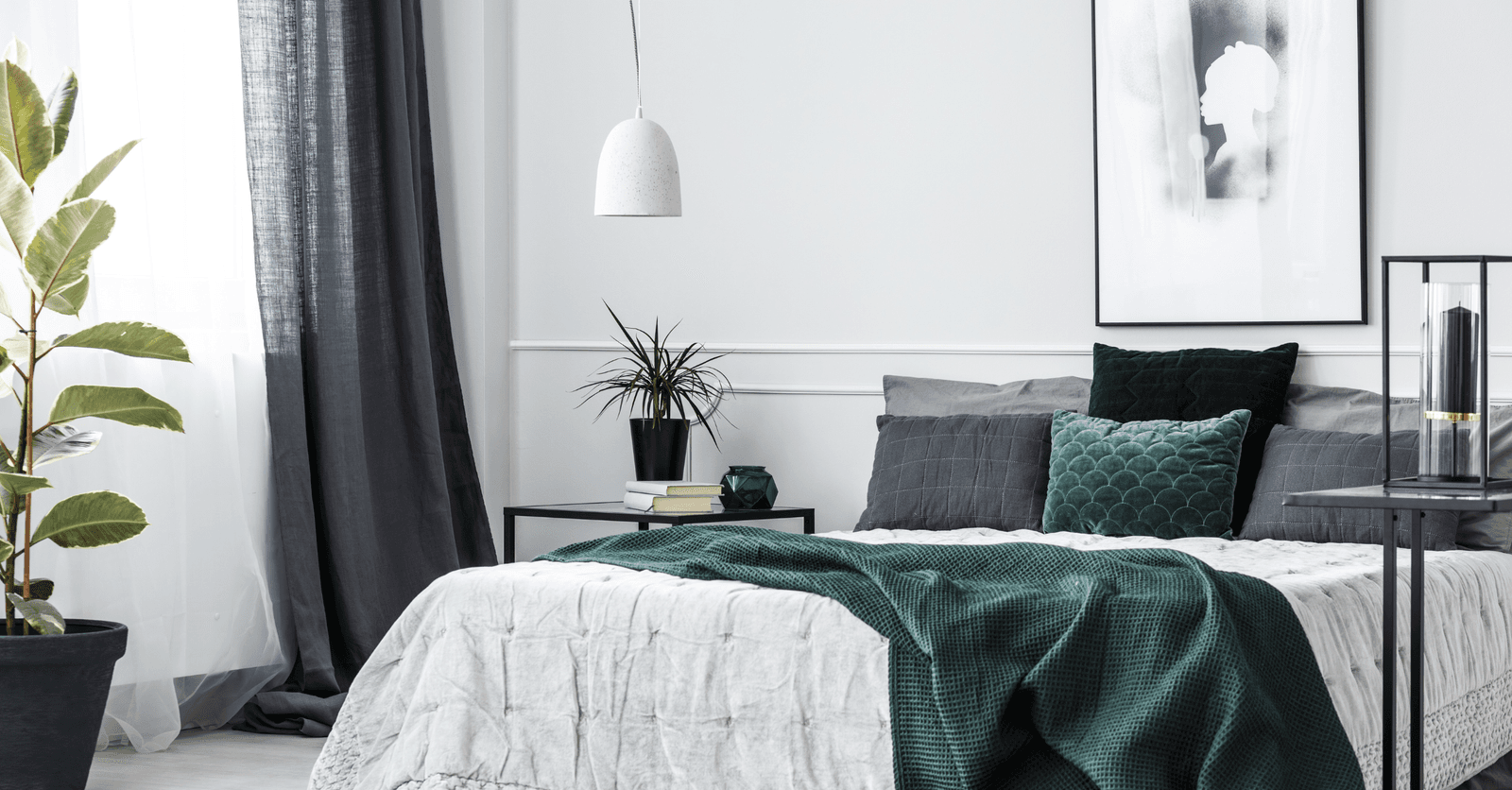
Are you tired of the boring décor in your bedroom? Do you want to transform your space into a grand relaxation area? How can you infuse elegance into your room while ensuring it remains comfortable and inviting? What about balancing contrasts or adding a touch of romance? If you’re looking for inspiration, you’ve come to the right place! Explore these ten stunning examples of elegant bedrooms that will inspire you to refresh your décor and create the serene retreat you’ve always wanted.
Cynthia Pigeon
•08 Jul 2026
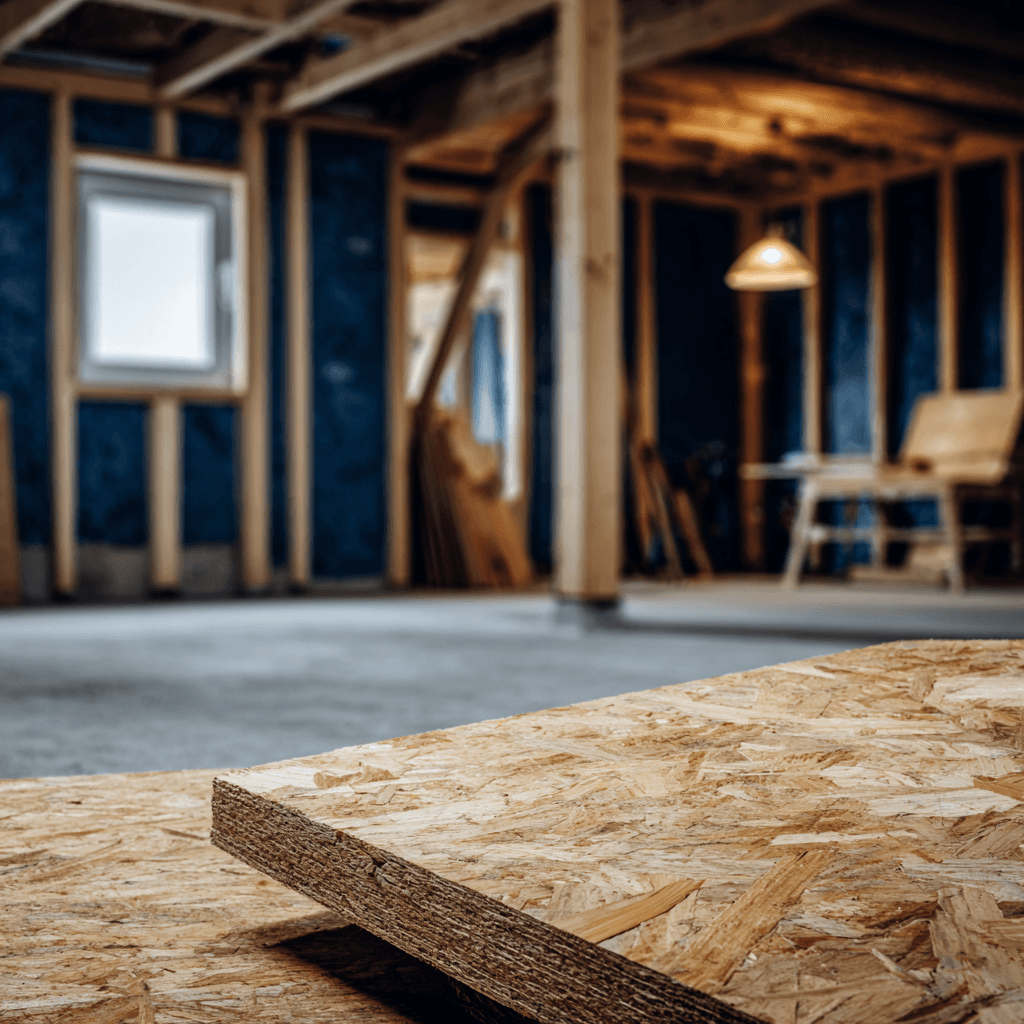
In 2026, replacing a concrete slab and pyrite-contaminated backfill can represent a significant budget. For a basement, some estimates range from around $15,000 to $40,000, while a garage can cost several thousand dollars, depending on the surface area, access and the extent of the removal required. This price includes the full excavation of the contaminated backfill, its replacement with tested non-expansive crushed stone and the pouring of new concrete. Before undertaking this major work, an official technical test following the CTQ-M200 protocol is often required by financial institutions or during a real estate transaction to assess the swelling index.

Editorial Team
•05 Dec 2025
Planning and building a brand new home from the ground up is always an exciting venture. Of course, each home-build project is unique and will follow a specific set of rules and regulations. Where you build your home will dictate many of these regulations, as urban homes will have different needs than those constructed in rural areas.
Amanda Harvey
•03 Nov 2025
Tiles come in all kinds of colours, shapes and sizes, keeping bathroom floors waterproof and beautiful. However, like any home surface, they need proper maintenance to uphold their elegance while preventing cracking, mould or mildew growth.