Asbestos Testing Cost in Canada: What to Expect Before Renovating
By Cynthia Pigeon
Updated on April 30, 2026
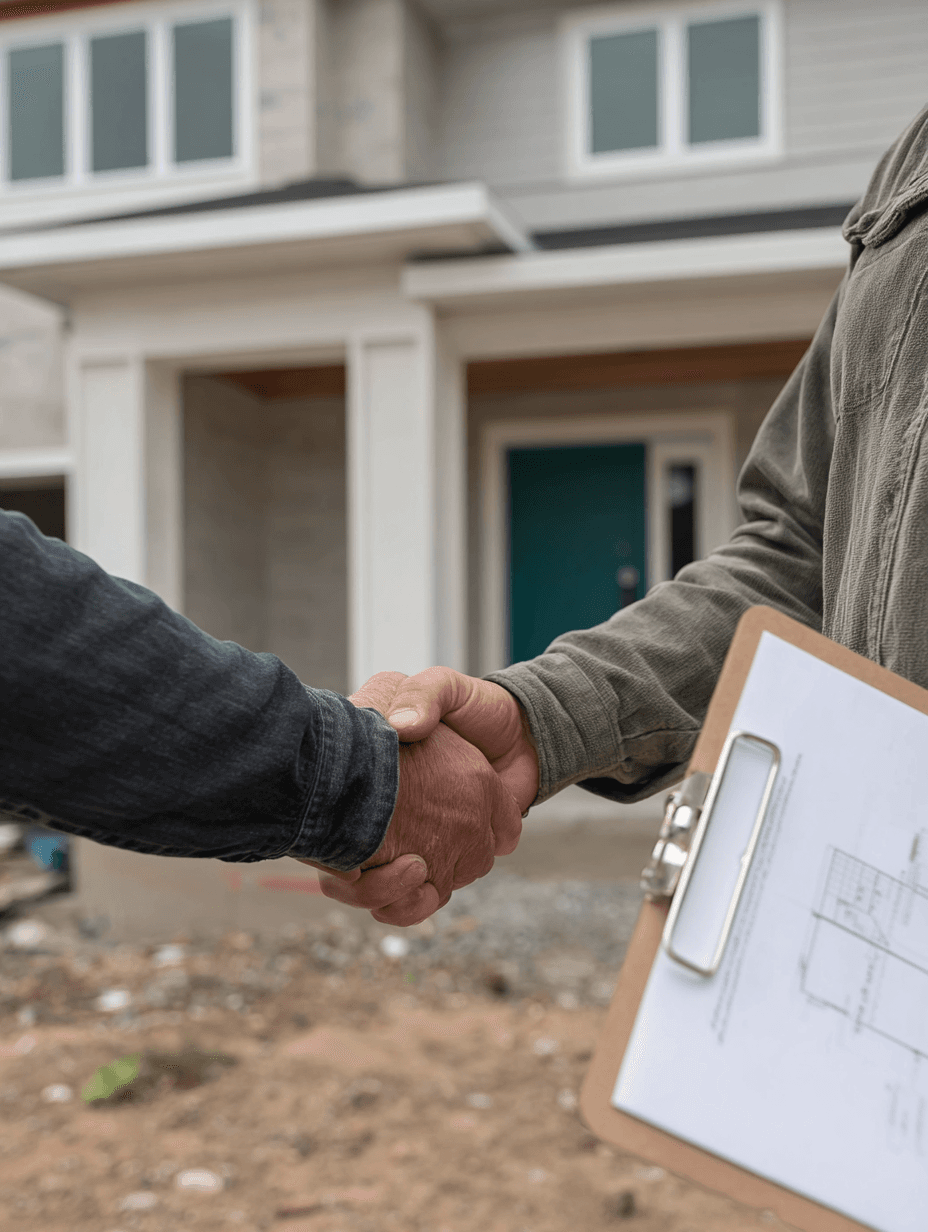
Across Canada, the cost of an asbestos test for a residential property typically ranges between $200 and $950. A simple DIY sampling kit costs around $200, while a full professional inspection with a certified report generally falls between $500 and $950. Testing materials before any demolition or renovation—especially in homes built or heavily renovated between 1930 and 1990—is a critical step to protect occupants’ health and ensure compliance with occupational health and safety regulations.
Cost of Asbestos Testing Before Renovations in Canada: Complete Guide
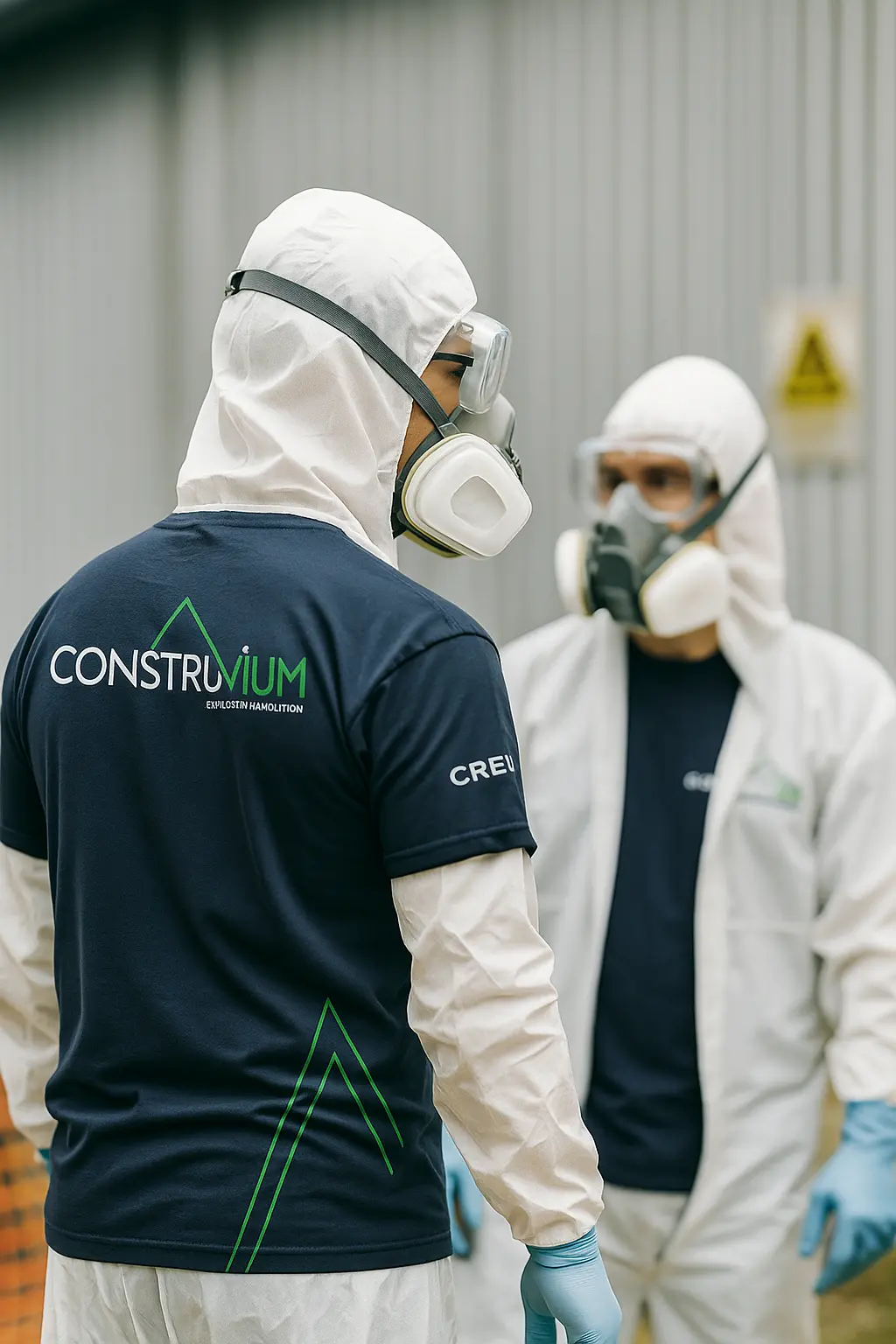
Source: Groupe Construvium Inc
If you're planning renovations in a home built before 1990, shopping for an asbestos test should be at the top of your priority list. Asbestos was widely used across Canada in construction materials until the late 1980s for its insulating and fire-resistant properties. Today, disturbing these materials without proper precautions can quickly turn a simple renovation project into a serious health and financial risk.
The cost of an asbestos test is minimal compared to potential remediation costs, which can easily reach several thousand dollars if toxic fibres are released. On average, Canadian homeowners pay between $500 and $850 for a standard professional assessment that includes site inspection and laboratory analysis of a few samples.
Why Test for Asbestos Before Renovating Your Home?
Asbestos is an invisible hazard. When materials containing asbestos (ACMs) remain intact, they generally pose little immediate risk. However, once disturbed—through cutting, sanding, or demolition—they release microscopic fibres into the air. These fibres can be inhaled and may cause serious diseases such as asbestosis, lung cancer, or mesothelioma, often decades after exposure.
Beyond health risks, there is also a legal duty of care. As a homeowner, you are responsible for the safety of workers entering your property. If a contractor encounters suspected asbestos (e.g., vermiculite insulation or older plaster), they are legally required to stop work immediately. This can result in costly delays and additional mobilization fees. Additionally, an asbestos-free report can be a valuable asset in real estate transactions, reassuring buyers and supporting disclosure documentation.
Factors That Influence the Cost of Asbestos Testing
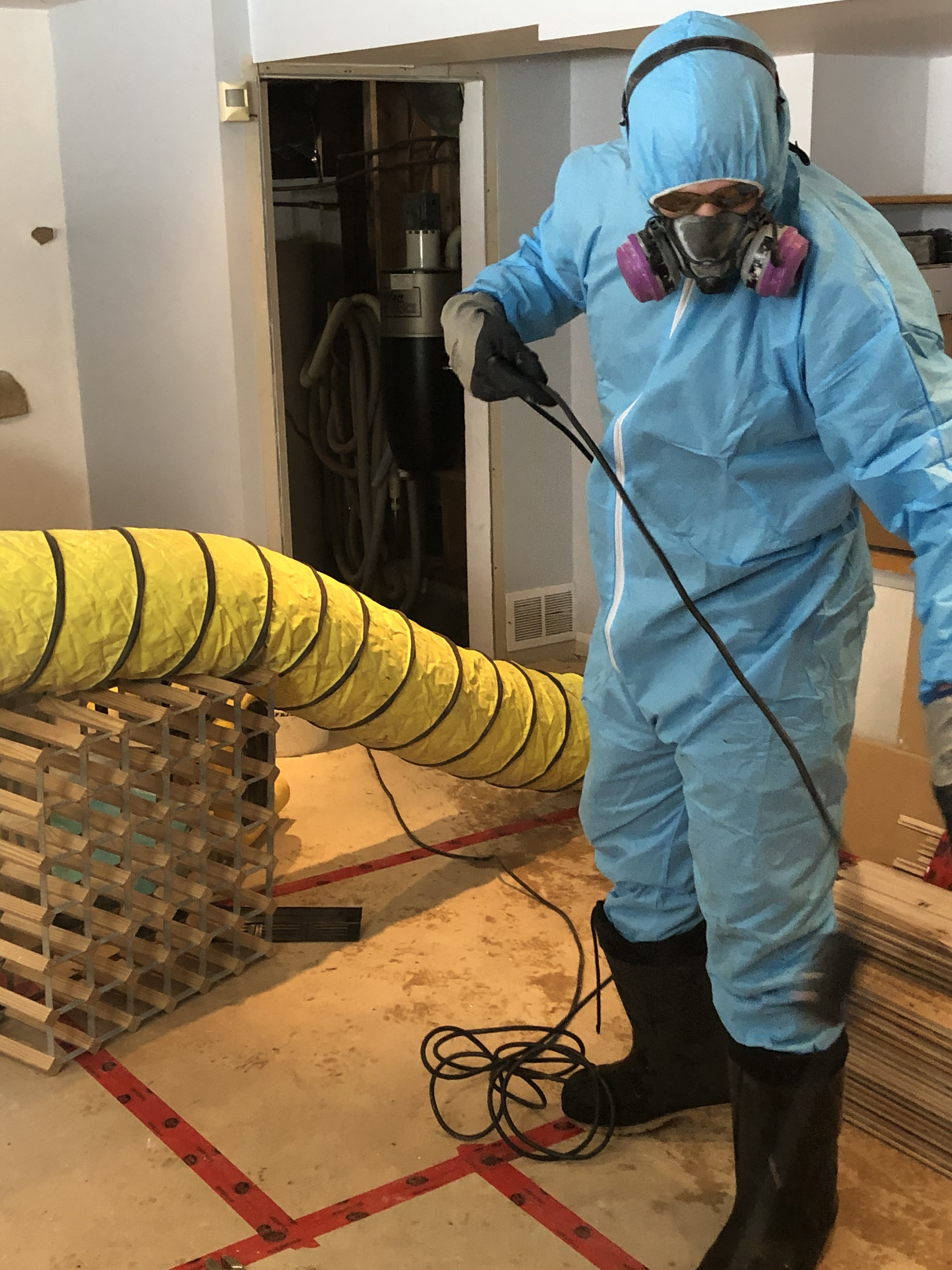
Source: Décor Service Concept
The cost of testing depends less on the size of your home and more on the complexity of sampling. Key factors include:
Number of samples: Laboratories typically charge per sample ($50 to $100 each). A kitchen renovation, for example, may require testing drywall, joint compound, flooring, and pipe insulation.
Accessibility of materials: Hard-to-reach areas (attics, behind cabinets, inside walls) increase labour time and cost.
Laboratory turnaround time: Standard analysis takes 2 to 5 business days. Rush services (24 hours or weekends) can increase costs by 50% to 100%.
Air testing vs. material testing: Material testing confirms the presence of asbestos, while air testing (typically more expensive) measures airborne fibre concentration after disturbances.
Price Ranges: DIY Kits vs Professional Inspection
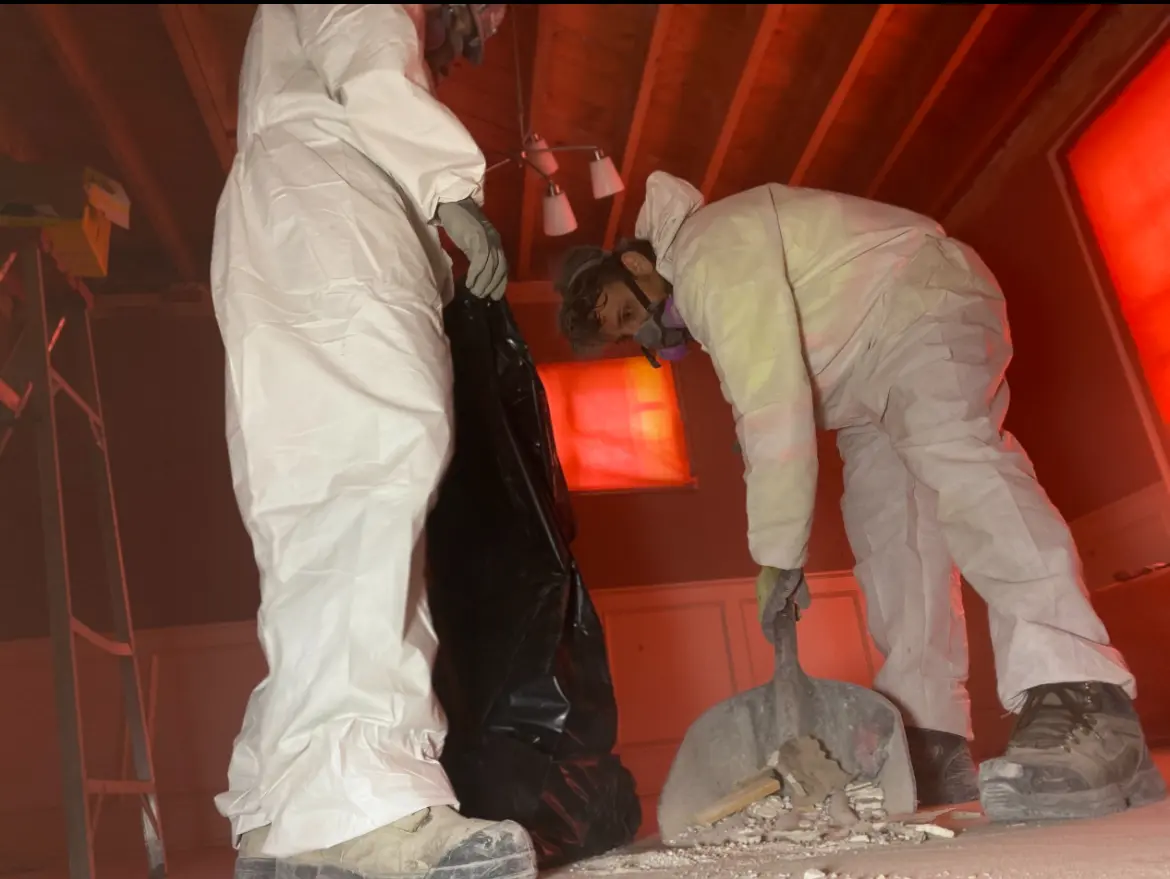
Source: Mike Construction
Across Canada, two primary approaches are available. The right choice depends not only on your budget, but more importantly on whether you require formal legal certification.
DIY Asbestos Testing Kits ($200 – $350)
Available at hardware stores or online, these kits typically include:
Sampling materials (sealed bags, gloves, mask)
Laboratory analysis for 1–2 samples
Shipping fees
Professional Asbestos Inspection ($500 – $950+)
For major renovations, hiring a certified inspector or industrial hygienist is strongly recommended. Services typically include:
On-site inspection
Identification of high-risk materials
Safe sampling following regulatory protocols
Detailed certified report
For a typical single-family home, the cost averages around $650 for inspection and analysis of 2–3 key samples. Complex projects or commercial buildings can exceed $1,000.
Legal Requirements and Safety Regulations in Canada
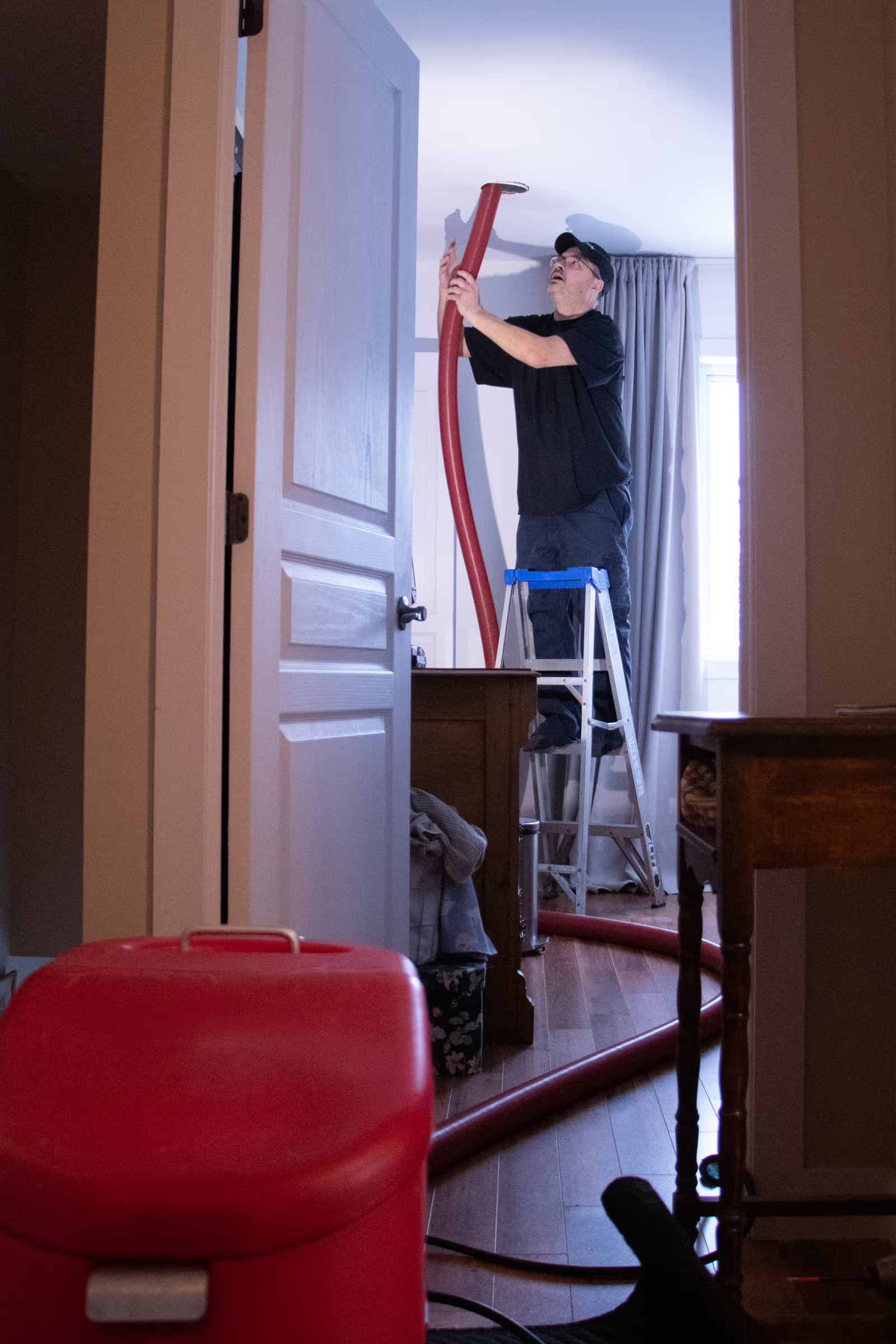
Source: ProNetClim
Asbestos management in Canada is regulated at the provincial and territorial level, under occupational health and safety (OHS) legislation. While requirements vary slightly by province (e.g., Ontario’s OHSA, WorkSafeBC regulations, Alberta OHS Code), the core principle is consistent:
Employers and contractors must identify asbestos before starting any work that could disturb building materials in structures built before 1990.
Failure to test for asbestos can result in:
Immediate work stoppage orders
Regulatory fines
Liability for worker exposure
Homeowners should consult their provincial workplace safety authority (e.g., WorkSafeBC, WSIB Ontario, CNESST-equivalent bodies) to understand their responsibilities.
How to Choose a Certified Laboratory
To ensure results are legally valid and accepted by contractors and insurers, testing must be performed by an accredited laboratory.
In Canada, look for labs accredited by:
NVLAP (National Voluntary Laboratory Accreditation Program)
AIHA (American Industrial Hygiene Association)
Or recognized provincial certification bodies (e.g., IRSST in Quebec)
Key questions to ask:
Are you accredited by a recognized authority? Only laboratories that participate in recognized quality control programs guarantee reliable results.
What testing method do you use? Polarized Light Microscopy (PLM) is the standard method for bulk materials, while Transmission Electron Microscopy (TEM) is used when higher precision is required (often for air samples).
Does the report include remediation recommendations? A qualified expert doesn’t just give a “yes” or “no” answer—they provide clear guidance on the necessary decontamination steps when required.
To find qualified contractors for your post-testing projects, consider using reputable contractor referral services for roofing or general renovations to ensure your home is in capable hands.
Key Facts and Statistics in Canada
A large proportion of homes built between 1950 and 1980 contain at least one asbestos-containing material (commonly drywall joint compounds).
Attic vermiculite removal can cost between $5,000 and $12,000.
Hundreds of deaths each year in Canada are still linked to past asbestos exposure, according to public health data.
Asbestos Testing: A Small Cost That Protects Your Investment
Testing for asbestos before renovating is not an unnecessary expense—it’s a critical safeguard for your health and your investment. Taking the time to compare costs and verify laboratory accreditation can prevent major risks, delays, and expenses down the line.
For accurate pricing and to connect with qualified professionals, consider requesting quotes from certified contractors in your area before starting your project.
Looking for something else?
Related articles
The latest industry news, interviews, technologies, and resources.

Editorial Team
•11 Nov 2024
Structural framing is one of the key components of building a new home and plays a crucial part in the strength and durability of the structure as a whole. The type of frame chosen can, and will, have a significant impact on overall construction costs. Naturally, custom framing costs more per square foot than a prefab.
Cynthia Pigeon
•22 Jun 2026
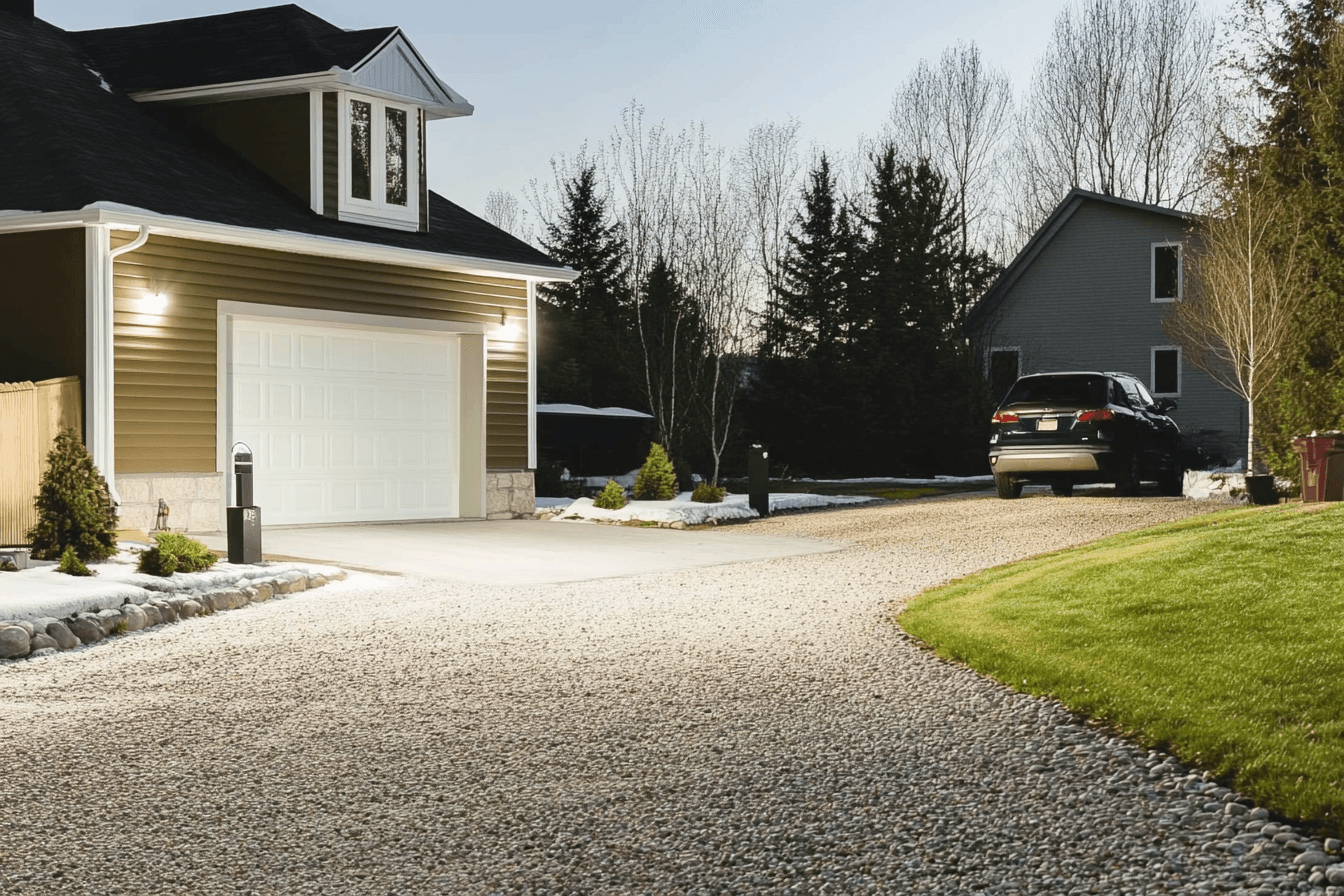
With housing shortages and the steady rise in real estate costs across Quebec, many homeowners are looking for creative ways to make better use of the space they already have. Converting a garage into a habitable space is an increasingly popular option. Whether the goal is to welcome an aging parent as part of an intergenerational housing project, provide more independence to a young adult, or generate additional rental income, this type of conversion offers clear advantages.

Editorial Team
•07 Nov 2024
When looking to optimize storage space around the house, every little nook or cranny available becomes priceless. You can even transform areas like that void sitting beneath your quarter-turn stairs. Instead of leaving it unutilized, the space can be converted into storage or a practical area. With a creative eye and a clever mind, there are no limits to what you can do with the space available under quarter-turn stairs.
Karine Dutemple
•16 Jun 2026
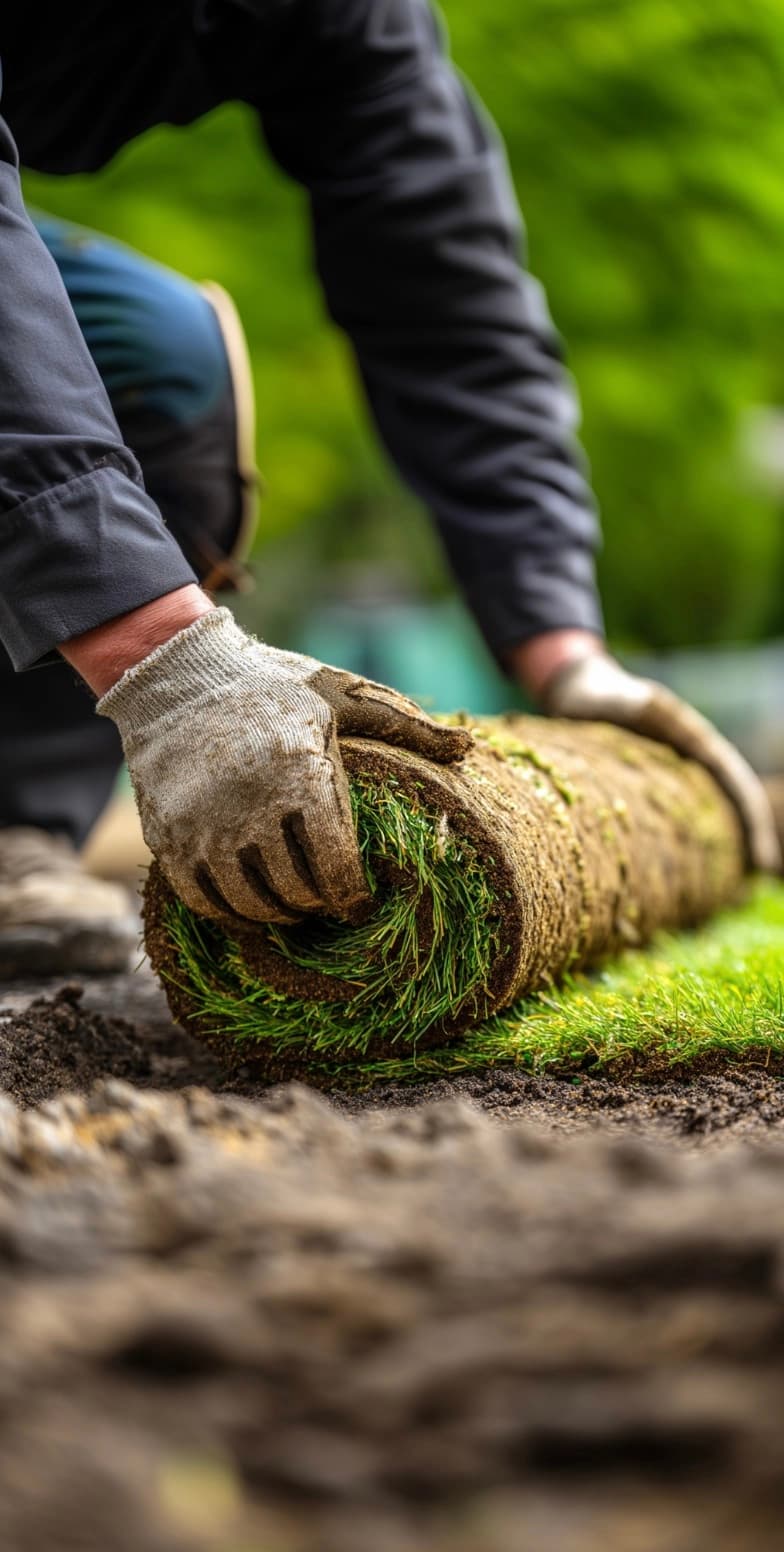
You’re looking at your yard with disappointment? Sod patches can quickly give a fresh new look to that tired lawn that’s been getting you down.
Editorial Team
•13 Sep 2024
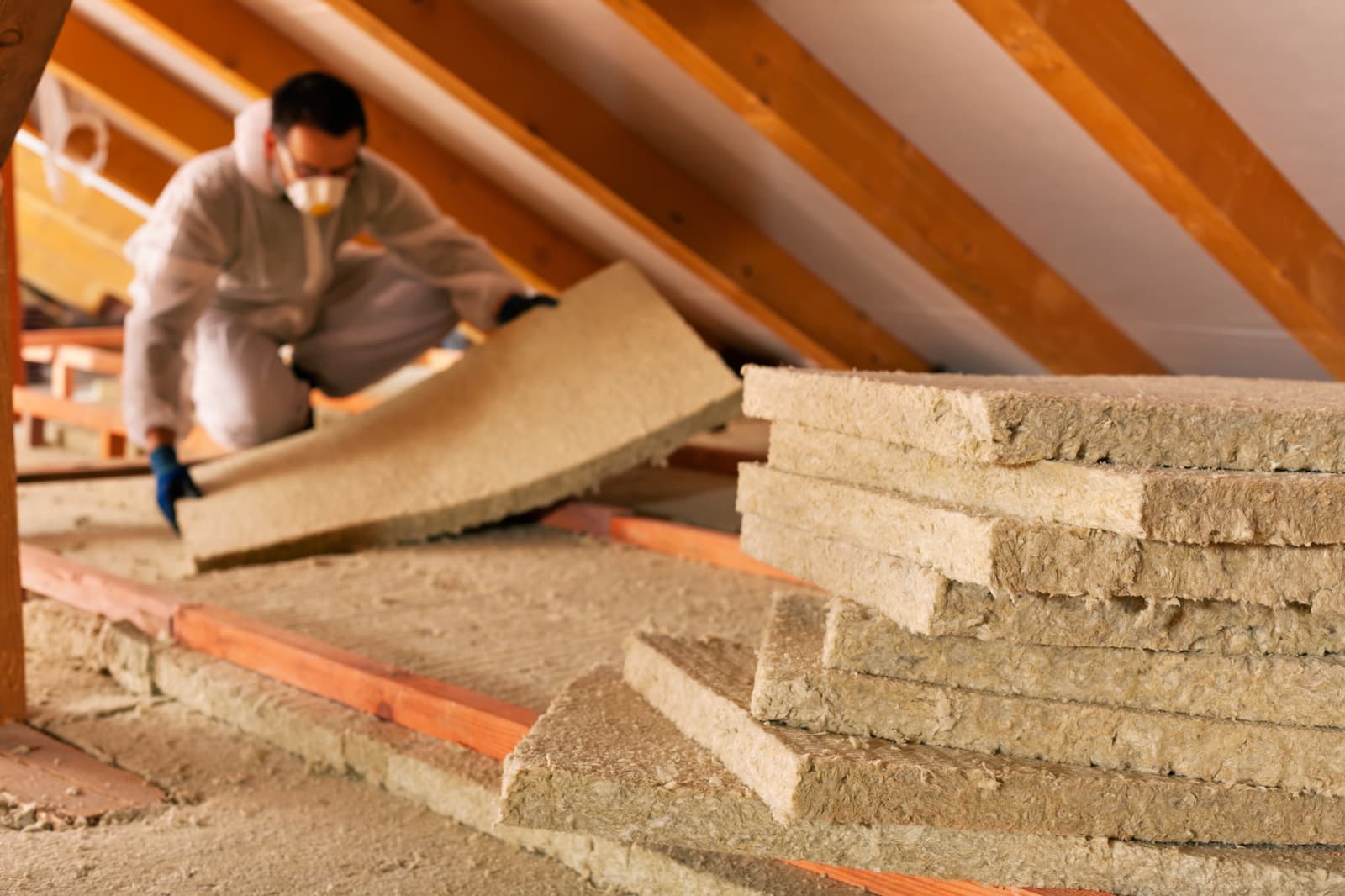
Mineral wool is an effective structural insulation material. In fact, by 2030, its global market, which is valued at no less than 15.6 billion dollars, could grow by as much as 6%.