Basement Apartment Requirements in Canada (2026): Codes & Rules
By Cynthia Pigeon
Updated on April 22, 2026
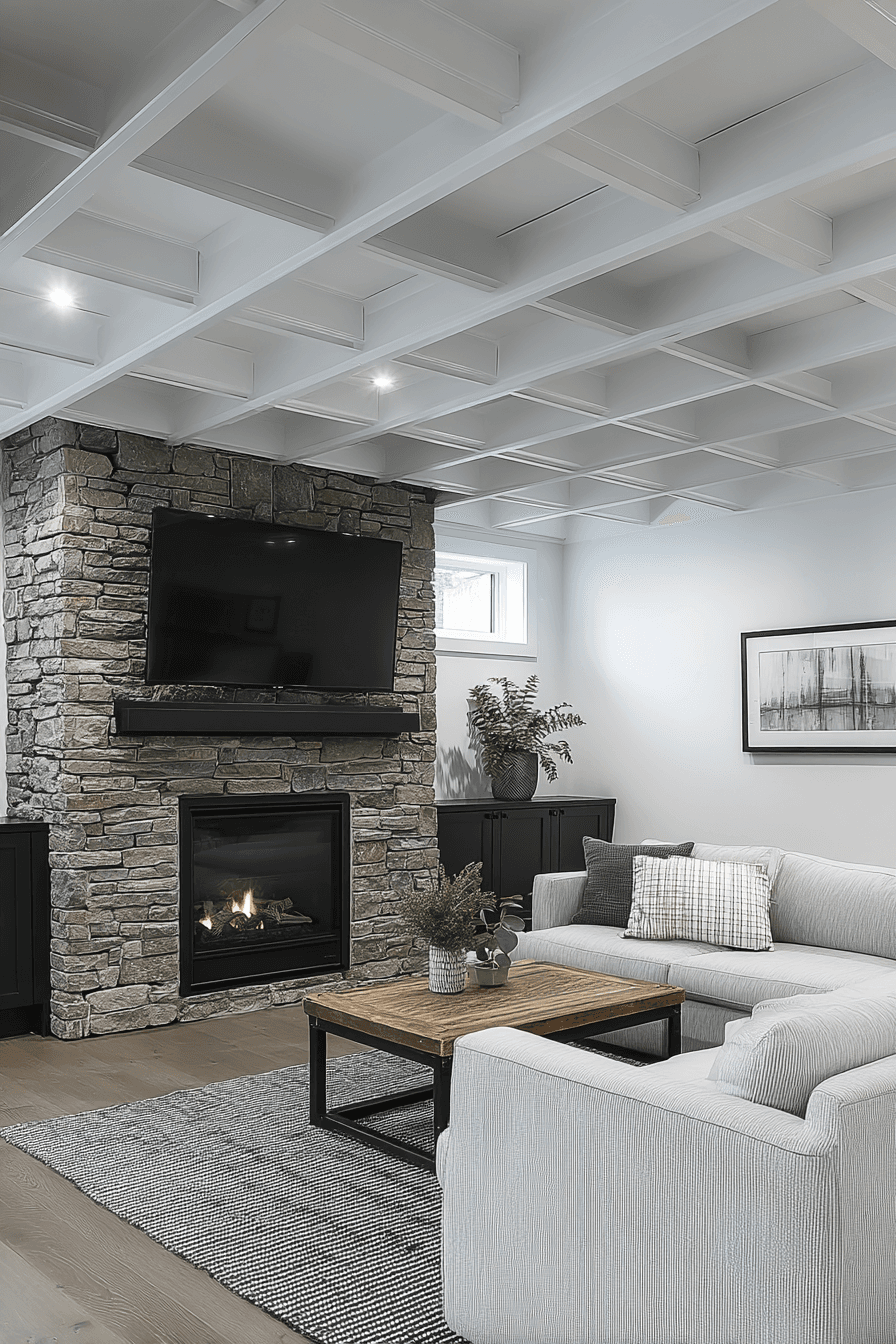
For a basement apartment (often referred to as a secondary suite) to be considered compliant in Canada in 2026, several requirements must generally be met, including those based on the National Building Code of Canada and applicable municipal bylaws. Common criteria typically include a minimum ceiling height of around 1.95 m (6 ft 5 in), egress windows providing a minimum unobstructed opening of approximately 0.35 m² per bedroom, and proper fire separation between units. That said, requirements can vary significantly depending on the province, municipality, and type of building. Failing to comply may lead to serious consequences, such as fines, insurance limitations, or restrictions on renting out the unit.
Creating a Basement Apartment: Legal Requirements in Canada (2026)
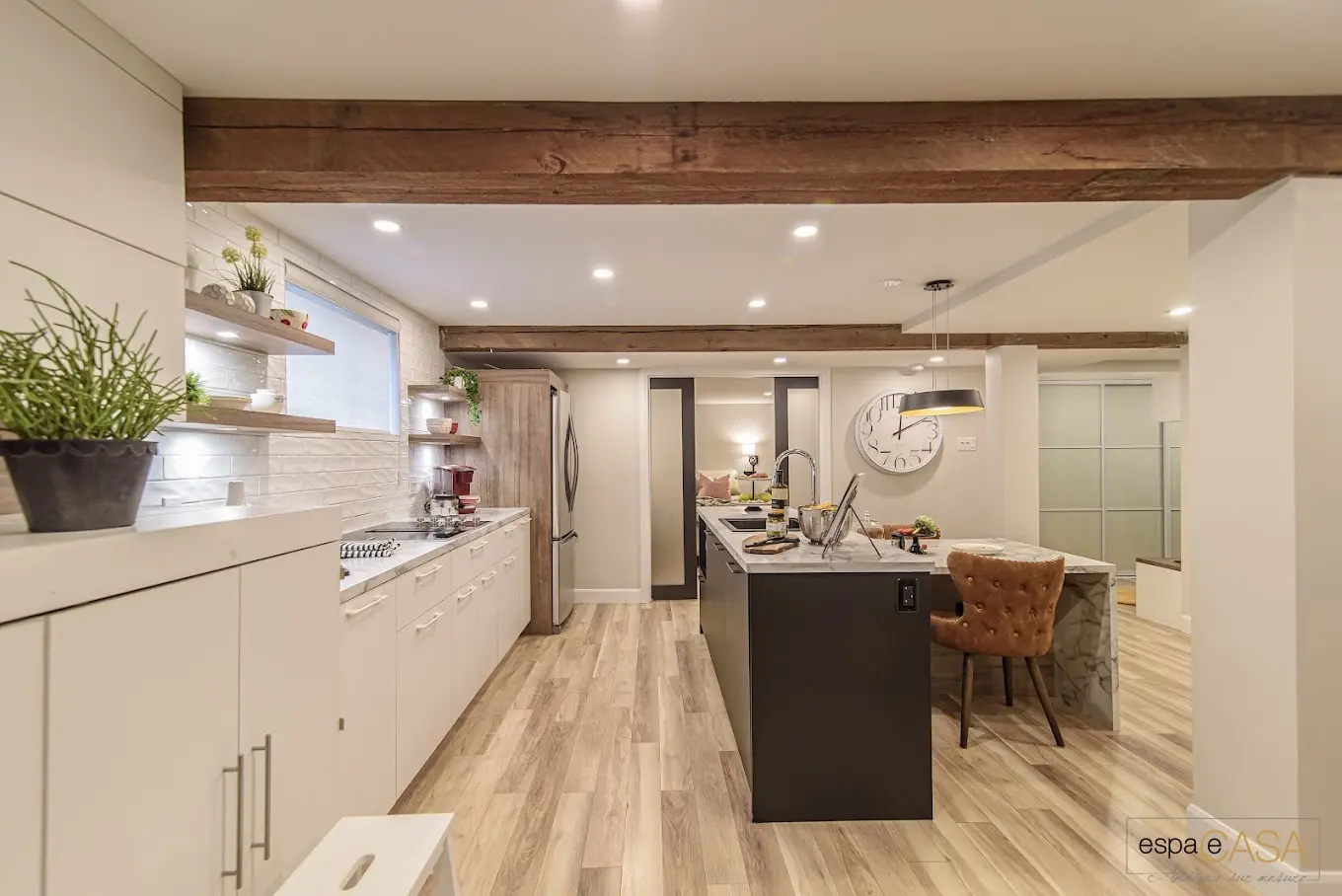
Source: Espace Casa
Converting a basement into a rental unit is an effective way to offset your mortgage or increase your property value. However, across Canada, you can’t simply build a basement apartment without meeting strict requirements. Provincial building codes (often based on the National Building Code of Canada) and municipal bylaws set clear standards to ensure occupant safety and livability.
In 2026, compliance is more important than ever. With housing shortages across many provinces, municipalities are increasing inspections and enforcement. Here are the key requirements to make your basement unit legal.
Minimum Ceiling Height Requirements for a Legal Basement Apartment in Canada
Ceiling height is often one of the biggest constraints when finishing a basement. Contrary to common belief, there is no single universal minimum across Canada.
In many municipalities, a minimum ceiling height of around 2.0 m (6 ft 7 in) is typically required in existing homes, with allowances down to 1.85 m (6 ft 1 in) in limited areas such as under beams or ducts. For new construction or major renovations, requirements closer to 2.1 m (6 ft 11 in) may apply.
Obstructions: Beams, ductwork, and plumbing can reduce ceiling height locally, as long as they don’t interfere with safe movement or primary pathways.
Common pitfall: If your basement is already near the minimum height, adding subfloor insulation or ceiling finishes (drywall, strapping) can bring it below acceptable limits. Always confirm local requirements and take precise measurements before starting work or requesting quotes.
Egress Windows: A Critical Fire Safety Requirement
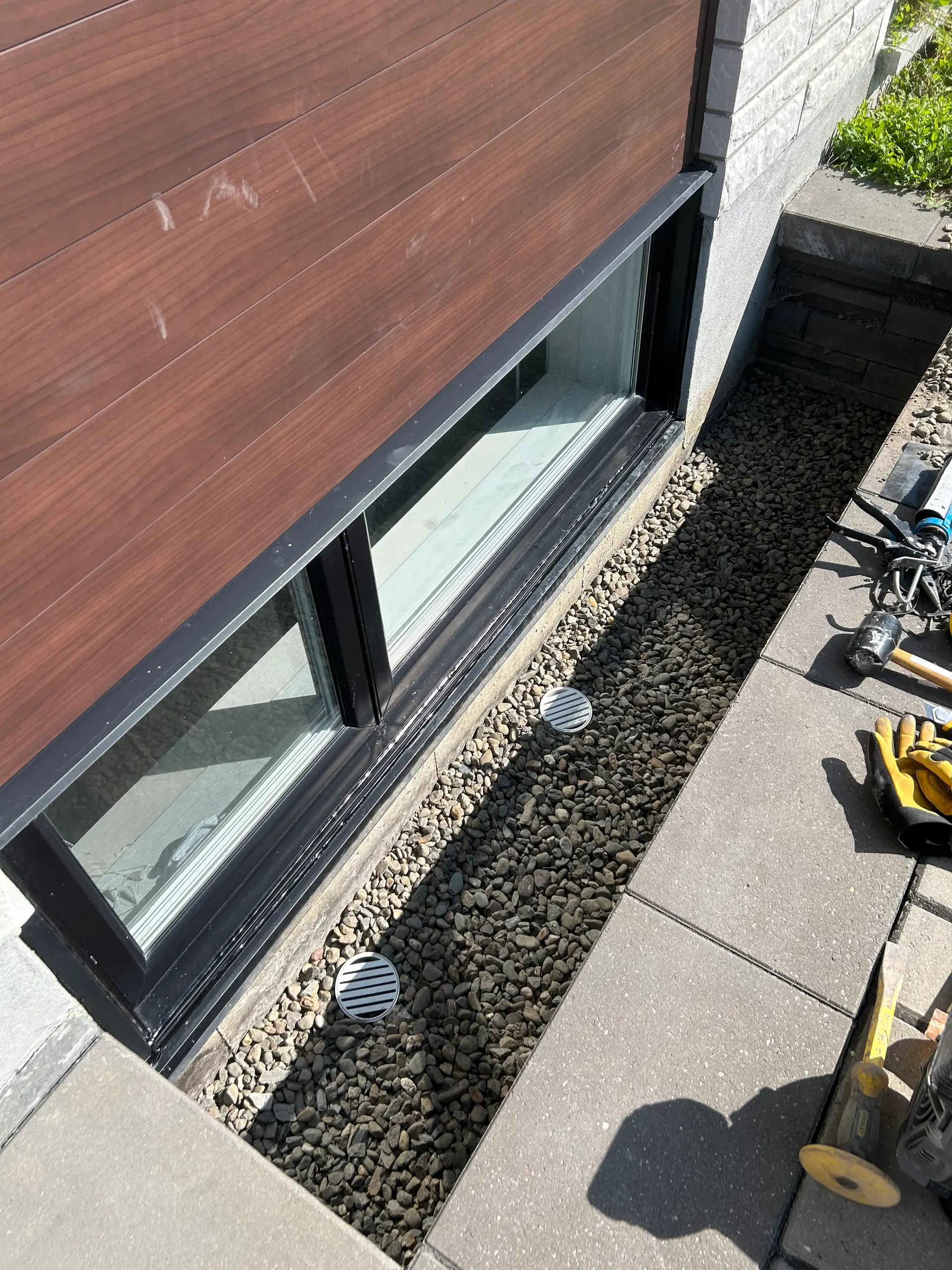
oource: PBG construction inc
Every basement bedroom must have at least one compliant egress window. If a fire blocks the main stairway, this becomes the primary escape route.
Minimum opening area: Windows must have a clearance of at least 0.35 m² (3.8 sq. ft.) around the frame.
Minimum dimensions: No width or height less than 380 mm (15 in).
Window wells: Must provide at least 760 mm (30 in) of clearance to allow safe exit and firefighter access.
Fire Separation and Soundproofing
Building codes generally require a fire-rated separation between the main dwelling and the secondary unit to slow the spread of fire and smoke.
Ceiling assembly: Often includes 5/8" Type X drywall, providing fire resistance (commonly 45–60 minutes depending on the assembly)
Soundproofing: Not always a strict legal requirement, but adding resilient channels and acoustic insulation is strongly recommended for tenant comfort
Independent and Safe Access and Exits
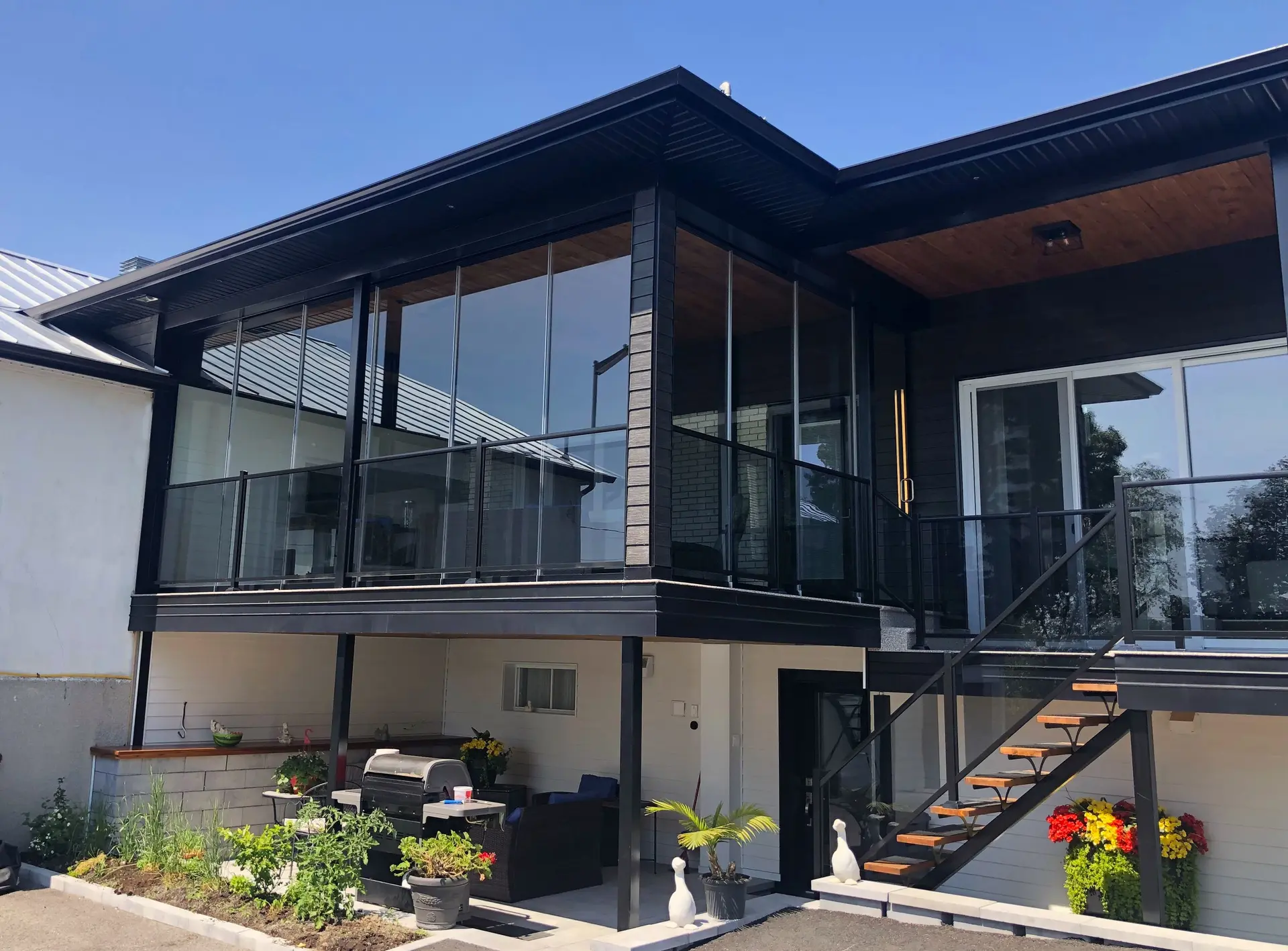
Source: VITERIE ADSTOCK
A legal basement apartment must have a safe exit to the outdoors.
Separate entrance: Preferred and often required.
Shared access: Allowed in some cases, but must be protected by fire-rated construction.
Key rule: The path to exit must be clear, direct, and unobstructed.
Ventilation and Mechanical Systems
Source: RenoQuotes
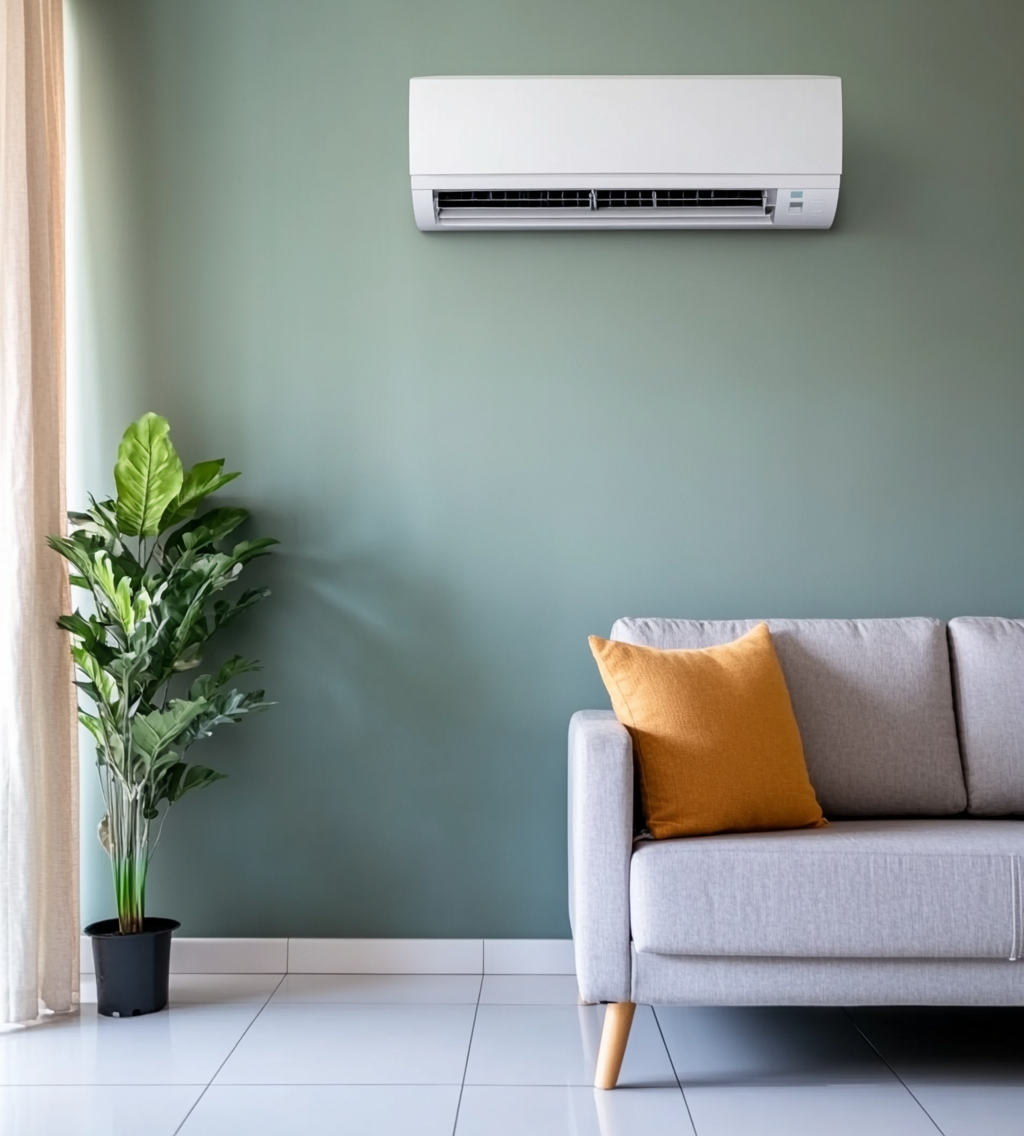
Basements are more prone to moisture and gases such as radon, making proper ventilation essential.
Ventilation: Mechanical ventilation systems (e.g., HRV/ERV) are typically required.
Radon mitigation: Increasingly important in many regions.
Interconnected alarms: Smoke and carbon monoxide detectors must be interconnected so alarms sound throughout the home
Zoning and Permits: The First Step
Source: Lafontaine & Fils Inc
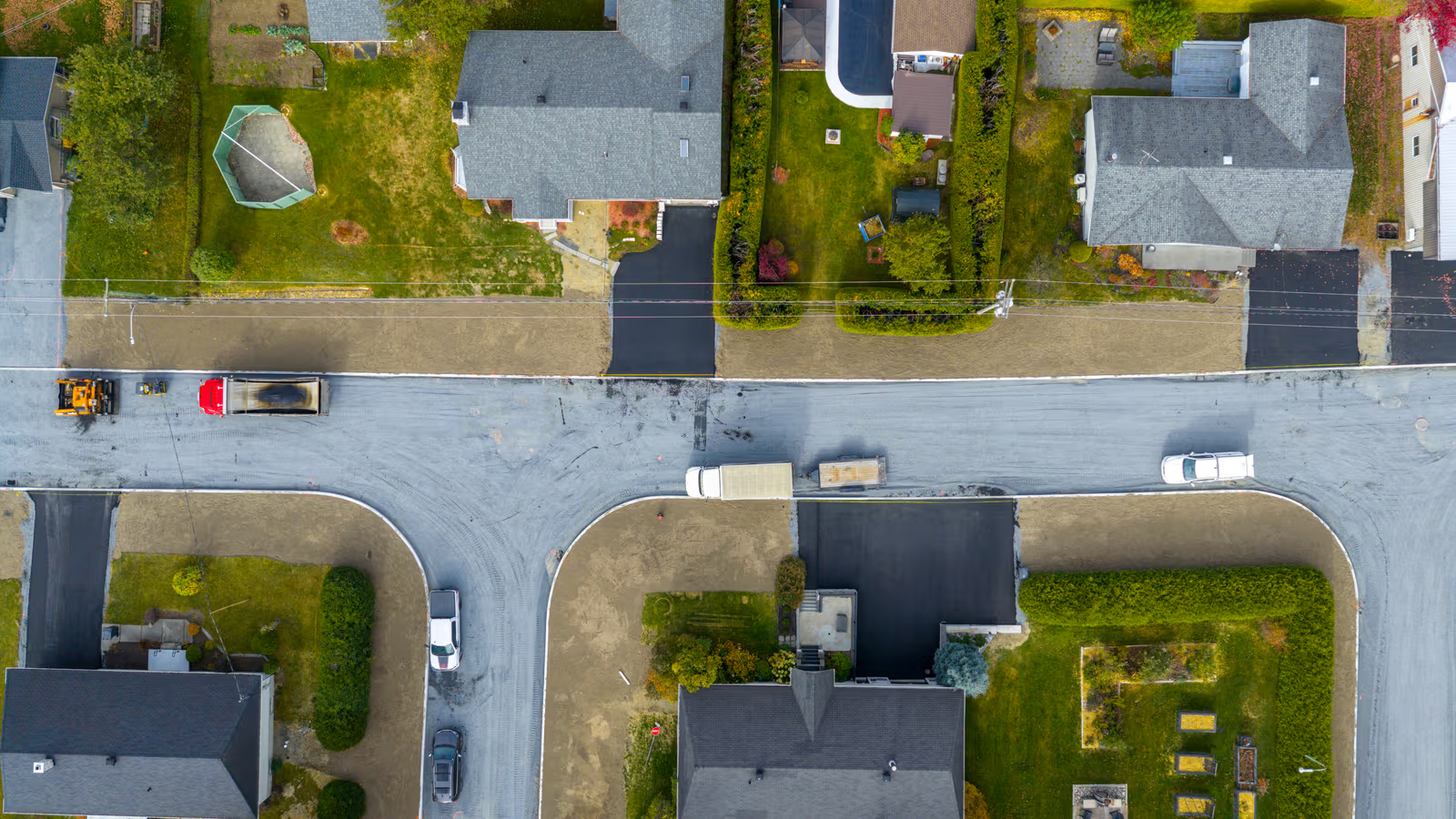
Before starting any work, you must obtain the appropriate permits from your municipality.
Zoning: Not all areas allow secondary suites.
Parking: Some municipalities require an additional parking space.
Backwater valve: Often required to prevent basement sewer backups.
Compliance Checklist for a Legal Basement Suite
Use this checklist when planning your project with a general contractor:
Element | Typical Requirement |
Ceiling Height | ~2.0 m (6'7") in living areas |
Egress Window | Minimum 0.35 m² opening per bedroom |
Fire Separation | Type X drywall assembly |
Alarms | Interconnected smoke & CO detectors |
Plumbing | Backwater valve installed |
Zoning | Municipal permit approved |
To bring your vision to life while staying compliant with the National Building Code of Canada, it’s essential to work with a licensed contractor in your province or territory. Licensing requirements vary across Canada, so hiring a qualified professional ensures your project meets local codes and inspection standards. You can also compare basement renovation specialists to get an accurate estimate of the costs required to bring your space up to code.
Conclusion: Compliance Comes First
Converting a basement into a rental unit can be highly profitable—but only if it meets code and local regulations. Ceiling height, egress windows, fire separation, ventilation, and zoning must all be verified early in the process. Because requirements vary by city and province, confirming local rules and working with a qualified contractor is essential to ensure your project is safe, legal, and built to last.
Looking for something else?
Related articles
The latest industry news, interviews, technologies, and resources.

Editorial Team
•08 Nov 2023
The bathroom should be a sacred space that’s well looked after. We spend a lot of time in this room, and its maintenance is vital for keeping your house chic, comfortable, and running smoothly. Reviving a washroom that’s grown old, outdated or tired is an excellent way to offer character and style while increasing your home’s resale value. Looking for ways to modernize your bathroom doesn’t simply mean keeping up with what’s trending.
Cynthia Pigeon
•24 Sep 2026
Owning a duplex or triplex in Canada, whether in Toronto, Montréal, Vancouver, Calgary, or Halifax, can be a valuable real estate investment. Many of these residential rental properties were built decades ago. Over time, harsh Canadian winters, repeated freeze-thaw cycles, moisture exposure, and aging construction materials can create significant renovation needs, particularly when a building has not been properly maintained.
Christine Simard
•16 Jun 2026
Are you shopping for ceramic tiles to spruce up your kitchen, living room or bathroom? Well, you are absolutely right, since ceramic has a charm and an allure that can only enhance the cachet of your home. The choice of styles and colors has never been wider for this timeless material.
Équipe éditoriale
•24 Sep 2024
Do you appreciate old houses and their unique charm? If you're about to buy one or renovate the one you're currently living in, here are some ideas to inspire you!

Editorial Team
•03 Jun 2024
Back in the day, superintendents were tasked with maintaining buildings for wealthy families or companies. Today, office or apartment building property management companies, co-owned property companies, as well as educational facilities, health centres, community centres, and more, designate these individuals as building maintenance workers.