Cellulose Insulation Dangers: the Risks Homeowners Should Know
By Editorial Team
Updated on June 19, 2026
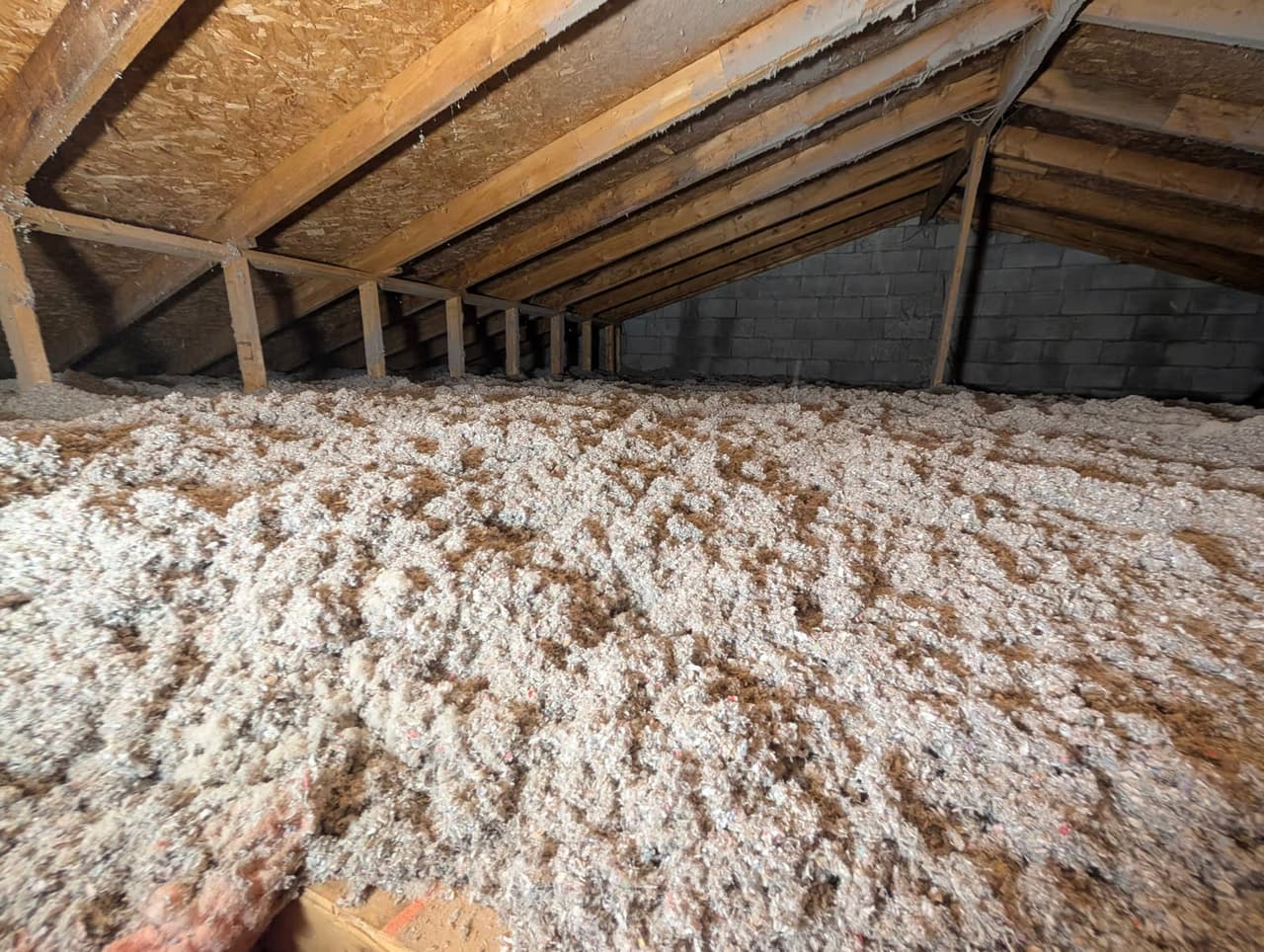
The dangers of cellulose insulation are worth understanding before colder weather puts more pressure on your home’s attic, roof, and heating system. As Canadian homeowners move from renovation ideas to seasonal preparation, early insulation planning can help identify dust exposure risks, moisture issues, fire-clearance concerns, and installation problems before they affect comfort or indoor air quality.
Cellulose is not automatically unsafe when it is dry, code-compliant, and properly installed. The real risks usually appear when insulation is disturbed, installed around unsafe heat sources, exposed to leaks or high humidity, or added without first checking ventilation, roofing, and existing attic conditions. Preparing ahead gives homeowners time to fix moisture problems, plan heating upgrades, and choose safe professional installation when needed.
What is cellulose insulation?
Source: Project solutions limited
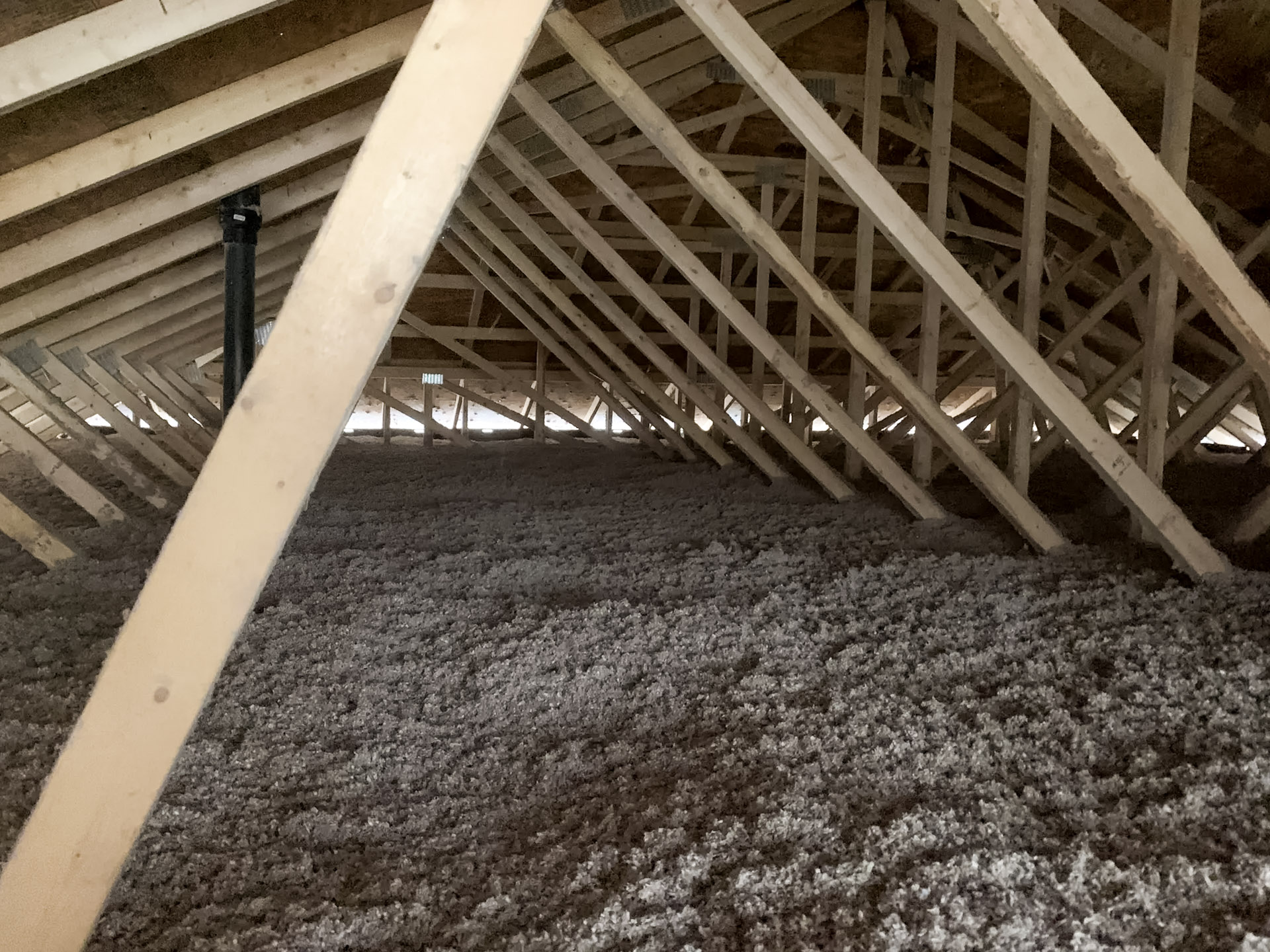
Cellulose insulation is typically made from recycled newspaper or other paper-based materials that are shredded, milled, and treated with fire-retardant chemicals. The National Toxicology Program describes cellulose insulation as primarily recycled newspapers treated with fire-retardant chemicals and installed by blowing, which can create airborne material during application.
In homes, cellulose is commonly used as loose-fill insulation in attics or blown into enclosed wall cavities. It can provide good thermal coverage around irregular framing, wiring, and small gaps, but like any insulation, its performance depends on correct depth, density, air sealing, ventilation, and moisture control.
Is cellulose insulation dangerous?
Cellulose insulation is not automatically dangerous when it is dry, properly installed, code-compliant, and separated from living spaces. The main risks increase when the material is disturbed, blown into an attic without proper protection, installed around unsafe heat sources, allowed to block ventilation, or exposed to water leaks and high humidity.
A National Toxicology Program report found that most generated cellulose insulation particles were not respirable, and workplace surveys found occasional eye or mucous membrane irritation but little evidence of lower respiratory conditions among workers. That does not mean dust should be ignored. OSHA identifies cellulose as a respiratory irritant and says workers should be provided with appropriate dust respirators when using it.
Health and Safety Risks of Cellulose Insulation
Source: Toiture & Isolation Provinciale inc.
Dust and respiratory irritation
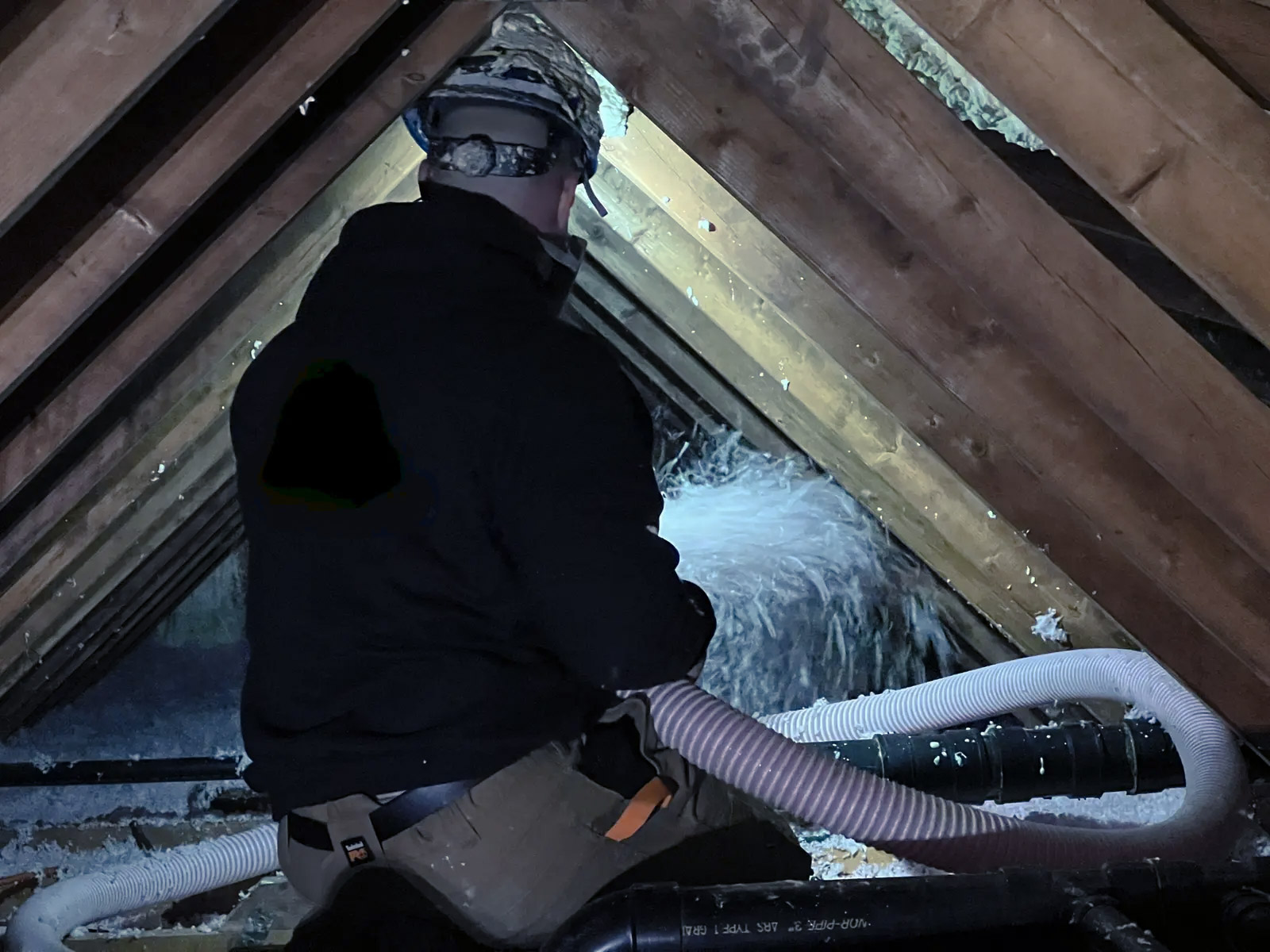
The biggest short-term health concern is airborne cellulose dust during blowing, removal, cleanup, or major attic disturbance. Dust can irritate the eyes, nose, throat, and lungs, especially for people with asthma, allergies, respiratory conditions, or chemical sensitivities.
During installation, homeowners should keep children, pets, and non-workers away from the work zone. Installers should use appropriate respiratory protection, eye protection, gloves, and clothing that limits dust contact. After installation, dust should be allowed to settle and any material that entered living areas should be cleaned safely.
Chemical fire-retardant exposure
Cellulose insulation is paper-based, so it is treated to improve fire performance. Common fire-retardant chemicals include boric acid, borax, ammonium sulfate, and other borates, though the exact formulation varies by manufacturer. The National Toxicology Program notes that cellulose insulation composition varies by product and that fire-retardant chemicals are often used at significant loading levels.
For most homeowners, the concern is not normal off-gassing from undisturbed insulation. The more realistic concern is breathing dust that contains cellulose fibres and fire-retardant particulates during installation, removal, or attic work.
Mould and indoor air quality
Cellulose is made from organic paper-based material, so moisture problems matter. Health Canada states that mould can grow on damp building materials, including insulation, and that damp or mouldy indoor conditions are associated with eye, nose and throat irritation, coughing, wheezing, shortness of breath, and worsening asthma symptoms.
If cellulose insulation becomes wet from a roof leak, plumbing leak, ice dam, condensation, or flooding, it should be inspected. Wet, compacted, mouldy, or contaminated insulation may need professional removal rather than simply being covered with more insulation.
Hidden hazards in older attics
Not every attic insulation hazard is caused by cellulose. Older Canadian homes may contain vermiculite insulation, and Health Canada has found that some vermiculite insulation may contain tremolite asbestos. The risk increases if contaminated insulation is disturbed during renovation, demolition, or maintenance.
Before disturbing old attic insulation, especially loose granular vermiculite, homeowners should stop work and get professional advice. Animal droppings, mould, damaged wiring, and unsafe recessed lighting can also make attic work more hazardous.
Fire Risks and Flammability
Cellulose insulation is treated for fire resistance, but it should not be treated as non-combustible unless the specific product and assembly are rated that way. The Consumer Product Safety Commission has historically noted that shredded paper-based cellulose is inherently flammable without chemical treatment, and Canadian regulations now set minimum safety-related requirements for cellulose fibre insulation sold to consumers.
Fire risk is often about installation details. Natural Resources Canada warns that attics can contain serious fire and health hazards and gives specific guidance for keeping insulation away from masonry chimneys, factory-built metal chimneys, and standard recessed lights unless approved covers or fixtures are used. It also advises turning off power and consulting an electrical contractor if wiring or connections are questionable.
For Canadian code discussions, CAN/ULC-S102 is commonly relevant for surface burning characteristics of building materials and assemblies, including flame spread and smoke development values. UL 723 is more commonly referenced in U.S. material testing discussions, so Canadian homeowners should not assume a U.S. reference automatically satisfies provincial or municipal requirements.
Moisture and Mould Susceptibility
Moisture is one of the most important cellulose insulation dangers because it can reduce performance and create indoor air quality problems. Natural Resources Canada advises homeowners to check attics for leaks, stains, mould, rot, frost buildup, blocked ventilation, and wet or compacted insulation before adding more insulation. It also says wet insulation should not be covered until the moisture source is removed and the insulation is dry.
Moisture can come from roof leaks, poor flashing, ice dams, plumbing penetrations, bathroom fans venting into the attic, air leakage from the home, high indoor humidity, or blocked soffit ventilation. Cellulose can also settle or compact, especially if it becomes damp. That can reduce effective coverage and create cold spots where condensation and mould are more likely.
Installation and Handling Issues
Blown-in cellulose can be messy and dusty during installation. If it is installed unevenly, at the wrong density, or without proper depth markers, the final R-value may be lower than expected after settling. Natural Resources Canada recommends using depth indicators, maintaining even depth, filling gaps, keeping eave ventilation clear, following bag coverage charts, and agreeing with the contractor on the target RSI/R-value and minimum settled depth.
Weight is another practical concern. The Building America Solution Center notes that loose-fill cellulose is relatively heavy, can settle by 10% to 20% over time, and must be installed at manufacturer-recommended densities. Its guidance also flags that some ceiling drywall conditions may not be suitable for certain loose-fill loads.
Poor installation can also cause insulation to drift into soffits, cover vents, enter mechanical spaces, or bridge over wall cavities. In dense-packed walls, improper technique can leave voids or put pressure on weak drywall or plaster. This is why wall cavities, older ceilings, knob-and-tube wiring concerns, recessed fixtures, and unknown attic conditions should be evaluated before DIY installation.
Building Codes and Compliance in Canada
For Canadian homeowners, compliance is not only about buying a bag labelled “cellulose.” The product should meet applicable Canadian requirements, and the installation must suit the assembly, local code, and manufacturer instructions.
At minimum, check that the product has required Canadian consumer information, including manufacturer or importer details and the date of manufacture. The Cellulose Fibre Insulation Regulations require consumer cellulose insulation to provide this information on the container, packaging, bill of sale, or other consumer document, depending on how it is sold.
A professional installer should also account for:
Fire clearances around chimneys, flues, recessed lights, and heat-producing fixtures
Attic ventilation and soffit baffles
Air sealing before insulation is added
Proper settled depth and bag count
Moisture sources, mould, pests, and roof leaks
Local building code requirements and authority having jurisdiction expectations
Cellulose vs. Other Insulation Materials
Source: CPO Isolation
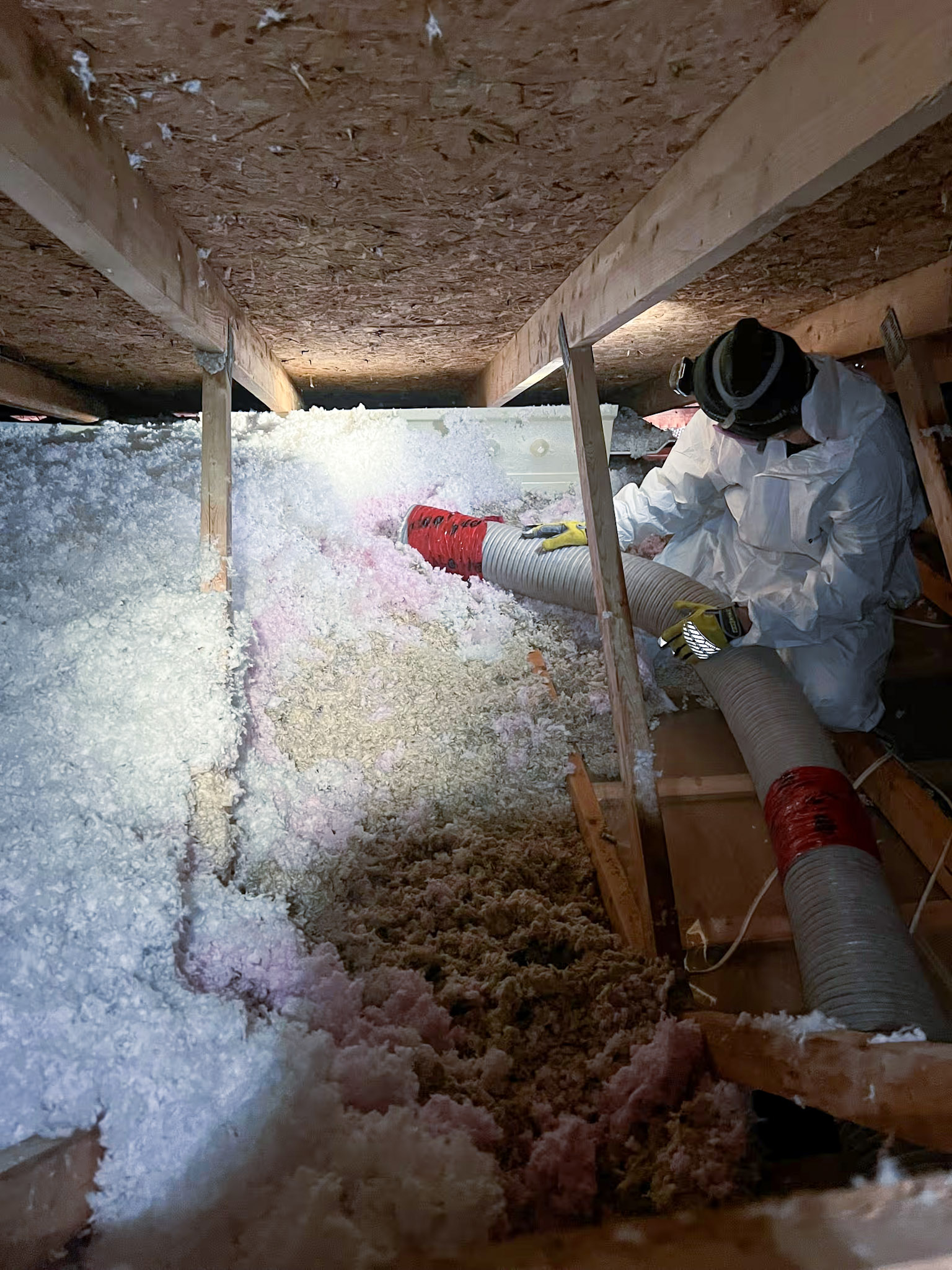
No insulation material is risk-free. The right choice depends on the assembly, budget, moisture exposure, fire requirements, installation quality, and whether the work is DIY or professional.
Material | Potential Advantages | Common Safety or Performance Concerns |
Cellulose | Recycled content, good coverage in attics, good sound absorption, useful for retrofits | Dust irritation, moisture absorption, settling, weight, fire-clearance requirements |
Fibreglass | Widely available, lighter than cellulose, common in batts and loose-fill | Skin, eye, and respiratory irritation during handling; gaps and compression reduce performance |
Mineral wool | Good fire resistance, sound absorption, and moisture resistance | Heavier than fibreglass, can irritate skin and lungs during handling, often higher cost |
Spray foam | High air-sealing value, useful in difficult assemblies when professionally installed | Chemical exposure during installation, ventilation requirements, ignition/fire-protection requirements |
Polyiso board | High R-value per inch, useful for continuous insulation in some assemblies | Must be detailed correctly, not a loose-fill attic substitute, fire and code requirements vary by use |
The U.S. Department of Energy notes that R-value depends on insulation type, thickness, density, temperature, aging, and moisture accumulation. For loose-fill materials, Building America lists settled cellulose at about R-3.2 to R-3.8 per inch, loose-fill fibreglass at about R-2.2 to R-2.7 per inch, and loose-fill rock wool at about R-3.0 to R-3.3 per inch.
Environmental Considerations
Cellulose insulation has a strong eco-friendly appeal because it is commonly made from recycled paper products. Building America describes loose-fill cellulose as fire-retardant insulation made from recycled newspaper and boxes, and notes that common loose-fill insulations can be considered environmentally positive because they use recycled waste.
That said, sustainability depends on long-term performance. If cellulose gets wet, mouldy, under-installed, or removed because of poor detailing, the environmental benefit is reduced. A durable installation should prioritize air sealing, moisture control, correct R-value, and safe handling.
Warning Signs Homeowners Should Not Ignore
Source: Reno Quotes
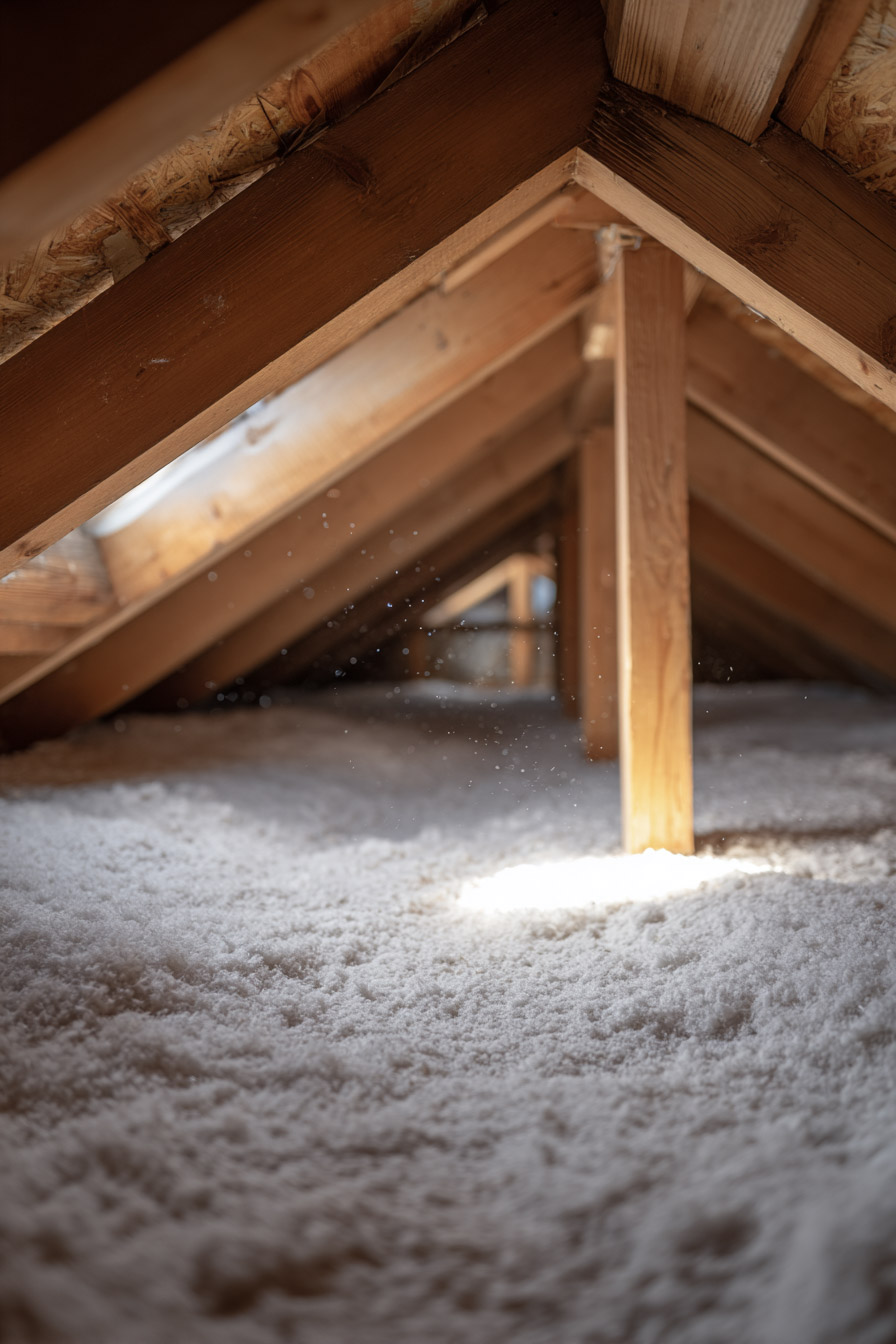
You should have cellulose insulation inspected if you notice musty odours, ceiling stains, wet or clumped insulation, roof leaks, heavy attic frost, blocked soffit vents, dust entering living areas, sagging drywall, insulation touching chimneys or recessed lights, or evidence of rodents or birds.
Do not simply add more insulation over a moisture, mould, fire, or pest problem. Natural Resources Canada specifically advises correcting moisture problems before adding insulation and addressing attic fire and health hazards before air sealing and insulating.
In Conclusion
The main cellulose insulation danger in Canadian homes are dust exposure, chemical particulates during handling, moisture and mould, fire-clearance mistakes, settling, weight, and poor installation. Cellulose can still be a practical and energy-efficient insulation when the product is compliant, the attic or wall assembly is suitable, and the work is done with proper safety controls.
Before installing or topping up cellulose insulation, inspect for moisture, mould, ventilation problems, unsafe electrical conditions, recessed lighting, chimney clearances, and old insulation hazards. When in doubt, hire a qualified insulation contractor or building professional who understands Canadian code requirements and safe retrofit practices.
Frequently Asked Questions
Can cellulose insulation make you sick?
It can irritate your eyes, nose, throat, or lungs when dust becomes airborne, especially during installation, removal, or attic disturbance. People with asthma, allergies, or other respiratory conditions may be more sensitive. Undisturbed, dry, properly installed cellulose is generally a much lower exposure concern.
Is cellulose insulation carcinogenic?
Cellulose insulation should not be described as proven cancer-causing based on the available evidence reviewed here. The National Toxicology Program found low respirable particle levels in its evaluation and little evidence of lower respiratory conditions in surveyed workers, but the report was not a guarantee that all products, dust levels, or long-term exposures are risk-free.
Is cellulose insulation safe around pot lights?
Not automatically. Natural Resources Canada warns that standard interior recessed lights can become a fire hazard if covered with insulation. Insulation should only be used around recessed fixtures or covers that are approved for that application and installed according to instructions.
Does cellulose insulation grow mould?
Cellulose does not create mould by itself, but damp insulation can become part of a mould problem. Health Canada states that mould can grow on damp materials such as paper, drywall, fabrics, and insulation, and recommends fixing the underlying moisture source before cleanup.
Is fibreglass safer than cellulose?
Not necessarily. Fibreglass avoids some cellulose-specific concerns, such as paper-based moisture absorption and higher loose-fill weight, but it can still irritate skin, eyes, and the respiratory tract during handling. OSHA notes irritation concerns for fibreglass and respiratory irritation concerns for cellulose, so safe handling matters for both.
Should old cellulose insulation be removed?
Not always. Dry, uncontaminated cellulose that is not blocking ventilation, touching unsafe heat sources, or causing indoor dust problems may be left in place or topped up after inspection. Removal is more likely needed when insulation is wet, mouldy, pest-contaminated, smoke-damaged, badly settled, or mixed with hazardous materials.
Is cellulose insulation the best choice if you want the easiest long-term maintenance?
Not usually. Compared with alternatives like fibreglass or rigid foam boards such as polyiso, cellulose can be harder to maintain because it may settle, absorb moisture, and create more cleanup if the space is disturbed later. If your priority is lower maintenance and easier access for future updates, an alternative insulation material may be a better fit.
Looking for something else?
Related articles
The latest industry news, interviews, technologies, and resources.

Cynthia Pigeon
•30 Apr 2026
Across Canada, the cost of an asbestos test for a residential property typically ranges between $200 and $950. A simple DIY sampling kit costs around $200, while a full professional inspection with a certified report generally falls between $500 and $950. Testing materials before any demolition or renovation—especially in homes built or heavily renovated between 1930 and 1990—is a critical step to protect occupants’ health and ensure compliance with occupational health and safety regulations.

Équipe éditoriale
•28 Aug 2024
Although hidden behind the scenes, both fuses and circuit breakers run the central electrical operations while they serve to protect your home as well as your family. Both work to defend against an overloaded electrical circuit by interrupting the flow of electricity.

Editorial Team
•08 Aug 2025
As a renovation contractor, you know more than most that every project is unique and with it comes its own set of challenges. But what distinguishes successful renovation businesses from those struggling to stay afloat? The answer lies in how you guide and educate your customers.

Editorial Team
•24 Apr 2026
Looking to change your kitchen countertop but think you can’t afford it? A countertop is a work surface that needs to be both practical and aesthetically pleasing. It is also one of the elements that can be very expensive when renovating a kitchen.
Léa Plourde-Archer
•15 Nov 2024
With the arrival of warmer weather, spring cleaning is in full swing. While many start indoors, the exterior of your home deserves attention as well. How do you ensure your home's exterior siding looks its best for the summer? What are the best techniques for cleaning different types of siding materials? Whether you're tackling aluminum, vinyl, wood, or brick, each material requires a specific cleaning approach. From using pressure washers to scrubbing with soft brushes and applying the right cleaning agents, this guide will answer all your questions about how to effectively clean and maintain your home’s exterior siding.