What is a sump pump and how does it protect your home?
By Editorial Team
Updated on July 2, 2026
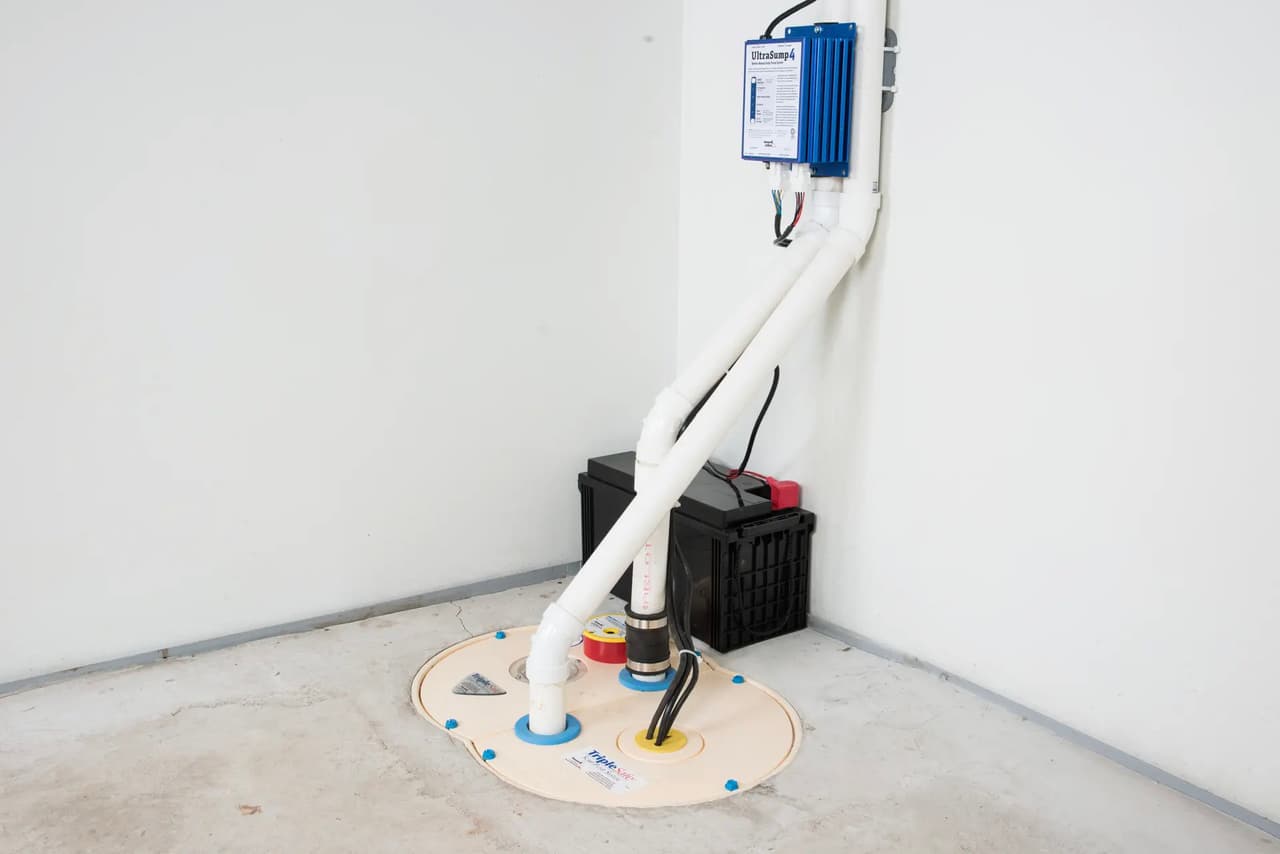
A sump pump is one of the most important flood-prevention devices a Canadian homeowner can have, especially in a home with a basement, crawl space, high water table, or history of water infiltration. Its job is simple: collect excess water in a sump basin and pump it away from the foundation before it can flood the lower level of the house.
In many parts of Canada, heavy rainfall, rapid snowmelt, frozen ground, poor grading, and overwhelmed drainage systems can all increase the risk of basement flooding. Understanding how a sump pump works, when you need one, and how to maintain it can help protect your home, belongings, indoor air quality, and long-term property value.
What is a sump pump?
Source: Reno Quotes
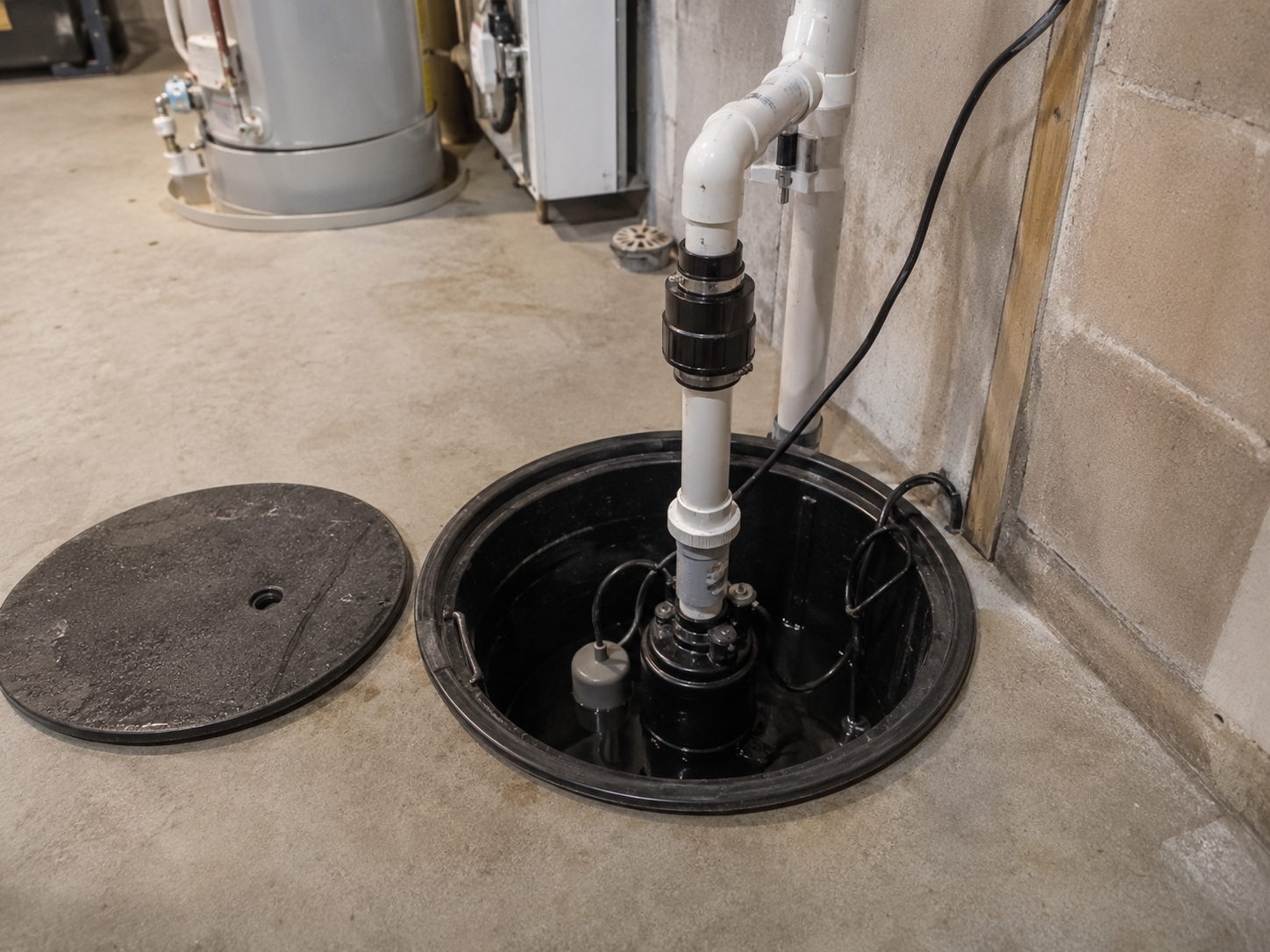
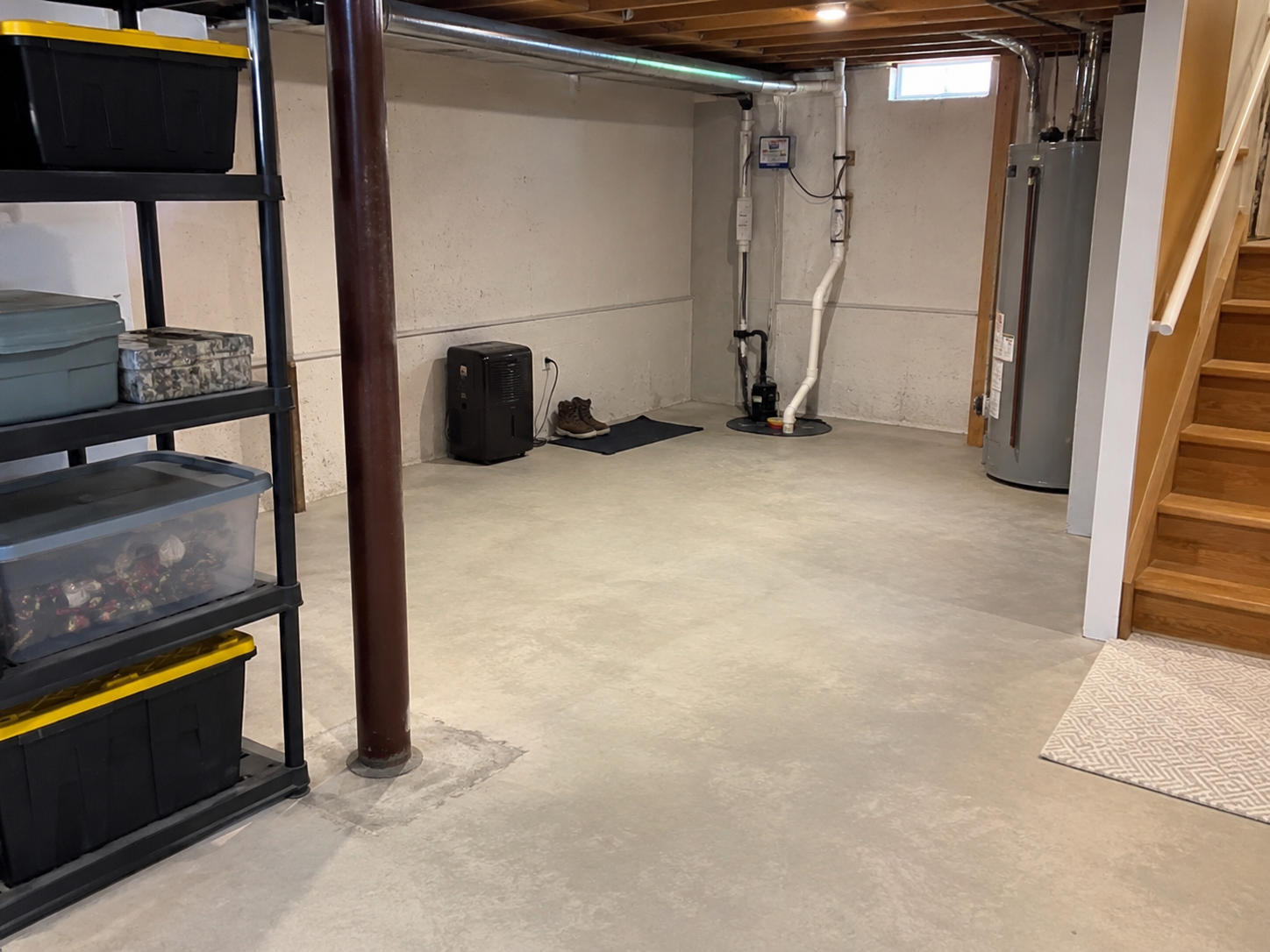
A sump pump is a small pump installed in a pit, often called a sump pit or sump basin, at the lowest practical point of a basement or crawl space. Water from foundation drains, weeping tiles, perimeter drains, or natural groundwater movement collects in the basin. Once the water reaches a set level, the pump turns on automatically and moves the water outside through a discharge pipe.
A sump pump does not waterproof a home on its own. Instead, it works as part of a broader drainage system that helps manage water around the foundation. Gutters, downspouts, lot grading, foundation drains, backwater valves, and proper discharge locations all play a role.
How does a sump pump work?
A sump pump works by responding to rising water levels in the sump basin. When rainwater, groundwater, or snowmelt reaches the basin through drainage pipes or weeping tiles, the water level rises. A float switch, pressure switch, or solid state switch detects this change and activates the motor.
Once the pump turns on, it pushes water through the discharge pipe and away from the home. A check valve helps stop water from flowing back into the basin after the pump shuts off. When the basin water drops to a safe level, the switch turns the pump off.
This cycle may happen rarely in a dry basement or many times during a major storm. In areas with a high water table or heavy spring melt, a sump pump may run frequently for part of the year.
Sump Pump Components Homeowners Should Know
You do not need to be a plumber to understand the basic parts of your system. Knowing what each component does can help you spot problems early.
Sump basin: The pit that collects water before it is pumped out.
Float switch: The control that turns the pump on when the water rises.
Pump motor: The part that powers the pump and moves water through the system.
Discharge pipe: The pipe that carries water away from the home.
Check valve: The valve that helps prevent pumped water from flowing back into the basin.
Basin cover: The cover that helps reduce debris, odours, and moisture vapour from the pit.
Alarm system: A visual or audible warning that alerts you when water rises too high.
Backup system: A secondary pump or alternate power source that helps protect the home if the primary pump fails.
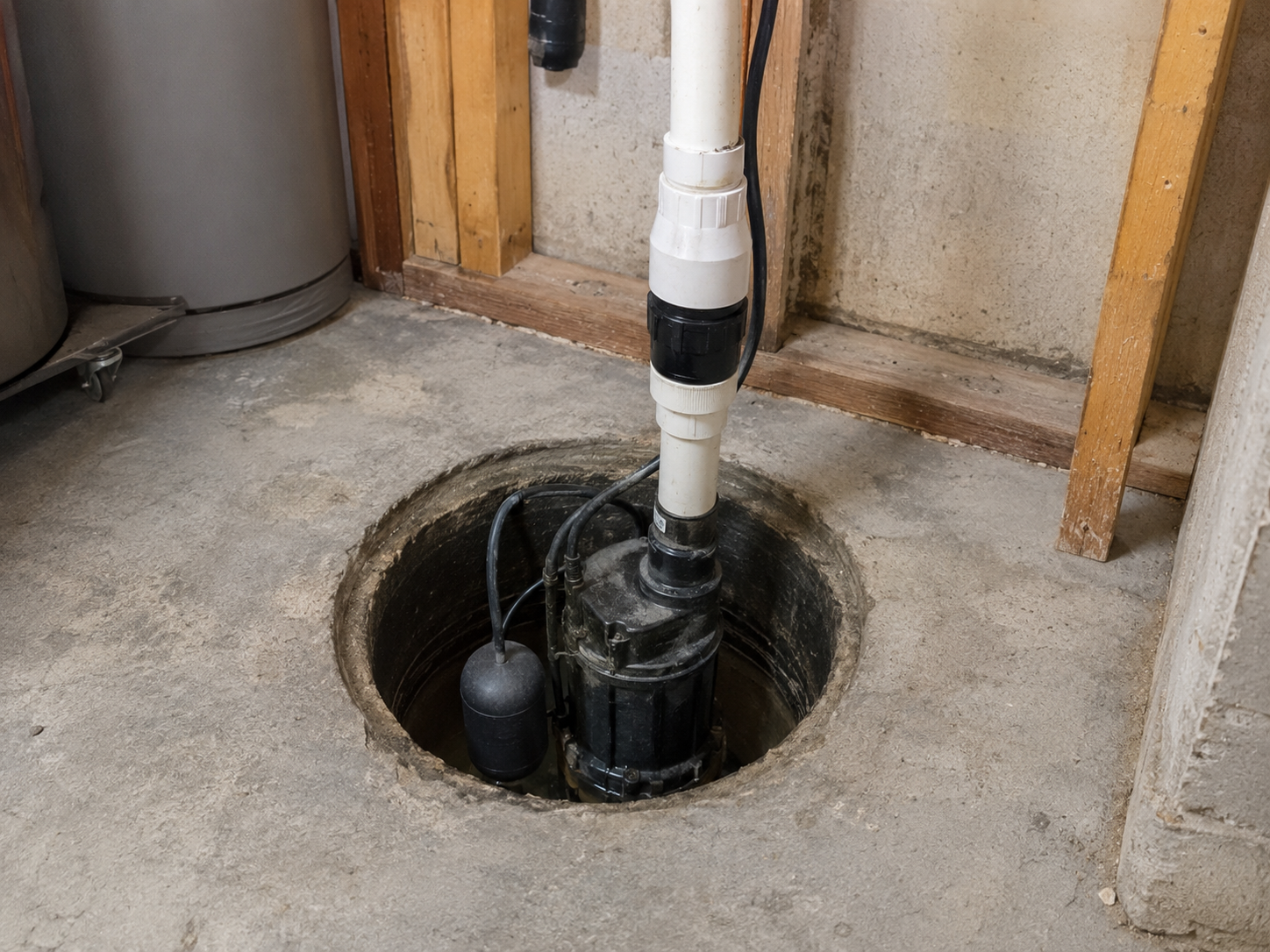
A sump pump system is usually built around a sump basin set into the basement floor. In a submersible setup, the pump sits inside the pit, while in a pedestal setup, the motor sits above the basin and the pump extends down into it.
A float switch or similar control is placed near the pump so it can detect rising water. The discharge pipe runs from the pump to the outside of the home, and a check valve is installed in the line to help prevent water from flowing back into the basin. Some systems also include a basin cover to help keep the setup protected and more compact.
Keep in mind that the float switch is one of the most important components. If it becomes stuck, blocked by debris, or misaligned, the pump may not turn on when needed.
Main Types of Sump Pumps
Source: Reno Quotes
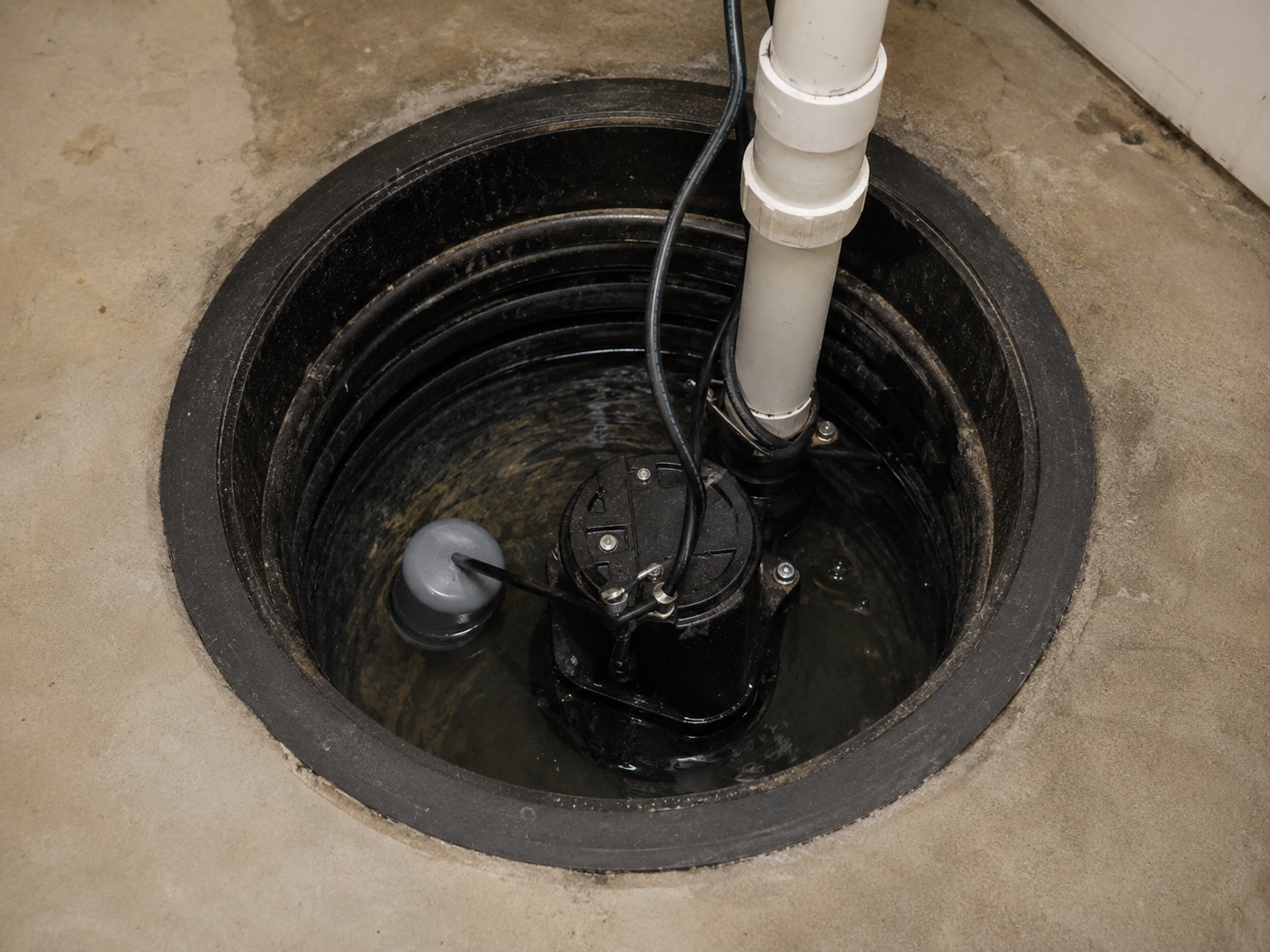
The two most common sump pump types are submersible and pedestal models. Both can be effective, but they suit different spaces and drainage needs.
Submersible Sump Pumps
A submersible sump pump sits inside the sump basin and operates underwater. It is usually quieter than a pedestal pump because the motor and pump are contained in the pit. Submersible pumps are commonly used in finished basements because they are less visible and can be covered more easily.
They are often a good choice when the basin is large enough and the home needs a reliable, higher-capacity system. Since the motor is exposed to moisture, quality, sizing, and regular maintenance matter.
Pedestal Sump Pumps
A pedestal sump pump has the motor mounted above the basin, while the pump intake extends into the pit. This design keeps the motor out of the water and can make servicing easier. Pedestal pumps may fit better in narrow or shallow sump pits.
They are usually more visible and can be noisier than submersible pumps. However, in the right setup, a pedestal sump pump can still provide effective flood protection.
Choosing the Right Sump Pump
The best sump pump for your home depends on site conditions, not just pump size or price. A pump that is too weak may not keep up during a storm, while a poorly installed high-capacity pump can still fail if the discharge line, check valve, or electrical setup is wrong.
Important selection factors include:
Pump capacity: The pump must move enough water for your drainage conditions.
Maximum head: The pump must be able to lift water high enough to reach the discharge point.
Horsepower: Common residential pumps often range from 1/3 hp to 1/2 hp, but the right size depends on the system.
Basin size: The sump basin must be large enough for the pump and switch to operate properly.
Power needs: The pump’s voltage, watt and amp needs, and power cord length must suit the installation.
Switch type: Mechanical float switches, pressure switches, and solid state switches each have different advantages.
Backup protection: A battery backup pump, water alarm, or secondary pump may be worth adding.
Discharge location: The system must direct water to an approved location and away from the foundation.
A licensed plumbing professional or qualified basement waterproofing contractor can assess the drainage system, foundation drains, electrical needs, and municipal requirements before recommending a specific setup.
Why Sump Pumps Matter for Flood Prevention
Source: Reno Quotes
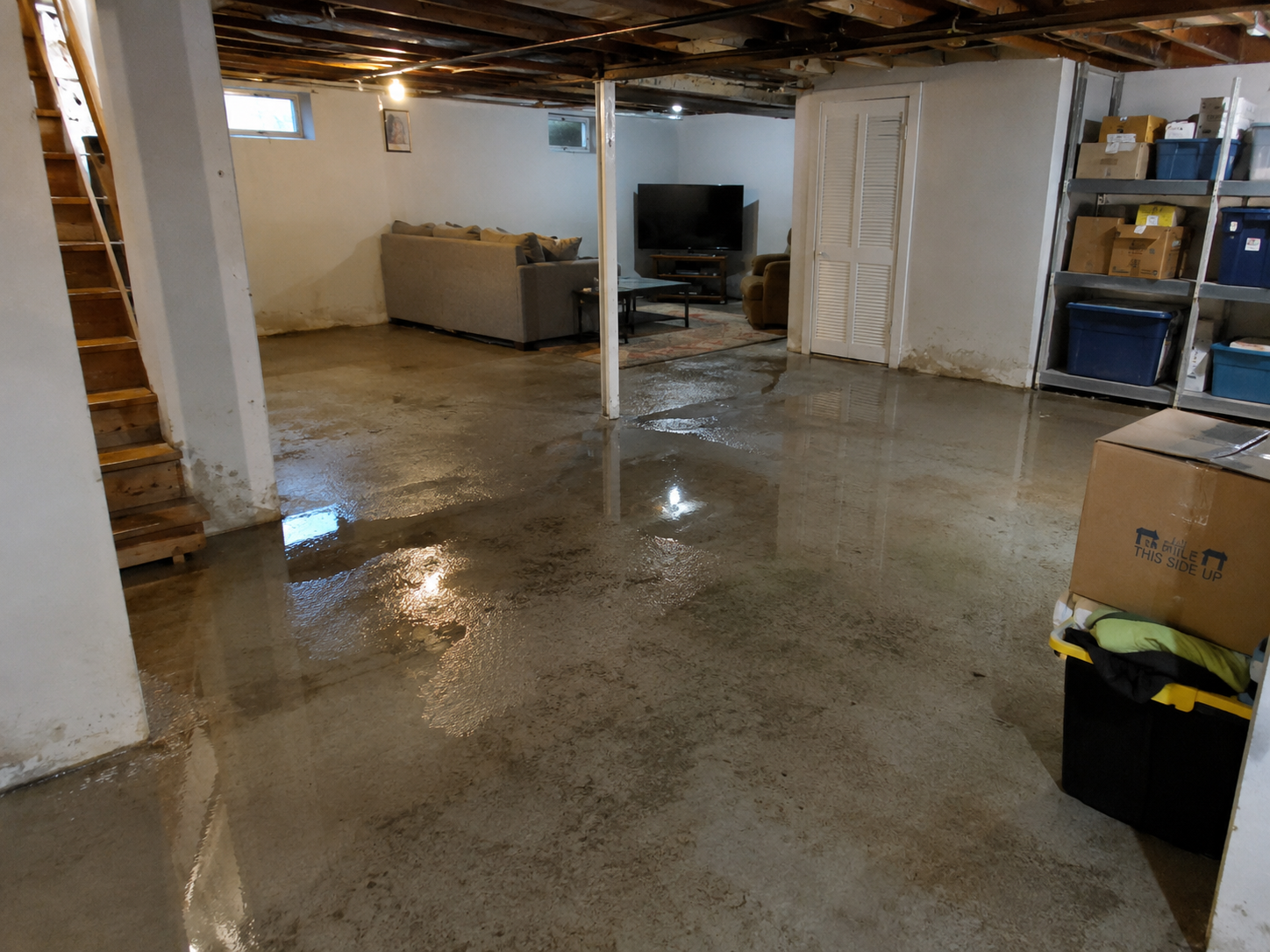
Basement flooding can happen when water collects around the foundation faster than the property drainage system can handle it. This is common during intense rain, spring thaw, ice jams, or sewer system overloads. A sump pump helps reduce the risk by moving collected water away before it rises into the basement.
A properly installed sump pump can help:
Reduce the risk of basement flooding
Protect finished flooring, drywall, storage, appliances, and mechanical systems
Limit moisture that can contribute to mould growth
Reduce pressure from water around the foundation
Support other flood-prevention systems, such as foundation drains and weeping tiles
Improve flood readiness during storms and rapid snowmelt
A sump pump is especially important if your home has a history of water seepage, sits on poorly drained soil, is located near a high water table, or has a finished basement with valuable living space.
Backup and Redundancy: Why One Pump May Not Be Enough
A standard sump pump depends on electricity. Unfortunately, severe storms can cause both heavy rainfall and power outages at the same time. If your sump pump loses power during a storm, your basement may flood even if the pump itself is in good condition.
Backup options include:
Battery backup kits
Battery-operated backup sump pumps
Dual pump setups
Generator-powered backup sump pumps
Water-powered backups, where permitted and suitable
High-water alarms and battery-powered water alarms
A battery backup system usually includes a backup pump, battery control unit, marine battery or deep-cycle battery, and alarm. It can keep pumping for a limited period during a power outage, depending on battery capacity, pump demand, and water volume.
A dual pump setup adds redundancy. If the primary pump fails or cannot keep up, the secondary backup pump can take over. This is useful for homes with finished basements, high water tables, or repeated flooding concerns.
Water-powered backups use municipal water pressure to operate, but they are not appropriate everywhere. Some municipalities restrict or discourage them because they use treated drinking water and require the right plumbing conditions. Homeowners should check local rules before installing one.
Sump Pump Installation Considerations
Sump pump installation can involve concrete cutting, basin placement, drainage pipe connections, discharge routing, electrical work, and possible permits. In existing homes, the process may be more complex if the basement is finished or if foundation drainage systems need to be upgraded.
A typical installation may include:
Choosing the lowest practical drainage point
Cutting and excavating the basement floor for the sump basin
Installing or connecting drainage pipes
Placing the pump and float switch
Installing a check valve and discharge pipe
Directing water to an approved discharge location
Adding a basin cover, alarm system, or backup pump
Testing the system under operating conditions
Many Canadian municipalities do not allow sump pump discharge into the sanitary sewer or floor drain because it can overload the sewer system. Rules vary by city, so homeowners should check local bylaws before changing a discharge line. In many cases, sump water must be directed outside, to a storm sewer connection, or to another approved drainage area.
Electrical safety also matters. A sump pump may need a dedicated electrical circuit, GFCI protection where required, and installation that follows local electrical code requirements. Electrical work should be handled by a qualified electrician.
How much does a sump pump cost in Canada?
Sump pump costs vary widely depending on whether you are replacing an existing pump or installing a complete new system.
As a general Canadian range, a straightforward sump pump replacement often costs $300 to $1,200, including the pump and professional installation. A new sump pump system that requires a basin, concrete work, discharge piping, and labour may cost $1,200 to $3,500 or more. Adding a battery backup system can add roughly $400 to $1,500, depending on the equipment and installation.
Costs can be higher when the basement is finished, access is difficult, drainage pipes must be modified, the discharge route is complex, or electrical upgrades are required. Prices also vary by region, labour rates, season, and contractor.
Some municipalities offer flood-prevention rebates for eligible devices such as sump pumps, backwater valves, or other basement flooding protection measures. These programs change over time, so check your municipality’s current eligibility rules before starting work.
Sump Pump Maintenance Checklist
A sump pump should be checked regularly, especially before spring thaw, heavy rain season, or extended travel. Small issues are easier to fix before a storm than during an emergency.
Use this annual maintenance checklist as a starting point:
Test the pump by pouring water into the sump basin
Confirm the float switch moves freely
Remove loose debris from the sump pit
Check that the pump starts and stops properly
Inspect the discharge pipe for blockage, freezing risk, or damage
Make sure the check valve is working
Test the backup pump and battery backup system
Replace batteries according to the manufacturer’s recommendations
Confirm visual and audible alarms are working
Make sure the basin cover is secure
Book a professional inspection if the pump cycles constantly, makes unusual noise, or struggles to remove water
During winter, discharge lines can freeze if they are poorly positioned or not protected. A frozen discharge line can stop the pump from moving water out of the house. The exterior outlet should be placed where water can drain away safely without flowing back toward the foundation, onto a neighbour’s property, or across a sidewalk where it could freeze.
Signs Your Sump Pump May Be Failing
A sump pump often gives warning signs before it fails completely. Pay attention to changes in sound, cycle frequency, and water level.
Common warning signs include:
The pump does not turn on when the basin fills
The pump runs continuously
The float switch sticks or catches on the basin wall
The pump makes grinding, rattling, or unusually loud noises
Water flows back into the basin after pumping
The discharge pipe is blocked or leaking
The pump smells hot or the motor seems strained
The backup battery no longer holds a charge
The pump is more than 10 years old and has not been inspected recently
If your basement depends on the sump pump for flood protection, do not wait for failure. A preventive replacement can be far less expensive than repairing water damage after a flood.
Sump Pumps and Home Safety
Source: Reno Quotes
A sump pump helps protect more than the basement floor. Standing water and chronic moisture can damage building materials, stored belongings, insulation, electrical equipment, furnaces, water heaters, and finished living areas. Damp conditions can also contribute to mould growth and poor indoor air quality.
Homeowners should also think about radon. A sump pit can be one possible entry point for soil gases if it is not properly sealed. A tight-fitting basin cover can help as part of a broader radon mitigation approach, but it is not a substitute for radon testing or a professional mitigation system when levels are high.
For stronger flood protection, combine a sump pump with other measures:
Maintain gutters and downspouts
Extend downspouts away from the foundation
Improve lot grading so water drains away from the house
Repair foundation cracks
Keep window wells clear and properly drained
Install or maintain a backwater valve where appropriate
Store valuables off the basement floor
Use a battery-powered water alarm
Review water damage, sewer backup, and overland flood coverage with your insurance provider
A sump pump is an important line of defence, but it should not be the only one.
In Conclusion
A sump pump collects water from the lowest part of a basement or crawl space and pumps it away from the foundation before it can cause flooding. For many Canadian homes, especially those with basements, foundation drains, high water tables, or finished lower levels, it is a key part of flood prevention and home safety.
The right sump pump system should be properly sized, professionally installed, connected to an approved discharge location, maintained regularly, and supported by backup power or a secondary pump when the risk is high. With the right setup, a sump pump can help protect your basement, reduce moisture problems, and give you more peace of mind during heavy rain and spring melt.
FAQ
How long does a sump pump last?
Many sump pumps last around 7 to 10 years, but lifespan depends on pump quality, frequency of use, water volume, maintenance, and installation conditions. If your pump is older, noisy, or unreliable, have it inspected before storm season.
Does every Canadian home need a sump pump?
Not every home needs one, but many homes with basements benefit from a sump pump, especially in areas with heavy rainfall, snowmelt, high groundwater, poor drainage, or previous basement water issues. A contractor can assess whether your drainage system requires one.
Can a sump pump prevent all basement flooding?
No. A sump pump can greatly reduce the risk of groundwater-related basement flooding, but it cannot prevent every type of water damage. Sewer backups, surface water entering through windows, plumbing leaks, foundation cracks, and power failures may require other solutions.
Should I install a battery backup sump pump?
A battery backup is strongly recommended if your basement is finished, your sump pump runs often, your area is prone to storms, or power outages are common. It gives the system a second line of defence when the primary pump loses power or cannot keep up.
Can a sump pump drain into the sanitary sewer?
In many municipalities, sump pump discharge into the sanitary sewer or a basement floor drain is not allowed. It can overload the sewer system and increase flood risk. Always check local bylaws or ask your municipality before changing your discharge setup.
How often should I test my sump pump?
Test your sump pump at least once a year, and ideally before spring thaw or heavy rain season. Homes with frequent pump activity should be checked more often, especially after major storms or power outages.
Looking for something else?
Related articles
The latest industry news, interviews, technologies, and resources.

Editorial Team
•12 May 2025
Most, if not all, homes are well insulated. This insulation exists to keep the heat within the home during the winter months, significantly reducing heat loss. In order to be well insulated, a home should be relatively airtight as to block the outside air from permeating inside.

Léa Plourde-Archer
•08 Nov 2023
Installing a hardwood floor can have a huge impact on your house: it can transform a room and increase the value of the building. Timeless and durable, hardwood floors are also popular because they are known for their warmth and beauty.

Editorial Team
•08 Nov 2023
It’s sweater weather, the temperature has taken a turn for the crisp, and the leaves are changing. That's right, it’s about time to start thinking about your Halloween decorations.

Editorial Team
•10 Feb 2025
Imagine never having to step onto an ice-cold floor again. Underfloor heating, also known as radiant floor heating, offers exceptional thermal comfort and is a great fit for both new constructions and energy-efficient home renovations.

Editorial Team
•21 May 2025
Good indoor air quality in your home is essential for living well, especially if your family members have allergies. This is even truer if your windows stay closed for most of the year.