Water is essential to the wellbeing of humans, but as we know, this natural element can be both a blessing and a curse. Flooding is common in regions with high rainfall levels and proximity to large bodies of water.
A basement flood can be caused by a variety of sources, including groundwater, falling water or home system malfunction. When a flood finds its way into your home, it can be devastating as you try to decide what to salvage and what to leave.
To really understand what to do and how to proceed in the case of a flooding, we can go over some common problems and damage that floods will cause as well as hazards that are associated with a flooded home. Read on to find out what to do following a flood as well as how to renovate your basement.
How to renovate your basement after a flood
What is the source of the flood?

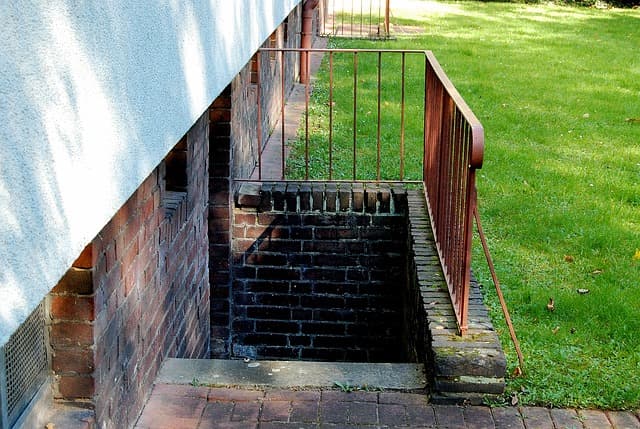
source: Flickr
Before you start tearing the walls out of your basement, it is important to determine the source of the flood and resolve it as soon as possible. Did a system in your home cause the flood, such as a drain that is backed-up or a malfunctioning sump pump? If so, there is at least an accessible solution for dealing with the problem.
Unfortunately, if your home resides on a floodplain, solving the issue will be significantly more difficult. If you find that the problem is a drain or pump, take the necessary steps to repair the issues so that it doesn’t arise again. If you live on a floodplain or near a river or stream, it is important to consider that the risk of repeat flooding is high, and therefore, it may be best to leave your basement unfinished.
Remove water
Water on and around the surfaces of your home is highly risky, and therefore it must be dealt with immediately. Don’t let flood water simply rest in your basement, as mould could grow in as quickly as 24 hours. Mould is a huge safety hazard and can breed spores that become airborne, contaminating other areas of your home as well as risking the health and well-being of your family.
If you find a large concentration of mould, it is important to contact professionals who can remove the spores and decontaminate the space. Further, floodwater can contain sewage or other harmful bacteria. For this reason, take extra precautions to make sure everything is bacteria-free before moving forward with basement reconstruction or renovation.
Remove damaged surfaces

source: Flickr
Next, it is important to inspect all surfaces and remove the ones which have been damaged by the flood. If your floor has been damaged, it will need to be removed completely along with the subfloor, as it is likely that water will have seeped into the subflooring. Further, any drywall or installation that has been damaged will also need to be removed and replaced.
Some contractors will choose to only remove one foot of drywall, while others believe that moisture can creep up even if it’s not immediately visible. Therefore, it is important to work at your discretion. Regardless of your direction, it is crucial to let all surfaces completely dry before you install new insulation or drywall.
If you have access to a moisture meter, you can use this to tell whether the surfaces in your basement are dry enough to start rebuilding around. Further, you might want a structural review depending on the significance of the flooding, as you don’t want what appears to be surface damage to turn into a structural problem in the long run.
Renovate or rebuild post-flooding
Rebuilding after a flood is a time-consuming process and should be met with patience. The rebuilding process will greatly depend on the amount of damage, and thus, the steps you will take to repair your home will be on a case-by-case basis. Again, following the flood, you will want to check with local municipalities regarding renovation laws and the permits required.
If the damage to your home outweighs the market value, laws may require you to fill in your basement. Another recommendation is considering flood insurance, as this could potentially cover some of the costs associated with your basement renovation. Secure the property in any way possible so that no additional damage occurs and work to rebuild areas that have been cleared.
For specialized renovations, it is recommended that you contact a professional. Even if this costs you more initially, it will keep friends and family safe indefinitely.
Looking for something else?
Related articles
The latest industry news, interviews, technologies, and resources.

Amanda Harvey
•08 Nov 2023
Rain gutters aren’t the most glamorous part of your home's exterior. They work hard to collect and carry rainwater away from the roof of your home but most homeowners pay little mind to these important structures. Gutters, also known as eavestroughs, work to keep basements or crawl spaces from collecting water. Therefore, they’re crucial in maintaining the structure and both the interior and exterior surfaces of your home.

Léa Plourde-Archer
•28 Jan 2026
Rooftop terraces are becoming increasingly popular as a beautiful and functional addition to homes. Whether you’re in a bustling city or a quiet countryside, transforming your roof into a liveable outdoor space can elevate your property. But how much does it cost, and what steps should you take before starting?

Cynthia Pigeon
•06 Aug 2026
With rising real estate costs and limited land availability in major Canadian urban centres, many homeowners are looking for smart ways to make better use of their existing space. Whether your family is growing or you dream of creating a private primary suite, the solution may be directly beneath your roof.

Editorial Team
•08 Nov 2023
The objects in and around our homes are a direct reflection of our personality. This goes for the colours on the walls, the chosen materials, the textures, all the way down to the finishes. Some homeowners may be inclined to follow trends, and with popular sharing platforms like Pinterest, certain trends tend to make the rounds faster than others.
Editorial Team
•28 Apr 2026
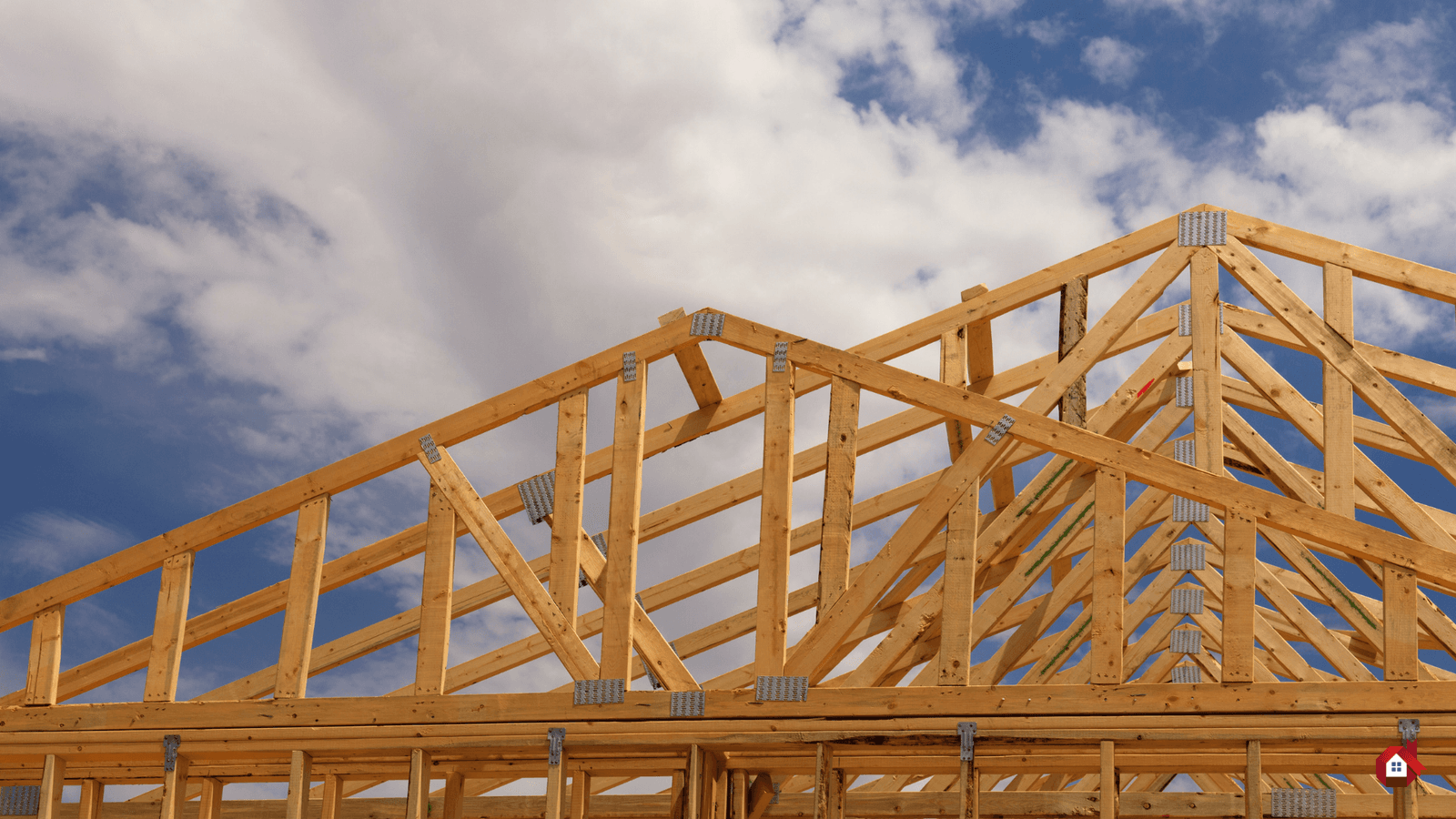
Roof trusses are an integral part of roof building and renovation processes. They provide structural stability and durability, essential criteria for ensuring long-standing homes. Understanding the basis of roof trusses means making well-informed decisions during the course of your renovation or construction projects.