Construction Liens in Canada: A Homeowner’s Guide
By Cynthia Pigeon
Updated on July 27, 2026

Renovating a home or building a new house is an exciting undertaking, but it also represents a major financial commitment. Whether you are reroofing before winter, repairing a foundation, or modernizing a rental property, managing the contractors, subcontractors, and suppliers involved requires careful administrative oversight.
Many Canadian homeowners mistakenly believe that paying their general contractor in full automatically protects their property against further payment claims. However, provincial and territorial construction lien legislation generally gives certain contractors, subcontractors, workers, and material suppliers a legal interest in the property they helped improve.
When an eligible project participant is not paid, they may be able to register a construction lien against the property, provided they meet the requirements established by the applicable provincial or territorial legislation. This guide explains how construction liens generally work in Canada and how homeowners can reduce the associated financial risks.
What Is a Construction Lien?
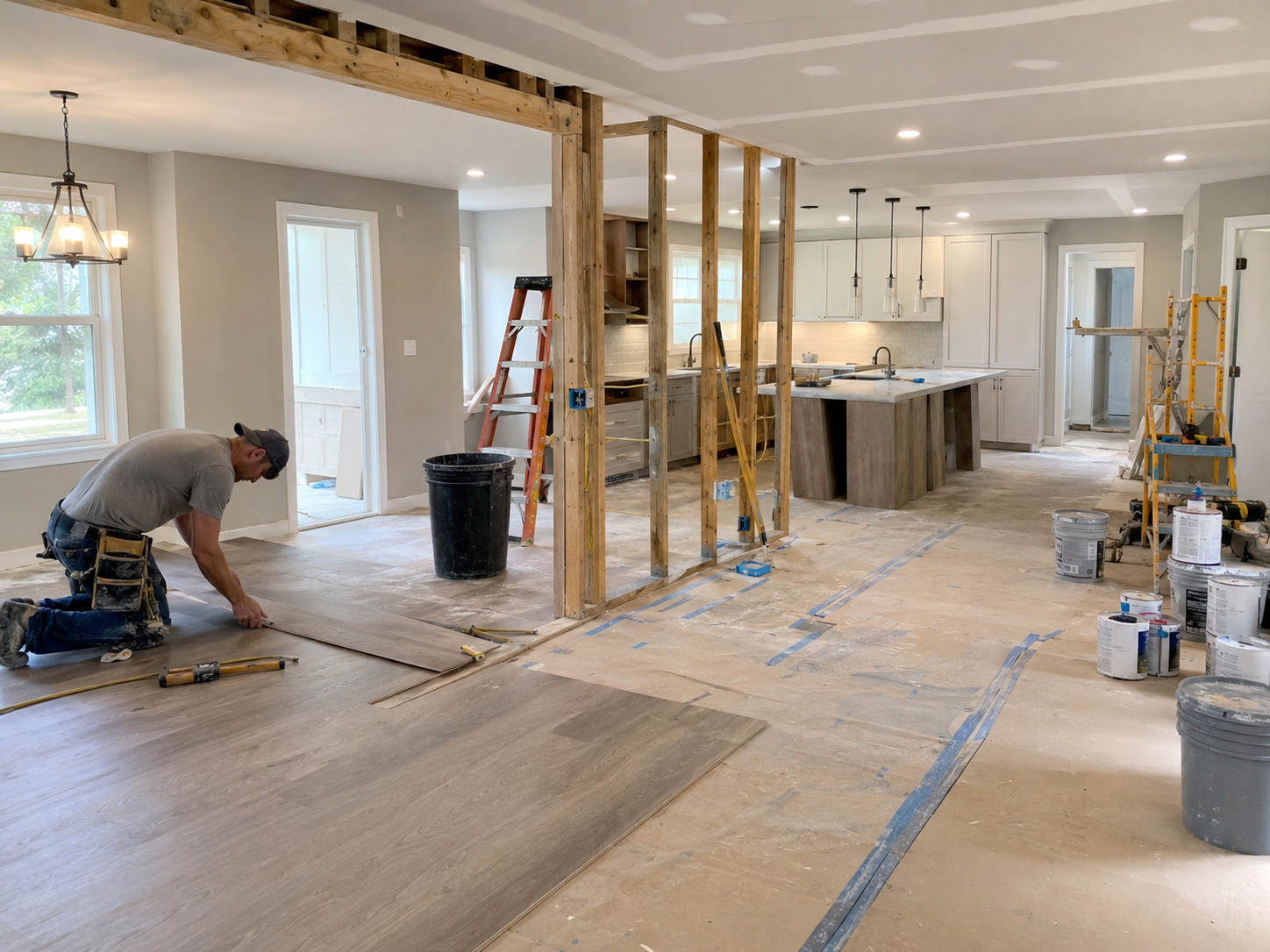
Source: RenoQuotes
A construction lien, sometimes called a builders’ lien, mechanics’ lien, or lien for construction work, is a legal claim against a property for unpaid labour, services, or materials supplied to improve it.
The terminology and specific rules vary across Canada. Ontario uses the term “construction lien,” while British Columbia and several other provinces use “builders lien.” Quebec has a separate civil-law mechanism known as a legal hypothec of construction.
Despite these differences, the underlying principle is similar: a person or business that contributes labour, services, or materials to a construction or renovation project may acquire security against the improved property.
A lien can arise or be registered without the homeowner’s consent. It can interfere with a sale, mortgage refinancing, or other transaction involving the property until it is removed, discharged, or resolved.
The Relationship Between the Claim and the Improvement
A construction lien does not automatically guarantee every amount appearing on an unpaid invoice. The claimant must generally establish that eligible labour, services, or materials were supplied to improve the property and that an amount remains unpaid.
Depending on the applicable legislation, the amount recoverable may also be affected by statutory holdbacks, the amount still owed under the construction contract, the claimant’s position in the contractual chain, and other competing claims.
For example, if a subcontractor claims $35,000, registering a lien does not automatically establish that the full amount is valid or payable. The amount may be disputed and could ultimately require supporting records, expert evidence, negotiation, adjudication, or a court decision.
Requesting detailed estimates and written contracts before work begins can help establish a clear record of the project’s scope, price, and payment terms.
Who Can Register a Construction Lien?
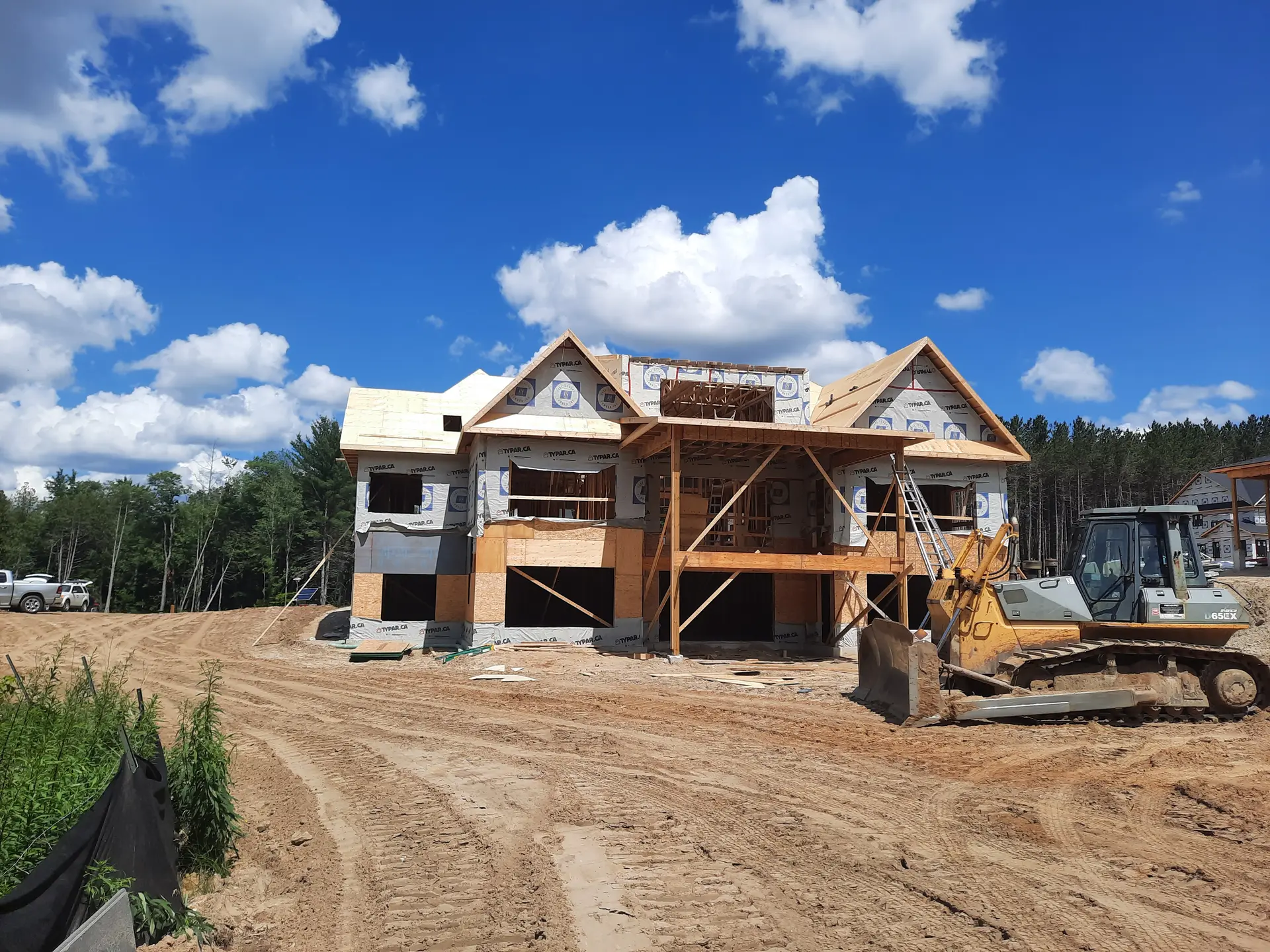
Source: BCS Construction
Eligibility varies by province or territory, but construction lien legislation commonly protects parties that supply labour, services, or materials to an improvement, including:
General contractors: Businesses hired directly by the property owner to manage or complete the project.
Subcontractors: Trades and specialists hired by the general contractor or another subcontractor, such as electricians, plumbers, drywall installers, and roofers.
Material suppliers: Businesses supplying concrete, lumber, windows, roofing products, fixtures, or other construction materials.
Workers: Individuals who perform eligible labour on the project.
Architects and engineers: Professionals who provide eligible design, planning, inspection, or supervisory services, where covered by the applicable legislation.
Not every person or business associated with a project automatically has lien rights. Eligibility depends on the nature of the work or materials supplied and the legislation in the province or territory where the property is located.
The Common Subcontractor Payment Problem
Many construction lien disputes do not arise directly between homeowners and their general contractors. Instead, they result from a breakdown in payments further down the contracting chain.
Example: You hire a general contractor to renovate your basement for a fixed price of $40,000. You make the required payments as the project progresses. However, the general contractor experiences financial difficulties and fails to pay an electrical subcontractor $6,000.
Result: Even though you paid the general contractor in full, the electrical subcontractor may be able to register a construction lien against your property, provided the subcontractor meets the requirements and deadlines established by the applicable provincial or territorial legislation. This is why paying the general contractor does not always eliminate the homeowner’s lien exposure.
Notice Requirements and Other Preliminary Steps
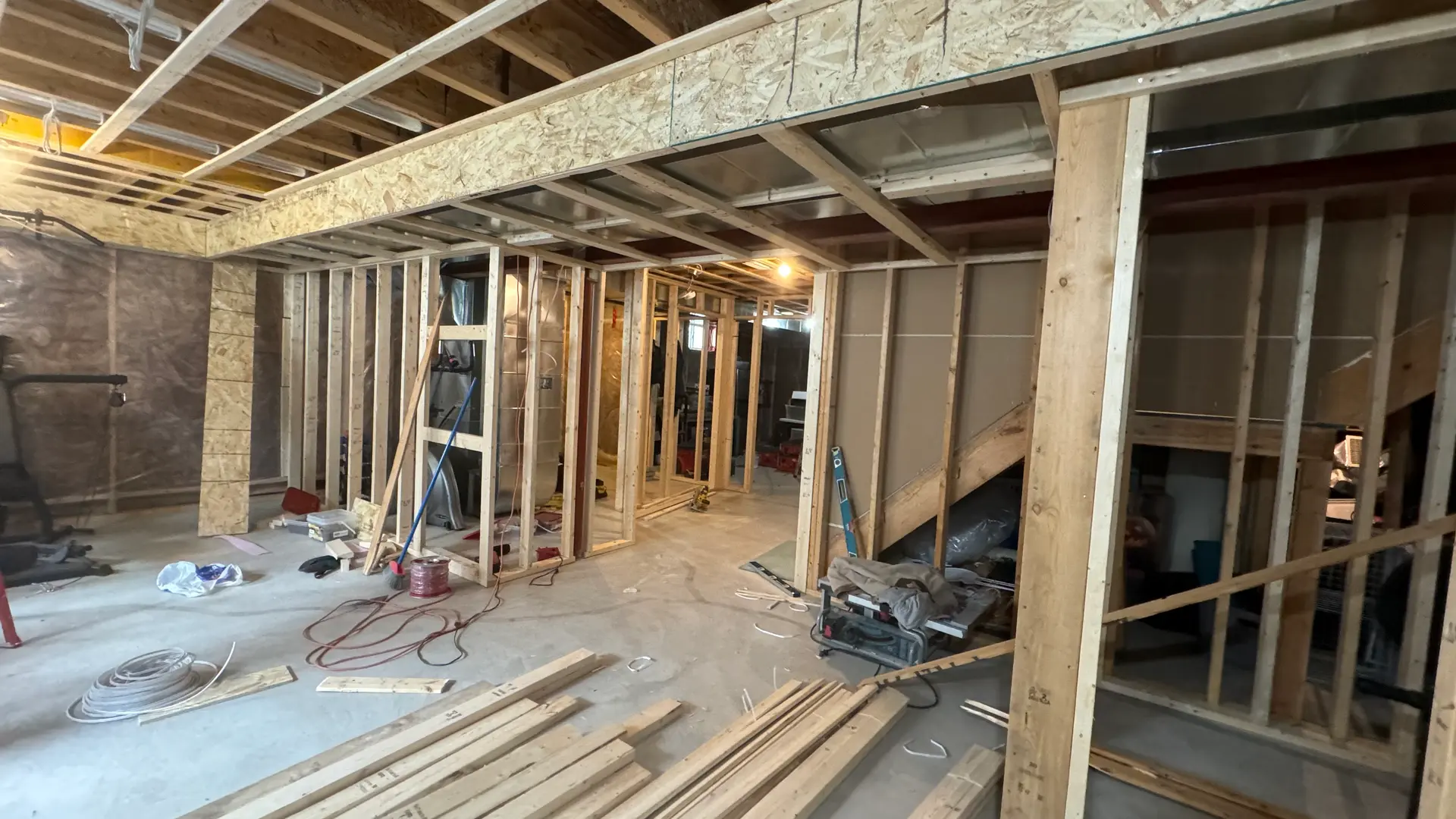
Source: art-coa construction
Some provinces require certain lien claimants to provide notices, preserve records, or complete other preliminary steps. The type of notice, the parties who must receive it, and the applicable deadline vary considerably across Canada.
A notice received from a subcontractor or supplier does not necessarily mean that a lawsuit or property seizure has begun. It may simply advise the homeowner that the sender is supplying work or materials to the project and intends to preserve its legal rights.
What Are the Consequences of a Construction Lien Notice?
Where provincial or territorial law requires advance notice, delivering that notice before the relevant work is performed may preserve the contractor’s, subcontractor’s, supplier’s, or professional’s lien rights for labour, materials, or services supplied after the owner receives it.
Failure to provide a required notice may limit or eliminate the claimant’s right to register a construction or builders’ lien for the affected work, materials, or services. When notice is delivered late, lien protection may apply only to amounts arising after the notice was received, depending on the legislation in the applicable province or territory. The claimant may still have a contractual claim against the party that hired them and may pursue payment through the appropriate court or dispute-resolution process. However, they may be unable to rely on lien rights for amounts that were not protected in accordance with the applicable legislation.
Do not panic if you receive a construction lien notice or another formal notice by registered mail. The notice itself is not necessarily a lawsuit, seizure, or judgment against your property. It generally informs you that a contractor, subcontractor, supplier, or other construction professional is asserting or preserving a right to payment in connection with work performed on your property. Before releasing further funds to the general contractor, review the notice carefully and consider obtaining legal advice to ensure that payments, holdbacks, and lien claims are handled in accordance with the laws of your province or territory.
Construction Lien Rules and Deadlines
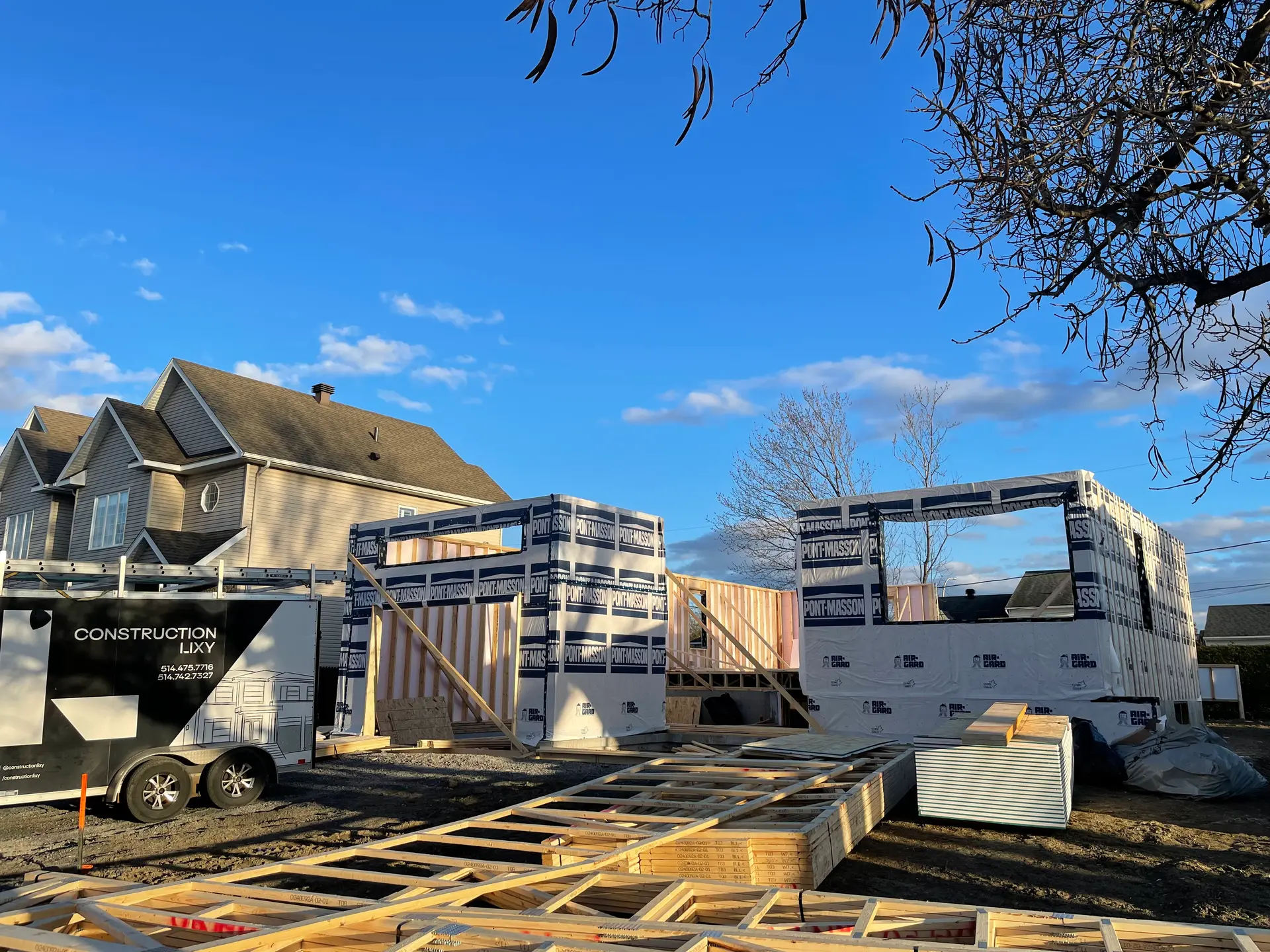
Source: Construction Lixy
Construction and builders’ liens are subject to strict procedural requirements. Failure to comply with the applicable deadlines may extinguish the lien or limit the labour, materials, or services it secures.
1. Construction Liens Are Subject to Strict Deadlines
Missing a filing, preservation, perfection, or enforcement deadline can cause the lien to expire.
The applicable time limit is not the same throughout Canada. It may also depend on factors such as:
the date the claimant last supplied work or materials;
substantial performance of the contract;
completion or abandonment of the project;
publication of a certificate;
termination of the contract;
the type of work or material supplied.
For example, British Columbia’s Builders Lien Act generally establishes a 45-day filing framework in many common situations, while Alberta generally provides 60 days for a regular construction lien and 90 days for certain concrete or oil and gas claims. Ontario applies its own preservation and perfection periods under the Construction Act. Quebec law stipulates that subcontractors have 30 days before the work end date to register a construction lien (legal hypothec of construction).
Because the triggering event is not always obvious, homeowners should not calculate a lien deadline without verifying the legislation applicable to their province or territory.
Filing a Lien Is Not the Final Step
Registering a lien does not necessarily preserve it indefinitely. A claimant may also need to start a court action or complete another enforcement step within a separate deadline.
If the claimant fails to enforce the lien properly, the lien may expire. However, the registration may remain visible in the land registry until a discharge, court order, or other required document is filed.
How Can Homeowners Protect Themselves?
Source: SI.T Construction
Homeowners can take several practical measures to reduce the risk of a construction lien while undertaking home renovation work.
1. Use a Detailed Written Contract
The contract should clearly identify:
the total price;
the scope of work;
the payment schedule;
the contractor’s responsibilities;
the use of subcontractors;
required proof of payment;
holdback requirements;
change-order procedures;
conditions for releasing the final payment.
The agreement should also address how disputed or incomplete work will be handled.
2. Respect Statutory Holdback Requirements
Several provinces require owners, contractors, or subcontractors to retain a percentage of payments as a statutory holdback.
Ontario’s Construction Act, for example, generally requires a 10% holdback from amounts payable for supplied services or materials. British Columbia’s Builders Lien Act also contains a 10% holdback framework. These funds help respond to valid lien claims that may arise during the statutory period.
Do not assume that the same percentage, deadline, or release procedure applies everywhere. The contract and payment process must comply with the legislation in the province or territory where the property is located.
3. Request Partial and Final Lien Releases
Before making a major progress payment, request the documentation required under the contract, including partial releases or waivers from contractors, subcontractors, and suppliers where appropriate.
At the end of the project, request:
a final release from the general contractor;
releases from subcontractors or suppliers that provided notices or have significant unpaid accounts;
confirmation that payroll, materials, and trade invoices have been paid;
any statutory declarations required under the contract or applicable legislation.
A release from the general contractor does not automatically prevent an unpaid subcontractor or supplier from pursuing its own claim. Obtain documentation from the relevant parties whenever possible.
4. Pay According to Verified Progress
Payments should correspond to completed and verified work rather than simply to calendar dates.
Before releasing funds:
inspect the completed work;
compare it with the contract and approved change orders;
confirm that required inspections have taken place;
request proof that major subcontractors and suppliers have been paid;
retain any statutory or contractual holdback.
Avoid paying the entire contract price before the project is complete and the applicable lien risks have been addressed.
5. Verify the Contractor
Contractor licensing and registration requirements vary across Canada. Some trades require provincial certification or licensing, while general contractor licensing may be handled provincially, municipally, or through specialized regulatory bodies.
Before signing a contract, verify:
required business and trade licences;
insurance coverage;
workers’ compensation registration;
references and previous projects;
court judgments, insolvency proceedings, or other publicly available financial information;
warranty coverage, where applicable.
A valid licence confirms that certain regulatory requirements have been met, but it does not guarantee that the contractor is financially stable or that subcontractors will be paid.
What Should You Do If a Lien Is Registered?

Source: Intact Roofing
If you receive a lien notice or discover a lien during a sale or refinancing, address it promptly. A registered lien can delay or prevent a real estate transaction.
Step 1: Review the Validity of the Lien
Consult a construction lawyer to assess questions such as:
Is the claimant eligible to register a lien?
Was the lien registered within the applicable deadline?
Does the claimed amount relate to eligible work, services, or materials?
Were any required notices provided?
Has the claimant completed the steps required to preserve and enforce the lien?
Does the amount exceed what may legally be secured against the property?
If the lien is invalid, exaggerated, or expired, the owner may be able to request a voluntary discharge or seek a court order removing it.
Step 2: Negotiate Payment or a Release
Some disputes can be resolved by reviewing the invoices, determining which amounts remain unpaid, and negotiating a settlement.
Payment should not be made without obtaining a properly prepared release or discharge confirming that the lien will be removed from the property.
Step 3: Post Security to Remove the Lien From the Property
Provincial legislation may allow a homeowner to replace the lien against the property with money, a bond, a letter of credit, or another form of court-approved security.
Once the required security is posted and the necessary order or registration is completed, the lien can be removed from the property while the underlying payment dispute continues separately.
This can allow a sale or refinancing to proceed without forcing the parties to resolve the entire dispute immediately.
Step 4: Obtain a Formal Discharge
A lien does not necessarily disappear from the land registry simply because the claim has been paid, settled, or allowed to expire. Confirm that the appropriate discharge, release, court order, or other required document has been registered. A lawyer can verify the property record and ensure that the lien no longer affects the title.
Protect Your Project Against Construction Lien Risks
Construction lien legislation provides important payment protection to eligible contractors, subcontractors, workers, professionals, and material suppliers across Canada. Although a lien can create serious complications for a homeowner, careful management of contracts, notices, payments, holdbacks, and releases can significantly reduce the risk.
By hiring a properly verified contractor, tracking subcontractors and suppliers, following the applicable holdback rules, and making payments conditional on appropriate documentation, you can better protect your property and your renovation budget.
To begin your project on a stronger footing, compare qualified contractors and use clear contractual and administrative practices throughout the work.
* This article provides general information and does not constitute legal advice. Construction lien rules and deadlines vary by province and territory. Consult a lawyer in the jurisdiction where the property is located for advice about a specific situation.
Looking for something else?
Related articles
The latest industry news, interviews, technologies, and resources.

Amanda Harvey
•08 Nov 2023
Welcome back for the second installment of our monthly round-up! If you've found yourself about to dive into this article, we imagine that you’re a fellow home design, decor and renovation enthusiast. We too share this passion and thought it’d be fun to create a series that looks at the most interesting articles we've found on the internet that covers these subjects.

Editorial Team
•06 May 2026
Choosing the right heat pump matters in Canada. A good model can help keep your home comfortable in winter, cool in summer, and may reduce your energy use compared with older heating and cooling systems.

Cynthia Pigeon
•08 Nov 2023
Mould found in homes is a common concern amongst many homeowners because of the extensive damage it can cause.

Editorial Team
•11 May 2026
Who wouldn’t want to be able to use their pool, year-round, even during those really cold winter days? The only way to do so is to set up a swimming pool water heater. A wood-fired pool heater is an efficient way to warm up your pool water at a low cost. Here’s everything you need to know about this type of pool heater and the products retailed.

Cynthia Pigeon
•05 Dec 2025
A common question among those renovating their bathroom is whether to opt for a bathtub or shower. While the initial focus is often on space constraints, there are other factors that come into play when making the final decision. So, what exactly are these factors? Keep reading to find out!