Central Heat Pump Installation Cost in Canada in 2026
By Cynthia Pigeon
Updated on July 31, 2026
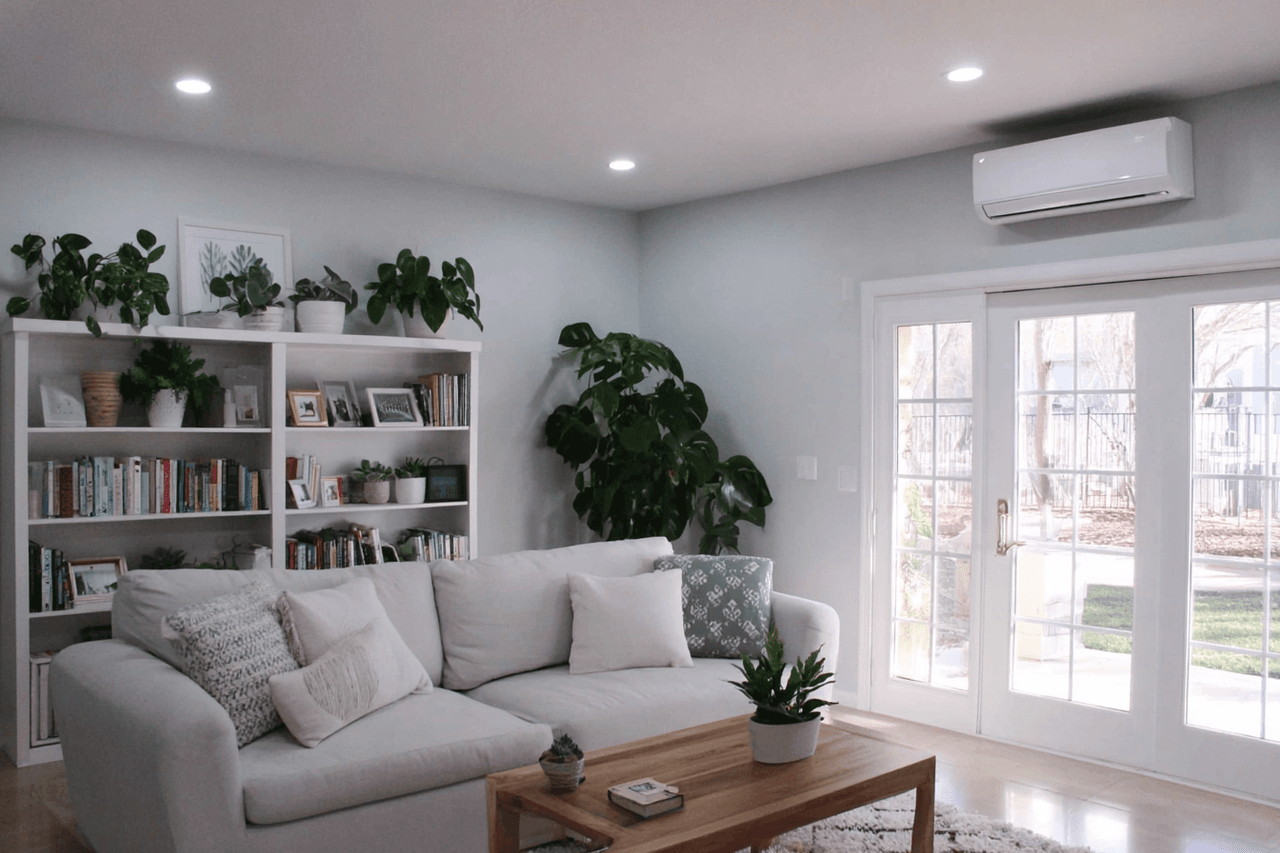
In Canada, an installed central heat pump generally costs between $6,000 and $13,500, depending on the system size, energy efficiency, existing HVAC setup, and any related work required. This amount usually includes the equipment and specialized labour, but the final price can vary based on the unit’s capacity, SEER2/HSPF2 ratings, ductwork condition, electrical requirements, and local labour rates. Financial assistance may also be available depending on your province, municipality, income level, heating system, and the model installed. Federal programs have changed significantly in recent years, so it is important to verify active rebates before signing a contract.
Central Heat Pumps: A Smart Upgrade for Canadian Homes
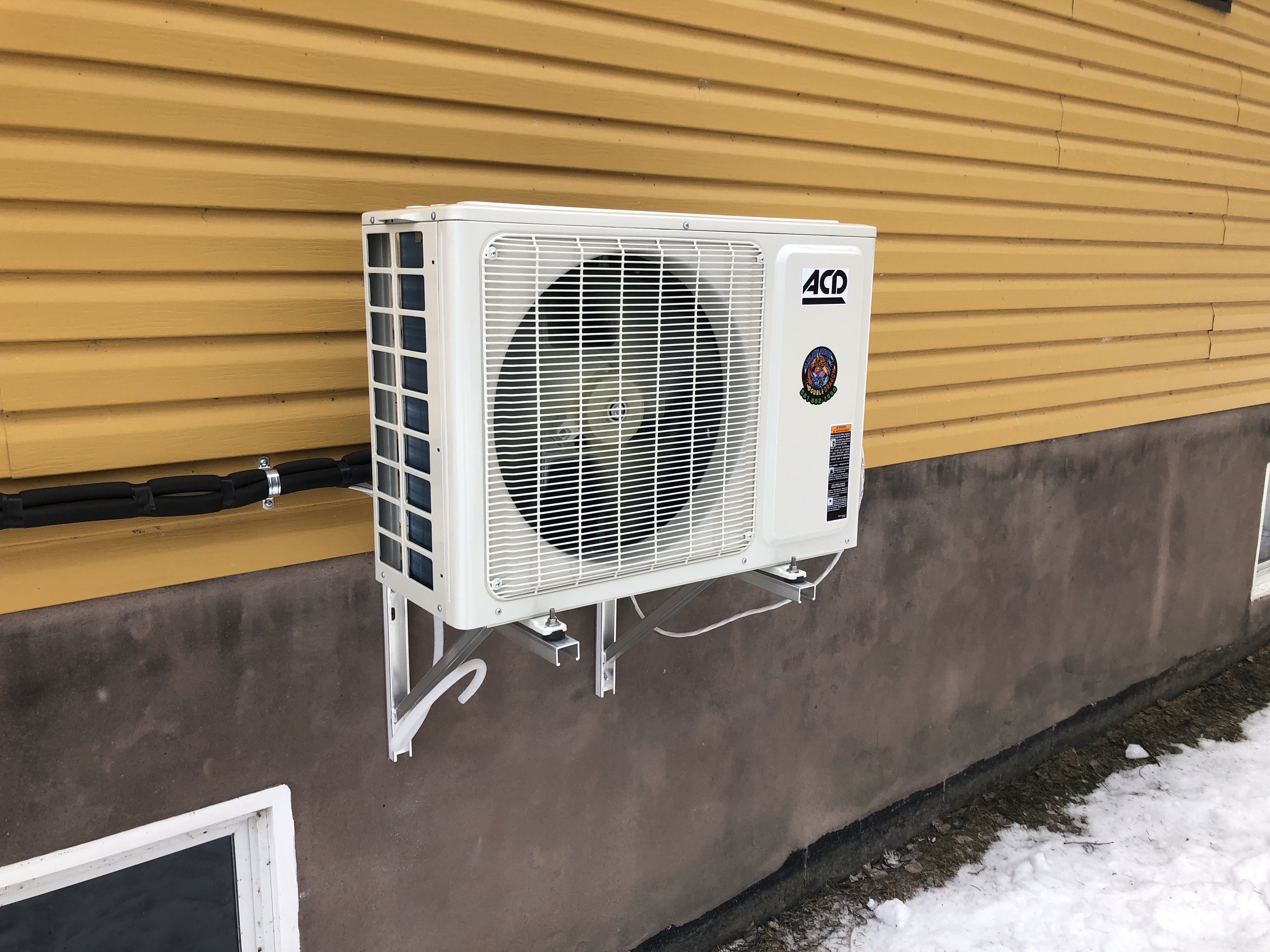
Source: Climatisation double dragon
With rising energy costs and increasingly unpredictable winters, many Canadian homeowners are looking for more efficient ways to heat and cool their homes. For houses with existing ductwork, a central heat pump can be a practical alternative to oil heating, older electric systems, or aging central air-conditioning equipment. Installing a central heat pump can be a valuable renovation project, especially when the system is properly sized and paired with suitable ductwork. The key is to understand the full cost structure, available financial assistance, and the technical requirements before comparing quotes.
What Is the Average Cost of a Central Heat Pump System?
The cost of a central heat pump is not limited to the outdoor unit. A complete system may include the outdoor condenser, indoor coil, air handler or furnace integration, thermostat, refrigerant lines, electrical work, duct adjustments, and system commissioning by a qualified HVAC professional.
Here is a general cost breakdown based on system capacity and average home size:
Capacity | Approximate Area Covered | Estimated Price Range, Installation Included |
24,000 BTU, 2 tons | 1,000 to 1,500 sq. ft. | $6,000 to $8,500 |
36,000 BTU, 3 tons | 1,500 to 2,000 sq. ft. | $8,000 to $10,500 |
48,000 BTU, 4 tons | 2,000 to 3,000 sq. ft. | $10,000 to $13,500 |
The Impact of Efficiency Ratings: SEER2 and HSPF2
SEER2 and HSPF2 ratings are now commonly used to compare heat pump efficiency because they reflect updated testing conditions more accurately than the older SEER and HSPF ratings. Higher-efficiency models usually cost more upfront, but they may reduce operating costs and may be more likely to qualify for certain rebate programs.
For colder regions, including much of Ontario, the Prairies, Atlantic Canada, and northern communities, cold-climate heat pumps are often worth considering. These models are designed to maintain better heating performance at lower outdoor temperatures than standard heat pumps.
Factors That Influence the Final Cost
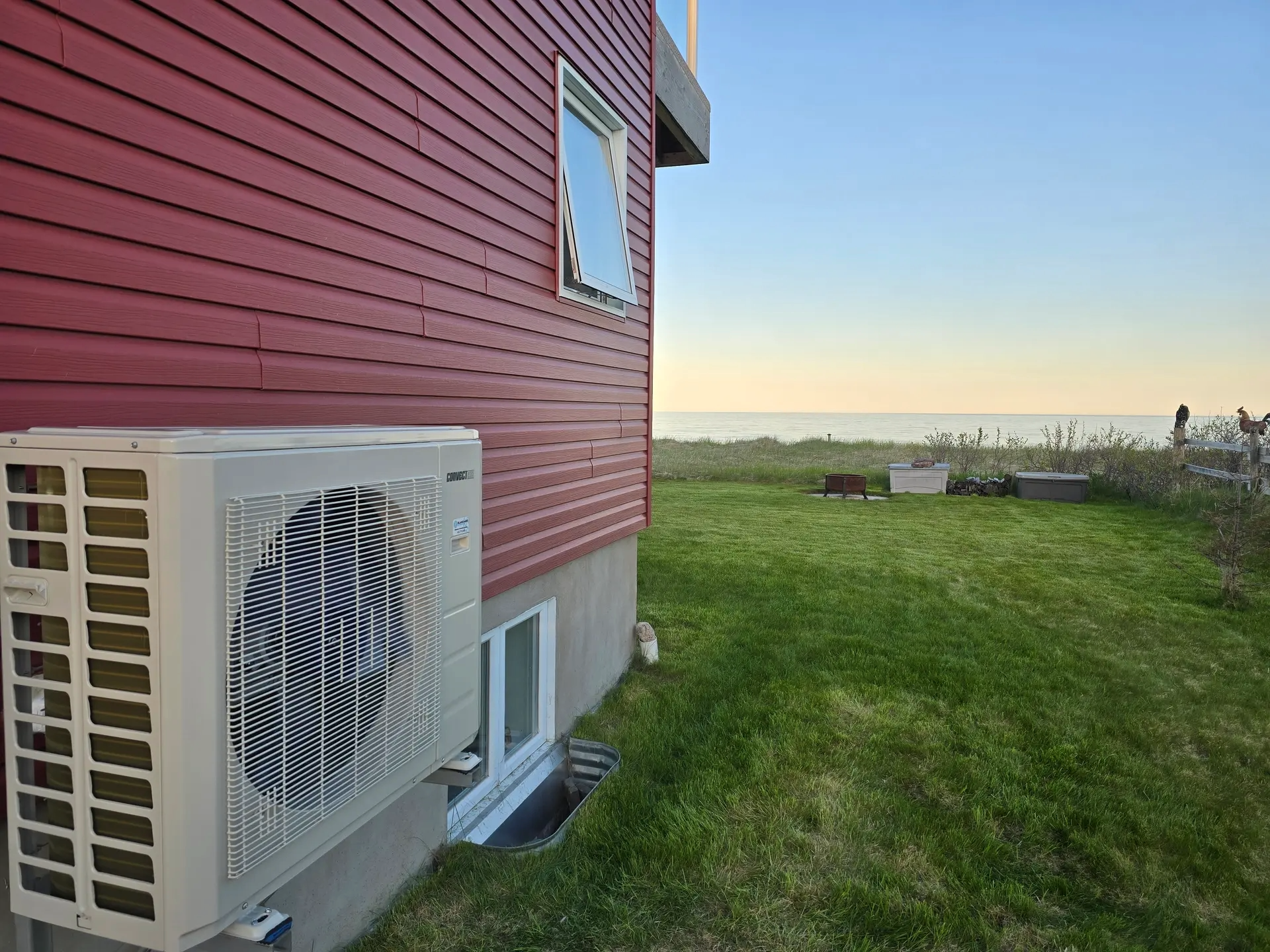
Source: Réfrigération Blanchard
Several variables can affect your final quote. A store price or online equipment price rarely reflects the total installed cost.
Condition of existing ductwork: If you are replacing an oil furnace, electric furnace, or older forced-air system, the ductwork should be inspected before installation. If the ducts are too small, poorly sealed, uninsulated, or not designed for the required airflow, modifications may be needed. Duct upgrades can add $1,500 to $3,000 or more, depending on the scope of work.
Installation complexity: The distance between the indoor unit and outdoor unit can affect the cost of refrigerant lines, electrical wiring, and labour. A rooftop installation, difficult access, long line set, or reinforced wall bracket can also increase the final price.
Electrical upgrades: A central heat pump requires a dedicated electrical circuit. If the existing electrical panel is full or undersized, upgrades may be required. Depending on the work needed, electrical modifications can add hundreds or even a few thousand dollars to the project.
Cold-climate technology: In many parts of Canada, a cold-climate heat pump is strongly recommended. These systems are designed to operate more effectively at low temperatures and often use variable-speed inverter compressors. They usually cost more than standard systems, but they can reduce reliance on backup heating during cold weather. In very cold regions, backup heating may still be required.
To get a precise idea of current rates, it is best to request several heat pump quotes and compare the brands, efficiency ratings, warranties, system design, and included work.
Rebates and Financial Assistance Available in Canada

Source: RenoQuotes
Rebates vary widely across Canada. Eligibility depends on your province, local utility, household income, current heating system, equipment type, and whether the installed model appears on an eligible product list.
The Canada Greener Homes Grant is closed, and the Canada Greener Homes Loan is also closed to new applications. CMHC notes that the loan portal closed to new applications as of October 2, 2025.
However, the Oil to Heat Pump Affordability Program remains open for eligible homeowners who heat with oil and meet income requirements. Natural Resources Canada states that the program offers up to $10,000 in areas where it is delivered federally, and up to $25,000 in participating provinces and territories where support is co-delivered.
Note for Quebec Readers (LogisVert): If you are applying through Hydro-Québec's LogisVert program, please note that while regular heat pump rebates remain fully active, the 100% financial assistance stream offering free heat pumps for low-income households is currently suspended for the 2026–2027 season due to high application volume.
How to Maximize Your Return on Investment
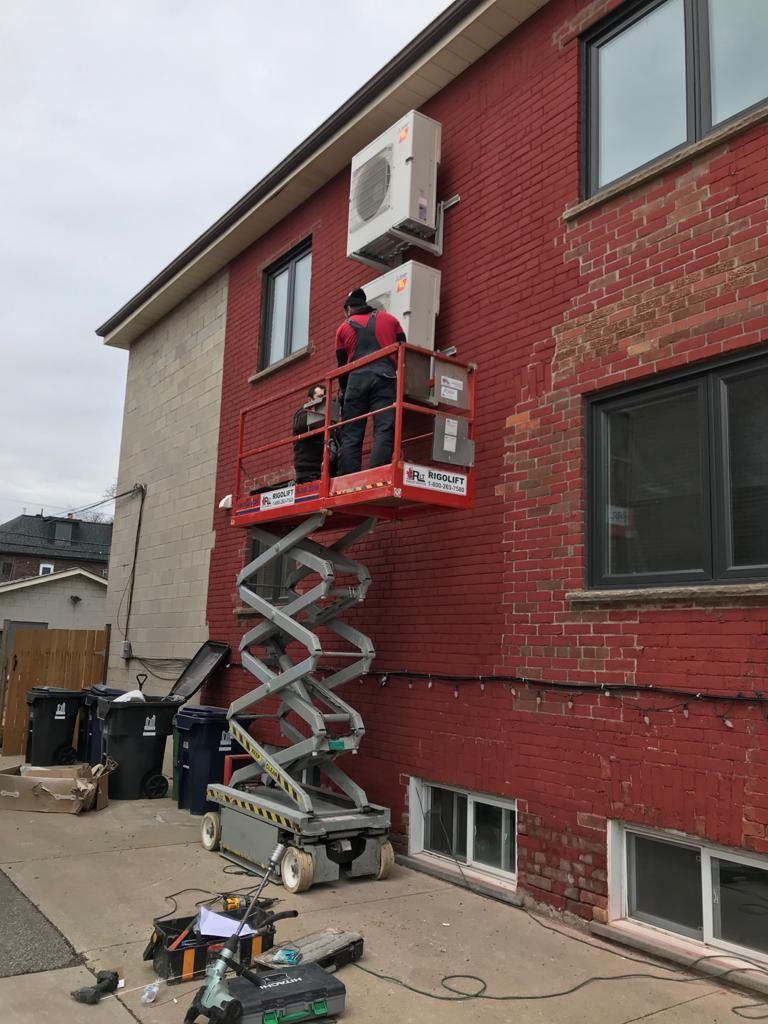
Source: AIR LEGEND
To make the project worthwhile, do not focus only on the lowest installation price. Compare the total cost of ownership: installation cost, rebate eligibility, estimated energy savings, maintenance, warranty coverage, backup heating needs, and system lifespan. A properly sized central heat pump can reduce heating-related energy consumption, but actual savings vary significantly. Insulation levels, climate, electricity rates, the old heating system, thermostat habits, and backup heating all influence the result.
The payback period can range from a few years to more than ten years, depending on the net cost after rebates, the home’s energy performance, and how much the heat pump is used for heating and cooling.
Choosing the Right Contractor: Licences and Qualifications
Source: LégionAir inc.
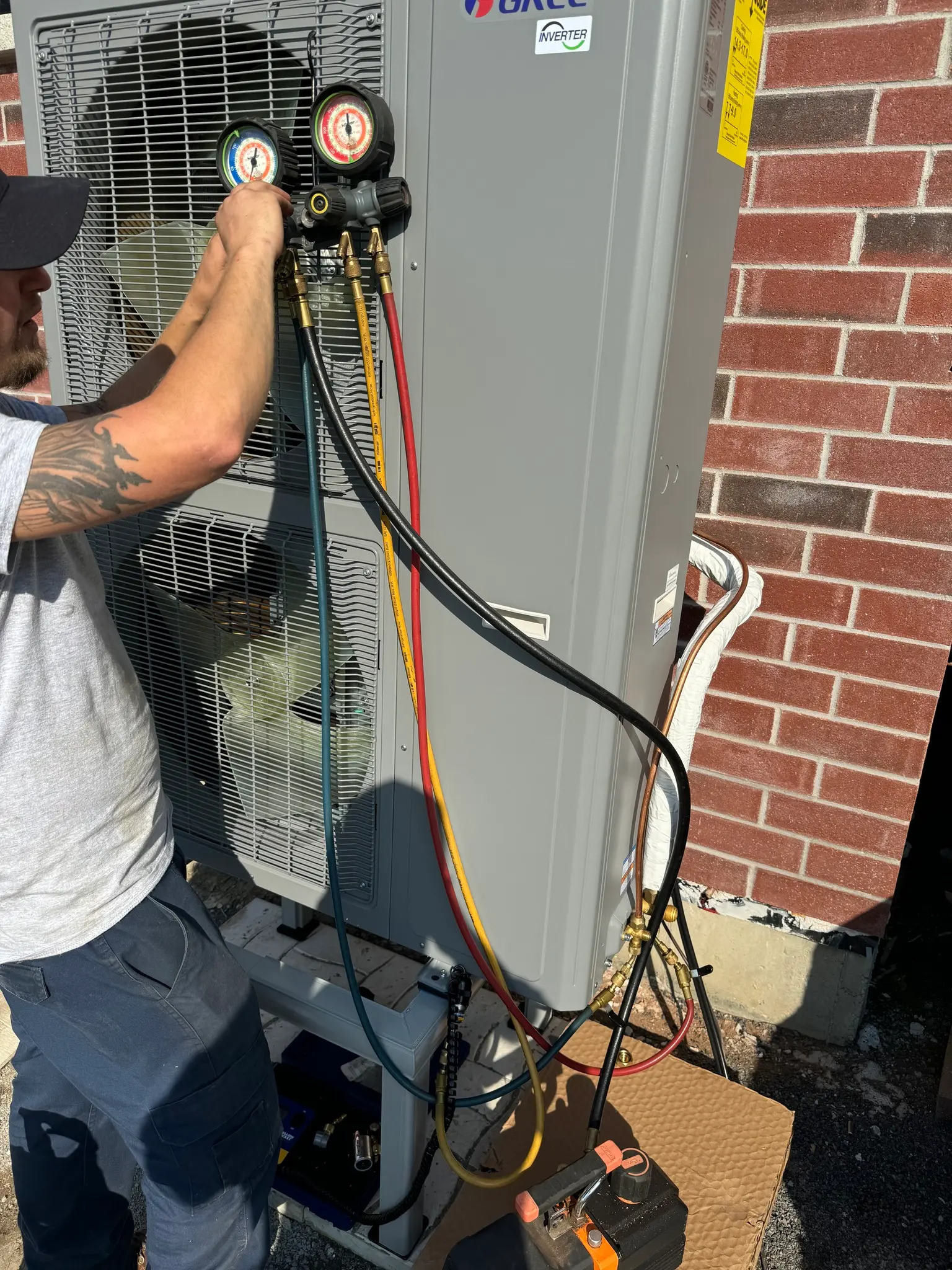
Installing a central heat pump is complex because it can involve refrigeration, forced-air heating, ventilation, electrical work, and sometimes fuel-system decommissioning. Requirements vary by province and municipality.
Before signing, verify that the contractor is properly licensed or qualified for HVAC and refrigeration work in your province. Electrical work should be handled by a licensed electrical contractor. Depending on the province, technicians may also need specific refrigeration, gas, electrical, or trade certifications.
A non-compliant installation can create problems with safety, performance, insurance, and manufacturer warranties. Ask for proof of liability insurance, licence numbers where applicable, warranty details, and a written contract that clearly lists the equipment model, efficiency ratings, scope of work, and any duct or electrical upgrades included.
Is a Central Heat Pump Worth It for Your Home?
Investing in a central heat pump in 2026 can be a strategic decision, especially if your home already has suitable ductwork and you choose an efficient model that qualifies for available rebates. Although the initial cost can be significant, financial assistance and potential heating and cooling savings may improve the project’s long-term value.
Beyond the financial side, a central heat pump can improve comfort by providing more even heating in winter and efficient cooling in summer. For many Canadian homeowners, it is also a practical step toward reducing fossil-fuel use and improving the energy performance of the home.
Looking for something else?
Related articles
The latest industry news, interviews, technologies, and resources.

Editorial Team
•08 Nov 2023
Wood window frames add a naturally beautiful element to both the interior and exterior of your home. However, as with everything of natural beauty, wood needs to be carefully looked after so that it can continue to have pure charm and appeal. You can easily extend the life of wood frames by making sure they are properly inspected and maintained, saving time and money in the long run.
Amanda Harvey
•08 Nov 2023
When building a new home, air barriers are not always part of the equation. However, air barriers are crucial structures that assist in aiding with energy efficiency as well as maintaining a comfortable and cozy home environment.
Editorial Team
•21 Oct 2026
Are you thinking about adding a basement bathroom to make your home more functional? Whether you're creating an extra bedroom, welcoming guests or simply avoiding trips between floors, this project can significantly improve your everyday comfort.

Cynthia Pigeon
•21 May 2026
Investing in the renovation of hardwood floors is one of the most effective ways to restore value, warmth and character to a property. Whether it is a condo in Montréal or Toronto, a single-family home in the suburbs, a heritage property in Atlantic Canada or a cottage in the Laurentians, hardwood flooring is affected by everyday wear, pets, furniture movement and seasonal humidity changes.

Christine Simard
•08 Nov 2023
Thinking of renovating your kitchen or bathroom floor? There are already several materials on the market that can give you a professional and original finish, which will give your room a breath of fresh air. If you've been considering slate for your new home improvement project but are still unsure, maybe this information can help you!