Cost of an Iron Ochre Test in Quebec: Complete Cost Guide
By Cynthia Pigeon
Updated on May 30, 2026
Quebec’s climate, combined with the presence of groundwater, iron-rich soils, and vulnerable drainage systems, can create favourable conditions for certain problems around foundations. Among the issues that can affect foundation drains, iron ochre is one of the phenomena to watch for, especially in areas where the soil and groundwater are rich in iron. This phenomenon can obstruct a property’s drainage system, encourage repeated water infiltration in the basement, and lead to costly damage if the problem is not corrected.
When you discover a suspicious reddish deposit in your sump pit, it is normal to want to quickly understand the extent of the problem. However, before considering major excavation work, the logical first step is to carry out a proper diagnosis. This complete guide explains the costs associated with an iron ochre test in Quebec, the factors that influence the final bill, and the important legal implications during a real estate transaction.
How Much Does an Iron Ochre Test Cost in Quebec?
Source: Excavation Provincial
The basic cost of a professional laboratory analysis generally ranges from $300 to $600 plus taxes. This price varies mainly depending on the type of sample, the sampling method, travel fees, the parameters analyzed, and the requested turnaround time.
For a standard water analysis performed by a specialized laboratory in Quebec, analysis fees can vary depending on the type of sample, the parameters analyzed, and the sampling fees. Some laboratories and specialized firms offer this type of analysis in Quebec. For example, Multitest lists a rate of $490 for a water sample, to which sampling and travel fees may be added.
You generally have two options for collecting the sample:
Sampling by an expert technician: Having a qualified technician travel to your home to take the sample properly generally adds around $100 to the bill. This option strengthens the traceability of the sample and the credibility of the report, especially in the context of a real estate transaction or a potential dispute.
DIY sampling kit: Some laboratories allow you to pick up a sampling kit to collect water from the sump pit yourself. Although this option can reduce the final price by about a hundred dollars, it is generally less recommended in the context of a real estate purchase, because the traceability of the sample may be more difficult to demonstrate in the event of a dispute.
It is important to put this diagnostic cost into perspective with the realities of the renovation market. As a general indication, repairing a foundation drain can cost several thousand, or even tens of thousands of dollars, depending on access to the drain, the depth of the foundation, the landscaping, and the extent of the corrective work required. Requesting an early diagnosis is therefore a highly strategic financial decision.
Water Analysis vs. Soil Analysis in Laboratory
Source: Construction Overload
Laboratory analysis is not limited to a simple visual inspection. There are two distinct scientific approaches to assessing the risk of iron ochre, and each has its own impact on the final price.
A positive result does not necessarily mean that the drain is already obstructed. Conversely, a reassuring result does not replace an inspection of the drainage system if there are already signs of water infiltration, humidity, or backflow. This is why laboratory analysis and camera inspection answer two different questions: the first helps identify the risk associated with iron ochre, while the second helps assess the physical condition of the drain.
Water Analysis: Dissolved Iron and Bacterial Activity
This method consists of taking a sample of stagnant water directly from the sump pit or from the outlet of the foundation drain. The laboratory can analyze certain physicochemical parameters, including the presence of dissolved iron, as well as indicators of bacterial activity associated with iron ochre. These bacteria feed on iron when it comes into contact with oxygen, creating the well-known orange, slimy sludge.
Advantage: Fast and affordable, often included at the lower end of the $320 to $400 range.
Disadvantage: It indicates the current condition of the water, but does not assess the long-term potential of the surrounding soil.
Soil Analysis: Potential Reactivity
If the property is a new build or if there is no visible water on the site yet, the technician may take soil core samples near the foundation. The laboratory measures the total amount of iron present in the soil and its ability to be released into groundwater over the years.
Advantage: Helps assess the potential longer-term risk, especially before construction or major work.
Disadvantage: More complex to perform, it may require specific sampling tools. The cost generally needs to be confirmed directly with the laboratory or the professional hired.
Related Costs: Camera Inspection and Excavation
Source: Excavation A à Z Inc.
A laboratory test can confirm the presence of parameters associated with iron ochre, but it does not, on its own, assess the physical condition of the drain. To obtain a more complete picture of the situation, it may be useful to budget for additional inspections.
Camera Inspection of French Drain
It is often recommended to combine laboratory analysis with a camera inspection of the foundation drain. A specialized technician inserts an inspection camera into the foundation drain pipes, when access allows.
Cost: Expect to pay between $350 and $500 for this intervention.
Purpose: The camera may make it possible to observe the inside condition of the drain and identify signs of obstruction, collapse, or mud accumulation, when access and visibility conditions allow.
Access Fees and Exploratory Excavation
In older properties that do not have cleanout access points, meaning exterior access points to the drain, or an accessible sump pit, the technician may not be able to insert the camera or collect water easily.
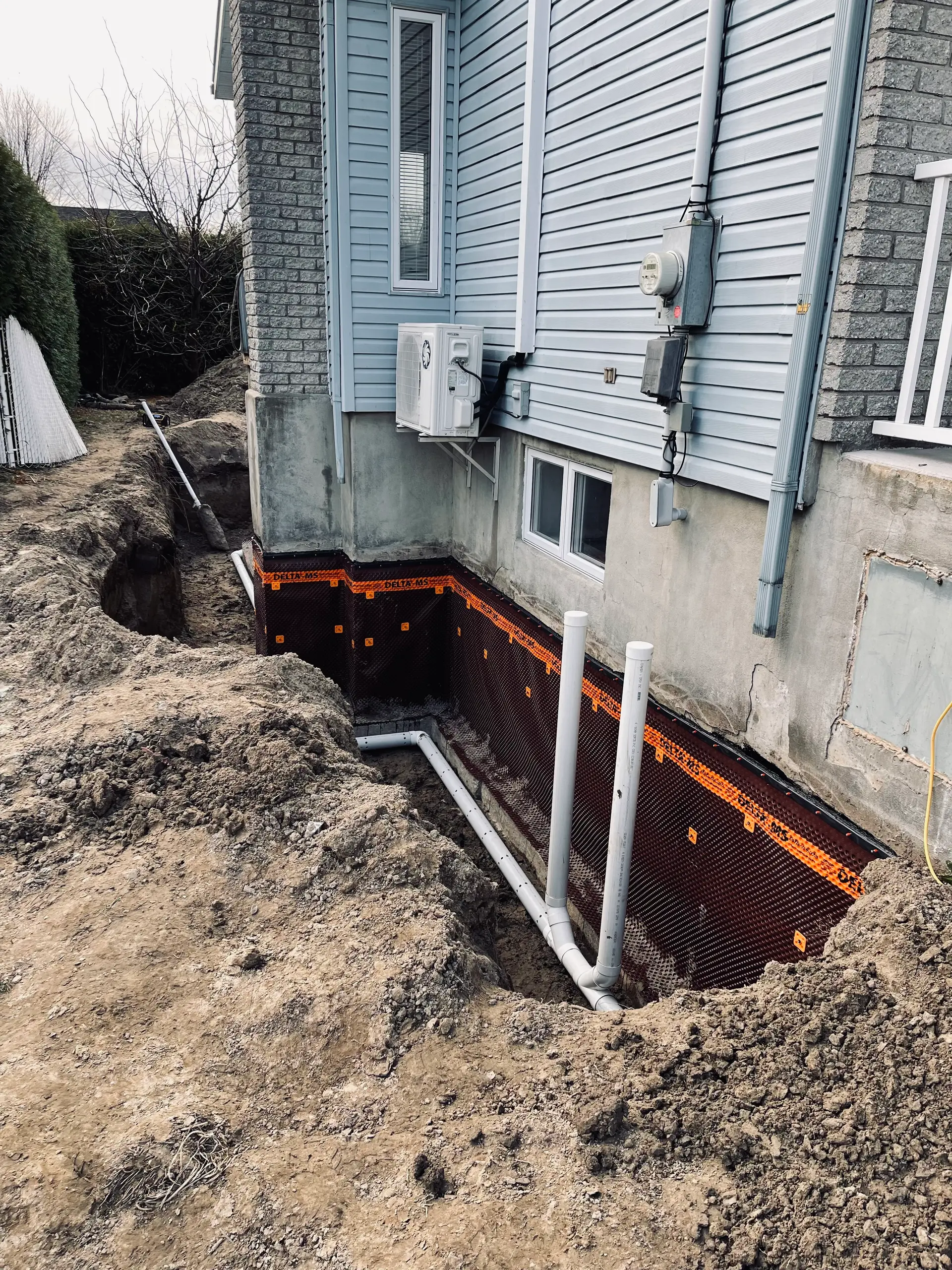
In these scenarios, exploratory excavation may sometimes be required. An excavation contractor must dig down to the footing of the foundation to expose a section of the drain. This mechanical operation can add between $500 and $1,500 in additional fees to the initial diagnostic steps. If you are in this complex situation, you will need to contact qualified excavation contractors to obtain accurate estimates adapted to your property’s configuration.
Type of Intervention | Average Price Range (CAD) | Main Objective |
Laboratory water analysis | $320 to $500 | Evaluate certain parameters associated with iron ochre, including dissolved iron and bacterial activity. |
Technician travel | ~$100 | Strengthen the traceability and credibility of the sample. |
Camera inspection | $350 to $500 | Check the physical level of obstruction in the drain. |
Exploratory excavation, if required | $500 to $1,500 | Create an access point to the foundation drain. |
Why Invest in this Test During a Real Estate Purchase?
Shopping for a property is an exciting step, but it involves significant financial risks. In Quebec, iron ochre can become an important issue during a real estate transaction, especially when visible signs are present before the purchase.
The Concept of Hidden Defects and the Duty of Diligence
Under the Civil Code of Québec, a buyer is expected to exercise diligence during the pre-purchase inspection of the home they are considering. If a building inspector notes suspicious visual signs during the visit, such as orange water in the sump pit, reddish deposits on concrete surfaces, or abnormal humidity at the bottom of the walls, these elements may be considered serious enough to justify further verification.
Investing about $500 in a diagnosis before completing a transaction can help better assess the risk and make a more informed decision. If the test comes back positive and shows advanced clogging, the report can support a request for renegotiation or further verification. The buyer can then try to renegotiate the price, request corrective work, or decide not to move forward, depending on the conditions set out in the offer to purchase.
What Factors Affect the Final Cost of the Diagnosis?
The final price listed on your diagnostic quote is not fixed. Several logistical and geographic factors can cause the cost to vary significantly.
Geographic distance: The concentration of specialized laboratories is mainly found in major centres such as Montreal, Quebec City, and Montérégie. If your property is located in a remote region, such as Abitibi, Bas-Saint-Laurent, or Côte-Nord, travel fees for sampling technicians can increase quickly depending on the distance travelled.
Urgency of the situation: During the peak of the real estate season in the spring, laboratory analysis timelines may reach several business days, or even more than a week, depending on the laboratory, the time of year, and the type of sample. If you need to waive an inspection condition in less than 5 business days, additional fees may apply for priority processing, when this service is offered.
Complexity of access to the system: A house with deep window wells, a fully finished basement without an access hatch, or a concrete slab poured without a sump pit will require more labour time for the technician to take a compliant sample, which increases the hourly cost of the intervention.
If you notice signs of significant humidity during your basement renovation, do not wait until the walls are closed to carry out these tests; access costs will be greatly reduced if the drainage structures are exposed.
RBQ Recommendations, Insurance, and Possible Financial Assistance
It is important to note that the Régie du bâtiment du Québec (RBQ) recommends that buyers of a new home and builders check with the municipality to determine whether the lot is located in an area prone to iron ochre formation.
When the risk is present, certain preventive measures may be considered with a professional, including the choice of drain, the creation of access points for maintenance, the management of granular backfill, and the placement of the geotextile membrane.
It is also important to remember that the formation of iron ochre cannot be completely prevented. The goal is instead to reduce the risk of clogging, make drain maintenance easier, and limit the possible consequences for the building.
Support Programs and Insurance
From a financial standpoint, the situation can be complex for homeowners. Progressive damage related to iron ochre is generally difficult to have covered by standard home insurance, since it does not result from a sudden and accidental event.
Financial assistance for correcting an iron ochre problem is not systematic. Before planning the work, it is best to check with your municipality, your insurer, and, if needed, a building professional to determine whether a local program or specific assistance may apply.
Before undertaking costly corrective work, a rigorous diagnosis remains one of the best ways to understand the true nature of the problem. It can help you avoid paying for unnecessary work if the problem turns out to be a simple accumulation of ordinary sediment, while also providing useful data to plan the next steps. If you are ready to get a clear picture of your property’s condition, do not hesitate to request quotes for your work so you can compare the rates of professionals specializing in diagnostics, drain inspections, or foundation drainage work in your area.
Looking for something else?
Related articles
The latest industry news, interviews, technologies, and resources.
Editorial Team
•17 May 2024
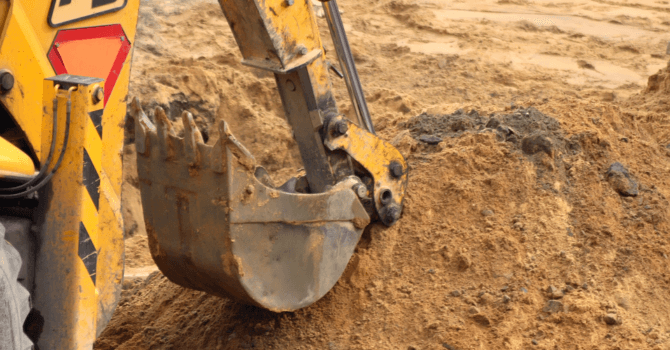
Digging a hole isn’t as easy as it might seem. Hence the reason for excavation standards, which must be adhered to. Abiding by such standards can literally save your life, or that of labourers working alongside you.
Editorial Team
•08 Nov 2023
p.p1 {margin: 0.0px 0.0px 2.0px 0.0px; text-align: justify; font: 14.0px 'Helvetica Neue'; color: #454545} p.p2 {margin: 0.0px 0.0px 0.0px 0.0px; text-align: justify; font: 12.0px 'Helvetica Neue'; color: #454545} p.p3 {margin: 0.0px 0.0px 2.0px 0.0px; font: 14.0px 'Helvetica Neue'; color: #454545} p.p4 {margin: 0.0px 0.0px 0.0px 0.0px; font: 12.0px 'Helvetica Neue'; color: #454545}

Léa Plourde-Archer
•08 Nov 2023
Once seen as an architectural element only used for outdoor walls and industrial spaces, the interior brick wall has turned into a new staple in Canadian homes. This material is not set to go out of style any time soon! We’ve prepared a small guide to tell you more about interior brick wall installation and maintenance:
Editorial Team
•12 May 2025
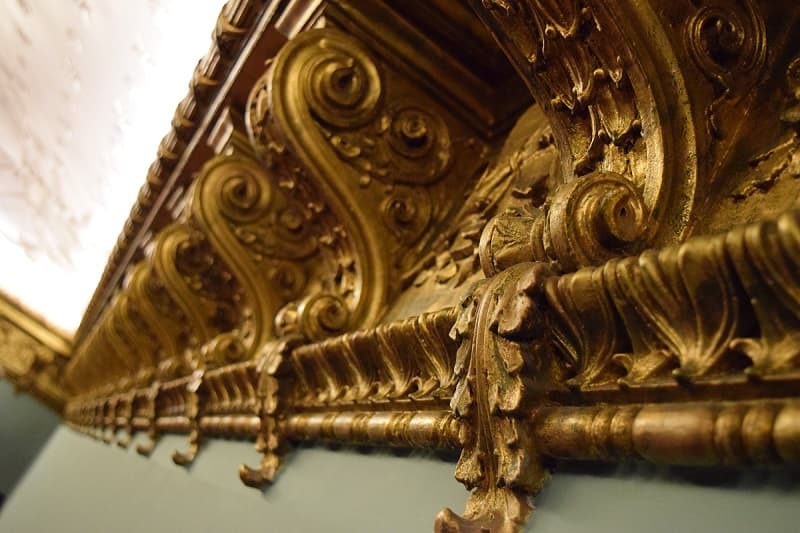
Crown moulding has been a decorative staple dating as far back as ancient Greece. This is likely due to the fact that they understood how much it can help liven up a space. The name refers to a family of mouldings which are aesthetically designed to shape and accentuate the top edge where the ceiling meets the wall.

Editorial Team
•08 Nov 2023
Painting the façade of a house can be a long and arduous process. However, if the work is carried out well, the transformation can be rather drastic! When a quality product is applied to a well-prepared surface, said painted surface will have a longer service life.