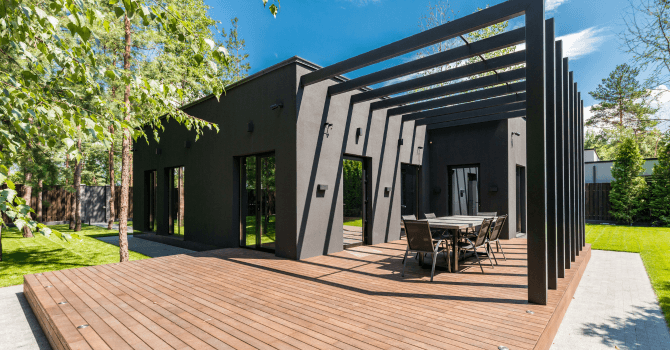
One of the best ways to enjoy the sunshine during the summer is to have an outdoor living space. Decks and patios are two types of common constructions for that matter. However, it’s especially important to differentiate them from one another to figure out which one will work best in your backyard. Over the course of this article, learn all the must-know deck- and patio-building facts.
What’s the difference between a patio and a deck?
Source: Canva
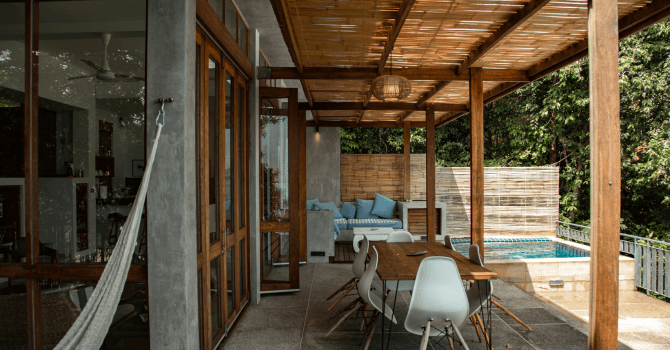
A deck and patio are two types of constructions that provide outdoor living space on a property. They enable numerous activities: gatherings between friends for a good meal, enjoying the sunshine, relaxing or fun family times, etc. Having a deck or patio is a significant asset that enhances the value of your property in the event of a resale.
These two types of construction, though often merged as a single unit, have significant distinctions that may influence your decision to opt for one or the other.
As a matter of fact, a patio is a construction that is typically found at ground level. It can also be elevated if your house happens to be on a slope. It can be built next to a house or anywhere else in your yard since it doesn’t require much structural support. For example, next to a pool, garden, etc. The most common building materials are concrete and stone.
On the other hand, a deck is an elevated structure that’s often made of wood, concrete, composite materials, etc. This structure is most often attached to the house and supported by concrete footings or screw piles. Wooden decks can extend several feet above ground level and require adequate structural support beneath them.
Pros and Cons of a Wooden Patio and Deck
Both patios and decks alike are beneficial, however, they do have some drawbacks, which are listed here.
Wooden Patio

Source: Canva
Pros
The wooden patio is best known for its great durability and resistance. Wood is an ecological and timeless material that normally lasts between 10 and 50 years. It’s easy to work with and adds a warm and friendly atmosphere to the space altogether. Furthermore, a wooden patio is easy to dismantle if need be, and has an added privacy factor, unlike a deck.
Cons
The wooden patio is vulnerable to temperature changes. It can also be subject to rotting, cracks, and structural movement. Moreover, wood doesn’t suit uneven land and requires a lot of upkeep. You’ll need to regularly check the slat fasteners, planks, and steps.
Wooden Deck
Source: Canva
Pros
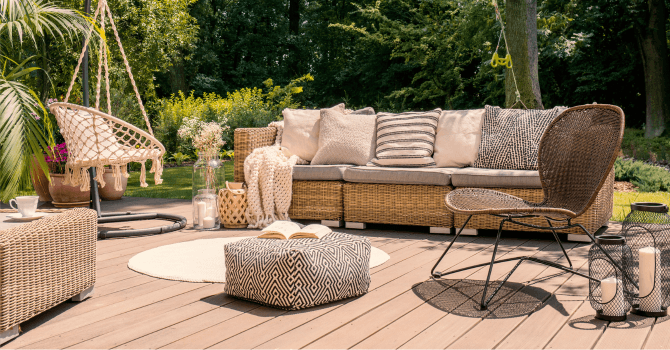
Wood decks have the advantage of benefiting from versatile design options. They can be built at ground level or according to a multi-level structure with steps. With its elevated configuration, it's ideal for panoramic views. Furthermore, wooden decks come in a plethora of colours that you can change after a few years if you wish to do so. If your deck is quite costly, it makes for an excellent investment that can result in up to 75% return on the initial investment in case you decide to put your property on the market for sale.
Cons
As above-mentioned, the wooden deck is very expensive. Its building materials can cost between $15 and $45 per square foot. It's especially susceptible to mould and is prone to rot if not maintained regularly. Also, note that an elevated wood deck reduces the amount of privacy offered by a fence or any other landscaping feature.
Must-Know Facts About Building a Patio or Deck
Source: Canva
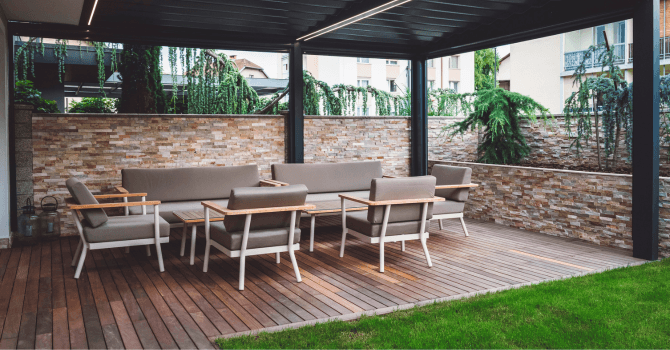
Whether you’re building a deck or a patio, it’s very important to plan your project ahead of time, prior to starting the work:
Consult your municipality to educate yourself regarding the rules associated with building such a structure.
Draw up a plan with the exact measurements of your deck or patio. This plan will help you determine the amount of materials needed.
Consider the layout of the planks that will make up the floor. Would you rather them be diagonally positioned, perpendicular or parallel to that of your house?
Consider the distance between each floor joist.
Think about the disposition of your structure. Would you prefer it be independent of your house or anchored to it? For the latter, you’ll need to plan for the necessary material.
Choose the materials according to their durability, your budget, and your personal preferences.
Decide on accessories and type of finish to use (sealant, stain, or paint).
Landscaping and Outdoor Design Ideas

Source: Canva
Here are a few patio or deck design ideas:
Put up outdoor curtains to create a feeling of privacy for your deck or patio.
Opt for outdoor rugs to create a cozy vibe.
Deck out your seating area with cute, mismatched throw pillows for a trendy and modern look.
Install string lights to give a fairytale-like feel to your layout.
Go for rich colours like purple, red, and turquoise.
Looking for something else?
Related articles
The latest industry news, interviews, technologies, and resources.
Editorial Team
•17 Apr 2024
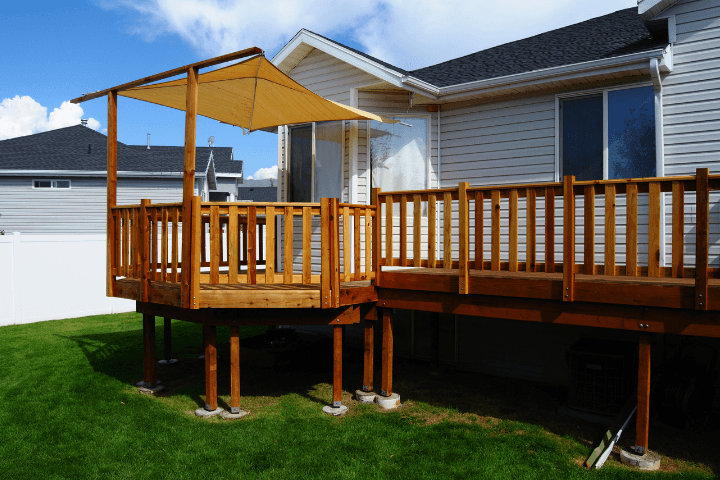
Are you planning on building a deck in your backyard, but aren’t sure which type of foundation to install? Your patience has been rewarded! Have you ever thought of piles? It’s a cost-effective, eco-friendly, and simple solution, one that’s been developed by a Quebec-based company that’s also a global market leader.
Cynthia Pigeon
•14 Oct 2026
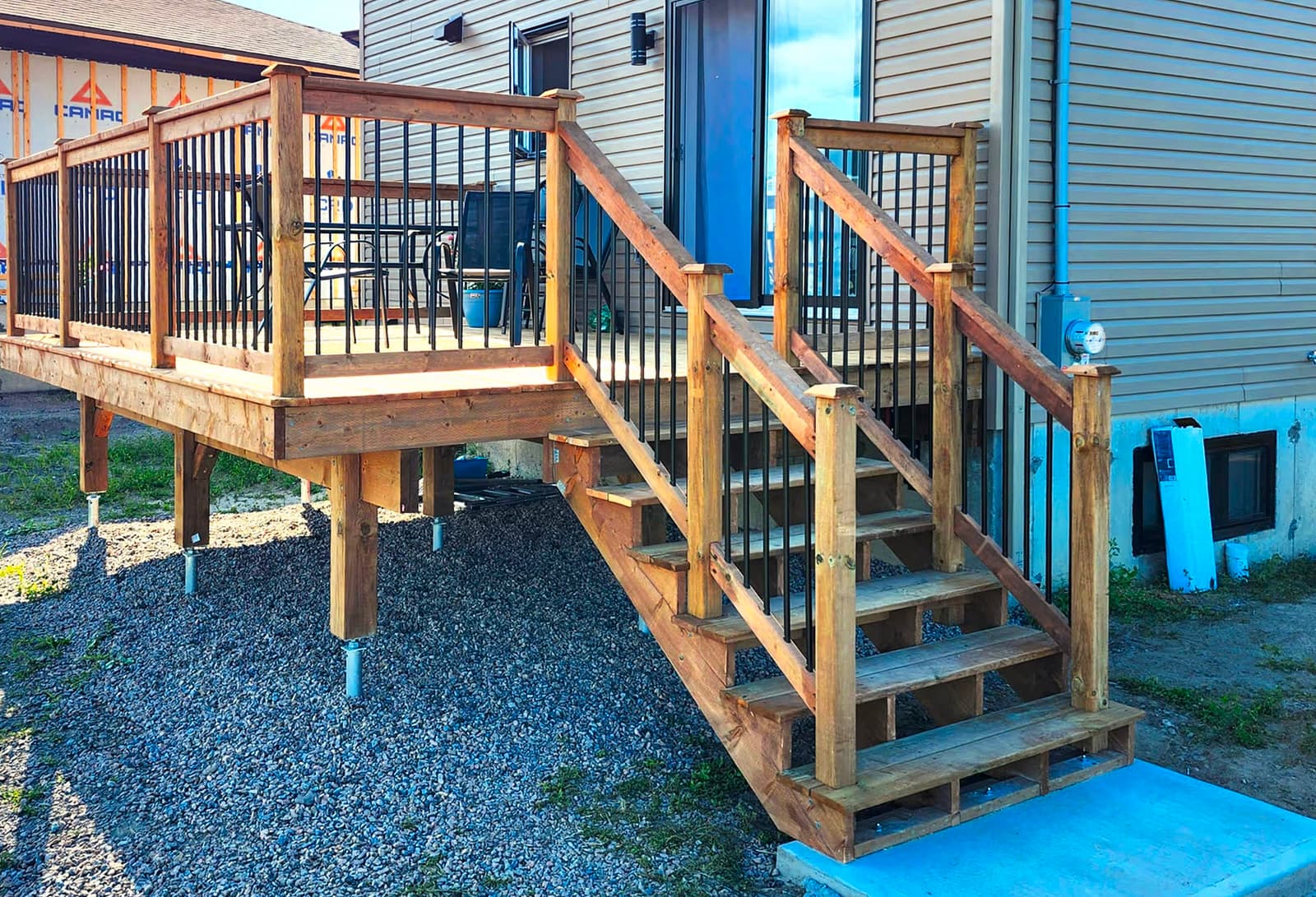
In 2026, the cost of screw piles for a balcony in Quebec ranges from $185 to $325 per pile, including installation. This cost varies depending on the required load-bearing capacity, frost depth in your region, and site accessibility.
Cynthia Pigeon
•31 Jul 2026
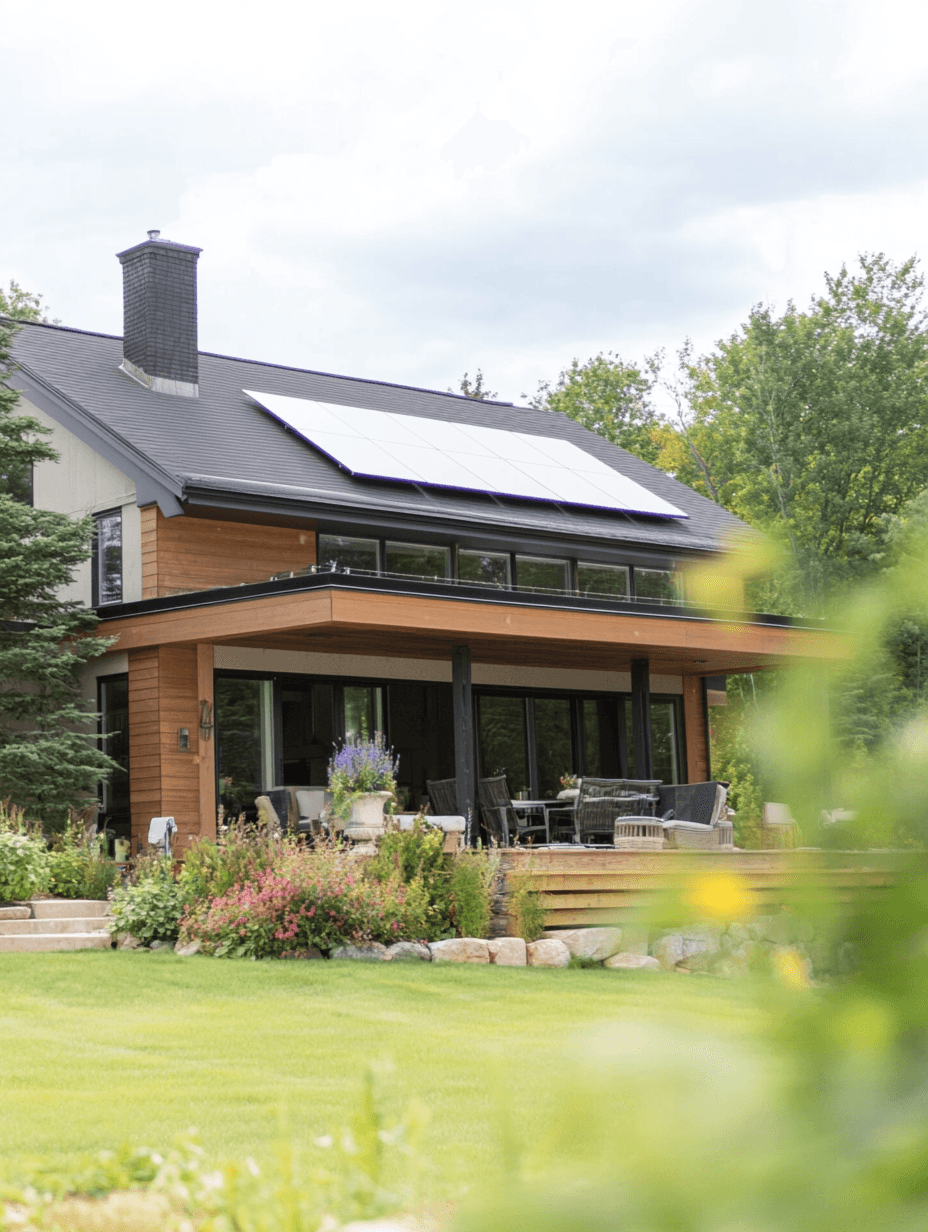
In 2026, the cost of a major energy-efficient renovation to reach a net-zero standard in Canada typically ranges from $100,000 to $200,000 for an existing single-family home. This large-scale project aims to reduce a home’s energy consumption to the point where it produces as much energy as it uses annually. The investment generally includes high-performance insulation, triple-pane windows, a high-efficiency heat pump, and solar panel installation, often supported by federal and provincial incentives.

Editorial Team
•17 Aug 2026
White, powdery deposits on brick, concrete, pavers, or basement foundation walls are often a sign of efflorescence. Although the residue itself is usually more of a cosmetic issue than a structural problem, recurring efflorescence can indicate that moisture is moving through the material.

Cynthia Pigeon
•08 Nov 2023
Perhaps you’re the victim of an accident that’s left you temporarily or permanently disabled. Maybe you're thinking of adapting your staircase for an individual experiencing a loss of autonomy. Perhaps your child with limited mobility is ageing and seeking independence…