
Water infiltrations into your basement can be caused by a wide variety of things. These can include heavy rainfall on the building's envelope, poorly sealed windows, doors and exterior walls as well as storm sewers backing up.
Regardless of the cause, it is important to deal with water as soon as you spot it, as standing water can lead to countless surface as well as structural issues.
But, what should you do if you come across standing water in your home? It is difficult to know the proper steps to take to deal with water infiltrations in the quickest and most effective way. Luckily, Renoquotes.com is here to put you at ease by answering any questions you might have about this serious issue.
What Causes Basement Water Infiltration?

Since water travels, it is not always easy to tell where a leak in your home is coming from. Unless the leak is obvious, it may take some subtle detective work to figure out the source of the problem. This is the first thing to figure out when dealing with a water infiltration in your basement. Here are some possible reasons why water may be settling in your basement:
Poor Foundational Drainage
Unfortunately, even if you take the time to waterproof your basement correctly, if the water around your home’s foundation cannot effectively drain, you will have leaks or signs of water excess. Standing water will travel to weak spots in your foundation and seep into your basement.
In order for you to know if this is happening in your home, take a walk around the outside of your house, and look for signs of standing water around the foundation. It would be best to do this after rainfall or following a good watering of any plants or shrubs on your property. If you notice excessive water buildup, then the grade around the foundation of your home isn’t sufficiently sloped for water to drain.
If you do not have gutters or downspouts around your home, then there is no place for water to carry itself after a rainfall. This issue cannot be fixed by waterproofing alone, and the issue must be addressed directly.
Another reason water may collect in your basement is due to the drain tile around the perimeter of your foundation. Exterior drain tile maintenance is necessary every few years and can be overlooked as part of a home maintenance regime. Your exterior drain tile can fill with sediment, rocks and other debris, and this can cause the drainage system to fail.
Leaks from Faulty Sump Pumps
Sump pumps are one method of basement waterproofing, as they work to keep water out of low lying areas of your basement. However, if this pump isn’t properly maintained this can be the source of water leaking or pooling in your basement.
Water will create a back up if dirt, sand or debris finds its way into the pump, so make sure to check it out and see if it requires assistance. Regular maintenance can prevent against serious problems that may occur due to dirt or grime buildup while keeping your basement dry.
Rainwater Seepage
Don’t get us wrong, rainwater is good for the greenery of your property as well as your home’s foundation. However, it must be the right amount to elicit a positive effect. Otherwise, an excessive amount of rainwater can lead to water finding its way into your basement and settling there. If too much water flows into the basement of your home, the overload can lead to an influx of problems including causing the sewer to back up and find its way in your house.
There are several methods you can take to prevent these problems, and this can include properly waterproofing your basement as well as making sure your property is properly slopped for water to run away from the house. Solving this problem will greatly depend on your personal situation, so do a mini inspection of your basement to see which areas require improved waterproofing.
Water Pipe Corrosion
A pipe corroding could be a definite cause of standing water in your basement. This could happen in many ways, including two incompatible metals touching, shrinking of materials, the pipe connections or pin holes. If you notice blue or green patching on your pipes, this could be a definite sign of corrosion.
Also, it is important to regularly check your pipe connections to your water heater, as these are often the first to become damaged. If you find pieces of damaged pipe, they will need to be replaced. To prevent future corrosion, make sure that pipes and fastening materials are compatible, as not all metals work together. Do a little bit of research and then take a trip down to your local hardware store.
How Do You Fix and Deal With Water Intrusion?

Install/Keep Your Gutters Clean
Flood protection begins with proper gutter maintenance. Regularly inspecting your eavestroughs and gutters for debris is essential to prevent flood damage, as blockages can impede the safe flow of rainwater. During winter, it's important to clear ice dams and icicles to maintain functionality. Installing a rain barrel can help capture runoff, and extending your downspouts at least 2 metres away from your home ensures that rainwater is directed away from your foundation, further safeguarding your property.
Ensure Proper Grading
Proper grading is essential for minimizing flooding risk, as ensuring that the ground slopes away from your home directs water away from the foundation and basement. Take a stroll around your property to identify any areas where the soil may be sloping towards your foundation. If you find any, use a shovel to add or adjust the soil to achieve the correct grading. After heavy rainfall, revisit the grading to check for any necessary adjustments, as soil can settle over time. Periodically adding soil and regrading may be required to maintain effective drainage and protect your home from water damage.
Wet Floors, Leaking, Moisture, Mold, and Water Damage: How serious is water seepage in a basement?
Water in the basement poses significant risks, leading to mould growth, musty odours, and damage to walls and floors. It can also ruin furniture and personal belongings. Addressing the issue promptly is essential; removing the water and fixing any underlying problems will help prevent further damage. Taking proactive measures to keep your basement dry is crucial for maintaining a safe and healthy living environment.
FAQ
Should Basements Be Banned?
The debate over whether to ban basements in Québec has gained momentum amid rising concerns about flooding and climate change. Recent comments from Maja Vodanović, a city official, suggest that future regulations may prohibit basement living spaces, especially in flood-prone areas. In response to severe flooding incidents in Saint-Léonard, local officials are considering measures that would restrict basement conversions unless accompanied by significant waterproofing improvements. While some advocate for such bans due to the risks associated with living in basements, others argue that basements are integral to Québec's cultural identity and provide affordable living options. As municipalities grapple with climate adaptation strategies, the future of basements remains uncertain, reflecting a complex balance between heritage and safety.
What Is the RénoPlex Grant?
The City of Montreal's RénoPlex program offers a variety of grants aimed at promoting residential renovations, with a recent expansion focusing on flood resilience. In response to the heavy rains and flooding experienced last summer, this new component supports building owners of 1 to 5-unit residences, requiring that at least half of the units be occupied during the application process. Grants are available for essential flood-proofing renovations across five categories, including foundations, roofing, plumbing, exterior landscaping, and garage entrances, with minimum amounts starting at $500. Notable funded projects include the installation of watertight garage doors, which can receive up to $9,380, and backwater valves, which range from $80 to $560 depending on the type.
Looking for something else?
Related articles
The latest industry news, interviews, technologies, and resources.
Cynthia Pigeon
•01 Jul 2026
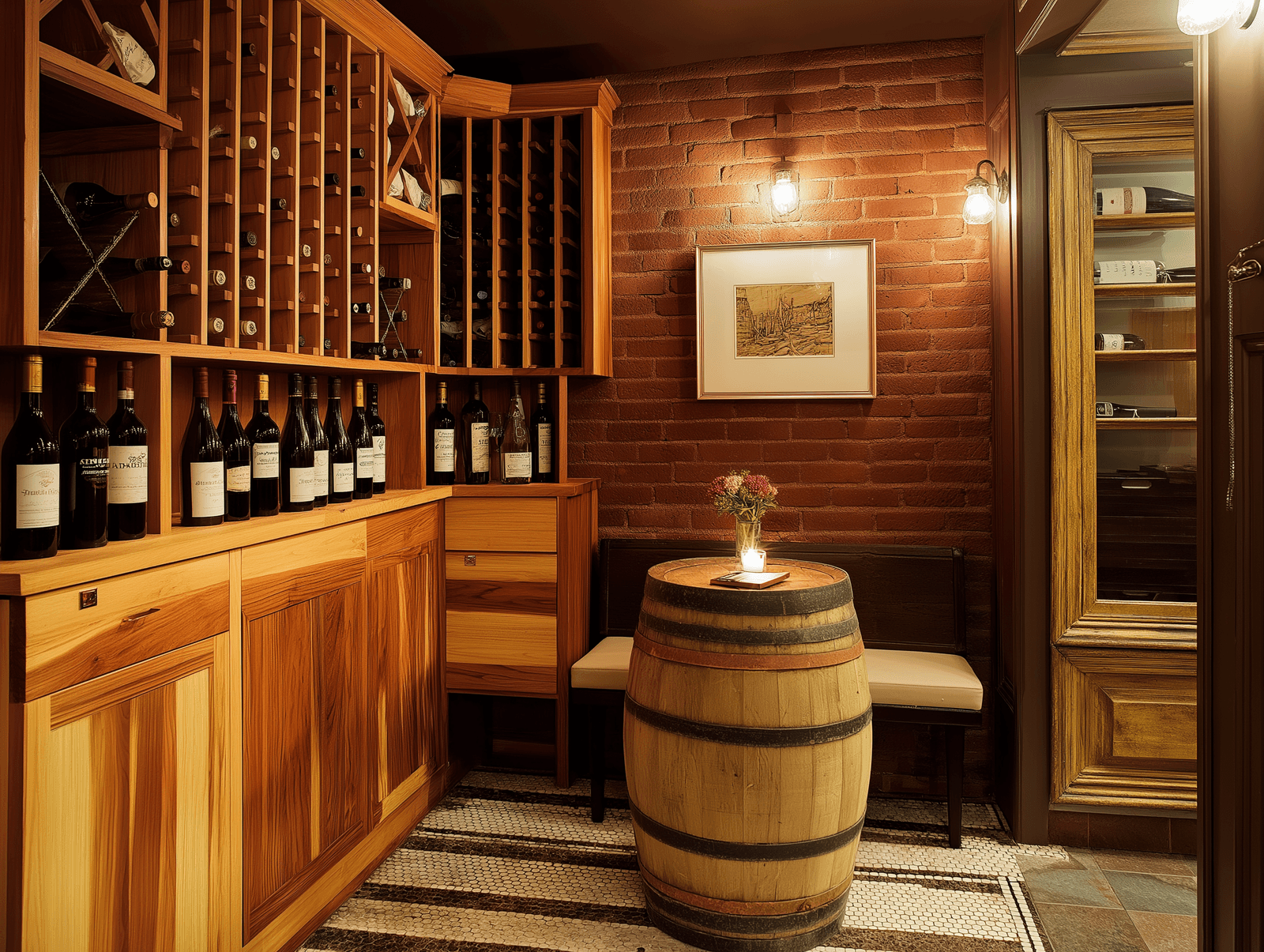
Owning a collection of fine wines in Montréal or the Laurentians goes beyond simple entertaining: it is a matter of passion, heritage and high-level expertise. For owners of luxury residences, interior designers and Quebec architects, designing a residential wine cellar presents a major technical challenge. How can the clean aesthetics of contemporary spaces be combined with the strict physical requirements of wine preservation?

Editorial Team
•08 Nov 2023
If you're looking to give your interior a modern look, concrete and concrete-inspired wall coverings are a great option. This article explains all the ways you can achieve a concrete look for your wall, with or without real concrete!
Editorial Team
•20 Sep 2024
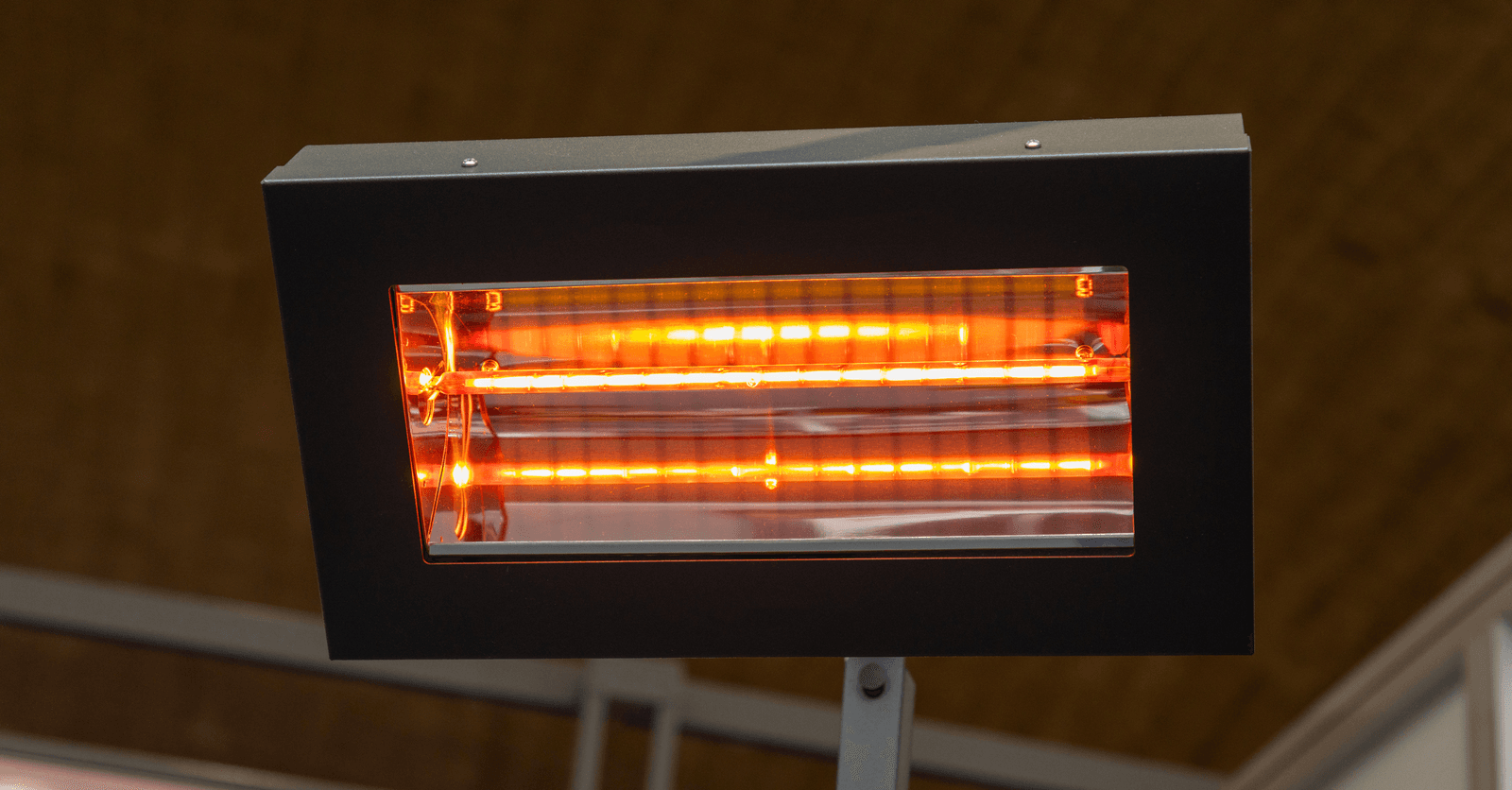
Currently trending, infrared heating may be the new, modern way to stay warm. It has undeniable advantages compared to some traditional heating solutions, but the question remains, under what conditions and circumstances?

Editorial Team
•20 Sep 2024
In Quebec, as tradition will have it, summer only ever really kicks off towards the end of July, when the construction holiday is set to start. This yearly break, which was legislated during collective agreements, offers workers a period of welcomed time off following months of hard labour. While the construction holiday is duly deserved, from a logistical standpoint, said period does have its fair share of downsides. What first comes to mind is how to ensure worksite safety and security during this brief hiatus.
Editorial Team
•17 Jun 2026
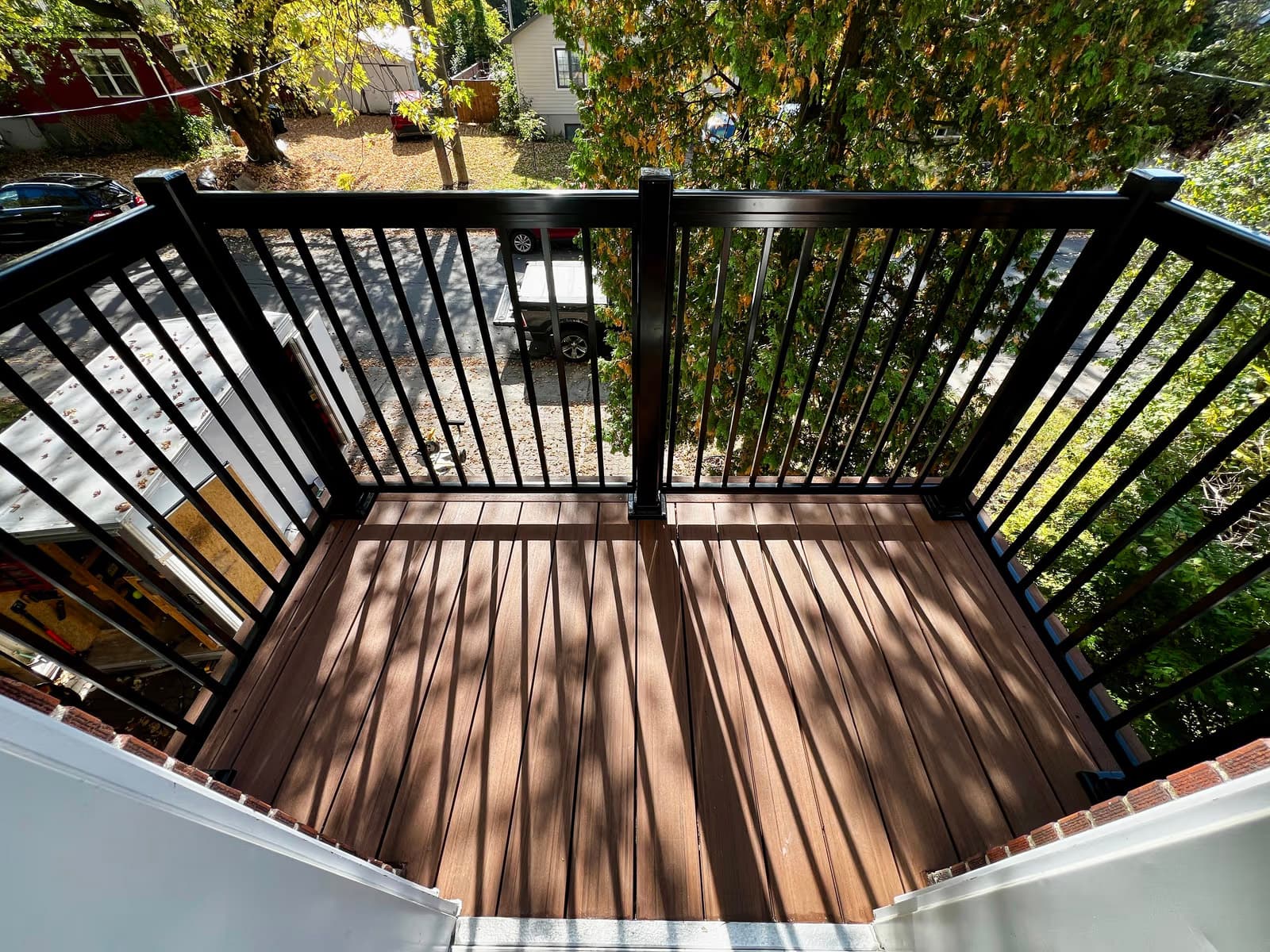
Summer is peak season for enjoying your home, and a clean, safe balcony can make outdoor living feel much more inviting. With a few quick wins, such as clearing drains, washing surfaces, checking railings, refreshing furniture, and touching up worn finishes, you can improve curb appeal while helping prevent bigger repair issues later.