Driveway Bollard Installation: Prevent Car Thefts in Toronto
By Editorial Team
Updated on August 6, 2025
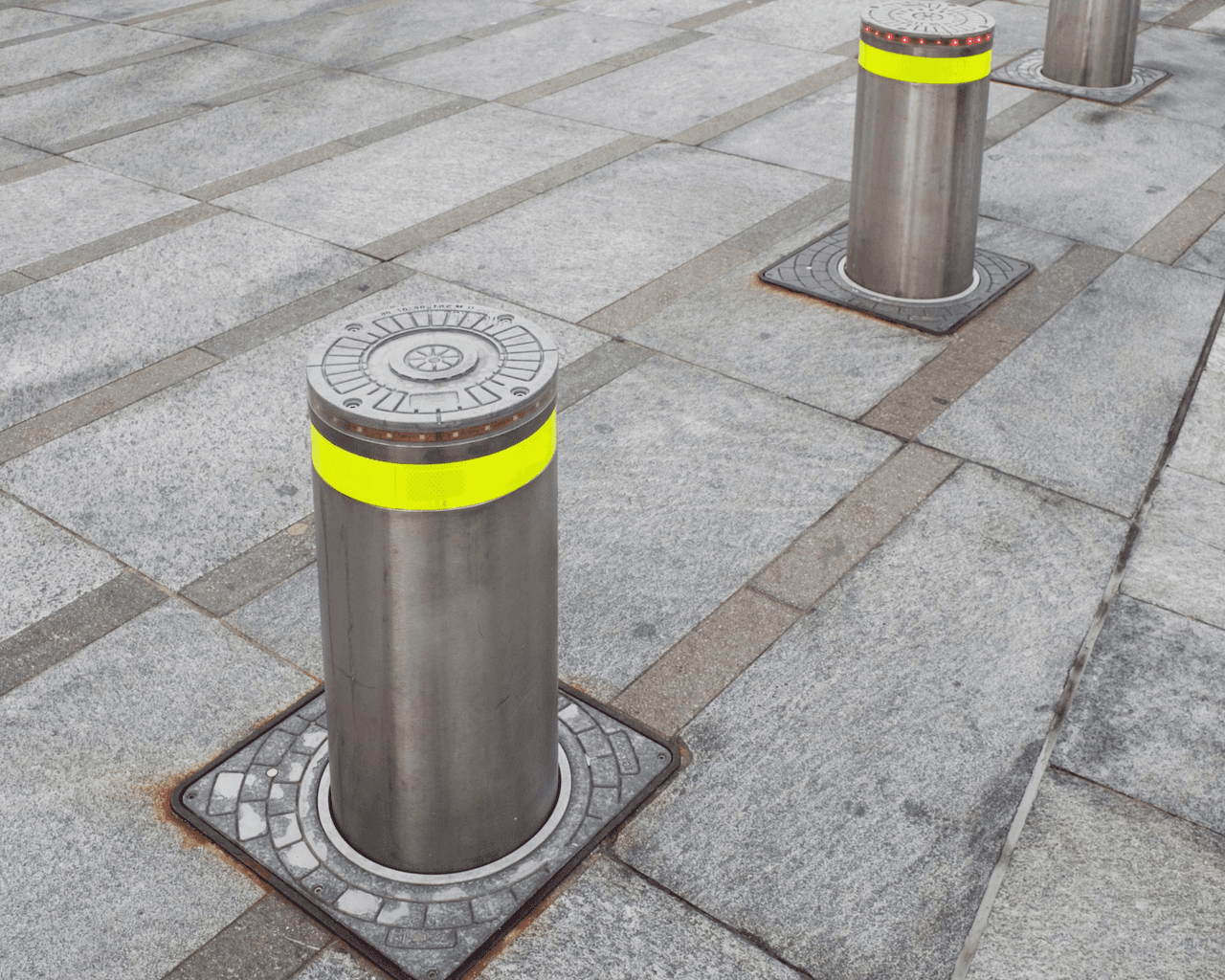
Car theft is on the rise across the Greater Toronto Area, and homeowners are looking for better ways to protect their vehicles—especially in their own driveways. One increasingly popular solution is driveway bollard installation. These simple yet highly effective security measures are showing up in more residential areas throughout Ontario, and for good reason.
This article explains what driveway bollards are, how they work, and why they may be the perfect solution for homeowners worried about vehicle theft.
What Is a Driveway Bollard?
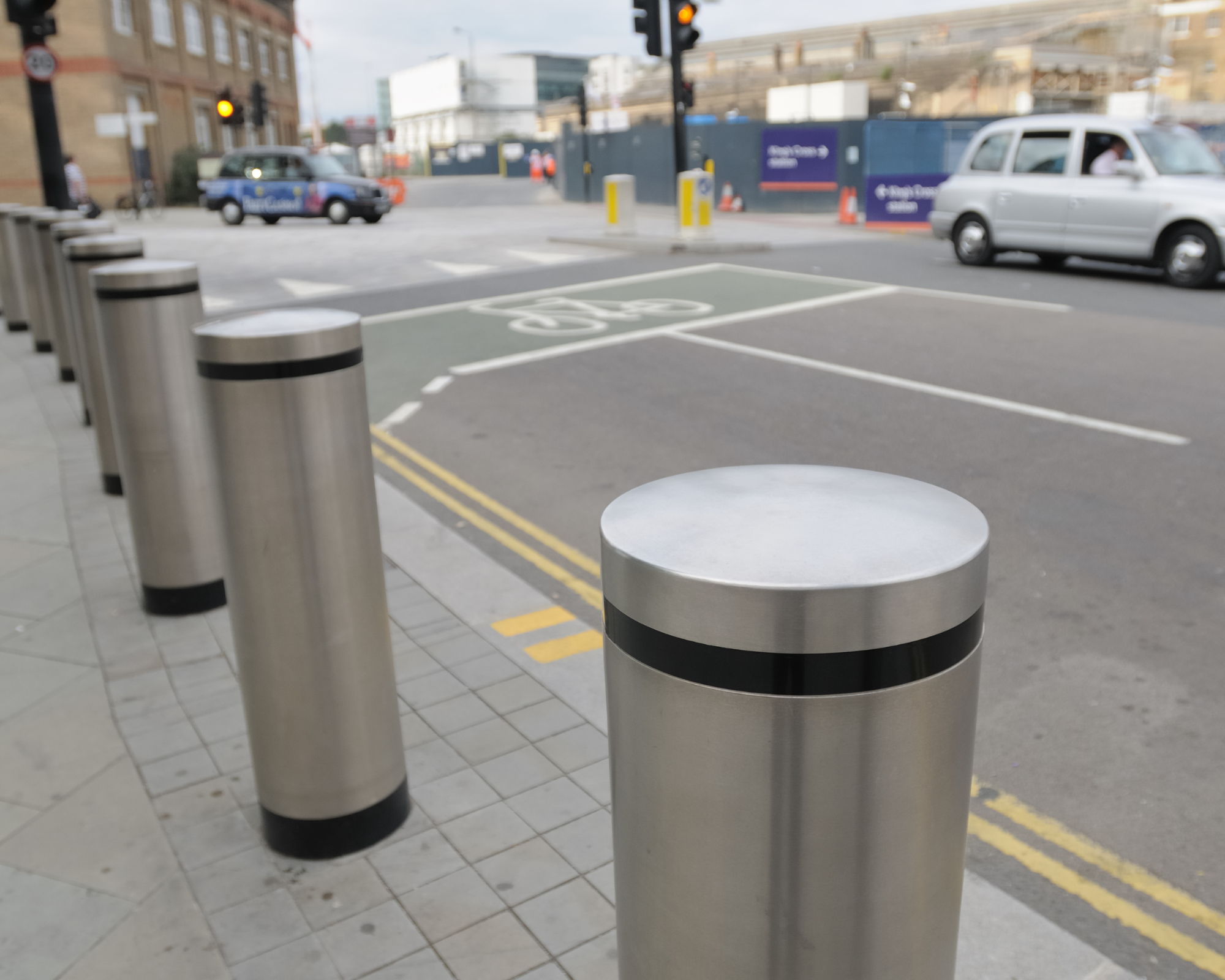
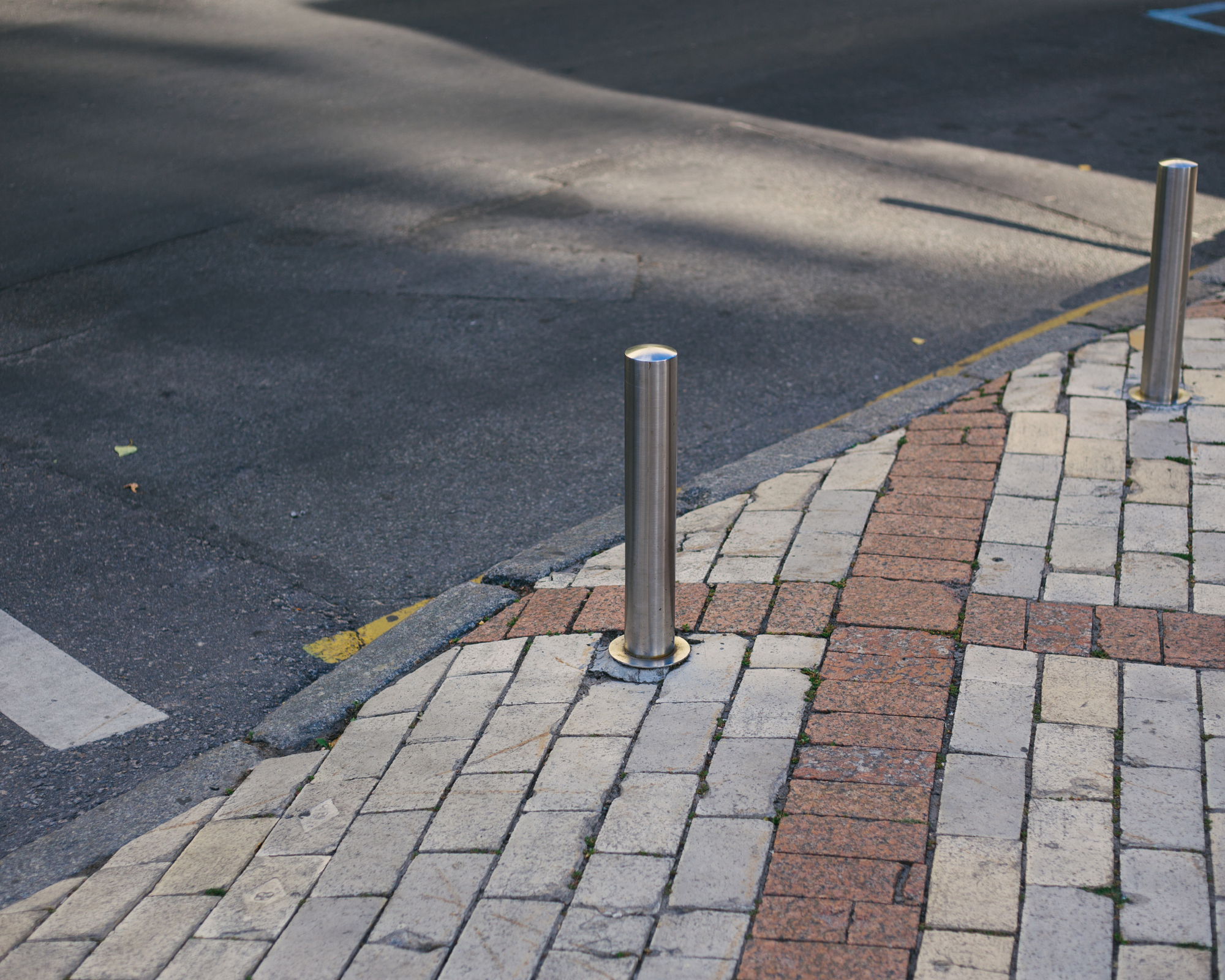
A driveway bollard is a short, sturdy post installed at the end of a driveway to block vehicle access. These posts act as a physical barrier between your vehicle and potential thieves, preventing unauthorized access even if your car is the target of a relay attack or key fob hacking.
Unlike traditional security cameras or alarms, bollards stop the crime before it happens by denying entry altogether.
Easily find clients starting today
Get started today and connect with the projects that suit you best!
Types of Driveway Bollards Available in Ontario
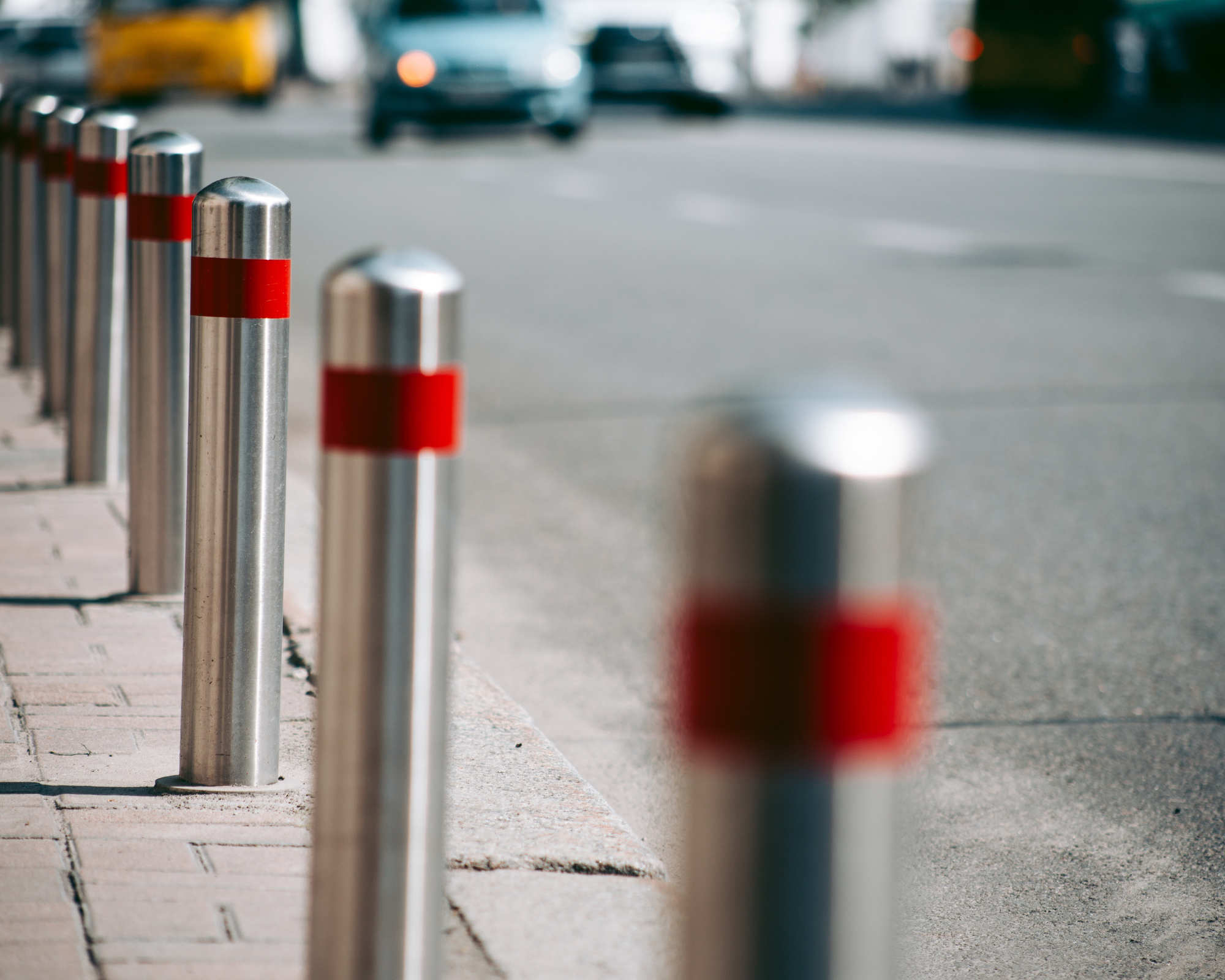
Homeowners in Toronto have several options when it comes to choosing bollards. Each type has different features, price points, and installation processes.
Retractable Bollards
These retractable bollards can be lowered into the ground when not in use and raised for protection. They offer flexibility for homes with multiple vehicles and allow full access when needed.
Removable Bollards
Removable bollards are manually lifted out of a socket in the ground. They’re a more affordable choice for homeowners looking for security without the cost of automation.
Automatic Bollards
Automatic bollards rise and lower at the push of a button. These are ideal for high-traffic commercial properties but are sometimes used in residential settings where convenience is key. They require a control panel and power source and are best handled through professional installation.
Concrete and Fixed Bollards
For a low-maintenance, permanent solution, concrete bollards or steel fixed bollards offer unmatched durability. However, they lack flexibility and may not suit every homeowner’s specific requirements.
Why Toronto Homeowners Are Turning to Bollards
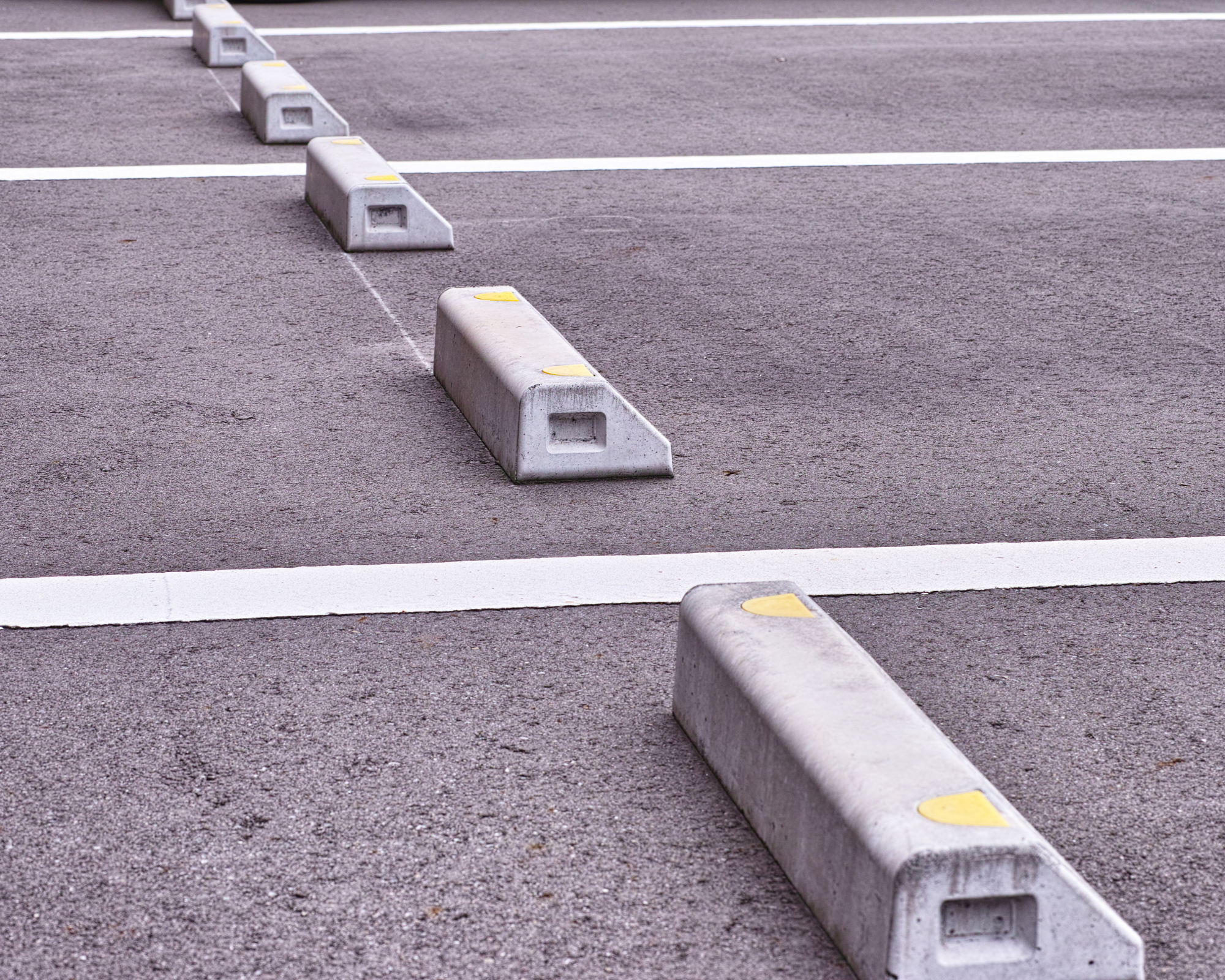
With increasing vehicle theft rates and more advanced criminal tactics, many families want a visible and effective way to deter intruders. In Ontario, especially in urban areas like Toronto, security bollards are becoming part of everyday home protection.
Driveway bollard installation gives homeowners peace of mind—knowing their vehicles are safe behind a durable physical barrier.
Where Is the Ideal Placement for Driveway Bollards?
The ideal placement is just behind the sidewalk or at the driveway entrance—far enough to block access but close enough not to interfere with walking paths or garage access. Positioning should consider vehicle clearance, spacing, and visibility.
For detailed planning, consult an Ontario-based installer who can provide a driveway bollard diagram tailored to your property.
How Much Does It Cost to Install Driveway Bollards?
The cost varies based on the type and materials used:
Removable bollards: $200–$400 per unit (plus installation)
Retractable bollards: $500–$1,200 per unit
Automatic bollards: $1,500+ per unit, including electrical components
Concrete bollards: Varies widely, often used in customized installations
Installation costs may run from $300 to $1,500 depending on complexity. For homeowners in the Greater Toronto Area, sourcing from local contractors ensures knowledge of bylaws and better aftercare support.
FAQ
Are driveway bollards worth it?
Yes. For homeowners in Toronto dealing with increasing vehicle theft, bollards offer a highly effective deterrent that works 24/7.
Can I install a bollard on my driveway?
Yes, but check with local bylaws and consider hiring a professional for safe installation.
Do I need permission from the city to install a bollard?
In most areas, yes. Always check with your municipality before starting any installation.
Can I do a DIY bollard installation?
Some removable or fixed bollards can be DIY, but retractable and automatic ones typically require a contractor.
Looking for something else?
Related articles
The latest industry news, interviews, technologies, and resources.

Editorial Team
•27 Aug 2025
Canada is known for its dynamic economy and diverse population, which attracts a lot of foreign workers every year. To streamline their professional integration process and meet the needs of local employers, the government developed a pilot project for recognized employers in Canada. This pilot project was established to simplify the hiring process of foreign workers and provide them with a faster and simpler way to receive their Canadian permanent resident status. This article will focus on an in-depth overview detailing the different aspects factored into this pilot project.
Editorial Team
•27 Aug 2025
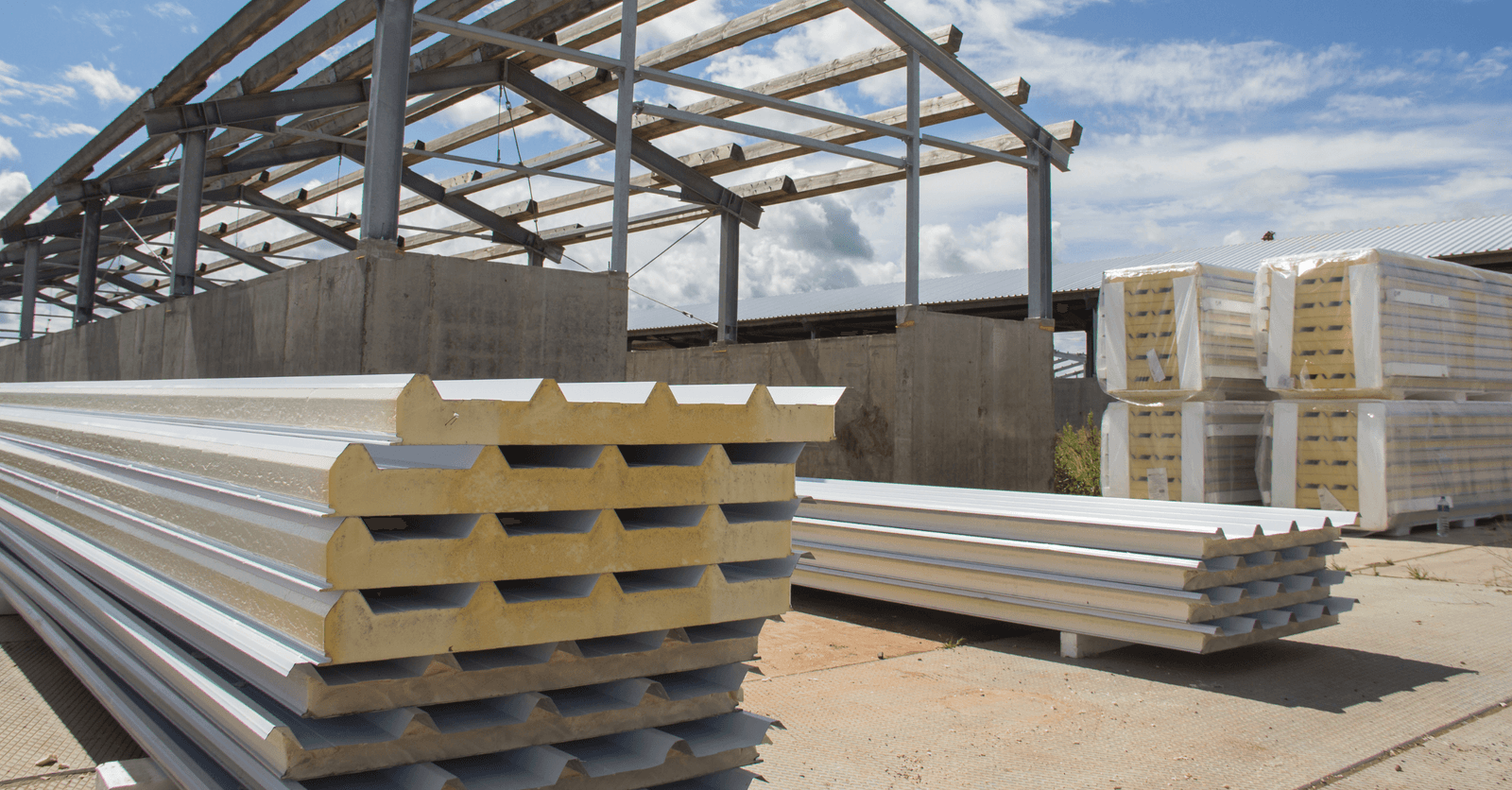
Concrete panels are durable, cost-effective, and viable options for both indoor and outdoor walls. Their list of attributes doesn’t end here: they're also easy to install, especially aesthetic-looking, thermal insulators, and soundproof. We’ll delve into why and how these panels should be installed.

Editorial Team
•27 Sep 2024
If you own a cottage and go there several times per year or per season, you may be considering taking on some renovations. Even if it was recently built, it’s never unnecessary or too late to add value to your property.
Cynthia Pigeon
•08 Jun 2026
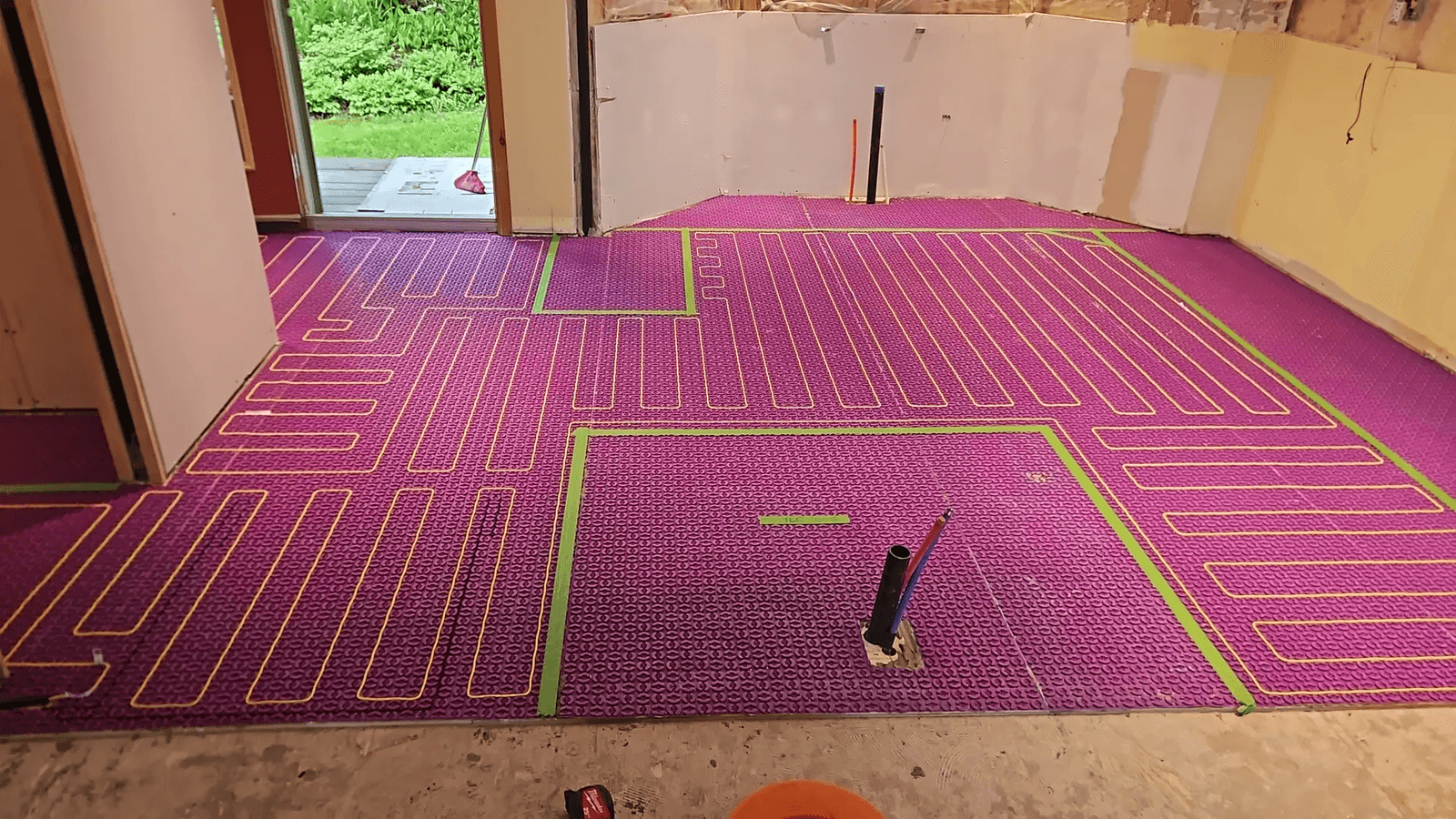
Quebec winters are unforgiving. When the temperature drops below -20°C in Montréal, Québec City or Saguenay, thermal comfort becomes a top priority for homeowners. Stepping onto freezing ceramic tile after a shower or while making your morning coffee is an unpleasant feeling that many households choose to eliminate. This is why electric floor heating has become increasingly popular during residential renovation projects. It provides gentle, even and enveloping heat, while optimizing living space by eliminating the need for bulky baseboard heaters.
Cynthia Pigeon
•01 Sep 2026
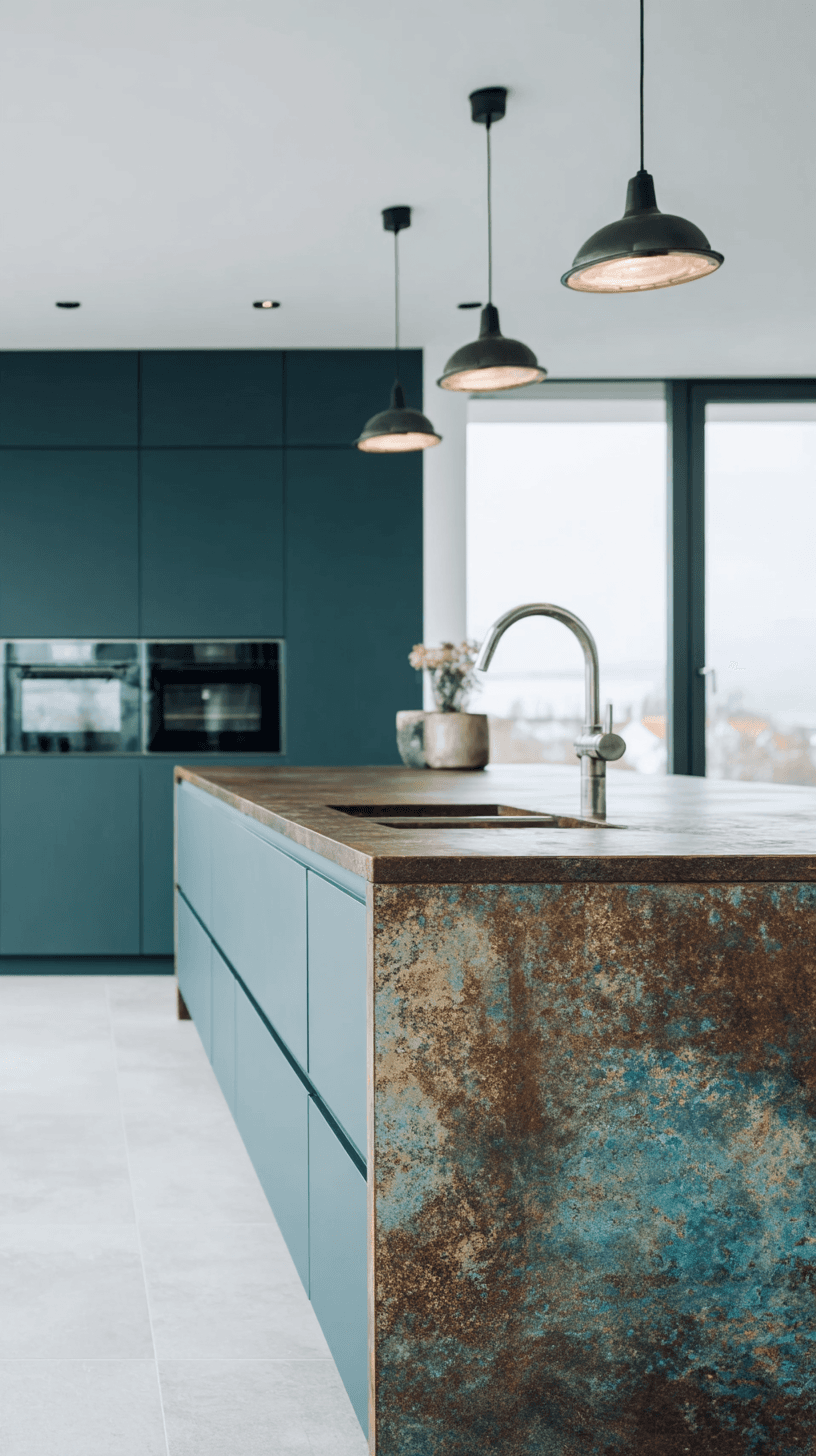
A true centrepiece of contemporary Quebec homes, the kitchen island has evolved significantly over the past decade. Once simply a wood or laminate prep surface, it has become a multifunctional hub that can include cooking appliances, an undermount sink, a dishwasher, and multiple charging points for electronic devices.