Flat Roof Replacement Cost per Square Foot in Canada in 2026
By Cynthia Pigeon
Updated on April 24, 2026
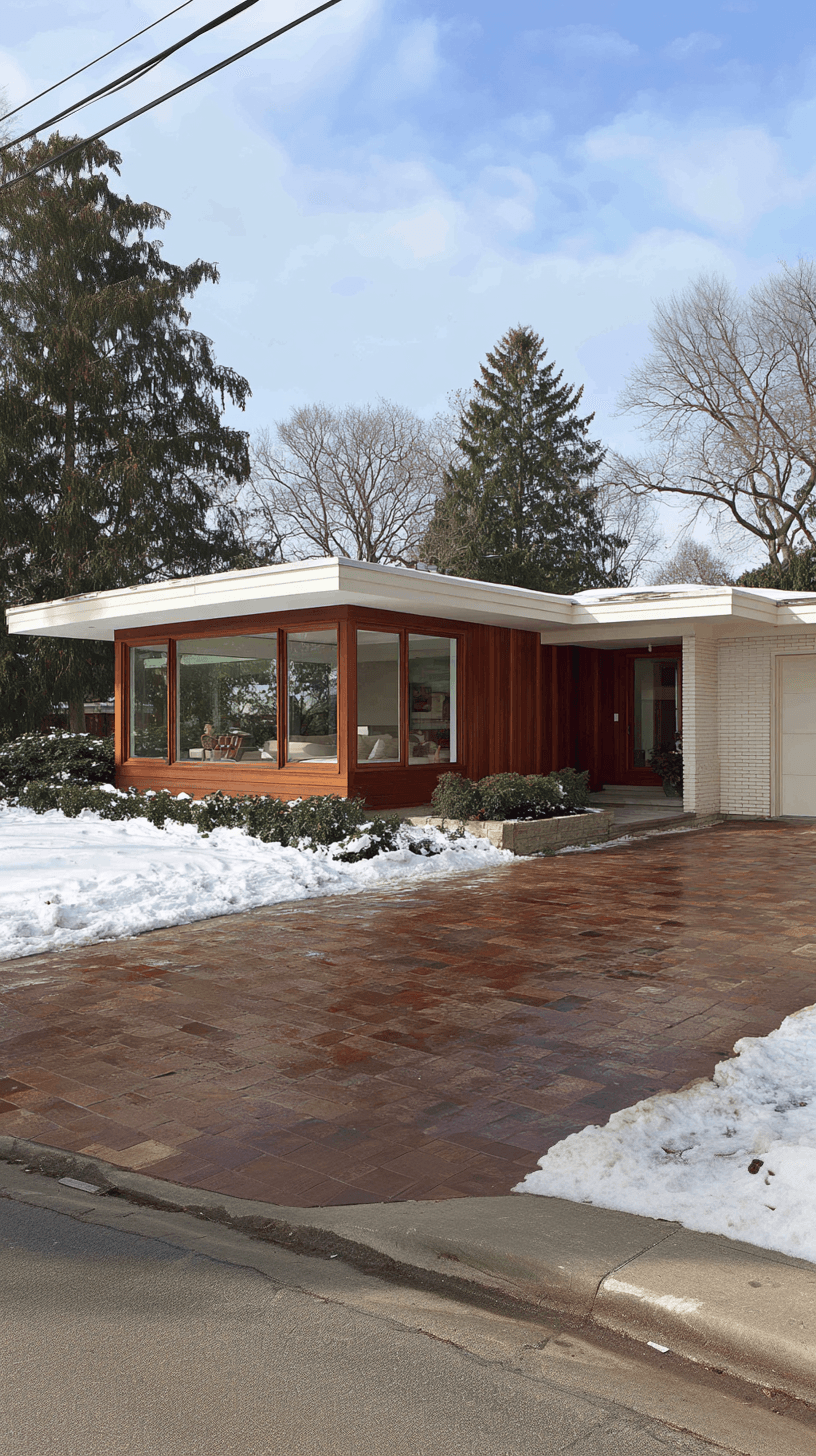
For Canadian homeowners—whether you own a mid-century bungalow, a modern detached home, or an urban multiplex—replacing a flat roof is one of the most important investments you can make to protect your property long term. With increasingly unpredictable winters and frequent freeze-thaw cycles across many regions of Canada, the question is no longer just whether your roof leaks, but how to optimize waterproofing while meeting updated 2026 energy efficiency standards.
The cost per square foot has increased significantly in recent years, driven in part by rising petroleum-based material prices and stricter insulation recommendations across Canadian building codes. This guide will help you plan your project and better understand your final quote.
Average Cost per Square Foot by Membrane Type (TPO vs EPDM)
Source: RenoQuotes
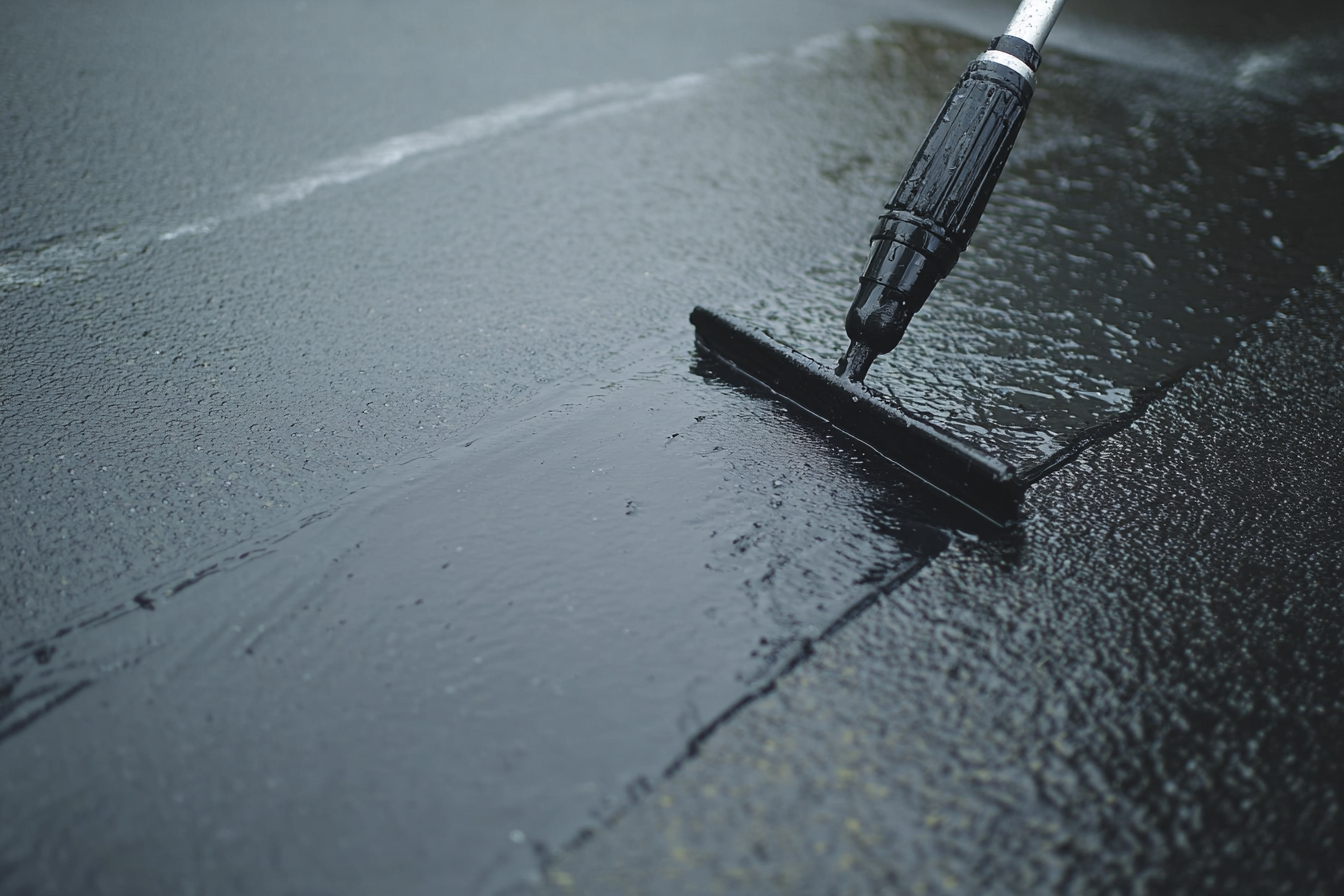
The choice of membrane is the primary factor influencing your roofing quote. Across Canada in 2026, two technologies dominate the market: TPO (thermoplastic polyolefin) and EPDM (ethylene propylene diene monomer). While modified bitumen (two-ply systems) is still widely used, single-ply membranes are gaining popularity due to their cost-efficiency and environmental performance.
Estimated Price Comparison in Canada (2026)
Membrane Type | Cost per Sq. Ft. (Materials & Labour) | Lifespan | Key Feature |
TPO Membrane | $12 – $18 | 20 to 30 years | Energy-efficient (white/grey) |
EPDM Membrane | $11 – $17 | 25 to 40 years | Excellent cold-weather flexibility |
Modified Bitumen (2-ply) | $15 – $25 | 25 to 35 years | Highly durable, torch-applied |
Note: These prices include removal of the existing roofing system and installation of a standard membrane. Adding insulation up to R-60 may increase costs by approximately $2 to $8 per square foot, depending on material and thickness.
Factors That Influence Cost Beyond Square Footage
Source: Couverture Nord Sud
Calculating your project cost based solely on square footage is a common mistake. Several variables can significantly impact your final quote.
Removal and Debris Management
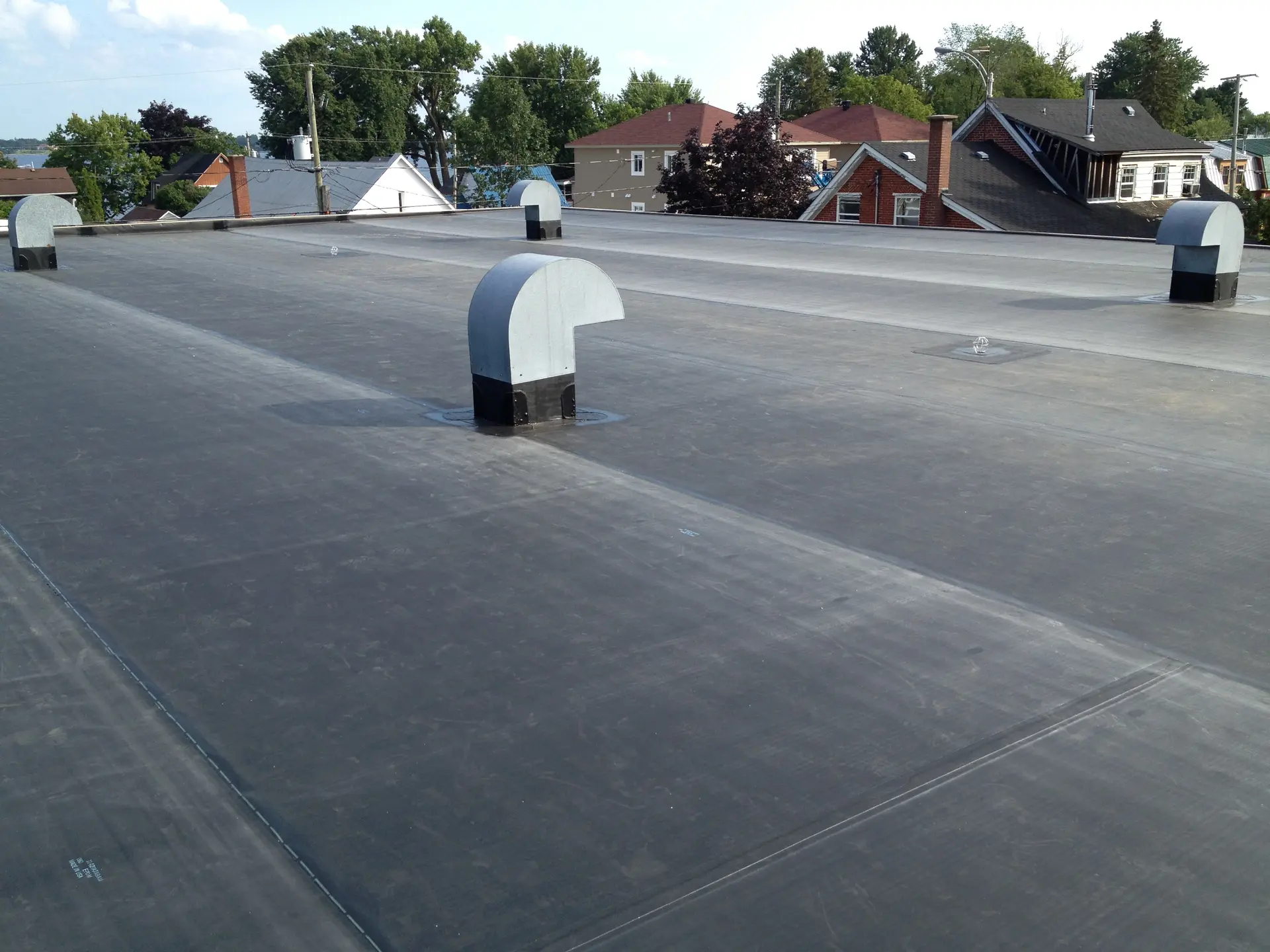
If your roof has multiple layers built up over time, additional labour will be required to remove everything down to the roof deck. Disposal costs at certified facilities have also increased across Canada.
Structural Condition and Roof Deck
Once the existing membrane is removed, underlying damage such as rot or water infiltration may be uncovered. Replacing plywood sheets or repairing structural elements can add thousands to your project.
Accessibility and Building Height
Replacing the roof of a three-storey urban building in a dense city like Toronto or Vancouver will cost more than a single-storey suburban home. Crane usage, restricted access, and logistical constraints directly affect labour costs.
TPO Membrane: The Energy-Efficient Choice
Source: Couvertures De La Rive-Nord
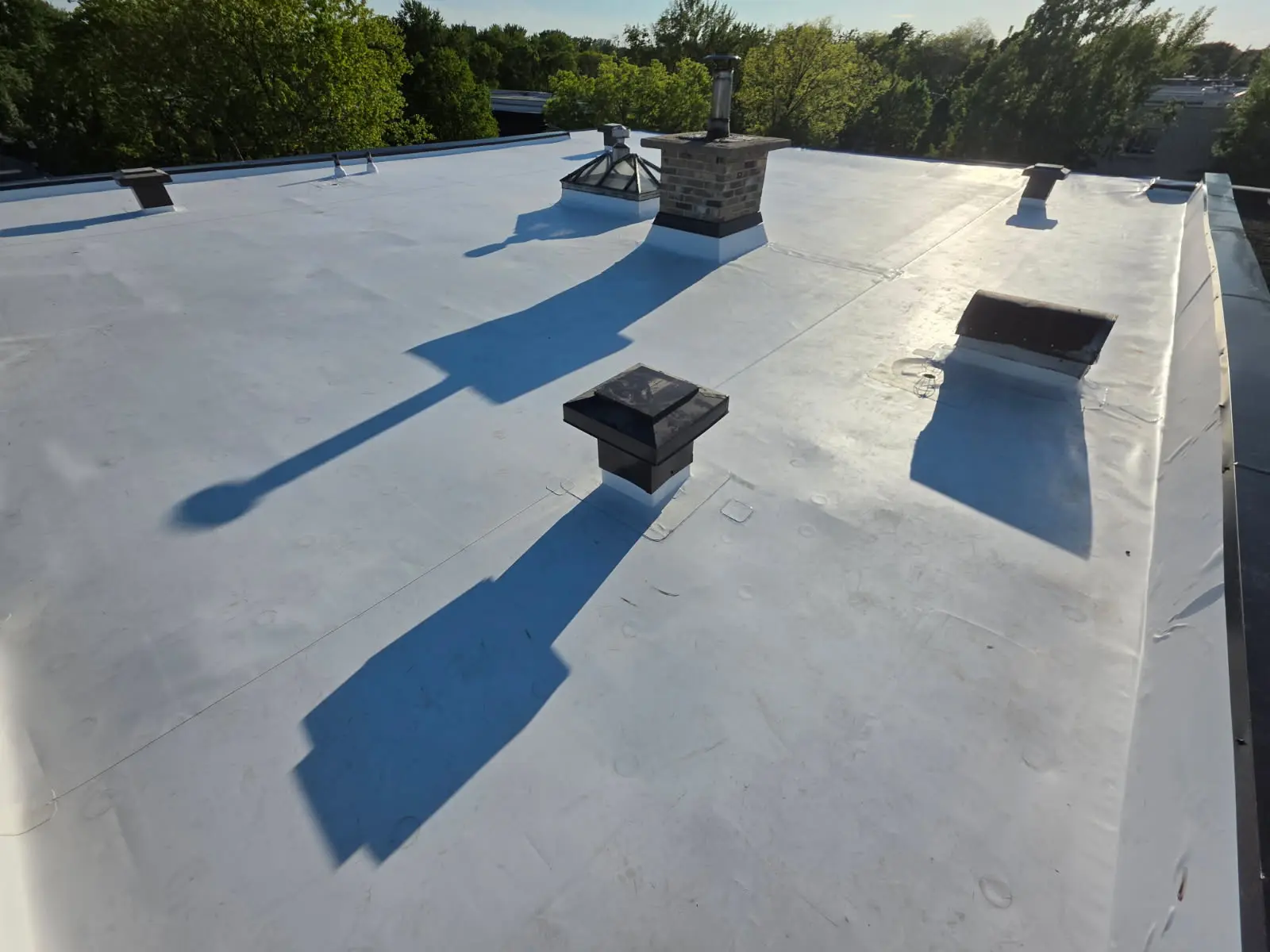
TPO membranes have become increasingly popular across Canada, particularly in urban areas where reducing heat islands is a priority. Their light-coloured surface reflects sunlight rather than absorbing it.
Financial benefits: By lowering roof surface temperatures, TPO can reduce cooling demand, helping decrease electricity consumption (heat pump or AC) during summer months.
Installation: Seams are heat-welded, creating a strong, watertight bond. TPO is also considered environmentally friendly due to its recyclability.
EPDM Membrane: Proven Durability in Cold Climates
Often referred to as “rubber roofing,” EPDM is known for its exceptional elasticity. It can stretch significantly without tearing.
Freeze-thaw resistance: In climates where temperatures can shift rapidly, EPDM remains flexible and resistant to cracking.
Durability: It is one of the most durable roofing options available. While traditionally black, reflective coatings are now available to improve energy performance.
2026 Standards: Insulation and Drainage in Snow Zones
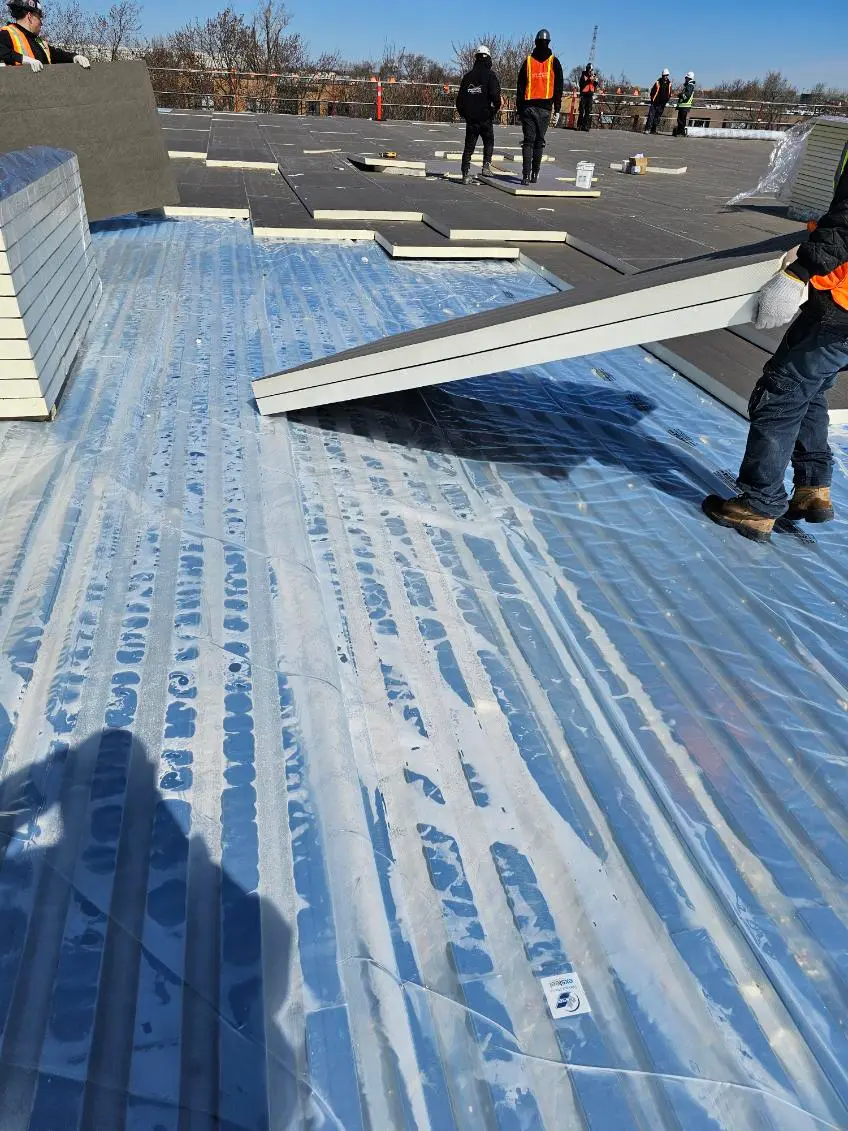
Source: Couvertures De La Rive-Nord
With recent updates to building codes across Canada, thermal performance requirements have become more stringent. For major flat roof renovations, targeting insulation values between R-40 and R-60 is strongly recommended, depending on your province and local regulations.
The Importance of Insulation
Rigid insulation panels (such as polyisocyanurate) help eliminate thermal bridging, reduce heat loss, and prevent ice dam formation—an issue common in colder regions.
Drainage and Snow Load
A flat roof should never be perfectly flat. Proper slope toward drains is essential.
Typical snow load requirements in Canada range from 30 to 80 lb/sq. ft., depending on region.
Roof drains: Replacing drains and downspouts is essential to avoid water build-up, which adds weight atop the roofing, speeding up wear and tear.
Skylights: If you have skylights, they should be inspected or replaced, as they are common weak points for leaks.
Why Prices Vary Across Canada
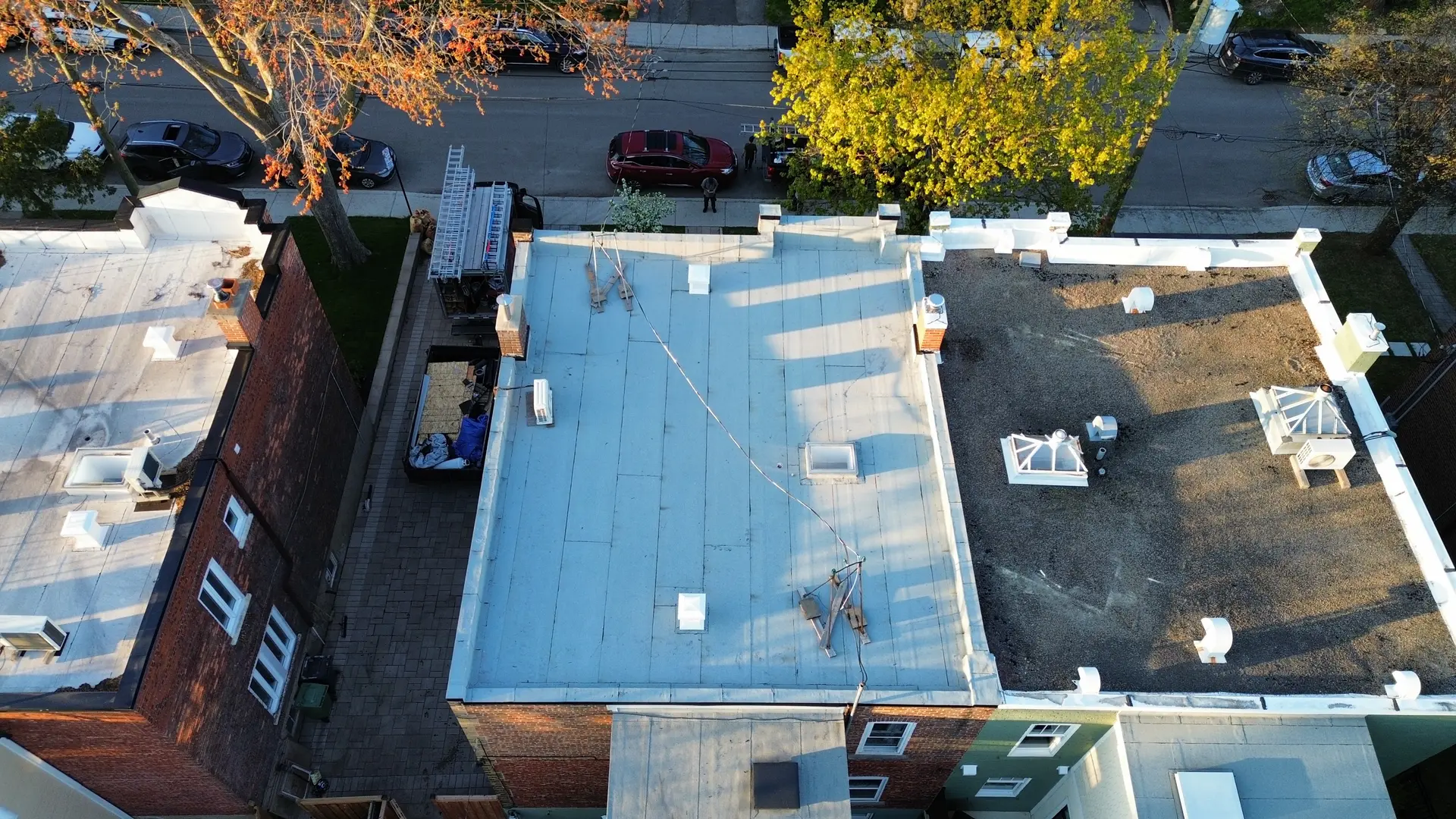
Source: Toiture Joël Gagné
A homeowner in Winnipeg or Halifax may pay less than someone in major metropolitan areas. Several factors explain this variation:
Labour availability: Higher demand in large cities increases contractor rates.
Logistics: Permits, parking, and site access constraints add time and cost.
Building design: Suburban homes are generally easier to access than dense urban properties.
To get an accurate picture of current market conditions, it’s recommended to consult regularly updated roofing cost guides specific to your province or region in Canada.
Getting Quotes: How to Compare Roofing Contractors
Price per square foot should never be your only deciding factor. Saving a few thousand dollars upfront can lead to significantly higher repair costs later if the installation is poorly executed.
Verify Certifications and Credentials
Contractors should meet provincial licensing requirements and carry proper insurance. Certification ensures compliance with local regulations and protects homeowners.
Key Elements to Review in a Quote:
Liability insurance: Coverage for potential damage during the project.
Warranties: Distinguish between manufacturer warranties (materials) and contractor warranties (labour).
Site preparation: Protection of landscaping and thorough cleanup.
Before signing, ask for references from projects completed at least five years ago to assess long-term performance. To simplify the process, you can use a contractor matchmaking platform.
Flat Roof in Canada: Investing in Long-Term Performance
Replacing a flat roof in Canada in 2026 involves more than just comparing price per square foot. From membrane selection to insulation requirements and installation quality, every decision impacts durability and performance. TPO offers strong energy efficiency benefits, while EPDM excels in cold-weather durability.
Ultimately, the quality of installation and contractor expertise will determine how well your roof performs over time. Taking the time to compare multiple quotes and verify contractor credentials is the most effective way to ensure a reliable, long-lasting investment tailored to your property.
Looking for something else?
Related articles
The latest industry news, interviews, technologies, and resources.
Léa Plourde-Archer
•10 Sep 2026
Wondering how much roof repairs or a full replacement will cost? Should you repair that small leak or invest in a new roof altogether? What materials offer the best value for your budget? These are just some of the questions homeowners ask when planning a roofing project.
Cynthia Pigeon
•13 Apr 2026
In 2026, the cost to replace the roof of a standard single-family home in Canada generally ranges from $10,000 to $18,000 for asphalt shingles. For a metal roof, the budget typically falls between $25,000 and $50,000, depending on the surface area, slope, accessibility, and complexity of the project. These estimates typically cover the removal of the old roofing, debris disposal, new materials, and labour by a qualified contractor holding the appropriate provincial licences—ensuring your roof can withstand Canada’s demanding climate.

Editorial Team
•06 Nov 2025
Obtaining a licence from the Régie du bâtiment du Québec (RBQ) is an essential step for any construction contractor wishing to operate legally in the province. Yet, every year, a large number of applications are refused or delayed due to simple, avoidable mistakes.

Léa Plourde-Archer
•06 May 2024
Even when using a referral service to find a contractor for your renovation project, this does not mean that you should sign a contract with your eyes closed!
Cynthia Pigeon
•01 May 2026
Upgrading to a smart electrical panel can help monitor energy consumption, prioritize loads, and better integrate an electric vehicle (EV) charger or solar panels. However, it does not always eliminate the need for a full electrical service upgrade. By intelligently managing loads, these systems can optimize your electricity costs during peak demand periods and enhance protection against overloads.