General or Specialized Contractor in Quebec: How to Make the Right Choice?
By Cynthia Pigeon
Updated on June 18, 2026

Planning renovation or construction work in Quebec means making strategic decisions long before the first hammer is swung. Given the realities of our Quebec climate—freezing winters, major spring freeze-thaw cycles, and high summer humidity—the strength, compliance, and durability of a building depend on informed decisions.
To successfully complete your residential project or real estate investment, it is important to understand the province’s regulatory framework. At the heart of this framework is a key distinction: the difference between a general contractor and a specialized contractor. This choice, governed by the rules of the Régie du bâtiment du Québec, will directly affect the safety of your job site, the legality of the work, cost management, and your peace of mind.
What Is a General Contractor in Quebec?
Source: CF Construction
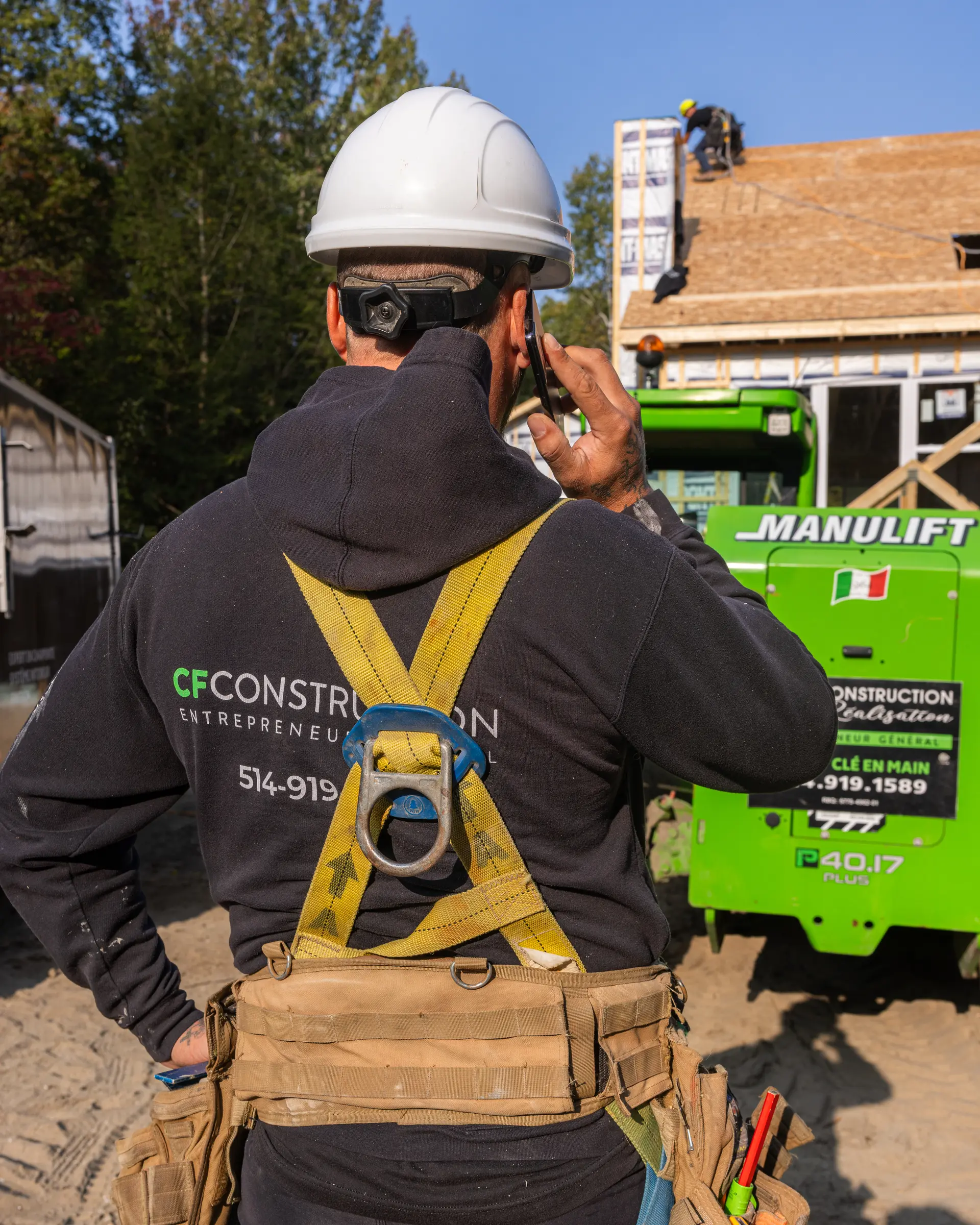
Under Quebec law, a general contractor is the project’s main coordinator. Holding an RBQ licence that includes at least one subclass from Schedule I, such as subclass 1.2 for small residential buildings or 1.3 for new residential buildings covered by a warranty plan, this professional is legally authorized to organize, coordinate, and carry out construction or renovation projects involving several different trades.
The main characteristic of a general contractor is the right to hire subcontractors. As the client commissioning the work, you sign a single contract with this contractor. They assume the legal and technical responsibility for the entire project, ensuring that each step complies with the requirements of the Quebec Construction Code.
According to the most recent data from the Régie du bâtiment du Québec, there are more than 53,000 active contractor licences in the province. A general contractor does not necessarily carry out all the work with their own hands; their primary role is to ensure rigorous, smooth, and compliant project management.
Benefits of Hiring a General Contractor for Your Project
Hiring a general contractor is generally recommended when the project affects the building’s structure or requires the coordination of several trades. For example, this could include adding a storey, fully renovating a basement, or building a rear extension, such as a sunroom or an addition on a foundation.
This option offers several concrete benefits:
Single point of contact: You do not have to negotiate, plan, or manage the schedules of ten different workers. The general contractor centralizes communications.
Logistical management in Quebec’s climate: In Quebec, weather can slow down or stop a job site within hours. A general contractor knows how to plan the closing of exterior walls before the first snowstorms or coordinate foundation drainage during the spring thaw.
Construction schedule management: The sequence of steps—insulation, vapour barrier installation, drywall installation, and joint finishing—requires precise coordination. A delay from one independent worker can push back the entire schedule if the project is not managed as a whole.
Transfer of responsibility: If a problem occurs, such as water infiltration after a window installation, you do not have to determine whether the carpenter or caulking contractor is responsible. The general contractor is your single legal point of responsibility.
To secure the budget planning of larger projects, you can use a renovation quote platform to get a realistic picture of the Quebec market.
What Is a Specialized Contractor in Quebec?
Source: Peinture J. Lessard S.E.N.C.
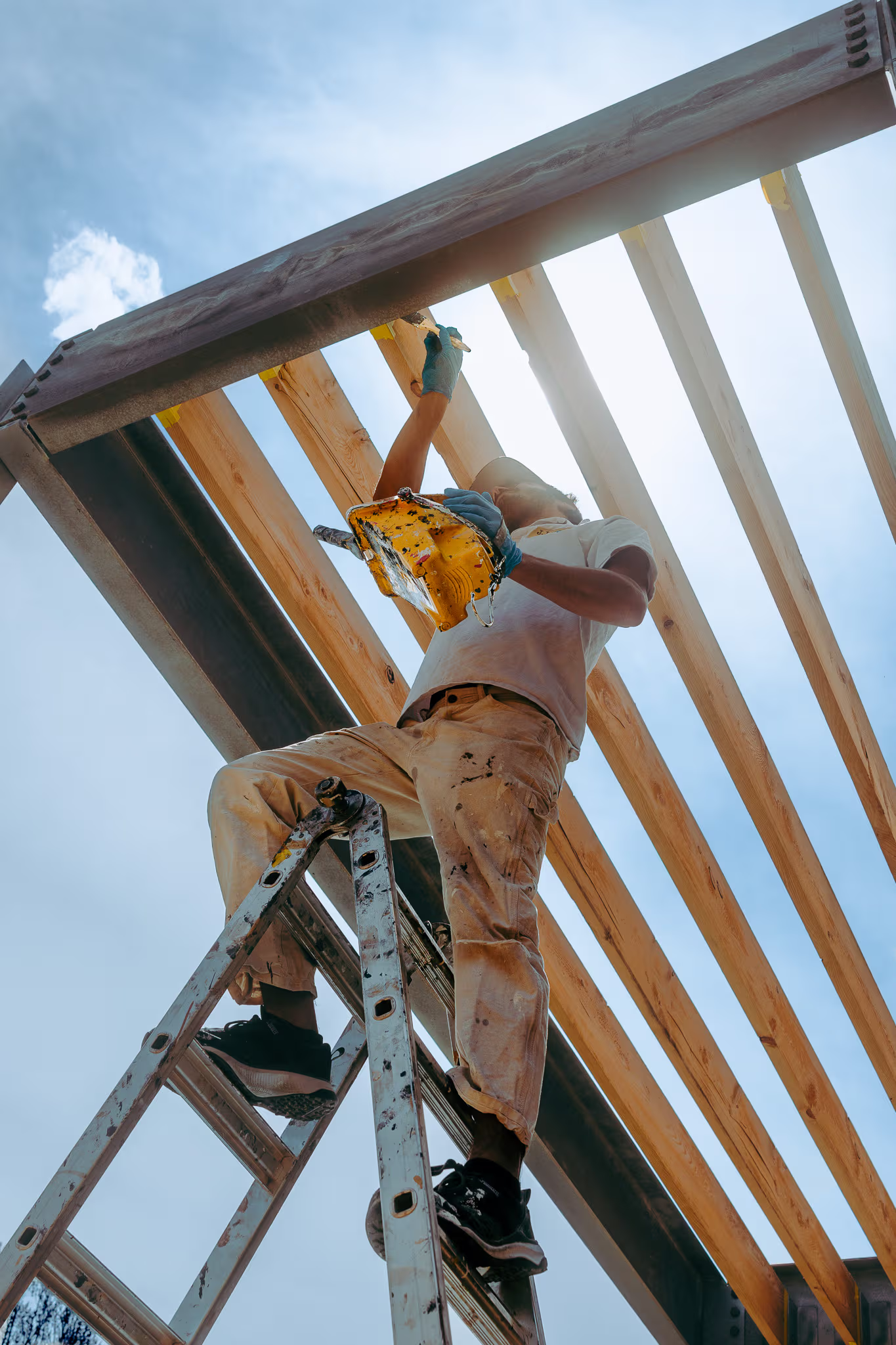
By contrast, a specialized contractor is an expert in a specific construction discipline. Their RBQ licence includes subcategories associated with Schedules II or III of the professional qualification regulations. This includes contractors specializing in roofing, drywall installation, masonry, excavation, or the installation of ventilation and heat pump systems.
A major Quebec-specific distinction concerns higher-risk trades, mainly electrical and plumbing work. Quebec regulations are particularly strict in these areas.
An electrician must hold subclass 16.0, issued by the Corporation des maîtres électriciens du Québec (CMEQ), acting on behalf of the RBQ.
A plumber must hold a subclass ranging from 15.1 to 15.5, issued by the Corporation des maîtres mécaniciens en tuyauterie du Québec (CMMTQ).
When Should You Hire a Specialized Contractor Directly?
Hiring a general contractor is unnecessary and financially counterproductive for a simple, one-trade project that does not affect other components of your home. You should shop directly for a specialized contractor in the following situations:
Mechanical system replacement: Installing or replacing a central heat pump, air exchanger, or water heater.
Targeted surface renovations: Fully replacing the membrane on a flat roof or replacing asphalt shingles before fall.
Electrical or plumbing updates: Upgrading your electrical panel from 100 amps to 200 amps, or making a minor toilet drain relocation during a cosmetic bathroom refresh.
In these specific situations, dealing directly with the specialist helps you avoid the management fees or profit margin that a general contractor may add to the subcontractor’s quote. These fees vary depending on the nature and complexity of the project.
What Are the Differences in Responsibilities and Costs?
Source: Construction Gintech
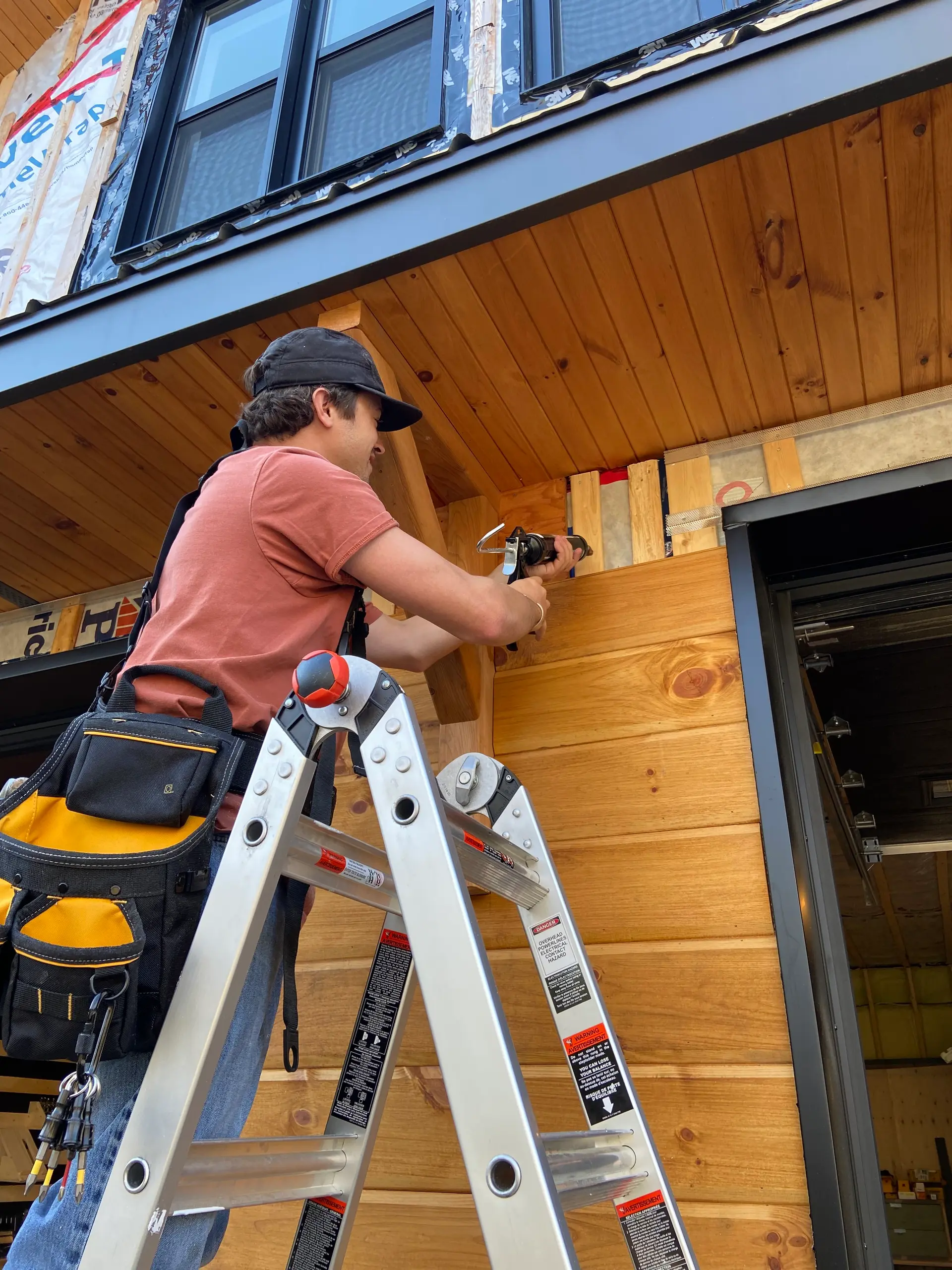
Your contractual structure has a major impact on the legal framework of your project and the consumer protection mechanisms available to you. Legal obligations differ significantly between the two statuses, particularly in the areas shown in the table below:
Comparison Criteria | General Contractor | Specialized Contractor |
Main Role | Coordination, full management, and overall supervision. | Execution of tasks related exclusively to their specialty. |
Right to Subcontract | Yes, full authorization to hire specialized contractors. | No, except for very limited exceptions within their own specialty. |
Licence Bond | Mandatory: $120,000 to provide financial protection in situations covered by the Building Act, including certain deposits and eligible claims. | Mandatory: $40,000, offering reduced financial protection. |
GCR Accreditation | Mandatory for accredited contractors building new residential buildings covered by the warranty plan. | Not applicable, as they work under the supervision of the general contractor. |
Pricing Structure | Fixed global price or cost-plus pricing, with project management fees. | Fixed hourly rate or fixed price for a specific project. |
Another key pillar of safety on Quebec job sites is workforce compliance. Most workers performing work on job sites subject to Act R-20 must hold a competency certificate issued by the Commission de la construction du Québec (CCQ).
As a homeowner, you should know that if CCQ inspectors find undeclared workers or workers without the required competency certificates, the job site may face immediate sanctions. These violations can lead to work stoppages and significant legal proceedings before the Tribunal administratif du travail (TAT). Since the recent increase in fines under Act R-20, financial penalties for non-compliant work can reach several thousand dollars, depending on the offence and the circumstances. A general contractor is generally responsible for ensuring that the workers they employ or retain meet the applicable requirements.
To get a clear picture of market rates and compare several quotes from qualified professionals, take the time to carefully review each written proposal.
How to Verify Your Contractor’s Legitimacy

Source: RenoQuotes
Trust does not eliminate the need for verification. Before signing a quote or paying an initial deposit, it is important to conduct a small regulatory check. This is the final step when shopping for a contractor.
Here is the step-by-step process to verify a contractor’s legitimacy:
1. Check the RBQ Public Register
Visit the official website and use the RBQ licence holder register. Enter the company name or, ideally, its 10-digit licence number, which must appear on its vehicles, contracts, and advertising.
Check the following:
Licence status: It must be listed as “Valid.”
Subclasses: Make sure the contractor has the correct general or specialized classes required for the exact nature of your work.
Licence bond: The register indicates whether the bond is active and with which insurance company or sector association.
2. Check the Company’s History with the Office de la protection du consommateur (OPC)
The OPC allows you to see whether the company has been the subject of consumer complaints in recent years, whether it has been convicted, or whether it operates without the required permits for door-to-door sales, for example, in cases involving contractors canvassing homeowners for attic insulation work.
3. Ask for Proof of Additional Insurance
An RBQ licence protects against certain contractual failures and defects, but it does not replace general liability insurance. Ask for a copy of the contractor’s insurance certificate, with a recommended minimum of $2 million, to cover possible collateral property damage to your home or neighbouring properties during the work.
By applying these verification steps, you significantly reduce the risks associated with non-compliant contractors or unreliable companies. Taking the time to complete these checks and obtain quotes from certified contractors remains one of the best ways to maximize the value of your real estate investment while protecting your family’s property.
Looking for something else?
Related articles
The latest industry news, interviews, technologies, and resources.
Editorial Team
•25 Jul 2025
Interested in working with concrete? As part of the many construction trades in Quebec, ironworkers are considered pillars of the industry. Reinforcing ironworkers are responsible for designing, fabricating, and installing reinforcing steel bars (rebar) in concrete structures, shaping their duties as crucial components when it comes to ensuring the stability and durability of buildings and infrastructures.

Editorial Team
•08 Oct 2025
Are you passionate about computers, electronics, and new technologies? Are you drawn to manual work, in which the words "build," "repair," or "install" sound like true challenges to you? Electricity, intricate components, and problem-solving don't scare you?

Editorial Team
•08 Nov 2023
Are you dreaming of living in a tiny house, but have a few reservations due to the constraints of designing such a limited interior space? Although you really need to use your imagination when living in a house when a modest layout, you can still make it just as practical as it is cozy! Here are a few examples you’ll surely like!
Cynthia Pigeon
•17 Apr 2026
In 2026, wall soundproofing in a Canadian condo typically costs between $15 and $25 per square foot, including labour and specialized materials. For materials alone, expect to pay between $1 and $10 per sq. ft. An effective system usually combines mineral wool insulation, resilient channels, and acoustic drywall (around $40 per sheet). Beyond comfort, soundproofing can also increase your property’s resale value by achieving a higher STC (Sound Transmission Class) than the minimum building code requirements.

Editorial Team
•04 Apr 2024
Are you seeking the right products and techniques to achieve that picture-perfect lawn? With our expertise in tow, unearth how and when to seed your lawn or plot of land.