Home EV Charger Installation in Quebec: Complete Guide
By Cynthia Pigeon
Updated on May 13, 2026
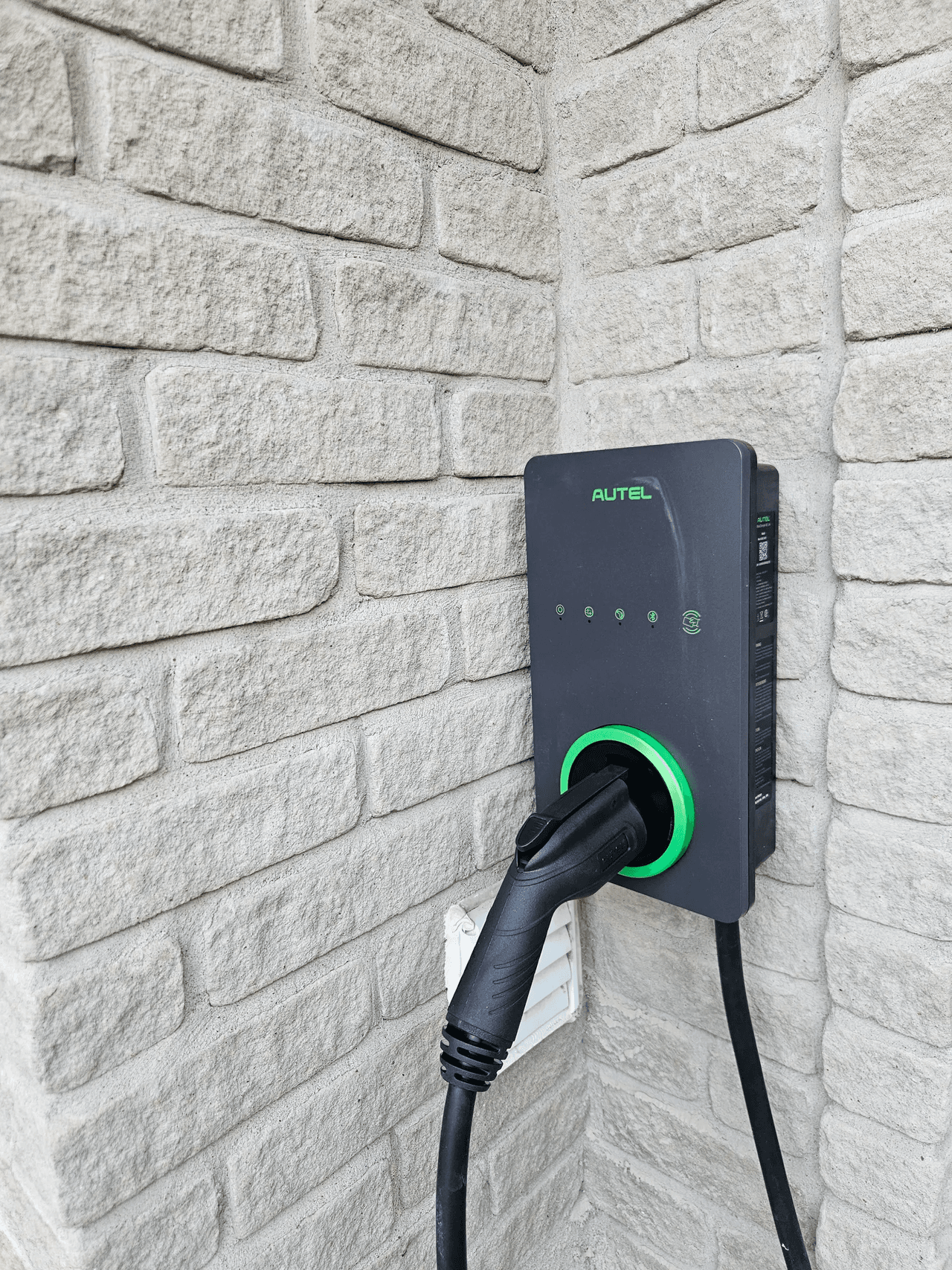
To install a Level 2 charging station, 240 V, at your home in Quebec, the electrical work must be carried out by an electrical contractor holding an RBQ licence, generally a master electrician who is a member of the CMEQ, to ensure compliance with the Quebec Construction Code. This professional installation is essential to ensure a safe, code-compliant setup and to qualify for the $600 financial assistance. By entrusting the work to an expert, you reduce the risk of non-compliance, streamline your insurance process, and better protect your investment.
Installing a Home Charging Station: A Practical Choice That Requires Planning
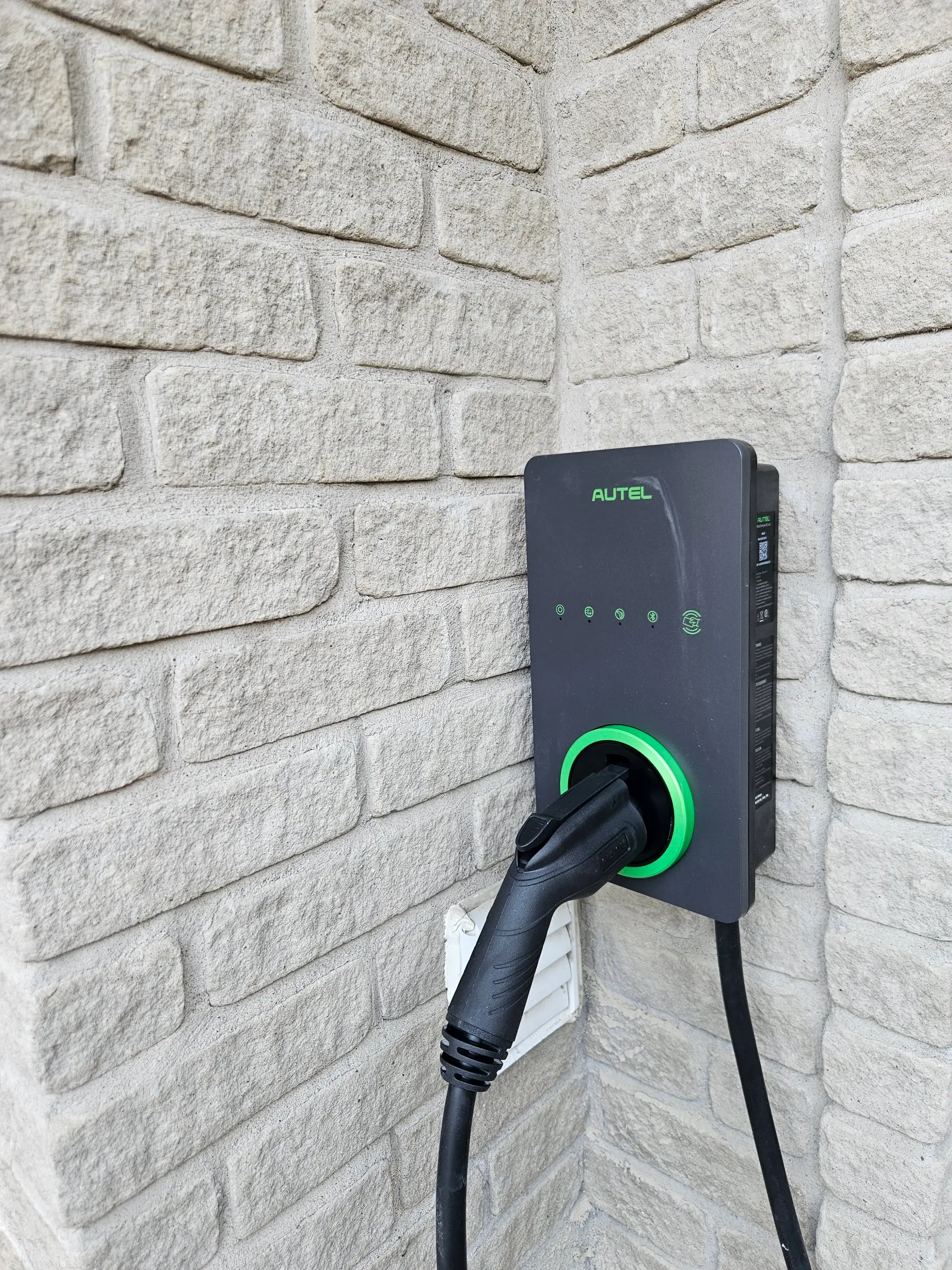
Source: Electricité LR inc.
Switching to an electric vehicle (EV) is a major decision that changes your everyday driving habits and the way you manage energy at home. In Quebec, where hydroelectricity plays a major role, charging your vehicle at home is the most economical and practical solution. However, installing a charging station is not as simple as plugging in a device. Between the requirements of the Régie du bâtiment du Québec (RBQ), winter climate challenges, and rebate programs, it is important to be well-informed to ensure a safe and durable installation.
Why Hire a Master Electrician for the Installation?
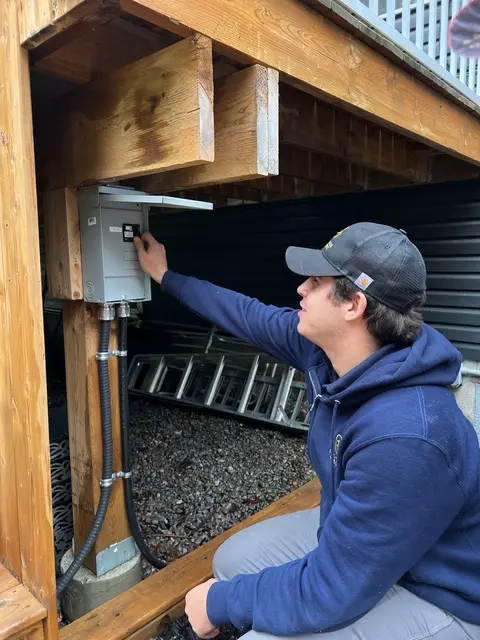
Source: PRO TRADE ELECTRIC INC
In Quebec, the law is clear: all electrical work, including adding a circuit for an EV charging station, must be carried out by an electrical contractor holding an RBQ licence or by a master electrician who is a member of the CMEQ.
Legal Requirements and Safety
Trying to install the charger yourself or hiring an unauthorized person can lead to risks such as overload, overheating, fire, non-compliance, and insurance issues. A master electrician checks the panel's capacity, performs the required load calculation, and carries out the installation according to the Quebec Construction Code to reduce the risk of overload.
Protection and Insurance
In the event of an incident, your insurer could refuse a claim if a non-compliant installation is proven. The electrician will provide you with a detailed invoice that can serve as proof of compliance for your insurance and for your government reimbursement application. To find a reliable expert, you can consult platforms such as RenoQuotes to obtain multiple quotes from certified professionals.
Steps for a Code-Compliant Home Installation
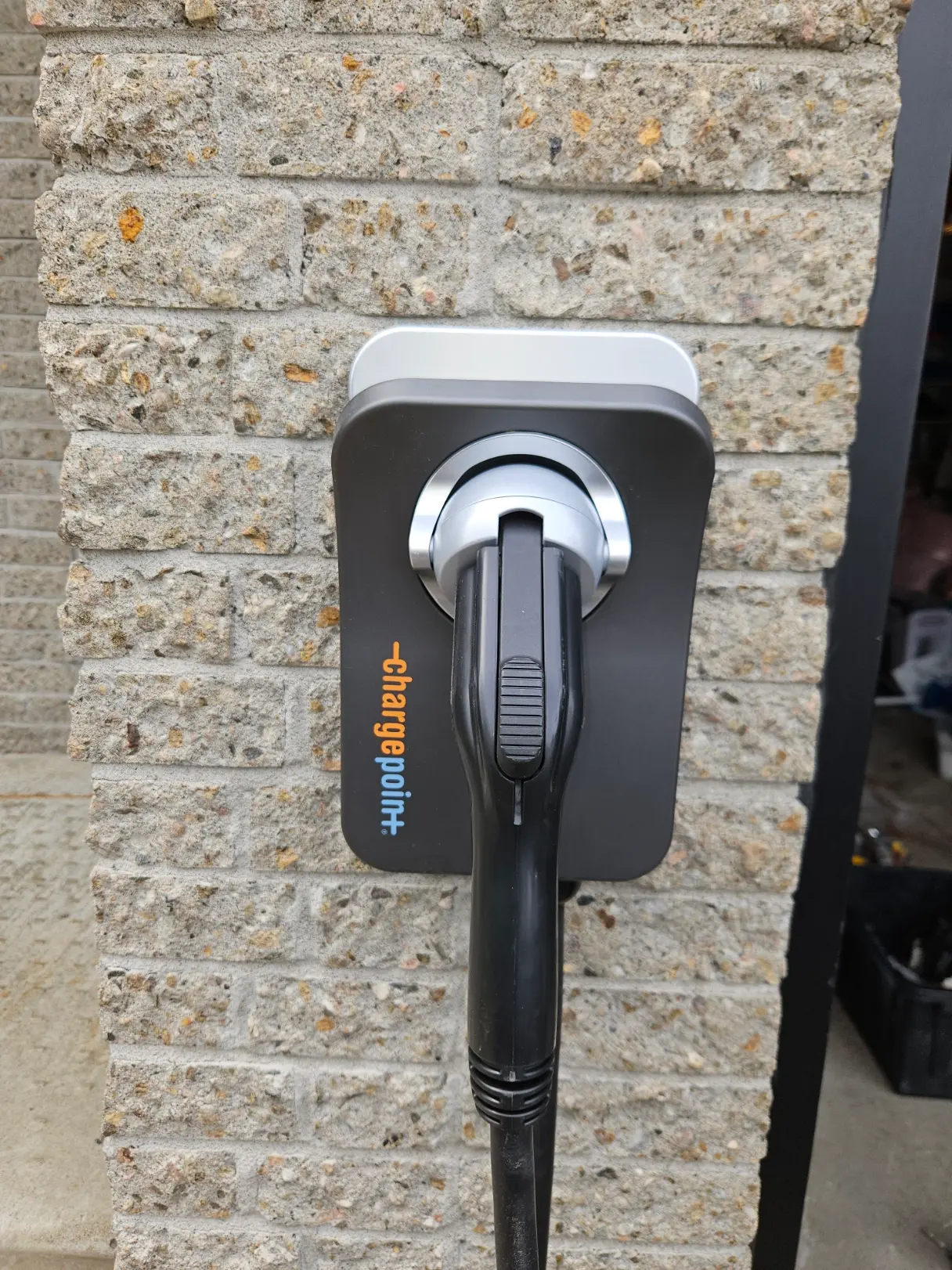
Source: Electricité LR inc.
A successful installation follows a rigorous process. The work begins well before the first hole is drilled into your wall.
Assessing the Capacity of Your Electrical Panel
Adding a Level 2 charging station (240 V) represents a significant electrical load, comparable to that of an oven or dryer. The master electrician must perform a full load calculation to determine whether your current electrical panel, generally 200 amps in modern homes, can support the addition.
If your panel is already at full capacity, the expert may recommend:
Installing a load controller, or energy management system, that reduces power to the charger when other major appliances are running.
Upgrading the electrical panel to a higher capacity.
Choosing the Location and Mounting the Charger
Ergonomics is crucial, especially on snowy winter mornings. Ideally, the charger should be located near your EV’s charging port, whether in the garage or outside.
Weather protection: In Quebec, the charger and its support must meet the equipment requirements and, for outdoor use, have an appropriate protection rating, IP/NEMA, based on the location. This allows the unit to withstand rain, ice, and snow when installed according to the manufacturer’s recommendations.
Installation height: It should be installed at a height that makes the cable easy to handle, even when snow accumulates at the base of the wall.
Dedicated circuit: The electrician will install a dedicated double-pole breaker in your panel and run the appropriate wiring, generally 6 or 8 gauge depending on the charger’s power, to the chosen location.
Rebates and Financial Assistance Available in Quebec

Source: RenoQuotes
The Government of Quebec encourages transportation electrification through Écorecharge financial assistance for charging stations.
Residential Charger Reimbursement
Currently, EV owners can receive a fixed financial assistance amount of $600 for the purchase and installation of a 240 V charging station.
The required documents include:
The purchase invoice for the charger.
The installation invoice issued by a master electrician, including the RBQ licence number.
The vehicle registration certificate.
It is recommended to check the official Écorecharge website for updates before starting your work.
Cost of Installing a Charging Station in Quebec
The total budget for switching to residential charging varies depending on the complexity of your existing electrical infrastructure.
Expense Item | Estimated Price Range, Taxes Included |
Purchase of the charger, Level 2 | $600 to $1,200 |
Labour and small materials | $500 to $1,500 |
Panel upgrade, if required | $1,500 to $3,500 |
Average total, without panel upgrade | $1,100 to $2,700 |
Labour costs depend mainly on the distance between the electrical panel and the charger location. If the electrician needs to pass through several walls or bury cables underground, the price will increase. Do not forget to factor in the $600 reimbursement, which helps reduce the final bill.
To optimize your budget, it is worth comparing services. You can obtain an estimate for your electrical work costs to better plan this investment.
Frequently Asked Questions About Home Charging Stations
Can you charge your vehicle in the rain or snow?
Yes. Chargers designed for outdoor use are made to withstand rain, snow, and temperature variations, provided they are installed according to the manufacturer’s recommendations. Charging connectors are equipped with seals that help prevent water or snow from reaching the electrical contacts.
Will charging an EV make my Hydro-Québec bill skyrocket?
Home charging remains the least expensive option. According to Québec.ca and Hydro-Québec, driving 20,000 km per year with a fully electric vehicle can add approximately $300 to $500 to your electricity bill, depending on the model, battery, and proportion of charging done at home.
By comparison, the annual cost of gasoline for a comparable vehicle can easily exceed $1,500 to $2,000, depending on the vehicle’s fuel consumption and the price of gas. These savings can help make the installation worthwhile, especially if you drive a lot each year.
Is a Level 1 charger enough?
A Level 1 charger, plugged into a standard 120 V outlet, only recovers about 4 to 6 km of range per hour of charging. For a Quebec homeowner, especially in winter when range decreases, a Level 2 charger is practically essential to leave each morning with a full battery.
Looking for something else?
Related articles
The latest industry news, interviews, technologies, and resources.
Editorial Team
•08 Nov 2023
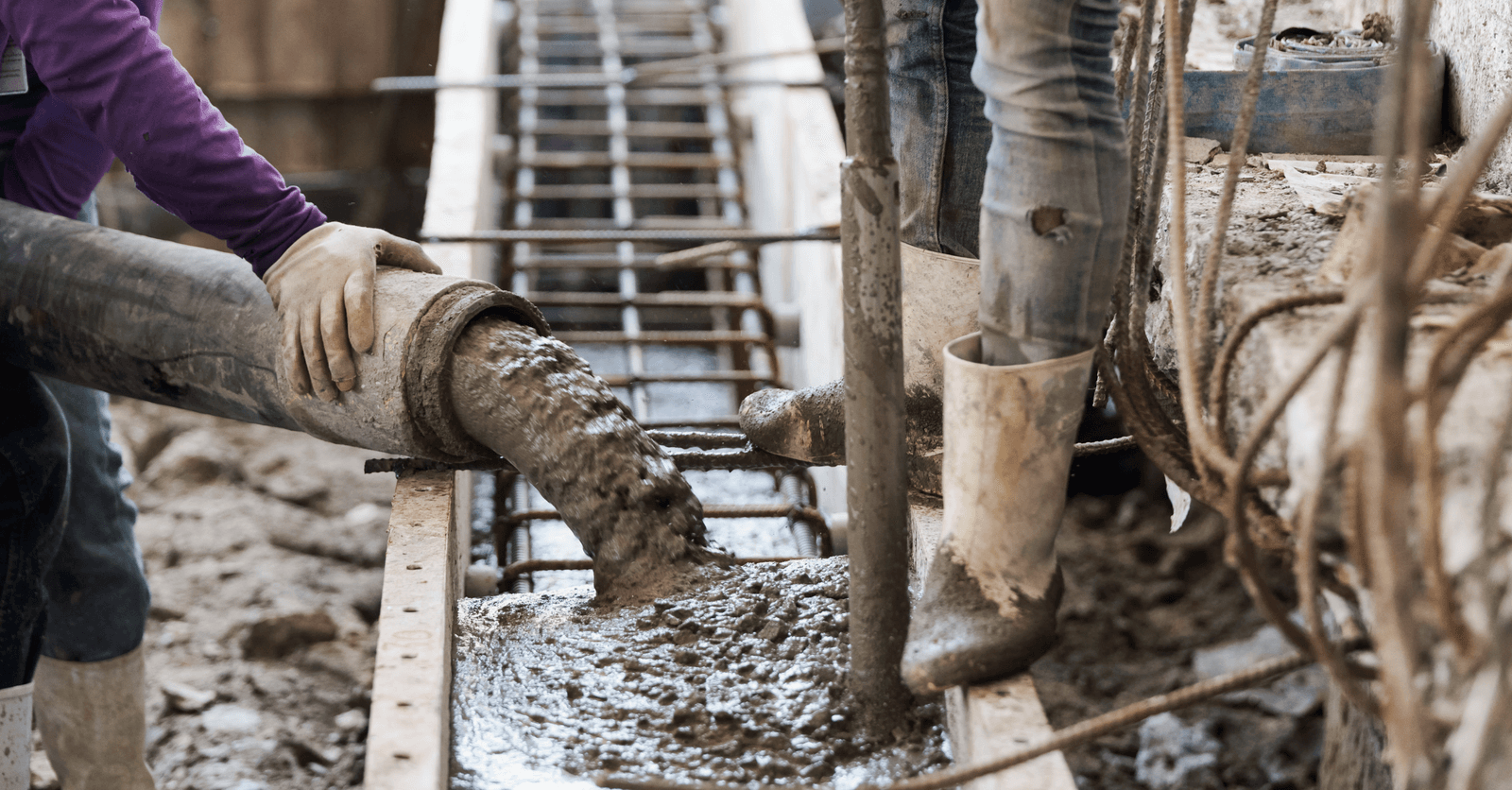
Fibre-reinforced concrete was a definite turning point in the construction industry. Designed to offset the brittleness of standard concrete and with a low-tensile strength, fibre-reinforced concrete sets a new record. As a result, some mixtures allow for fewer rebar use on construction sites since this material can withstand tensile forces of 2,300 MPa, compared to standard concrete’s 500 MPa.
Editorial Team
•03 Nov 2025
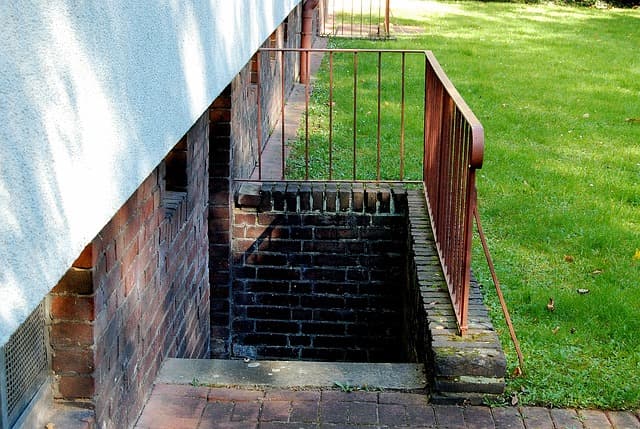
Water is essential to the wellbeing of humans, but as we know, this natural element can be both a blessing and a curse. Flooding is common in regions with high rainfall levels and proximity to large bodies of water.

Cynthia Pigeon
•22 Jul 2026
Owning an older or heritage home in Canada comes with undeniable architectural charm, whether it is a century-old duplex in Montréal, a Victorian house in Ontario, or a historic property in the Maritimes. However, restoring these buildings can also reveal hidden challenges. One of the most serious environmental risks is the presence of lead-based paint.

Editorial Team
•08 Nov 2023
A sheet metal roof might sound absurd to some, but this material is quite popular for those searching for a long-lasting and strong overhead cover. In recent years, sheet metal roofing has been recognized for its durability and longevity. Unlike asphalt, which has a lifespan of between 20 and 30 years, sheet metal can last up to 50 years. Therefore, installing this roofing material is a worthwhile, lifetime investment!
Editorial Team
•15 Oct 2026
Thinking about redoing your roof and wondering if asphalt shingles are the right choice, or how to install them properly? This roofing has been one of the most popular since it hit the market—and for good reason! Easy to install, affordable, and durable, it suits most building types. In this article, we highlight the options available and everything you need to know to complete your project successfully.