Improving Your Home: Combining Comfort, Health, and Durability
By Cynthia Pigeon
Updated on May 18, 2026
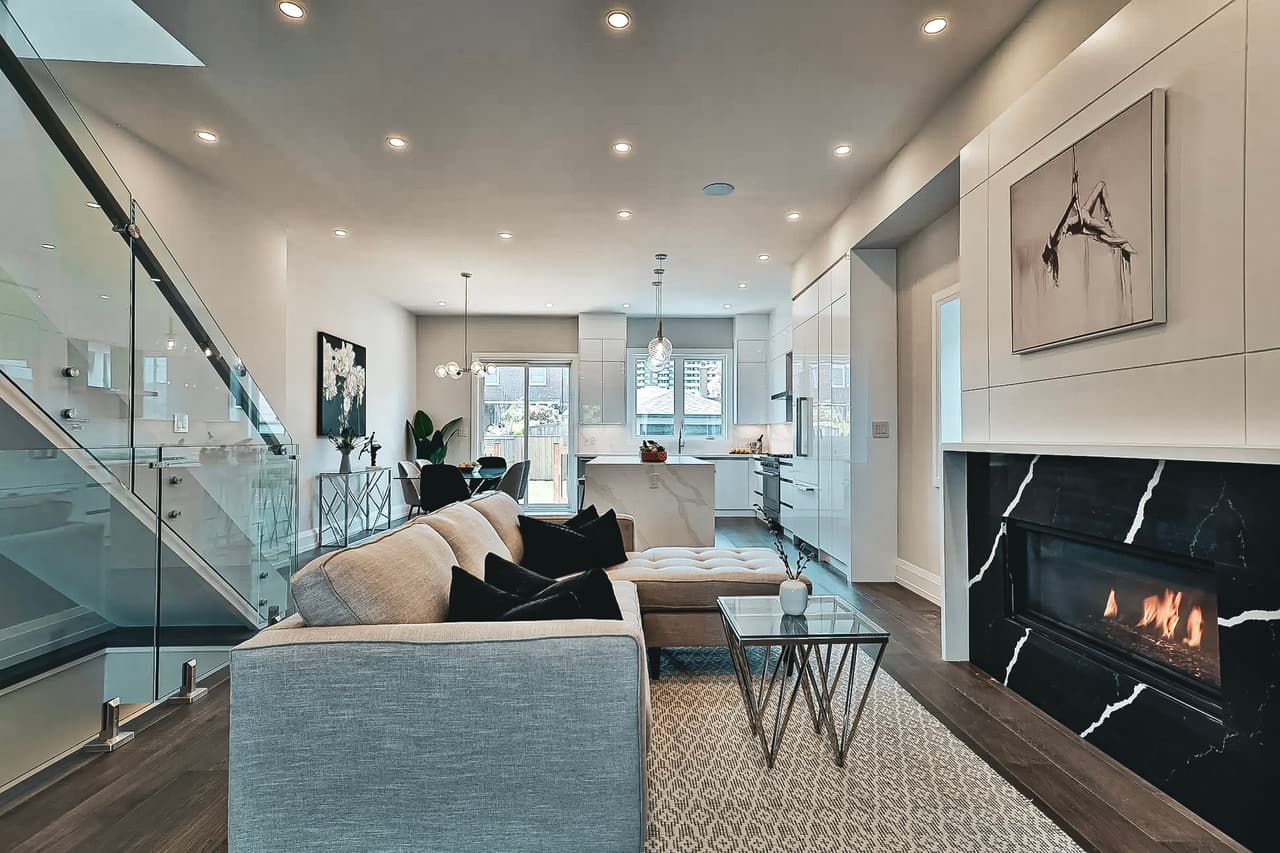
Renovating a home goes far beyond refreshing a room or replacing outdated materials. It is part of a more thoughtful process, shaped by both personal taste and long-term planning. Whether you live in a detached house, townhouse, condo, or shared ownership property, rethinking your living space means creating a place where comfort, health, and durability work together.
Today, this more complete approach to renovation is becoming increasingly important. Homeowners are looking for more than a simple cosmetic update; they want to improve the way their home functions day to day. This can involve upgrades that are not always immediately visible, such as better insulation, healthier materials, improved ventilation, or long-term maintenance planning, but that can make a lasting difference.
Improving your home is not only about appearance. It is a way to invest in an improved quality of life, where every choice matters.
Beyond Materials: What Makes a Home Truly Comfortable
Source: Mélanie Lambert
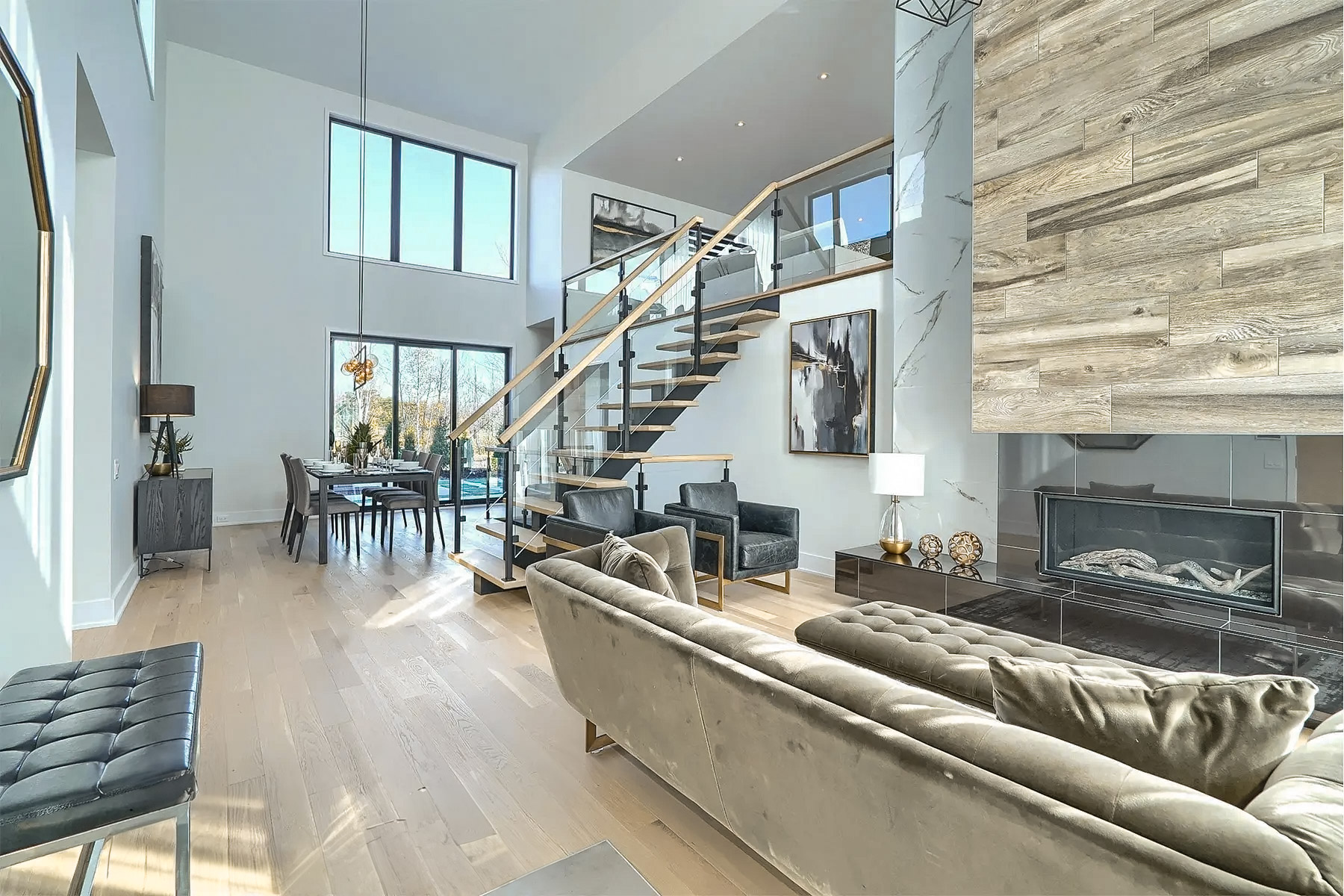
Comfort is about more than furniture, finishes, or visual appeal. It is also felt through the atmosphere of a well-designed space: balanced natural light, effective insulation, controlled noise, steady indoor temperature, and good air movement. These less visible details are often overlooked in traditional renovations, yet they strongly influence how we experience our home.
Targeted upgrades can directly improve these elements. Updating mechanical systems, improving ventilation, reducing drafts, enhancing soundproofing, or rethinking the interior layout can all help make a home more comfortable. A truly comfortable home should feel peaceful, functional, and easy to live in. It should reduce daily irritations, support everyday routines, and contribute to the well-being of the people who live there.
Residential Health: Better Homes for Better Living
Source: Demi-teinte design & co.
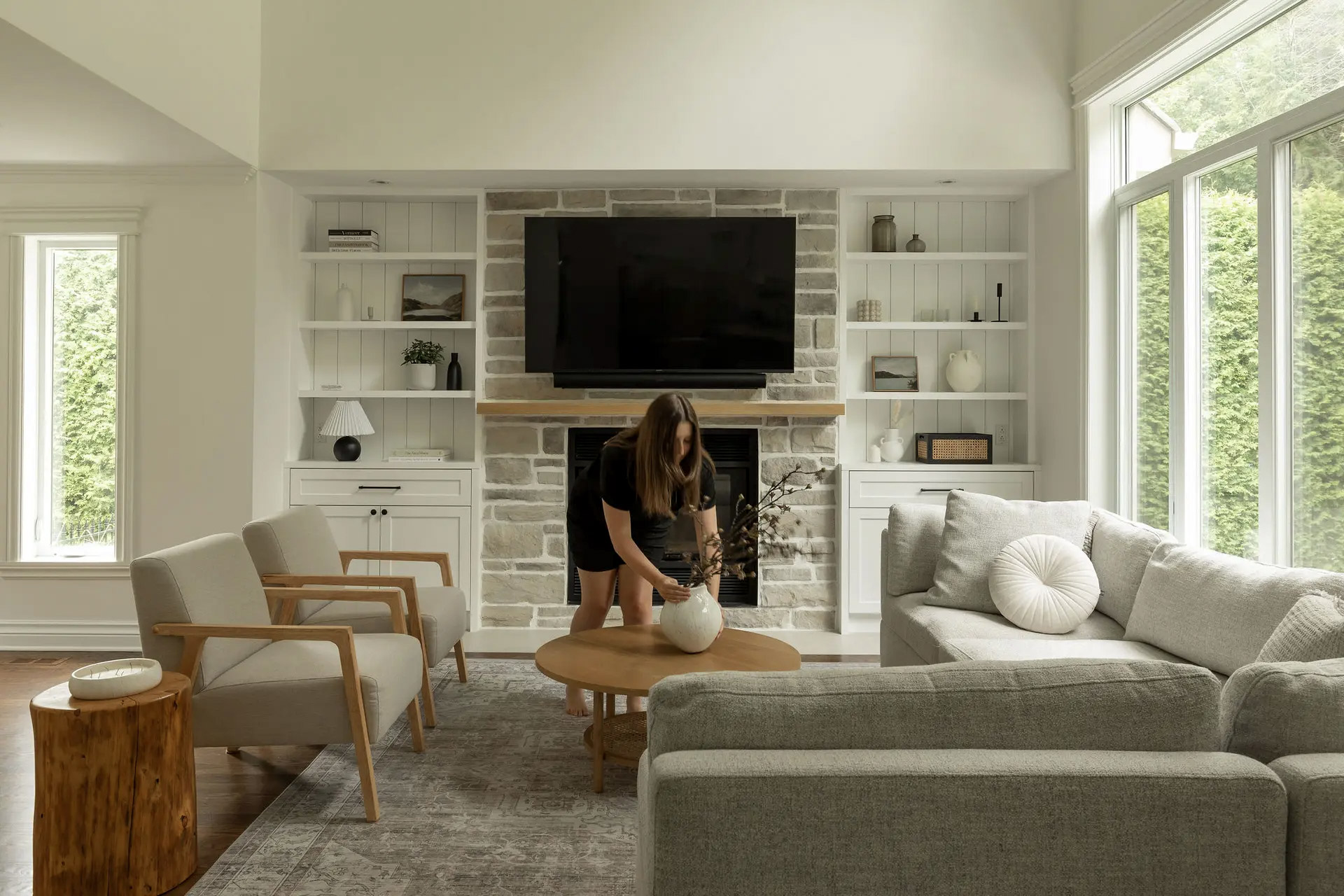
Health is becoming an increasingly important part of home renovation planning. Our living spaces can affect both physical and mental well-being. Poorly controlled humidity, materials that release pollutants, stale indoor air, dust, mould, and airborne particles can all affect comfort and health without being immediately obvious.
Simple but targeted actions can help reduce these risks. Paying attention to indoor air quality, for example, is becoming more common in responsible renovation projects. This may include improving ventilation, cleaning or upgrading ducts, managing humidity, choosing low-emission materials, or correcting moisture problems before they become more serious.
By including these actions in a broader renovation plan, homeowners can improve the indoor environment, support occupant health, and help protect the property's long-term value.
Durability and Planning: Preparing Your Home for the Long Term
Source: Les Habitations Trianon inc.
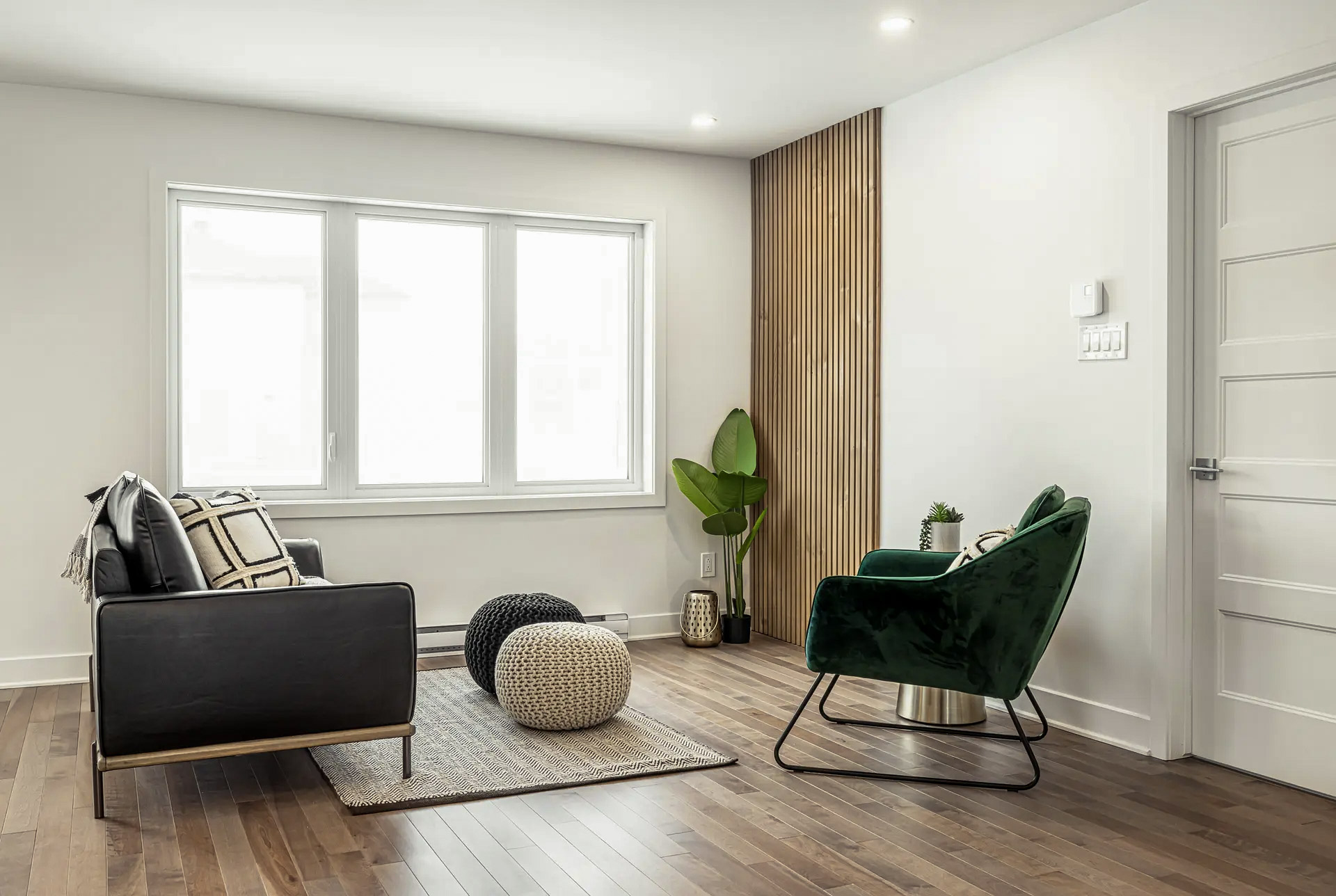
Thinking about durability means looking beyond short-term improvements. In a context where energy performance, climate resilience, insurance concerns, and building regulations are evolving, homeowners are encouraged to make responsible choices and plan maintenance more carefully. This applies to single-family homes as well as condominiums and strata properties, where maintenance decisions may involve shared spaces, common elements, and collective budgeting.
A successful renovation should include a long-term view. It is important to identify components that may need to be replaced in the coming years, assess the overall condition of the building, and budget for future work. This helps reduce unexpected costs and avoid emergency repairs.
In condos or strata-managed buildings, tools such as reserve fund studies, depreciation reports, or similar long-term planning documents can help organize future work and distribute costs more fairly. These planning tools support the durability of the building and help protect the value of individual units. Including these considerations at the beginning of a renovation project helps maintain quality of life while reducing the risk of costly last-minute interventions.
Taking a Whole-Home Approach
The best renovations are not always the most visible. Some of the most valuable improvements are the ones that change how a home feels and performs over time. Well-installed flooring, a functional kitchen, or an elegant bathroom can certainly improve a space. But the details behind the walls and systems, such as air circulation, material quality, moisture control, insulation, and long-term budgeting, are what help those improvements last.
Preventive and well-planned action is often more valuable than reacting to a problem after it appears. This approach may require reviewing existing systems, planning upgrades in stages, or working with specialized professionals. The key is to separate what is essential from what is merely decorative.
By adopting this broader vision, homeowners can gain the most meaningful benefits: better everyday comfort, a healthier indoor environment, improved durability, and greater peace of mind for the future.
Consult our Ultimate Home Renovation Cost Guide to better estimate your budget for your next home improvement project.
Looking for something else?
Related articles
The latest industry news, interviews, technologies, and resources.

Editorial Team
•21 Apr 2026
A mature home often needs that extra bit of TLC to get it back up to speed—especially heading into summer, when warm, dry weather makes it easier to tackle everything from paint and caulking to ventilation and exterior woodwork. The key is planning early so you can keep your home functional without sacrificing its mature charms, like antique fixtures and trimmings.

Editorial Team
•08 Nov 2023
Your living room is really the focal point of any home; it draws people in, but above all, it garners stares. Bridging the gap between one room and another, it often becomes a post-dinner gathering spot between family and friends, just as a way of digesting and relaxing after a really good meal.
Cynthia Pigeon
•22 Apr 2026
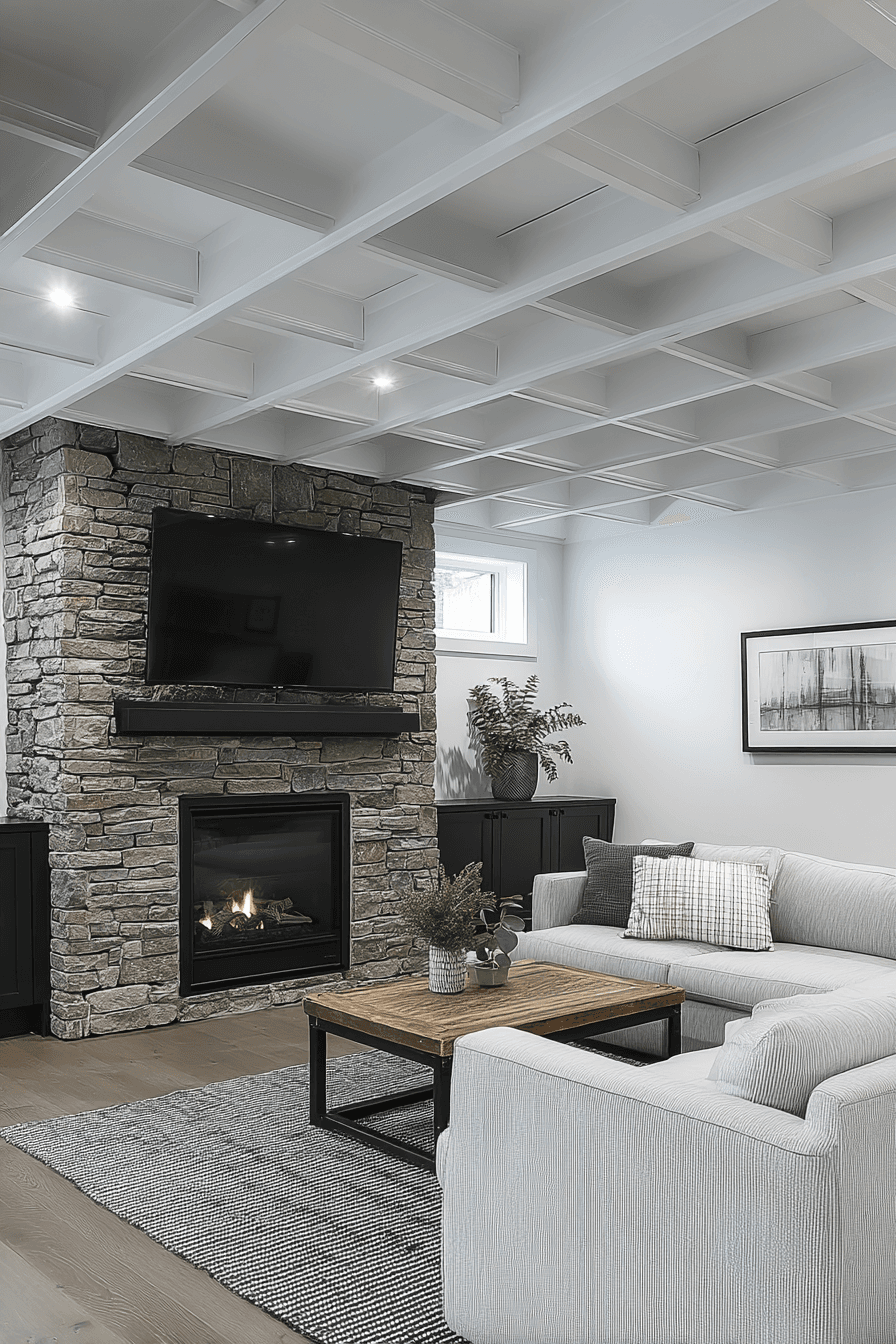
For a basement apartment (often referred to as a secondary suite) to be considered compliant in Canada in 2026, several requirements must generally be met, including those based on the National Building Code of Canada and applicable municipal bylaws. Common criteria typically include a minimum ceiling height of around 1.95 m (6 ft 5 in), egress windows providing a minimum unobstructed opening of approximately 0.35 m² per bedroom, and proper fire separation between units. That said, requirements can vary significantly depending on the province, municipality, and type of building. Failing to comply may lead to serious consequences, such as fines, insurance limitations, or restrictions on renting out the unit.
Editorial Team
•16 Oct 2024
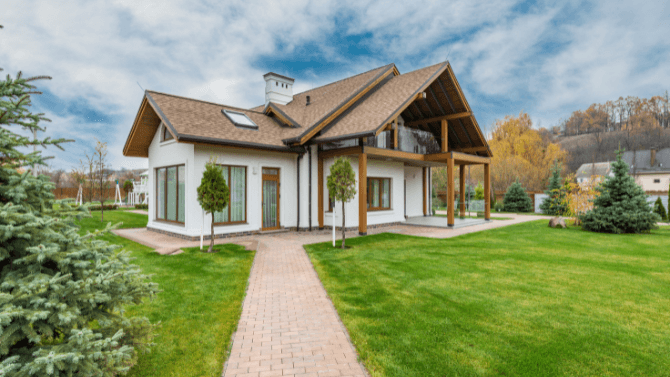
Compared to other Canadian provinces, Quebec was shown to be a leader in a study led by Ecohome on LEED-certified homes in Canada. Quebeckers have access to numerous government-issued financial assistance programs to subsidize their eco-friendly choices.
Editorial Team
•08 Nov 2023
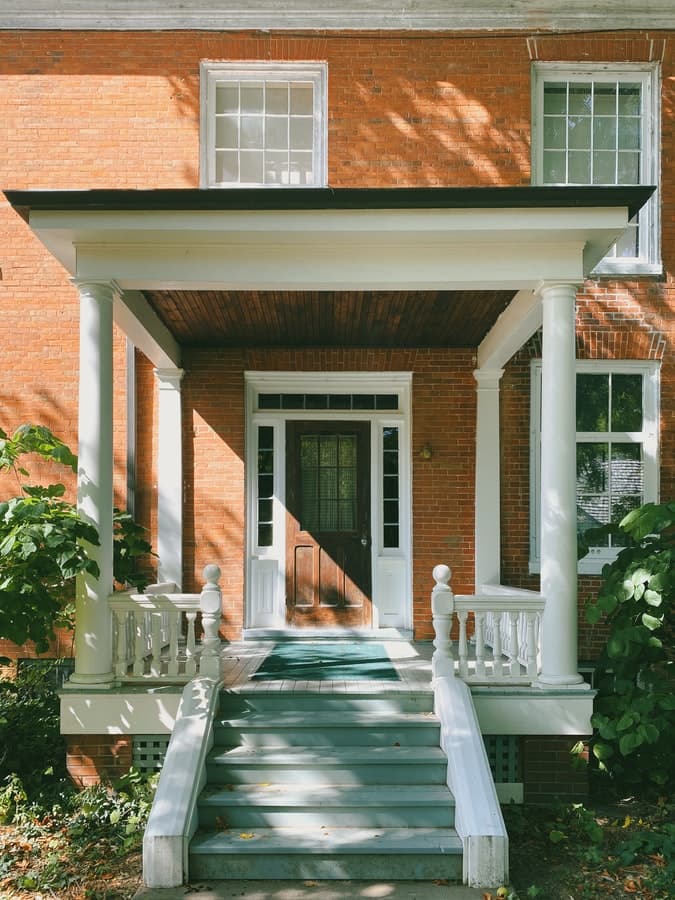
Is the exterior siding of your brick house starting to look a little worn? If the idea of bringing it back to its former beauty by restoring it has crossed your mind, you may have considered painting as an option.