Lead Paint Removal Contractors in Canada: Guide and Advice
By Cynthia Pigeon
Updated on July 22, 2026
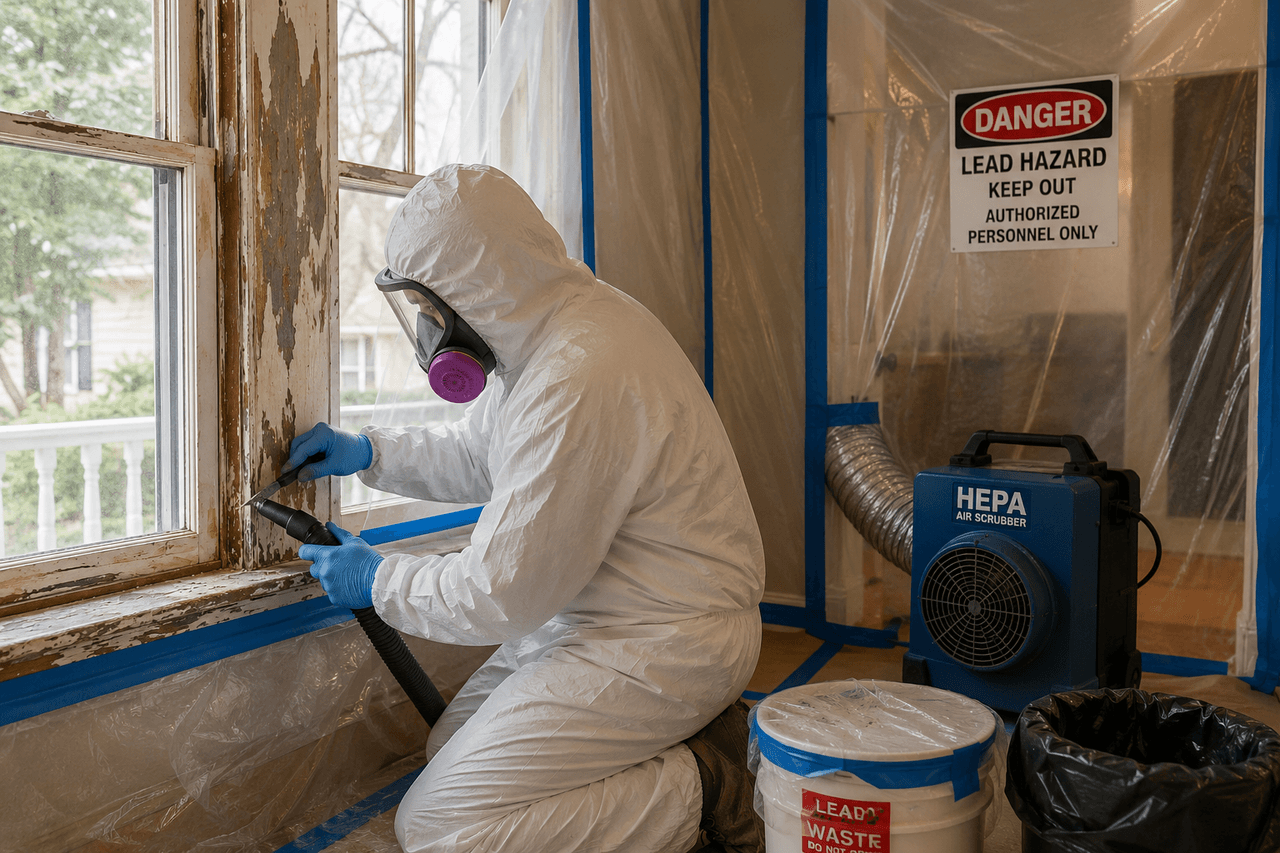
Owning an older or heritage home in Canada comes with undeniable architectural charm, whether it is a century-old duplex in Montréal, a Victorian house in Ontario, or a historic property in the Maritimes. However, restoring these buildings can also reveal hidden challenges. One of the most serious environmental risks is the presence of lead-based paint.
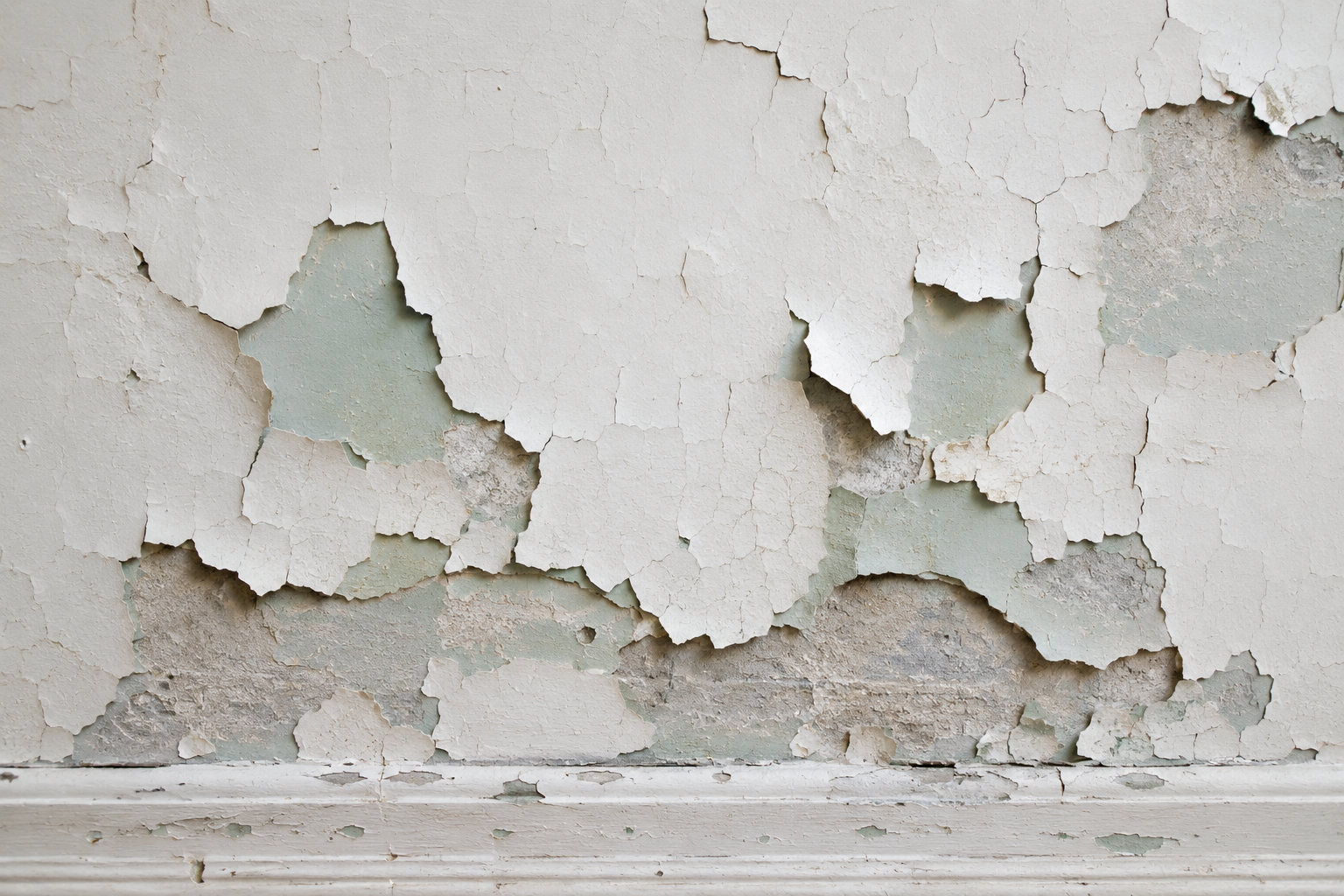
Once valued for its durability, finish, and resistance to moisture, lead paint is highly toxic. When it peels, experiences friction, or is sanded during renovations, it can release invisible particles of toxic dust into the air. For work that may disturb lead-containing paint, hiring a specialist is generally the safest option. Small projects may still be completed safely when recommended containment, dust-control, and personal-protection procedures are followed rigorously.
Why Is Lead Paint Dangerous to Your Health?
Source: RenoQuotes
Lead is a highly toxic heavy metal with no physiological function in the human body. Exposure can cause lead poisoning, especially when exposure is repeated or lead accumulates in the body.
During residential renovations, one of the main hazards is the inhalation of microscopic dust generated by:
Dry sanding plaster or drywall surfaces
Aggressively scraping trim, doors, frames, and windows
Using a high-temperature heat gun that can release lead fumes
Everyday friction from moving components, such as opening and closing old wooden sash windows
Once inhaled or ingested through cross-contamination, such as contaminated hands being placed in the mouth, lead particles enter the bloodstream and can gradually accumulate in vital organs and bones, where they may remain for decades.
Higher Risks for Children and Pregnant Women
Although lead is harmful to adults and may contribute to high blood pressure, kidney damage, and fertility problems, young children and pregnant women are particularly vulnerable.
The nervous system of children under six is still developing. Their bodies may absorb four to five times more lead than an adult’s body from the same ingested dose. Their natural tendency to explore at floor level and place their hands in their mouths also increases the risk of ingesting lead dust trapped in carpeting or floor cracks.
Vulnerable Group | Main Exposure Routes | Potential Health Effects |
Young children aged 0 to 6 | Dust ingestion, paint chips, hand-to-mouth contact | Developmental delays, irreversible reduction in IQ, attention and behavioural problems, anemia, and learning difficulties |
Pregnant women | Inhalation of airborne dust, contaminated water | Lead can cross the placenta and increase the risk of miscarriage, premature birth, low birth weight, and neurological harm to the fetus |
Adults and workers | Direct inhalation during stripping work without suitable respiratory protection | Irritability, chronic fatigue, severe abdominal pain, kidney dysfunction, and high blood pressure |
Why Hire a Contractor Specializing in Lead Paint Removal?
Source: RenoQuotes
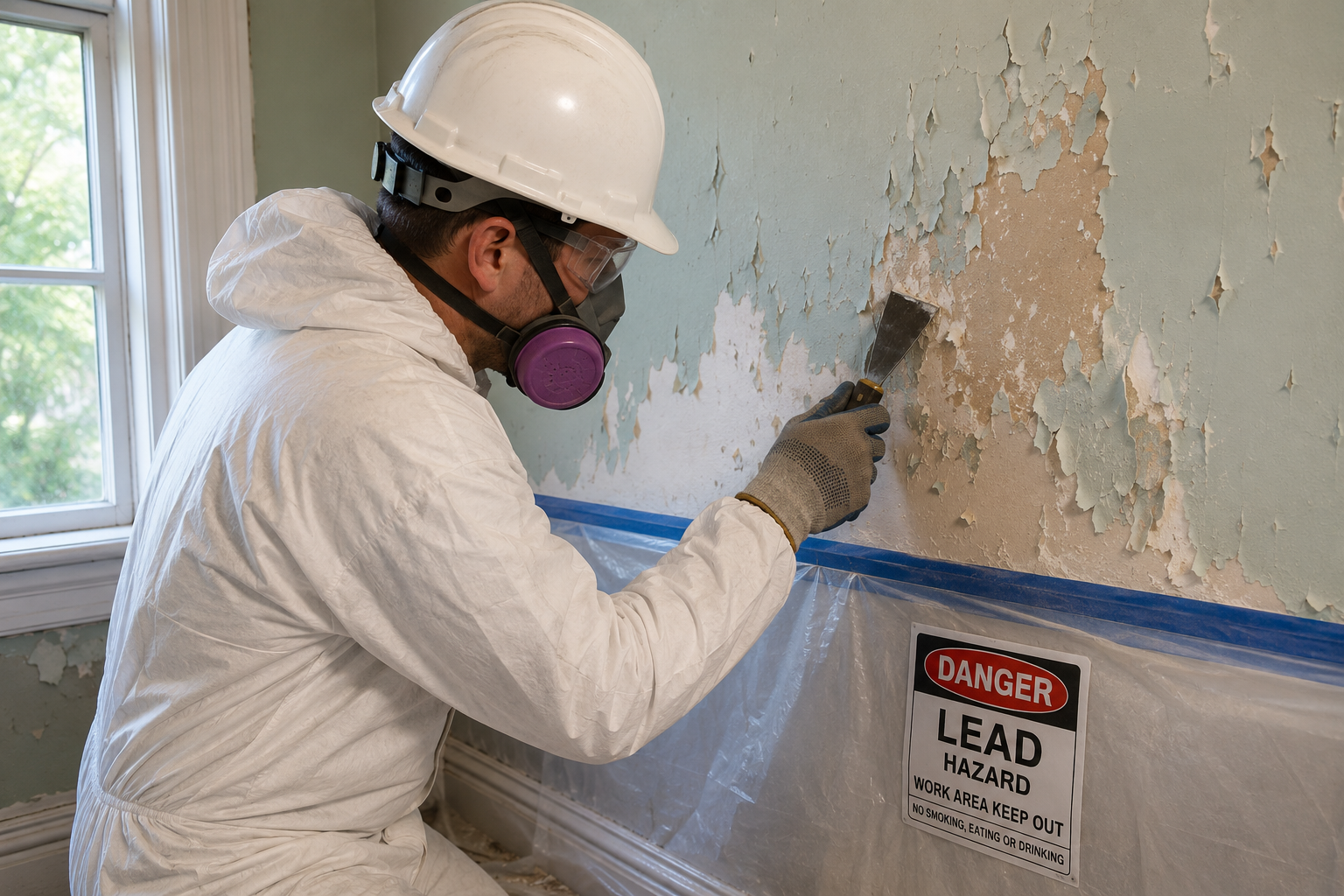
When a renovation project involves surfaces covered with older layers of paint, attempting to sand or strip them without proper precautions can have serious consequences. Standard household vacuums are generally not designed to capture fine lead dust effectively and may release it back into the air. HEPA-filtered vacuums are therefore recommended for this type of work.
A contractor specializing in lead abatement does much more than clean the surface. The contractor assesses the risk, secures the occupied areas of the property, uses controlled chemical or thermal removal methods, and disposes of residual materials in accordance with applicable environmental regulations.
How Can You Tell Whether Your Canadian Home Contains Lead Paint?
In Canada, limits on lead concentrations in residential paint were introduced gradually over the course of the 20th century.
A home built before 1960 is more likely to contain lead-based paint. In homes built between 1960 and 1990, exterior paint may still contain lead, as may some interior coatings at lower concentrations. The likelihood generally declined after the 1960s, but lead-containing paint continued to be used in some products through the late 1970s and beyond for certain specialized applications.
How to Check for Lead Paint
Visual inspection: A visual inspection may reveal signs of deterioration, but lead cannot be confirmed based on appearance alone. Proper testing or laboratory analysis is required.
Chemical test swabs: Available at many hardware stores, these instant-reactive tests may provide an initial indication. However, they can produce false negatives if they do not reach every layer of paint applied over the years.
Accredited laboratory analysis: Before beginning a major renovation, collect a sample that includes every paint layer down to the substrate, such as wood or plaster, and have it analyzed by an accredited testing laboratory. This step should be included in the overall project plan and budget.
Steps Followed by a Lead Abatement Contractor
Source: Décor Service Concept
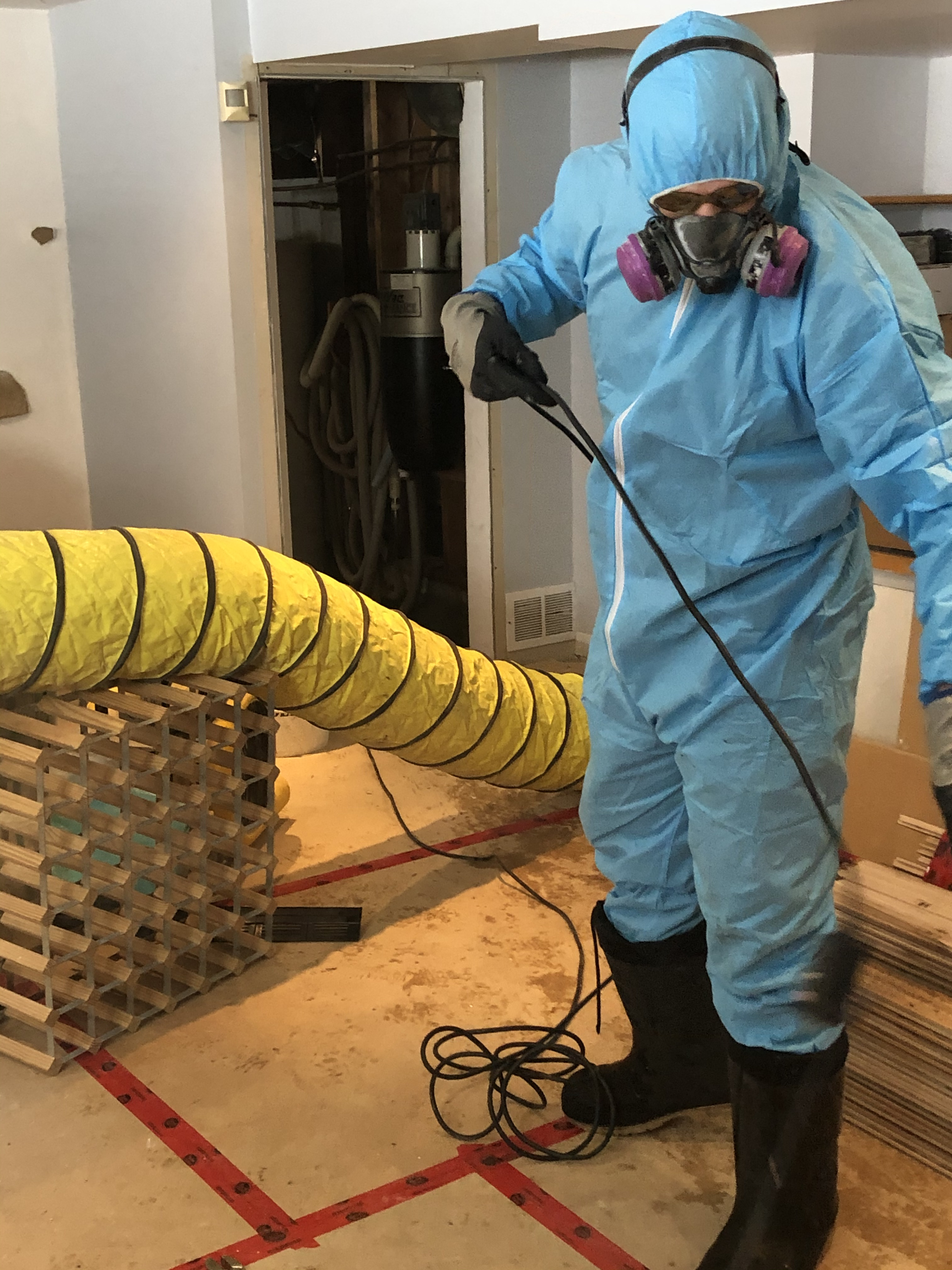
An experienced contractor does not approach lead paint removal like an ordinary demolition project. The work follows a methodical process designed to isolate and control the hazard.
Initial risk assessment: The contractor prepares a work plan and assesses the project’s risk level based on the area being treated and the planned removal method.
Work-area preparation: Furniture, rugs, and personal belongings are removed from the room. Items that cannot be moved are sealed beneath durable plastic sheeting.
Controlled stripping: Contractors generally favour wet methods, such as misting surfaces to limit airborne dust, chemical strippers that do not contain methylene chloride, or manual scraping tools connected directly to industrial vacuums.
Detailed final cleaning: Once the lead-containing coatings have been removed, all surfaces are vacuumed with HEPA equipment and washed with a suitable cleaning agent to capture residual lead dust.
When renovations involve opening entire wall assemblies or demolishing sections of older walls, these measures should be coordinated with safe demolition procedures to control other possible contaminants, including asbestos.
Airtight Containment and HEPA Filtration
A central component of professional lead abatement is rigorous control of dust and air movement on the work site. To prevent contaminated dust from spreading into bedrooms or occupied living spaces, the contractor sets up an enclosed work zone.
Sealed plastic barriers: The work area is isolated using durable polyethylene sheeting, commonly 6 mil thick. Windows, doors, and heating or air-conditioning vents are sealed with heavy-duty tape.
HEPA-negative-air units: An industrial air scrubber may be installed within the containment area to exhaust filtered air outside. The unit creates negative pressure, drawing air from surrounding rooms toward the work zone and reducing the risk of dust escaping through access points.
HEPA filtration: HEPA filters capture at least 99.97% of particles measuring 0.3 microns, significantly reducing the amount of dust released. They do not, however, guarantee that the air is completely free of contaminants.
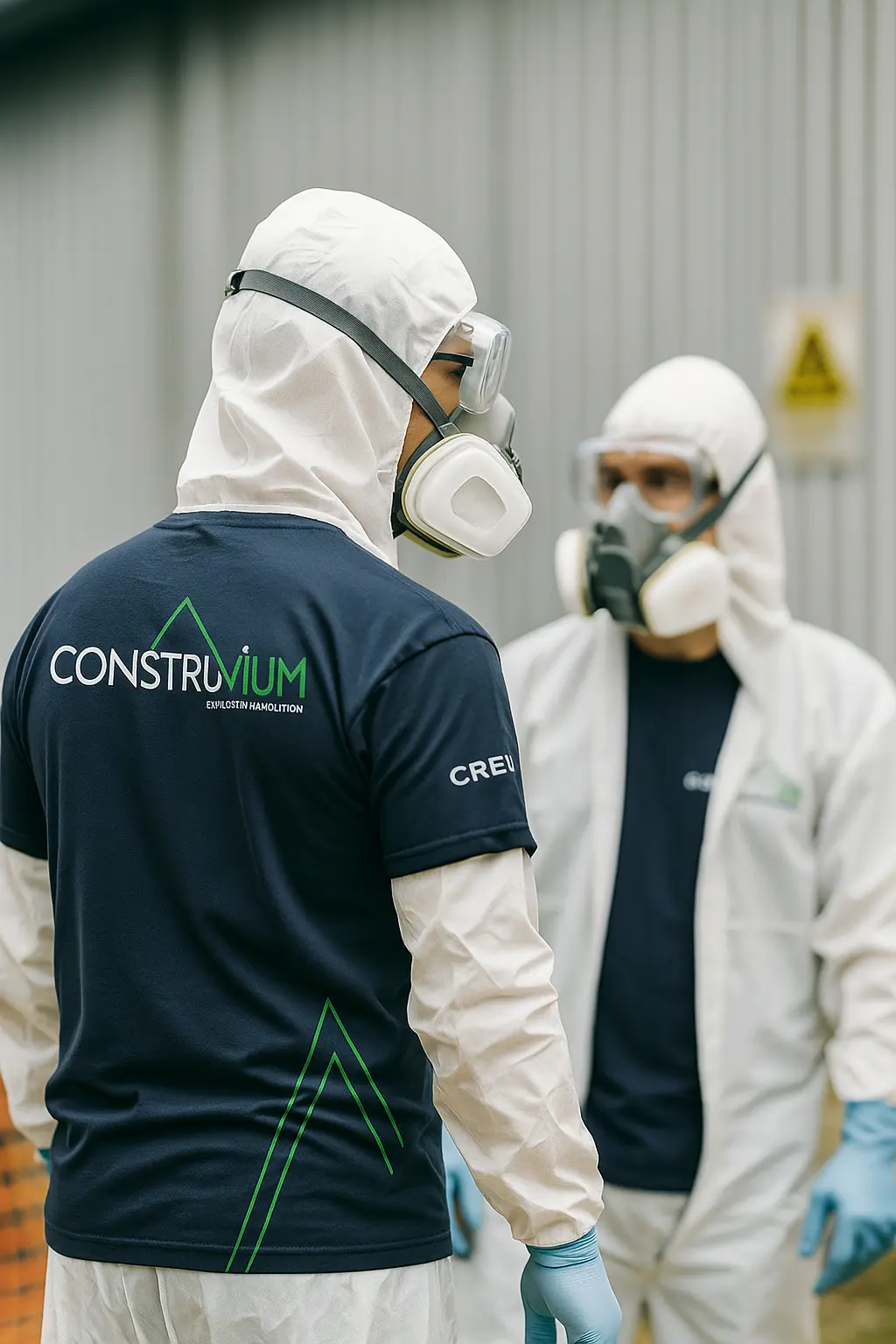
Personal protective equipment: Based on the risk assessment and measured exposure levels, workers may wear protective coveralls and suitable respiratory protection, often fitted with P100 filters. Supplied-air respirators are not automatically required for every lead paint removal project.
Regulations in Canada: Worker Protection, Licensing, and Waste Management
Source: Groupe Construvium Inc
Lead-related renovation work is regulated through a combination of federal, provincial, territorial, and municipal requirements. Hiring a qualified contractor helps support compliance with the rules that apply in the project’s jurisdiction.
Occupational Health and Safety Requirements
Each province and territory has occupational health and safety legislation governing workplace exposure to lead (CNESST in Quebec). Depending on the exposure level and work methods, regulations may require ventilation, respiratory protection, hygiene facilities, changing areas, worker training, exposure monitoring, and other control measures.
Requirements vary across Canada, so contractors must follow the rules established by the occupational health and safety authority in the province or territory where the work is performed.
Contractor Licensing Requirements
Licensing requirements vary by province and municipality. When lead paint removal forms part of a construction or renovation project, the contractor may need an appropriate trade or business licence.
Some limited cleaning or maintenance activities may be exempt, depending on the jurisdiction and the nature of the work. Before hiring a contractor, confirm that the company holds all licences, permits, and registrations required in your area.
Regulated Waste Management
The appropriate disposal method for paint debris, used strippers, containment plastic, and contaminated filters depends on the material’s composition, characterization, and the requirements of the municipality or disposal facility receiving it.
Lead paint waste may be classified as hazardous depending on testing results and applicable environmental rules. When materials are classified as hazardous, they must be packaged, labelled, transported, and disposed of in accordance with the relevant provincial or territorial regulations and the instructions of the authorized facility receiving them.
How to Choose a Lead Abatement Contractor in Canada
The contractor responsible for removing lead hazards from your home should not be selected solely on the basis of the lowest price. A careful screening process is essential to protect your household and ensure the work is completed properly.
Verify licences and registrations: Confirm that the contractor holds the licences or registrations required in your province, territory, or municipality.
Check insurance coverage: Request proof of environmental liability insurance appropriate for contamination or hazardous-material work. Standard construction insurance may exclude claims involving lead or asbestos.
Request a written work plan: A professional estimate should clearly describe the containment measures, HEPA equipment, removal method, cleaning process, and waste-disposal procedure.
Ask about final dust or clearance testing: At the end of the work and before the containment is removed, you may request clearance testing by a qualified laboratory or consultant to verify that residual lead levels meet the criteria or protocol selected for the project. Health Canada does not publish universal residential clearance limits for every possible situation.
When renovating an older or heritage property, lead paint removal should be coordinated with other trades and included in the broader planning process for renovating an older home.
To receive clear estimates suited to your project, begin comparing qualified lead paint removal contractors in your area. You can also request free quotes from contractors with experience in lead abatement.
Conclusion and Safety Recommendations
Addressing lead paint in an older or heritage home is demanding, but it is an important step toward protecting the health of your household. Attempting the work without proper containment equipment can spread toxic dust into multiple areas of the property, where it may be difficult to remove.
To complete the renovation safely:
Have surfaces tested: When in doubt about a property built before 1990, test the paint before scraping, sanding, or disturbing it.
Hire qualified professionals: Choose a contractor who holds the required licences and follows the occupational health and safety requirements in your province or territory.
Request a final inspection: When the scope of work warrants it, have a qualified professional verify that the cleanup was completed properly and that residual concentrations meet the criteria selected for the project.
Looking for something else?
Related articles
The latest industry news, interviews, technologies, and resources.

Editorial Team
•23 Jul 2025
Choosing the right paint or stain for your deck is key to ensuring its durability and aesthetic. Whether partial to stain or paint, wood or concrete, this buying guide will help you navigate the array of options available. Learn how to prepare your surface and choose the best product to revamp this outdoor space.
Editorial Team
•08 Nov 2023
Have white kitchens gone out of style? While it is true that the trend has been somewhat overrated and overused in recent years, it would be an exaggeration to go so far as to say that they’re completely outdated.

Amanda Harvey
•08 Nov 2023
Industrial style is excellent for the homeowner who is looking for a concept that lacks any sort of pretentiousness. The visual appeal and charm of industrial style lie in its ability to showcase utilitarian surfaces, stripped-back architecture and salvaged objects. If you’re looking to celebrate humble materials, then this is the home decor option worth considering!
Editorial Team
•08 Nov 2023
With city populations growing rapidly, and space becoming dense and limited, many are choosing to live in a townhouse or condo in lieu of more traditional housing choices. There are plenty of benefits to townhouse and condo living, but what are the rules and regulations for those interested in renovating?

Editorial Team
•08 Nov 2023
Threshold seal, weather stripping, insulation kit, etc., the methods of weather-sealing a garage door surely aren’t lacking. Learn why it’s beneficial to insulate your garage door, and most importantly, how to proceed.