Drywall Installation Cost per Sheet in Canada and Quebec
By Cynthia Pigeon
Updated on May 22, 2026
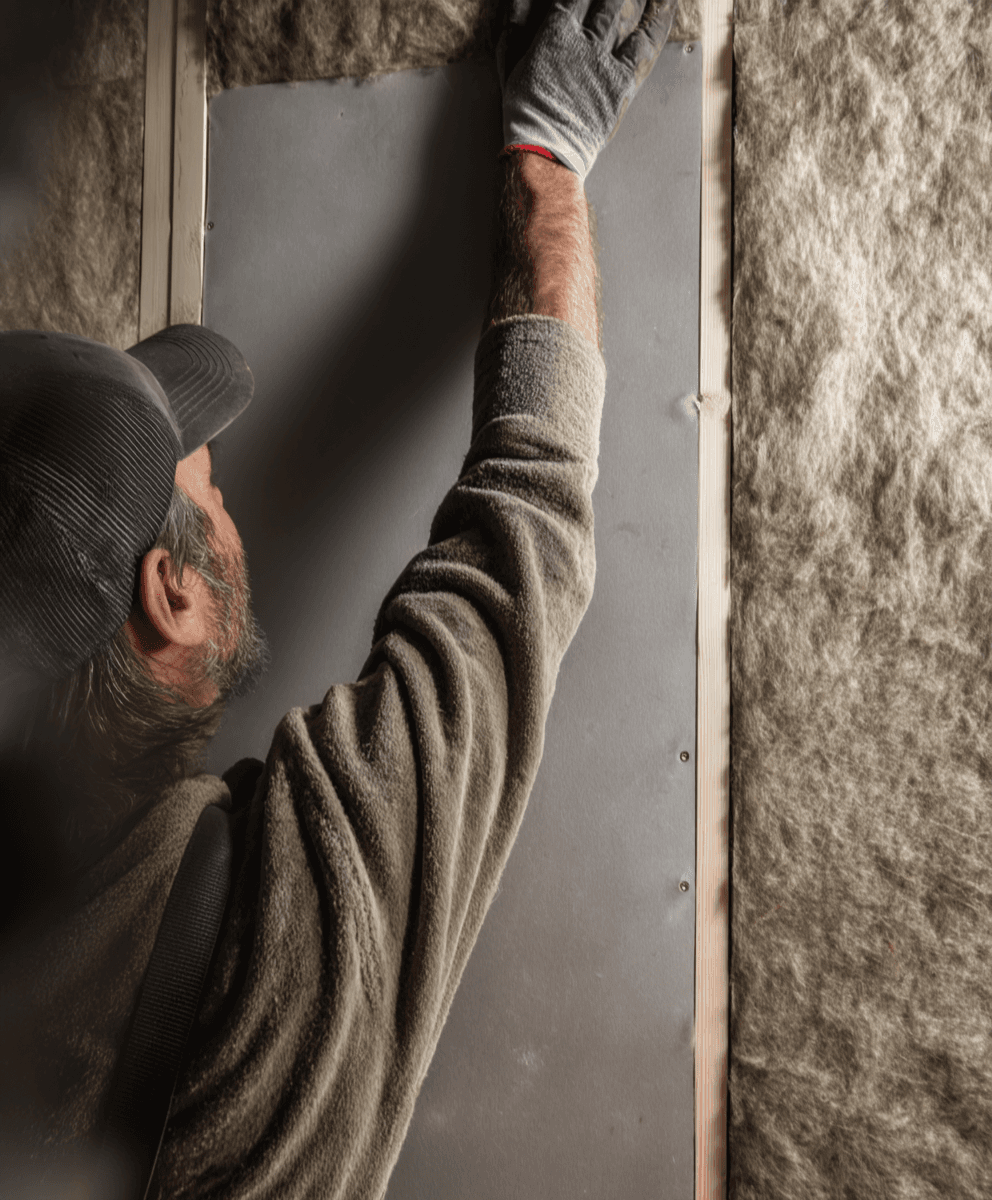
Whether you are finishing a basement, repairing the walls of an older duplex after insulation work, or completing a self-build project, drywall installation is an essential step in many renovation projects. In Quebec, the term “gypse” is commonly used to refer to what is more broadly called drywall, gypsum board or plasterboard elsewhere in Canada.
To plan your renovation budget effectively, looking only at square-foot pricing can feel abstract. Converting those rates into a price per drywall sheet is often a more concrete and transparent way to compare contractor quotes. This guide breaks down material prices at hardware stores, labour costs, finishing work, and the architectural and regulatory factors that can influence the final cost in Quebec and across Canada.
What Is the Cost of a Drywall Sheet in Canada?
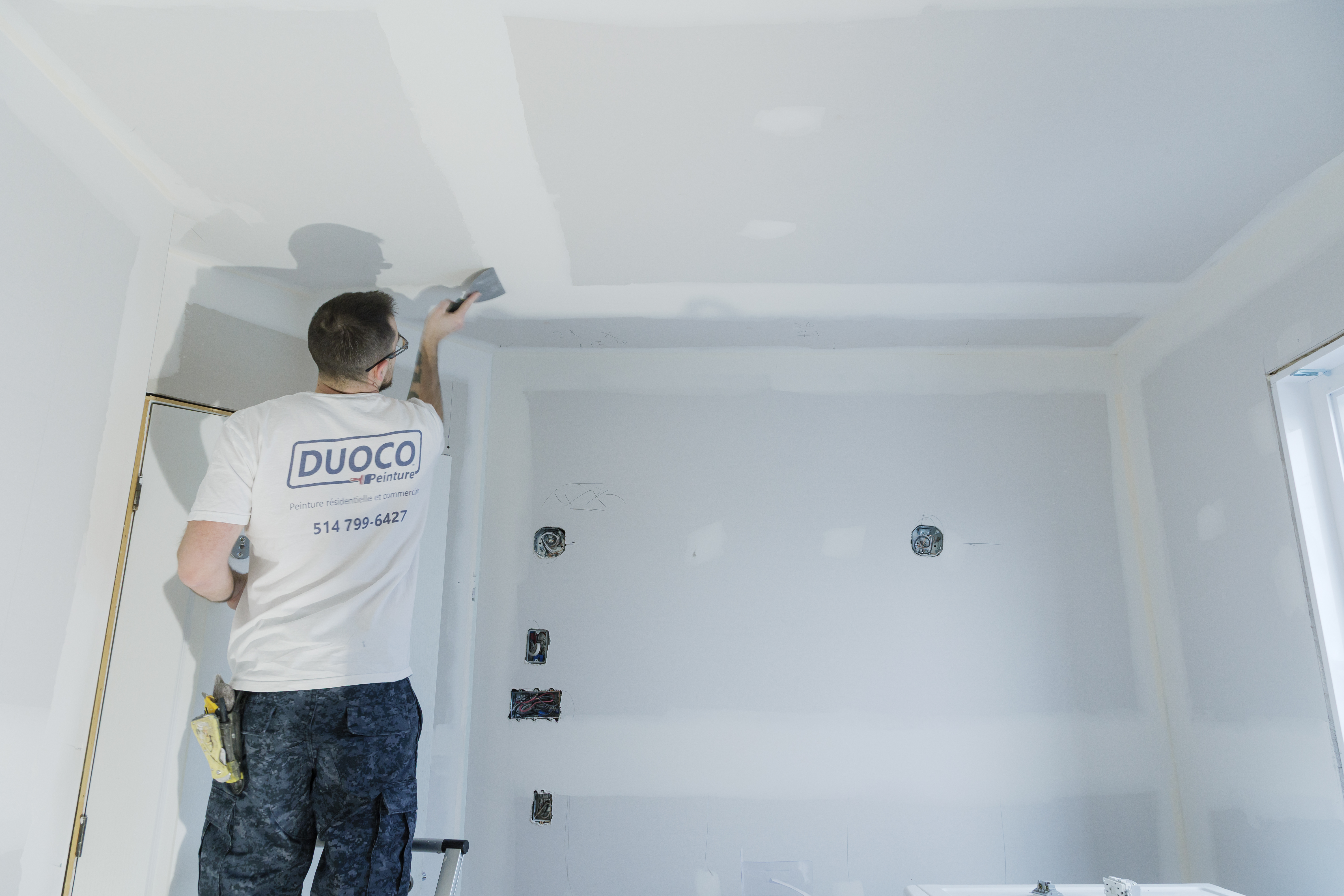
Source: DUOCO inc.
The initial cost of your project starts with the raw materials. Hardware stores across Canada offer a wide range of drywall panels for different uses. Prices vary slightly by retailer, province and region, but standard sheets generally fall within predictable ranges in 2026.
For a regular 1/2-inch drywall sheet in the standard 4 ft. x 8 ft. format, covering 32 sq. ft., the retail price is often around $11 to $15 per sheet, before applicable sales taxes. In Quebec, this pricing is common at major retailers, such as Canac, RONA, Patrick Morin and Home Depot. Elsewhere in Canada, prices may vary at Home Depot, Lowe’s/RONA, Home Hardware, Kent, local lumberyards and contractor supply stores.
Large projects requiring a high volume of sheets may sometimes qualify for small-volume discounts through contractor counters.
Regular Drywall vs. Moisture-Resistant and Fire-Rated Panels
The choice of drywall panel should not be based only on price. It should also reflect the room’s conditions, moisture exposure, fire-resistance requirements and applicable building rules. Canada’s climate, including cold winters, humid summers and seasonal indoor humidity changes, makes moisture management especially important in basements, bathrooms, laundry rooms and mechanical rooms.
Here is a comparison of common 4 ft. x 8 ft. drywall types.
Regular drywall, white or grey board: Usually priced around $11 to $15 per sheet, regular drywall is commonly used for walls and ceilings in dry rooms such as bedrooms, living rooms, dining rooms and hallways.
Moisture-resistant drywall, green board: Usually priced around $24 to $30 per sheet, this type of panel is treated to better resist ambient humidity. It is often recommended in bathrooms, laundry rooms and some basement areas exposed to humidity, depending on the room use and applicable requirements. Its composition resists moisture better than regular drywall, but it does not replace proper ventilation or moisture control.
Fire-rated drywall, Type X: Often sold in a similar or slightly higher price range than moisture-resistant drywall, Type X drywall is usually thicker, often 5/8 inch, and contains glass fibres to help delay flame spread. It is frequently used in assemblies such as attached garage ceilings, mechanical rooms and walls separating dwelling units. Fire resistance depends on the full assembly, including panel thickness, number of layers, framing, joints and fastening method.
Type of Drywall Panel, 4 ft. x 8 ft. | Average Unit Price, Before Tax | Recommended Use |
Regular drywall, 1/2 in. | $11 to $15 | Bedrooms, living rooms, dining rooms, corridors |
Moisture-resistant drywall, green board | $24 to $30 | Bathrooms, laundry rooms, some basement walls |
Fire-rated drywall, Type X, 5/8 in. | $25 to $35 | Garage ceilings, mechanical rooms, party walls or fire-rated assemblies |
How Much Does Labour Cost for Drywall Installation?
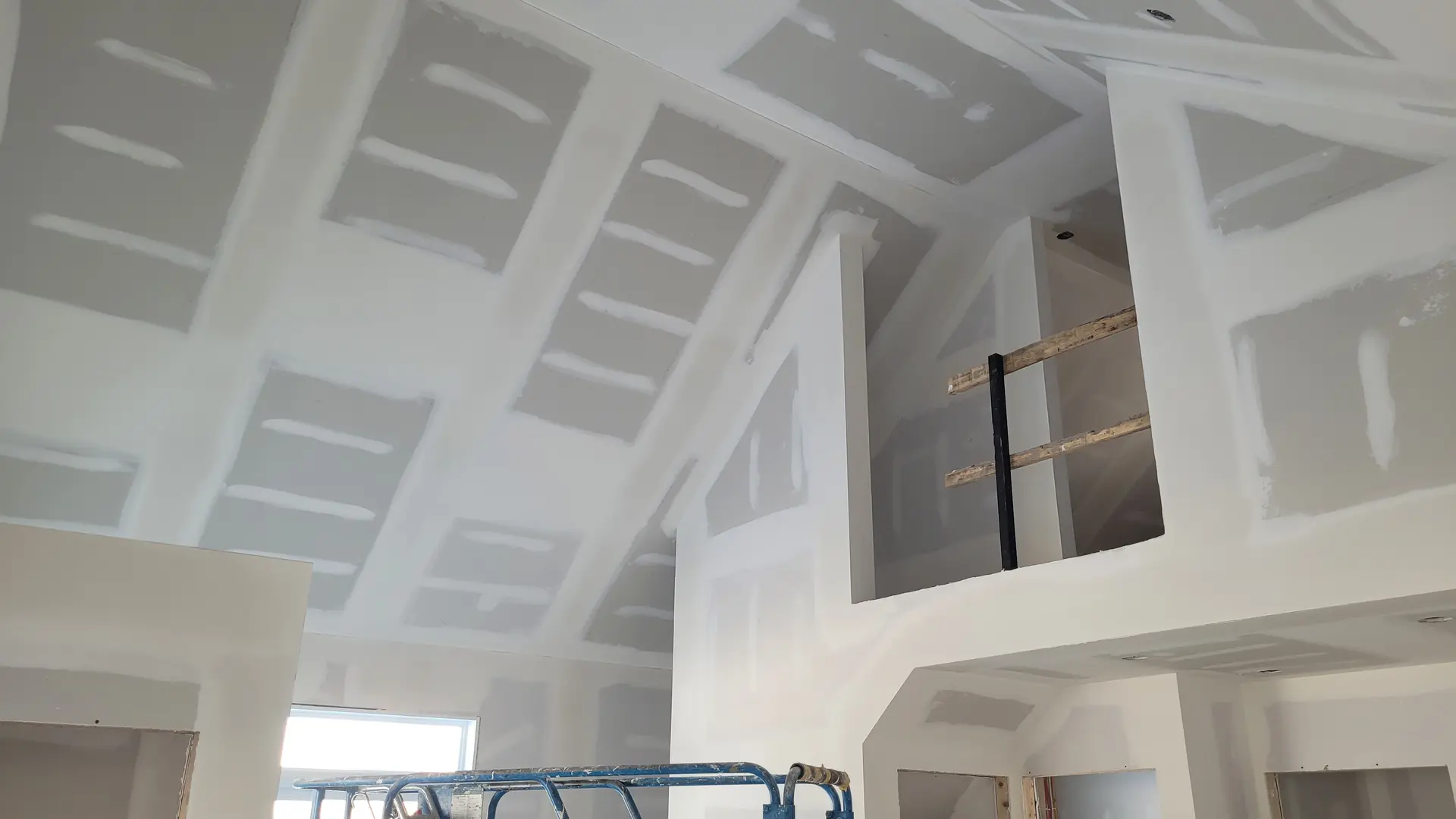
Source: Peinture Granby inc.
While drywall panels represent a fixed part of the budget, labour for installation and finishing is often the biggest variable. Installing drywall requires physical endurance and precision: lifting heavy sheets, making clean cuts around electrical boxes, and driving screws without breaking the surface all require experience.
Drywall contractors and finishers usually price projects based on the total surface area to be covered. Converting these rates into a per-sheet cost can make it easier to understand what each panel represents in the total quote.
Converting the Square-Foot Price Into a Per-Sheet Cost
Depending on project complexity, the cost of installation and finishing can vary significantly. As a general indication, a range of $1.00 to $4.00 per sq. ft. may be observed depending on whether the work involves simple hanging, taping, joint finishing, a complete finish, or a more complex site.
Once the sheet cost and related supplies are included, the total cost can often fall around $60 to $150 per sheet installed and finished, depending on project complexity. A price near the lower end of the range, around $60 to $75 per sheet, usually applies to simple work on flat, easily accessible surfaces. A price closer to the higher end reflects more complex layouts, difficult access, higher ceilings or detailed finishing.
To get a precise estimate based on your home’s layout, it is best to compare drywall quotes from contractors who hold the required licences or qualifications, where applicable.
The Key Step: Drywall Taping and Joint Finishing
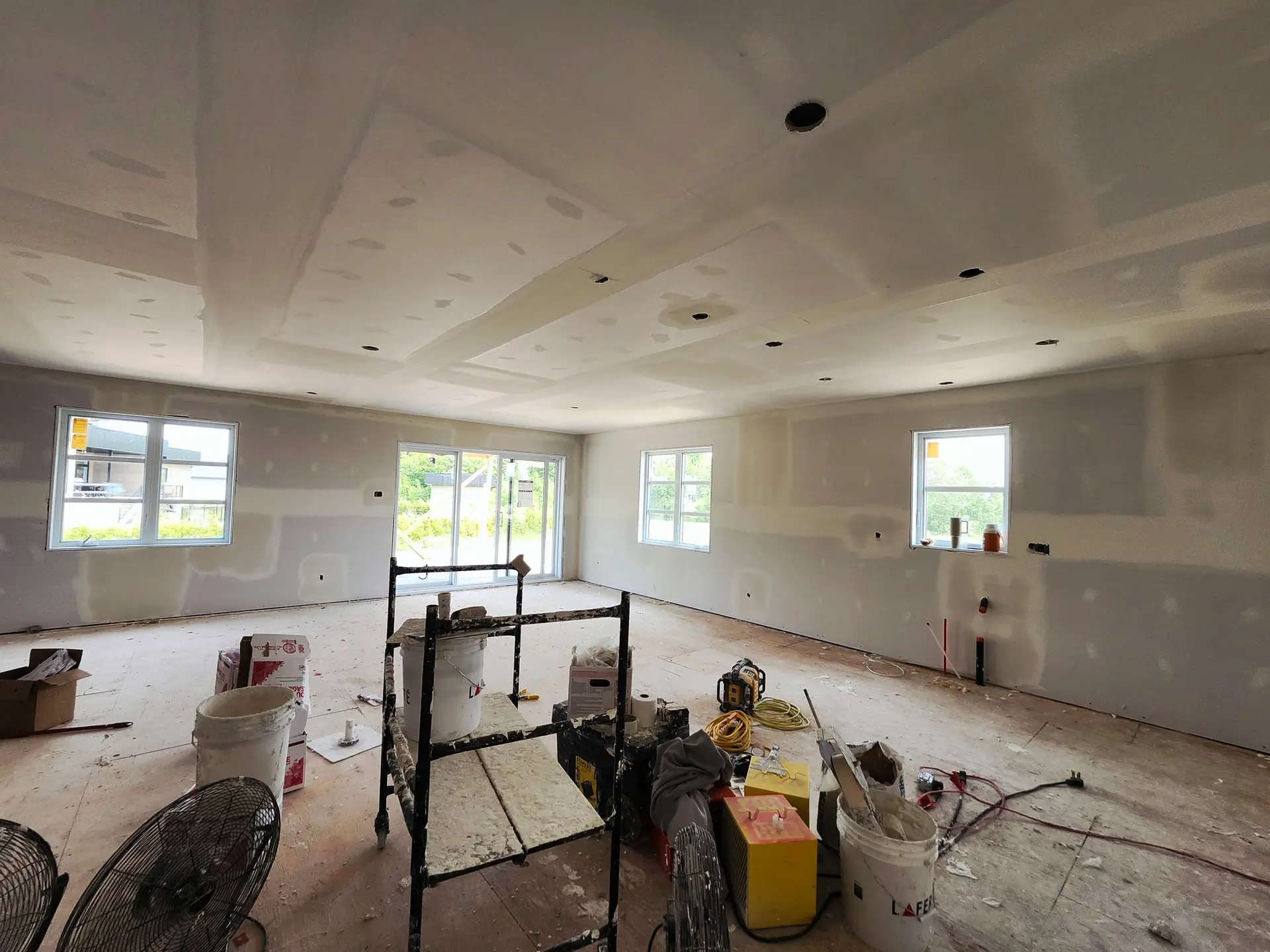
Source: Plâtr-A.G. Lemay Inc.
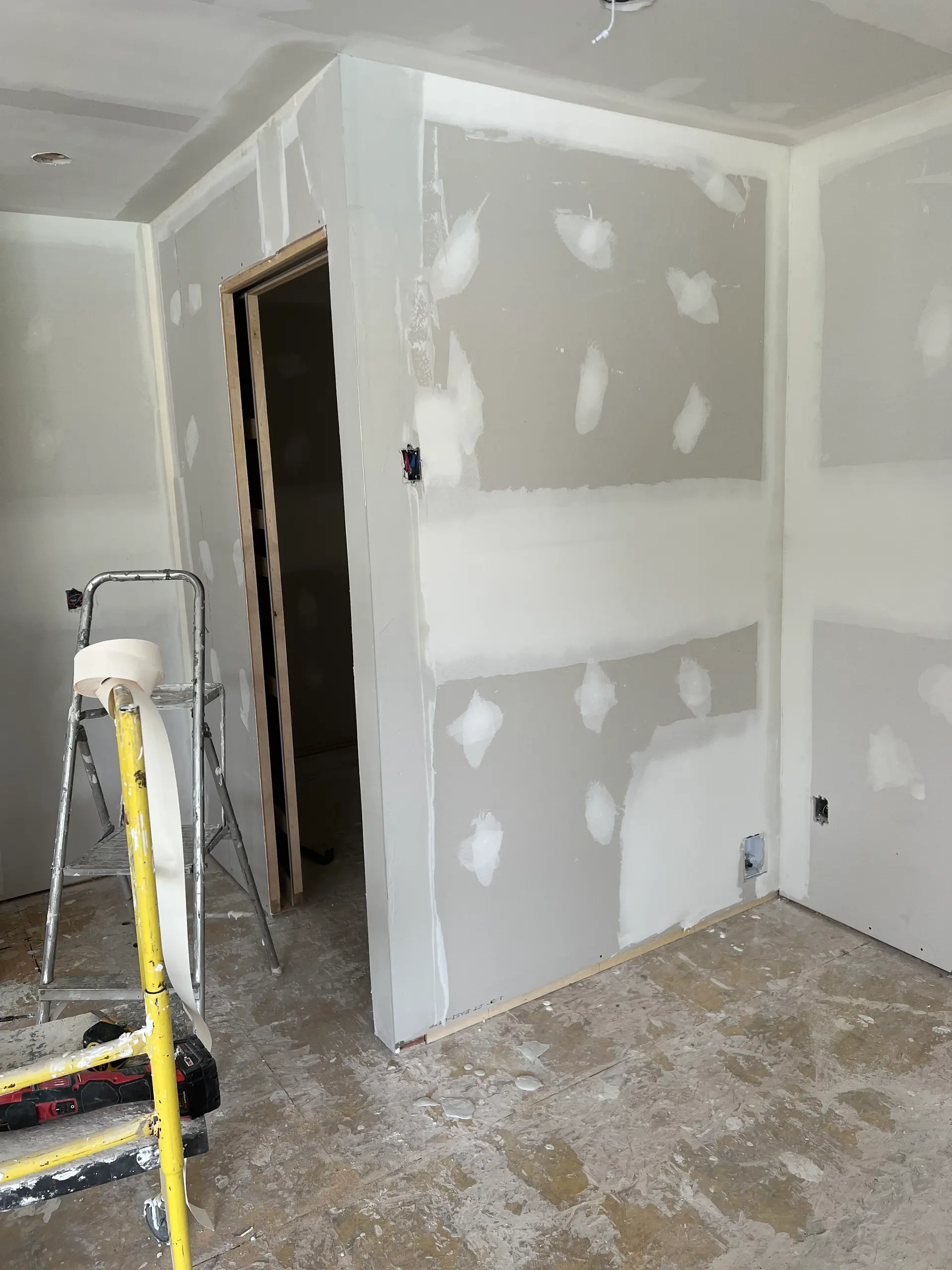
Installing the drywall sheets is only part of the process. An unfinished drywall wall is not ready for paint. This is where taping and joint finishing come in. The finisher’s role is to hide the transitions between drywall sheets and cover screw heads to create a smooth surface ready for primer and paint.
A standard drywall finishing process usually includes three coats of joint compound, commonly called “mud,” with drying time between each coat.
First coat, taping: The finisher applies joint compound into the seams, embeds paper tape or fibreglass tape, and smooths the surface to remove air bubbles.
Second coat, filling: Once the first coat has dried, a wider coat of compound is applied to soften the transition and hide the tape thickness.
Third coat, finishing: A thin finish coat is applied to correct the final small imperfections.
After the final coat dries, the finisher sands the joints using fine abrasive paper or sanding equipment. This step creates very fine dust and requires proper respiratory protection and dust control in adjacent rooms.
Drywall taping and finishing can represent a significant share of the total cost, sometimes around 35% to 50%, depending on project complexity and the level of finish requested. If you choose to hang drywall panels yourself to save money, hiring a professional finisher only for the taping stage can still be a smart investment to maximize your chances of getting a clean, even surface under paint and lighting.
Factors That Influence the Total Project Cost
Source: Plâtrier M.Clairoux inc.
Two residential projects requiring the same exact number of drywall sheets can still have very different total costs. Contractors consider several technical variables before preparing a formal quote.
Ceiling Height, Complex Cuts and Site Access
The architecture of your home directly affects the difficulty of the work.
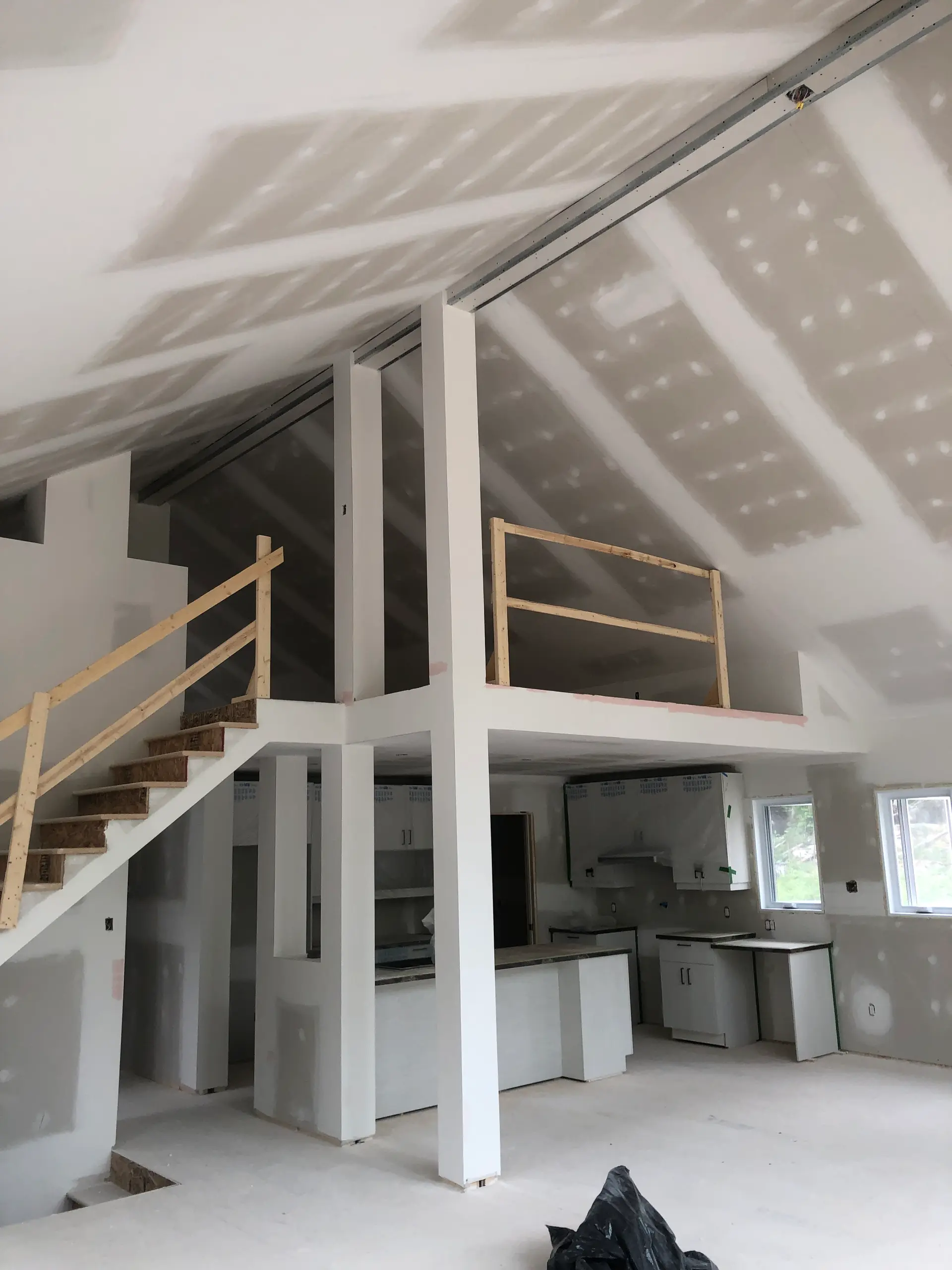
Ceiling height: Base rates generally apply to walls around 8 or 9 ft. high. If your rooms have cathedral ceilings, tall stairwells or skylight wells, the contractor may need scaffolding or drywall lifts. Installation slows down, which can increase the hourly rate or total price per sheet.
Complex cuts: A rectangular basement with long, uninterrupted walls can be closed in quickly. A room with many windows, unusual angles, bulkheads hiding ventilation ducts, or several recessed lights requires more detailed cutting. These details increase labour time and material waste. Contractors often allow a waste factor of about 10% to 15% extra drywall for cuts and offcuts.
Physical access to the site: Carrying 4 ft. x 8 ft. drywall sheets, which can weigh several dozen pounds each, through a narrow or spiral staircase, into a basement, up to a condo unit or through a tight exterior entrance takes more time and effort. If the layout prevents easy handling, labour costs may be adjusted upward.
Residential Rates vs. Regulated Construction Work
Rules for construction labour vary by province and by project type. In Quebec, the construction industry is more tightly regulated than in many other provinces, and the applicable rules can influence pricing.
Light residential renovation: If you are having work done in your single-family home or in a dwelling you occupy, labour rates are generally market-driven. In Quebec, it is important to verify that your contractor holds an RBQ licence when one is required.
Commercial, institutional and larger regulated projects: Some projects may be subject to specific construction-sector rules, depending on the province, building type, nature of the work and sector involved. In Quebec, some projects may fall under CCQ rules, which can involve workers holding competency cards and the use of rates set by applicable collective agreements. In other provinces, different labour, trade, permit or safety rules may apply. When in doubt, validate the status of the project with the relevant provincial body, municipality or a qualified professional.
How to Save on Drywall Work
Source: Les Rénovations Serge B Inc
Drywall installation requires a real budget, but several practical strategies can help reduce costs without sacrificing quality.
Handle preparation and material logistics: Contractors bill for the time spent emptying rooms and moving materials. Before demolishing old walls yourself, verify that there is no asbestos, mould, active electrical wiring or hidden plumbing. If you arrange drywall delivery through a hardware store, you may also coordinate delivery so the sheets are stored inside the home before work begins.
Shop materials strategically: Watch for flyers and seasonal promotions from major retailers in your province. Sales may appear on regular drywall, joint tape, screws and joint compound. Buying materials during promotions can help reduce the initial cost.
Use a hybrid approach: If you have good DIY skills and the right tools, such as a drywall screw gun and a quality utility knife, you may decide to hang 4 ft. x 8 ft. panels yourself with help from another person. You can then hire a professional drywall finisher for taping and joint finishing. This can reduce labour costs while improving the chances of a clean, uniform finish before painting.
Compare local quotes: Do not stop at the first estimate. Request at least three detailed quotes from local companies and compare what is included, such as screws, tape, joint compound, sanding of joints and cleanup. Contractor-matching platforms such as RenoQuotes can help connect you with qualified contractors near you.
Looking for something else?
Related articles
The latest industry news, interviews, technologies, and resources.
Amanda Harvey
•03 Nov 2025
Tiles come in all kinds of colours, shapes and sizes, keeping bathroom floors waterproof and beautiful. However, like any home surface, they need proper maintenance to uphold their elegance while preventing cracking, mould or mildew growth.
Léa Plourde-Archer
•15 Oct 2026
Changing your flooring is a significant investment, both in terms of time and budget. Before getting started, consider the material, colour, style, and installation method.

Editorial Team
•22 May 2026
In 2020 the underlying inspiration is to create lush spaces by transforming traditional designs with a modern twist and by making use of textures and material choices. However, attempting to integrate all the design options is not advised. Rather, take stock of your space and take some time to determine which colours and finishes would complement the existing space.

Editorial Team
•08 Nov 2023
Often on the blog, we discuss decor and design trends but we usually focus on the home front. This allows our readers to find inspiration to create the perfect layout for their interiors and exteriors. But what about those looking for ideas for their business?
Cynthia Pigeon
•01 May 2026
Upgrading to a smart electrical panel can help monitor energy consumption, prioritize loads, and better integrate an electric vehicle (EV) charger or solar panels. However, it does not always eliminate the need for a full electrical service upgrade. By intelligently managing loads, these systems can optimize your electricity costs during peak demand periods and enhance protection against overloads.