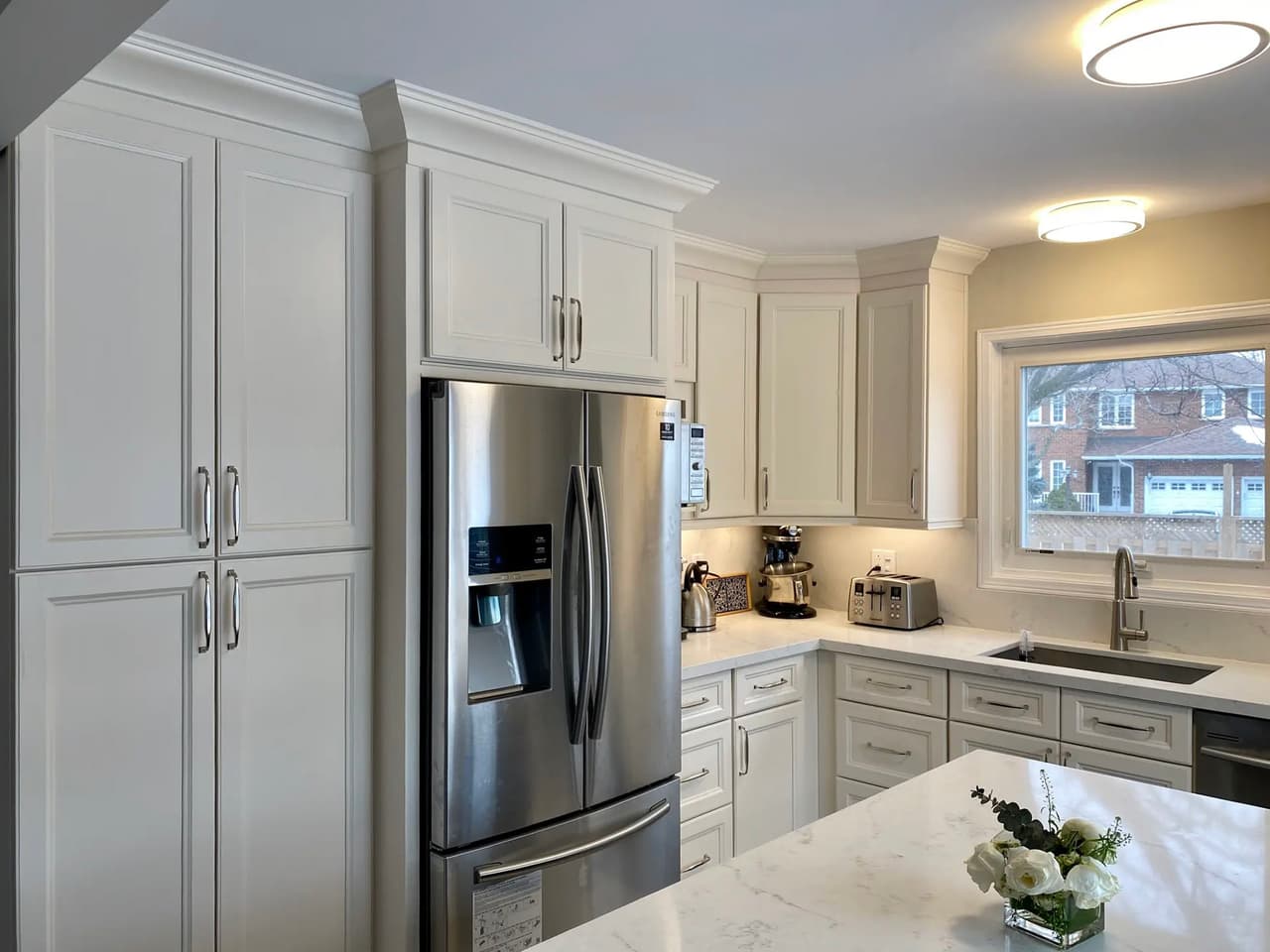
A refrigerator is the only major appliance that never gets a day off. Not on holidays. Not during heat waves. Not when the kitchen’s being renovated and the door’s opening every two minutes because someone is “just checking” what’s inside. It runs 24/7, quietly taking abuse, until it doesn’t.
When things do go sideways, having a reliable option for appliance repair in Montreal can save a fridge (and a week’s worth of groceries). But the bigger story is this: a lot of refrigerators don’t fail because they’re “old.” They fail because they’ve been forced to work in hard mode for years.
Ten extra years is not a magic trick. It’s mostly about reducing stress on the parts that cost the most to replace, especially the compressor and the sealed cooling system.
The 10-year idea: realistic, but not guaranteed
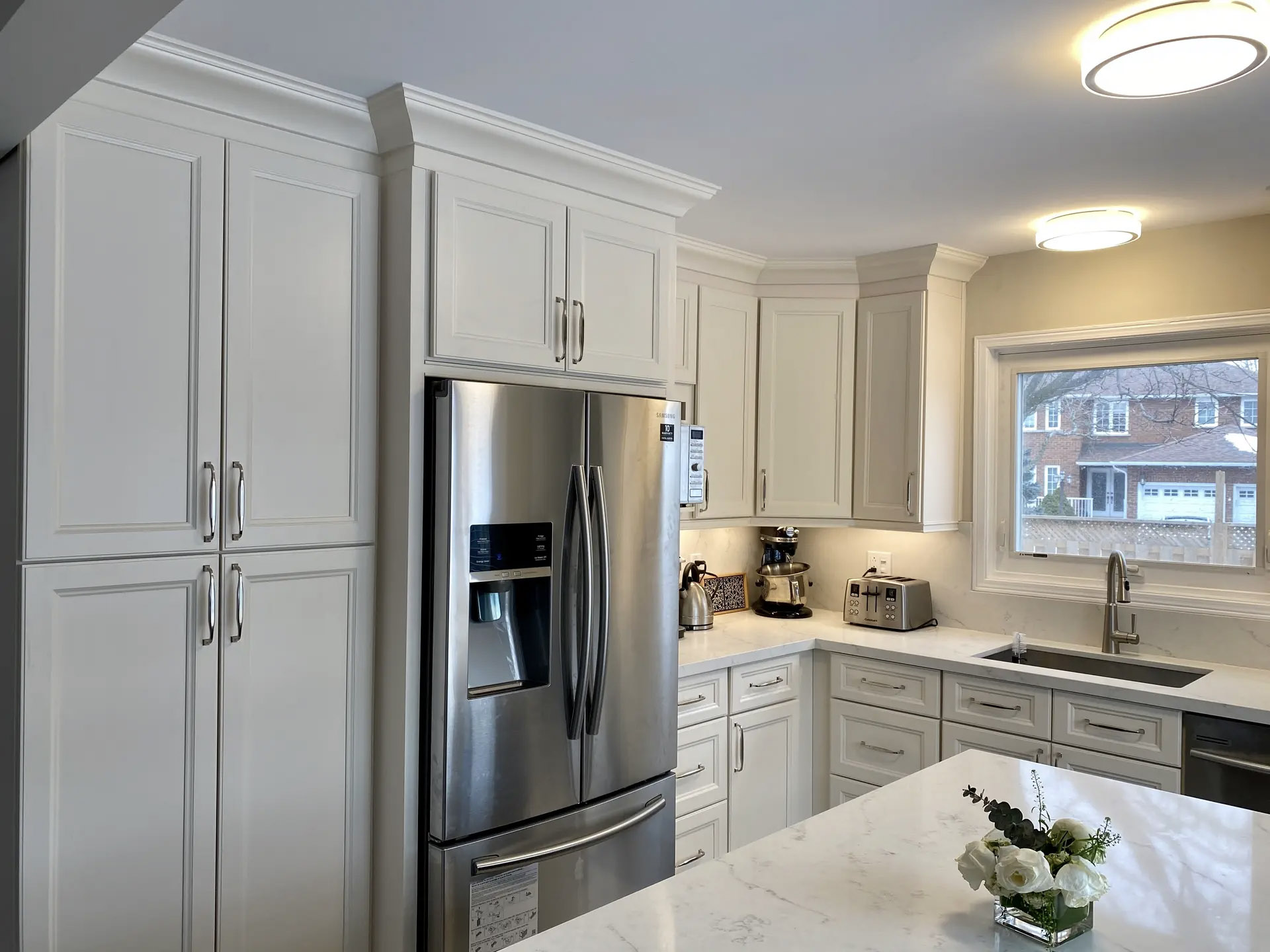
Source: Renolinx Inc.
Some fridges are built better than others. Some are installed in tight little cabinet cutouts with no airflow. Some live in homes with pets that shed like it’s their job. Conditions matter.
Still, adding years is very doable when the basics are handled. Most fridge-killers are boring:
heat that cannot escape
dust that blocks airflow
doors that don’t seal
ice buildup that chokes circulation
small leaks that become big problems
Boring is good news. Boring can be managed.
1) Let the fridge breathe (or it will cook itself)
A fridge needs to dump heat into the room. If it’s boxed in tight, the heat lingers around the condenser area and the compressor runs longer to compensate. Longer run time means more wear, and it’s that simple.
What “breathing room” looks like
Clearance requirements vary, but these rules usually hold up:
Don’t jam the back of the fridge hard against the wall.
Don’t pack the top tight under a cabinet if the model vents upward.
Keep the bottom front grille clear of dust bunnies, pet hair, and whatever ends up under there.
If the fridge’s exterior sides are consistently hot to the touch, that’s not “efficient.” That’s stress.
2) Clean the condenser coils like it’s a non-negotiable
Coils are where the fridge releases heat. When they’re covered in dust, the fridge can still run, but it has to work harder. That extra effort is what shortens lifespan.
No one posts coil-cleaning photos online. It’s not glamorous. It’s also one of the highest impact things a household can do for refrigerator longevity.
A sensible schedule
Every 6 months for most homes
Every 3 months if there are pets, heavy dust, or the fridge sits near the floor with lots of lint
A quick “coil cleaning kit” to keep nearby
vacuum with a brush attachment
coil brush (cheap and actually useful)
flashlight
a little patience for the tight corners
Unplug the fridge if needed, pull it out carefully, and clean what can be reached without damaging anything. Perfection is not the goal. Removing the thick layer is.
3) Treat the door gasket like a critical component (because it is)
A weak seal is a slow leak of cold air. Warm, humid air sneaks in. Humidity turns into frost. Frost blocks airflow. The compressor works longer. The fridge ages faster.
And yes, a fridge can run “fine” with a bad gasket for months. It just pays for it every single day.
Quick checks that tell the truth
Look for cracks, tears, or sections that are flattened.
Feel for sticky spots. Grime prevents a clean seal.
Do the paper test: close the door on a strip of paper and pull gently. If it slides out easily, that spot isn’t sealing well.
Easy maintenance that prevents bigger issues
Wipe the gasket with mild soap and warm water, then dry it. Also wipe the surface the gasket seals against. A gasket can be in decent shape and still leak if it’s sealing against crumbs and residue.
If the gasket is torn or warped, replacement is often worth it. It’s usually cheaper than chasing the energy waste and temperature instability it causes.
4) Stop “turning it colder” to fix problems

Source: Cuisine Econo-Concept ou Ebenisterie Econo-Concept
When a fridge feels warm, people crank the dial or tap the temperature down. Sometimes that creates a new mess: frozen produce in the fresh-food compartment and a compressor that never takes a break.
A refrigerator should be cold, not arctic.
A small fridge thermometer is more useful than it looks. Built-in displays can drift, and dial-style controls are basically guesswork. A thermometer also catches trouble early, when the fridge starts wandering outside the safe zone.
5) Keep airflow inside the fridge, not just around it
Inside the cabinet, cold air has to circulate. Block the vents and the fridge becomes a patchwork of microclimates. Frozen spinach at the back, lukewarm milk near the door. The thermostat reads one area while food lives in another.
The simplest rules
Don’t press containers hard against the back wall.
Keep vents clear in both fridge and freezer compartments.
If one spot keeps freezing, rearrange. It’s usually in the direct blast path.
Overstuffing is a common culprit. A fridge packed to the ceiling doesn’t “hold cold better” if the air can’t move.
6) Don’t ignore water pooling under the crispers
If you notice water pooling inside your refrigerator, it’s unlikely to be a mysterious leak. More often, the issue lies with the defrost drain. During routine defrost cycles, melted frost should flow through a narrow tube into a collection pan below. But when that drain becomes clogged or freezes, the system can’t do its job — water backs up, gathers beneath the drawers, or turns into ice again.
This is one of those problems that starts minor and gets expensive if it’s ignored.
What helps
Notice recurring water early and address it.
Avoid chipping ice with sharp tools. It’s an easy way to puncture liners and turn a small issue into a major repair.
Keep the fridge clean enough that debris is not constantly migrating into drain channels.
If heavy frost returns quickly after being cleared, it may not be a cleaning issue at all. It can point to a defrost system problem that needs diagnosis.
7) Be reasonable about hot food and long door openings
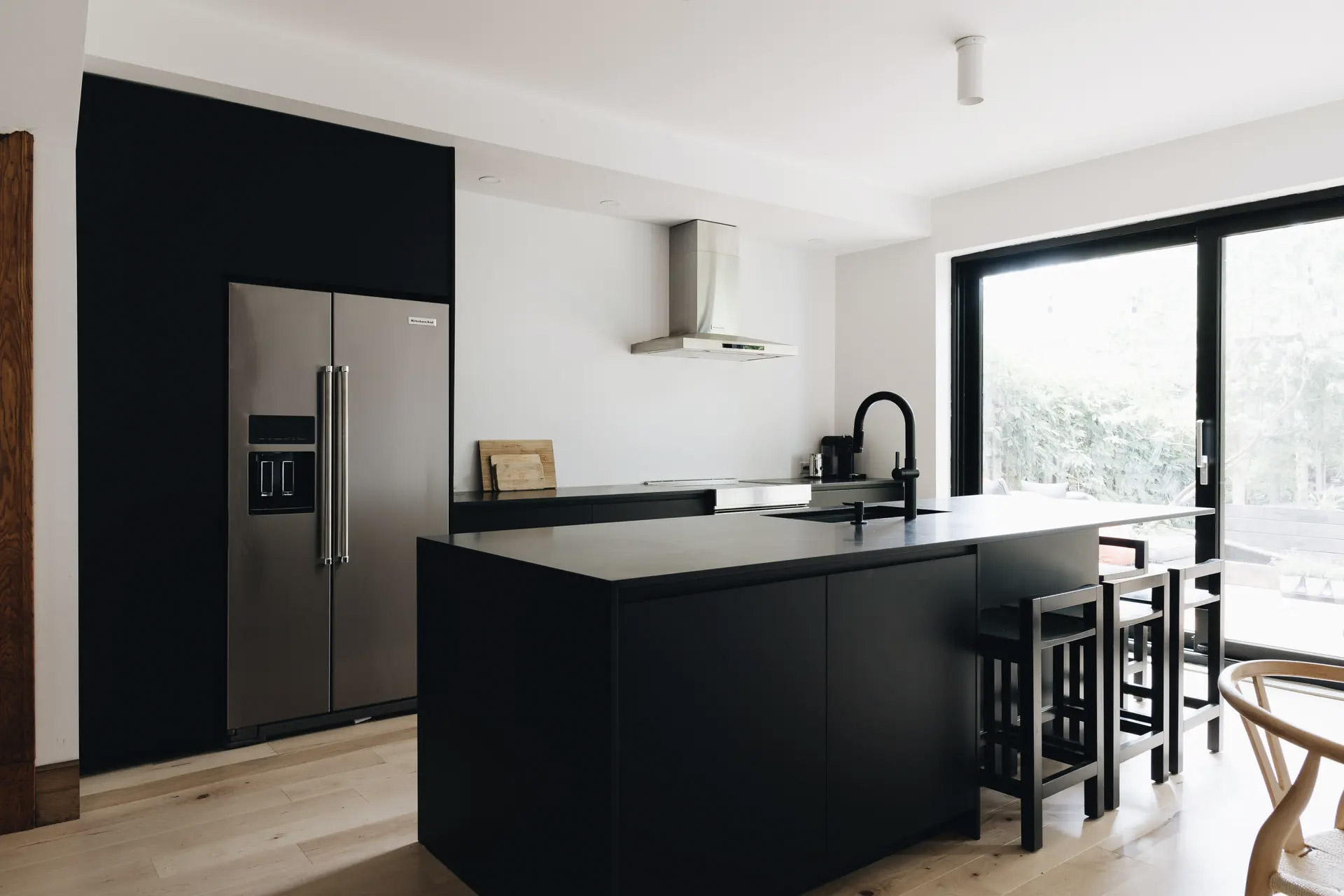
Source: Makay Construction
A refrigerator is not a blast chiller. Putting a steaming pot directly inside forces the unit to absorb a big heat load fast. It will do it, but the compressor will pay for it in runtime.
The same goes for standing there with the door open while deciding what to eat. That’s basically forcing the fridge to cool the kitchen.
Good habits that reduce workload:
Let hot food cool briefly before refrigerating (not for hours, just until it stops steaming heavily).
Cover liquids and uncovered bowls. Less moisture means less frost and fewer odors.
Keep “frequently used” items easy to reach so the door isn’t open longer than needed.
Small changes, big cumulative effect.
8) If there’s an ice maker or water dispenser, stay ahead of it
Water systems add convenience and failure points. Filters clog. Lines freeze. Fittings loosen. A slow drip turns into warped flooring if it’s ignored for months.
Signs the water side needs attention
ice cubes get smaller or hollow
water flow slows down at the dispenser
the fridge makes odd noises during fill cycles
dampness appears under or behind the unit
Replace the water filter on schedule, or sooner if flow drops. Also, check connections occasionally. Tiny leaks are sneaky and very expensive when they go unnoticed.
9) Protect the fridge from power drama
Modern refrigerators depend on a network of control boards and sensors, and they don’t always handle unstable power well. Voltage spikes can damage sensitive electronics, while outages put extra strain on the compressor when the unit starts up again - especially if the power cuts in and out several times.
In homes where such fluctuations are common, using a surge protector designed for large appliances isn’t just a precaution - it can help prevent costly repairs.
Not a basic power bar. Something designed for higher loads.
After an outage, it’s smart to verify temperatures instead of trusting that “it turned back on.” Food safety is not a vibe.
10) Catch the early warnings before the compressor suffers
A fridge usually complains before it fails. The problem is that the complaints sound like normal life: a little extra noise, a little extra frost, a little extra runtime. Then it tips into “not cooling,” and suddenly it’s urgent.
Red flags that deserve attention
compressor runs almost nonstop for days
new clicking, buzzing, or grinding noises that persist
freezer is fine but the fridge compartment warms up
recurring frost on the back wall or inside panels
water pooling inside or under the unit
temperatures drifting outside safe ranges
Waiting is tempting. It’s also how small serviceable problems become bigger ones.
A low-effort maintenance rhythm (the one people actually follow)
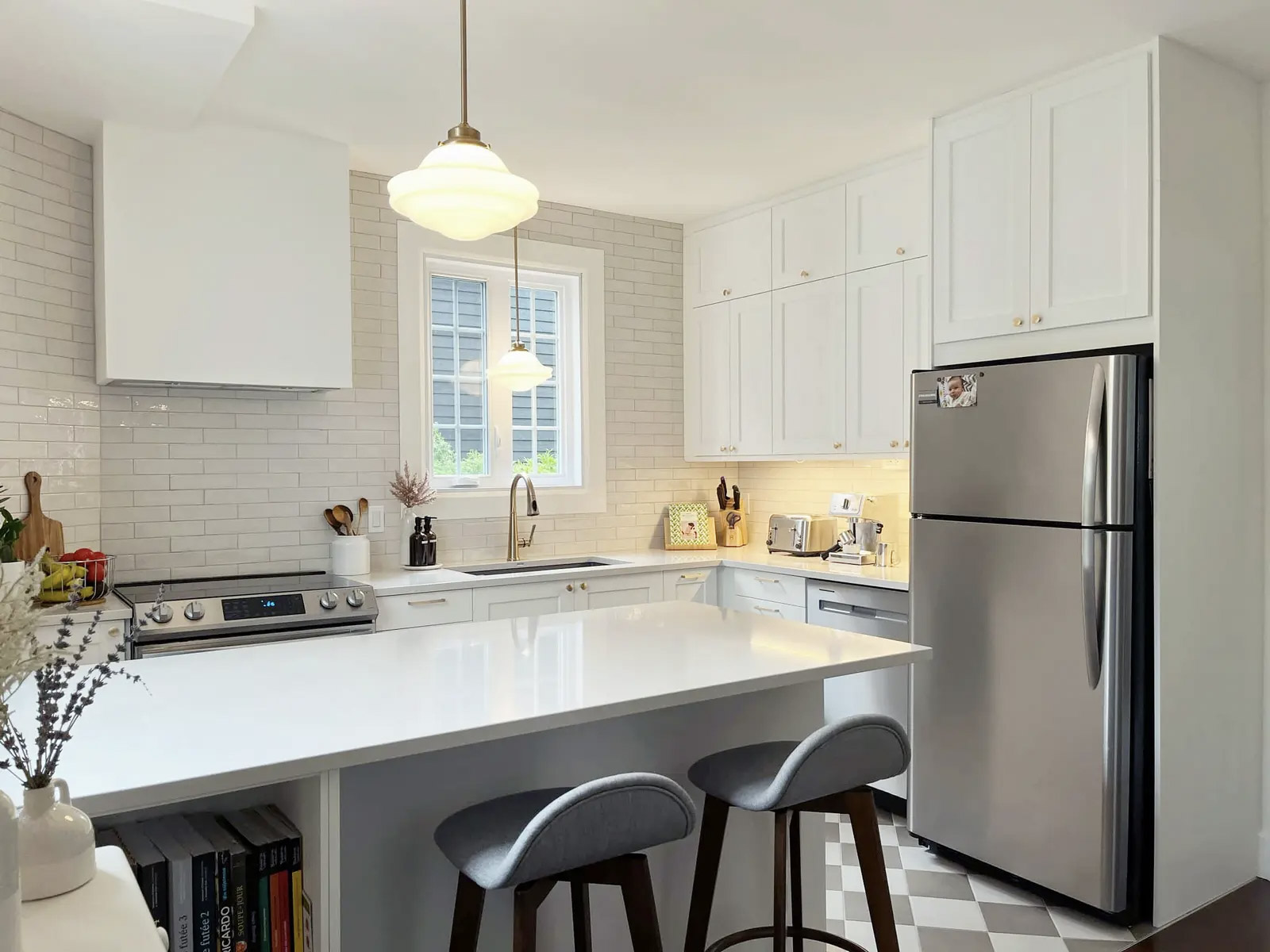
Source: La SHOP cuisine
This is not a complicated plan. It’s just consistent enough to keep the fridge out of trouble.
Monthly: wipe the door gasket and the sealing surface on the frame
Every 3 to 6 months: vacuum the condenser coil area and clear the front grille
Monthly: check that vents inside aren’t blocked by containers
Every 6 to 12 months: replace the water filter if the fridge uses one
Anytime: investigate new noises, recurring frost, or water pooling early
That routine does not guarantee a decade, but it dramatically improves the odds.
The takeaway
A refrigerator lasts ten extra years when it’s allowed to do its job without fighting dust, heat, leaks, and blocked airflow. Clean coils. Good seals. Stable temps. Clear vents. Basic moisture control. Nothing trendy, nothing complicated, just the boring stuff done on purpose.
And if the fridge is already showing warning signs, getting it checked sooner usually protects the expensive components. That’s the difference between a repair that makes sense and a replacement that arrives at the worst possible time.
Looking for something else?
Related articles
The latest industry news, interviews, technologies, and resources.

Cynthia Pigeon
•08 Nov 2023
The residential kitchen really has evolved through the years: it's kept up with design trends, new technologies, and the occupant’s habits. It used to be a gathering point where people spent hours cooking, cleaning, and socializing.

Editorial Team
•08 Nov 2023
Are you hoping to install tiles in your kitchen or bathroom? If choosing the tile pattern and size are initial questions on your mind, what about the technique used when laying tiles?

Editorial Team
•08 Nov 2023
Are your bedroom dimensions rather small? Although this situation requires us to show ingenuity and creativity, the fact remains that it’s possible to make even the smallest space both relaxing and grandiose.

Équipe éditoriale
•08 Nov 2023
It could easily be argued that the bathroom sink is the centrepiece of the room, setting the tone for how the room functions. You may not have given it too much thought, but the sink you choose for your bathroom should be picked in relation to your lifestyle.

Editorial Team
•13 Jun 2025
Sliding doors, or patio doors, are a wonder. They offer a beautiful view of the outdoors and easy access to your backyard, yard, or patio. Glass sliding doors can transform even the darkest and dullest of spaces. But how difficult is the installation process? If you have some experience under your belt with renovation projects, we’re confident you can complete this one in a day or over a weekend.