
Navigating the complexities of electrical licencing can be daunting. From understanding the requirements to completing the application process, aspiring electrical contractors often face various challenges. In this article, we aim to simplify the process and provide clear guidance on obtaining an Electrical Contractor's Licence in Ontario. Additionally, we shed light on the importance of licencing in ensuring safety and compliance with regulations enforced by the Electrical Safety Authority.
Electrical Contractor's Licence: Requirements and How-To

How Do You Become Certified in Ontario?
Be at least 18 years old.
Be a Master Electrician, or ensure that at least one Master Electrician is employed by your company at all times.
Maintain a service address in Ontario.
Carry public liability and property damage insurance with a minimum coverage of $2,000,000.
Register with the Workplace Safety and Insurance Board, if mandated under the Workplace Safety and Insurance Act, 1997.
Fulfill tax obligations by filing returns with both the Ministry of Finance and the Canada Revenue Agency. Additionally, any taxes, penalties, or interest under the Excise Tax Act, Retail Sales Tax Act, or the Corporations Tax Act must be paid or arrangements for payment must be made.
Have no outstanding debts to the ESA unless arrangements for payment have been established.
What Are Their Duties?
As a licenced electrical contractor, you'll be required to:
Ensure all electrical work complies with relevant laws, including the Electrical Safety Code, health and safety regulations, employment standards, consumer protection laws, and business tax and practices.
Designate one or more Master Electricians to perform electrical tasks on behalf of the contractor.
Will not appoint a Master Electrician who would simultaneously serve as the designated Master Electrician for multiple electrical contractors at the same time.
Do Electricians Absolutely Need to be Licenced in Ontario?
Yes, it is absolutely necessary. Obtaining a licence is mandatory for Electrical Contractors and Master Electricians to do electrical work for hire in Ontario.
Electrical Contractor Licence vs Master Electrician Licence
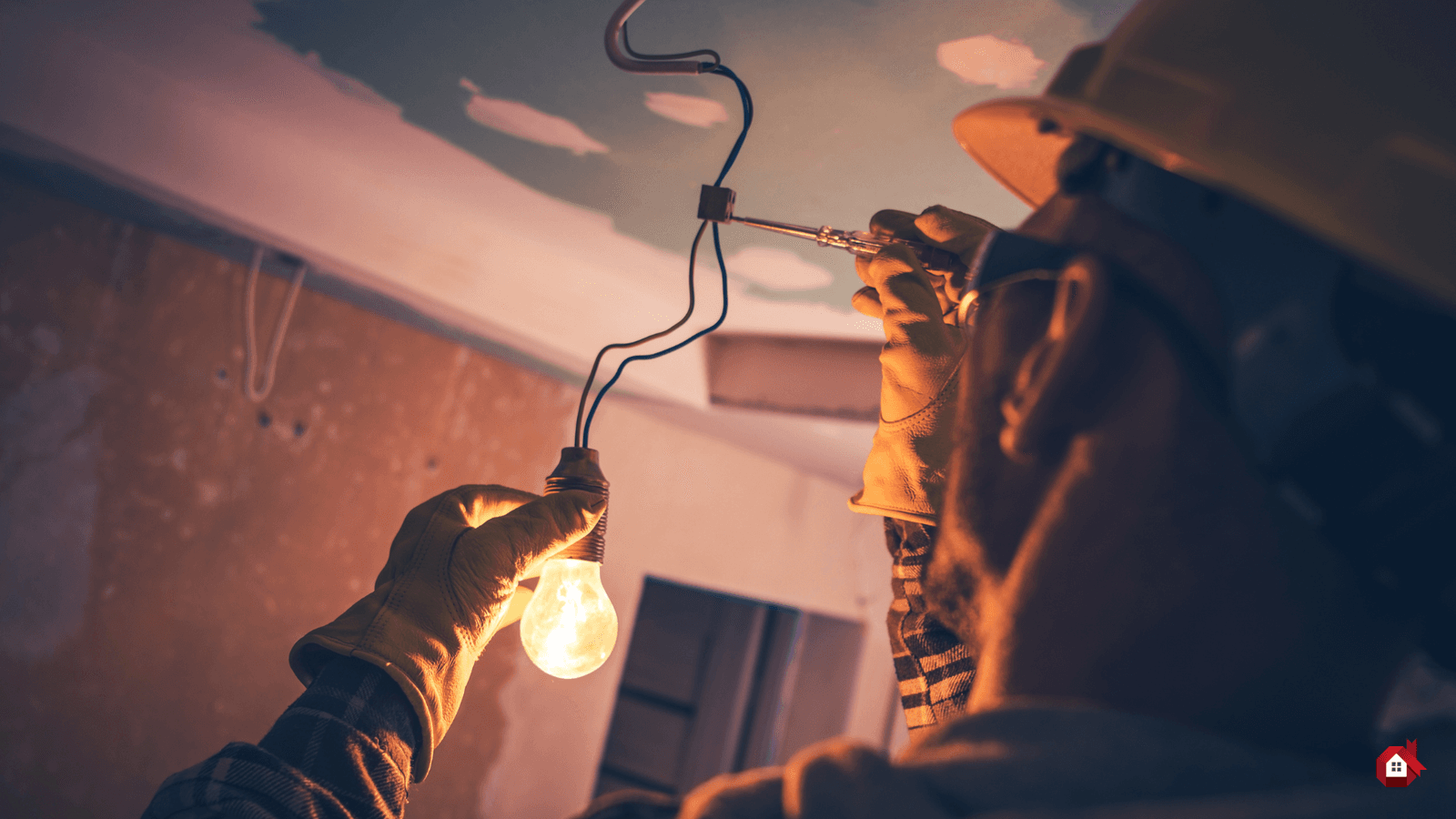
Licenced electrical contractors are either individuals licenced as master electricians or those who employ master electricians and are registered as contractors. They are required to maintain liability insurance, handle construction permits, provide project estimates, hire and supervise licenced electricians, and guarantee the quality of the work through a warranty. They can be sole proprietors or part of larger firms handling multiple commercial and residential projects.
In contrast, licenced electricians are typically the professionals performing the electrical work under the supervision of electrical contractors. New construction projects specifically require a licenced electrical contractor to oversee and/or execute the work, ensuring compliance and safety standards are met.
What Is the Electrical Safety Authority (ESA)?
The Electrical Safety Authority (ESA) regulates and promotes electrical safety in Ontario, aiming to create an environment where people can live, work, and play safely without electrical hazards.
To achieve this, ESA anticipates, identifies, and targets the leading causes of electrical-related harm; verifies compliance with Part VIII of the Electricity Act and its associated regulations; promotes awareness, education, and training to inform the public about potential electrical risks; and collaborates with Licenced Electrical Contractors, utilities, manufacturers, safety partners, and other stakeholders to enhance electrical safety across Ontario.
Looking for something else?
Related articles
The latest industry news, interviews, technologies, and resources.

Editorial Team
•02 Dec 2023
Have you ever thought about hiring labourers from foreign countries to offset the labour shortage, acquire new talent, or diversify your team? If so, it could be a great entrepreneurial strategy.
Editorial Team
•08 Oct 2025
Becoming a boilermaker means working for the aeronautical and aerospace industry, for petrochemical companies, within the nuclear and cryogenic fields, with renewable energy, and more.
Editorial Team
•30 Apr 2026
Although many tend to explore the boundaries of personal style in their home’s interior, the exterior surfaces are a direct extension of your design preferences. Curb appeal has a real impact on the resale value and overall allure of a home.

Editorial Team
•21 Jan 2025
Renovating a house is an essential step for preserving and increasing property value while ensuring the safety and comfort of occupants. Amongst large-scale renovation projects, lifting or raising a house is highlighted by its numerous upsides, whether done as a flood prevention measure, to increase the dwelling’s square footage, or to fix structural problems. Albeit this technical process may seem complex, with proper preparation and the right professionals, it makes for a durable and advantageous solution.

Editorial Team
•13 Mar 2024
Glass is beyond fragile, and at one point in time, any of your window panes could crack or even shatter, allowing outside air to filter into your home. A broken window pane can result from debris kicked up by the wind or from a rock colliding with your glazing. Regardless of the damage, repairing the glass pane as soon as possible is the best way to go.