Preventive Maintenance for Residential Plumbing: Why Waiting for an Emergency Costs More
By Editorial Team
Updated on February 9, 2026
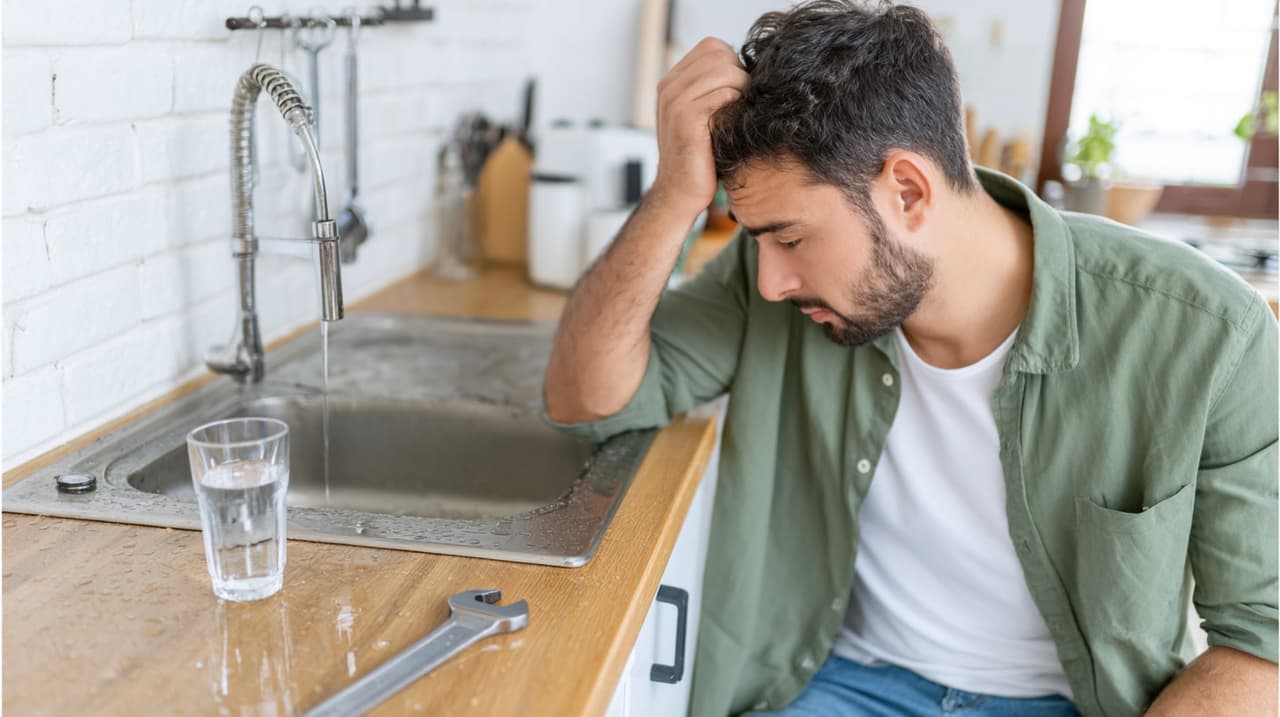
In a home, plumbing is like the circulatory system of the human body—mostly hidden, but essential for daily life. Yet too often, we only pay attention to pipes, faucets, or water heaters when something goes wrong—like a leak or, worse, a flood. Waiting for a plumbing emergency doesn’t just add stress—it also hits your wallet much harder.
Get Your Project Started Today
Submit your details and receive three free quotes from trusted contractors.
Regular maintenance for residential plumbing helps you avoid critical situations, extend the life of your fixtures, and save money in the long run. In this article, we’ll explore why preventive plumbing maintenance is a wise move, what warning signs to watch for, and how to adopt simple habits to protect your home.
Understanding the Importance of Preventive Plumbing Care
Source: Reno Quotes
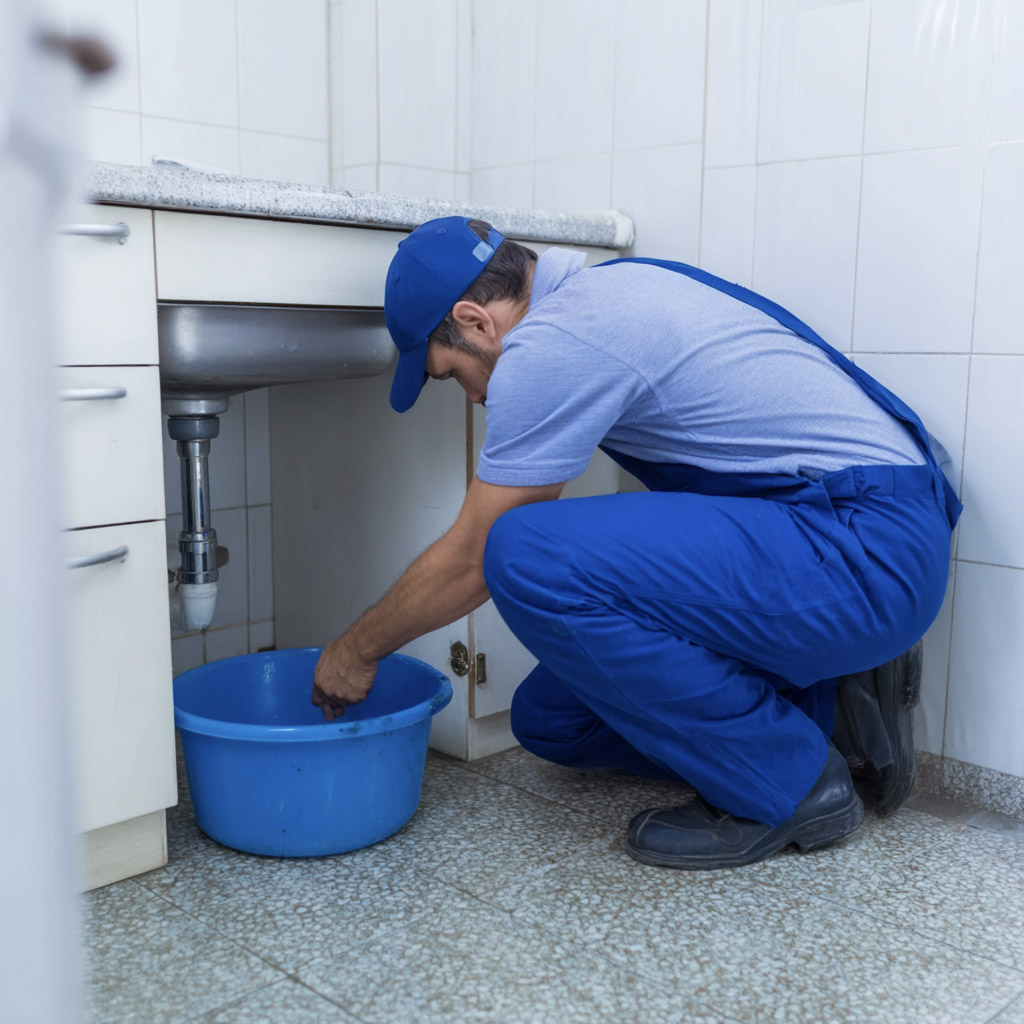
Preventive plumbing maintenance isn’t optional—it’s a smart strategy to protect both your home and your finances. Unlike costly emergency repairs that happen without warning, regular check-ups help spot problems early, before they escalate.
The Hidden Costs of Emergency Repairs
When a water leak happens in the middle of the night or during a long weekend, you usually have to call emergency plumbing services—at premium rates. Emergency calls can cost up to 50% more than standard rates. On top of that, water damage to floors, walls, and furniture can quickly surpass the cost of the initial leak. In contrast, routine plumbing check-ups can detect weaknesses before they become serious, sparing you unexpected expenses and logistical headaches.
Preserving the Value of Your Property
Well-maintained plumbing adds to your home’s value. Whether you're thinking of selling or just keeping things in top shape, healthy pipes, a working water heater, and leak-free faucets inspire confidence in buyers and inspectors alike. On the flip side, neglecting plumbing maintenance can negatively impact your home’s value—especially if it leads to major repairs due to long-term neglect.
Early Warning Signs That Your Plumbing Needs Attention
Before a leak turns into a flood or a clog shuts down your home’s drainage, your plumbing system often sends out subtle—but clear—signals. Learning to recognize them is a key part of effective preventive maintenance.
Common Signs That Are Often Overlooked
Plumbing problems don’t usually appear overnight. A drop in water pressure may signal a leak or scale buildup in pipes. Slow drainage in several sinks could indicate a clog in the main sewer line. Unusual sounds—knocking, whistling in the walls—can be signs of water pressure issues or loose pipes.
Moisture: The Silent Enemy
Water stains on walls or ceilings are a major red flag—they often mean a hidden leak. If they come with a musty smell, water may have been sitting long enough to grow mould. Acting at this stage can help avoid expensive renovations. Preventive plumbing maintenance includes regular visual inspections to catch these issues early.
Best Practices for Effective Residential Plumbing Maintenance
Effective maintenance isn’t about one-off fixes—it’s about creating a structured, proactive routine. Focus on the most vulnerable components and check them regularly. The goal is to prevent problems before they happen.
This means regular homeowner vigilance and, most importantly, scheduled professional inspections. This two-tier approach is the backbone of true preventive care for your plumbing system—protecting your comfort, your wallet, and your home’s integrity.
Keep an Eye on Vulnerable Fixtures
A dripping faucet or a leaky toilet tank might seem minor, but they can waste hundreds of litres of water every month—and drive up your water bill. A quick monthly check can help catch these early. Replacing a worn washer or adjusting the flush mechanism is inexpensive and makes a big difference.
Dishwasher and washing machine supply hoses—often forgotten—should also be inspected regularly. If they’re worn out or loosely connected, they can burst without warning and flood your home.
Include Pipe Inspections in Your Maintenance Routine
Clogs usually result from slow buildup of hair, grease, soap, and food waste—not sudden events. DIY remedies like baking soda and vinegar often don’t work as well as expected. A professional plumbing maintenance service can thoroughly clean your pipes, identify high-risk areas, and prevent issues before they become serious.
Seasonal Plumbing Maintenance: Protecting Your Home Year-Round
Seasons pose different challenges for your plumbing. In winter, sub-zero temperatures can freeze exposed pipes. In spring and summer, you might deal with humidity, pressure fluctuations, or general wear and tear. Seasonal maintenance helps you prepare for these issues and safeguard your system year-round. Instead of waiting for a breakdown, schedule inspections—especially before winter—to ensure your system can handle extreme conditions.
Winter-Proofing Your Plumbing
In Quebec and other cold regions of Canada, winter poses a serious threat to plumbing systems. Uninsulated pipes can freeze and burst, causing major water damage. Don’t risk makeshift solutions—have a professional prepare your plumbing for winter. Preventive maintenance includes insulating vulnerable pipes (especially in garages, basements, and attics) and ensuring they’re properly protected.
When to Call a Professional
Source: Reno Quotes
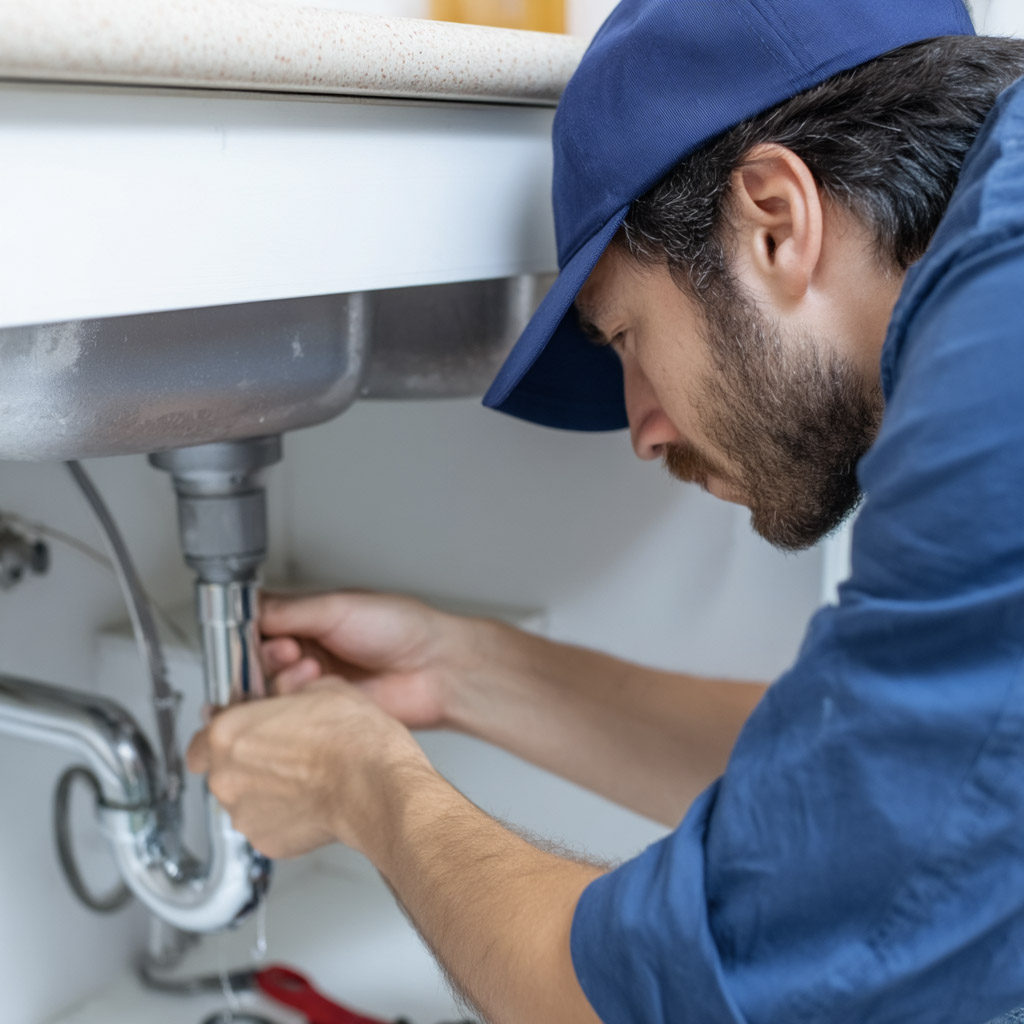
Call in a pro whenever your situation goes beyond basic maintenance—or when you’re unsure about your plumbing’s condition. For instance, during renovations (like redoing a bathroom), only a licensed plumber can ensure everything meets code and is done safely.
If you notice strange signs—low water pressure, multiple slow drains, damp spots—a specialized inspection (like a camera inspection) can help find hidden issues in your pipes or sewer line. Adding these services to your maintenance routine helps prevent costly emergencies and damage.
Protecting Your Home Means Planning Ahead—with a Pro
Waiting for a plumbing emergency is like driving thousands of kilometres without servicing your car. Eventually, it’ll cost you more—and probably at the worst possible time.
Contrary to popular belief, preventive maintenance isn’t a handful of random tasks you can DIY. It involves attentively watching for warning signs and, more importantly, having a certified professional inspect and maintain your system regularly.
An experienced plumber can:
Inspect vulnerable points
Check your water heater
Adjust water pressure
Winterize your plumbing
Detect hidden leaks with specialized tools
These services are modest in cost compared to emergency repairs—but they require skill, precision, and code compliance. By investing in quality preventive care, you’re protecting your home from water damage and your budget from surprise expenses.
Protecting Your Home Means Planning Ahead with a Professional
Waiting for a plumbing emergency before taking action is a bit like driving thousands of kilometres without ever servicing your car. Sooner or later, it ends up costing far more—and often at the worst possible time. Contrary to popular belief, preventive residential plumbing maintenance isn’t a series of simple tasks you can easily improvise on your own. It relies on careful monitoring of early warning signs and, above all, on regular service carried out by a qualified professional.
An experienced plumber can inspect vulnerable areas, check the condition of your water heater, adjust water pressure, protect pipes before winter, and detect hidden leaks using specialized tools. These services, while modest compared to the cost of an emergency repair, require expertise, precision, and compliance with current standards. By investing in thorough preventive maintenance, you protect not only your home from water damage, but also your budget from unexpected repairs. Planning ahead ultimately safeguards your comfort, your safety—and your peace of mind.
Looking for something else?
Related articles
The latest industry news, interviews, technologies, and resources.

Collaboration
•11 Mar 2026
There’s something satisfying about fixing things around the house yourself. Whether it’s tightening a loose handle or patching up a hole in the wall, doing it yourself can save money and give you a sense of pride. But plumbing is a different beast. Water damage happens fast, and sometimes what looks like a simple job can turn messy quickly.

Editorial Team
•13 Oct 2026
A whole house water filter installs on your main water line where it enters the home, treating every litre before it reaches a tap, shower, washing machine, or water heater. That whole-home coverage is what separates it from a pitcher or an under-sink unit, and it's why homeowners dealing with sediment, chlorine taste, rust stains, or well water tend to end up considering one.

Editorial Team
•09 Feb 2026
As a budding young contractor, you know better than most that the building industry is constantly evolving—and that success isn’t just about mastering tools and techniques. It’s also about preparing strategically for the upcoming renovation season. New materials, updated codes, emerging technologies, and changing regulations mean that professional know-how is never static; it grows through continuous learning, practical experience, and smart business planning.
Editorial Team
•20 Oct 2026
Only about a hundred years ago, homes had no water heaters, and hot water from the tap simply didn’t exist. Water was usually heated in a container over a fire, a far cry from the instant, temperature-controlled supply we now take for granted.
Editorial Team
•06 Feb 2025
When designing a luxury kitchen, nothing is done haphazardly. From material to colours, with layout and finishes in between, everything is thoughtfully crafted. From the most minute detail, everything counts when building a dream kitchen. Are you looking for ideas for designing your custom-built, high-end kitchen? Keep reading for key insight!