Cost to Move Bathroom Vanity Plumbing in Canada: 2026 Price Guide
By Cynthia Pigeon
Updated on April 28, 2026
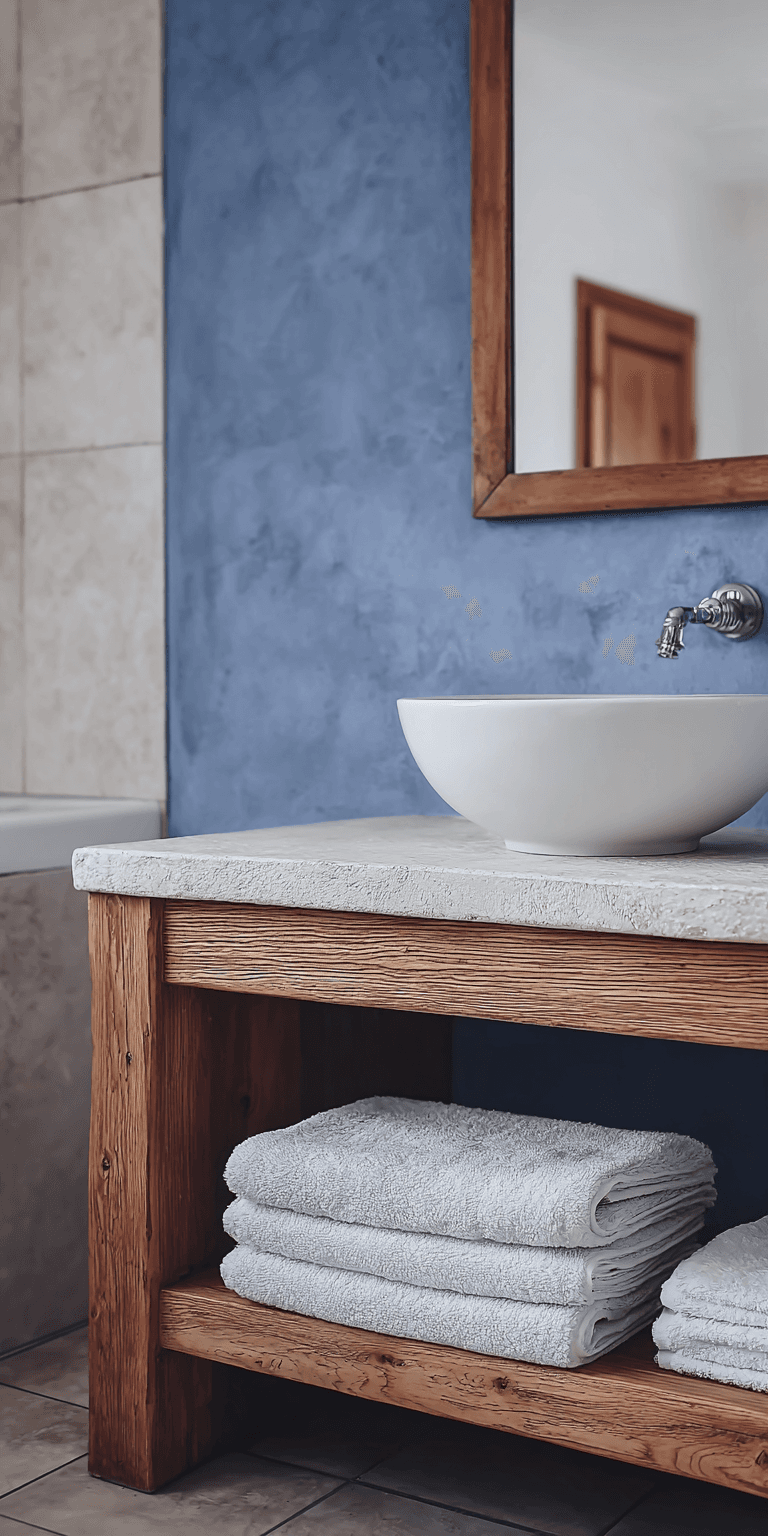
In Canada, moving the plumbing for a bathroom vanity typically costs anywhere from a few hundred to several thousand dollars, depending on accessibility, relocation distance, and finishing work required. Costs increase significantly if drains, vents, or flooring systems must be modified—especially when transitioning from a concrete slab to a wood-framed floor. Plumbing work must be carried out by a licensed professional in accordance with provincial regulations.
How Much Does It Cost to Move Vanity Plumbing in Canada?
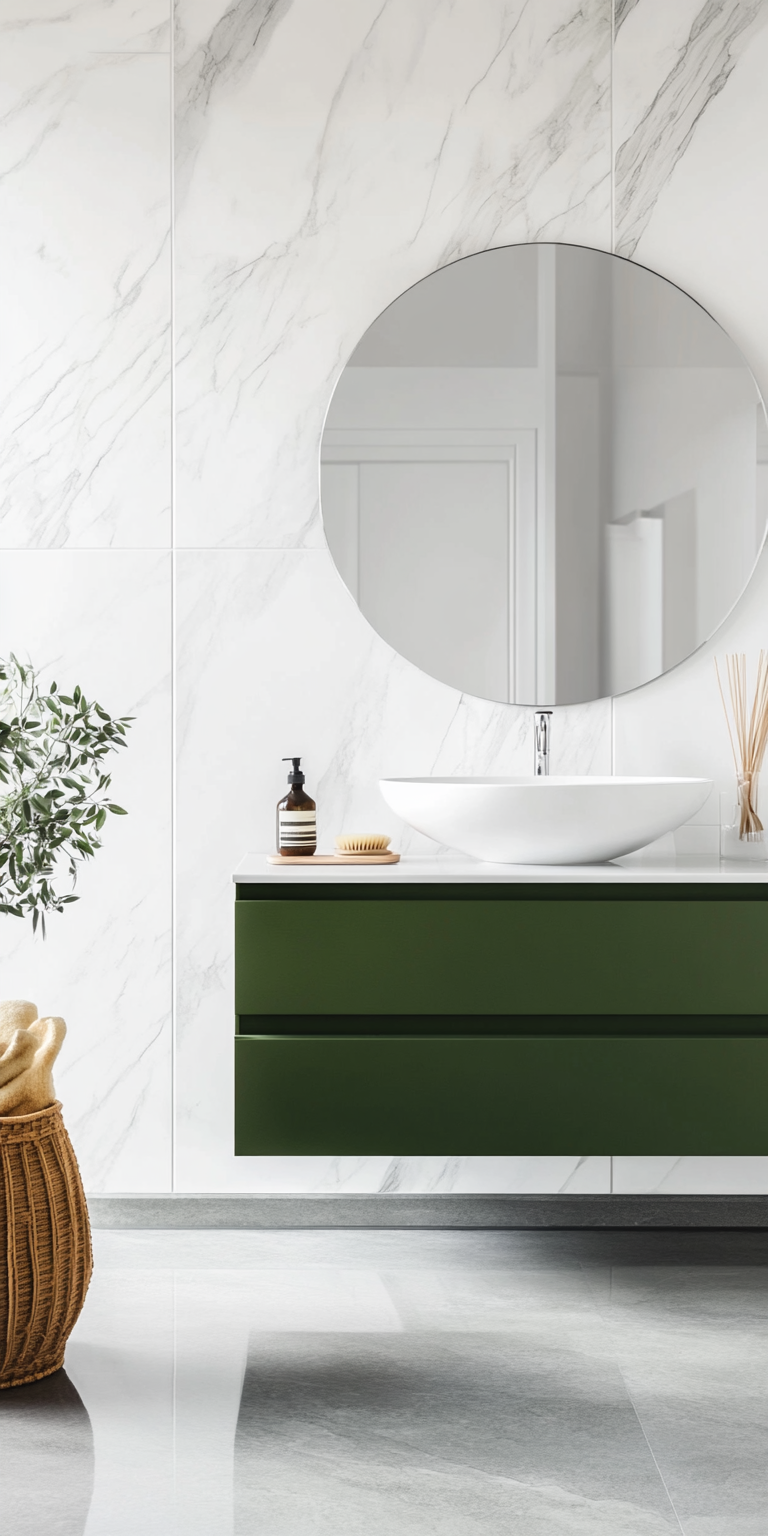
Source: RenoQuotes
Bathroom renovations remain one of the most valuable upgrades for Canadian homeowners—but also one of the most technical. Moving a vanity’s plumbing is not as simple as extending a pipe. This type of work directly impacts your home’s drainage and venting systems.
For a full vanity relocation project—including labour, materials, and finishes—homeowners should expect a total investment ranging from $18,000 to over $55,000. This wide range reflects the complexity behind the walls: relocating hot and cold water lines, and more importantly, modifying the drain and venting system. Across Canada, plumbing work must comply with provincial building codes and is typically performed by certified tradespeople to ensure system integrity and insurance compliance.
Basic Budget vs. High-End Renovation: Cost Breakdown
It’s important to distinguish between a cosmetic update and a full layout redesign, as the budget allocation differs significantly.
Mid-range projects ($18,000 to $24,000): This budget typically covers a light or moderate renovation, such as relocating a vanity over a short distance within a wood-framed structure. It includes a quality vanity, durable fixtures, drywall removal, licensed plumbing work, and finishing (plastering and painting).
High-end renovations ($25,000 to $50,000): At this level, the bathroom layout is often fully reconfigured. Costs include premium materials (quartz or granite countertops), custom cabinetry, and more invasive plumbing modifications requiring partial reworking of the water distribution system.
Luxury projects ($55,000+): These projects involve major structural changes, high-end imported fixtures, and complex plumbing challenges—such as relocating drains within a concrete slab or modifying main stacks in older homes or luxury condos. Pricing is driven primarily by materials, structural complexity, and the scope of plumbing and electrical work.
To better plan your finances, consulting a detailed bathroom renovation cost guide is a smart first step.
Factors That Influence the Cost of Moving Plumbing
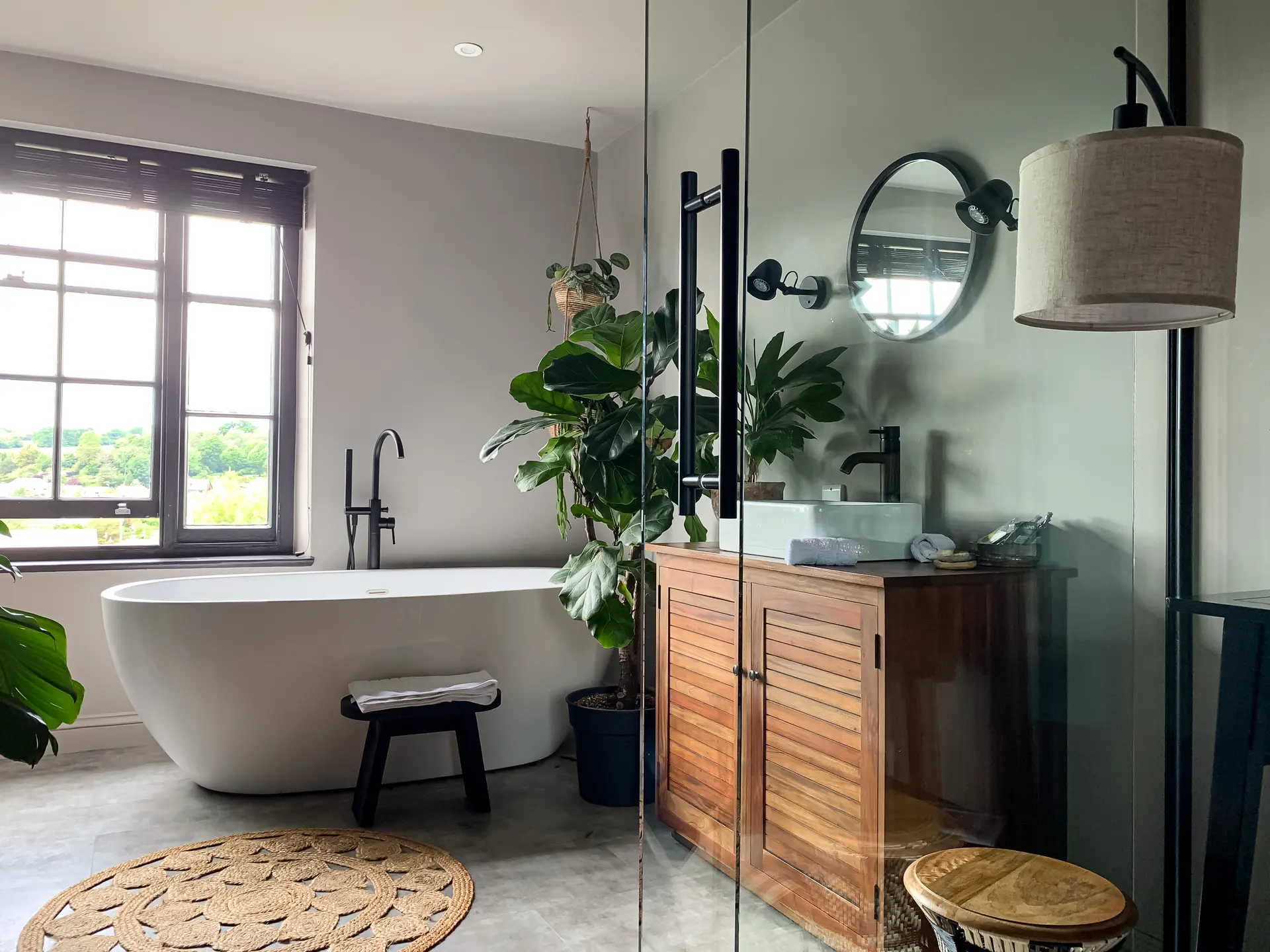
Source: Plomberie OG
The real cost is often hidden beneath your floors. Your home’s structure is the primary cost driver.
Concrete Slab vs. Wood Framing
In condos or homes with finished basements, plumbing is often embedded in a concrete slab. Moving a drain—even by a couple of feet—requires breaking the concrete, excavating, relocating pipes, and pouring new concrete. This process is significantly more expensive than working in a wood-framed home, where plumbers can access pipes through the basement ceiling or floor joists.
Relocation Distance
The farther the vanity is moved from the main stack, the more difficult it becomes to maintain a proper drainage slope (typically 2% across Canada). If this slope cannot be achieved without lowering ceilings or altering framing, additional carpentry work will increase costs.
Licensed Plumber Rates
Across Canada, plumbing work must be performed by licensed professionals. Hourly rates typically range from $70 to $120, depending on the province, experience level, and job complexity—excluding travel fees and materials. Hiring unlicensed labour can lead to code violations, fines, and denied insurance claims in case of water damage.
Venting and Drain Modifications

Source: RenoQuotes
A commonly overlooked aspect is venting. Every plumbing fixture must be properly vented to prevent siphoning of the P-trap, which would allow sewer gases into the home. Moving a vanity often requires rerouting vents through walls or ceilings, which involves opening multiple drywall sections and adds to labour costs.
Why Can a Luxury Bathroom Renovation Exceed $55,000?

Source: KickStart Reno
While it may seem surprising, high-end bathroom renovations frequently reach this level in major Canadian markets like Toronto, Montréal, or Vancouver for several reasons:
Premium materials: Custom solid wood vanities can cost $8,000 or more. Add natural stone countertops and designer fixtures, and material costs escalate quickly.
Technical complexity: In condos or high-end homes, relocating plumbing may require engineering assessments to ensure structural integrity.
High-end finishes: Installing large-format tiles (e.g., 24x48) or natural stone significantly increases labour costs due to precision cutting and alignment requirements.
According to data from the Canada Mortgage and Housing Corporation (CMHC), bathroom and kitchen renovations have seen some of the highest material cost inflation in recent years, driving higher baseline budgets.
Steps to Get an Accurate Quote in Canada
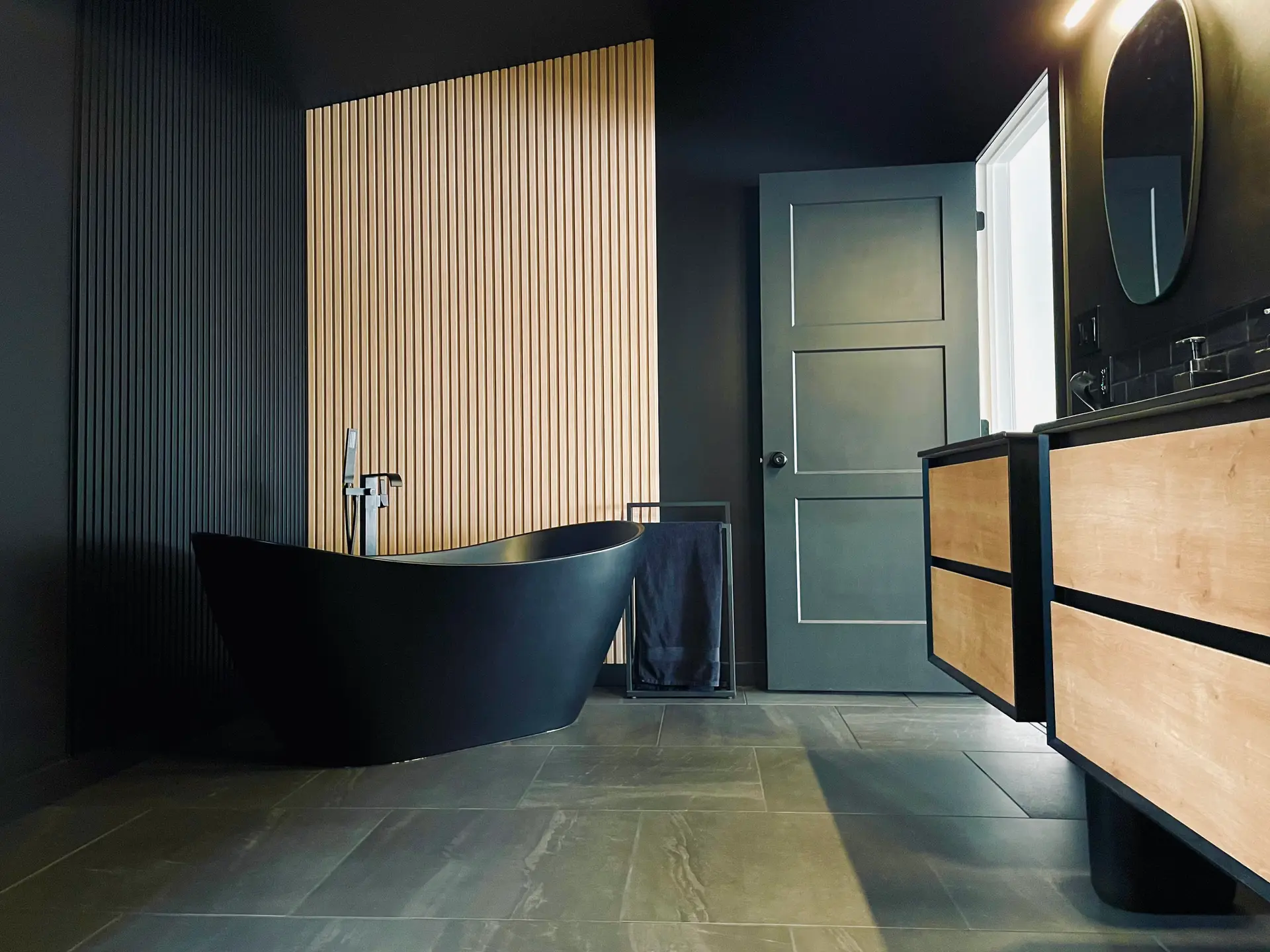
Source: Groupe Boisvert Construction Inc.
To avoid turning your renovation into a financial headache, follow this structured approach:
Define your layout clearly: Know exactly where you want your vanity relocated before contacting contractors. Even a basic sketch helps identify potential drainage challenges.
Verify credentials: Ensure your contractor and plumber hold the appropriate provincial licences and certifications.
Request multiple quotes: Compare at least three detailed estimates. Extremely low prices may indicate non-compliant work, while overly high ones may include unnecessary scope.
Plan a contingency fund: Renovation projects often reveal hidden issues (mould, outdated piping, etc.). Set aside 10% to 15% of your total budget.
Planning Your Plumbing Relocation Without Surprises
Ultimately, moving vanity plumbing is a high-value upgrade—when done correctly. Far from being a simple cosmetic change, it directly affects your home’s infrastructure and drainage performance. Costs vary depending on whether you opt for a basic renovation or a high-end transformation involving structural work.
To execute your project successfully, careful planning and qualified professionals are essential. By validating technical constraints, comparing detailed quotes, and maintaining a contingency buffer, you ensure compliance with building codes across Canada. A properly executed renovation doesn’t just protect your investment—it enhances your home’s durability, safety, and long-term value.
Looking for something else?
Related articles
The latest industry news, interviews, technologies, and resources.
Editorial Team
•18 Aug 2025
Québec homes are built and insulated to retain heat during the winter and cool air during the summer. The downside of this setup is that stale air remains longer inside the home. To breathe fresh air indoors, natural ventilation has given way to mechanical ventilation.

Editorial Team
•08 Nov 2023
During your home-building process, making an informed decision regarding the type of heating system you’d like installed is of utmost importance. Gas, hot water, or electric heating solutions, no matter the system, each have their advantages and disadvantages. However, electric heaters are the most commonly used heating solution in the province of Quebec, and most residents aren’t holding back from renovating their entire heating system to install residential electric heaters.
Cynthia Pigeon
•06 Oct 2026
In 2026, the cost of a bathroom renovation can vary considerably between Quebec and Toronto. These differences result from labour costs, contractor availability, regulatory requirements, required permits and project complexity.
Cynthia Pigeon
•08 Jul 2026
Renovating a kitchen is one of the most valuable and unifying residential projects for Quebec homeowners. The addition of a large central island equipped with a sink and dishwasher has become a highly sought-after layout for improving both the conviviality and ergonomics of the living space. However, bringing drinking water — and especially draining wastewater — to the middle of a room creates major logistical challenges.

Editorial Team
•08 Nov 2023
The windows of your home are one of the most complex and important structural elements. Not only do they allow natural light and air to enter, bringing the outdoors inside, they also keep all the unwanted outdoor elements where they belong: outside! It is important that the windows of your home are resistant to whatever comes at them.