Residential Roof Extensions - What Options for Timber Homes?
By Editorial Team
Updated on November 4, 2025
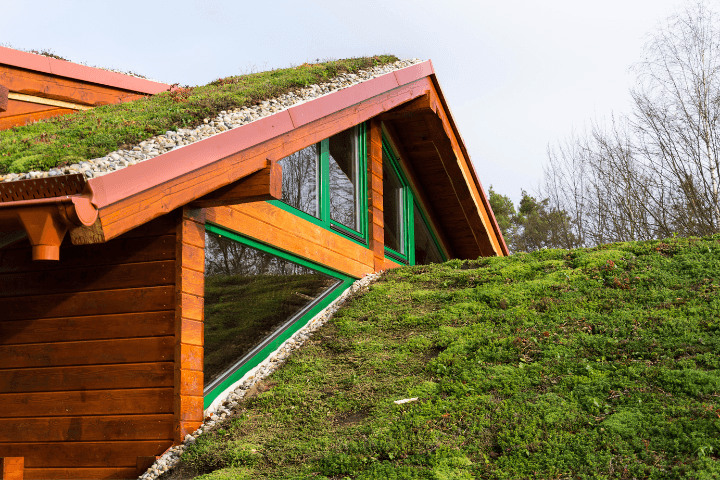
Wooden home extensions make for a stunning and sustainable way to add square footage. When it comes to designing these extensions, a key aspect is roof selection. This article will detail the different roof options for wooden home extensions, highlighting the advantages and essential considerations. If you’re planning on using a wooden home extension kit, this guide will help you make a well-informed decision.
Get Your Project Started Today
Submit your details and receive three free quotes from trusted contractors.
What Type of Roof Works Best on a Wooden Home Extension?
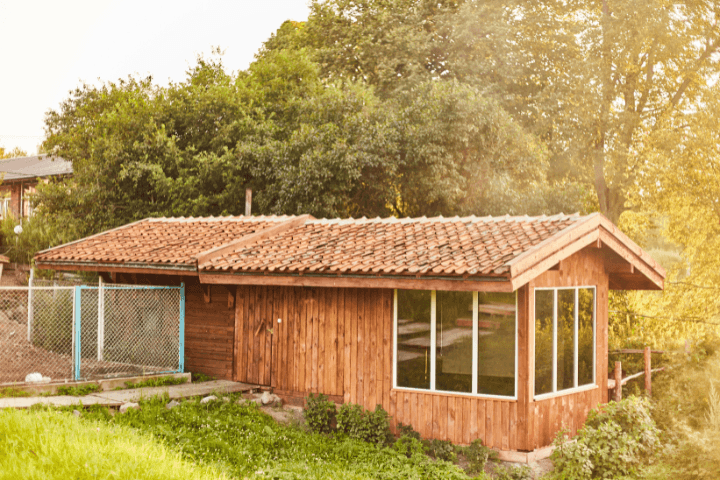
A wooden home extension provides substantial versatility in terms of roof selection. Here are the most common options:
Flat Roof
Flat roofs make for a modern and aesthetic option for wooden extensions. It results in a refined and contemporary look, ideal for minimalist designs. Moreover, it adds square footage that can double as a terrace. However, it’s essential to carefully plan a rainwater management system to prevent drainage issues. Built-in drainage systems or green roofs can be effective solutions.
Also, a flat roof’s design can include solar panels, making for a sustainable, energy-efficient option. It adds a green factor to your wooden extension while reducing energy costs in the long run.
Gable Roof
A gable roof, also known as a pitched roof, is a classic with a slew of advantages. It makes for an effective rainwater drainage system and provides an efficient use of the space under the roof. It’s a versatile option that works with both traditional designs and modern concepts. The use of sustainable materials and quality insulation under the roof helps improve the extension’s energy efficiency.
The attic space created by a gable roof can be used as an additional storage area or finished into a spare bedroom. It maximizes the functional use of your extension.
Shed Roof (Mono-Pitched)
A shed roof, or lean-to roof, creates a unique visual effect. It effectively drains rainwater while offering varying ceiling heights within the extension. This option is perfect for contemporary designs and open-floor plans. Make sure to choose roofing that’s suited to the roof’s pitch to ensure the structure’s air- and watertight properties.
A shed roof’s mono-pitch also makes for a worthwhile option if you’re hoping to add rooftop windows, allowing plenty of natural light to filter in.
Factors to Consider When Choosing a Roof Type for a Wooden Home Extension Kit
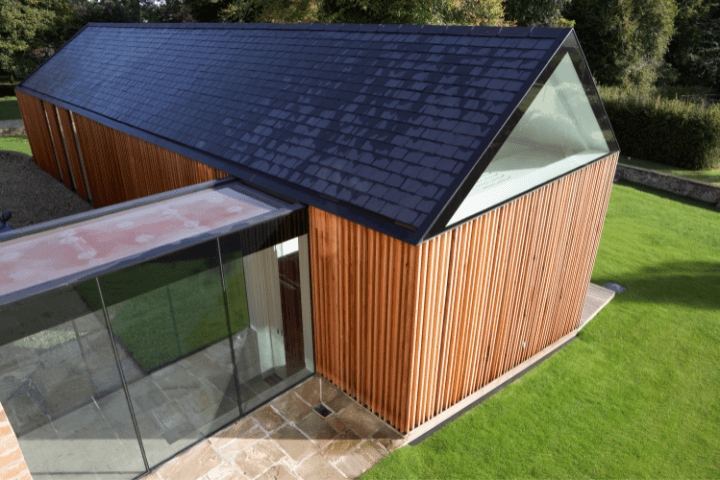
Before making your final decision, it’s important to consider several factors:
Budget Constraints
Roofing costs can vary substantially based on the selected material. Wood shingles are often cheaper but mandate regular upkeep. Metal tiles make for an affordable and long-lasting option, whereas green roofs can be quite expensive upfront but advantageous long-term. Consider your budget constraints and the total cost of ownership over a typical lifespan.
Long-term durability can also lead to substantial savings. Consider the initial investment as a way to ensure long-term durability and reduce maintenance fees.
Aesthetics and Style
The selected roofing must fit with the general look of your house and wooden extension. Consider the overall aesthetic to create a seamless transition between the two structures. Sloping roofs can underline traditional architecture, while flat roofs are perfect for modern designs. Don’t forget to take into account local urban regulations.
The colour scheme and roofing material pairing have to suit the rest of the house to ensure a balanced look. Don’t hesitate to consult design experts for tailored advice.
Local Weather Conditions
Local weather patterns play a key role in the roof selection process. Regions prone to heavy rainfall can mandate a roof structure with a stronger pitch to effectively drain rainwater. Roofing materials must also be selected according to their resistance to region-specific weather conditions. A roofing professional can advise you as to the best options based on the local climate.
Flat roofs may mandate particular upkeep in areas where snowfall is abundant. Heating systems to prevent snow build-up is a worthwhile consideration.
Roofing Materials for Wooden Home Extensions
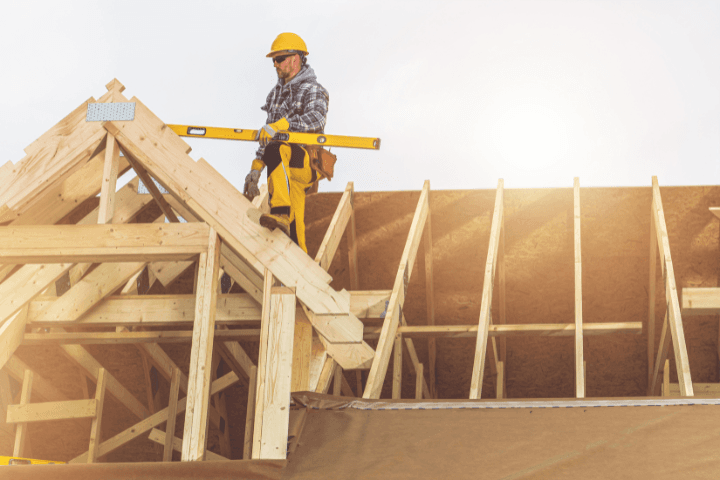
Roofing materials vary in terms of durability, insulation, and aesthetics. Here are the most sought-after options:
Wood Shingles
Wood shingles give off an untreated and warm look, adding a rustic flair to your extension. However, they must be maintained regularly to prevent weather-caused decomposition. Apply wood preservation products and sealants and inspect the roofing periodically to maintain its integrity.
Wood shingles can make for an eco-friendly option, provided wood issued from sustainable sources is used. That said, choose insect- and weather-resistant wood species.
Metal Tiles
Metal tiles are durable, lightweight, and weather-resistant. They’re perfect for quick installations and long-lasting results. Moreover, they’re retailed in a slew of colours and finishes, also making for a modern aesthetic.
Make sure the roofing tiles are correctly installed to avoid water- and air-tightness issues.
Reflective metal tiles can also help reduce heat absorption by the roof, making them rather beneficial in warmer climates.
Green Roof
A green roof provides many green-forward advantages by improving thermal insulation and reducing CO2 emissions. It also gives your extension a unique aesthetic. However, it must be built atop a strong base and maintained regularly. Choose plants and vegetation that can adapt to or withstand local climates. Green roofs can also provide effective soundproofing, creating a calmer and more soothing interior setting.
A Well-Designed Roof: The Key to Making Your Wooden Home Extension a Success
Choosing the right roof suited to your wooden home extension kit is paramount, as it will affect the space’s aesthetics, durability, and overall functionality. By carefully considering the roof types, impactful factors, and available roofing materials, you can create a wooden extension that perfectly meets your needs and lifestyle. Consult with building professionals for tailored advice and proper installation.
Looking for something else?
Related articles
The latest industry news, interviews, technologies, and resources.
Léa Plourde-Archer
•11 Aug 2026
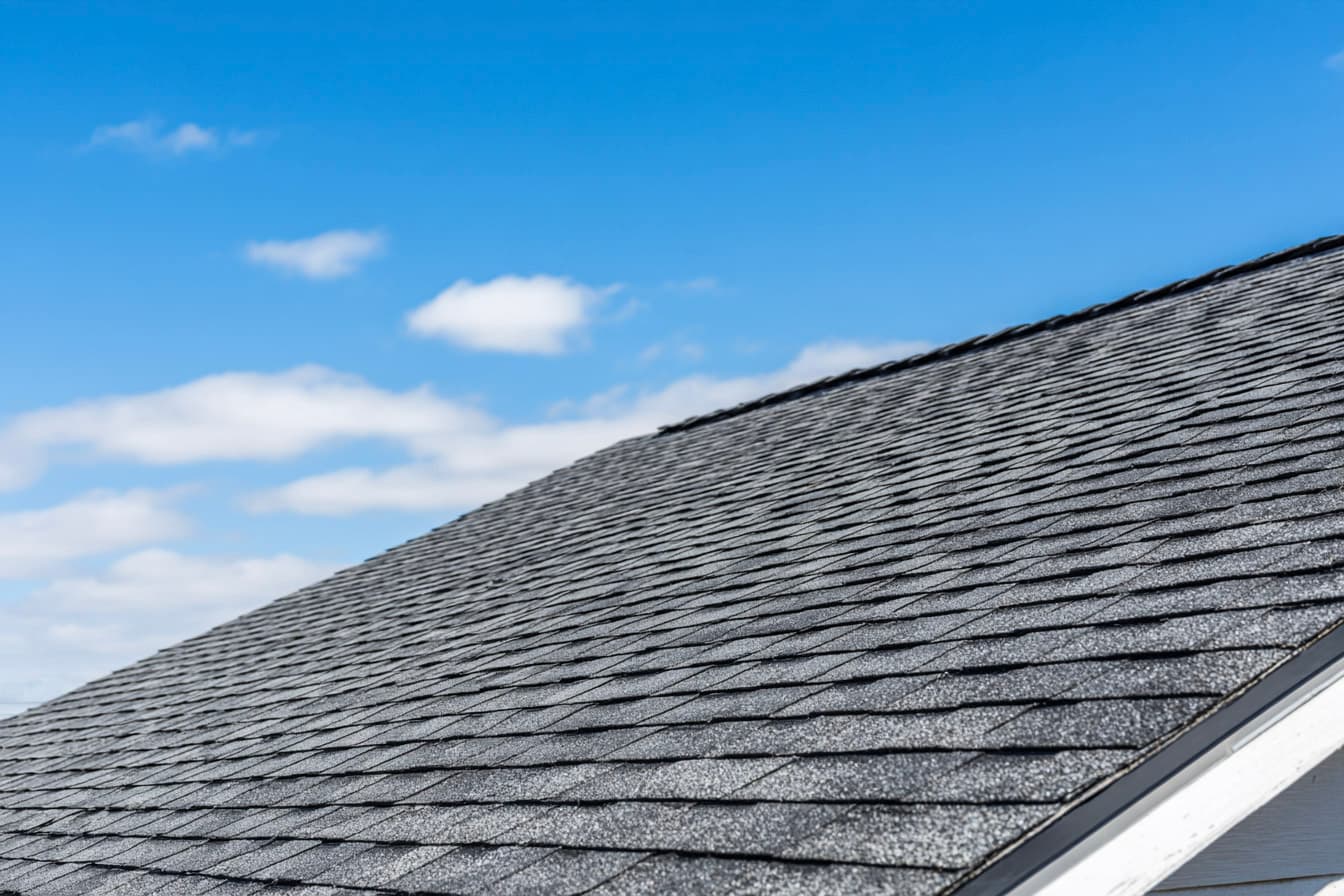
For thousands of years, humans have understood the importance of protecting their homes with a roof. But what do we really know about modern roofing? Which materials should you choose, what roof shapes are best, and how can you plan a renovation project effectively? Whether you are considering a minor roof repair or a complete roof replacement, this guide will help you better understand the key steps involved in a roofing renovation.
Editorial Team
•25 Sep 2025
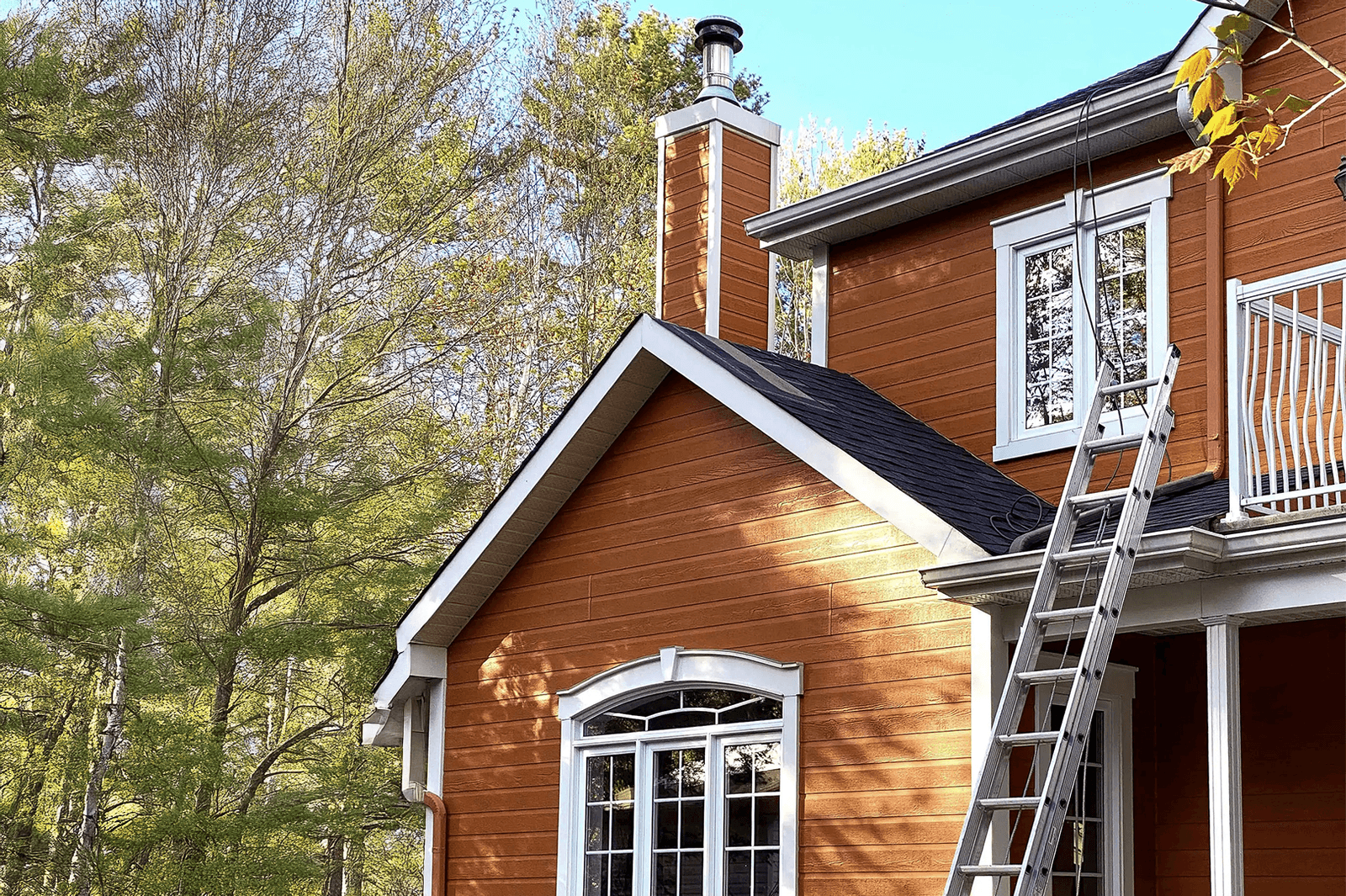
As a roofer in Montreal, staying competitive in 2025 means more than offering quality work — it’s about visibility, adaptability, and knowing where the opportunities are. Whether you specialize in flat roofs, metal roofing, or residential steel roofing in Montreal, getting more contracts starts with a solid strategy. Here's how roofers in the Montreal area can find consistent work and grow their business this year.
Équipe éditoriale
•23 Jul 2026
The Ontario government is investing $10.9 billion over the next 12 years in a comprehensive plan to enhance energy efficiency across the province, the largest in Canadian history. A key component of this initiative is the Home Renovation Savings Program, which offers rebates to help homeowners lower their energy bills. This investment aims to deliver long-term savings for families and businesses while promoting a more sustainable and energy-efficient future.
Editorial Team
•16 May 2024
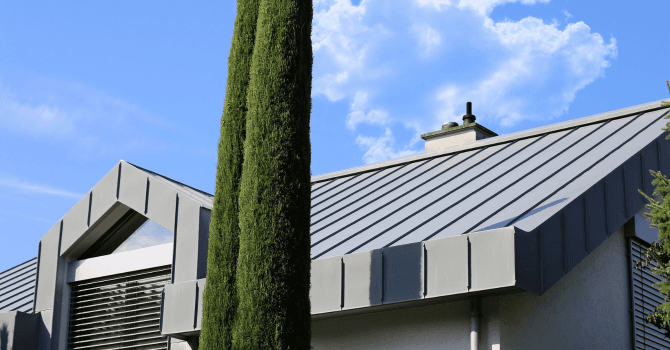
Formerly restricted to commercial, agricultural, and industrial buildings, sheet metal or corrugated metal has, as of late, made its way to the residential sector. On top of having great durability, such roofing material offers a wide range of possibilities in terms of innovative architectural designs. Are you looking to have sheet metal or corrugated metal roofing installed and want more information on the matter? Read on to learn what there’s to know.
Editorial Team
•08 Nov 2023
Are you looking to replace your water heater? While this isn't an exciting buy, it’s nonetheless an important one. Indeed, having daily access to hot water is certainly essential and our comfort greatly depends on it.