What to Check Before Buying a New Property
By Editorial Team
Updated on December 12, 2024
Buying a property with a prospective house in mind is a big deal. This will be both an important and complex decision in any individual’s life as this kind of commitment takes an ample amount of research, time and money.
Regardless if this is your property or one of many, there are certain precautions everyone should take and many things to check before diving head-first into the purchase.
Of course, there are plenty of legal stipulations in place to protect property owners of every nature. However, as they say, it’s better to be safe than sorry. So, being aware of what to look for before buying a vacant lot or a piece of land can save excessive energy. If you’re looking to buy a plot of land to build a home on, read our checklist for all the valuable information!
5 things to check before buying a property
Here is a list of useful articles:
1) Be aware of the costs involved
As we mentioned, buying property in the hopes of turning the lot into a place to put the home of your dreams is a serious investment. Even if your lot starts out as vacant, there are plenty of expenses that can arise. First, it is important to consider something called title insurance. Title insurance works to protect owners and lenders against property loss and damage.
Although title insurance isn’t completely necessary when purchasing land, it will shield you against any legal complications that could arise. Moreover, if you move forward with building a home, your financial institution may recommend that you purchase title insurance to protect themselves. Therefore, we are recommending that you consider it before reaching the mortgage application point.
Another thing to consider undergoing is a land survey. This may not be necessary if the land has been surveyed recently, and this is something that you can easily find out by doing a little bit of research.
It may be important to hire a land-surveyor to figure out the exact boundaries of your property. Lastly, remember that before you build a home on your property, you may need to pay for water and electricity services, if they don’t already exist. Depending on the location of the land, you may even need to install a septic system or well, but we will go into this in detail a little bit further down!
2) Check government zoning on the property

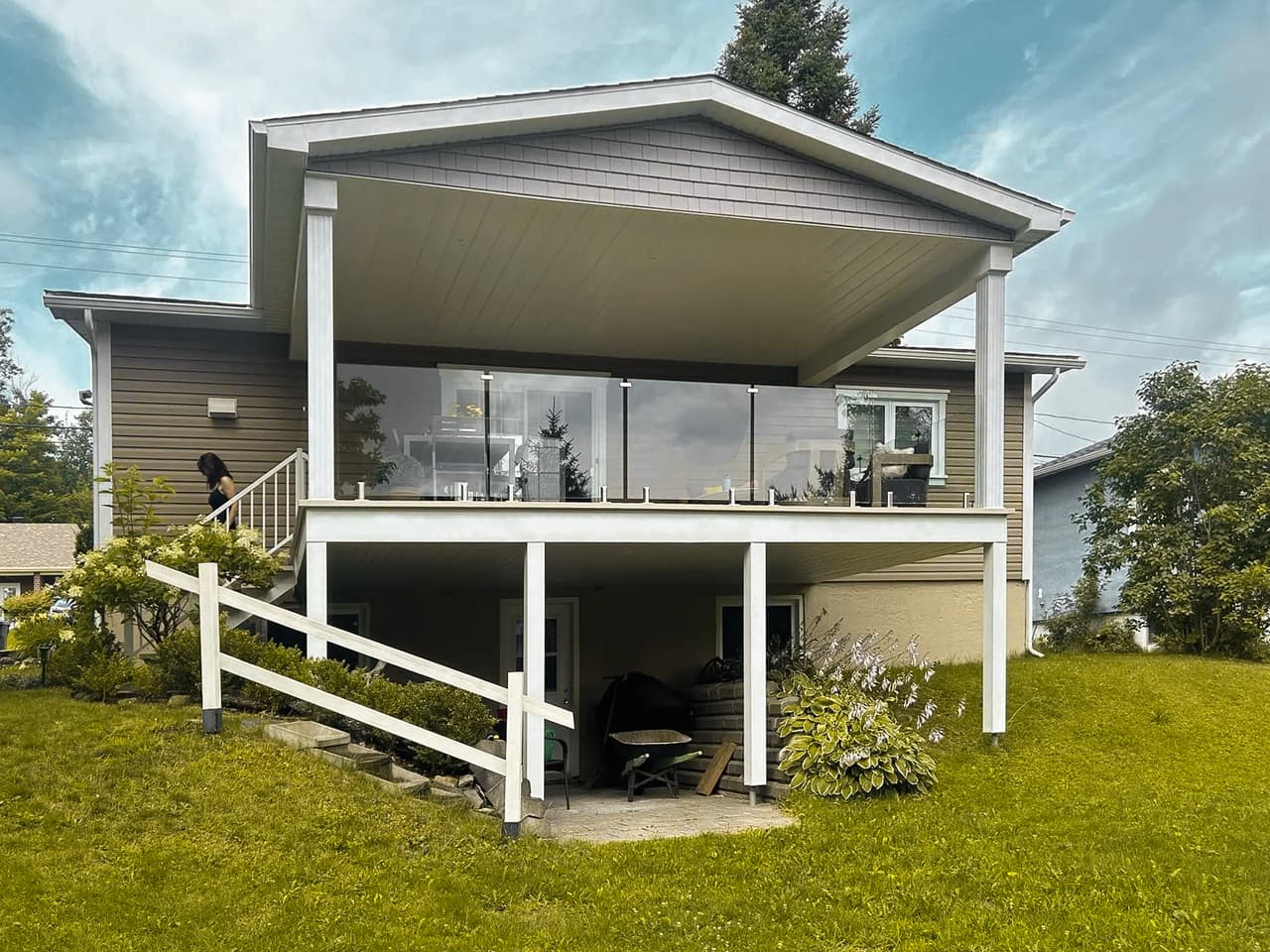
Source: L.M.C.R. Entrepreneur General inc.
Regardless of if your new property is in the city or the country, zoning laws will apply. Zoning laws are in place to determine what can and cannot be done with specific areas of land. Essentially, zoning is the symbolic division of land into subdivisions, and each of these areas will have specific rules that dictate what can and cannot be built on them.
Of course, before moving forward with any form of payment, you’ll need to make sure that you can build a home on the land you’ve chosen. There will be areas that are specifically zoned for residential properties, and you can find this information online. Figuring out the essential zoning basics won’t be too difficult, but it will require patience and research. Once you’ve done your homework, make sure that you can build on the plot of land that you choose.
3) Homeowner associations and subdivisions
Another important aspect of buying land is checking exactly how the area is subdivided. New plots of land are generally broken up into smaller sections, known as subdivisions, and it is likely these plots have specific restrictions regarding what can be built on them. For example, if you’ve noticed an empty plot of land in an established community, there are probably specific restrictions already in place.
These are different from zoning restrictions in that they are generally private agreements between the landowner and the person who buys the plot. Further, this plot of land could be looked after by a homeowners’ association.
Smaller or specialized communities will often employ homeowners’ associations to impart rules and regulations for behaviour and decorum in the area. If this doesn’t sound like something you want to comply with, make sure to be aware if rules exist before buying that plot of land you’ve had your eye on.
4) Local utilities
If you’re scoping out a vacant lot as a place for a new home, then you’ll need to be aware of the local utilities. These include electricity, gas, hydro, hot water etc. Of course, some of these will come alongside the construction of your new home, as the placement of water pipes and plumbing will likely happen during the construction process. In other instances, or for less work, in the long run, you may want to look for land that already has utilities installed. However, if you’ve found your dream property and it doesn’t include any of these base necessities, you’ll have some work to do.
The installation of electricity must be done by a professional. In most provinces, it is illegal to perform electrical work on your own. Further, the installation of water and septic systems can be difficult, and the costs involved will need to be addressed. Lastly, to have wells or septic tanks present on your property, it is necessary for you to be close to local resources to be able to have access to these facilities. But of course, make sure to check for flood lines in the area, as a flood can destroy even the most structurally sound home in a matter of minutes.
5) Public roads and easements
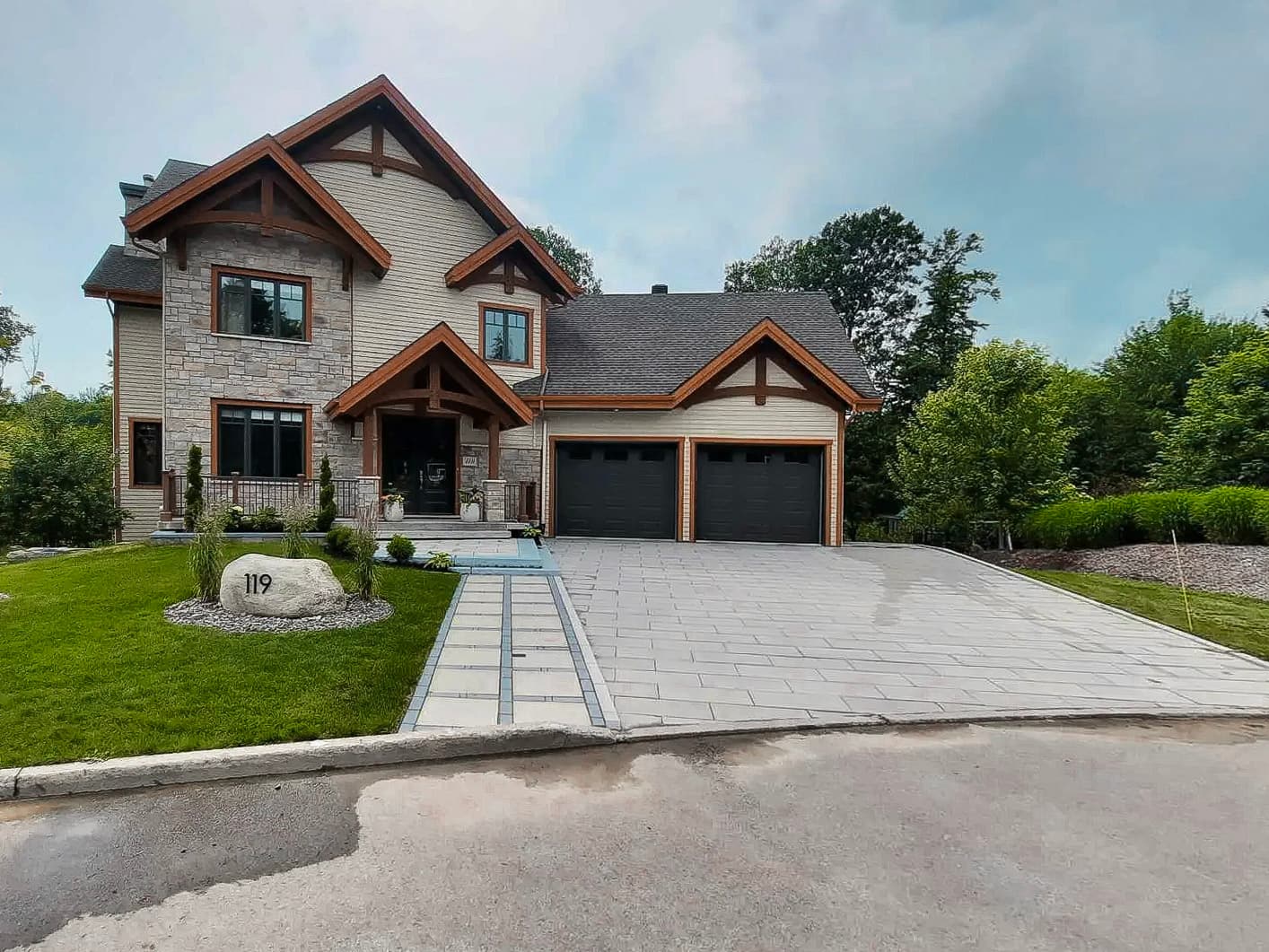
source : Groupe Lemelin Inc
Having access to a public road might seem like a less-than-important aspect of purchasing a property. However, this issue can become complex quickly. If you’re looking at lots in urban environments, it is unlikely that finding access to a public road will be a problem. But if you are looking at property in rural communities or the countryside, you may experience both backlash and problems. First, if the land you are considering does not have access to public roads, this could point to the fact that it may be cut off from water and sewage. As we mentioned, this is an alternate cost that will need to be considered.
Further, another consideration to take into account is private roads. Although you may have found your perfect property, and you see a road nearby, this doesn’t necessarily mean that the road is accessible to you. In some instances, a property can be landlocked. In this case, you’ll have to arrange access with the road owner by way of a private road, and this is known as an easement.
An easement can be summed up as having interest in land that is owned by someone else. An easement can generally be established by forming a relationship with your neighbours, though in some cases legal action may be necessary. If your neighbour isn’t agreeable, get in touch with a real estate lawyer so that official documentation can be drawn up.
Looking for someone to renovate your new property? Get 3 renovation quotes for your home renovation project
RenoQuotes.com can help you get quotes for your home renovation project. If you submit your project to us, we’ll put you in contact with top-rated contractors. Fill in the form on the homepage (it only takes a few minutes), and you will get estimates from trusted professionals.
Dial 1-844 828-1588 to speak with one of our customer service representatives
Looking for something else?
Related articles
The latest industry news, interviews, technologies, and resources.
Editorial Team
•23 Feb 2026
A construction estimator is the person who turns an idea or a set of plans into credible numbers. Their job is to forecast the real cost of a project—materials, labour, subcontracting, logistics, and risk—so a client, contractor, or financial institution can make an informed decision.

Christine Simard
•08 Nov 2023
With seasons changing fast, we suddenly feel the urge to redecorate our space. When we think of an idea for a simple, yet drastic change that is both easy and economical, repainting walls seems to be the logical option.
Amanda Harvey
•03 Nov 2025
Tiles come in all kinds of colours, shapes and sizes, keeping bathroom floors waterproof and beautiful. However, like any home surface, they need proper maintenance to uphold their elegance while preventing cracking, mould or mildew growth.
Editorial Team
•02 Apr 2026
Noisy pipes are likely the cause of a significant problem, often leading one to hire a plumber.
Editorial Team
•31 Mar 2026
Recently, home renovations are occurring with sustainability, eco-friendly and alternative energy methods at the forefront. As the homeowner knows, most homes have central heating, whether that be a warm air system, radiator or a boiler. Unfortunately, these systems are not energy efficient, consuming copious amounts and making heating larger homes costly.