Trane Heat Pumps: The 5 Best Residential Models
By Editorial Team
Updated on March 16, 2026
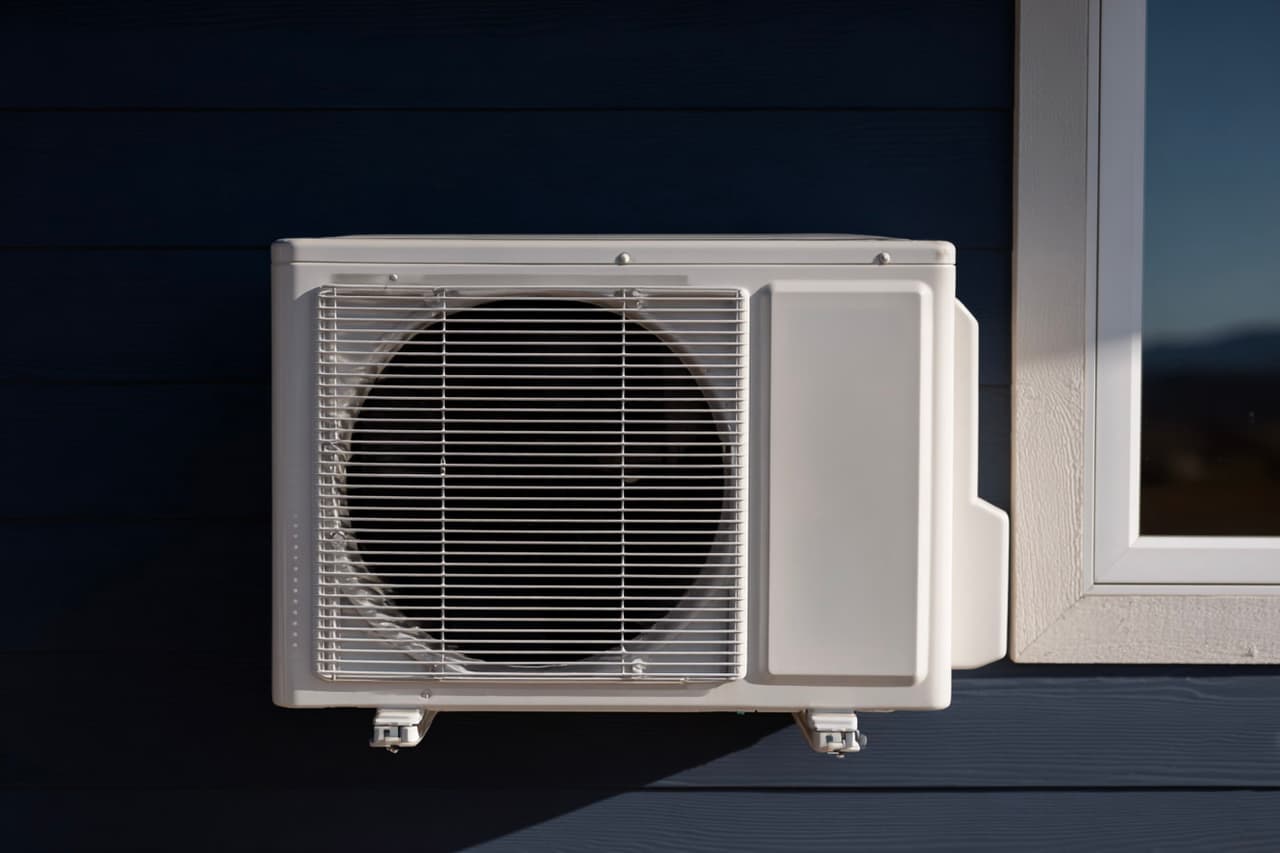
Choosing a Trane heat pump is a big decision for homeowners who want year-round comfort (heating + cooling) while keeping energy costs under control. In this guide, you’ll find five popular residential Trane models with their key features, efficiency ratings (SEER2 / HSPF2), sound ranges, and a practical way to compare pricing so you can make a more informed purchase decision.
Get Your Project Started Today
Submit your details and receive three free quotes from trusted contractors.
Comparison of the 5 Trane Models: Features, Performance, and Price

Here is the Canadian English translation, kept as close as possible to the meaning of the French version while maintaining natural flow and readability.
Model 1: Trane XV20i — Premium Efficiency and Comfort
The Trane XV20i is a variable-speed heat pump designed to deliver very stable comfort and excellent energy efficiency. Thanks to its modulation capability, it helps prevent large temperature swings inside the home. This type of system is often chosen by homeowners who want long-term performance and are willing to invest more for a higher level of comfort.
In terms of performance, the XV20i can reach up to about 20.5 SEER2 for cooling and 8.7 HSPF2 for heating. It can also operate with a communicating system that allows the different components to exchange information, depending on the installed configuration.
One of the biggest advantages of variable-speed technology is how the system operates day to day. Instead of constantly turning on and off, the heat pump adjusts its output and runs longer at a lower speed. This helps maintain a more consistent indoor temperature and can reduce energy consumption during periods when heating or cooling demand is moderate.
Installed pricing varies significantly from one home to another. In Québec, several factors influence the final cost, including proper system sizing, the condition of existing ductwork, electrical work, and the overall system configuration such as dual-fuel setups. Inclusions like the thermostat, mounting supports, and labour can also affect the price. To get a realistic comparison, it is best to request two or three quotes with the same tonnage and similar inclusions.
Model 2: Trane XV18 — A Strong High-End Balance
The Trane XV18 is designed to offer a balance between performance, comfort, and price. Like the XV20i, it uses variable-speed technology, which helps maintain a more stable indoor temperature than a single-stage system.
This model can reach up to about 18 SEER2 and 8.5 HSPF2. Thanks to its inverter-driven modulation, the system adjusts its output to provide only the energy needed to maintain the set temperature. Instead of constantly operating at full capacity, the heat pump adapts to changing conditions. This approach can improve comfort and reduce energy consumption, especially during milder weather when demand is lower.
In terms of cost, the XV18 is generally considered a high-end option, although it is often somewhat more affordable than the XV20i. As with most central heat pump systems, installed prices in Québec can vary widely depending on the system type, the condition of ductwork, and any additional work required. Online price estimates should therefore be viewed as general references rather than final project costs.
Model 3: Trane 17 Multi-Speed Low Profile Cold Climate — Built for Cold Weather
If winter heating performance is a priority, the 17 Multi-Speed Low Profile Cold Climate series is designed to maintain strong heating capacity as outdoor temperatures drop. Its compact low-profile design also allows it to fit more easily in certain installation spaces.
It is important not to confuse this model with the XV19. The XV19 is also a low-profile variable-speed heat pump, but it is a different product. Depending on availability and system configuration, installers may recommend one or the other.
In terms of efficiency, this model can reach approximately 18.5 SEER2 and 9.1 HSPF2 depending on the configuration. It is positioned by the manufacturer as a solution designed specifically for colder climates.
Noise levels are typically reported between about 55 and 62 dB(A). For comparison, the XV19 is often highlighted for its quiet operation, with sound levels that can drop to around 43 dB(A).
The purpose of a cold-climate heat pump is to maintain stronger heating capacity when outdoor temperatures fall. This helps reduce reliance on auxiliary heating systems. In practice, the real-world performance also depends on system sizing, home insulation, thermostat controls, and the quality of the installation.
Model 4: Trane XR16 — A Solid Balance Between Performance and Price
The XR16 is a popular mid-range option for homeowners who want better comfort than a single-stage system without paying the price of a premium variable-speed unit.
It can reach approximately 16.2 SEER2 and 8.1 HSPF2. Its two-stage compressor allows the system to operate at a lower capacity when heating or cooling demand is reduced. This helps limit frequent on-off cycles, which can lead to more stable indoor temperatures and improved efficiency in many situations.
Noise levels are typically higher than those of high-end variable-speed models. However, the perceived sound level depends greatly on the outdoor unit’s location, its size, and the overall quality of the installation.
Model 5: Trane XR14 — A Simple and Reliable Entry-Level Option
The XR14 is often considered Trane’s entry-level heat pump. It is commonly chosen by homeowners who want to stay within a tighter budget while still benefiting from a well-known brand and solid heating and cooling performance.
This model can reach about 14.8 SEER2 and 7.8 HSPF2. It typically uses a single-stage compressor. With this type of system, proper sizing and installation quality play a major role in real-world efficiency, especially in colder climates where auxiliary heating may be required more often.
Installed pricing is generally lower than the XR16 and the XV series. However, as with all heat pump systems, final costs in Québec can vary widely depending on factors such as existing ductwork, electrical work, and the inclusions listed in the quote. The best approach is to compare multiple quotes for equivalent equipment and installation conditions.
Summary Table
Trane heat pump model | Efficiency (SEER2 / HSPF2) | Cold-weather focus | Sound level | Durability and warranty | Price (general) |
XV20i | Up to 20.5 / 8.7 | Strong comfort control | Typically quiet in real use | Base limited warranty: parts typically 5 years. Registered (≤ 60 days): parts typically 10 years; some “TruComfort” lines list a compressor up to 12 years (varies by product/market). (trane.com) | $$$$ |
XV18 | Up to 18 / 8.5 | Strong all-around | Quiet | Base: parts typically 5 years. Registered: parts typically 10 years; compressor up to 12 years on select models/series (varies by product/market). (trane.com) | $$$ |
17 Multi-Speed Low Profile Cold Climate | Up to ~18.5 / 9.1 (varies by setup) | Designed for cold climates | 55–62 dB(A) (typical) | Base: parts typically 5 years. Registered: parts 10 years; some cold-climate low-profile versions list 12-year compressor + 10-year outdoor coil & functional parts with registration (varies by version). (trane.com) | $$$ |
XR16 | Up to 16.2 / ~8.1 | Good, with staging | More noticeable | Base: parts typically 5 years. Registered: parts typically 10 years (confirm compressor/coil/parts coverage for the exact model). (trane.com) | $$–$$$ |
XR14 | Up to ~14.8 / 7.8 | Basic | More noticeable | Base: parts typically 5 years. Registered: parts typically 10 years (confirm with exact model/serial and market). (trane.com) | $$ |
Additional Information
Source: Peinture Veillette
Energy Efficiency and Savings
An air-source heat pump can lower heating and cooling costs because it moves heat rather than generating it the way many traditional electric systems do. For comparisons, SEER2 (cooling) and HSPF2 (heating) are the most useful reference points: the higher the rating, the more efficient the system is in seasonal testing conditions. Some models may also qualify for ENERGY STAR®, which can make it easier to meet certain rebate requirements, depending on the program.
Real savings still depend on your home and how the system is used. Inverter heat pump technology (often described as variable-speed) or multi-speed technology can reduce frequent on/off cycling, which improves comfort and can stabilize energy use. Comfort isn’t just about temperature, either: better modulation can support humidity control in summer, especially in homes that tend to feel damp.
Reliability and Durability
A heat pump’s long-term reliability depends on the equipment, but also on installation and upkeep. Even a strong system can underperform if proper maintenance is skipped (filters, coils, drainage, defrost behaviour) or if the unit is poorly sized. Sound level (dBA) and consistent heating and cooling performance are practical indicators, too: a system that struggles often runs louder and may wear faster.
It’s also worth confirming the refrigerant used in the exact model you’re buying. Many systems in recent years used R410A, while product lines may shift as standards evolve. To avoid surprises, ask the dealer to confirm the exact model number, refrigerant type, and local parts availability. Finally, pairing the equipment with a smart thermostat can improve comfort and help the system operate more consistently when properly set up.
Trane Heat Pump Lineup
Trane offers several families of split system heat pumps (central systems) that target different needs: single-stage, two-stage, and variable-speed options. That’s why prices can differ so much even within the same brand—technology and comfort level aren’t the same, even though they’re all “heat pumps.”
There are also options built around specific constraints. A multi-speed low-profile design can help when space is limited. You may also hear about RunTru by Trane through some dealers (including ductless and other configurations), which can be positioned as a more accessible path depending on availability and the installer’s offering. The key is matching your priorities (comfort, noise, budget, efficiency) to the correct capacity and the right installation approach.
Cold Climate Performance
In Québec, winter performance depends mainly on heating capacity at low temperatures and how well the system matches your home (insulation, air sealing, ductwork, thermostat controls). “Cold climate” models are designed to maintain heating capacity better as temperatures drop and to manage defrost more effectively in freezing conditions. Even so, every heat pump has limits in extreme cold, so a backup heat strategy (electric resistance, dual fuel, or another setup) may still be part of the plan depending on your home and comfort goals.
If cold-weather performance is a top priority, the safest approach is working with an installer who understands your local conditions and can confirm sizing, controls, and setup details that affect real-world results.
Buying Process and Support
To buy a Trane heat pump confidently, start with a proper assessment of your home: insulation, layout, ductwork condition (for central systems), and your goals (savings, comfort, noise). Unit sizing and the quality of the installation of equipment and duct system matter as much as the model. When you compare quotes, make sure you’re comparing the same tonnage and the same inclusions (electrical work, thermostat, mounting, commissioning, warranty terms).
Also consider after-sale support: access to owner’s manuals, service availability, and how warranty coverage works in practice (parts vs labour, registration requirements, and recommended maintenance). If rebates are part of your plan, ask early what documents and model/certification numbers will be needed so you don’t lose eligibility due to an avoidable detail.
FAQ
Which Trane heat pump should I choose for the best comfort?
In general, a variable-speed model (like the XV20i or XV18) gives the steadiest comfort because it can run longer at lower output and reduce temperature swings.
What’s the difference between SEER2 and HSPF2?
SEER2 measures seasonal cooling efficiency. HSPF2 measures seasonal heating efficiency. Higher numbers generally mean better efficiency, all else being equal.
Are Trane heat pumps eligible for rebates in Quebec?
It depends on the exact model and certified combination. Always verify eligibility using the program requirements and the model/certification details your installer provides.
Why can quotes vary so much for the “same” model?
Final price depends heavily on tonnage, installation complexity, ductwork condition, electrical work, controls/thermostat, mounting, commissioning, and what’s included in labour and warranty coverage.
What is the main difference between Trane heat pumps designed for commercial versus residential use?
Trane heat pumps for commercial applications are engineered with larger capacities and advanced features to meet the demands of bigger spaces and complex systems, such as offices or industrial buildings. Residential Trane heat pumps are designed for homes, focusing on comfort, quiet operation, and efficiency at a smaller scale.
What unique benefits do commercial Trane heat pumps offer compared to residential models?
Commercial Trane heat pumps provide features like simultaneous heating and cooling, integration with building automation systems, and options for hot water generation, helping businesses enhance energy efficiency and meet sustainability goals. Residential models prioritize ease of use, quiet performance, and comfort for everyday living.
Looking for something else?
Related articles
The latest industry news, interviews, technologies, and resources.
Editorial Team
•22 Jan 2026
Choosing a Lennox heat pump means investing in a balance of energy efficiency, durability, and year-round quiet comfort, whether you live in Ontario, the Prairies, Atlantic Canada or British Columbia. This American brand is well established across the Canadian market and is known for the reliability of its systems, the quality of its components, and strong performance in a wide range of climates.

Cynthia Pigeon
•30 Apr 2026
Across Canada, the cost of an asbestos test for a residential property typically ranges between $200 and $950. A simple DIY sampling kit costs around $200, while a full professional inspection with a certified report generally falls between $500 and $950. Testing materials before any demolition or renovation—especially in homes built or heavily renovated between 1930 and 1990—is a critical step to protect occupants’ health and ensure compliance with occupational health and safety regulations.

Editorial Team
•08 Nov 2023
Wondering how to renovate your house without spending a fortune? RenoQuotes.com has a few tips on how to renovate your house when you have a limited budget.

Editorial Team
•04 Jul 2024
All homeowners dread plumbing issues of any kind, whether due to resulting damage or repair costs. Issues concerning drain pipes certainly instill a legitimate fear in everyone, albeit there are various ways to solve such problems, and hiring a plumber right off the bat isn't always a necessity. However, beware as some quick fixes might result in further pipe damage.