Indoor Air Quality in Canada: How to Improve Air in Your Home
By Cynthia Pigeon
Updated on April 14, 2026

Indoor air quality in Canadian homes is contingent on a delicate balance between airtight construction and proper ventilation. To maintain healthy air, it’s essential to keep humidity levels between 30% and 50% (depending on the season), test your basement for radon, and ensure your heat recovery ventilator (HRV) is regularly maintained. Clean indoor air helps prevent mould growth and reduces the risk of asthma and serious respiratory conditions linked to household pollutants.
Indoor Air Quality in Your Home in Canada: Tips for Healthier Breathing
Source: RenoQuotes
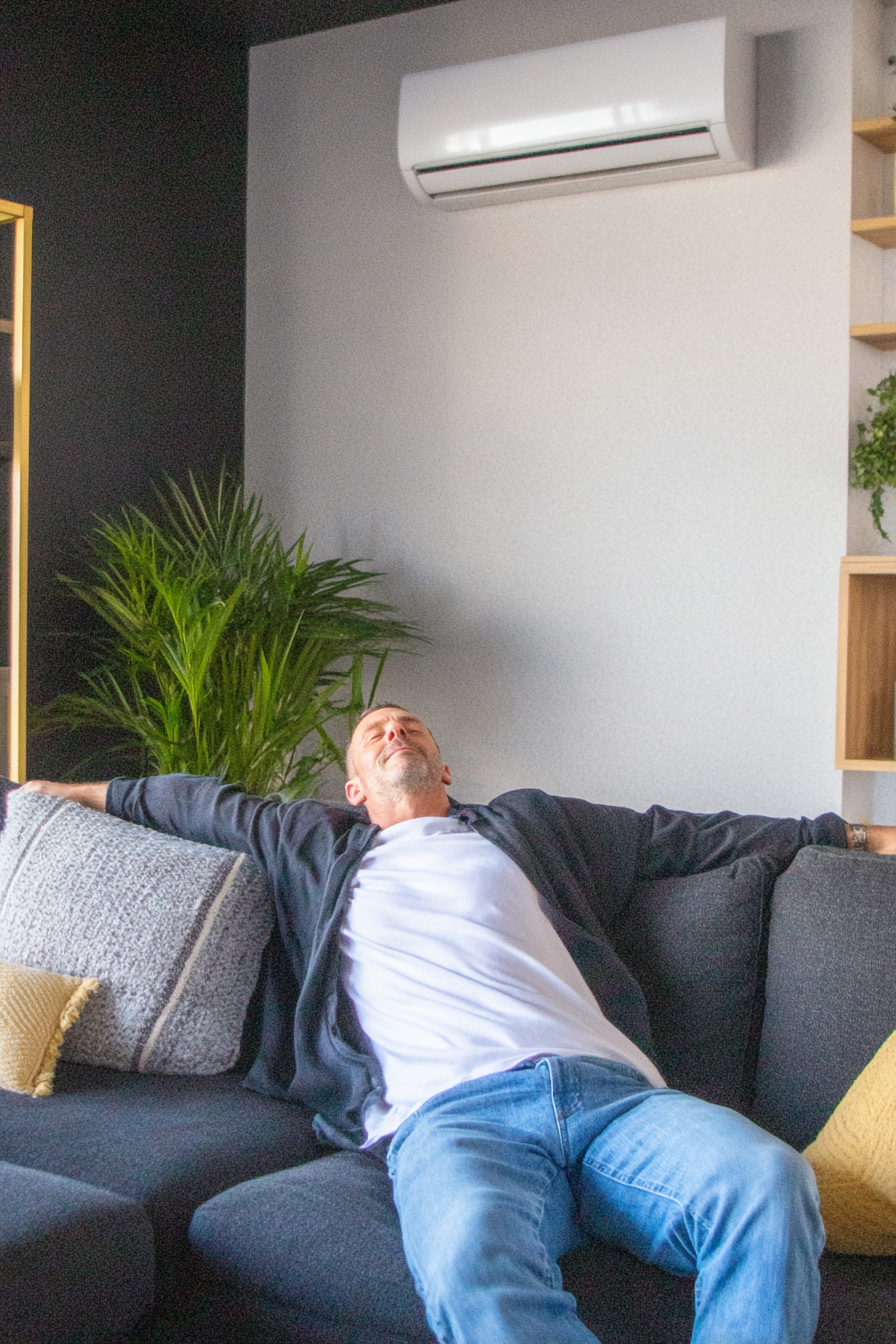
Across Canada, harsh winters foster the construction of increasingly airtight homes to improve energy efficiency. While this reduces heating costs, it can negatively impact indoor air quality. Without proper ventilation, pollutants become trapped inside your home.
In 2026, indoor air quality (IAQ) became a growing concern for homeowners. Considering that Canadians spend up to 90% of their time indoors during colder months, understanding what’s in your air—and how to improve it—is essential.
Common Indoor Air Pollutants in Canadian Homes
Indoor air often contains a mix of invisible contaminants:
Volatile Organic Compounds (VOCs): Found in furniture adhesives, paints, air fresheners, and cleaning products. They can cause headaches and respiratory irritation.
Mould: Develops in areas with excess moisture, such as windows and basement walls. Mould spores are strong allergens.
Pet dander and dust mites: Especially problematic in homes with carpets or rugs.
Radon in Basements: An Invisible Risk
Source: Bougie Rénovation inc
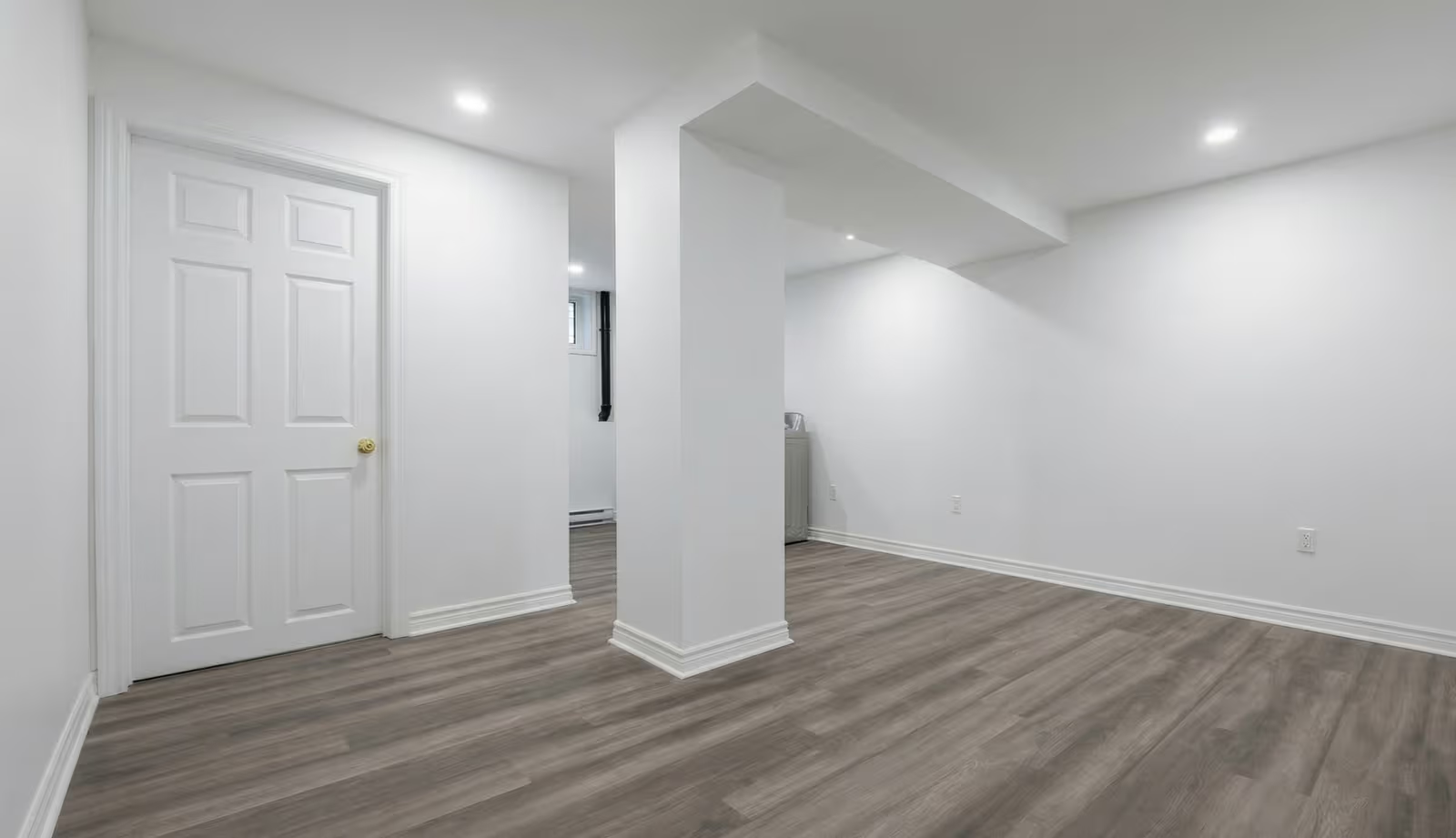
Radon is a naturally occurring radioactive gas produced by the breakdown of uranium in soil. It is odourless, colourless, and tasteless, and it can enter homes through foundation cracks—particularly in basements.
Risk in Canada: Elevated radon levels can be found across many regions, including parts of Ontario, British Columbia, Manitoba, and New Brunswick. It is the second leading cause of lung cancer after smoking.
Guideline: According to Health Canada, action is recommended if levels exceed 200 Bq/m³.
What to do: The only way to detect radon is through a long-term test (typically 3 months during the heating season).
Heat Recovery Ventilators (HRV): Essential for Winter Ventilation
Source: RenoQuotes
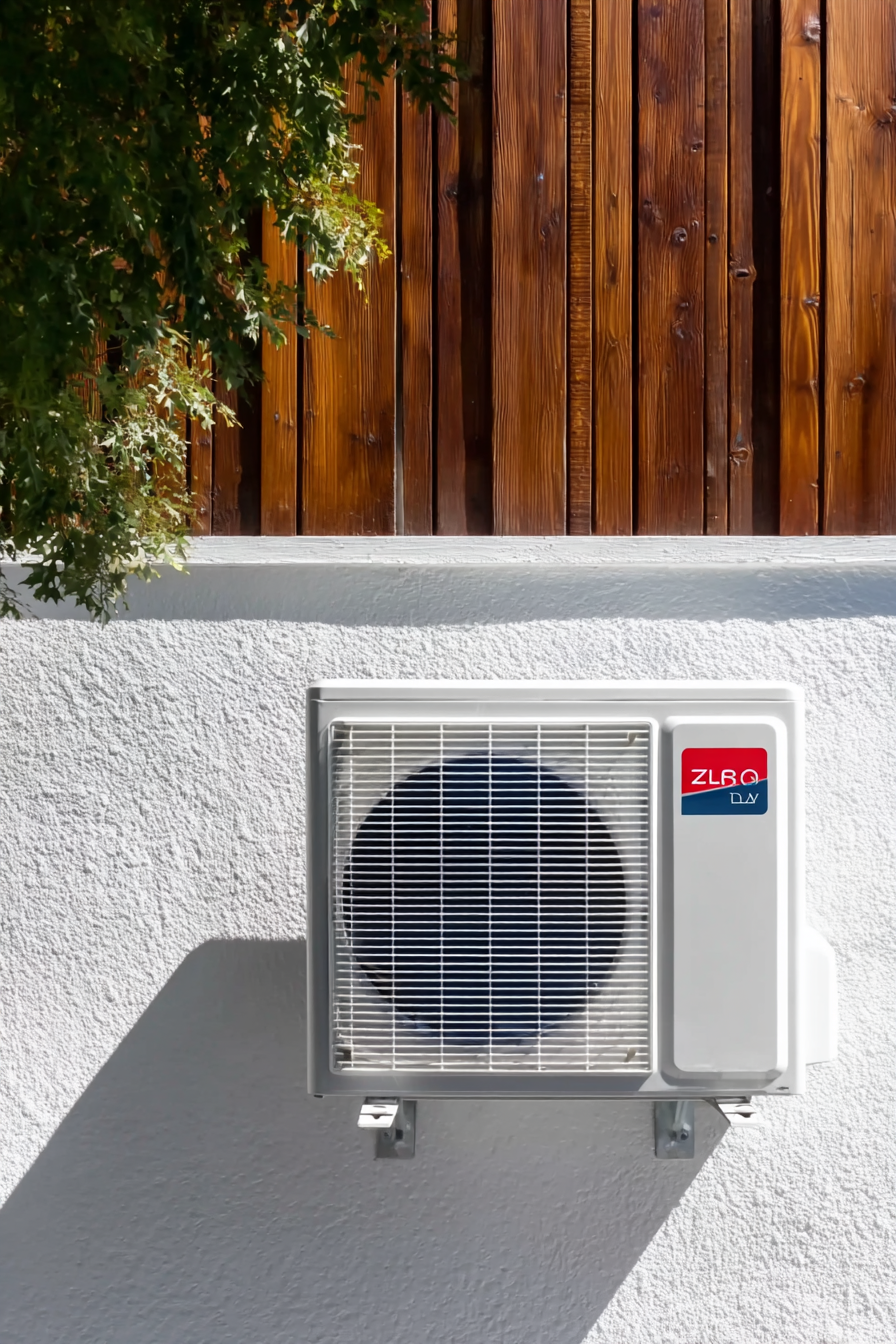
Modern Canadian homes are subject to mechanical ventilation requirements under building codes. The heat recovery ventilator (HRV) plays a critical role in maintaining air quality.
How it works: It removes stale, humid air from kitchens and bathrooms while bringing in fresh outdoor air. The system recovers heat from outgoing air to pre-warm incoming air, improving energy efficiency.
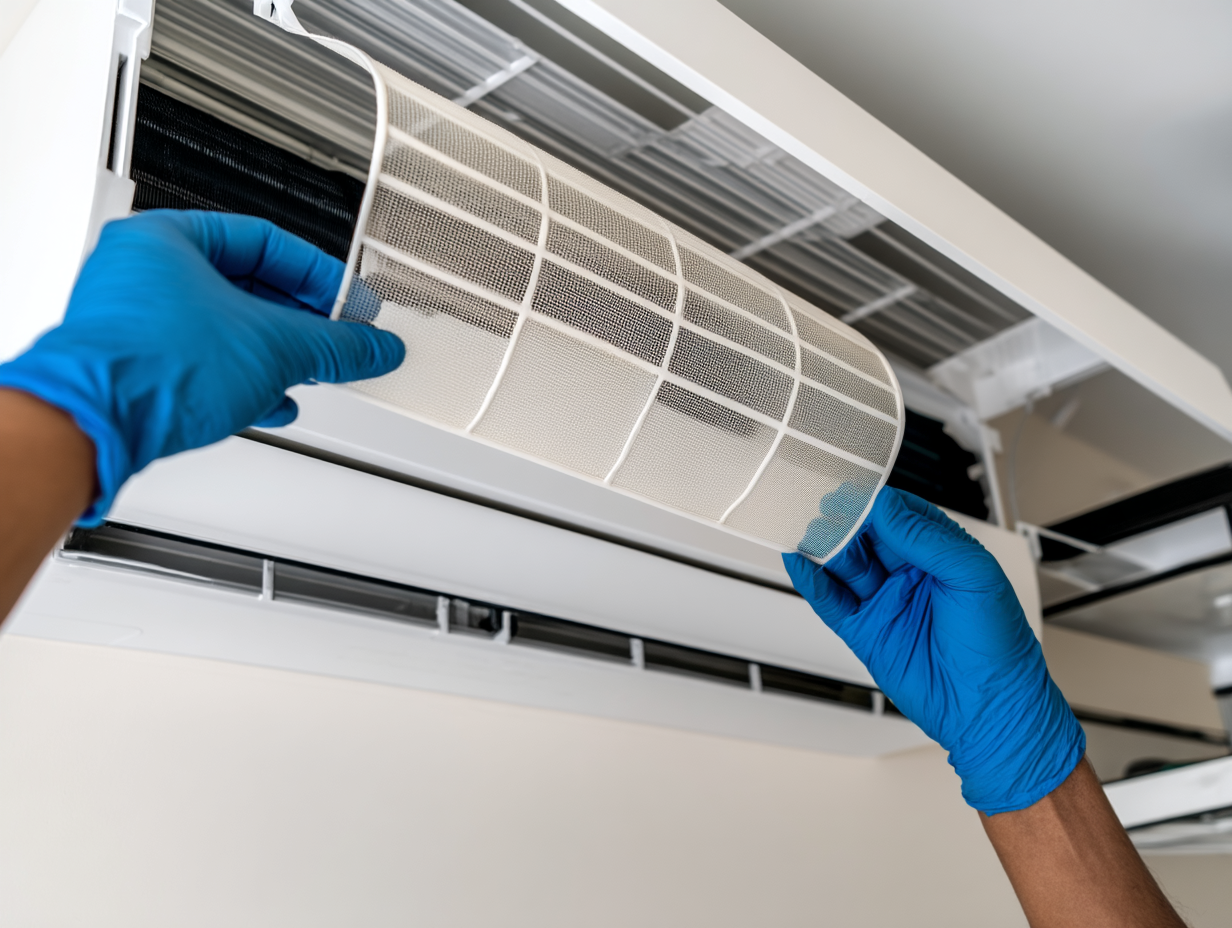
Maintenance: Clogged filters reduce effectiveness and can even worsen air quality. Filters should be cleaned or replaced every 3 to 6 months, and exterior air intakes should be kept clear of snow and debris.
Humidity and Mould: Finding the Right Balance
Source: RenoQuotes
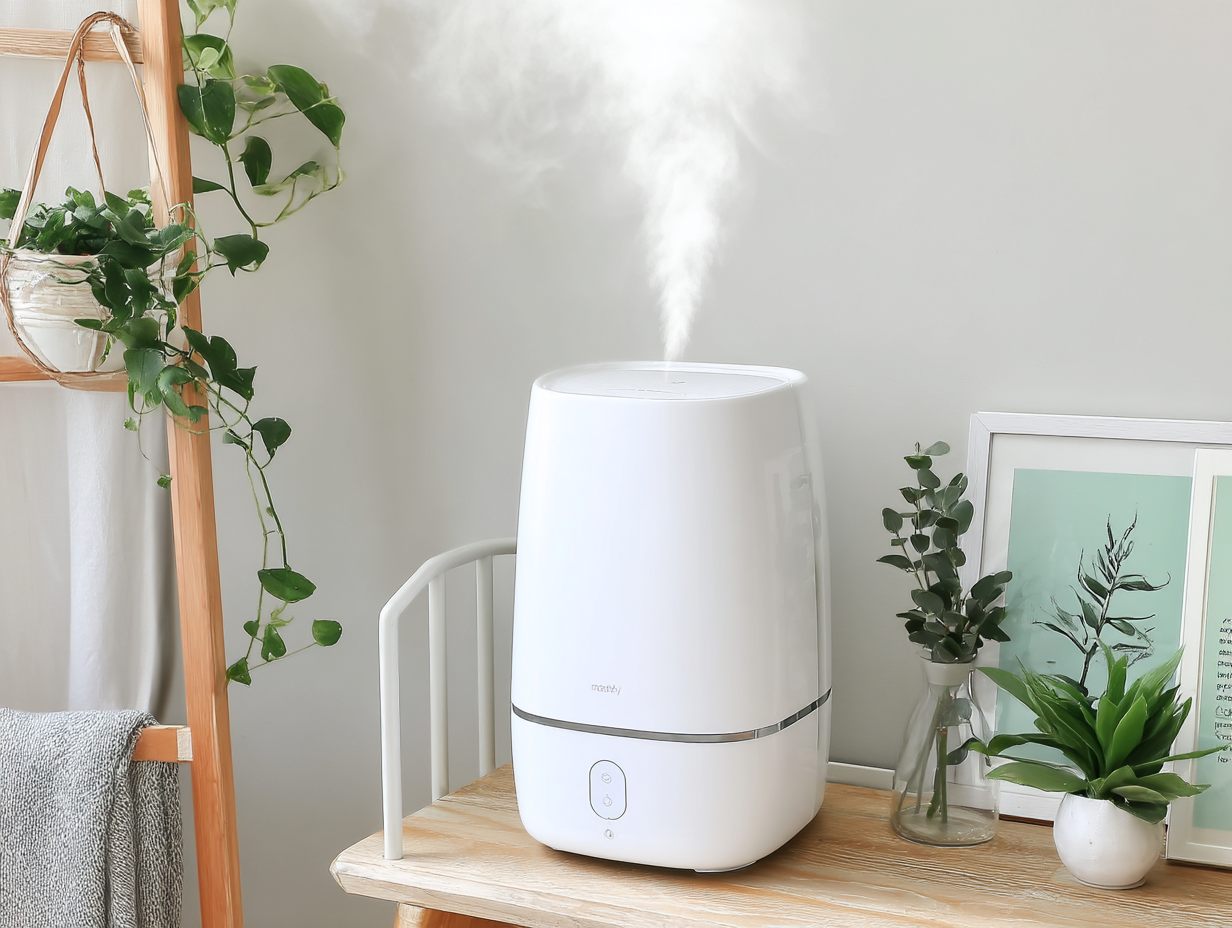
Humidity is one of the biggest challenges for Canadian homes.
Too high (above 50%): Encourages mould growth and dust mites
Too low (below 30%): Causes dry eyes, nosebleeds, and increased vulnerability to respiratory infections
Use a hygrometer to monitor humidity levels. Condensation on windows is often a sign of excessive humidity or poor ventilation. For tips on optimizing your system, check out this guide on residential ventilation.
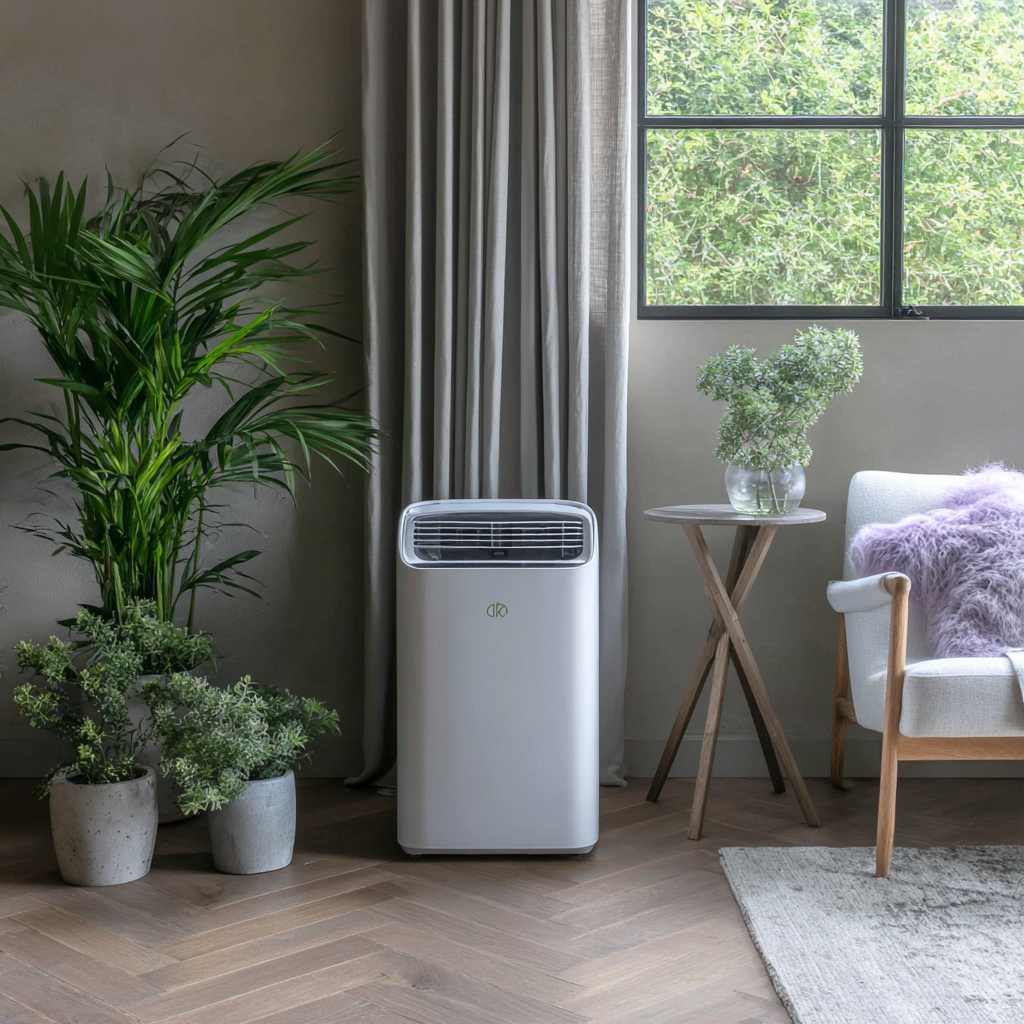
Air Purifiers vs. Ventilation Systems: What’s the Difference?
Source: RenoQuotes
These systems serve different purposes:
HRV (heat recovery ventilator): Brings in fresh air and removes pollutants, moisture, and radon.
Air purifier (HEPA): Filters indoor air to remove particles like dust, pollen, and pet hair
For best results—especially for allergy sufferers—combine both systems.
5 Simple Ways to Improve Indoor Air Quality Today
Source: RenoQuotes
Ventilate strategically: Open windows for 5–10 minutes, even in winter, on milder days.
Clean ventilation ducts: Especially after renovations or when moving into a new home. Having your ventilation ducts professionally cleaned is recommended.
Use your range hood: Always turn it on while cooking to exhaust combustion gases and excess moisture.
Check air sealing: Ensure proper sealing without blocking designed air intakes.
Reduce pollutants: Limit scented candles, incense, and non-EPA-certified wood-burning appliances as they release harmful fine particles.
For ventilation system upgrades or decontamination work, don’t hesitate to request quotes from certified professionals.
Indoor Air Quality: A Key Factor for Your Health
Maintaining good indoor air quality in Canadian homes comes down to a few essential actions: controlling humidity, properly maintaining your HRV, and testing for radon. These steps help reduce mould, remove pollutants, and protect your respiratory health. As homes become more airtight, ventilation plays a critical role in both comfort and building durability. If you notice signs of poor air quality, consulting professionals can help you identify issues and implement effective solutions.
Looking for something else?
Related articles
The latest industry news, interviews, technologies, and resources.
Editorial Team
•22 Jun 2026
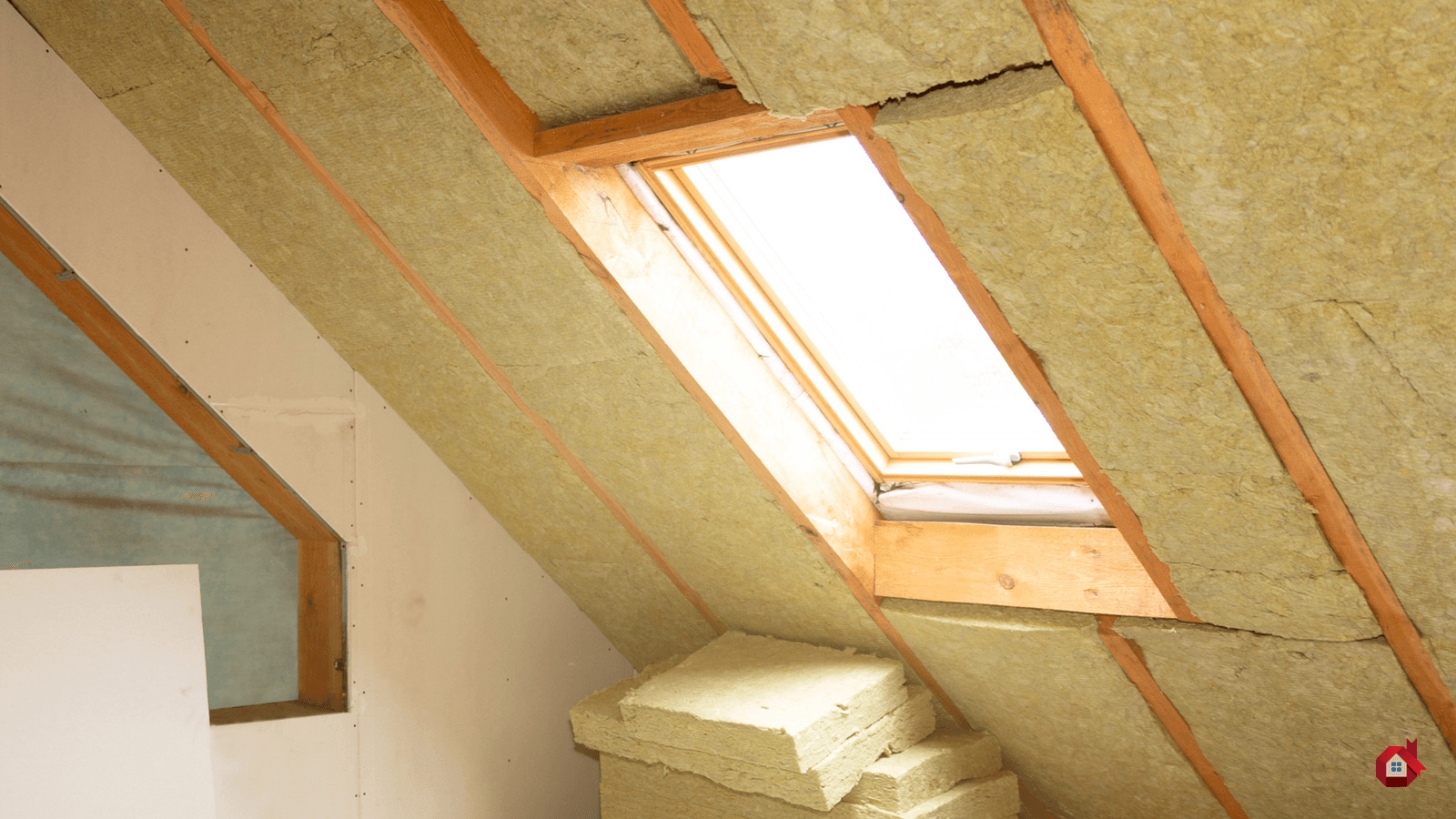
As the winter season approaches, ensuring warmth in your home is very important. Dozens of studies indicate that windows can represent a significant fraction of the total energy consumption of a building. Therefore they are an important subject of efforts of window companies Halifax to reduce energy losses. In this article, we are going to look at techniques for insulating the windows, how to regulate them, and how to cover the gaps to secure your house for the winter season.

Editorial Team
•21 Jan 2025
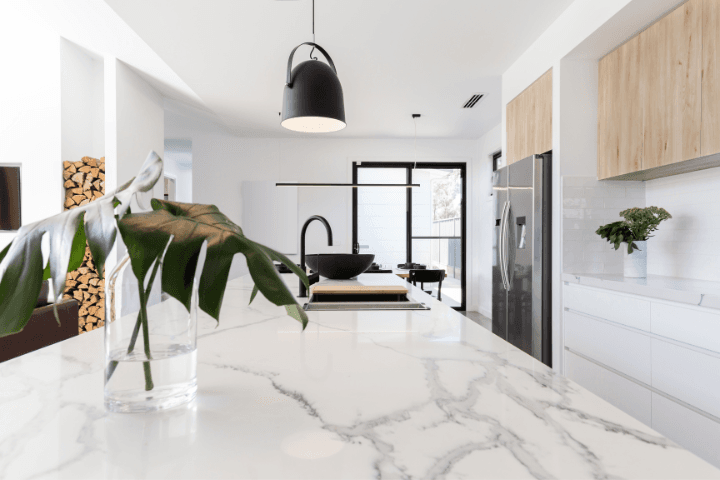
Natural stone countertops are favoured options in modern kitchens and bathrooms for their robusticity and timeless elegance. They add value to a house while also serving as durable work surfaces. But, when faced with a slew of available materials, how can you go about choosing the one that's best suited to your needs?

Editorial Team
•08 Nov 2023
Need a bit of advice on how to get started on your house painting project? We met with Antoine LeBouc, one of our painting contractors, to give out a few of his best tips. To check out the video (in French with English subtitles), click here!

Editorial Team
•26 Jul 2024
During those summer months when the weather is extremely hot, we try to spend most of our time outside. If we’re lucky, our homes come equipped with a backyard or some green space where we can relax. There are endless ways to enhance outdoor spaces, including certain installations that require plumbing.