Condo Soundproofing in Canada: Costs and Best Solutions for 2026
By Cynthia Pigeon
Updated on April 17, 2026
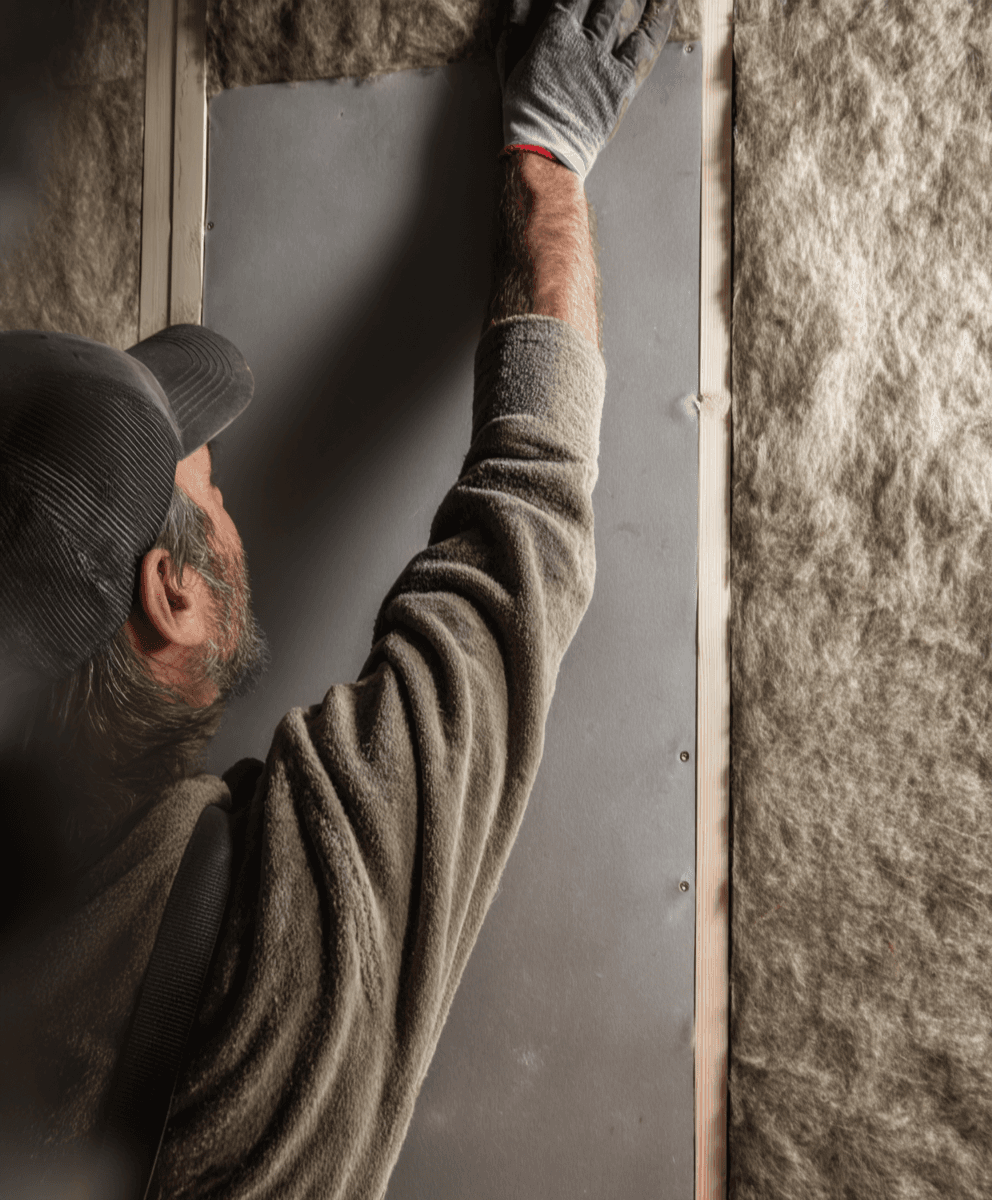
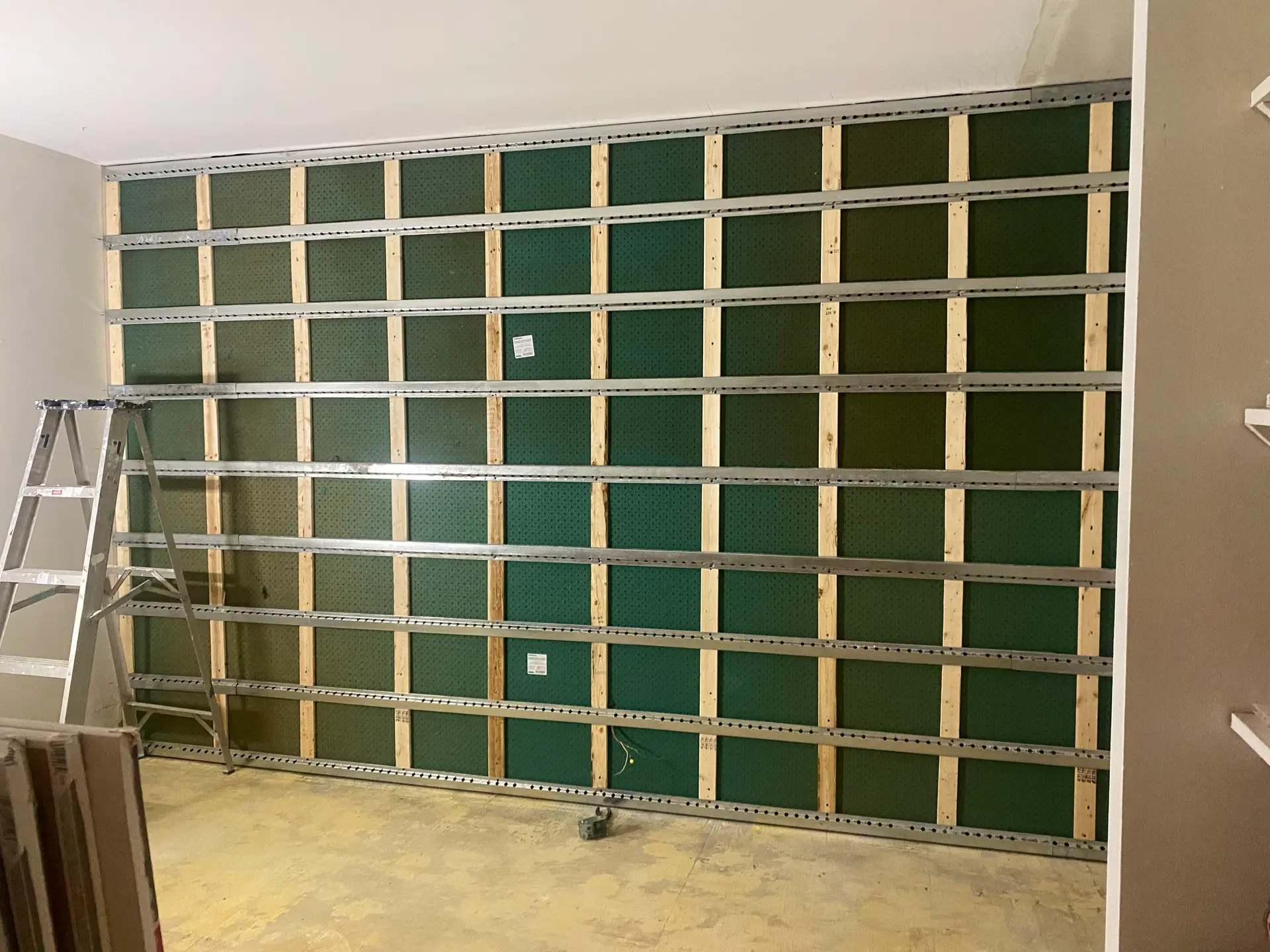
In 2026, wall soundproofing in a Canadian condo typically costs between $15 and $25 per square foot, including labour and specialized materials. For materials alone, expect to pay between $1 and $10 per sq. ft. An effective system usually combines mineral wool insulation, resilient channels, and acoustic drywall (around $40 per sheet). Beyond comfort, soundproofing can also increase your property’s resale value by achieving a higher STC (Sound Transmission Class) than the minimum building code requirements.
Cost of Condo Soundproofing in Canada: What to Expect in 2026
Source: Construction M-A Bilodeau
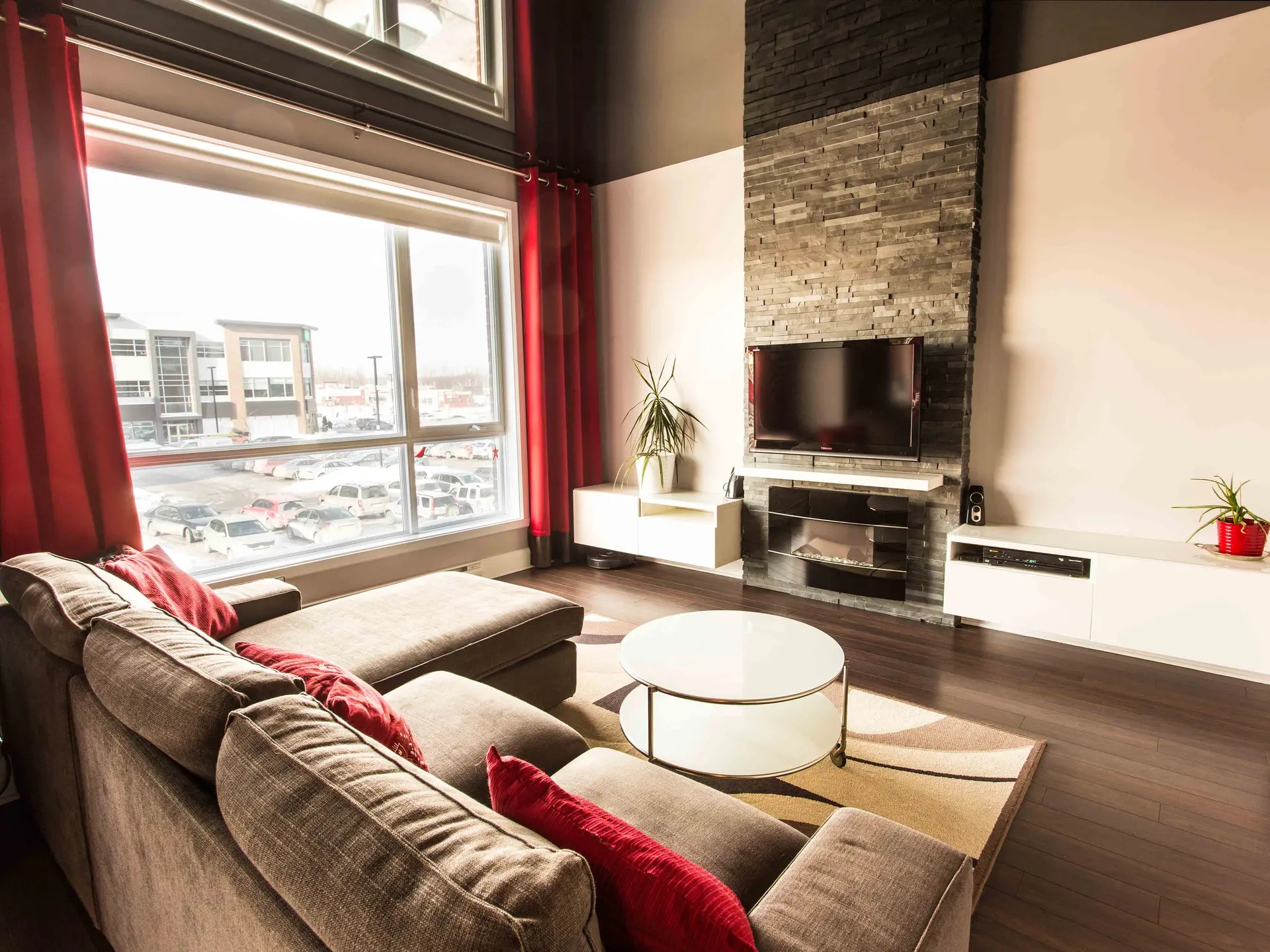
Living in a condo—whether in Toronto, Vancouver, Calgary, or elsewhere—offers many benefits, but shared walls and ceilings can quickly become a source of stress. From footsteps above to conversations next door, soundproofing is a strategic investment for both your mental well-being and your property value.
In 2026, acoustic technologies have evolved significantly, making it possible to correct noise issues without sacrificing too much living space. However, condo renovations require careful planning due to strata or condo board regulations, which vary across Canada.
How Much Does Condo Soundproofing Cost per Square Foot?
Source: Gestion Harvey Martin Nicolas inc.
The total cost of soundproofing includes both materials and specialized labour (drywall installation, finishing, painting).
Materials only: $1 to $10 per sq. ft., depending on system complexity.
Turnkey project: $15 to $30 per sq. ft., including demolition (if needed), installation, and finishing.
Acoustic Materials: 2026 Price Comparison
The Canadian market offers solutions designed to address two main types of noise: airborne noise (voices, TV, music) and impact noise (footsteps, vibrations).
Acoustic Drywall: A Game-Changing Material
Source: Habitations HD
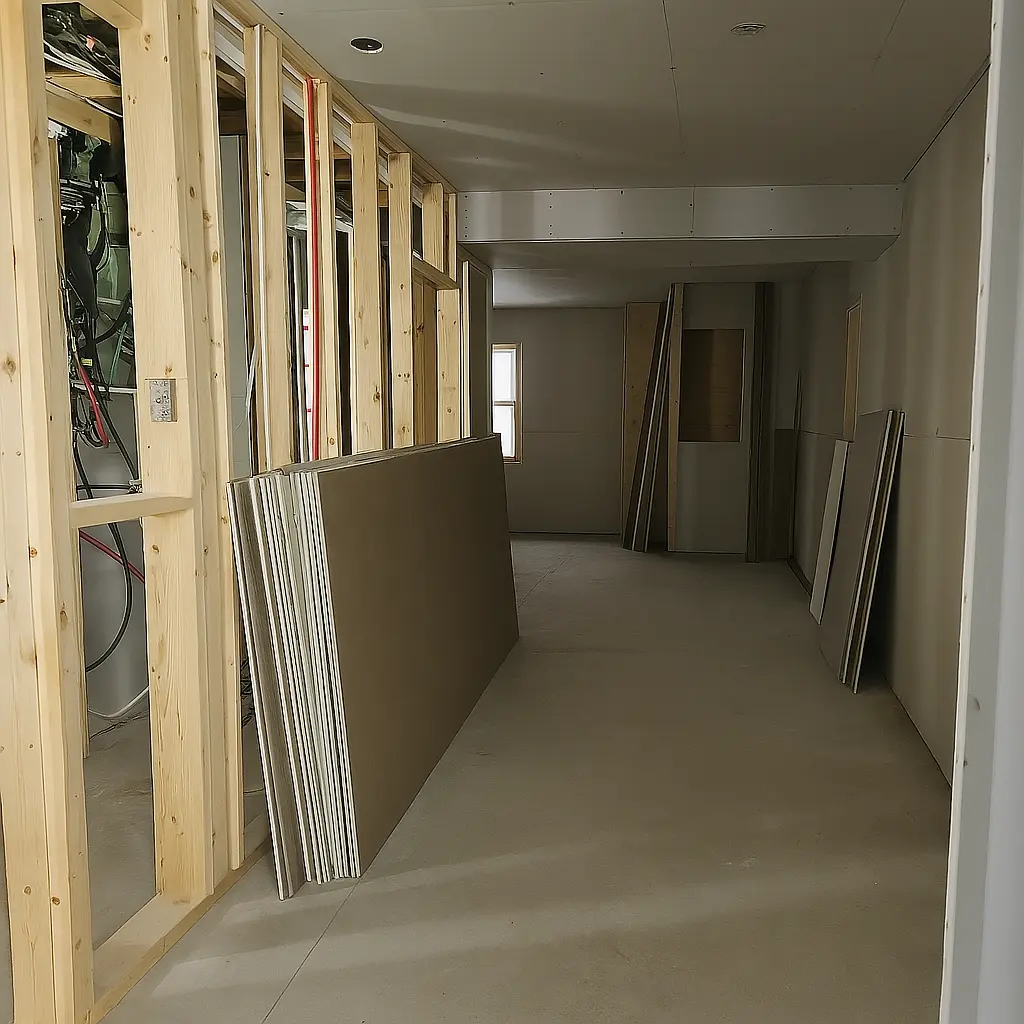
Unlike standard drywall, acoustic drywall (such as SilentFX or SONOpan panels) features a denser core or viscoelastic layer that absorbs sound energy.
Cost: Approximately $40 to $50 per 4’ x 8’ sheet.
Benefit: Replaces multiple layers of standard drywall while delivering superior sound blocking.
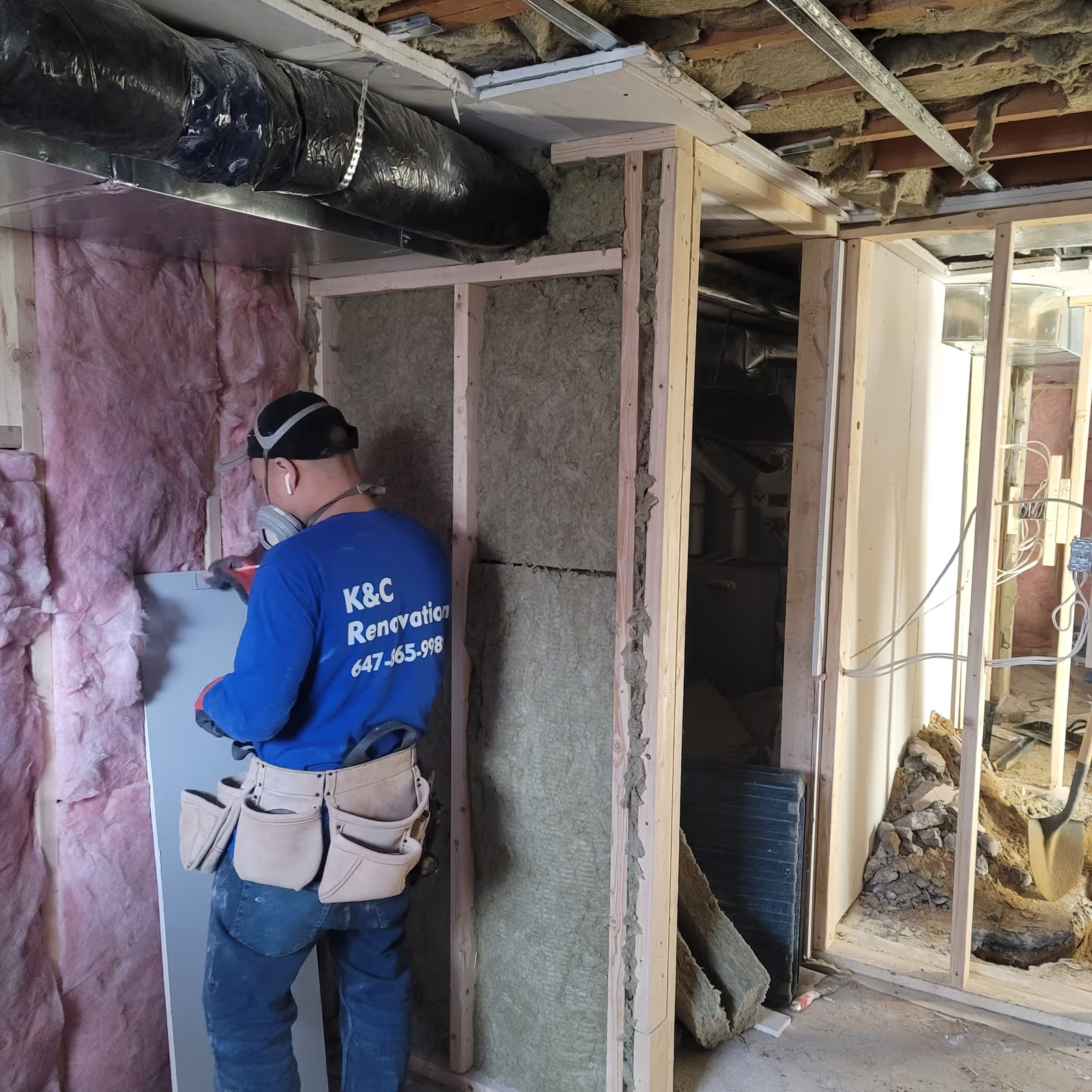
Mass Loaded Vinyl (MLV) and Resilient Channels
Source: KC Renovation
To reduce vibrations travelling through framing, installers use resilient channels or MLV membranes.
Resilient channels: Affordable ($2–$4 per unit), they decouple drywall from the structure.
MLV membranes: $2 to $6 per sq. ft., adding mass without thickness—ideal for tight spaces.
Soundproofing by Surface: Cost Overview (2026)
Surface | Recommended Materials | Material Cost (sq. ft.) | Primary Benefit |
Walls | Acoustic drywall + mineral wool | $3 – $7 | Airborne noise (voices, TV) |
Ceilings | Resilient channels + cellulose insulation | $5 – $12 | Footsteps and vibrations |
Floors | Acoustic membrane (IIC 70+) | $2 – $6 | Impact noise |
Condo Board Restrictions: What to Consider

Source: RenoQuotes
Before signing a quote from a qualified contractor, reviewing your condo declaration or strata bylaws is essential.
STC and IIC standards: The National Building Code of Canada generally requires a minimum STC of 50 between units, but many condo boards require an STC of 55 or higher.
Technical approvals: Structural changes or flooring replacements may require acoustic testing or proof of compliance.
Work hours: Noise-generating work is often restricted (e.g., 9 a.m. to 4 p.m.), which can impact labour costs.
What Impacts the Final Cost?
Soundproofing is not just about materials—it’s about execution. A single poorly sealed electrical outlet can compromise a wall's entire soundproofing.
Sealing precision: Acoustic sealant or a "smoke seal" around outlets and wall perimeters is critical.
Region: Labour rates vary—major cities like Toronto, Montréal, and Vancouver often have higher costs due to demand.
Existing conditions: Demolition and disposal of old materials can increase overall costs.
To ensure a quieter and more comfortable home, it’s recommended to work with a licensed contractor who has specific expertise in acoustics. You can compare condo soundproofing specialists across Canada to get an accurate assessment tailored to your project.
Why Hire a Specialized Contractor?
To ensure optimal results, it’s recommended to work with a contractor experienced in acoustic insulation and soundproofing systems.
A qualified professional will:
Diagnose your specific noise problem.
Recommend the right system (not overbuild or underbuild).
Ensure compliance with condo board requirements.
Condo Soundproofing: A Smart Investment for Comfort and Value
Soundproofing your condo is a direct investment in your daily comfort. With the right combination of materials and proper installation, you can significantly reduce noise while meeting condo regulations. When well planned and executed, soundproofing not only improves your quality of life but also enhances your property’s long-term value.
Looking for something else?
Related articles
The latest industry news, interviews, technologies, and resources.
Cynthia Pigeon
•08 Nov 2023
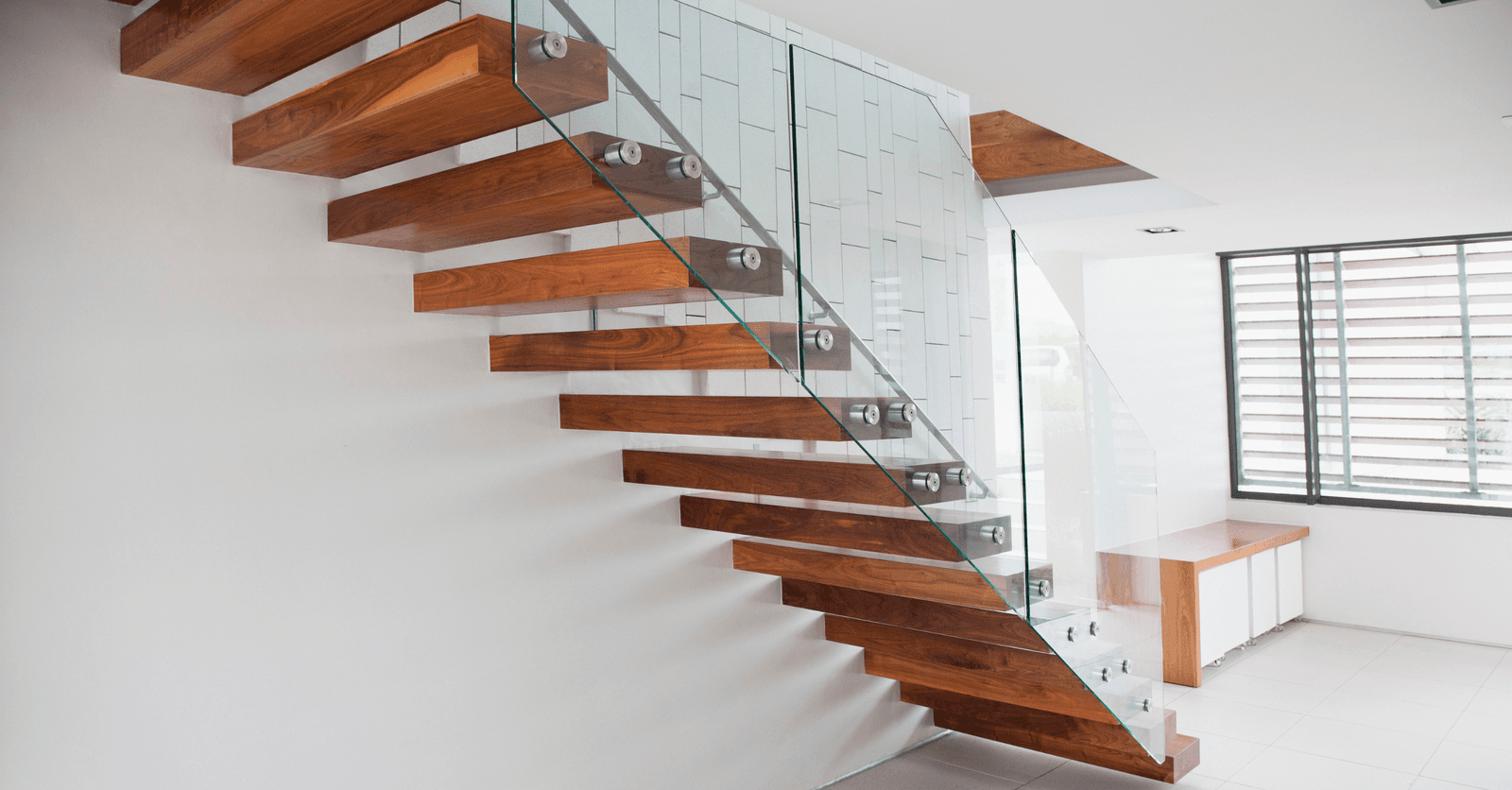
When you come home late at night, you desperately want to try to minimize the sound of your every footstep so as to not wake anybody up. However, this very mission can be hindered by squeaky stairs that may complicate your end goal. Even throughout the day, there is nothing more irritating than the squeak of the stairs at one’s every step.
Cynthia Pigeon
•09 Sep 2026
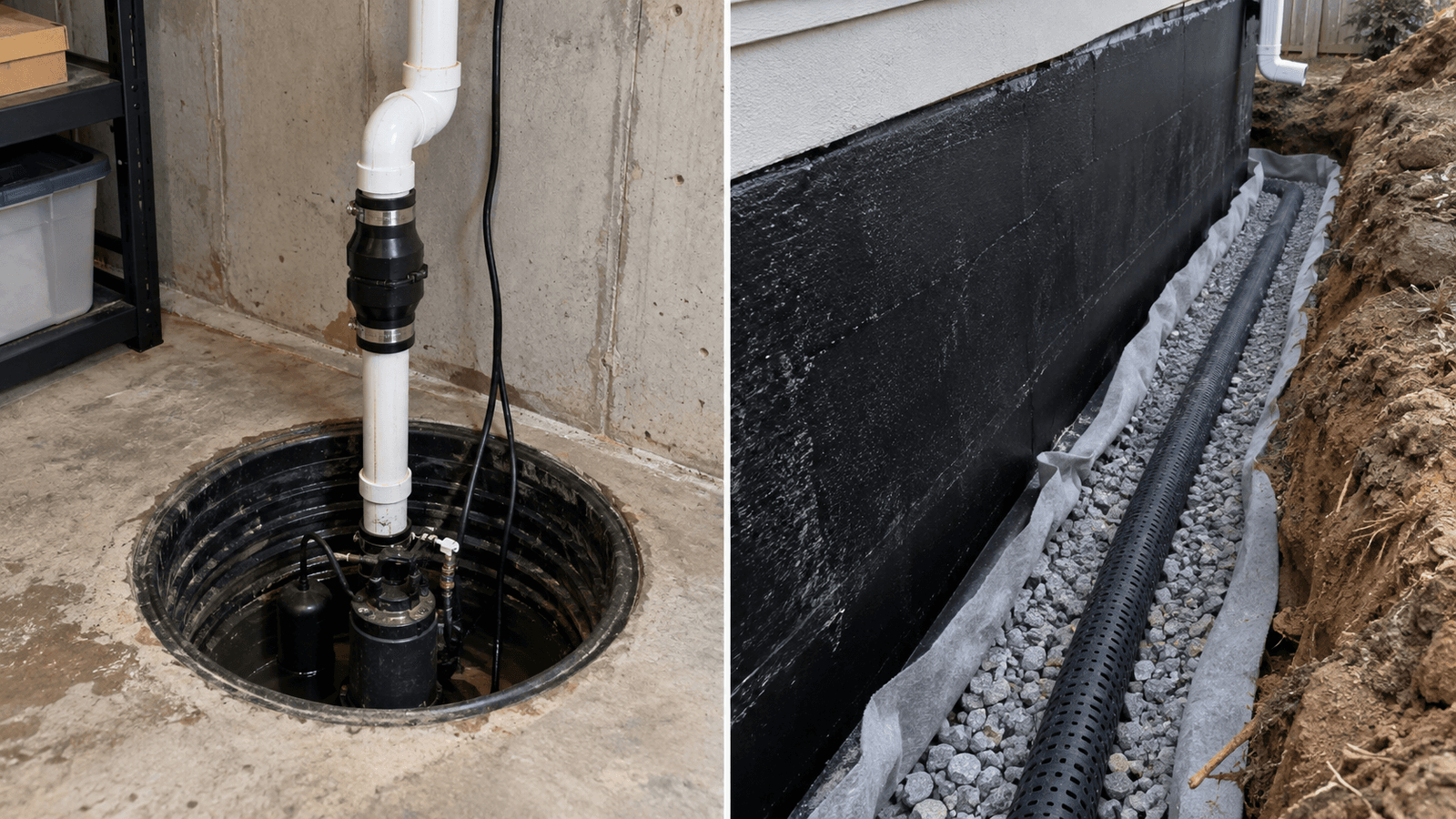
In Quebec, basement water infiltration is the most common type of residential insurance claim. According to the Insurance Bureau of Canada, water damage accounted for 68% of home insurance claims paid in Quebec in 2024. Harsh winters, major spring thaws, and heavy summer rainfall place considerable hydrostatic pressure on the below-grade portions of our homes.
Editorial Team
•18 Aug 2025
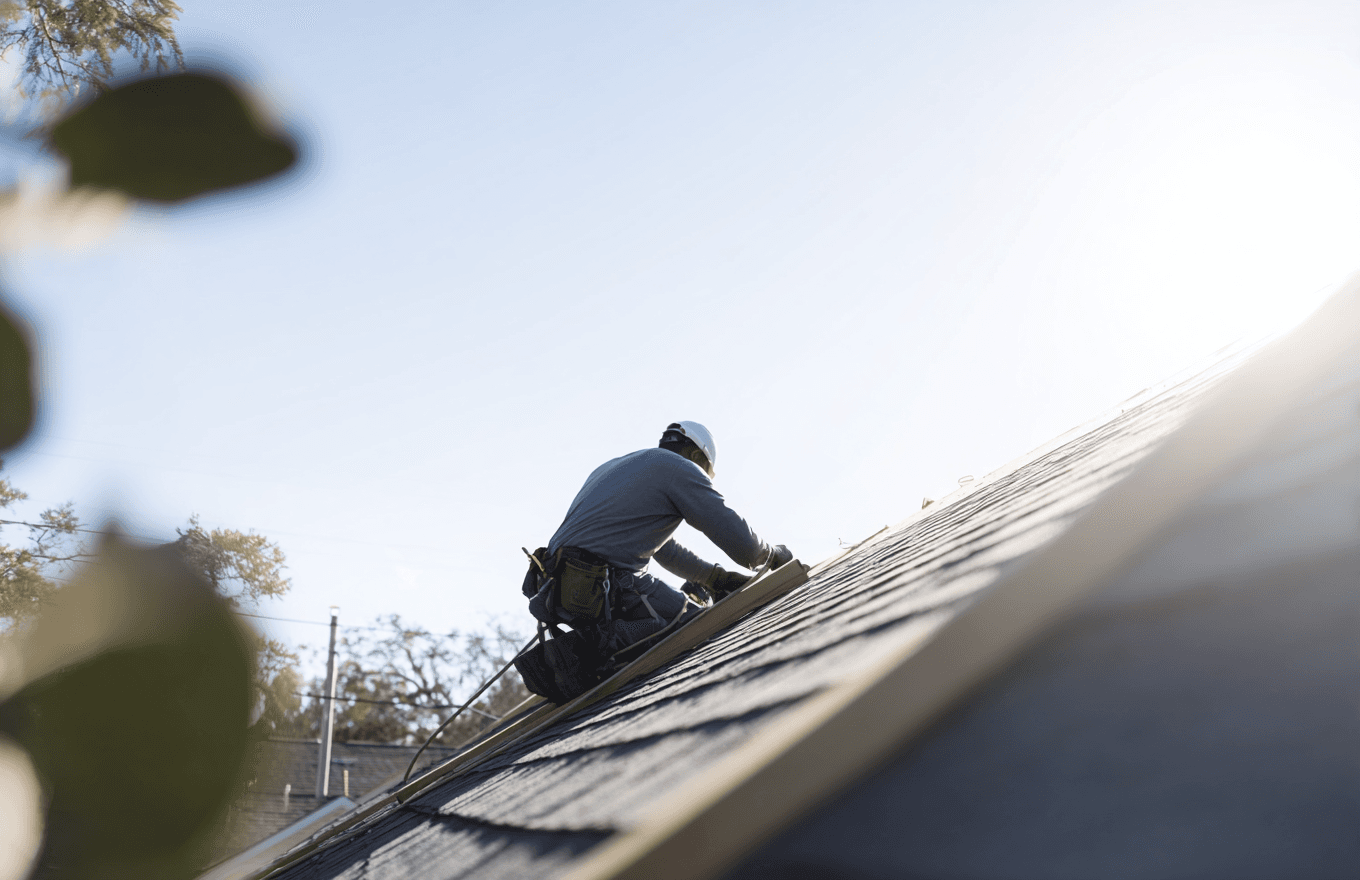
Your roof protects your home from the elements and keeps heat in during winter. Yet, many misconceptions about roofing still circulate. Some myths may lead homeowners to neglect roof maintenance or make poor renovation decisions. In this article, we debunk several popular beliefs, explaining why they are false and which practices to adopt instead.

Christine Simard
•08 Nov 2023
The rusty look has never been on trend and unfortunately for us, it is inevitable when we have exterior metal structures that are exposed to the elements. If you are a person who enjoys doing small renovations on your own, it's good to know that metal, especially rusty metal, requires specific maintenance if you want to achieve a professional end result.

Cynthia Pigeon
•01 Sep 2026
A true centrepiece of contemporary Quebec homes, the kitchen island has evolved significantly over the past decade. Once simply a wood or laminate prep surface, it has become a multifunctional hub that can include cooking appliances, an undermount sink, a dishwasher, and multiple charging points for electronic devices.