The Price of a Basement Renovation: How Much Does It Cost in 2026?
By Editorial Team
Updated on April 2, 2026

What are the factors that influence the cost of finishing a basement? What steps should be considered to determine an accurate budget? In this article, we detail the various stages and factors that affect the final cost, from material choices to the complexity of the necessary work.
Prices for a basement renovation project
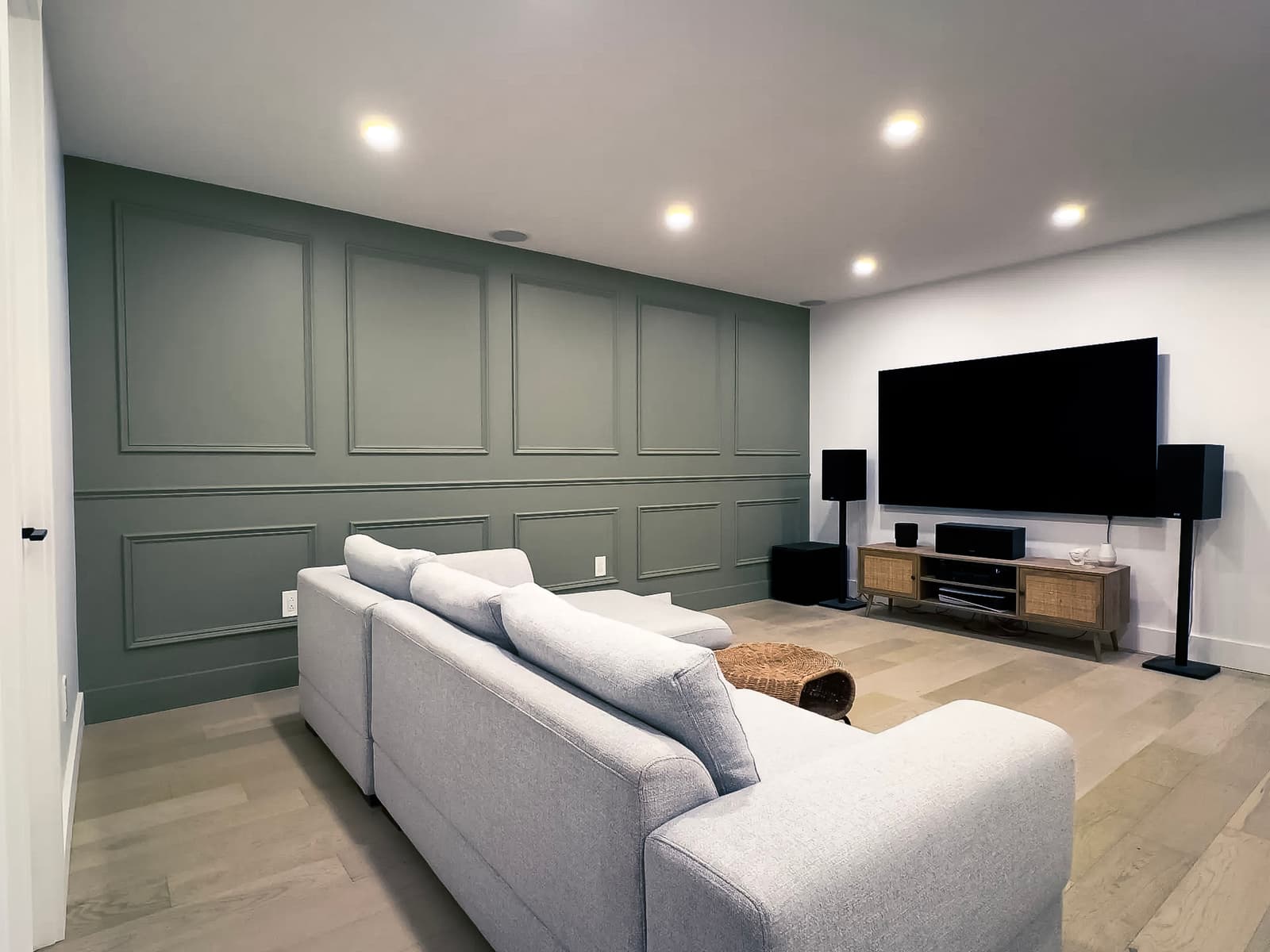
Source : les constructions W.A.V.E inc.
On average, the cost to finish an unfinished basement ranges from $70 to $100 per square foot.
It is important to establish what is included in the costs associated with finishing a basement.
Basement finishing can vary depending on the specific needs of each project. In some cases, the contractor will need to perform preparatory work such as demolition (min. $3000), excavation, or stripping to prepare the space. Reconstruction may involve steps such as drywall installation, joint taping, floor covering, and finishing work.
Depending on the project, electrical and carpentry work may also be necessary. Finally, the budget may include the installation of flooring and the application of multiple coats of paint on the walls for a complete finish.
To learn about the average costs of various renovation tasks, check out the Comprehensive Renovation Price Guide.
Factors That Affect the Price of Basement Renovation
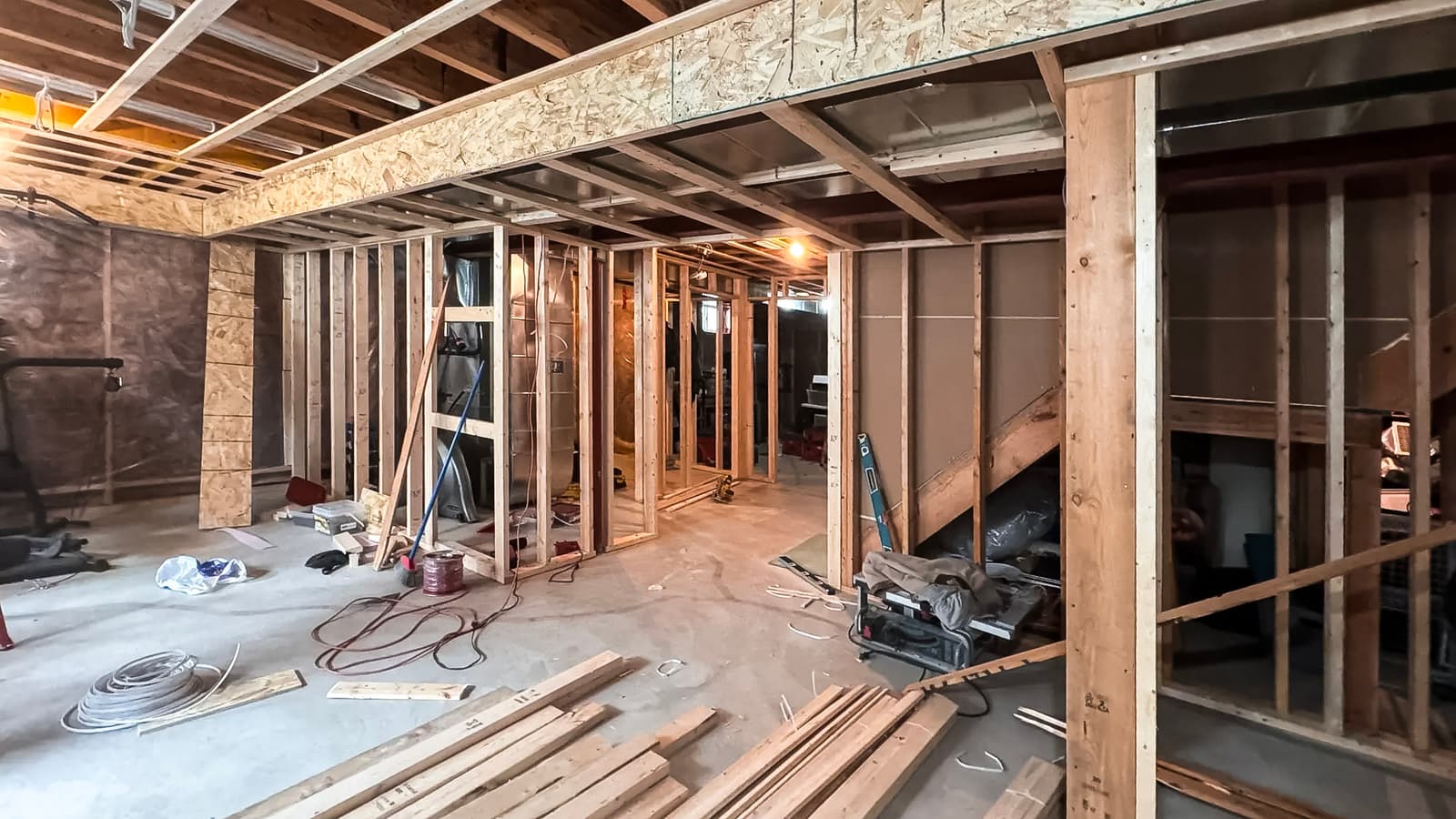
Source : art-coa construction
Please note that these prices are never fixed, as each project may have its own unique characteristics. Several factors can influence the cost of the work, either increasing or decreasing it. For example, the demolition stage may be more extensive than in the average case. You may also need to remove or modify load-bearing walls (by building new beams or columns).
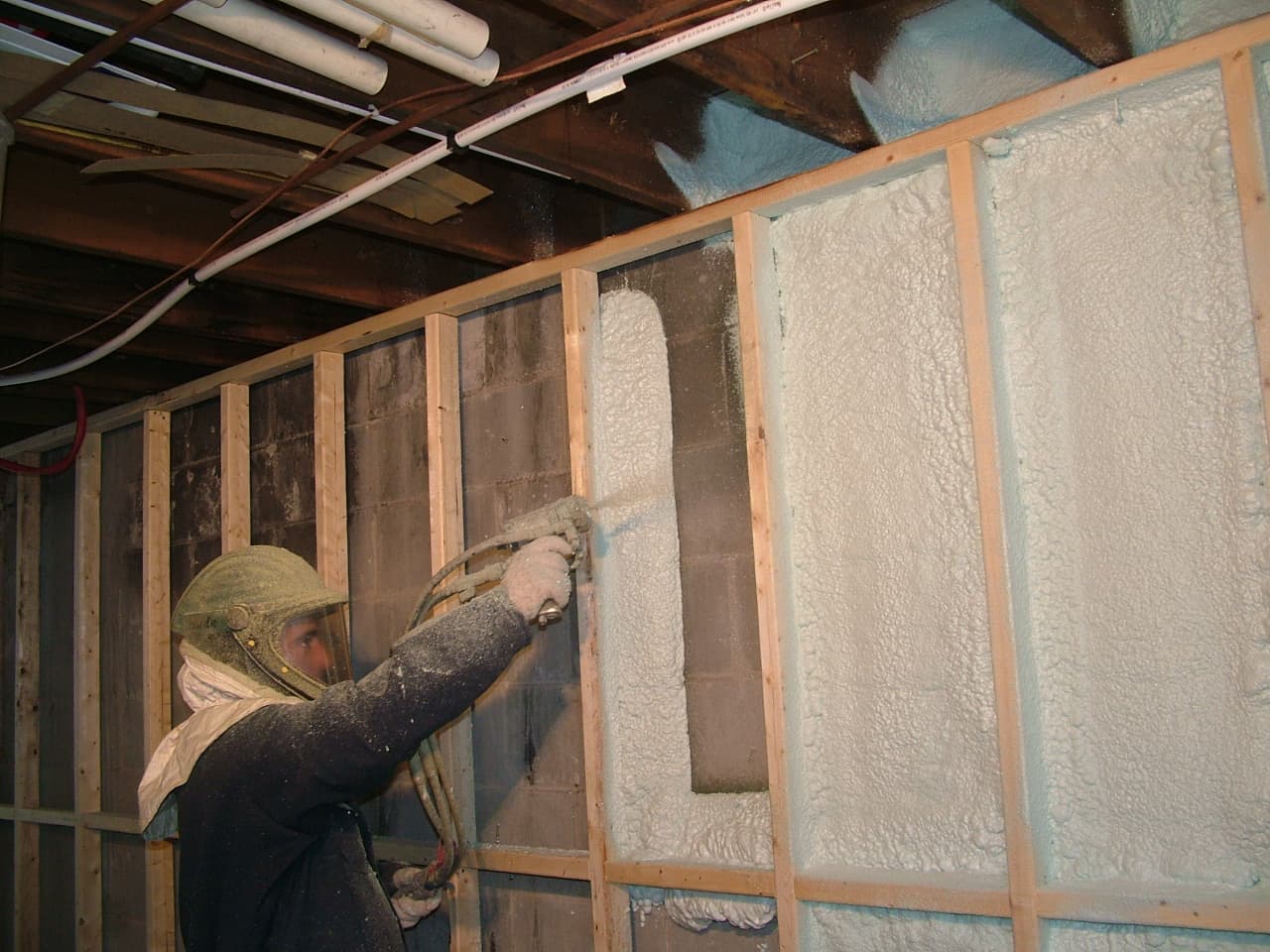
Often, to make a basement habitable, work needs to be done on the insulation and soundproofing of the walls and ceiling. Depending on the quality of the existing materials, this will affect the costs. If the floor remains on the main concrete slab, a new floor will need to be installed. If the process proves complex, this part of the work can quickly increase the cost.
Other elements that may affect the final price of your basement renovation:
Installing a new staircase
Adding a bathroom
Expanding an existing room
Creating new openings
Of course, the choice of material quality can dramatically affect the price of the work. However, if you use high-quality materials, the value of your home will increase accordingly.
Lastly, the age of your building will also have a major impact on the complexity of the work, and consequently, the duration and total cost of the project.
4 Things to Consider Before Building Your Basement
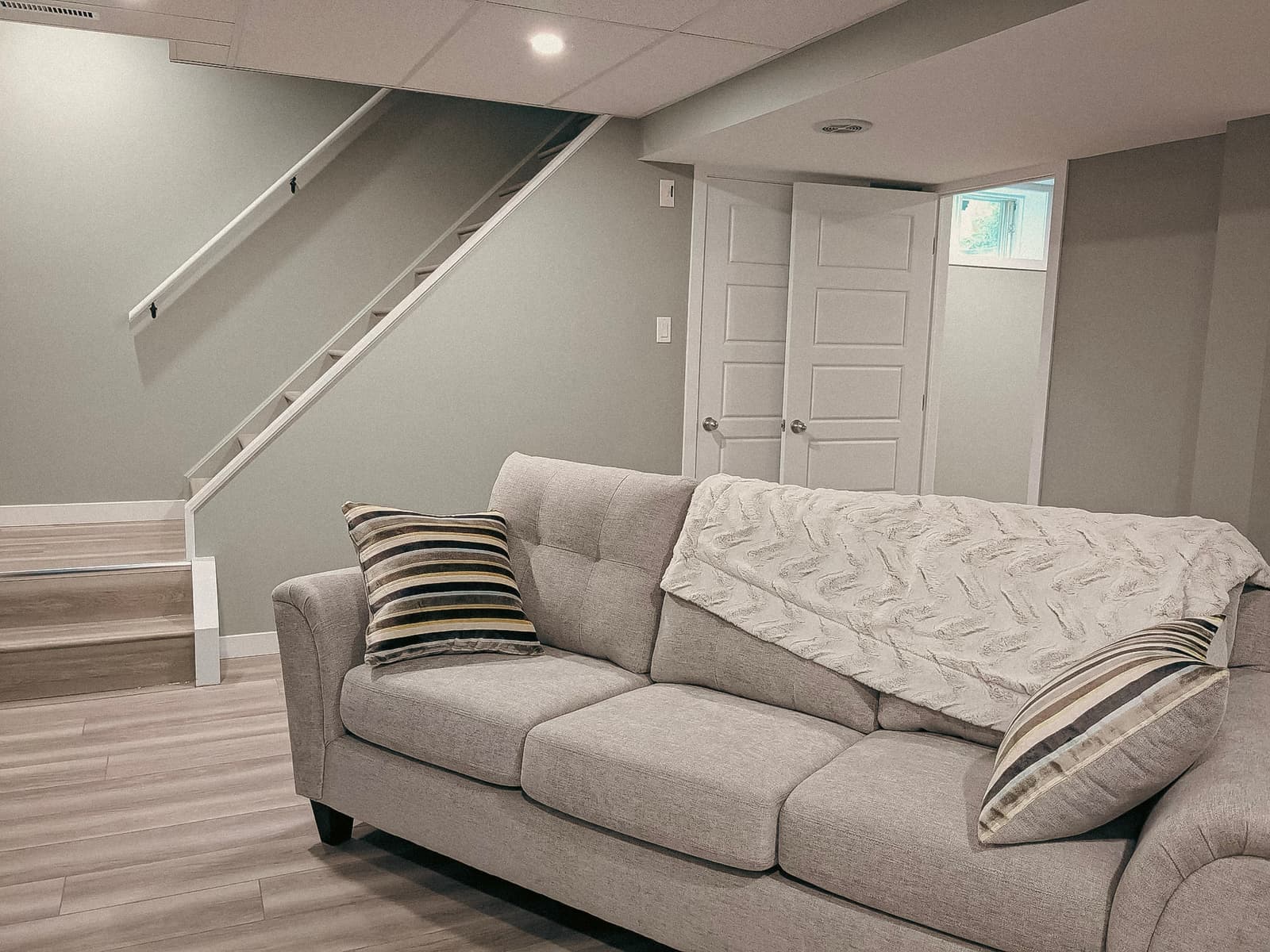
Source : Top Construction
Safety and Comfort
In terms of safety and comfort, it is essential to know whether you can move freely in the basement without needing to duck to avoid dangerous obstacles. Some areas of the basement may have a minimum height of 78 inches, according to current standards. This includes corridors, secondary vestibules, unfinished basements, secondary living rooms, and secondary dining areas or kitchens. However, if you want a lower ceiling, you will need to install a stretch or suspended ceiling.
Cracked Walls and Floors
Cracks in the walls and floors of your basement may indicate structural issues or water infiltration. It is crucial to inspect them carefully and repair them promptly to prevent moisture from seeping in, which could cause long-term damage. In addition to compromising the integrity of the foundation, these cracks can also promote mold growth. Taking preventive measures, such as applying suitable sealants or consulting professionals, is an essential step to maintain the durability of your basement.
Mould
The presence of mould is a critical factor to monitor in a basement, as it can negatively impact the health and quality of life of the occupants. Mould typically grows in damp, poorly ventilated environments, which is common in basements. Visible signs such as black, green, or white spots on the walls, ceilings, or floors should not be ignored. Additionally, a persistent musty smell often indicates contamination.
Radon Infiltration
Radon is a naturally occurring radioactive gas that can seep into basements through cracks in walls, floors, or openings around pipes. It poses a health risk, especially by increasing the likelihood of lung cancer when present at high levels. Before renovating your basement, it is recommended to conduct a test to check for radon presence. If high levels are detected, solutions such as installing a sub-slab ventilation system or sealing cracks can effectively reduce exposure to this harmful gas.
How to Choose the Right Contractor for Your Basement Renovation Project
Finishing a basement is a large-scale project. Therefore, it is essential to choose the right contractor to complete the job, someone you trust and with whom you are on the same page. First, the contractor must have all the necessary certifications to carry out the renovations (licenses, permits, insurance). Next, they should be able to build your confidence by providing references and explaining the process in detail.
FAQ
What is the most expensive part of a basement renovation?
Waterproofing and plumbing are generally among the most significant expenses in a basement renovation. Waterproofing can be costly due to the work required to prevent water infiltration, leaks, and moisture. Plumbing often requires the intervention of a licensed professional, and older homes may incur additional costs if galvanized pipes need to be replaced.
How much does it cost to redo a floor?
As mentioned in this article, the price for an unfinished basement ranges from $70 to $100 per square foot.
How do you calculate the cost of finishing a basement?
To calculate the cost of finishing a basement, consider the following factors:
Basement area: Multiply the total square footage by the estimated price per square foot (usually between $70 and $100 depending on materials and complexity).
Design and layout: Custom features, such as additional rooms or entertainment spaces, will increase costs.
Materials: The choice of flooring, wall materials, lighting, and finishes significantly impacts the budget.
Plumbing and electricity: Installing or upgrading these systems adds costs.
Permits and labor: Professional labor and necessary permits should be included in the estimate.
Additional features: Elements like insulation, soundproofing, and custom furniture can increase costs.
Looking for something else?
Related articles
The latest industry news, interviews, technologies, and resources.
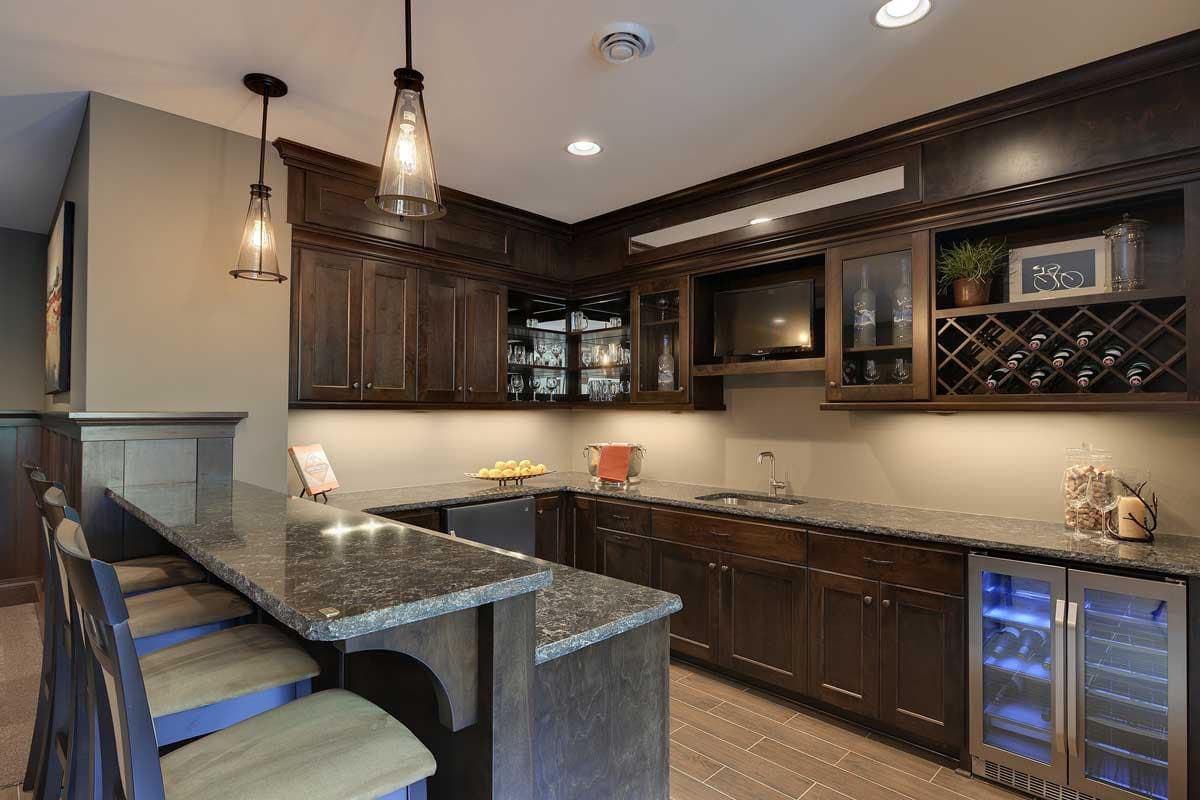
Editorial Team
•08 Nov 2023
Basements today have become very valuable spaces within the home. Whether it’s a recreational space to relax or has extra bedrooms or storage space, making the best use out of your basement is ideal. An added plus to remodelling your basement is that it’s a great return on your investment, with the average return being anywhere from 50 to 75 percent.
Editorial Team
•13 Sep 2024
Synthetic insulation is some of the best you can buy to help insulate your home. Derived from petrochemicals, the popularity of synthetic insulation is explained by a high degree of efficient insulation and very affordable prices. Here at RenoQuotes.com, we’ve prepared this article to help you break down the different varieties of synthetic insulation on the market today.

Christine Simard
•08 May 2026
With fall at our doors, the feeling of wanting to cuddle up in a cozy blanket with a hot beverage is being felt by many. While in relaxation mode, your bedroom's ambiance will play an important role on your mood. This is why the colour of your walls should be chosen according to what you want to reflect.

Karine Dutemple
•16 Jun 2026
You’re looking at your yard with disappointment? Sod patches can quickly give a fresh new look to that tired lawn that’s been getting you down.

Léa Plourde-Archer
•08 Nov 2023
The roof is an element of the home that requires special attention. Roof renovation projects can vary drastically in price and span, from weatherproofing to a complete reconstruction. The budget that is allotted for these projects can be minimal, but it may also reach several tens of thousands of dollars.