Alarm System Installation Guide in Canada and Quebec: Residential, Smart Home and Commercial Security
By Cynthia Pigeon
Updated on May 21, 2026
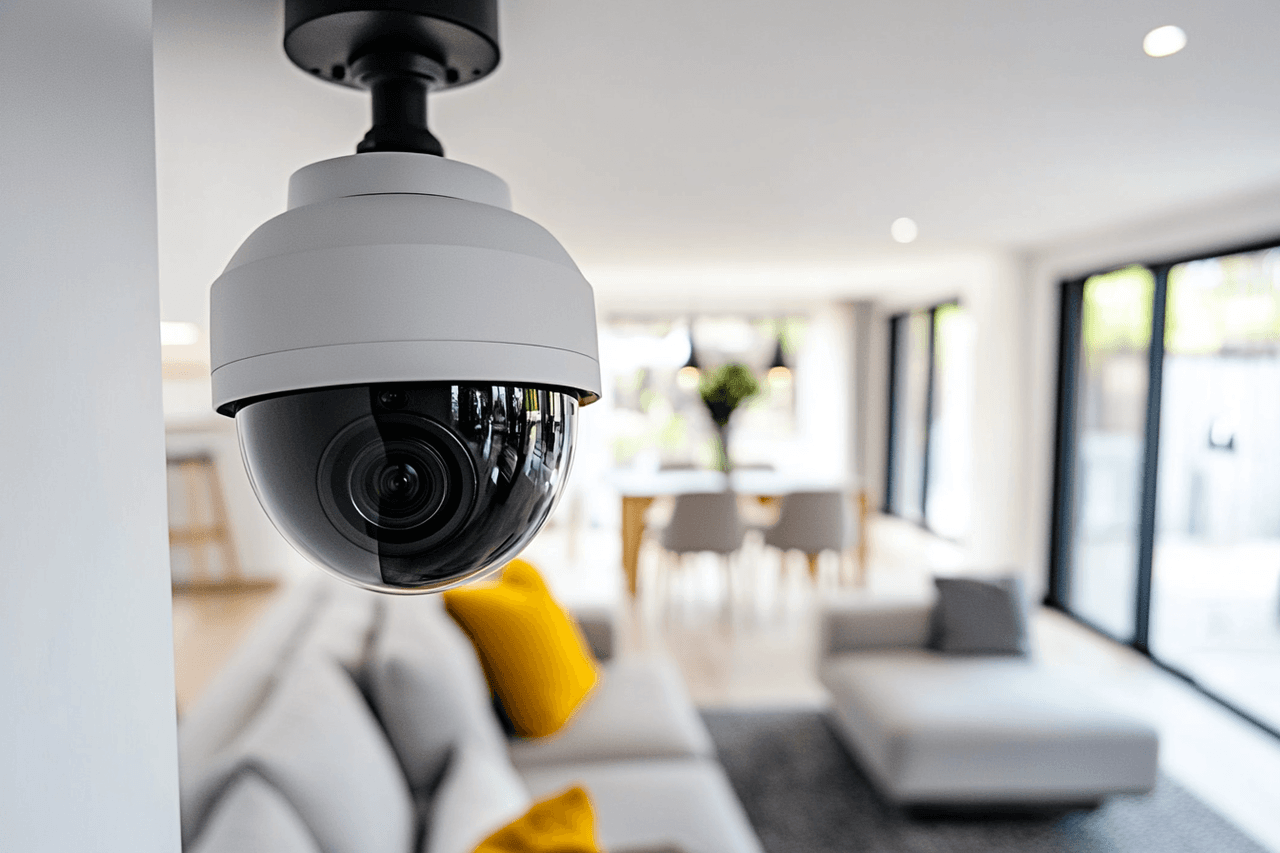
In Canada, the installation of a residential or commercial alarm system should be planned carefully. Security rules vary by province, and Quebec has its own framework through the Bureau de la sécurité privée (BSP) for certain private security activities, such as installing or maintaining alarm systems, cameras or access control systems. When the project involves wiring, electrical connections or systems integrated into the building, provincial contractor licensing requirements may also apply, including RBQ requirements in Quebec.
Some insurers may also offer a discount when a building is protected by an alarm system, especially if it is connected to a monitoring station. However, the conditions vary depending on the insurer, the contract, the building type and the protections installed.
Residential and Commercial Security in Canada: Protecting Your Building Properly
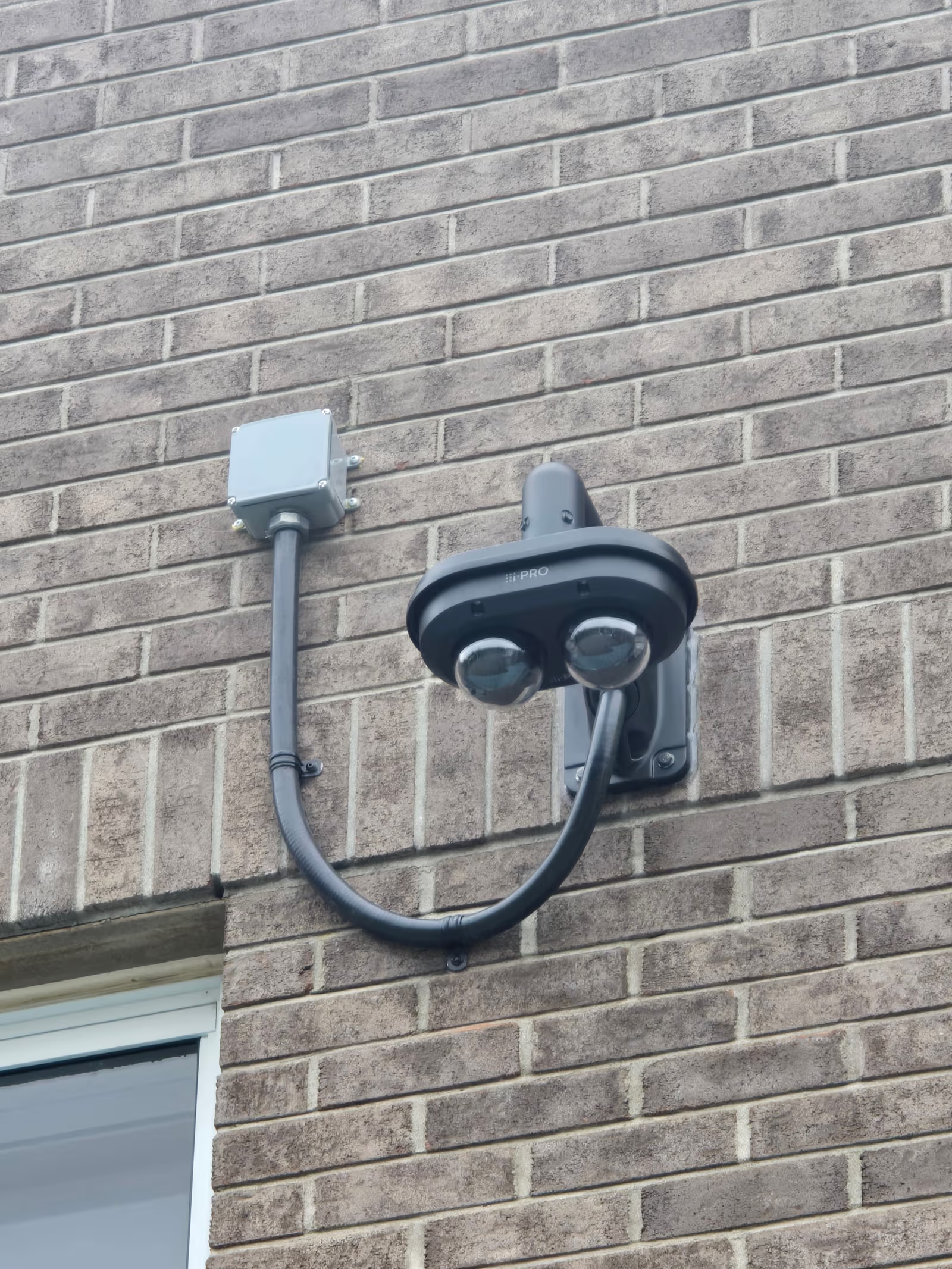
Source: Protekmax Solutions de Securite Inc
The security of a building, whether it is a family home, rental property, condo building or commercial space, now relies on increasingly connected solutions. Modern systems can detect intrusions, fires, water leaks or certain environmental issues, then quickly send an alert to occupants or to a monitoring station.
For homeowners, property managers and businesses, a well-designed security system can help protect assets, improve risk management and provide greater peace of mind. In Quebec and across Canada, climate conditions, private security rules, contractor licensing requirements, insurance standards and municipal false-alarm regulations should all be considered before choosing a system.
Why Your Alarm System Should Match Canadian Conditions
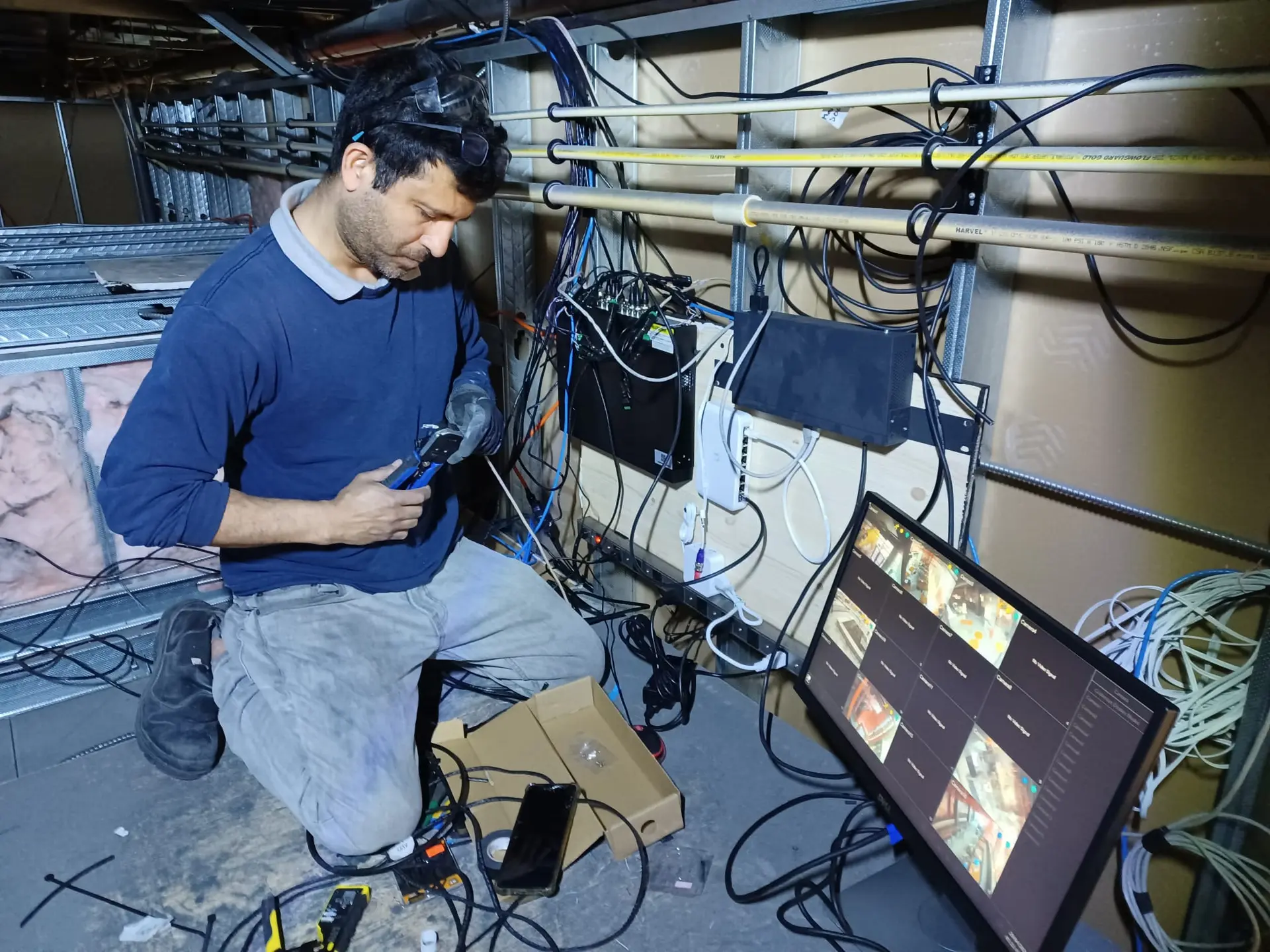
Source: GTA Multimedia Inc
Canada’s climate and building conditions can directly affect the choice and reliability of a security system. Installing equipment that is poorly adapted to local conditions can reduce system reliability, increase false alarms or shorten the lifespan of certain components.
The Impact of Canadian Weather on Security Equipment
In many parts of Canada, including Quebec, Ontario, the Prairies and Atlantic Canada, winter temperatures can drop well below freezing. These conditions, combined with summer heat and humidity, can put electronic components under stress.
Outdoor security cameras: They should have an outdoor-rated protection level and a temperature operating range compatible with the local climate. Low-end devices that are not designed for cold weather may experience fogging, reduced image quality or technical failures.
Batteries and wireless sensors: Cold temperatures can reduce the autonomy of batteries in wireless sensors installed near exterior doors, in sheds or in unheated garages. A qualified installer can recommend components better suited to cold climates, more strategic placement or wired equipment when relevant.
Freeze-thaw movement: In cold regions, freeze-thaw cycles can slightly shift door and window frames. If contact sensors are not properly positioned or calibrated, these small movements can contribute to false alarms.
Insurance Benefits: What to Verify
Beyond physical security, an alarm system may also help reduce home or commercial insurance premiums. Some insurers may look more favourably on a building protected by a monitored system, especially when the system is connected to a recognized monitoring station or is eligible for a specific certificate.
However, discounts are never automatic. Requirements vary depending on the insurer, the type of property, the protections installed and the monitoring arrangement.
Type of protection installed | Potential insurance discount |
Local system, not monitored | Low or none, depending on the insurer |
System connected to a monitoring station | Possible, depending on the contract |
Full monitored system, intrusion, fire, water leak | Potentially higher, to confirm with the insurer |
To qualify for a discount, your insurer may ask for proof of installation, a connection certificate or monitoring confirmation from the security company.
Residential Protection and Smart Home Integration
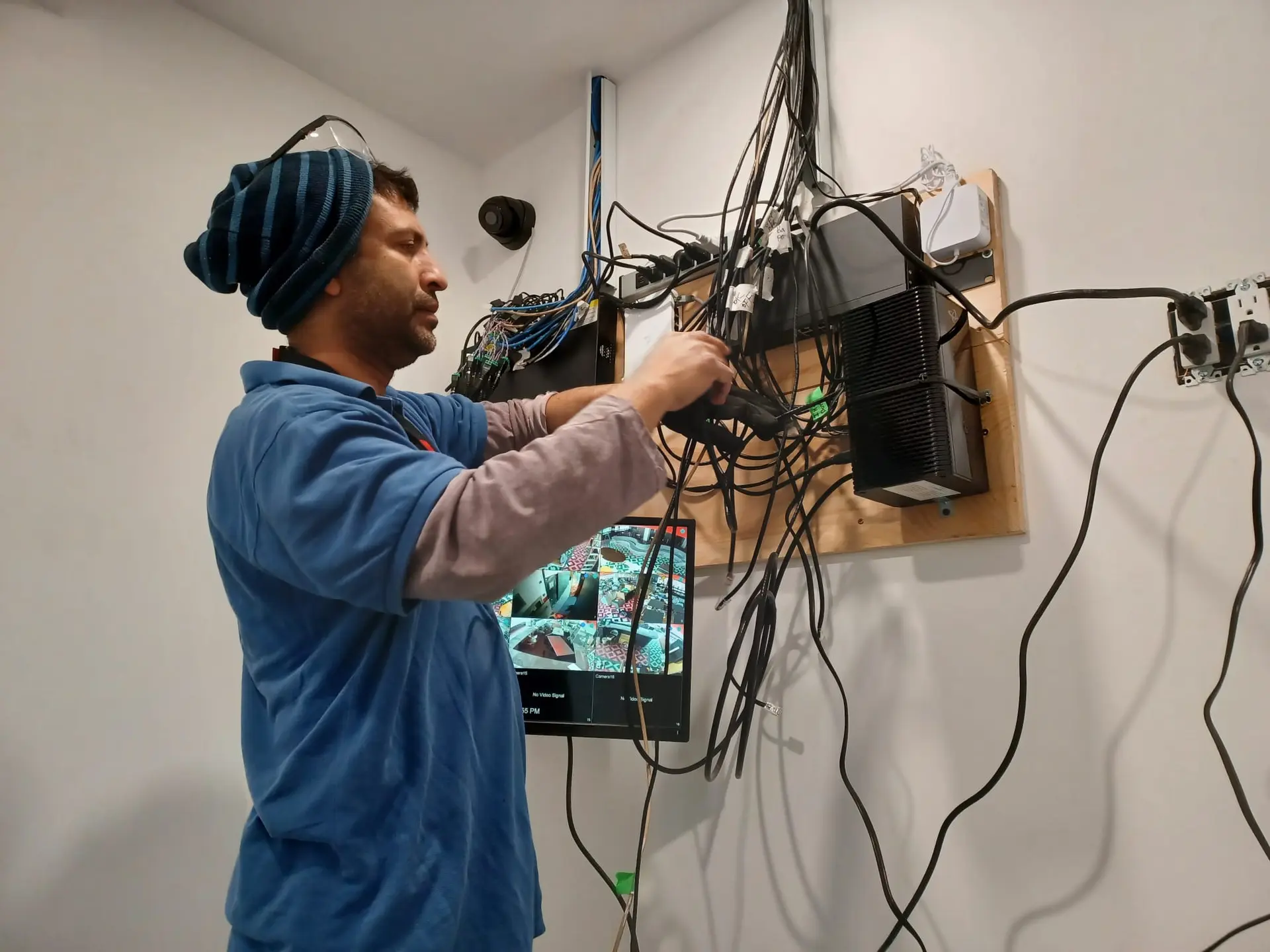
Source: GTA Multimedia Inc
Residential security is no longer limited to a keypad near the front door. Today, home security and smart home technology often work together to create a more responsive and connected living environment.
When shopping for a security system, homeowners across Canada increasingly look for connected ecosystems. These technologies can allow you to control your home remotely through a mobile app, whether you are at work, travelling or spending the weekend away.
Common components of a modern residential security system include:
Motion detectors: Installed in strategic circulation areas, they use infrared or microwave technology to detect movement. Some models can be adjusted to reduce alerts triggered by small pets.
Smart outdoor security cameras: Some models use artificial intelligence to distinguish between a passing vehicle, an animal and a person staying near the property. This can help reduce unnecessary notifications.
Environmental detectors, water and freeze sensors: In Quebec and other Canadian provinces, water damage is among the most common and costly residential risks. Connected floor sensors and automated main shut-off valves can help stop the water supply when a leak is detected.
Commercial Security: Requirements for Businesses
Source: Vert Geai Inc.
The needs of retail stores, offices, warehouses and industrial spaces are very different from residential applications. A commercial alarm system often needs to be more robust, flexible and scalable to address theft, vandalism, unauthorized access, internal risks and operational monitoring.
Access Management and User Control
Unlike a home, where the number of users is limited, a business may need to manage dozens or hundreds of employees, suppliers and visitors. Commercial systems often include advanced features such as:
Zone-based access control: Restricting access to sensitive areas, such as server rooms, vaults, inventory spaces or administrative offices, using access cards, unique codes or biometric devices.
Activity tracking: Recording entries and exits with timestamps, which can help review movement in the event of an anomaly or internal theft.
Partial arming and automated schedules: Programming the system to arm automatically at a set time if an employee forgets to activate it when leaving.
The Importance of Continuous Video Monitoring
For property managers and business owners, video surveillance can be useful for deterrence, incident review and documentation. IP-based continuous recording systems can offer high-definition live viewing and secure storage on local servers or in the cloud.
In commercial, rental or multi-unit settings, video surveillance must also respect applicable privacy rules. Cameras should be aimed at the areas that need protection, with recording limited to what is necessary. Businesses and property managers should also use appropriate signage and avoid unnecessarily recording neighbouring properties, private spaces or public areas without justification.
Legal and Regulatory Requirements in Quebec and Canada

Source: RenoQuotes
Security installation requirements vary across Canada. In Quebec, the private security industry is specifically regulated, and certain work may require permits or licences. In other provinces, requirements may come from provincial licensing bodies, electrical safety authorities, municipal rules, building codes, privacy laws or insurer standards.
Before hiring a company, verify which requirements apply in your province or municipality.
Quebec: Bureau de la sécurité privée Requirements
In Quebec, the Bureau de la sécurité privée, or BSP, regulates private security activities.
A technician should also be able to present an agent card when their activity requires a BSP permit. Before awarding a contract, homeowners and businesses should verify the company’s status through the Bureau de la sécurité privée. Working with a person or company that does not hold the required permits can create compliance issues, complicate an insurance claim or reduce the credibility of the installation documentation.
Quebec: RBQ Licence Requirements
In Quebec, in addition to BSP permits, certain work related to the physical installation of a security system may be considered construction work, especially when it involves wiring, electrical connection or systems integrated into the building.
When the work falls under the scope of RBQ-regulated construction work, the installer must hold a valid RBQ licence and the appropriate subclasses. Depending on the installation, relevant subclasses may include:
17.2 for intercommunication, telephony and surveillance systems
13.2 for fire alarm systems
16 when electrical work is required
You can verify a contractor’s licence status through the Régie du bâtiment du Québec licence registry. In other Canadian provinces, check the applicable provincial contractor, electrical or security licensing requirements before signing a contract. Check out the RenoQuotes' portal for more information.
Key Steps for a Successful Security System Installation
Source: BCD Électrique
To ensure long-term performance, a security installation should follow a structured process, from the initial assessment to system activation.
Needs assessment and vulnerability analysis
Shopping and comparing quotes
Installation and equipment configuration
Connection and user training
1. Needs Assessment and Vulnerability Analysis
A good installer should start by inspecting the property. They will identify vulnerable entry points, such as rear doors hidden by landscaping, basement windows, skylights or service entrances, and evaluate your daily routines or business operations to design a system adapted to the building.
2. Shopping and Comparing Quotes
Do not rush into the first promotional offer. Take the time to compare at least three detailed estimates. Pay close attention to the pricing structure: some contracts include equipment costs in the monthly monitoring fee, while others require you to purchase the equipment upfront in exchange for lower monthly payments.
Using a contractor-matching service can help you compare qualified companies and understand pricing options more quickly.
3. Installation and Equipment Configuration
The authorized or qualified technician installs the different components. They should ensure that motion detectors are not aimed at intermittent heat sources, such as baseboard heaters or heat pump outlets, to reduce false alarms. They also configure camera angles and system zones.
4. Connection and User Training
Once the equipment is installed, the technician connects the system to the monitoring station, if applicable, and tests each zone. The final step is training. Make sure family members, employees or key users understand how to use the keypad and mobile app to avoid handling errors.
Choosing a Monitoring Station in Quebec and Canada
The equipment installed in your home or business detects an issue. The monitoring station, when the system is connected to one, manages the alert and follows the response procedure.
For some commercial buildings, higher-risk properties or insurance contracts, a ULC-listed or certified monitoring station may be required or strongly recommended. For a residence, confirm your insurer’s requirements before choosing the level of monitoring.
A ULC-listed company or monitoring station may issue ULC certificates for eligible systems, according to the applicable requirements. This type of certification may be requested by certain insurers, authorities or building managers.
Important points to verify include:
Backup infrastructure: In the event of a major power outage or technical failure, the monitoring station should have backup systems designed to maintain service.
Physical site security: The monitoring centre should have controlled access and appropriate security measures.
Structured alarm handling: ULC-listed monitoring stations must follow procedures for receiving, verifying and transmitting alarms according to applicable requirements.
In Quebec, choosing a monitoring station with Quebec-based operators may also help ensure smooth communication in French and better knowledge of local geography when transferring calls to emergency services. Elsewhere in Canada, it may be useful to verify language support, local emergency dispatch procedures and service coverage in your region.
Avoiding Municipal Fines for False Alarms
False alarms are a major issue for emergency services across Canada. They can unnecessarily mobilize police or firefighters and reduce availability for real emergencies. To address this, many municipalities have adopted rules and fees for repeated false alarms.
In Quebec, cities such as Montréal and Québec City hold property owners responsible for the proper operation of their alarm systems. Similar rules exist in many other Canadian municipalities.
Alarm permits: In some cities, you may need a municipal alarm permit when installing your system. This allows emergency services to know who to contact if the alarm is triggered.
False alarm fees: Rules and fees vary by municipality. Some cities charge fees after repeated unnecessary police responses, while others may charge for non-founded fire alarm responses from the first event. Before installation, check the municipal regulations that apply to your address.
To avoid municipal notices or fees, test your batteries regularly, clean motion detectors as recommended, and cancel accidental alarms immediately with your monitoring station by providing your verbal password before emergency services are contacted.
Comparing several quotes can help you choose a qualified security company, verify the applicable requirements and plan an installation adapted to your building.
Looking for something else?
Related articles
The latest industry news, interviews, technologies, and resources.
Editorial Team
•08 Nov 2023
Self-building has not been a frequent topic of discussion, yet over the past few years, this type of very large-scale project is now becoming common knowledge and more frequently talked about.

Cynthia Pigeon
•09 Jun 2026
In Quebec, maintaining a single-family home, semi-detached house, or condo requires special attention to the building envelope. Given the harshness of our climate, marked by particularly cold winters, humid summers, and constant freeze-thaw cycles, exterior sealing is your first line of defence against the elements. With economic changes and the rising cost of materials observed in 2026, planning renovation work requires clear and transparent pricing data.

Amanda Harvey
•14 Mar 2024
With the impending arrival of spring, many homeowners are considering taking on home renovation projects. However, all aspects of home renovations need to be considered, including proper safety methods. Injuries that can occur during renovations range from uncomfortable joint pain to something as serious as a missing limb.

Paul Riopel
•01 Jun 2026
Ontario, like many regions across Canada, is grappling with a pressing issue: a critical shortage of skilled tradespeople. As the demand for skilled labour continues to grow, various factors contribute to this deficit, ranging from demographic shifts to societal perceptions and immigration hurdles.
Cynthia Pigeon
•08 Jun 2026
Quebec winters are unforgiving. When the temperature drops below -20°C in Montréal, Québec City or Saguenay, thermal comfort becomes a top priority for homeowners. Stepping onto freezing ceramic tile after a shower or while making your morning coffee is an unpleasant feeling that many households choose to eliminate. This is why electric floor heating has become increasingly popular during residential renovation projects. It provides gentle, even and enveloping heat, while optimizing living space by eliminating the need for bulky baseboard heaters.