Must-Know Facts About Electric Baseboard Heaters
By Editorial Team
Updated on May 7, 2026

Finding an efficient heating solution is crucial when temperatures start dropping and the cold front is settling in our homes. Electric baseboard heaters have already won over 40% of all Quebec households, and there are plenty of reasons for such a heating system’s popularity.
Not only is Quebec blessed with several leading electric baseboard heater manufacturers, but said heating apparatus also happens to be most cost-effective, in terms of retail price and utility expenses. What are the pros and cons of an electric baseboard heater? What are its key installation steps? Everything and more detailed below.
What Is Baseboard Heating and How Does It Work?

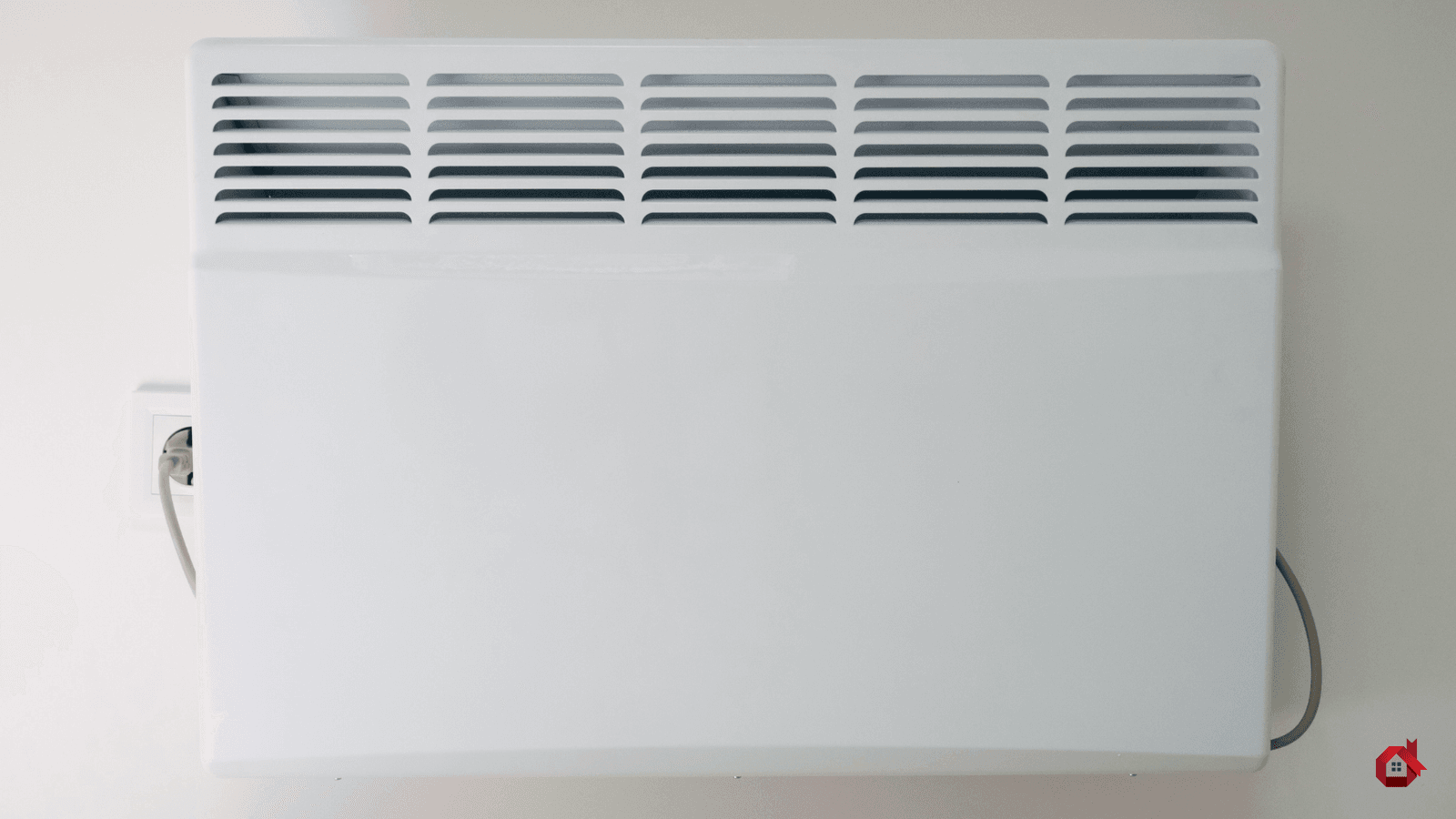
Electric baseboard heaters function thanks to electrical resistance, warming up the air in a room using three different methods:
Convection: Warm air rises, heating the surrounding space
Inertia: Baseboards have a mass that retains and releases heat
Radiation: The baseboard warms the wall on which it is mounted over roughly 60 inches (1.5 m) high
Given the radiation bouncing off the cold wall, the heat felt will be greater than that of a standard heater. Hence, electric baseboards are the most common heating system province-wide as it is featured in 40% of all households.
How to Select the Best Electric Baseboard Heater
Power (750 W, 1,500 W or 2,000 W)
It all depends on the square footage you intend to heat. Use the formula down below to know the right wattage needed:
Square footage x 10
According to the formula above, for a 150-square-foot room, you need 1,500 watts of power.
Brands: Stelpro vs. Global Commander
To ensure utmost safety and benefit from long-lasting products, it’s best to favour well-known and reputable brands, such as:
Global Commander
Stelpro
Global Commander is a heating device brand operated by Ouellet Canada Inc., and electric baseboards designed by said brand are produced in Islet, on the south shore of the St. Lawrence River. Said brand is known as the leading North American designer, manufacturer, and distributor of electric heating products.
Stelpro is another Quebec-based company, established in 1981. Nowadays, it’s also one of the leading North American heating products companies. Thanks to its industry-specific expertise, said brand has four manufacturing plants, producing over 1.1 million products every year.
Choosing electric baseboards from either of these two brands is equivalent to choosing quality above all else and promoting the local economy.
Thermostat
In terms of product lining, electronic thermostats top the list. Such products are a lot more accurate than manual ones, and they’re also programmable. This means that the temperature inside your home can be adjusted automatically throughout the day based on the time of day. In other words, you can plan on lowering the temperature when you’re not home or when you're sleeping.
According to Hydro-Québec, electronic thermostats allow for $100 savings on yearly heating bills for average-sized homes.
Baseboard vs. Convector
Pros | Cons | |
Electric baseboards | Cheap; easy to install; independent thermostat in every room; not a fire hazard; inexpensive to replace in case of an accident | Not especially aesthetic; uneven source of heat; takes up a lot of floor space; not layout-friendly; crackling sounds when heating or cooling; can be very warm to the touch |
Convectors | Heats swiftly and evenly; can be installed anywhere (recessed models); retailed in an array of designs and sizes; relatively silent; stops automatically in case of overheating; thermostat guard | Expensive (3 to 5 times the cost of baseboards) |
Installing Electric Baseboards: How To
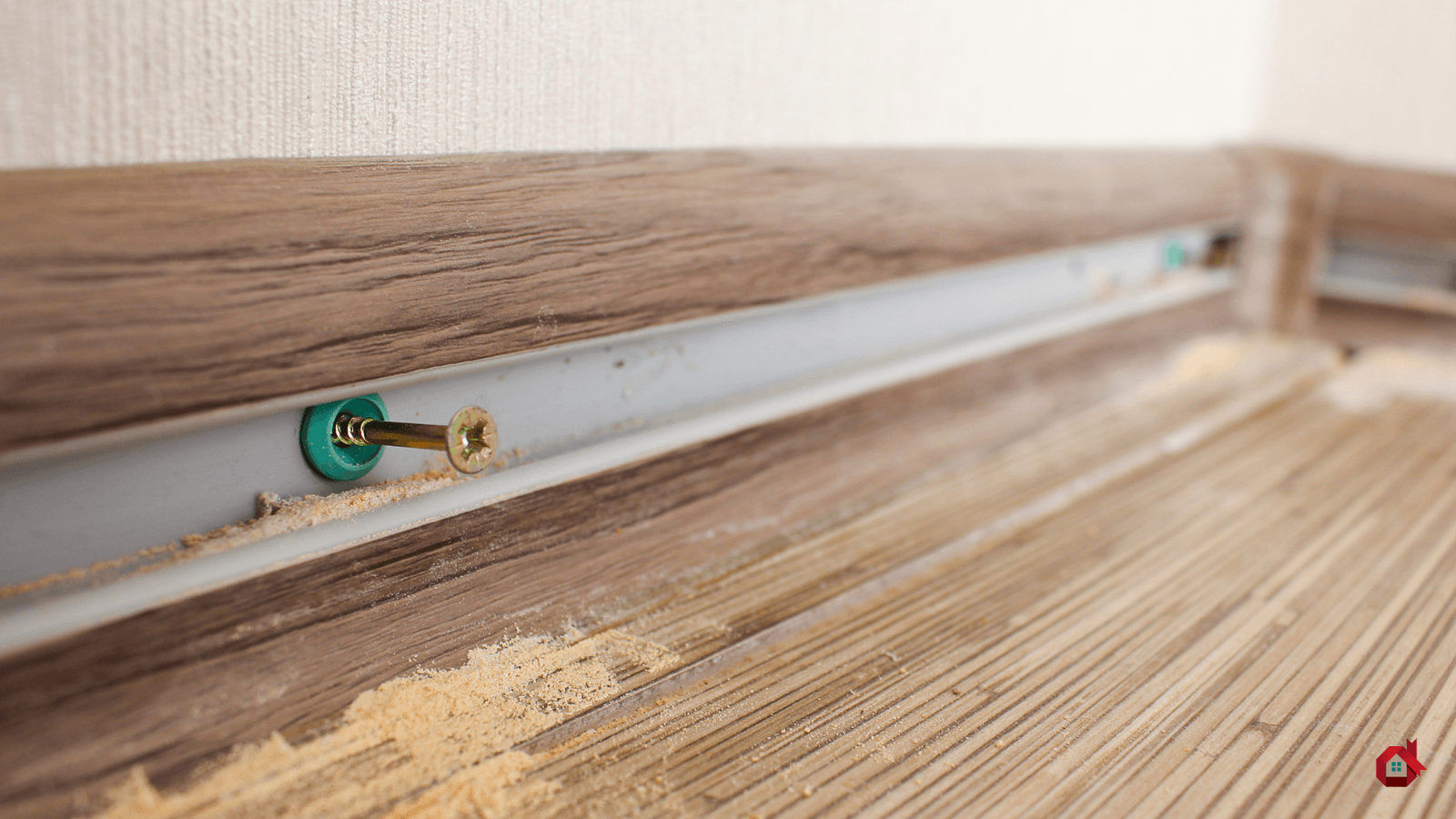
Prior to installing electric baseboards, turn off your home’s main electricity feed. If you don’t yet have an adequate electric installation, note that hiring a qualified contractor-electrician, one who is a member in good standing with the Corporation des maîtres électriciens du Québec (CMEQ), is the best course of action.
Step 1: Find the right installation spot
A baseboard heater must be installed along a cold wall. In other words, an exterior-facing wall. Baseboard heaters are typically installed below windows to counteract the cold air, preventing it from filtering through the home.
You will also need to plan for 6 inches of free space in front of the baseboard, as well as above it.
Last hurdle: never install a baseboard heater beneath an electrical outlet.
Step 2: Pick a mounting type
There are two ways to install a baseboard heater:
Surface mount
Recessed
Step 3: Wire the baseboard heater and thermostat to the electrical panel
Much like all electric products, a baseboard heater is powered by an electrical cable, running from the electrical service panel and protected by a circuit breaker. Said cable has three wires:
Phase
Neutral
Ground
The phase, ground, and neutral wires must be linked to the baseboard’s power supply terminal.
The baseboard and thermostat must have identical amperages. Once completed, you can proceed with the installation.
Maintenance and Repairs: When and Why to Upgrade Your Old Base Heater?

Why is my electric baseboard constantly heating?
The thermostat’s purpose is to cut the baseboard’s electricity supply once the heating system reaches its preset temperature. If your baseboard heats non-stop, this is a clear indication that your thermostat is malfunctioning.
Why is my baseboard heater noisy?
When you turn on your heating, metal dilates, which, in turn, emits noise. When turned off, the temperature drops, resulting in the metal contracting, again generating a sound.
However, it may be that your baseboards crackle regularly. If so, there are three possible causes:
The screws are too tight
Faulty amperage
The thermostat was not calibrated properly
If you can’t get to the bottom of the bothersome noises, feel free to call in a professional.
Electric Baseboards: Aesthetic and Efficient Heating
Electric baseboards are an aesthetically pleasing and practical heating solution. These devices distribute heat evenly, are easy to install, and require little maintenance. On account of their subtle design, they blend perfectly with a variety of interior styles and décors. However, to maximize efficiency, it's important to consider their energy consumption and use them in well-insulated environments.
Looking for something else?
Related articles
The latest industry news, interviews, technologies, and resources.
Cynthia Pigeon
•15 Jun 2026
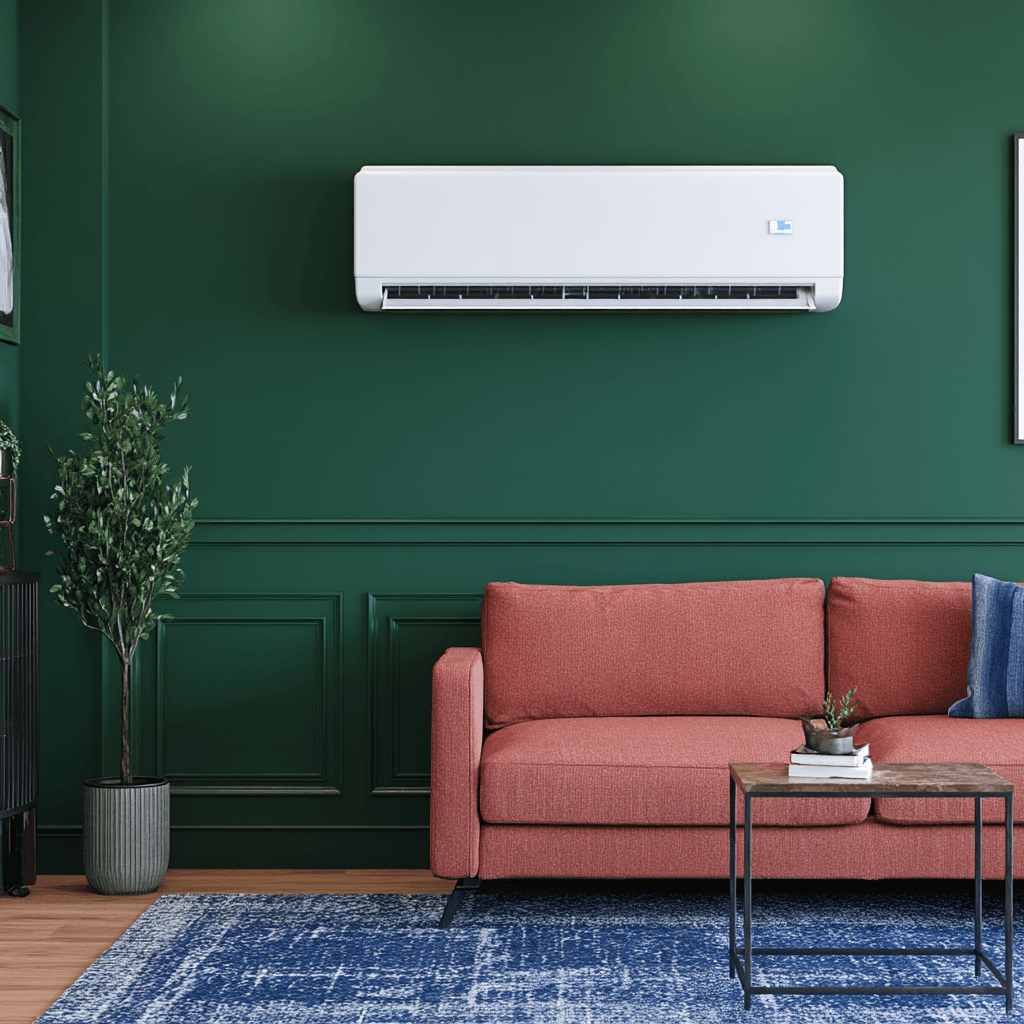
The cost of a conversion varies depending on the home’s configuration, the electrical work required, and whether the selected system includes a heat pump. In many cases, the bill is higher when major electrical work or a central heat pump is added. Although the provincial Chauffez vert program ended on March 31, 2026, combining current financial assistance programs, such as Hydro-Québec’s LogisVert grant and the federal OHPA program, can help eligible households significantly reduce their out-of-pocket costs, though a residual cost should generally still be expected. Depending on the price of heating oil, the performance of the heat pump, and the characteristics of the building, heating savings can be significant, but they vary from one property to another.
Cynthia Pigeon
•18 Sep 2026
In 2026, installing a heat pump in Canada is more accessible than ever, thanks to robust local and provincial incentives. By leveraging provincial utility rebates and home retrofit grants—as well as federal programs for those converting from oil heating—homeowners can, in some cases, cover a significant portion of purchase and installation costs, often estimated between 30% and 50% depending on eligibility. For a high-performance central heat pump, these incentives represent meaningful savings. In addition, select regions offer rebates of up to $600 for the purchase and installation of a residential EV charging station.

Editorial Team
•08 Nov 2023
If some love just about anything that has to do with modernism in terms of design and decoration, it can be the total opposite for others! If you’re one of those who prefer traditional home decor, here are a few examples to inspire your next renovation project.
Editorial Team
•01 Apr 2026
Roof renovation in Canada must prioritize resistance to freeze-thaw cycles, regional weather exposure, and proper snow load management where applicable. Asphalt shingles remain one of the most affordable options, while metal roofing offers durability of more than 50 years. To ensure watertightness and help prevent ice dam formation in colder regions, proper attic ventilation and installation by a qualified, properly licensed roofing contractor are essential for protecting your investment.

Editorial Team
•24 Nov 2023
If you’re considering redoing your home’s exterior siding, you probably already have a vision in mind—a product that’s durable, aesthetically pleasing, and low-maintenance, one that ages beautifully and is reasonably priced.