
Whether you’re going about your business quietly or sleeping peacefully. It’s pretty natural to want to feel safe at home. For some of us, this sense of security comes with the need to have an alarm system installed.
Then, the question which arises is the following: how do you choose one among all the models that exist on the market? Here are some tips to help you make this choice a little bit easier!
How to Choose an Alarm System

Source: Canva
The alarm system at a glance
Basically, an alarm system has the following components:
a smoke detector
a motion detector
two perimeter detectors (for windows and doors)
a siren
a keypad (to disarm and activate the alarm system)
a control panel
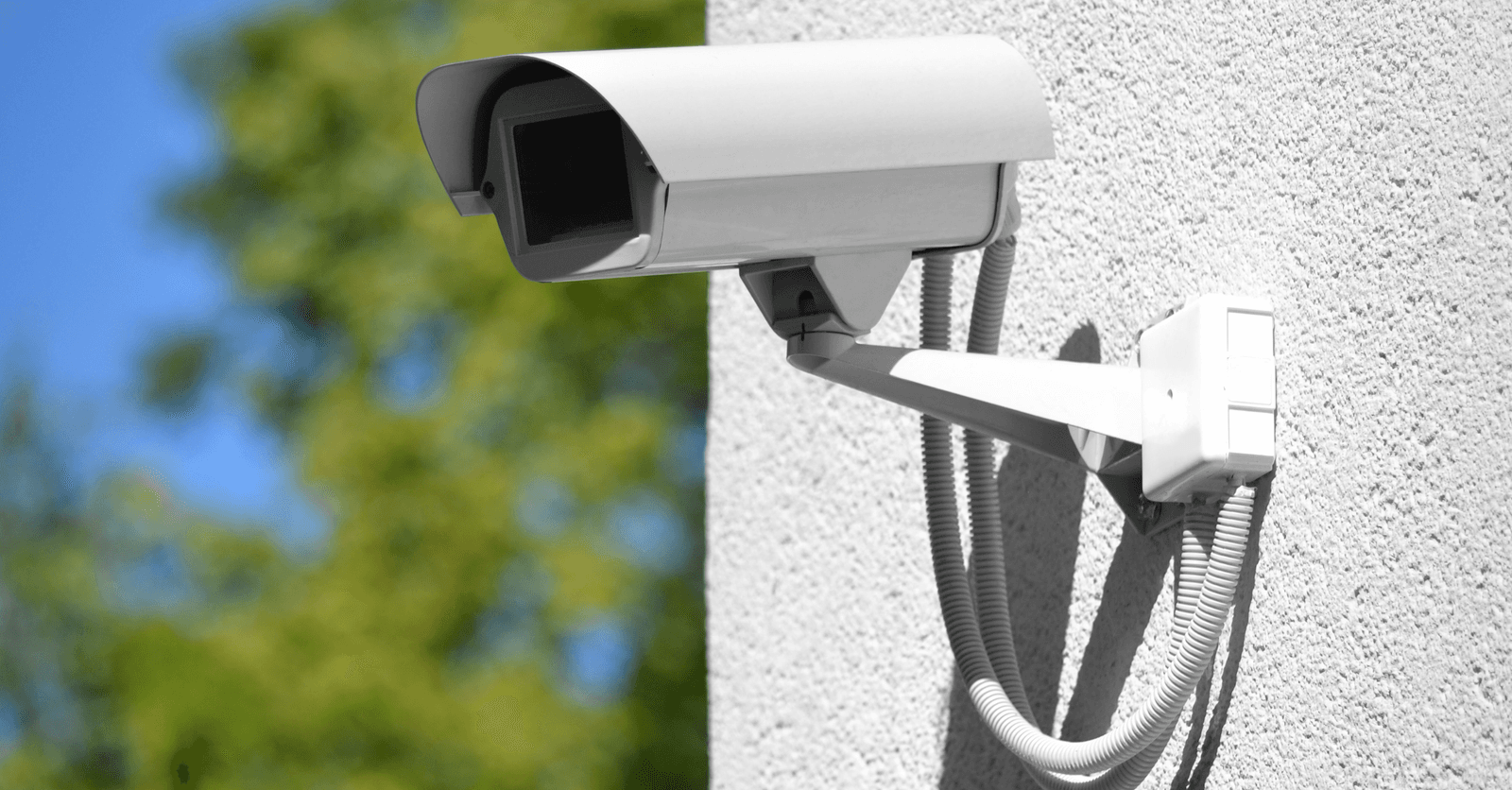
To these elements, it’s possible to add certain additional features, including an emergency button or even a surveillance camera. If necessary, other detectors can be installed near your patio door or by your water heater. Also, you may decide to opt for models capable of detecting the presence of carbon monoxide, natural gas or any temperature variation.
It’s important to note that there are also detectors that can be installed in your basement to prevent the occurrence of a flood or sonic interference, which are triggered when an abnormal noise such as a broken window occurs.
In the event that you have pets living in your home, a caveat is in order. Indeed, some motion detectors work in such a way that anything with a volume of 40 to 100 pounds will be enough to trigger the alarm. Therefore, if your pet weighs more than this, your motion detector may go off. For this reason, owners of relatively large animals are generally advised to opt for perimeter or non-volumetric detectors.
Besides, what’s the difference between the two? As the name suggests, a volumetric detector will be triggered when there’s a detected presence of a defined volume in space, while a perimeter detector will trigger based on abnormal activities detected within a defined perimeter.
Wired or wireless systems
Among all the systems that exist on the market, there are two main categories: systems with wires and those without. Because of its higher level of sophistication, the wireless system is generally more expensive (about $180 more). These work using batteries and remote control to turn the system on and off. For reference, the batteries last about 5 years.
As for the second option, its various components are interconnected with wires. In order to conceal them, they usually pass through the ceiling or the attic. Finally, it’s important to note that there are also hybrid systems, which incorporate some devices with wires and others without.
It should be noted that wired systems are known to function better, as well as for their lower propensity to trigger a false alarm. Moreover, maintenance costs are usually lower. Let us conclude by stressing that installing an alarm system by oneself isn’t recommended, in particular, because of the difficulties inherent in the installation, which lead to a higher number of false alarms.
How much does an alarm system cost?
Source: Canva
As mentioned, an alarm system can be customized to meet a variety of needs. Due to the many additions that can be made to the base system, prices will vary widely and can range anywhere between $240 and $1,000 (this price excludes the monthly fees). Also, if you decide that the contact with the central monitoring station will be via a cell phone, it’ll cost you $65 to $960.
We should mention that comparing the different offers can feel quite difficult, with some companies appearing to offer systems at surprisingly low prices. However, these will come with very high monthly fees. Therefore, it’ll be necessary to carefully compare the total costs incurred, including the purchase (or rental costs) and the monthly costs incurred for remote monitoring.
Monthly fees
You’ll have to pay from $15 to $60 per month for your system to be connected to a central monitoring station. In this regard, it should be noted that it’s sometimes required to acquire this type of subscription at the time of purchase. While doing this, it’s important to do your research so you’ll have a realistic idea of the costs involved.
Moreover, the duration of the subscription also varies (from 1 to 5 years). Note that your insurer may agree to offer you a discount on your annual fees if your system is connected to a central monitoring station. This discount can be anywhere between 5% and 30% of your home insurance costs.
On another note, in most cases, your home alarm system will come with a one-year warranty. If you want to obtain an extended warranty, you’ll have to pay between $10 and $60 more per month.
Maintain contact with the control unit or not?
If you decide to opt out of this feature after your subscription ends, there are a few things to consider. First of all, if you’re not connected to a central monitoring station and the alarm system is triggered while you’re not at home, you’ll have to rely on the call of one of your neighbours so that emergency services are contacted. If you decide to receive a cell phone alert, you need to have complete confidence in the quality of signal reception in the area where you’re located.
In terms of how a report is received by the control panel, you have two options: landline or cell phone. Of course, we’ll agree that it would be possible for a thief to cut the wiring, a possibility that is dismissed out of hand with a cell line. However, keep in mind that most of the time, the installed wiring is not visible and therefore inaccessible.
Would you like to terminate your contract? To do this, the company you do business with will likely ask you to pay a certain amount as compensation. Some companies charge a more substantial penalty if you were offered a discount at the time of purchase of your system, which will be determined by the length of time that has elapsed between the signing of the contract and its cancellation.
Is it best to rent or buy an alarm system?
While we’re currently talking about purchasing an alarm system, be aware that you may also decide to rent one. However, it’s usually more advantageous to purchase upfront because of the higher monthly payments with a lease. In doing so, you’ll most likely lose more in the long run if you forgo the purchase.
Get quotes for your home alarm system project
RenoQuotes.com can help you get quotes for your home alarm system project. If you submit your project to us, we’ll put you in contact with top-rated contractors. Fill in the form on the homepage (it only takes a few minutes), and you will receive quotes from companies that are specialized in home renovations.
Dial 1-844 828-1588 to speak with one of our customer service representatives.
Looking for something else?
Related articles
The latest industry news, interviews, technologies, and resources.
Cynthia Pigeon
•22 Apr 2026
For a basement apartment (often referred to as a secondary suite) to be considered compliant in Canada in 2026, several requirements must generally be met, including those based on the National Building Code of Canada and applicable municipal bylaws. Common criteria typically include a minimum ceiling height of around 1.95 m (6 ft 5 in), egress windows providing a minimum unobstructed opening of approximately 0.35 m² per bedroom, and proper fire separation between units. That said, requirements can vary significantly depending on the province, municipality, and type of building. Failing to comply may lead to serious consequences, such as fines, insurance limitations, or restrictions on renting out the unit.

Editorial Team
•08 Nov 2023
Summer might be over, but that doesn’t mean all dreams of being whisked away seaside have to fade. What if we told you that travelling to a coastal haven with sandy beaches was a possibility without having to leave your cozy pad?

Amanda Harvey
•23 Jul 2026
As we know all too well, renovating a home can be extremely costly, not to mention a stressful and time-consuming process. Not everyone is able to spend the necessary funds on projects they may want or need to carry out. Luckily, across Canada, there are several options in the realm of funding, subsidies, tax credits, and grants that can be applied to your province-specific home renovation project.

Editorial Team
•23 Jul 2025
Your lawn and garden say a lot about you! Aside from leaving the first impression on visitors and those passing by, your landscaping enhances your home’s appearance and makes you proud of the place you call your own. With the right planning, careful maintenance and upkeep, you can have a near-perfect lawn.

Editorial Team
•08 Nov 2023
Every once and a while, we’re hoping for a way to update the rooms of our homes, adding creative, practical and innovative elements without spending a fortune. The bedroom is a special space in that it needs to be cosy and comfortable but also functional.