Complete 2026 Guide: Floor Sanding Cost per sq. ft. and m² in Canada and Quebec
By Cynthia Pigeon
Updated on May 21, 2026
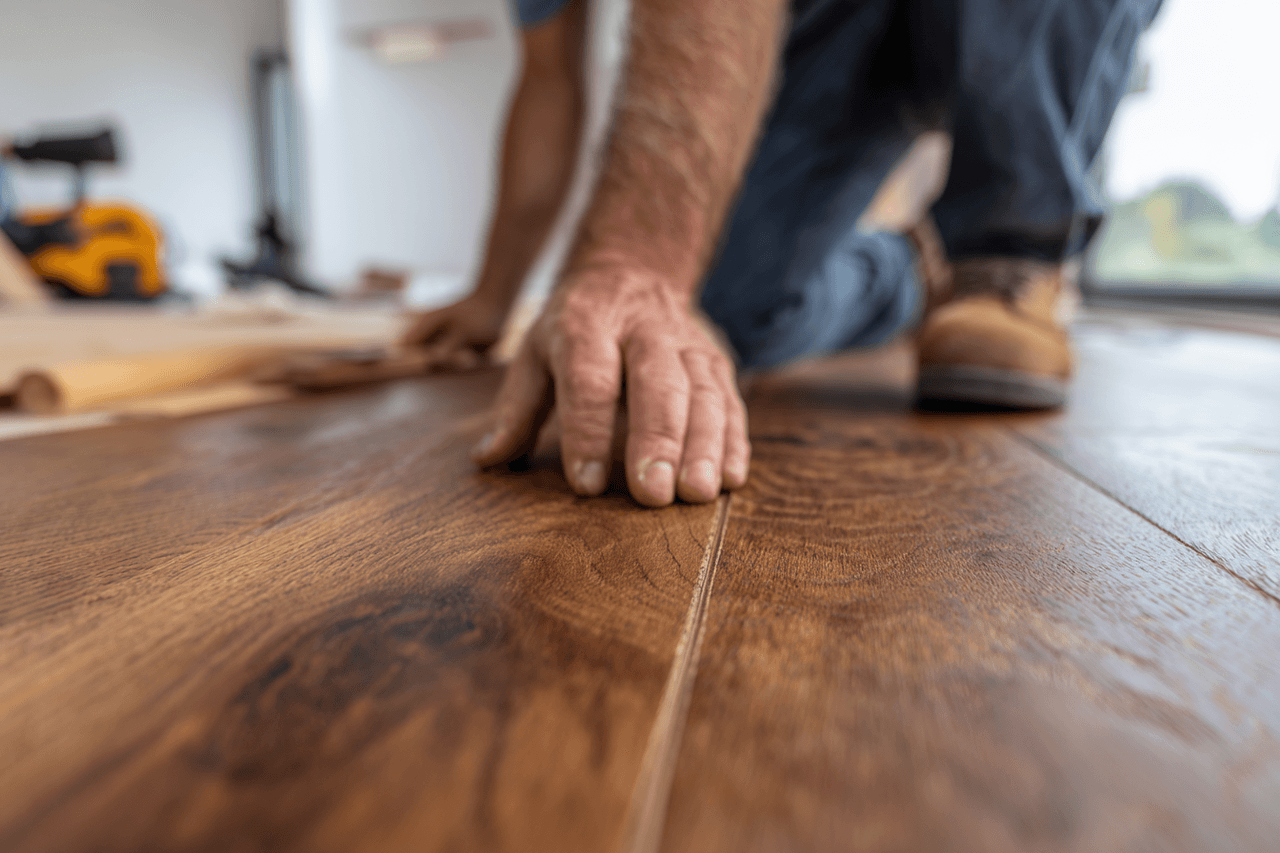
Investing in the renovation of hardwood floors is one of the most effective ways to restore value, warmth and character to a property. Whether it is a condo in Montréal or Toronto, a single-family home in the suburbs, a heritage property in Atlantic Canada or a cottage in the Laurentians, hardwood flooring is affected by everyday wear, pets, furniture movement and seasonal humidity changes.
Before starting the work, the budget is usually the first concern. Understanding how flooring professionals calculate their prices can help you avoid surprises when comparing quotes.
How Much Does Floor Sanding Cost in Canada?
Source: Meulage pro sol
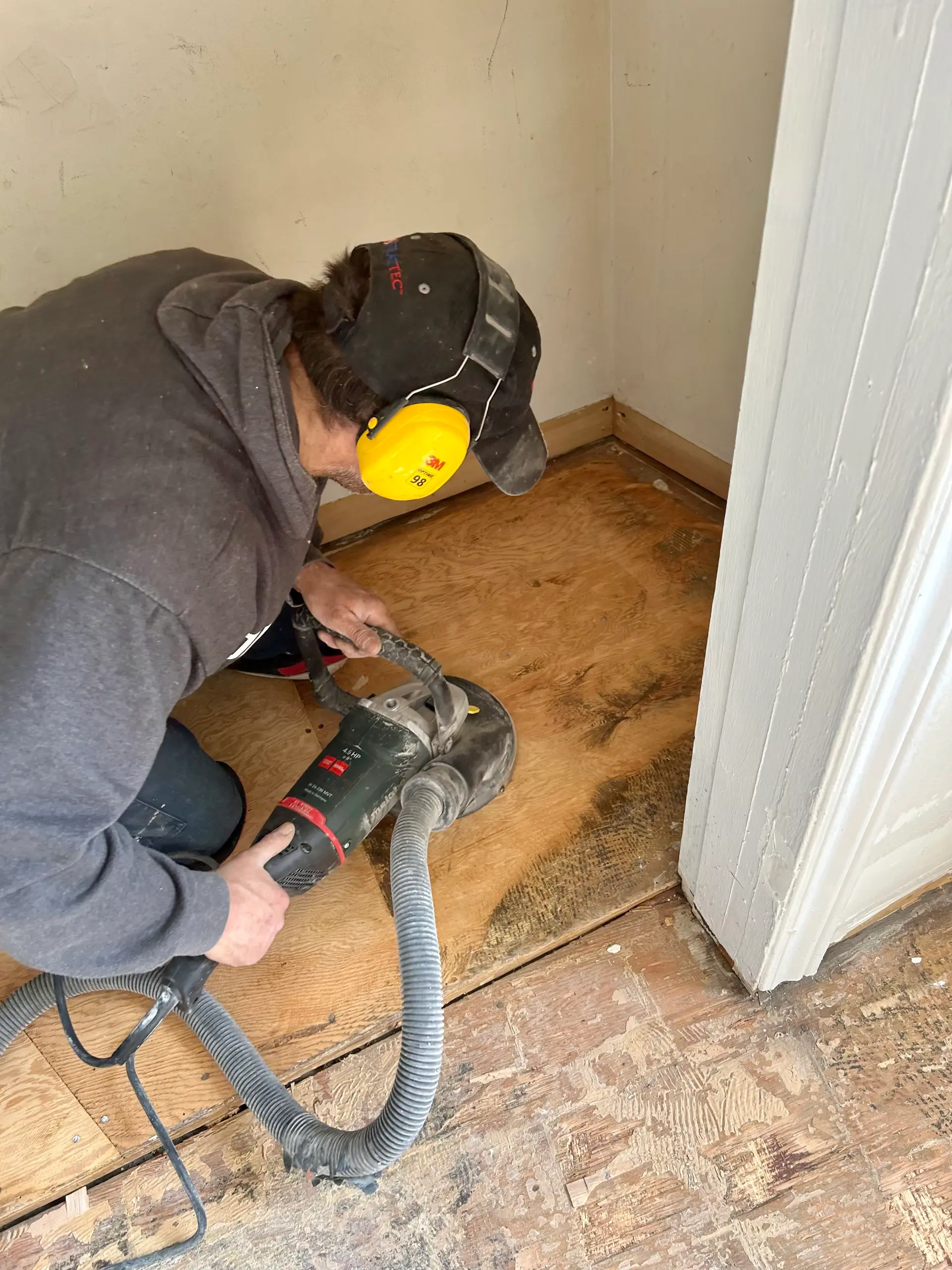
The cost of floor sanding in Canada depends mainly on the size of the project and the type of finish you want to apply once the wood has been sanded down. For a standard residential room, 2026 market prices generally fall into two main categories: sanding only and a complete package that includes sanding and protective finishing.
For a standard floor sanding project with three coats of water-based varnish, homeowners should expect to pay around $3.00 to $5.50 per square foot in many Canadian markets, including Quebec. If you have an average surface of 500 square feet, such as a large living room combined with a dining room, the total budget will generally range from $1,500 to $2,750 before taxes.
This base price generally includes labour, the use of sanding equipment with a dust-reduction system, and standard finishing products. However, prices can increase if the layout is complex, if the floor requires repairs, or if you choose higher-end products such as custom stains, specialty oils or premium finishes.
Price per Square Foot vs. Square Metre: What to Expect in Canada
Source: 9514-5728 Québec inc.
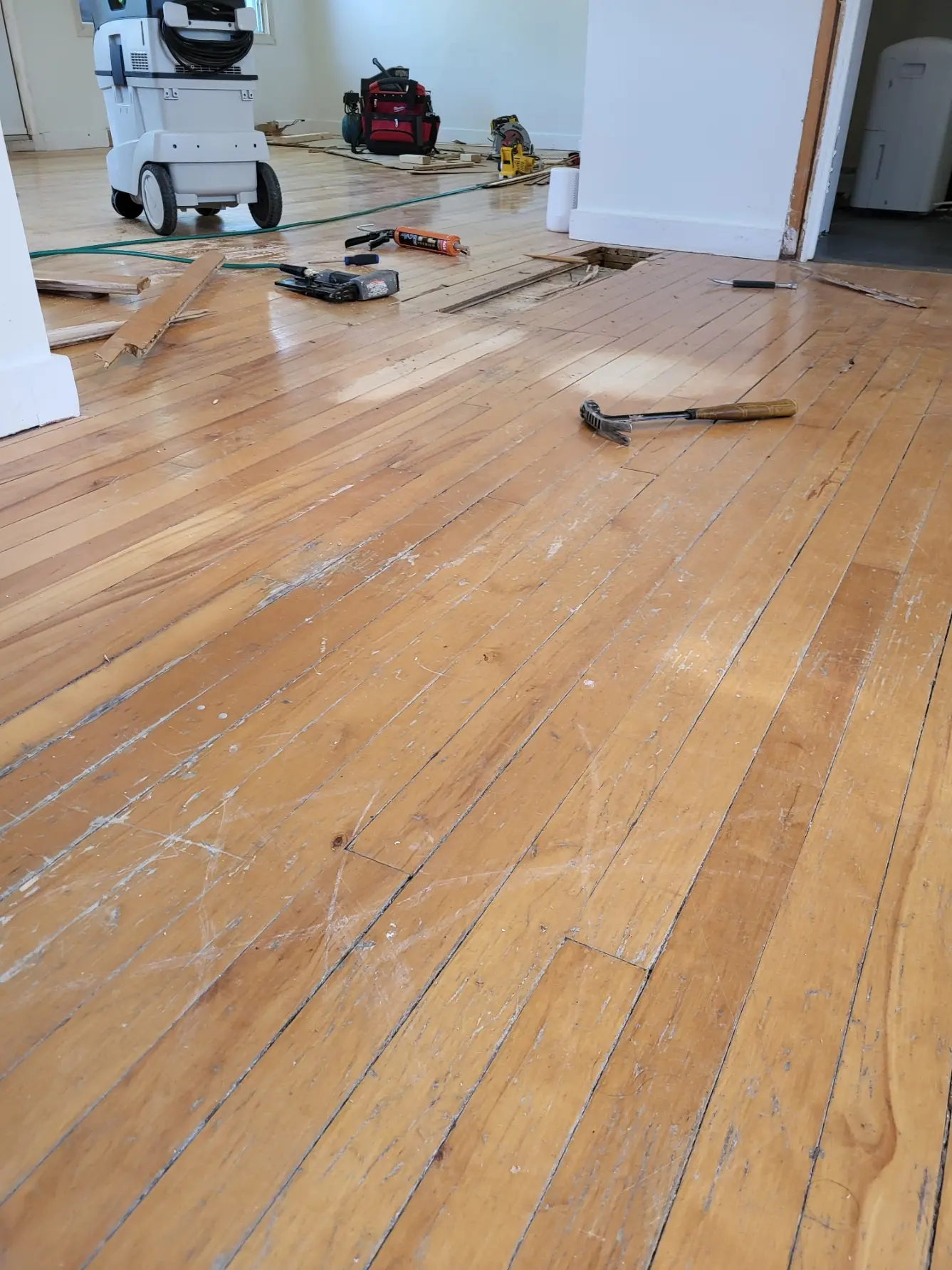
When researching prices online, you may see estimates in both square feet and square metres. In Canada, homeowners often encounter both systems, depending on the contractor, province, supplier or type of document. In Quebec, as in many renovation trades across the country, flooring contractors generally quote sanding work by the square foot.
This reflects how the construction and renovation industry still commonly works. Although Canada officially uses the metric system, many building materials, such as hardwood planks, plywood sheets, mouldings and trim, are still commonly sold, measured, and cut in inches and feet.
If you measured your room in square metres, multiply the area by 10.76 to get the surface in square feet. For example, a large room of 40 m² equals about 430 sq. ft. Knowing this conversion helps you compare estimates accurately and speak the same language as your flooring contractor.
2026 Price Table for Sanding and Finishing a Floor
Here is an estimated price grid based on commonly posted or observed floor sanding prices in Canada and Quebec in 2026. These figures are approximate and may vary depending on the region, contractor availability, floor condition, finish selected and project complexity.
Type of Service | Average Price per sq. ft. | Equivalent Price per m² | Service Details |
Sanding only, without finish | $2.00 to $3.00 | $22 to $32 | Removal of old finish, correction of minor imperfections, wood left bare |
Sanding and standard finish | $3.00 to $5.50 | $32 to $60 | Complete sanding and application of 3 coats of water-based varnish or protective oil |
Staining option, colour change | +$1.00 to +$2.50 extra | +$11 to +$27 extra | Application of wood conditioner, selected stain, then sealer and finish coats |
Factory-finished floor extra | +$0.50 to +$1.20 extra | +$5 to +$13 extra | Sanding factory-finished floors with V-grooves and aluminum oxide finishes |
Sanding Only, Without Finish
Sanding only, without applying a protective product, usually costs around $2.00 to $3.00 per square foot. This option is generally chosen by experienced homeowners who plan to apply the finish themselves, or as part of a larger renovation project where the flooring finish is coordinated with painting, trim or other interior work.
Although this option may look economical at first, it carries risks. Bare hardwood is porous and vulnerable. A drop of water, a shoe mark or airborne dust can stain the wood before the first protective coat is applied. Flooring contractors often recommend applying protection within 24 to 48 hours after sanding to reduce the risk of oxidation or moisture absorption.
Sanding and Standard Finish with Varnish or Oil
A full package that includes sanding and standard finishing is the most common option. In many Canadian markets, it usually costs between $3.00 and $5.50 per square foot. In most cases, professionals now use water-based varnish. This modern product has largely replaced older solvent-based polyurethane finishes, which had stronger odours and tended to yellow over time.
Another common option is penetrating oil. Unlike varnish, which creates a protective film on the surface, oil penetrates the wood fibres. It creates a warm matte finish and allows for more localized repairs. For example, a scratched area can sometimes be lightly sanded and re-oiled without refinishing the entire room. However, oil application requires careful technique to avoid sticky buildup, which may justify a small additional cost depending on the contractor.
Sanding, Staining and High-End Finishes
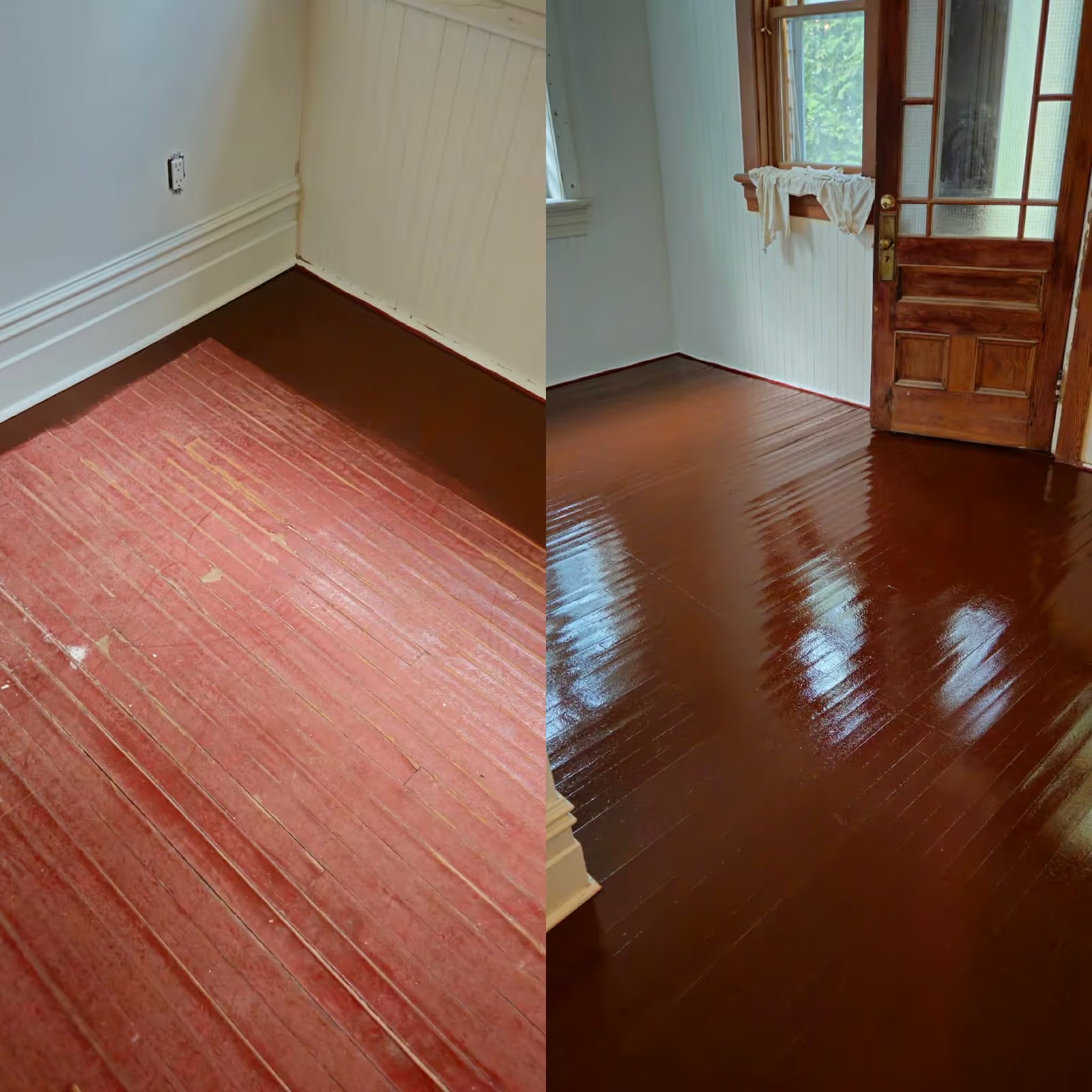
If you want to transform your hardwood floors, staining can be an excellent option. Changing from a natural honey oak finish to a modern grey, deep brown, or custom tone requires more technical skill. This step generally adds $1.00 to $2.50 per square foot, bringing the total project cost to around $4.00 to $8.00 per square foot.
Staining hardwood is not improvised. The contractor must prepare the surface carefully, because sanding marks that are barely visible on natural wood can become obvious once the stain is applied. Some hardwood species, such as maple and birch, can also absorb pigment unevenly. In these cases, the professional may need to apply a wood conditioner to help even out the surface porosity before staining. Longer drying time and the need for careful sealing before the final finish coats explain the higher cost of this type of work.
What Factors Influence Floor Sanding Costs?
Source: Peinture Rémy Ouellette (P.R.O.)
The final price on your project quote depends on several architectural and logistical factors specific to your home. Contractors do not evaluate a large open room the same way they evaluate a divided or hard-to-access layout.
Room layout: Large open areas, such as an open-concept living room and kitchen, allow faster work with larger belt sanders. Narrow hallways, closets, small powder rooms and tight corners require more handwork, edging tools and corner scrapers. The more fragmented the space, the more labour time is required, which can increase the price per square foot.
Stairs: Sanding and finishing stairs is usually priced per unit rather than per square foot. A step, rounded nosing, risers, spindles and handrails require detailed manual work. Expect to pay around $45 to $95 per step for standard sanding and finishing, depending on the layout and complexity.
Board repairs: If a wall has been removed or the floor has been damaged by water, a radiator leak, a heat pump leak or other issue, some boards may need to be replaced. Replacement boards and the labour required to blend them into the existing floor are added to the final bill, either as a fixed charge or an hourly rate.
Common Extras: Factory-Finished Floors and Softwoods
One factor homeowners often overlook is the exact type of flooring already in place. Many homes renovated or built in the last few decades in Quebec and across Canada include factory-finished hardwood, prefinished hardwood or engineered wood flooring.
This pricing jump is due to the durability of factory-applied finishes. These boards often receive multiple UV-cured finish coats that may include aluminum oxide particles. This hard-wearing finish is designed to resist wear, but it is more difficult to remove during sanding. The contractor may use more coarse-grit abrasive paper, and the sanding process can take longer. Many factory-finished floors also have small V-grooves or micro-bevels between boards. If the goal is to obtain a flatter, more uniform surface, the contractor may need to sand more deeply, as long as the wear layer is thick enough to allow it.
At the other end of the spectrum, softwoods such as white pine, red pine or spruce, often found in cottages, older homes and heritage properties, require extra care. Because the wood is softer, too much sanding pressure can create waves, dips or permanent marks. The flooring contractor must adjust the technique, use appropriate abrasives and work more slowly to preserve the surface, which may add a small extra cost to the quote.
How Moving Season Can Affect Availability and Pricing
Quebec has a well-known seasonal reality: many residential moves happen around July 1. This creates a strong seasonal pattern in the renovation industry, especially for work that homeowners prefer to complete before moving furniture into a new property.
In Quebec, the busiest period for floor sanding often runs from spring to fall. In other parts of Canada, demand may also increase during spring, summer and early fall, when homeowners schedule renovations before moving, selling or settling into a new home.
During these busy months, contractor availability can decrease, and some companies may apply higher rates or offer less scheduling flexibility. If your project is not urgent, planning the work during the slower season, often from late fall to winter, may help you access better availability and more flexible scheduling.
How to Choose a Floor Finishing Contractor in Quebec and Canada
Source: Bois Franco
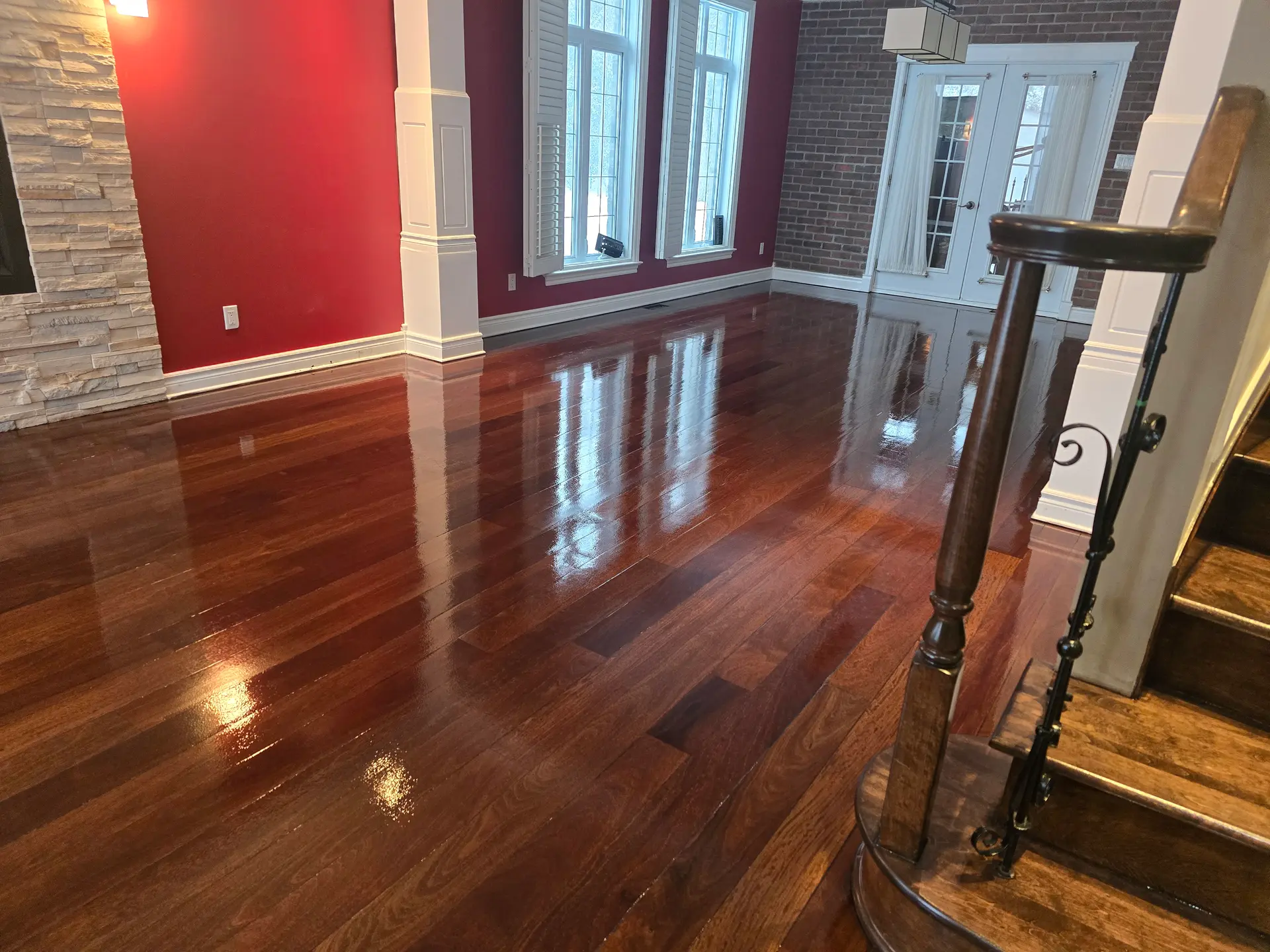
Hiring the wrong contractor can damage a hardwood floor permanently if the sanding is too aggressive or poorly executed. To make an informed decision, review the following criteria before signing.
Licensing and qualification: In Quebec, a contractor who offers or performs sanding, polishing or floor finishing work for another person must generally hold the appropriate RBQ licence, unless an exception applies. Subclass 9.0, finishing work, is associated with parquet installation, sanding and finishing. Elsewhere in Canada, requirements vary by province and municipality. Check whether local contractor licensing, business registration, trade certification or permits apply to the work.
Dust-reduction equipment: Serious contractors often use strong vacuum systems connected to sanding equipment to reduce dust at the source. No sanding process is completely dust-free, but better equipment can greatly reduce dust in the home. Be cautious with contractors using older cloth bags that release fine wood dust into the space.
Consumer protection and complaints: In Quebec, a quick check through the Office de la protection du consommateur can show whether a company has a complaint history. Elsewhere in Canada, check provincial consumer protection resources, business registries, online reviews and references.
Liability insurance: Ask for proof of liability insurance. Many homeowners prefer contractors with at least $2 million in coverage, especially when heavy equipment is used inside the home. Insurance can help protect you if a wall, heating line, staircase or other part of the property is damaged during the work.
Take the time to obtain at least three written and detailed estimates. Compare the type of finish proposed, number of coats included, dust-control method, expected timeline, warranty, exclusions and preparation requirements. A hardwood floor that is properly sanded, finished and maintained can stay attractive and durable for many years.
Looking for something else?
Related articles
The latest industry news, interviews, technologies, and resources.

Léa Plourde-Archer
•08 Nov 2023
What is radon ingress? How do you know if your house is affected by this type of problem and if so, what can you do about it?
Editorial Team
•17 Feb 2025
Are you planning on undertaking a kitchen renovation project? Are you looking for information about building a kitchen in your new house? A custom-designed kitchen might just be your best option, especially if you’re dreaming of a functional, aesthetic and personalized space.

Équipe éditoriale
•08 Nov 2023
People don’t often think about their water heaters - that is, until the hot water stops flowing or the water heater is making noise. Should you repair your old water heater?

Editorial Team
•08 Nov 2023
There’s no beating around the bush, toilets are the thrones of the home. These fixtures are an important aspect of the overall comfort, and thus choosing the right one makes a huge difference.

Editorial Team
•22 Dec 2023
When it comes to choosing paint colours for a workspace, it pretty much bears the same weight as furniture, lighting, storage, and tech devices.