Cost to Remove Asbestos Floor Tiles and Sheet Flooring in Quebec
By Cynthia Pigeon
Updated on September 2, 2026
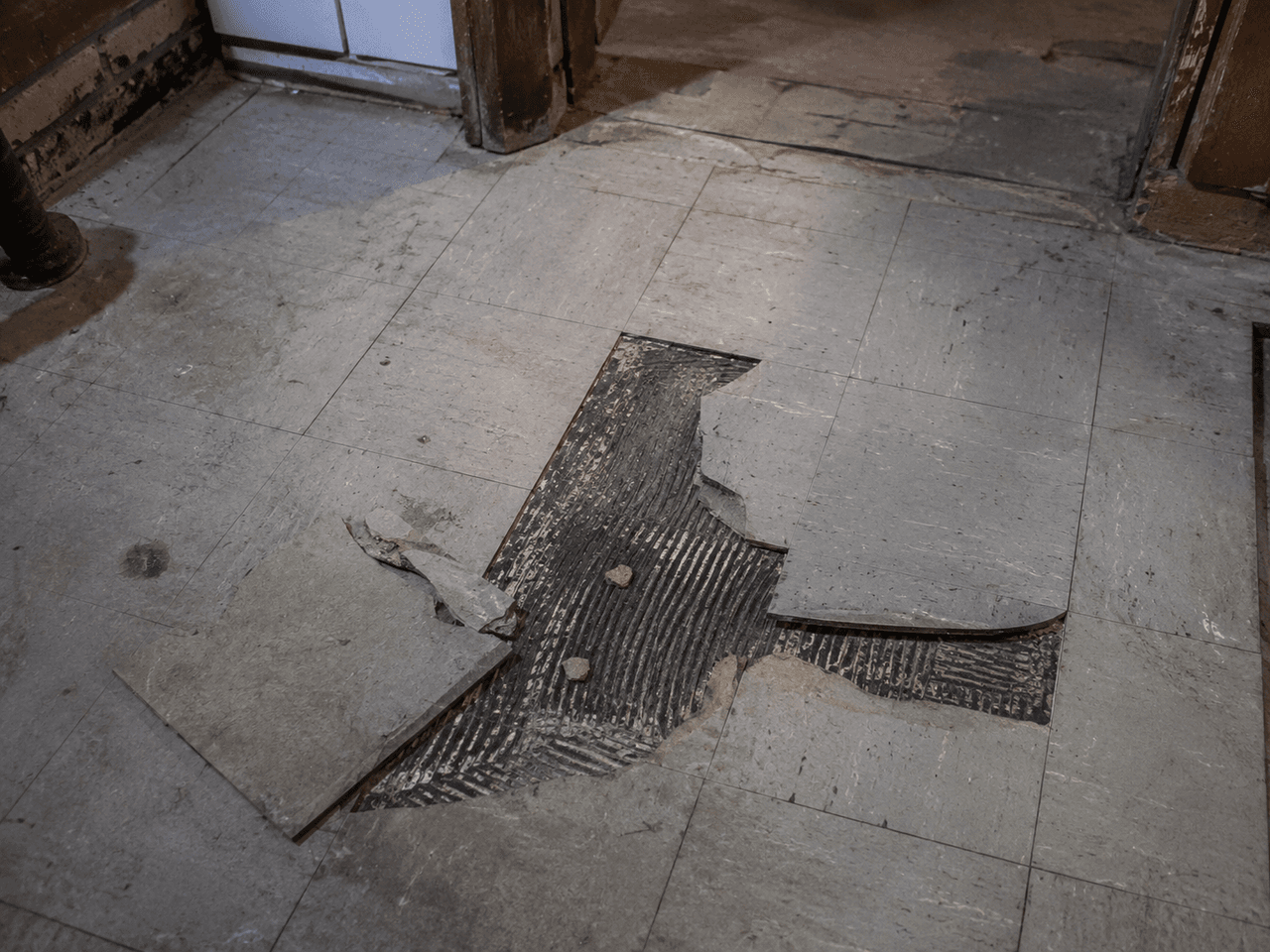
In Quebec, homes built before 1990—particularly bungalows from the 1960s to 1980s, cottages, and Montréal plexes—used asbestos for its thermal insulation, fire resistance, and durability. It is commonly found in older resilient flooring in kitchens, bathrooms, and basements, including vinyl-asbestos tiles (VAT) and sheet vinyl flooring with a fibrous backing.
During renovations, many homeowners discover these older floor coverings hidden beneath newer laminate or linoleum. Handling, scraping, sanding, or removing materials that contain asbestos can release asbestos fibres into the air. The amount released varies with the type of material, its condition, and the work method used.
To protect occupants and meet applicable safety requirements, hiring a qualified asbestos abatement contractor is strongly recommended. This guide covers typical pricing, CNESST regulatory requirements in Quebec, and the steps involved in carrying out the work properly.
How Much Does It Cost to Remove Asbestos Vinyl Tiles or Sheet Flooring per Square Foot?
Source: RenoQuotes
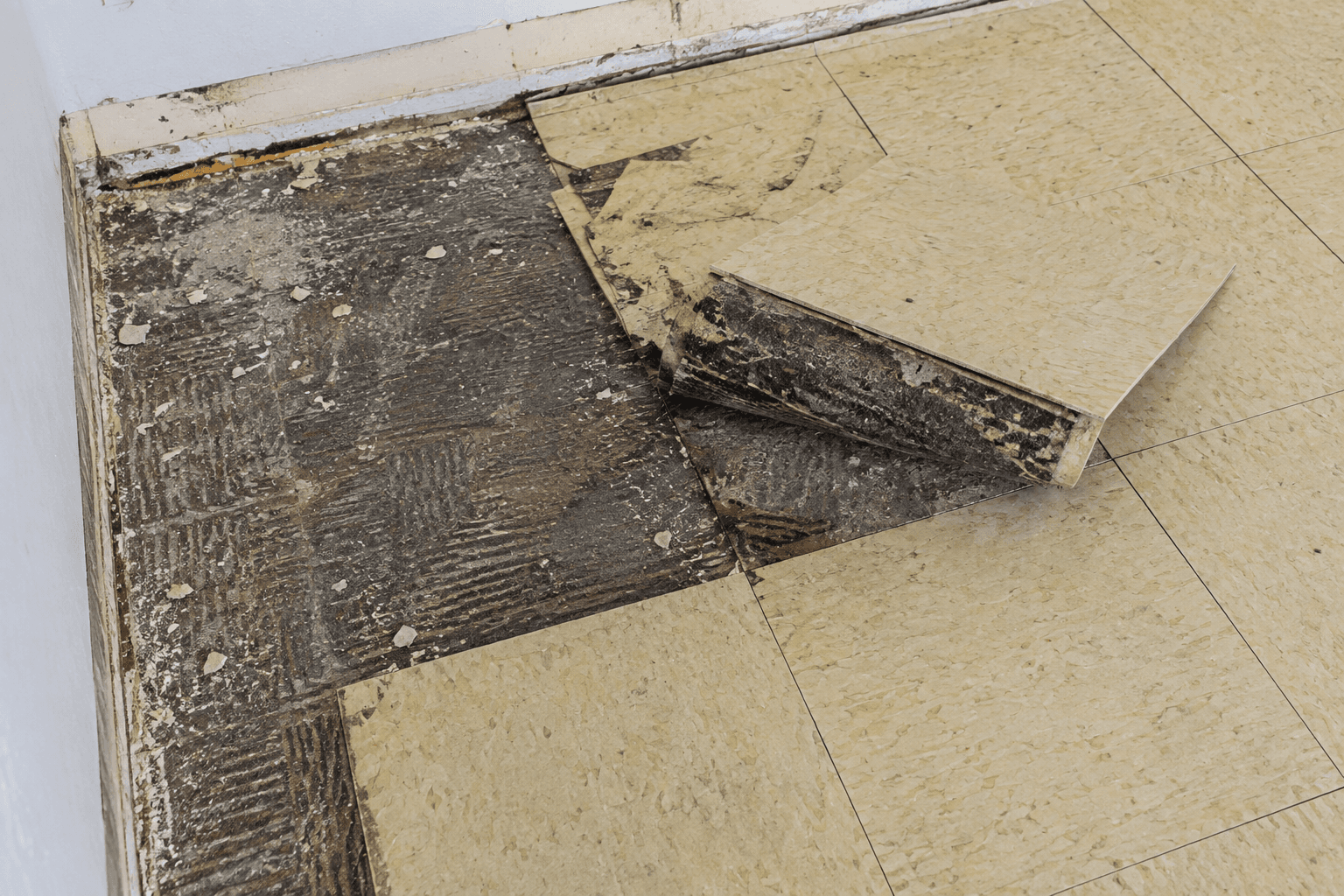
On average, asbestos flooring removal in Quebec costs between $8 and $25 per square foot. For smaller areas such as a powder room or entryway measuring less than 100 to 150 square feet, contractors may charge a minimum flat rate of $1,500 to $2,500. This base price may cover travel, work area preparation, required containment measures, filtration equipment, and disposal of asbestos-containing waste.
Estimated cost by project size:
Small area (50 to 100 sq. ft.): $1,500 to $2,500 flat rate
Medium area (200 to 500 sq. ft.): $2,500 to $6,500
Large area (500 to 1,000 sq. ft.): $5,500 to $14,000
*These are indicative price ranges that should be confirmed with specialized contractors. Costs vary considerably depending on the area, material, risk category, required containment measures, accessibility, and disposal fees.
Price differences depend largely on the specific type of flooring being removed. Not all asbestos-containing materials present the same level of risk during removal.
Type of Asbestos Flooring | Risk Level (CNESST) | Average Cost per Square Foot | Characteristics and Constraints |
Vinyl-asbestos tile (VAT) | Low risk when the tiles are and remain non-friable | $8 to $14/sq. ft. | Rigid, non-friable material. Removal without significant breakage or crumbling. |
Sheet flooring with fibrous paper backing | Risk level depends on friability, quantity, and removal method | $15 to $25/sq. ft. | Fibrous backing may be friable. More extensive containment measures may be required depending on the applicable risk category. |
Asbestos-containing adhesive or mastic | Risk depends on the removal method and work being performed | +$3 to $8/sq. ft. | The removal method depends on the type and condition of the mastic and the process being used. Methods that minimize dust emissions must be used. |
To estimate your flooring renovation budget more accurately, you can request a quote for asbestos abatement work from qualified contractors with the appropriate RBQ licence in your area.
Average Cost to Remove Vinyl-Asbestos Tiles (VAT)
Vinyl-asbestos tiles, often referred to as VAT, are frequently associated with the historic 9-inch by 9-inch format, as well as 12-inch by 12-inch tiles in some later installations. These tiles are generally rigid, with asbestos fibres, commonly chrysotile, bound within the vinyl matrix.
Because intact tiles are non-friable, their removal generally produces less fine dust, provided they are not cut, sanded, or aggressively broken. Removal typically costs between $8 and $14 per square foot. Workers carefully lift the tiles using hand tools after wetting the surface to help limit the release of fibres into the air.
The adhesive beneath the tiles, including some older black mastics, may also contain asbestos. Until asbestos is confirmed, the adhesive should be considered potentially asbestos-containing. If it also needs to be removed before installing new flooring, additional costs may apply for wet-removal methods.
Average Cost to Remove Asbestos-Backed Sheet Flooring
Sheet vinyl flooring can present greater safety and cost challenges. Although the upper vinyl wear layer generally does not contain asbestos, the greyish or whitish fibrous backing may contain asbestos. The presence and concentration of asbestos cannot be reliably confirmed by visual inspection and must be established through appropriate material analysis.
Typical construction of older asbestos-containing sheet flooring:
Top layer: Decorative vinyl, non-friable
Fibrous backing: Asbestos-containing fibrous paper, potentially very friable
Subfloor: Black adhesive over plywood or concrete
During removal, the backing may tear and release respirable fibres into the room. Because the backing may be friable, removing it can require considerably more protective measures than removing non-friable tiles. In Quebec, the applicable risk category—moderate or high depending on the work—must be determined in accordance with the Safety Code for the construction industry.
When the work requires enhanced containment, decontamination facilities, or negative-pressure ventilation, these measures increase labour and mobilization costs. Removing asbestos-containing sheet flooring may therefore cost between $15 and $25 per square foot, depending on site conditions.
Factors That Affect the Cost of Asbestos Abatement
Source: RenoQuotes
Several technical and property-specific factors can affect the final price quoted by the abatement contractor.
Factors that may affect the overall cost include:
Material type: Rigid tiles versus friable fibrous-backed sheet flooring.
Accessibility and layout: Basement location, stairs, obstacles, and restricted work areas.
Asbestos-containing black adhesive sighting beneath the flooring.
Need to replace the plywood subfloor.
Distance to an authorized disposal facility.
If sheet flooring is strongly bonded to a plywood subfloor, it may sometimes be more practical and cost-effective for the contractor to remove entire plywood panels rather than spend hours separating the fibrous backing and adhesive from the wood.
Laboratory Analysis of Samples Before Work Begins
Before any work that could generate asbestos dust begins, materials suspected of containing asbestos should be assessed. Unless reliable evidence confirms otherwise, they should be treated as potentially asbestos-containing. Verification may involve laboratory analysis of a sufficient number of representative samples or reliable documentation regarding the material's composition.
Typical sampling process:
Collect enough representative samples from the different materials or layers being assessed, using the appropriate sampling method.
Send the samples to a laboratory participating in a recognized interlaboratory quality-control program for asbestos analysis.
Analyze the material using a recognized method, generally polarized light microscopy (PLM); additional testing methods may be required for certain materials.
Obtain a report indicating whether asbestos is present and, where applicable, its concentration.
The cost of sampling performed by a specialized technician generally ranges from $150 to $300 for the initial laboratory analysis. When laboratory testing is used, the resulting report helps determine whether asbestos is present and at what concentration, allowing the contractor to select the appropriate work methods.
Containment Levels and CNESST Safety Protocols
In Quebec, asbestos work on construction sites is governed by the Safety Code for the construction industry. The required level of containment can have a significant effect on labour costs.
Measures according to the applicable risk category:
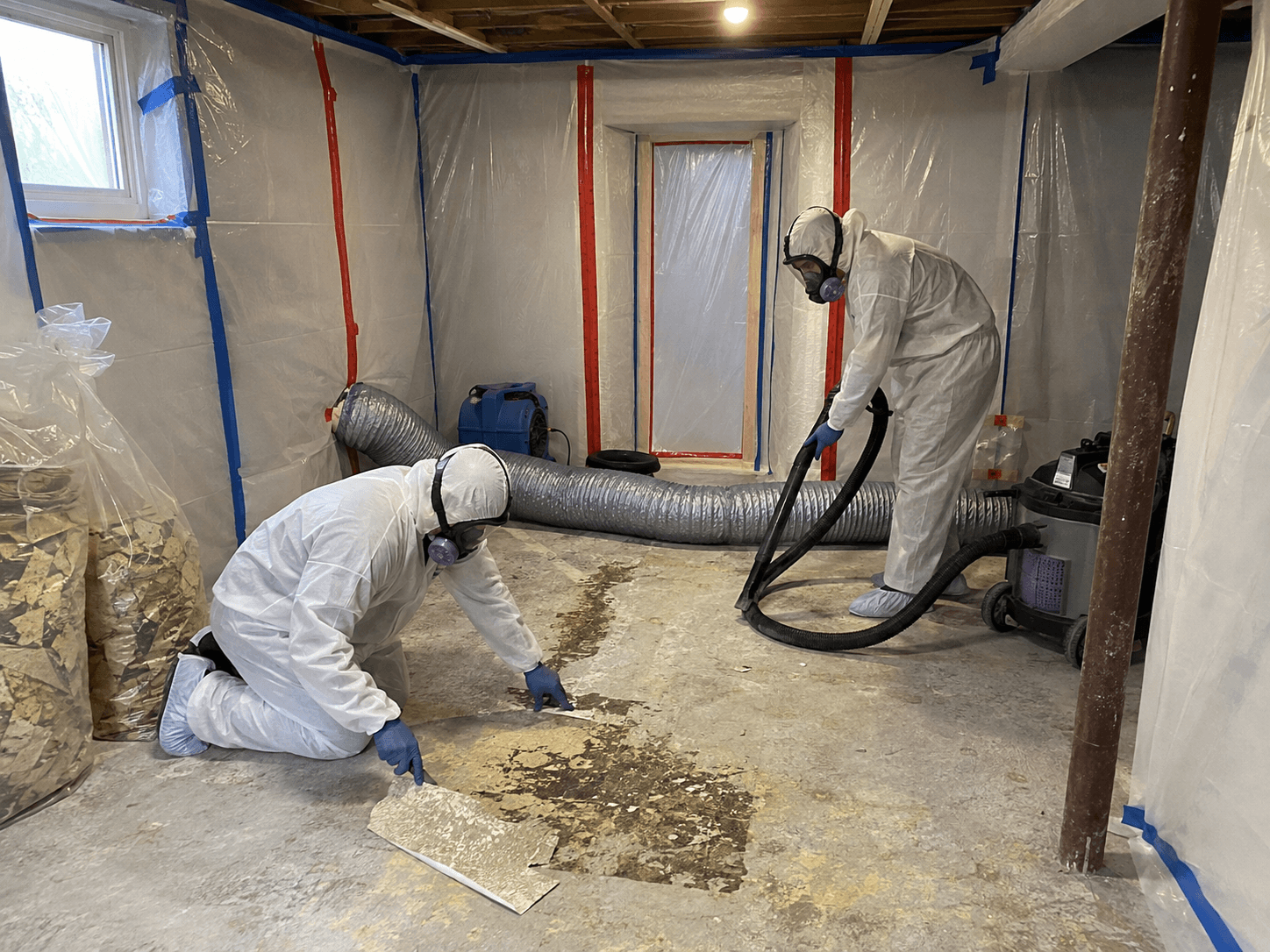
Preventive measures vary depending on how the work is classified under the applicable Quebec requirements. Depending on the material, its friability, the quantity involved, and the work method, requirements may include wetting the material, using a HEPA-filtered vacuum, respiratory protection, sealed containment, negative-pressure ventilation, or decontamination facilities.
When work is classified as high risk, additional measures may be required, including:
Sealed negative-pressure containment.
Decontamination facilities that comply with applicable requirements, including required change areas and showers.
Respiratory protection that provides the level of protection required for the nature of the work and exposure level.
These procedures may require several hours of setup before material removal even begins, which helps explain the minimum mobilization costs associated with asbestos abatement projects.
Why Hire a Contractor with an RBQ Licence?
Source: Abri Spec
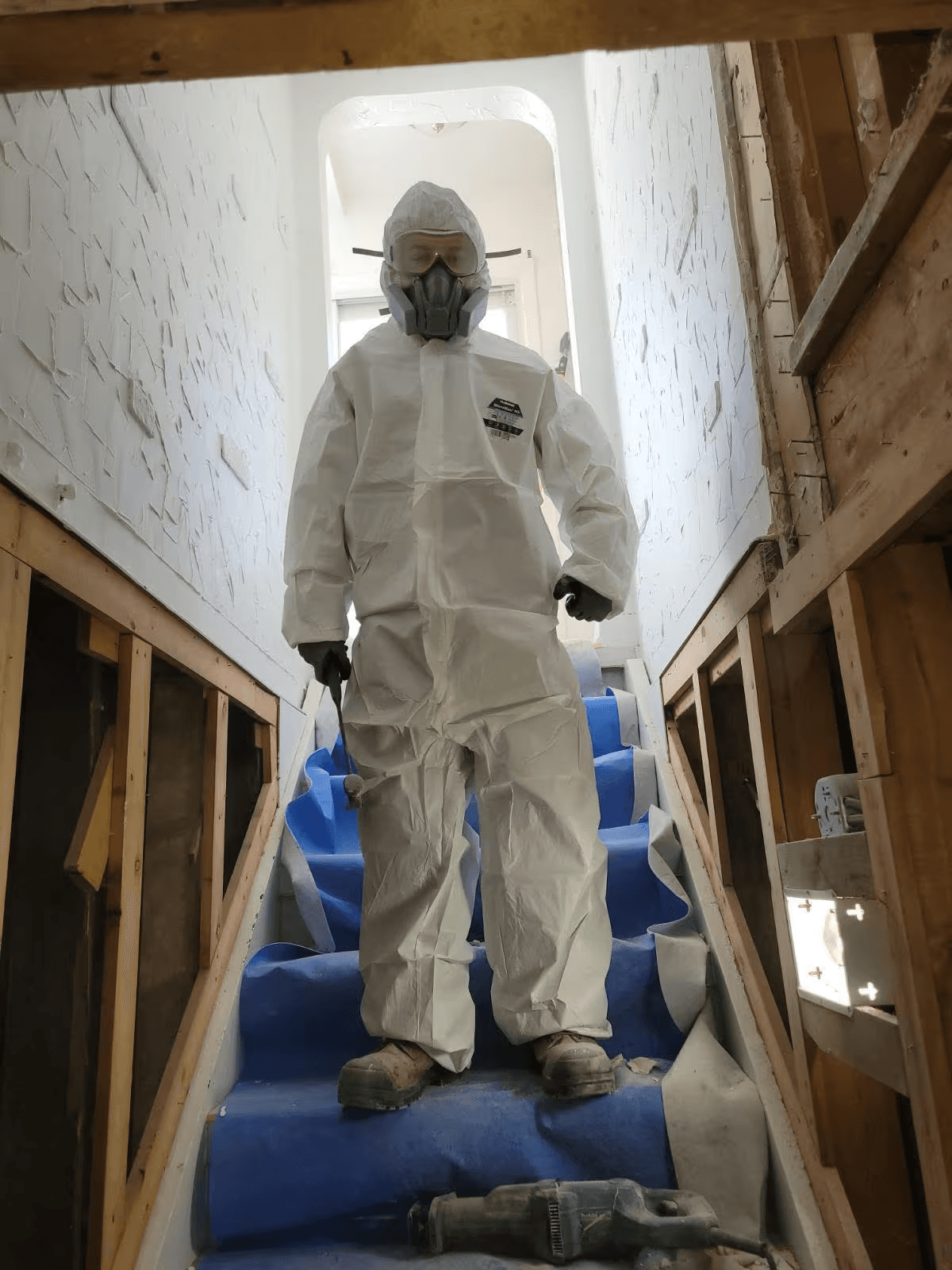
Removing old sheet flooring yourself to save a few hundred dollars can create serious health and financial risks. Improper asbestos removal may expose occupants and workers to airborne fibres and can lead to contamination outside the immediate work area.
To make sure you are working with qualified professionals, look for an asbestos abatement contractor with the appropriate RBQ licence and the necessary experience to handle hazardous materials.
Health Risks Associated with Airborne Asbestos Fibres
Asbestos fibres are invisible to the naked eye and can be thousands of times thinner than a human hair. Dry scraping, sanding, or mechanically breaking asbestos-containing tiles can release fibres that remain suspended in the air and may be inhaled.
Once inhaled, asbestos fibres can lodge deep in the lungs and pleural tissue. Exposure can contribute to serious diseases that may develop decades later, including:
Asbestosis: Progressive scarring of lung tissue that can cause severe breathing difficulties.
Mesothelioma: An aggressive cancer affecting the lining of the lungs or abdomen that is strongly associated with asbestos exposure.
Lung cancer: The risk increases among people exposed to asbestos fibres.
Improper work can spread asbestos fibres outside the work area and contaminate other surfaces or parts of the ventilation system, which may then require specialized cleaning.
What to Check Before Hiring an Asbestos Abatement Contractor
In Quebec, contractors performing asbestos removal work must comply with legal requirements administered by the Régie du bâtiment du Québec (RBQ).
Items to check before hiring an asbestos abatement contractor include:
Appropriate RBQ licence: For a specialized contractor, this may include subclasses 2.7 or 7.0; for a general contractor, subclasses 1.2 or 1.3 may apply depending on the nature and scope of the work.
Worker training and information on asbestos hazards: Workers must be informed about asbestos risks, preventive measures, and safe work methods in accordance with CNESST requirements and the applicable construction safety code.
Adequate liability insurance: Ask the contractor to confirm that their insurance coverage applies to asbestos abatement work and the associated contamination risks.
Regulated waste management: Asbestos-containing materials must be packaged, transported, and disposed of in accordance with applicable requirements and sent to a facility authorized to receive them.
Before signing a contract, verify that the contractor holds the appropriate RBQ licence and ask them to confirm that their insurance coverage applies to asbestos abatement work and the associated risks.
Steps Involved in Safe Asbestos Removal
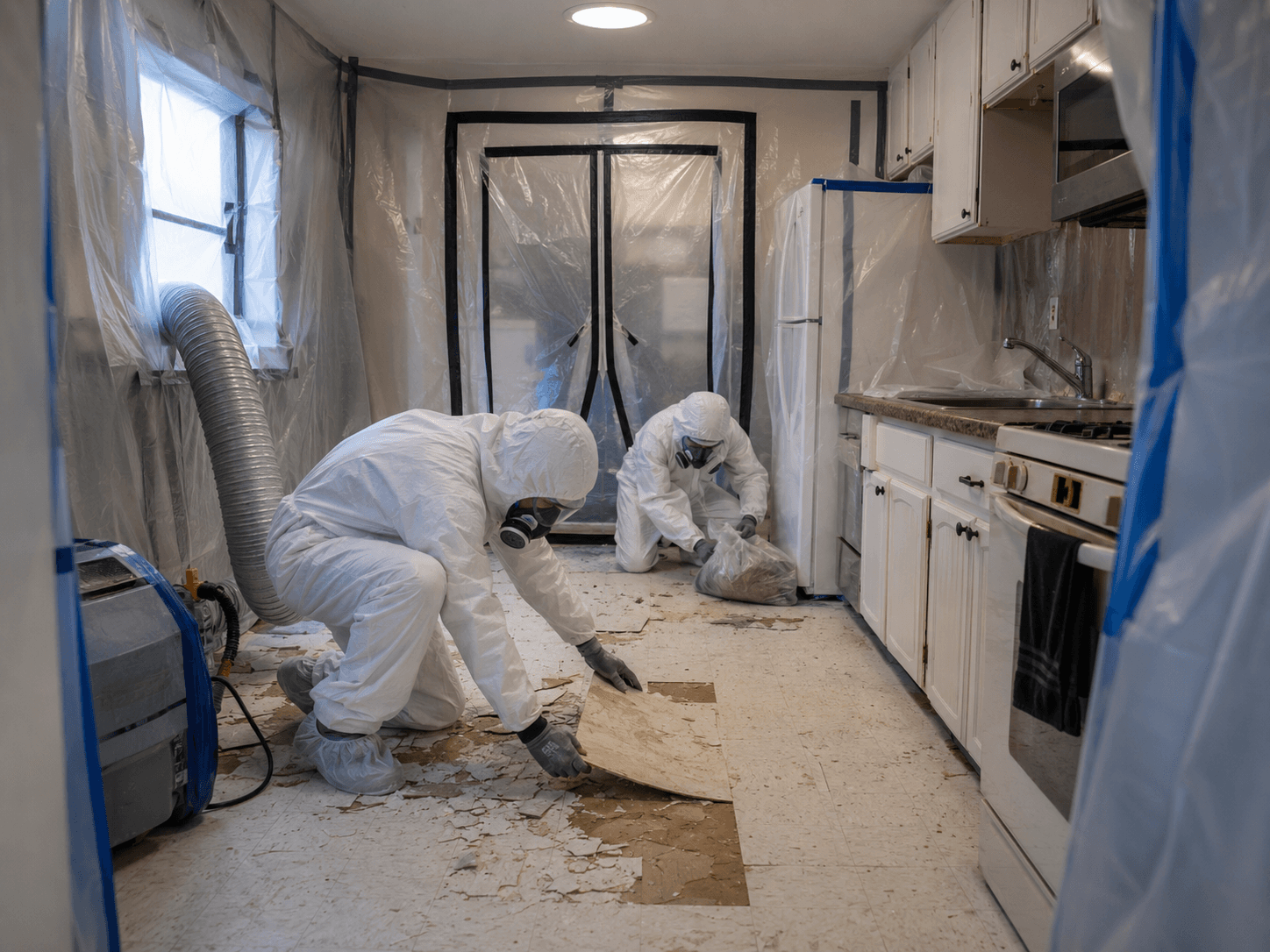
Source: RenoQuotes
Work methods and containment requirements vary depending on the applicable risk category. For jobs that require containment, the project may include the following steps:
Prepare the work area: Remove furniture and personal belongings from the room. Fixed elements such as kitchen cabinets and ductwork are covered with sealed plastic sheeting.
Install containment when required: Set up the barriers or enclosure required for the applicable work category. Negative-pressure ventilation may also be required in some situations.
Set up decontamination facilities when required: Certain high-risk work may require facilities that include designated change areas and showers.
Use wet-removal methods: Apply a wetting agent to the material to reduce airborne fibres while removing tiles or sheet flooring.
Package the waste: Asbestos-containing debris is regularly placed in sealed containers suitable for the waste type and prepared to remain sealed during transport.
Clean and seal the area: Surfaces are vacuumed with an industrial HEPA vacuum and wet-wiped. A binding or encapsulating agent may also be applied when appropriate to help secure residual fibres.
Verify air quality before dismantling containment when required: For work subject to this requirement in Quebec, the enclosure cannot be dismantled until testing shows a respirable asbestos fibre concentration below 0.01 fibre/cm³, in accordance with the applicable requirements.
Transport and dispose of waste according to regulations: Sealed asbestos waste is transported to an authorized disposal facility.
By complying with the applicable requirements and keeping laboratory reports and documentation provided by the contractor, homeowners can maintain a clear record of the work performed and help reduce the risk of asbestos exposure in the property.
To begin your project, you can request quotes from qualified asbestos abatement professionals.
Looking for something else?
Related articles
The latest industry news, interviews, technologies, and resources.
Cynthia Pigeon
•22 Jul 2026
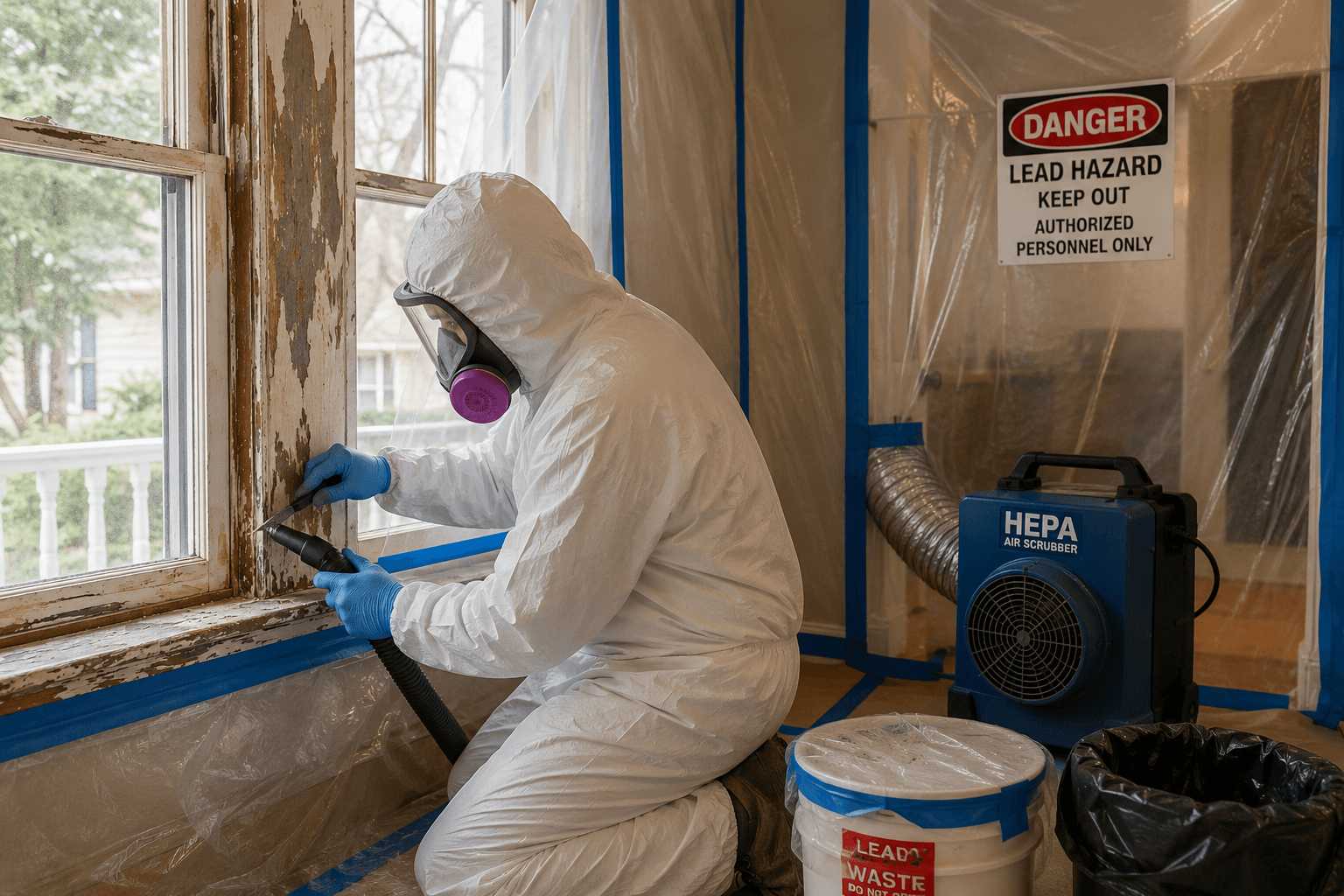
Owning an older or heritage home in Canada comes with undeniable architectural charm, whether it is a century-old duplex in Montréal, a Victorian house in Ontario, or a historic property in the Maritimes. However, restoring these buildings can also reveal hidden challenges. One of the most serious environmental risks is the presence of lead-based paint.
Équipe éditoriale
•28 Apr 2026
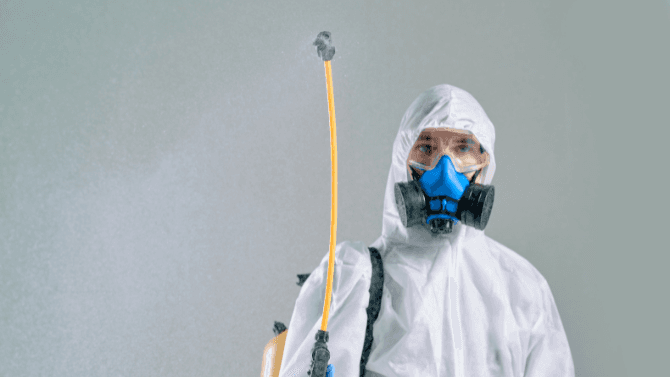
For any homeowner, a contaminated property is a literal nightmare. What should you do if your home is infested with asbestos, radon, or mould? Such problems, which affect hundreds of thousands of homes across Canada, can severely hinder a home’s structural integrity, not to mention the health of its dwellers.
Léa Plourde-Archer
•23 Sep 2026
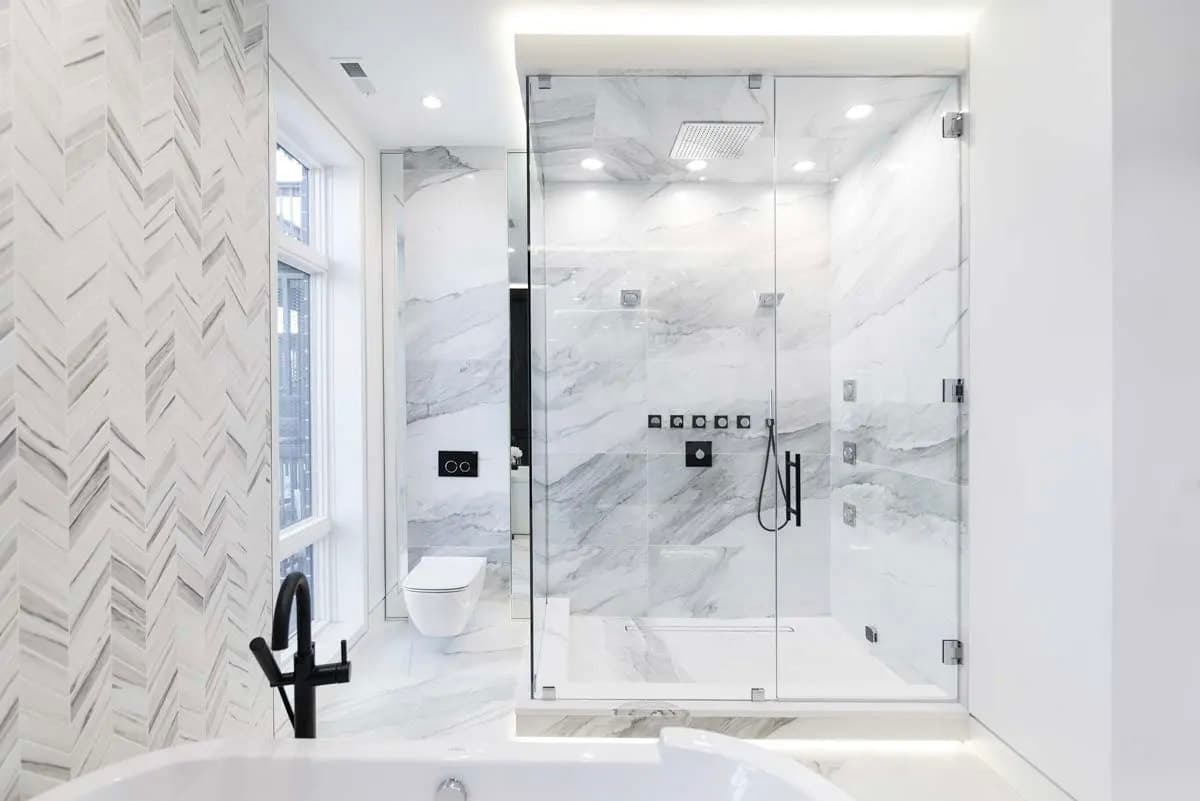
Installing a glass shower is an investment that increases your property value, but it leaves no room for error in waterproofing or construction. To ensure a successful project, you must guarantee a perfectly level base, choose tempered glass at least 10 mm thick, and use high-quality sealants to prevent mould growth.
Editorial Team
•08 Nov 2023
Wood siding isn't only a matter of aesthetics. Even though it's been at the forefront of many myths, it still has a lot of advantages there are yet to be known by the general public. Natural wood siding is available in different essences (cedar, spruce, pine, etc.), and it will give a unique touch to your house, chalet or store.
Editorial Team
•08 Nov 2023
Even though a brick wall is quite decorative by itself, perhaps it’s not enough and you’re unsatisfied with its blank appearance. Well, just a piece of advice, it is more difficult to hang things (art, shelves, lamps, etc.) on brick, but don’t be discouraged because it’s not impossible!