Vermiculite and Asbestos Removal in the Attic: Costs in Quebec
By Cynthia Pigeon
Updated on September 15, 2026
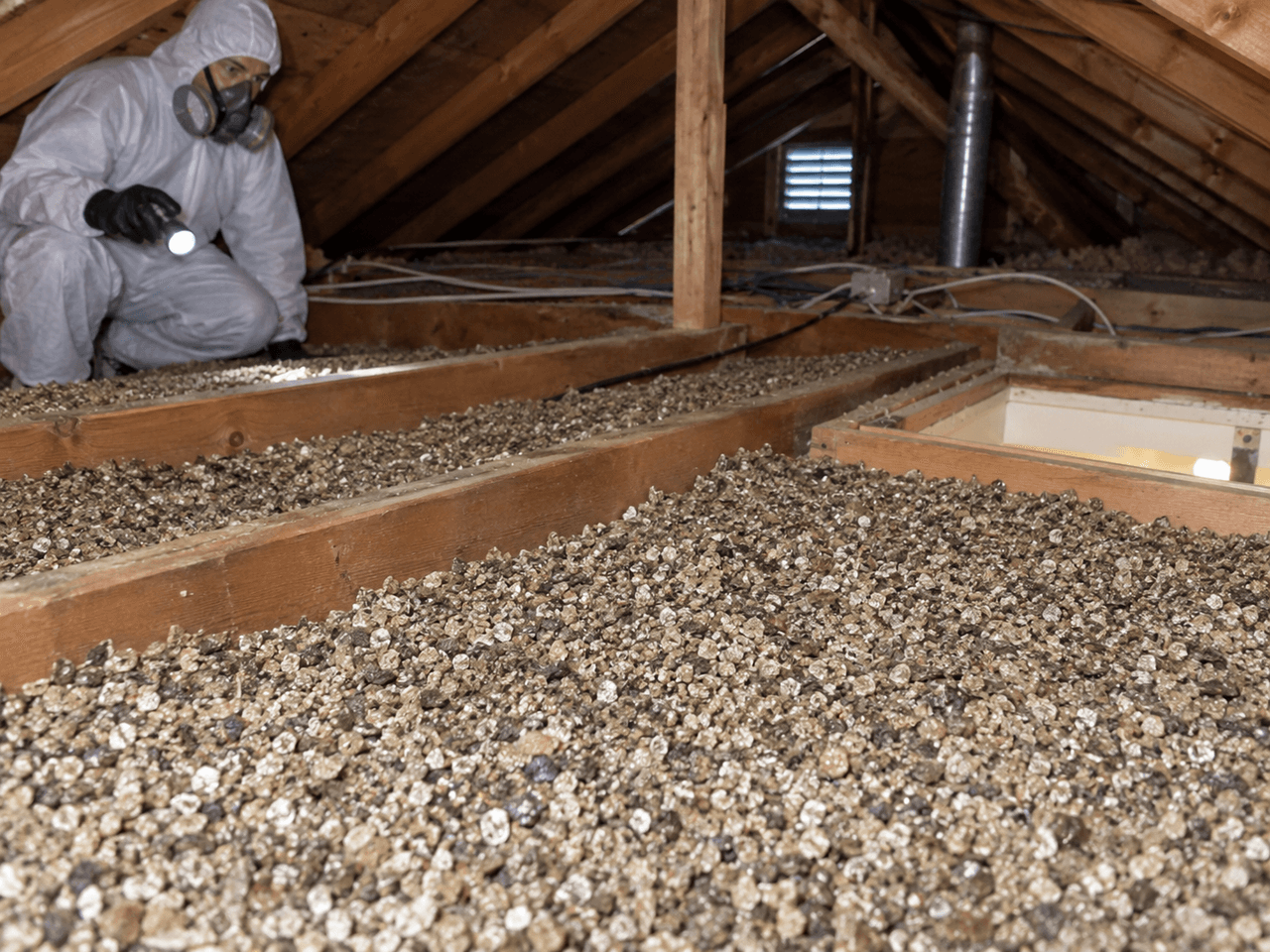
Some homes built before 1990 may contain vermiculite insulation in the attic. Some of the vermiculite sold in Canada, particularly under the Zonolite® Attic Insulation brand, came from the Libby mine in Montana, where the ore could be contaminated with amphibole asbestos. However, not all vermiculite installed before 1990 necessarily contains asbestos.
When left undisturbed and sealed off in the attic, vermiculite presents minimal risk. However, during renovation work, roof reinsulation, recessed lighting replacement, or the sale of a property, disturbing this insulation can release microscopic asbestos fibres into the air. Inhaling these fibres can cause serious illnesses such as asbestosis, lung cancer, and mesothelioma.
When vermiculite needs to be removed or may be disturbed during work, removal should be handled by qualified professionals. When it remains isolated, undisturbed, and separated from the indoor air, it generally poses little risk to occupants.
How Much Does Vermiculite Removal Cost in an Attic in Quebec?
Source: Project solutions limited
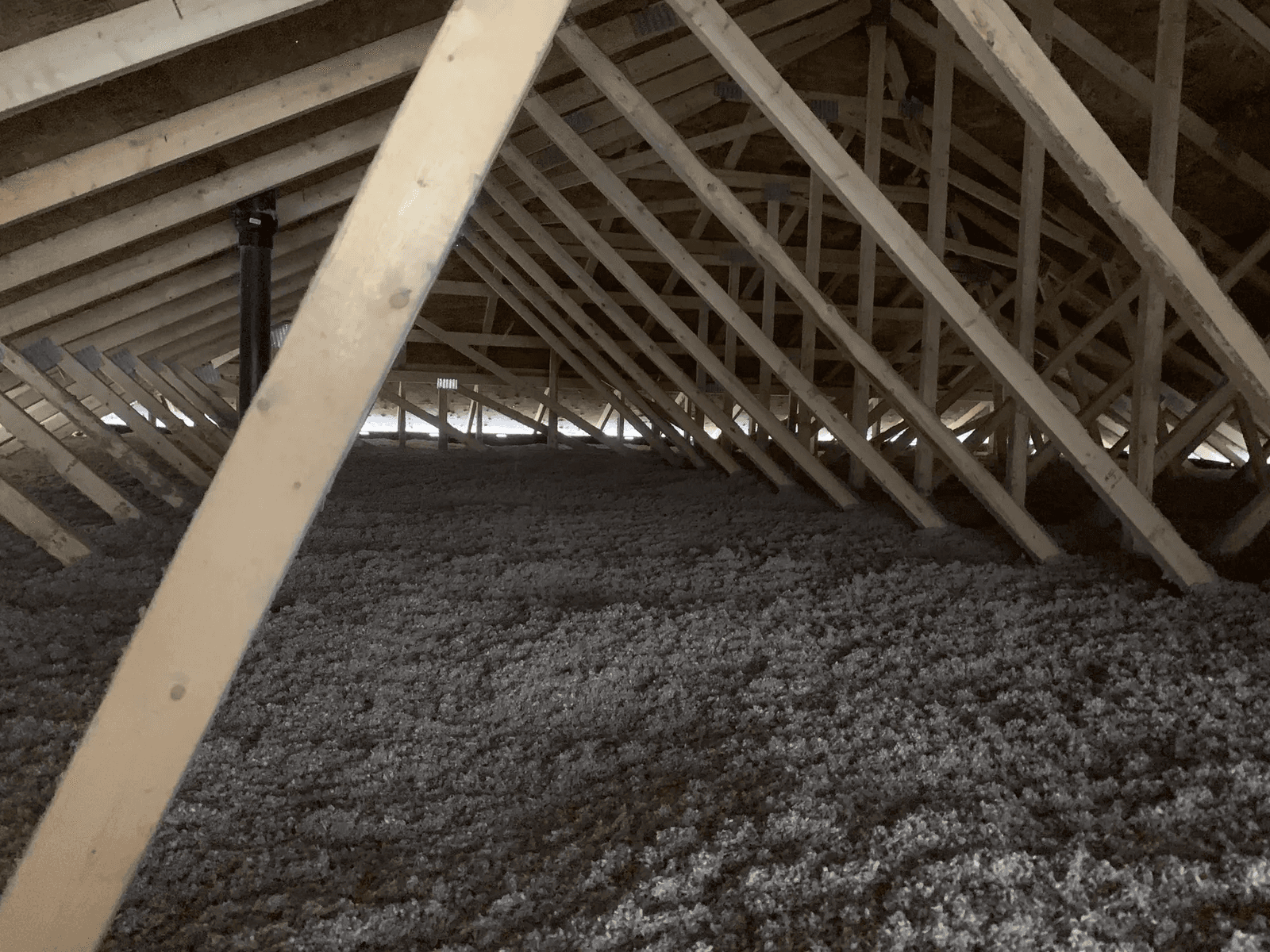
The safe removal of asbestos-contaminated vermiculite requires industrial containment equipment and highly skilled labour. In Quebec, the average cost of attic asbestos removal is mainly calculated based on the floor area of the space being treated.
Average cost of vermiculite removal in Quebec:
Cost per square foot: $8 to $15/sq. ft. (including containment, vacuum removal, and disposal)
Average budget for a 1,000 sq. ft. bungalow: $8,000 to $15,000 (before tax)
Preliminary laboratory test: $150 to $300 per sample
Average Cost per Square Foot and Flat-Rate Pricing
The overall budget varies depending on the total attic area that needs to be decontaminated. Smaller areas tend to have a higher cost per square foot because of fixed costs associated with setting up the containment area and transporting specialized equipment.
Attic Area | Residential Building Type | Average Decontamination Budget (CAD) |
500 sq. ft. | Small townhouse or semi-detached home | $4,500 to $7,500 |
800 sq. ft. | Compact bungalow or cottage | $6,500 to $11,000 |
1,000 sq. ft. | Standard 1970s bungalow | $8,000 to $14,500 |
1,200 sq. ft. | Large bungalow or split-level home | $9,500 to $17,000 |
1,500 sq. ft. and up | Large single-family home | $12,000 to $22,000+ |
To get an accurate estimate based on the specific characteristics of your home, it is recommended to request quotes for attic decontamination from qualified specialists.
Laboratory Testing for Asbestos
Before starting any demolition or removal, properly characterize the material. Because it is impossible to tell visually whether vermiculite insulation contains asbestos, treat it as potentially asbestos-containing until testing confirms otherwise.
Steps involved in testing vermiculite for asbestos:
Safe Sampling
Sampling should be carried out by a qualified person using a sampling method suited to vermiculite. Because asbestos may be unevenly distributed throughout the insulation, a sufficient number of representative samples must be collected and analyzed. Avoid handling vermiculite yourself to prevent dust from becoming airborne.
Laboratory Analysis
Samples must be analyzed using a method recognized by the IRSST or a method offering equivalent accuracy. In Quebec, the IRSST notably uses Method 244 to characterize asbestos in bulk materials. The laboratory must participate in an interlaboratory quality-control program.
Indicative cost: $150 to $300 per sample; turnaround time varies by laboratory and service level.
Assessment of the legal threshold in Quebec
For the purposes of Quebec regulations governing work that may generate asbestos dust, a material is considered to contain asbestos when its concentration reaches 0.1% or more.
Never attempt to handle dry vermiculite without appropriate respiratory protection. Improper sampling can release millions of microscopic asbestos fibres into living areas.
Factors That Affect the Cost of Attic Asbestos Removal
Source: RenoQuotes
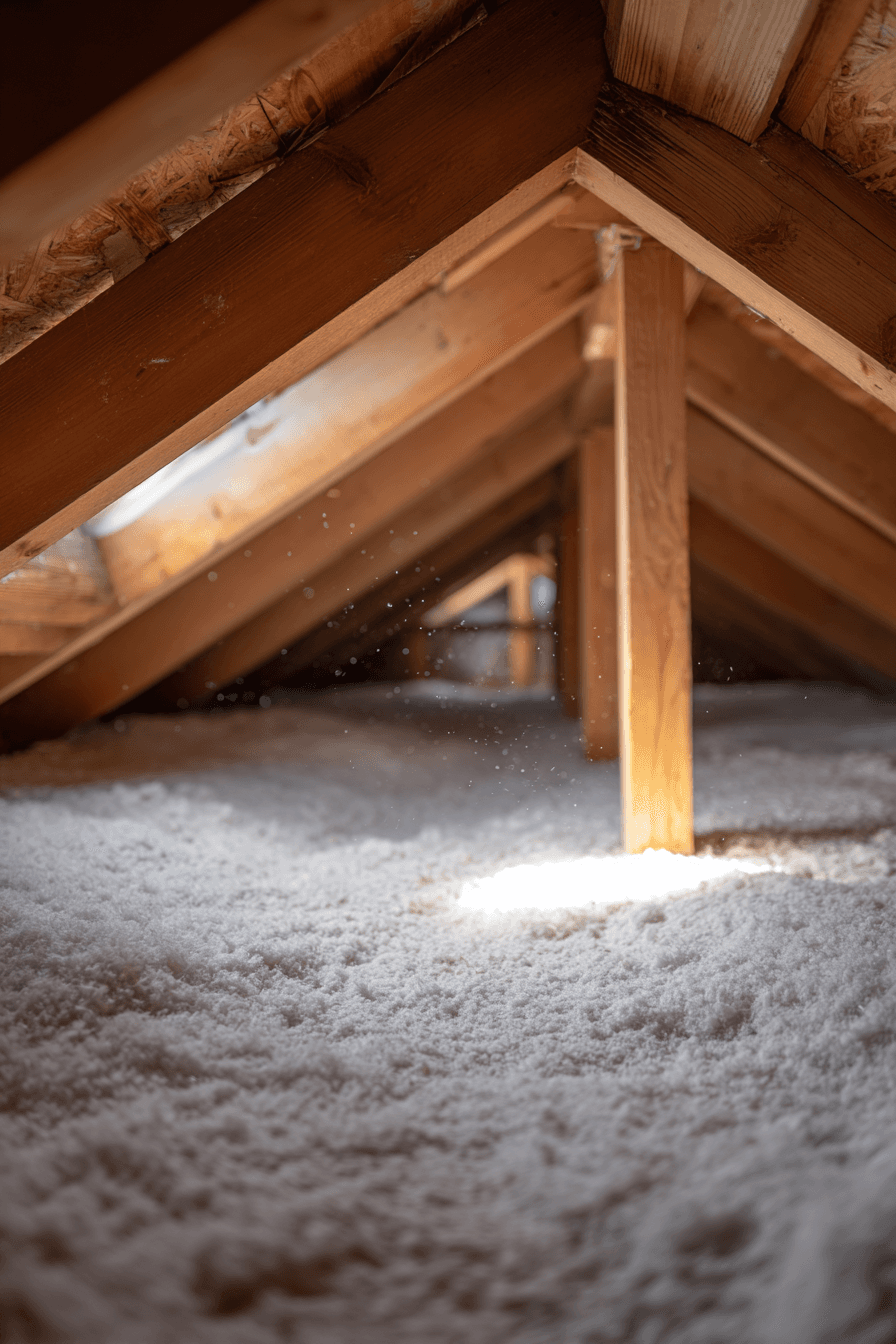
Every attic has architectural characteristics that can affect the duration of the work and the complexity of the required safety procedures.
Main factors affecting pricing:
Roof slope and available attic clearance
Access method (interior hatch vs. roof opening)
Thickness of the vermiculite layer and presence of additional insulation
Level of containment and vacuum capacity required
Transportation and disposal costs for asbestos-containing waste at an authorized facility
Access Complexity and Roof Pitch
The roof structure directly affects how quickly technicians can work. In a low-slope attic, the working space can be very restricted, particularly near the eaves. Available headroom depends on the roof pitch, building span, truss design, and overall roof geometry. Technicians may need to crawl along the joists for several hours.
Impact of attic design on labour costs:
Restricted access or low roof pitch: Labour costs may increase by 15% to 30% due to difficulty and slower pace of work.
Additional insulation layers: If fibreglass or cellulose insulation has been installed over the vermiculite, all of the material must be removed and disposed of as contaminated waste, resulting in an additional cost based on volume.
When interior access is too restricted or creates a high risk of contaminating living areas, the contractor may choose to access the attic through the roof by temporarily removing a section of plywood roof sheathing, which adds framing and roofing costs.
Containment Level and CNESST Safety Protocol
In Quebec, asbestos handling in construction is strictly regulated by the Commission des normes, de l'équité, de la santé et de la sécurité du travail (CNESST) under Section IX of the Safety Code for the Construction Industry.
Vermiculite removal is generally classified as high-risk work. This requires a strict airtight containment protocol with negative-pressure containment requirements.
6-Mil Polyethylene Barrier
Complete sealing of the access hatch, light fixtures, and any connected ventilation ducts.
Three-Stage Decontamination Enclosure
For high-risk work subject to Article 3.23.16, the employer must establish the required decontamination facilities and procedures, including worker change rooms and showers.
Negative-Air Machines with HEPA Filtration
Maintaining constant negative pressure while filtering 99.97% of particles down to 0.3 microns.
Sealed Asbestos Waste Bags
Dust and debris from friable materials containing at least 0.1% asbestos must be placed in sealed containers and properly labelled in accordance with regulations.
Asbestos-containing waste must be packaged in accordance with regulations and transported to a facility authorized to receive this type of material. Costs vary by site (indicative pricing: $800 to $2,000), volume, and transportation requirements.
To assess the technical feasibility of your project, you can consult specialists for full attic decontamination.
Reinsulation After Decontamination: Rénoclimat and LogisVert Grants
Source: RenoQuotes
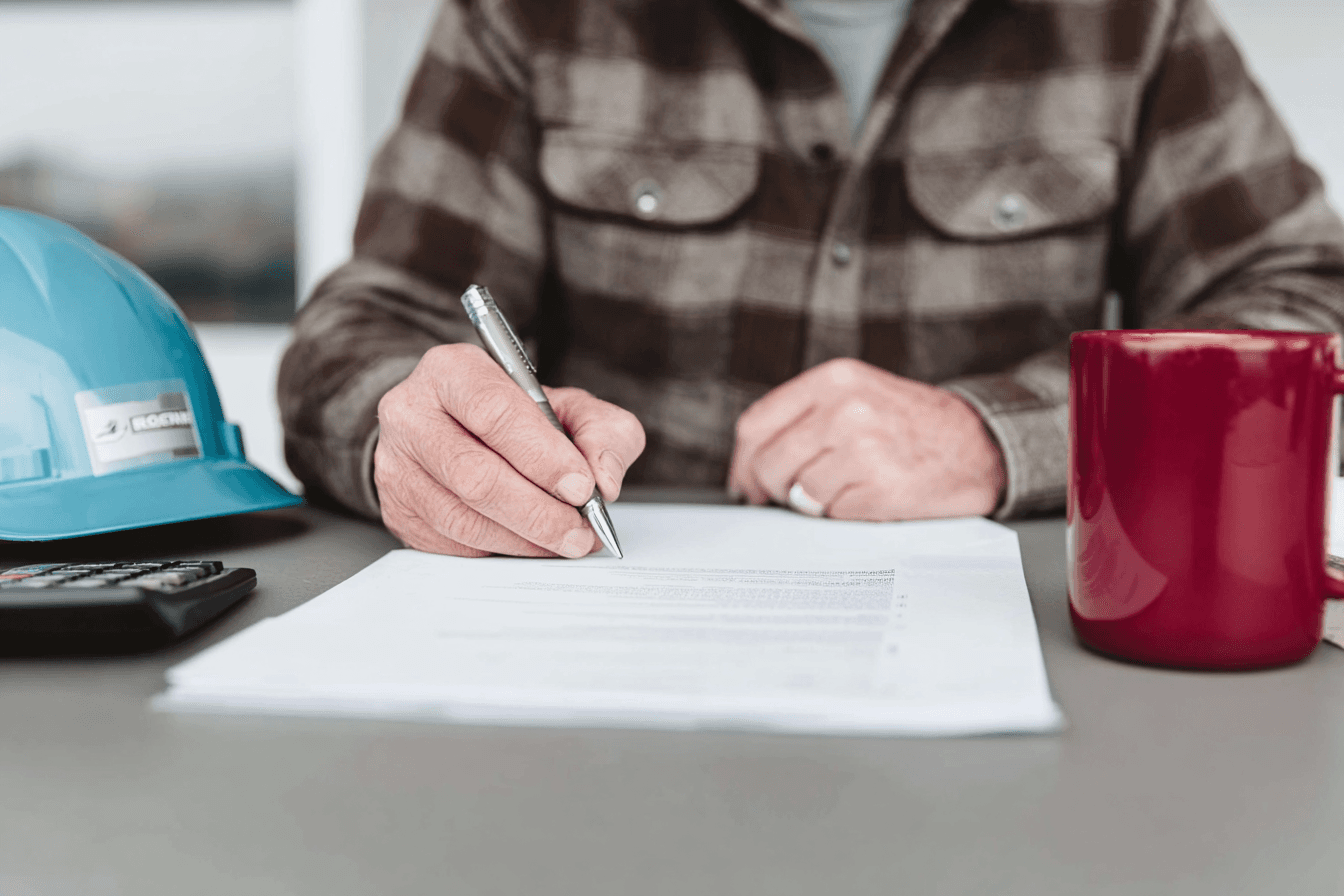
Once the attic has been fully decontaminated, cleaned, and sealed, the home is left without insulation at the ceiling level. The attic should be reinsulated promptly to minimize heat loss, reduce the risk of ice dams forming along the roof edge in winter, and prevent condensation buildup.
This is where the Quebec government and utility financial-assistance programs can help reduce overall project costs.
Financial assistance available for attic reinsulation in Quebec:
Rénoclimat Program (Government of Quebec)
Financial assistance for upgrading roof insulation.
Rénoclimat assistance depends on the improvement in insulation value compared with the condition measured before the work and the targets outlined in the energy evaluation report. For a roof, the work must cover at least 20% of its surface area to qualify.
LogisVert Program (Hydro-Québec)
Financial assistance for roof insulation and air-sealing work when program requirements are met.
Hydro-Québec offers $1,500 in financial assistance for this measure when all program requirements are met.
For first-time participation in Rénoclimat, the initial energy evaluation must be completed before the eligible work begins; work already started or completed before the evaluation is not eligible. A post-renovation evaluation is also required to receive financial assistance.
Overall cost example for decontamination and reinsulation:
Vermiculite decontamination (1,000 sq. ft.): $11,000
Blown-in cellulose reinsulation (R-60): + $3,200
Total cost before financial assistance: $14,200
Potential financial assistance: Depending on the program and project eligibility
Blown-in cellulose can be used to achieve an R-value of R-50 or R-60, depending on the amount installed, the R-value per inch of the product, and the requirements that apply to the project. The required thickness varies depending on the type and density of insulation.
To plan the thermal upgrade of your home, take the time to evaluate the cost of reinsulating your attic.
Why Hire an RBQ-Licensed Decontamination Contractor?
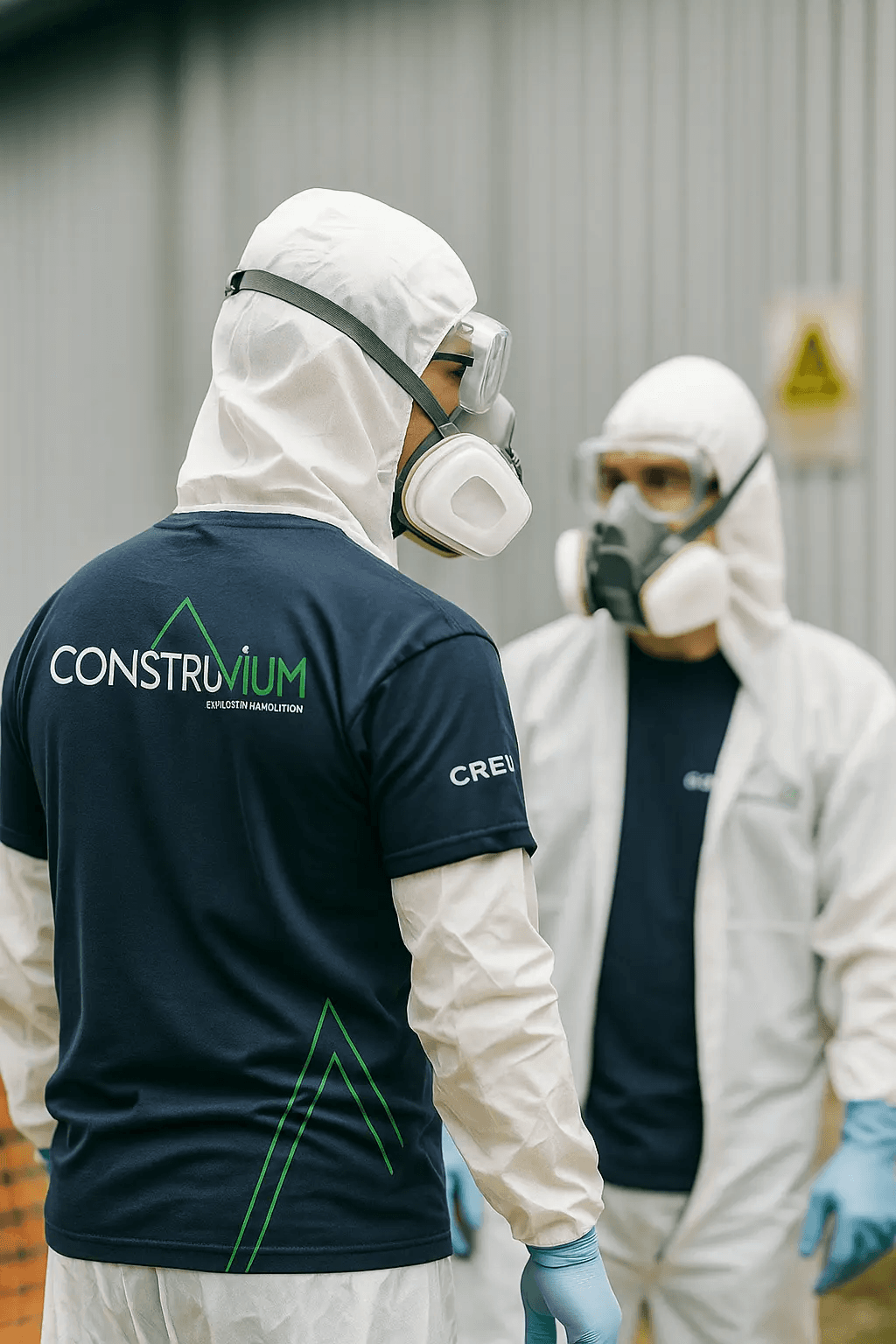
Source: Groupe Construvium Inc
Asbestos removal in a single-family home is not an ordinary renovation project. Hiring an unqualified company or attempting to remove vermiculite yourself using a household vacuum or shop vacuum can be a serious mistake: the filter may release invisible asbestos fibres back into the indoor air, potentially contaminating furniture, carpets, and ventilation systems.
In Quebec, this work requires a decontamination contractor with the appropriate qualifications from the Régie du bâtiment du Québec (RBQ).
Required qualifications and safety measures:
Valid RBQ Licence
Verify that the contractor holds the appropriate RBQ licence subclass for the work. Subclass 7.0 — Insulation, Waterproofing, Roofing and Siding Contractor — notably authorizes the removal of asbestos and other fireproofing products.
Liability Insurance Suited to Asbestos Work
Ask for proof of adequate liability insurance and verify that the policy does not contain exclusions that would leave asbestos- or pollution-related work without coverage. The amount of coverage should be appropriate for the scope and risks of the project.
Fibre Concentration Measurement Prior to Containment Dismantling
Air sampling confirming a fibre concentration of < 0.01 f/cm³ before the decontamination enclosure is dismantled.
At the end of the work, ask the contractor to provide all relevant project documentation, including laboratory results and air-monitoring reports when required, along with records describing the work completed. Keep these documents for your records and for any future real estate transaction.
To protect your family’s health and your investment, it is important to find an RBQ-licensed decontamination contractor.
Steps to a Safe Attic Decontamination Project
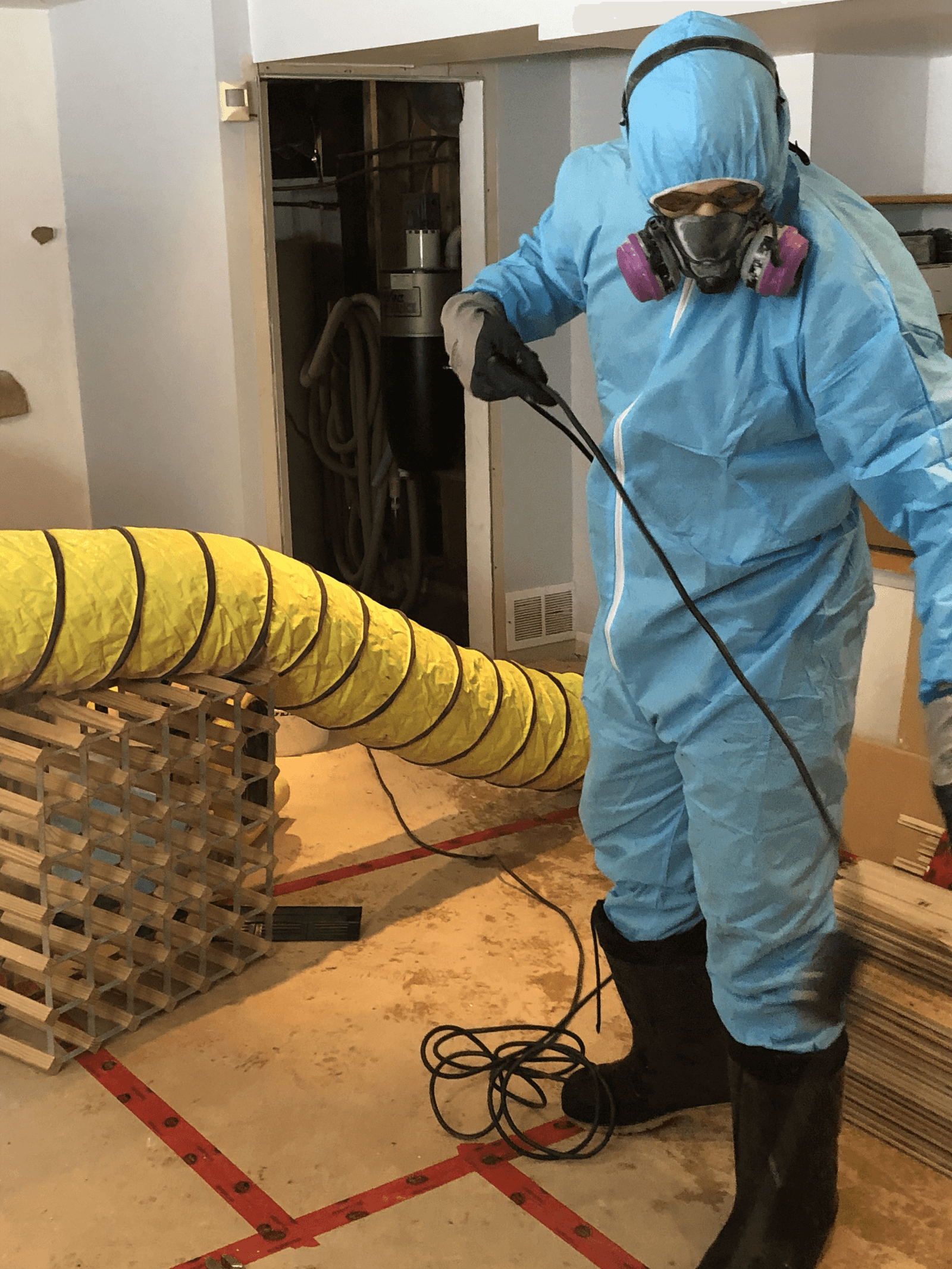
Source: Décor Service Concept
The duration of a project varies depending on the size of the attic, access conditions, the amount of material being removed, the risk level, the containment measures required, and the overall scope of work. In general, the work is estimated to take 2 to 4 business days.
Typical sequence of an attic decontamination project:
Set up containment
Industrial HEPA vacuum removal
Detailed surface cleaning and encapsulation if required
Final air clearance testing
Step 1: Preparing and Sealing the Work Area
Technicians install reinforced plastic protection from floor to ceiling along the route leading to the attic hatch. The hatch is sealed using a three-stage inflatable decontamination enclosure. Negative-air machines equipped with HEPA filters are then started to create negative pressure within the work area.
Step 2: Specialized Removal of Zonolite Vermiculite
Wearing sealed Tyvek suits and supplied-air respirators or P100-filter respirators, workers remove the vermiculite using a hose connected to an exterior industrial vacuum truck or high-capacity HEPA dust collectors. The contaminated insulation is placed directly into sealed asbestos waste bags designed to resist punctures.
Step 3: Detailed Surface Cleaning and Encapsulation if Required
Once the vermiculite has been removed, the joists, roof trusses, and plywood roof sheathing are thoroughly cleaned using HEPA vacuuming and wet wiping. After removal, all surfaces must be cleaned using methods appropriate to the project. Depending on the condition of the surfaces, the work method, and the decontamination specifications, an encapsulating product may sometimes be applied, but systematic encapsulation of all wood surfaces is not a regulatory requirement for every project.
Step 4: Fibre Count Testing and Containment Removal
Before containment is removed, the concentration of respirable asbestos fibres in the work area must be measured in accordance with the applicable regulations. For work covered by Article 3.23.16, the concentration must be below 0.01 fibre/cm³ before the enclosure can be dismantled. The containment system is then safely removed.
To plan your project in full compliance with Quebec regulations, you can compare quotes from qualified decontamination contractors.
Planning Your Attic Decontamination Project
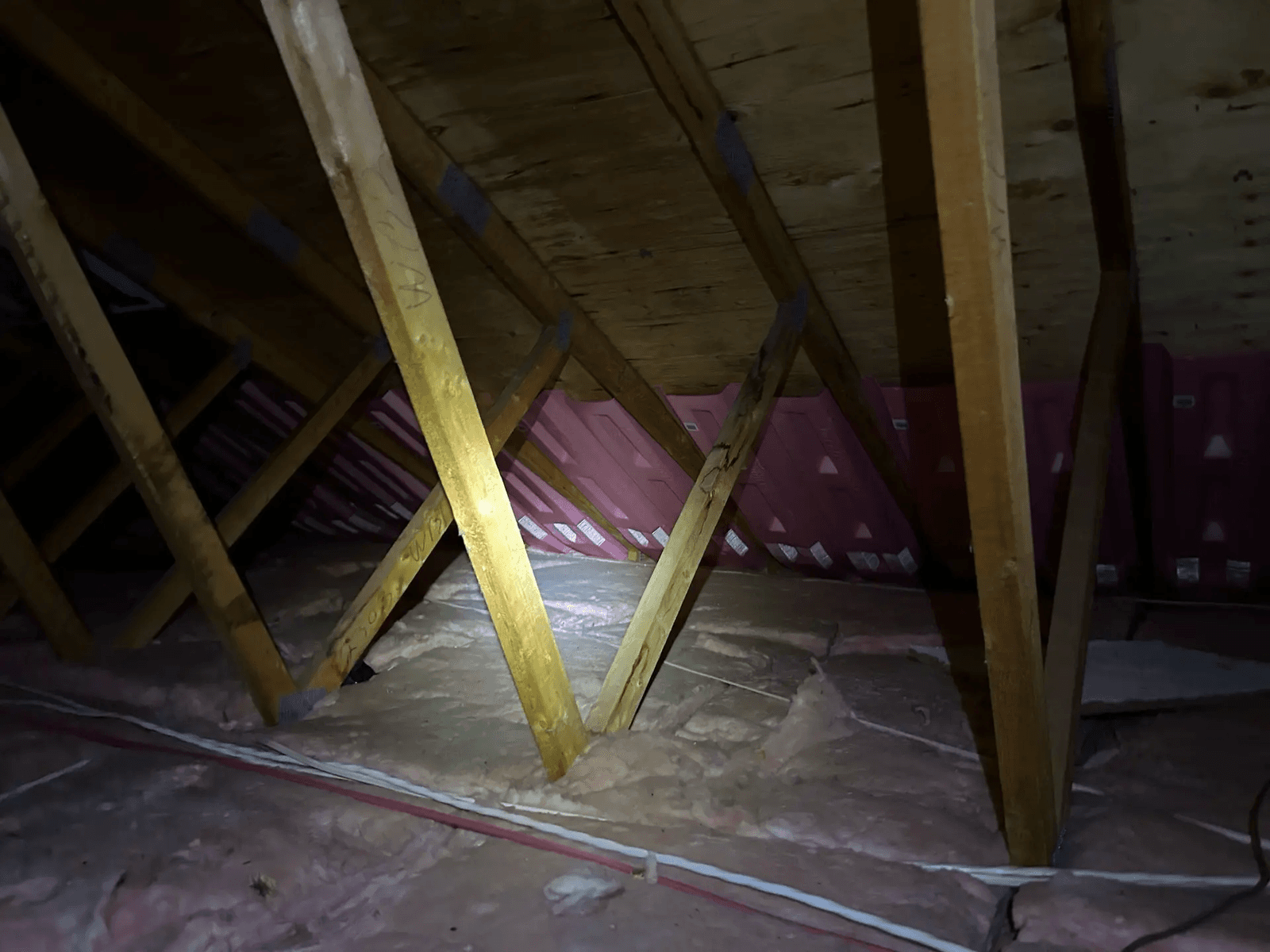
Source: Global Services Résidentiels Rive Sud
Removing asbestos-containing vermiculite is specialized work that requires strict containment, suitable equipment, and qualified professionals. In Quebec, the budget can quickly reach several thousand dollars, especially when the attic also needs to be reinsulated afterward.
Before starting the work, have the insulation tested, compare several detailed quotes, and verify the contractor’s qualifications. Proper decontamination can make the attic safer, prepare it for reinsulation, and help preserve the property's long-term value.
Looking for something else?
Related articles
The latest industry news, interviews, technologies, and resources.
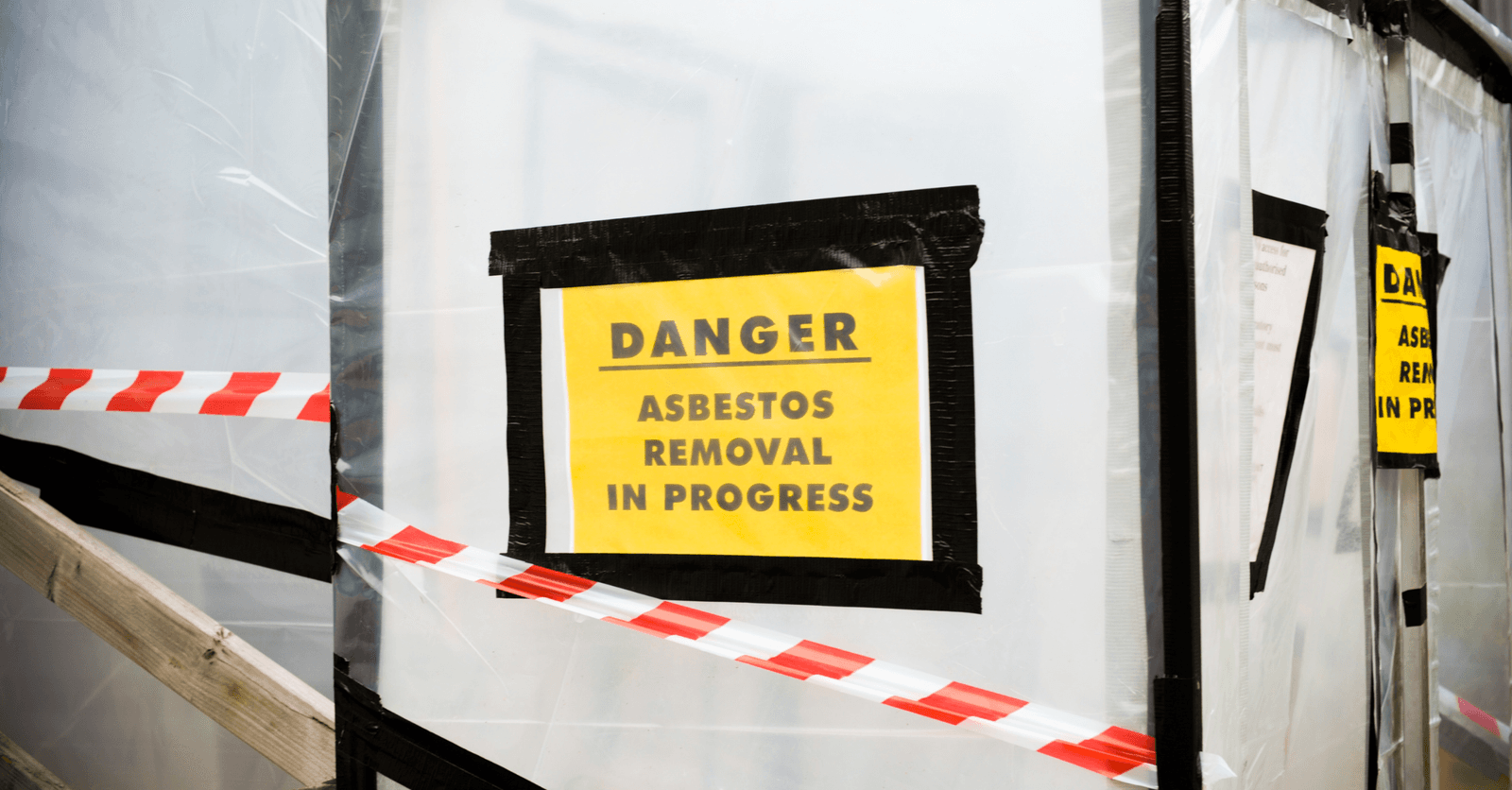
Editorial Team
•08 Oct 2026
The presence of asbestos can quickly complicate a renovation or demolition project. Before breaking ground, it is important to determine where asbestos is located, which materials are contaminated, and what safety measures will be required for its removal.
Cynthia Pigeon
•02 Sep 2026
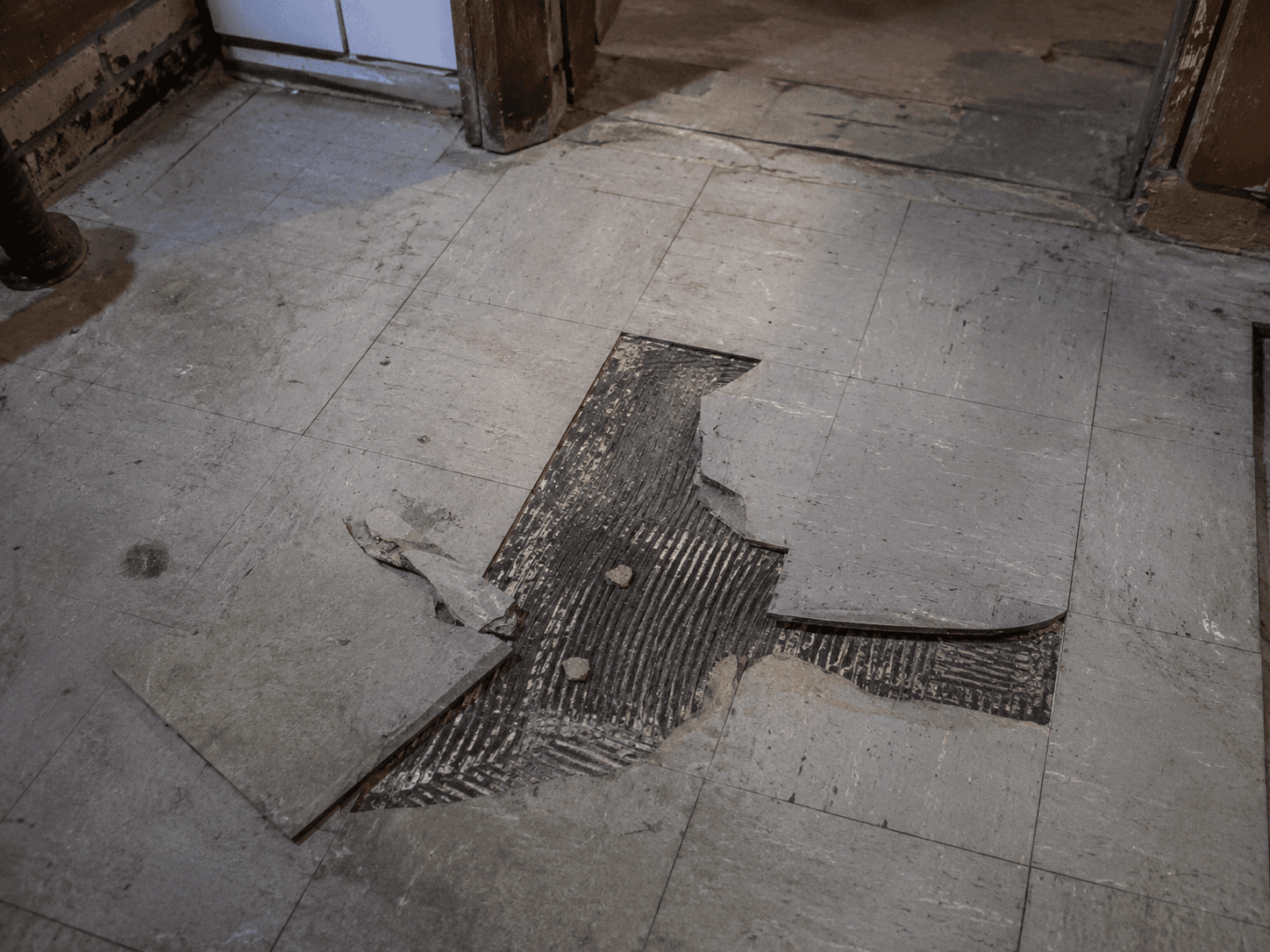
In Quebec, homes built before 1990—particularly bungalows from the 1960s to 1980s, cottages, and Montréal plexes—used asbestos for its thermal insulation, fire resistance, and durability. It is commonly found in older resilient flooring in kitchens, bathrooms, and basements, including vinyl-asbestos tiles (VAT) and sheet vinyl flooring with a fibrous backing.
Editorial Team
•19 Jul 2024
Building a custom home in Toronto in 2024 offers an exciting opportunity to create a living space that perfectly reflects your lifestyle, preferences, and needs. As Canada's largest city and a hub of architectural innovation, Toronto provides a diverse canvas for homeowners to bring their unique visions to life.

Editorial Team
•18 Jan 2025
A lack of space can be seen as an obstacle when thinking about the layout of our home. Of course, that doesn’t mean that it will necessarily be more complicated. Instead, it's all a matter of perception.

Editorial Team
•01 Dec 2025
Have you ever wondered how electric baseboard heaters work or why they remain so popular despite newer heating options? The term “electric baseboard heater” evokes the same comfort as an oversized sweater—warm, cozy, and a source of solace when winter arrives. While these heaters aren’t a new invention, they continue to be a go-to choice as soon as the cold front hits. Some people are startled by the initial sizzle when turning them on, while others find the familiar sound reassuring, signaling a cozy escape from the winter chill.