7 Things You Should Never Do with Your Heater
By Collaboration
Updated on July 20, 2026
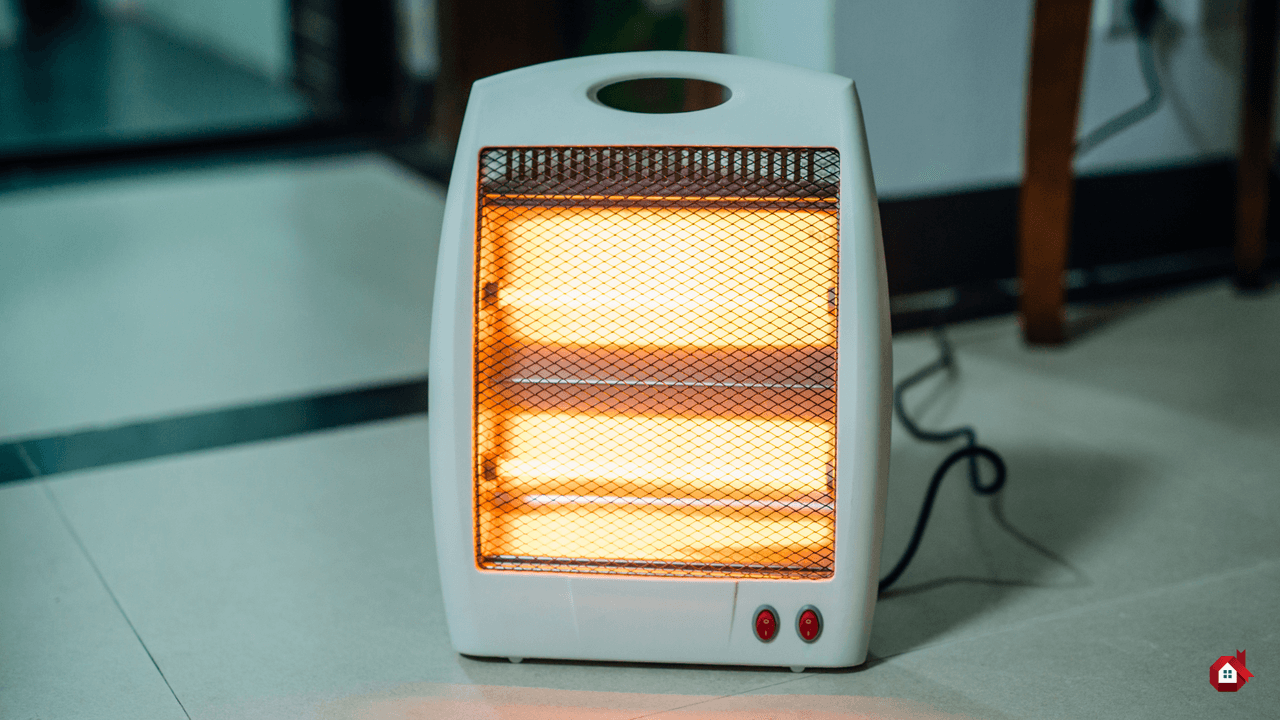
Heaters play a crucial role in keeping our homes warm and comfortable, especially during colder seasons. Whether you rely on electric heaters, gas heaters, or other types, proper usage and maintenance are essential to ensure they operate efficiently and safely. However, there are common mistakes that many people make which can compromise the performance of their heaters and even pose safety risks.
In this article, we'll explore seven things you should never do with your heater. By understanding these practices and learning how to avoid them, you can not only extend the lifespan of your heater but also enhance its efficiency and safety. From neglecting maintenance to using incorrect fuel sources, each of these points highlights critical aspects that every heater owner should be aware of.
7 Important Factors That Every Heater Owner Should Know:
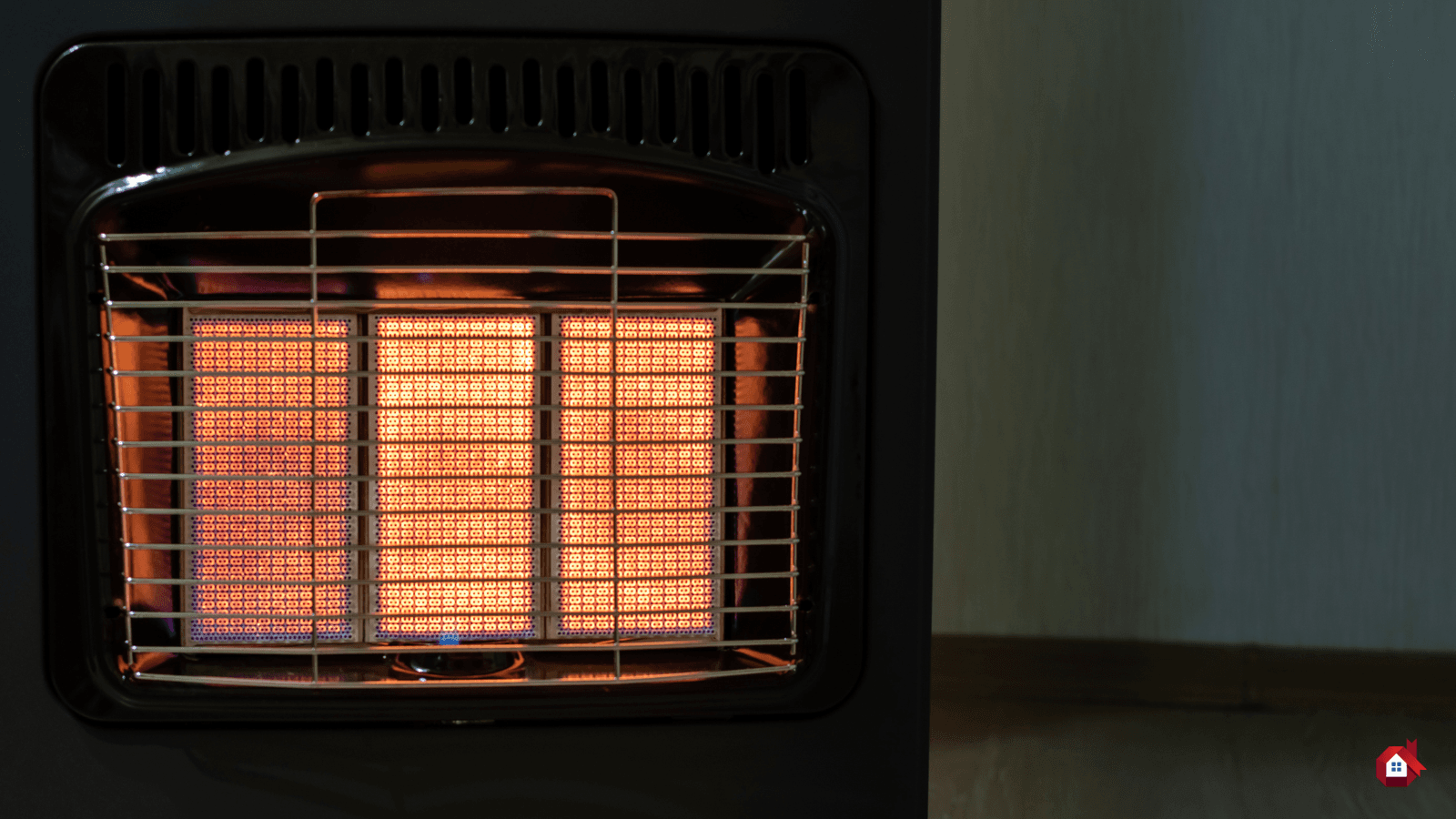
Source: Canva
1. Neglecting Regular Maintenance
Regular maintenance is essential for the optimal performance of any heating appliance. Over time, heaters accumulate dust and debris, which can clog filters and reduce airflow. Ignoring annual inspections and cleanings by a qualified technician can lead to decreased efficiency, higher energy bills, and potential breakdowns during the coldest months.
Here are some maintenance tips for your heaters:
Clean Filters Regularly: Replace or clean air filters to ensure efficient airflow.
Inspect Thermostat Settings: Verify settings for accuracy and adjust as needed for optimal comfort.
Check for Leaks: Inspect gas heaters for leaks; ensure all connections are secure.
Clear Ventilation Areas: Keep vents and surrounding areas free from obstruction to maximise airflow.
Inspect Electrical Components: Ensure all electrical connections are tight and free from damage.
Schedule Professional Inspections: Arrange annual maintenance by a qualified technician.
Monitor Carbon Monoxide Detectors: Test and replace batteries in CO detectors regularly for safety.
2. Ignoring Manufacturer’s Instructions
Understanding the manufacturer's guidelines is crucial when choosing your heater. Every heater comes with specific guidelines from the manufacturer regarding installation, usage, and maintenance. These guidelines not only ensure optimal performance but also help you select a heater that meets your needs effectively. Ignoring them can not only void warranties but also increase the risk of malfunctions, fires, or carbon monoxide leaks.
3. Blocking Vents or Airflow
Source: Canva
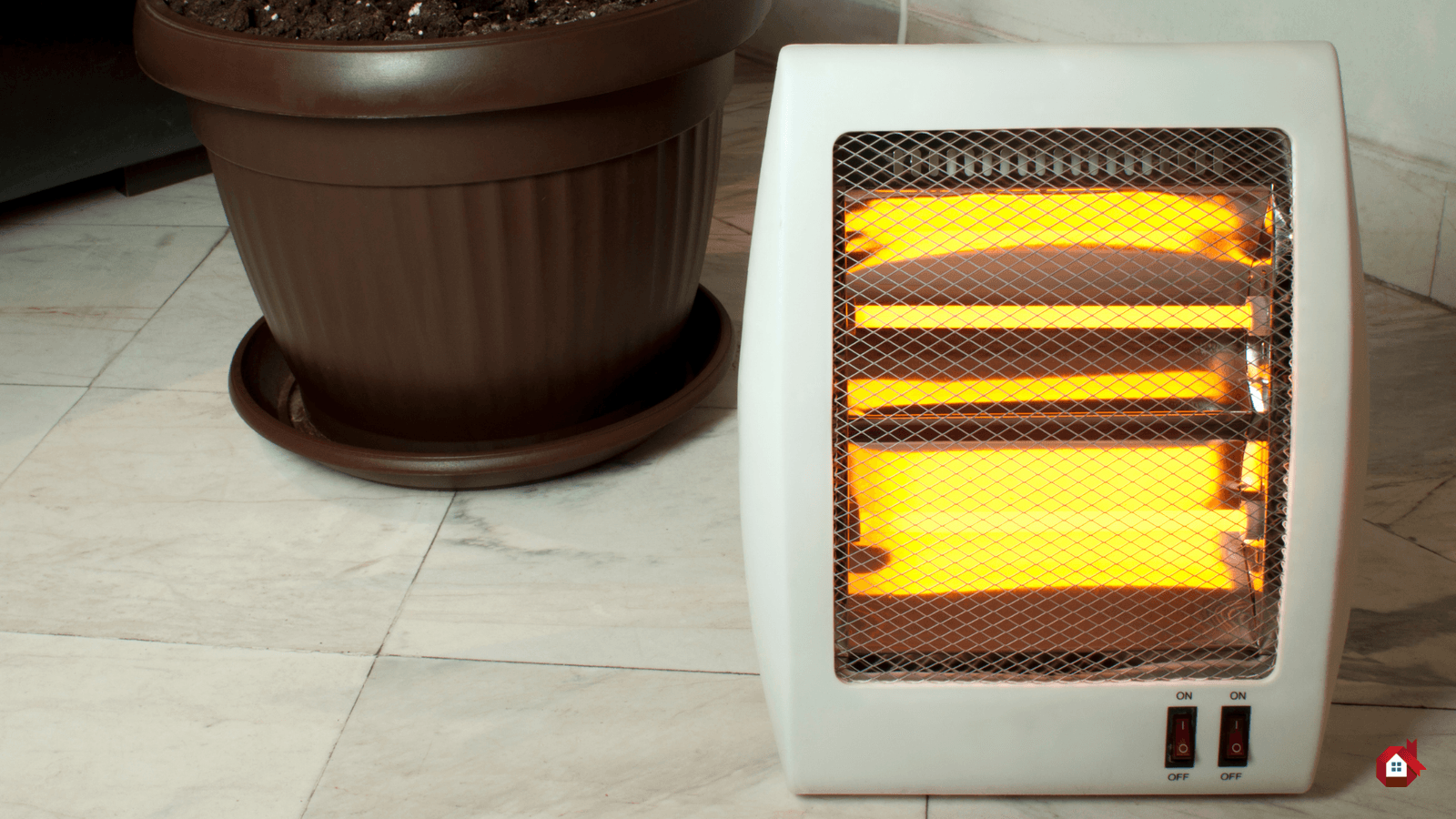
Proper airflow is crucial for heaters to distribute heat evenly throughout the room. Blocking vents with furniture, curtains, or other obstacles restricts airflow and forces the heater to work harder. This not only reduces efficiency but also puts unnecessary strain on the appliance, potentially leading to premature wear and tear.
4. Overheating the Room
Setting your heater to excessively high temperatures may seem like a quick way to warm up your space, but it can actually be counterproductive. Overheating can cause the heater to cycle on and off more frequently, wasting energy and putting unnecessary stress on its components. Maintaining a moderate temperature setting not only saves energy but also ensures a more comfortable and consistent level of warmth.
5. Using the Wrong Fuel or Power Source
Source: Canva
Using incorrect fuel types or power sources can lead to serious safety hazards and damage to your heater. Whether it's gas heaters, electric heaters, or alternative heating methods, always follow the manufacturer’s recommendations. Using the wrong fuel or power source can not only compromise efficiency but also pose significant risks to your home and family’s safety.
Here’s how to ensure the correct fuel or power source for heaters:
Follow the manufacturer's instructions for fuel or power.
Check fuel type matches heater specifications.
Ensure electric heaters match voltage requirements.
Consult professionals if unsure.
Use approved fuels or electricity.
Maintain heaters regularly.
Install carbon monoxide detectors for gas heaters.
6. Leaving the Heater Unattended
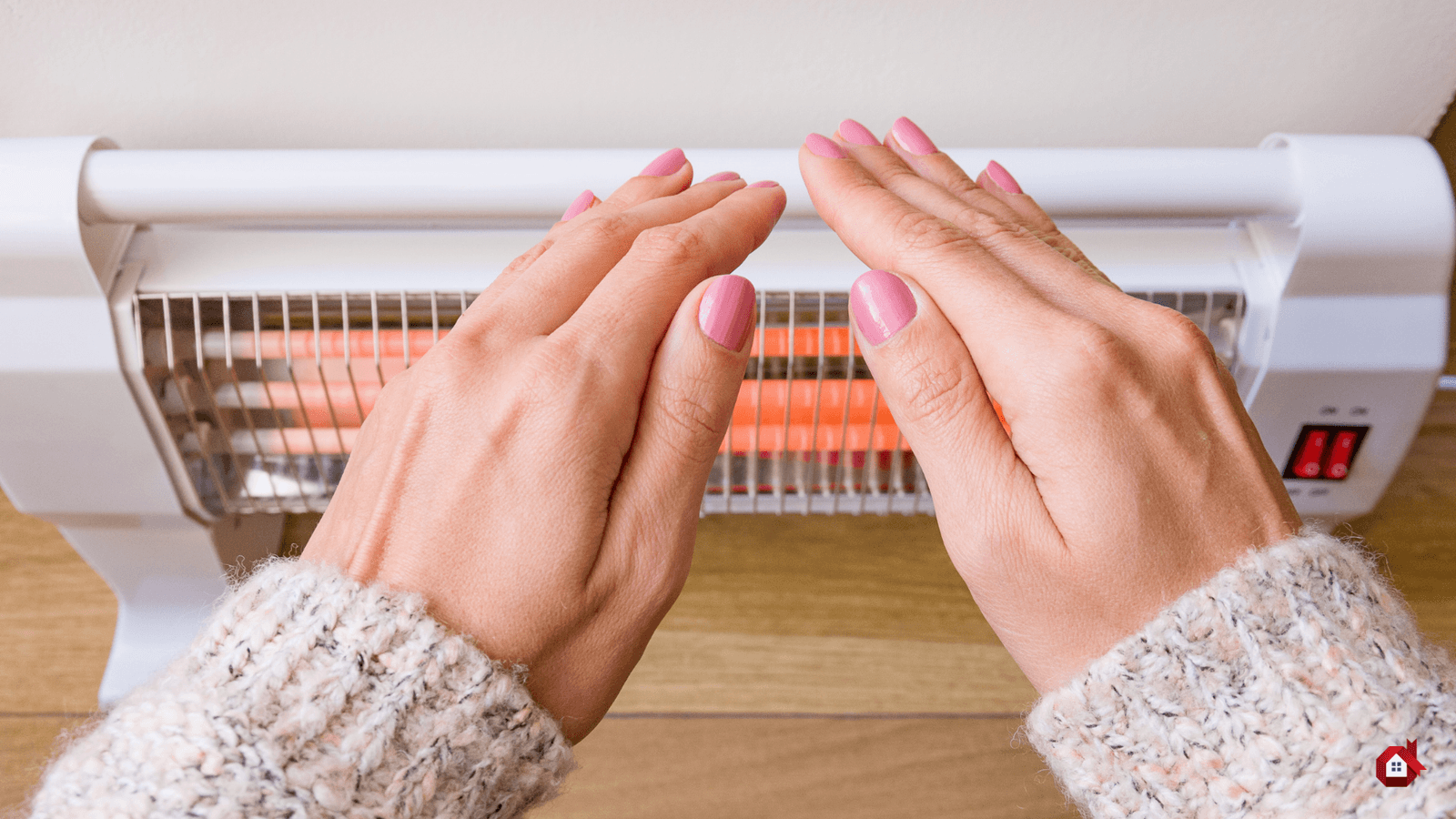
Leaving a heater running unattended is a common cause of house fires. Heaters should never be left on when you are not in the room or when you are asleep. Always turn off heaters before leaving the house or going to bed. Consider using heaters with built-in safety features such as automatic shut-off timers or tip-over switches for added peace of mind.
7. Delaying Repairs

Source: Canva
Ignoring signs of heater malfunction such as unusual noises, strange odours, or inconsistent heating can lead to more significant problems down the line. Promptly addressing these issues by contacting a qualified technician can prevent costly repairs and ensure that your heater operates safely and efficiently.
If you notice any of these signs, it's advisable to have your heater inspected and serviced by a professional to prevent further issues and ensure efficient operation.
Uneven Heating: Some areas of your home feel colder than others.
Strange Noises: Rattling, banging, or squealing sounds coming from the heater.
Unusual Smells: Burning odours or musty smells when the heater is running.
Increased Energy Bills: Sudden spikes in your heating costs without increased usage.
Frequent Cycling: The heater turns on and off more frequently than usual.
Poor Air Quality: Dust, allergens, or dry air becoming more noticeable indoors.
Thermostat Inaccuracy: Inconsistent temperature readings compared to actual room temperature.
Conclusion
By steering clear of these common mistakes, you can ensure that your heater operates safely, efficiently, and effectively throughout the entire winter season. Implementing regular maintenance and exercising responsible usage practices are crucial steps that not only enhance the longevity of your heater but also contribute to significant reductions in energy consumption and associated costs over time. These proactive measures not only safeguard your comfort but also promote a more sustainable and economical approach to home heating.
Looking for something else?
Related articles
The latest industry news, interviews, technologies, and resources.
Editorial Team
•12 Apr 2024
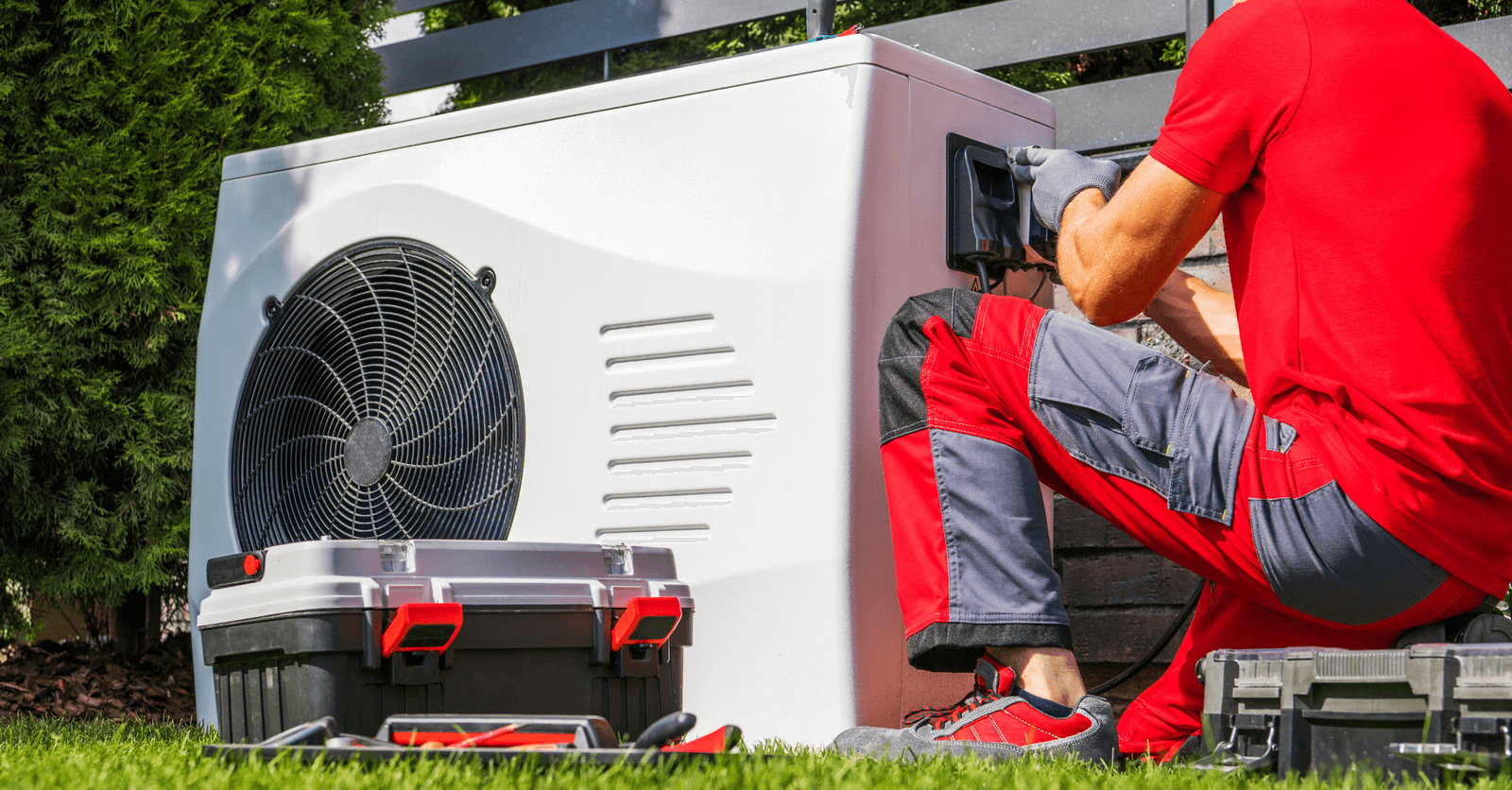
When residing in Quebec—or anywhere else in Canada for that matter—where temperatures vary greatly, the notion of comfort is, first and foremost, linked to your home’s heating and air conditioning systems.
Editorial Team
•08 Oct 2025
Cabinetmaking can only mean one thing: wood, wood, and more wood! Unlike materials like cement, steel, brick, stone, or fibreglass, timber is unique as it originates from tree transformation, meaning from a living and widely diversified organism. As such, cabinetmakers are woodworking savants, whether making furniture, designing decorative wooden pieces, or building accessories for manufacturers.
Editorial Team
•08 Nov 2023
A driveway gate is another excellent way for homeowners to personalize their property and add some curb appeal to the scene. There are various types of gates on the market, so the style you choose will likely depend on the size of your driveway and property.

Editorial Team
•23 Oct 2026
Are you running out of space in your home but don't want to move? A home addition on screw piles could make a bedroom, office, or sunroom addition possible without building a traditional concrete foundation.