How Much Does It Cost to Replace a Rotten Bathroom Subfloor in Quebec?
By Cynthia Pigeon
Updated on September 3, 2026

Discovering a soft floor, cracked tile, or mould stains near the bottom of your bathroom walls is every homeowner’s nightmare. In a bathroom, the subfloor can be exposed to significant moisture due to plumbing leaks, failed waterproofing, overflows, or inadequate ventilation. An undetected leak beneath the toilet or along the bathtub caulking can quickly penetrate the finished flooring and cause the wood structure to rot.
Although discovering a rotten subfloor can be alarming, structural bathroom repairs are a common residential renovation project. Understanding the expected costs, applicable building-code requirements, and the steps involved in dealing with your insurer can help you plan the work and avoid unexpected expenses.
How Much Does Bathroom Subfloor Replacement Cost per Square Foot?

Source: RenoQuotes
As a general guideline, replacing a bathroom subfloor can cost several dozen dollars per square foot when demolition, waste disposal, and new subfloor installation are included. The actual cost can vary significantly depending on the extent of the damage, the size and accessibility of the room, and any related work required. Requesting bids from local professionals is always the safest route.
The final cost per square foot also depends heavily on the type of flooring being removed. Ceramic tile installed over a cement-based underlayment, for example, generally requires more labour to remove than sheet vinyl or linoleum.
Demolition and debris removal: $5 to $10 per sq. ft.
Basic materials (3/4-inch tongue-and-groove plywood, structural adhesive, fasteners): $4 to $8 per sq. ft.
Specialized labour: The rate charged varies by contractor, region, and project complexity. A carpenter’s hourly wage is not the same as the rate billed to the customer, which also includes payroll costs, business overhead, and the contractor’s margin.
Waterproofing and uncoupling membrane: $3 to $6 per sq. ft.
If you are planning your overall renovation budget, you can obtain quotes from local bathroom renovation professionals to compare pricing in your area.
Average Cost for a Standard 30- to 60-Square-Foot Bathroom
To illustrate the potential cost, consider a bathroom measuring approximately 30 to 60 square feet. For a space of this size, an indicative budget of $2,000 to $6,000 may be appropriate, depending on the extent of the work.
The table below summarizes estimated costs based on the size of the bathroom and the extent of damage to the wood structure:
Floor Area | Basic work (Plywood Only) | Complex Work (Damaged Joists + Remediation) |
30 sq. ft. (small bathroom/powder room) | $1,200–$1,800 | $2,000–$3,500 |
45 sq. ft. (standard bathroom) | $1,800–$2,500 | $3,200–$4,800 |
60 sq. ft. (larger family bathroom) | $2,200–$3,200 | $4,500–$6,000 |
* These amounts are indicative estimates. Actual prices can vary considerably depending on the contractor, region, materials, and extent of the damage.
These estimates include removing the damaged subfloor, replacing it with construction-grade plywood panels, and preparing the floor for the new finish.
Potential Extra Costs: Mould, Damaged Joists, and Plumbing
When a rotten subfloor is removed, hidden damage is often uncovered, increasing the total cost of the project. The three main factors that can lead to additional expenses are:
Damaged wood joists: If water has been leaking for several months, the floor joists may also be affected by wood rot. Reinforcing them by sistering or replacing damaged joists can add approximately $500 to $1,500 to the project.
Mould: Moisture can breed mould growth. Depending on the extent of the contamination and the materials affected, professional cleaning or removal of contaminated materials may be required. Specialized cleaning, material removal, and drying can add approximately $600 to $2,000, as a general estimate.
Plumbing work: Replacing a bathroom subfloor almost always requires disconnecting the toilet, bathtub, or shower. If drain lines need to be moved or modified, such work has to be carried out by a properly licensed plumbing contractor in accordance with the requirements that apply in your province or territory. In Quebec, when such work is performed for others, it must be entrusted to an entrepreneur member of the CMMTQ who holds the appropriate licence. Rates vary depending on the contractor and the scope of the plumbing work.
Steps for Replacing a Rotten Bathroom Subfloor

Source: VIA Dezigns Inc.
Subfloor repairs must comply with the applicable building code requirements, accepted construction practices, and manufacturers’ installation instructions. Replacing a damaged subfloor involves more than simply installing a new sheet of plywood; several steps may be required depending on the extent of the damage.
Removing Contaminated Materials and Addressing Mould
The first step is to secure the work area and reduce the spread of mould spores into the rest of the home.
Containment: The contractor may install polyethylene sheeting and, where necessary, use a HEPA-filtered air scrubber or exhaust system.
Selective demolition: Ceramic tile or vinyl, damaged OSB or plywood subflooring, and affected underlayment or soundproofing materials are removed until sound structural materials are exposed.
Cleaning and drying: Unsalvageable materials are removed, while surfaces that can be cleaned are treated using appropriate remediation methods. The source of moisture must be corrected, and the structure must be fully dried before it is enclosed again. Drying and dehumidification equipment may be used until the materials reach a sufficiently low and stable moisture level for reconstruction. The amount of time required depends on the severity of the water damage and the conditions in the home.
For larger projects, it may be worthwhile to request a detailed project estimate from contractors specializing in remediation and structural carpentry.
Replacing the Plywood and Reinforcing the Floor Joists
Once the structure is dry and properly cleaned, structural repairs can begin.
Joist reinforcement (sistering): Weakened wood joists may be reinforced by fastening new structural lumber alongside them using appropriate structural fasteners or an engineered fastening pattern. Floor levelling can also be addressed at this stage.
Installing the new subfloor: The panel thickness and type should be selected based on joist spacing, span, panel type, and the intended finished flooring, in accordance with applicable building-code requirements and the flooring system manufacturer’s instructions. Tongue-and-groove 19 mm (3/4-inch) plywood is commonly used in renovation work, but it is not a universal minimum for every floor assembly. Panels should be installed and fastened according to the requirements of the assembly and the manufacturer, including panel orientation, perimeter gaps, fastener type, and fastener spacing.
Installing a membrane beneath tile: An uncoupling membrane can be installed to reduce the transfer of movement from the subfloor to the tile. Fully waterproofing the bathroom floor can also be beneficial, but it is not automatically required across the entire floor. When a system such as DITRA is used as a waterproofing layer, seams and floor-to-wall transitions must be sealed according to the manufacturer’s instructions.
Home Insurance Claim: Is a Rotten Subfloor Covered?

Source: RenoQuotes
One of the first questions homeowners have is whether repairs are covered by their home insurance policy. Coverage generally depends on the cause of the damage and how suddenly it occurred.
General rule for home insurance:
Sudden and accidental water damage: Damage caused by events such as a sudden plumbing failure or an accidental bathtub overflow is generally more likely to fall within standard home insurance coverage. However, coverage for demolition, remediation, and reconstruction depends on the specific policy, exclusions, endorsements, and deductible.
Slow leaks or gradual deterioration: Damage caused by wear and tear, inadequate maintenance, or gradual deterioration is often excluded from home insurance policies. Coverage varies by insurer and policy, so homeowners should review their policy or speak with their insurance provider or broker.
If you are unsure, take detailed photographs as soon as the problem is discovered and contact your insurer or broker before carrying out extensive demolition.
Why Hire a Properly Licensed Contractor?

Source: KC Renovation
Replacing a bathroom subfloor is not a casual DIY project when the load-bearing structure is affected. Structural modifications require technical expertise and must comply with the building regulations and trade requirements that apply in your province or territory.
Hiring a qualified contractor helps support the safety and compliance of the work.
In Quebec specifically:
Licence requirements: The contractor must hold an RBQ licence with the appropriate subclass or subclasses for the work being performed. When wood framing is repaired or reinforced, including floor joists, the applicable subclass depends on the exact scope of work; specialized subclass 6.1 Contractor – Wood structures may be relevant. A general contractor holding an appropriate subclass may also coordinate the various trades.
Financial protection: To obtain and maintain an RBQ licence, a contractor must provide the required licence bond. The current amount is $40,000 for a licence that includes a general subclass and $20,000 for a licence that includes only specialized subclasses. It is also advisable to verify that the contractor carries adequate liability insurance for the work being performed.
Building-code compliance: When the floor will receive ceramic tile or natural stone, its stiffness must also fit the requirements of the selected flooring system. In the tile industry, L/360 is commonly used as a deflection limit for ceramic tile, while stricter criteria are generally required for natural stone. The requirements of the membrane and flooring manufacturers must also be followed.
By hiring an experienced professional to repair your subfloor, you can protect the value of your home while helping ensure that the finished space is safe, durable, and healthy. Comparing several renovation quotes can also help you assess expertise, pricing, and project timelines.
Looking for something else?
Related articles
The latest industry news, interviews, technologies, and resources.

Editorial Team
•08 Nov 2023
Albeit the bathroom is almost always the smallest room in a home, it isn’t any less important. With a bit of creativity and strategically devised tips, a small bathroom can be both functional and aesthetic. In this article, we’ll delve into the five decoration tips that can help you use the space in your small bathroom to your advantage without compromising comfort or design. These tips can help you design a practical and elegant bathroom. So, get ready to transform your small bathroom into a genuine interior décor masterpiece!
Léa Plourde-Archer
•23 Sep 2026
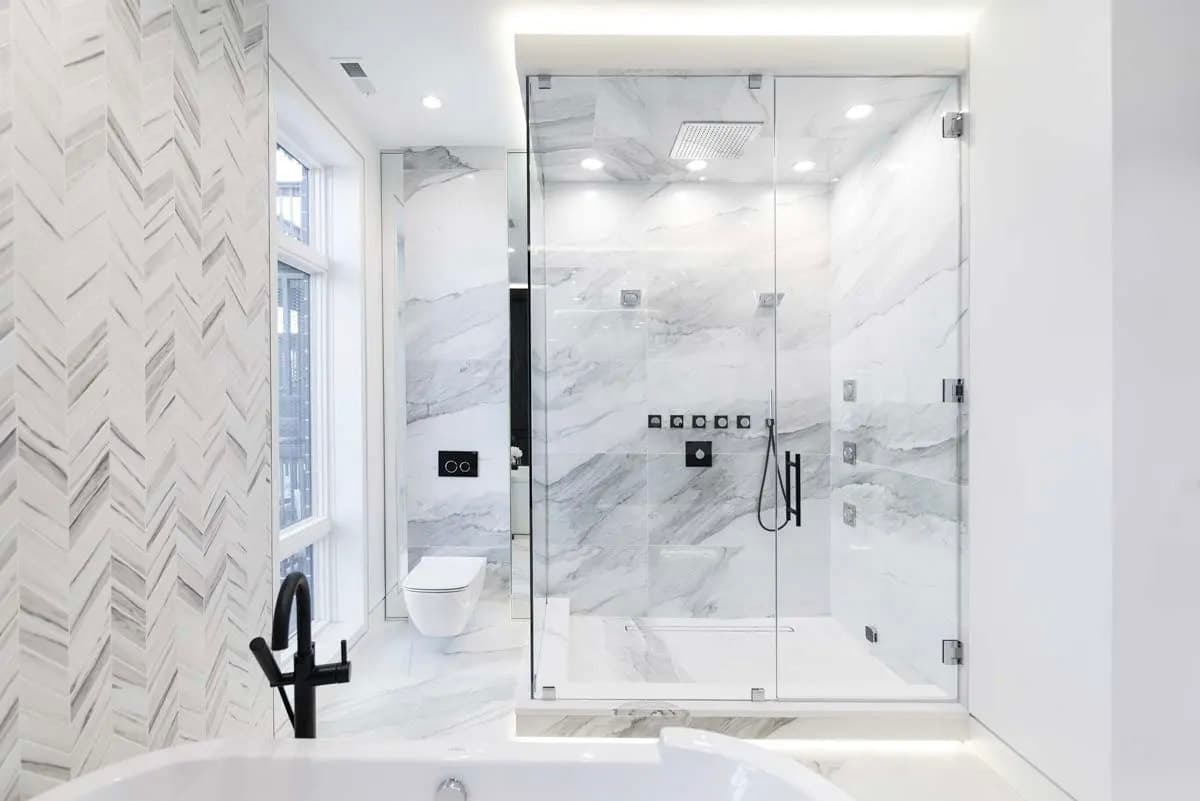
Installing a glass shower is an investment that increases your property value, but it leaves no room for error in waterproofing or construction. To ensure a successful project, you must guarantee a perfectly level base, choose tempered glass at least 10 mm thick, and use high-quality sealants to prevent mould growth.

Christine Simard
•08 Nov 2023
We often imagine that having a vegetable garden on your land requires a green thumb and knowing everything about plants. With a little preparation, you can also have a vegetable garden from which you can pick fresh vegetables all summer!
Editorial Team
•03 May 2024
Are you taking the leap and becoming a contractor? If so, there's no real need for us to mention that obtaining a valid licence issued by the Régie du bâtiment du Québec is a mandatory step to achieving said goal.
Karine Dutemple
•05 Sep 2024
Are you a renovation contractor who has dealt with corporate bankruptcy? There’s a plethora of reasons why a renovation company can go belly up, and it’s far from being solely about lack of competence and job quality.