
Although kitchens and bathrooms are two distinct rooms with very different features, they both require a specific type of paint. Learn more about why regular paint isn't appropriate for these rooms:
Why use special paint for kitchens and bathrooms?
Kitchens and bathrooms are both very humid. The walls and surfaces in these rooms often come into contact with water and water vapour. Therefore, although conventional paint can be used on the walls, we recommend using paint that is specifically made for kitchens and bathrooms.
This type of paint is water-based; generally, it's a 100% acrylic latex paint. Many different colours, shades and finishes are available. It covers surfaces very well in addition to being resistant to dirt, humidity and frequent cleanings. Inside the paint, manufacturers include agents which protect against the proliferation of mould, as well as other water-related damage.
For the reasons cited above, kitchen and bathroom paint tends to last longer than regular paint and it will be much more resistant when used in those two rooms.

How to apply kitchen and bathroom paint
Always apply this paint on a clean surface. If needed, prime the walls and surfaces before you start painting. Certain types of paint can be applied to tiles, which is great if you're looking to give an easy makeover to your kitchen.
Also, thanks to the paint's anti-fungal properties, the tiles will be better protected against mould. When applying this paint, you will need a roller for large surfaces, brushes for edges and corners, as well as a paint tray.
Anyone can complete this type of job but if you're looking for top results, it's better to hire a professional painter. This rings especially true in the kitchen, where painting mistakes, such as staining cabinets, could affect the value of your house.
Kitchen and bathroom paint can cost about $20 to $25 per litre (approx. 45$ for a 3.7L format which is commonly found in home renovation stores). It is usually made for both bathrooms and kitchens, but a few brands sell them individually. However, the composition remains the same.

5 tips for a kitchen or bathroom painting project
1) Select the right products and gather the necessary information
Head to your favourite hardware store to choose your products. Depending on your needs, you will have to get primer and paint, as well as products to fix holes. You will, of course, have to choose from the selection available on site, following the advice of experts working at the store.
Do not forget to choose products that are suitable for kitchens and bathrooms. Be sure to evaluate whether you will need a different paint for the ceiling (usually a matte finish). In terms of equipment, see what you already have on hand and complete your kit with additional tools (brushes, sand blocks, seals, tape, etc.).
2) Adequately prepare for the painting project
As with any painting project, it is important to prepare the room adequately before painting. Often, in kitchens and bathrooms, there are pieces of furniture and objects that cannot be moved.
You will have to work around these elements, without damaging them with paint. During this step, take the time to protect cabinets, countertops, backsplash, mirrors, doors and anything else you do not expect to cover with paint.
To protect the floor, it is recommended that you use a cotton tarpaulin because they adhere better to the ground and absorb the paint, thus avoiding many potential problems.
The preparation stage also includes cleaning the room and repairing all damage, which increases the chances of achieving satisfactory results.
3) Follow the steps to get good results
Once you have prepared the room, it is now time to move on to the painting process. Be careful, however, not to rush the work! It is important to complete the steps following a certain logic. For example, if a primer needs to be applied, you will have to allow enough time for it to dry.
After that is done, start painting by applying the product to the room's mouldings and on the ceiling. After each step, it is important to respect the drying time so that the paint is homogenous.
4) Painting bathroom or kitchen cabinets
Do you plan on painting your cabinets to renew their look? Again, you will need to use the right product and be thorough. Check out the following article for step-by-step instructions: How to paint kitchen cabinets.
5) Maintaining the paint throughout the years
If you have chosen the right paint, you will notice that the walls will be easy to maintain and resistant to repeated cleanings. However, after a few years, you may notice some imperfections. This does not mean that you will have to repaint the entire room.
As a matter of fact, you could simply keep a small amount of the paint you originally bought and use it to make corrections. Sometimes a new layer could also help refresh the room, but in general, with a good product, you will not need to do this often.
Here are a few articles about paint that may be useful for your project:

To see examples of bathroom renovation projects completed by RenoQuotes.com contractors, check out "10 examples of beautiful bathroom renovation projects".
WOULD YOU LIKE TO GET A GENERAL IDEA OF HOW MUCH YOUR PAINTING PROJECT WILL COST? Test our cost estimator which calculates according to the room dimension and the number of colours.
Get 3 renovation quotes for your kitchen and bathroom painting project
RenoQuotes.com will put you in contact with 3 reliable contractors for your kitchen or bathroom painting project. Fill in the form on our homepage (it only takes a few minutes), and you will receive quotes from trusted professionals.
Dial 1-844 828-1588 to speak with one of our customer service representatives
Looking for something else?
Related articles
The latest industry news, interviews, technologies, and resources.
Editorial Team
•09 Mar 2024
Aside from the shower, the toilet consumes the most water out of all household appliances. Households with multiple toilets consume gallons of water every day, watching it literally wash down the drain.
Cynthia Pigeon
•22 Jul 2026
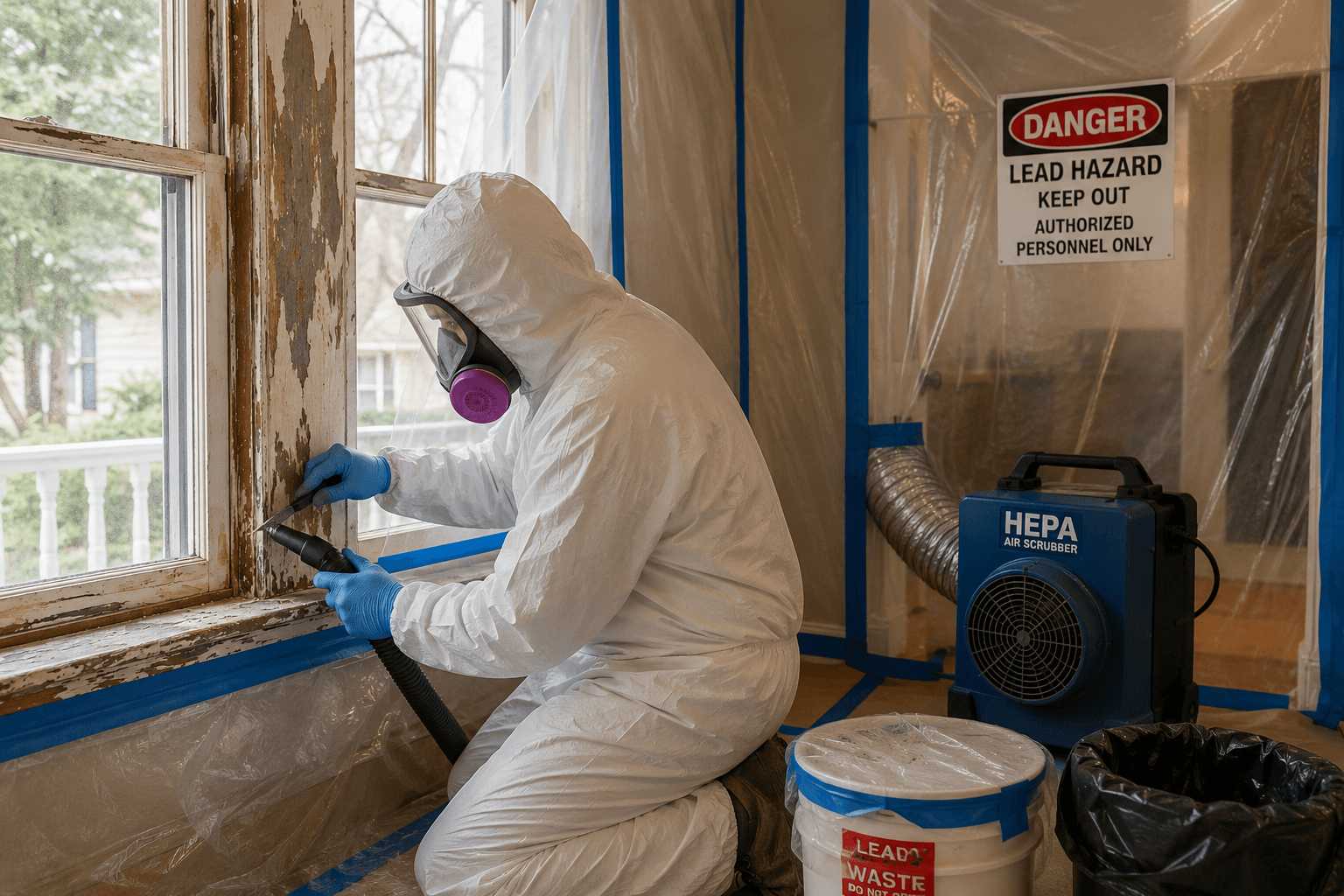
Owning an older or heritage home in Canada comes with undeniable architectural charm, whether it is a century-old duplex in Montréal, a Victorian house in Ontario, or a historic property in the Maritimes. However, restoring these buildings can also reveal hidden challenges. One of the most serious environmental risks is the presence of lead-based paint.

Editorial Team
•03 Jun 2025
Underpinning is a technique that is essential to ensure the stability of a building whose solidity is compromised due to a natural disaster, upper floor renovations with excessive added weight to support, or due to a foundation being poorly adapted to the ground where it is set.

Editorial Team
•02 Sep 2026
A single garage door costs $2,000 to $5,000 installed in Canada, and a double runs $4,000 to $10,000. Basic steel sits at the bottom of those ranges, while custom wood and carriage-house styles reach the top.

Cynthia Pigeon
•19 Aug 2025
Whether you are a specialized or general contractor, the success of your business is something you hold on to dearly. As a matter of fact, the ability to swiftly and judiciously collaborate is essential to carrying out any project.