Basement Rough-In Plumbing in Quebec: Costs, Installation, and Standards in 2026
By Cynthia Pigeon
Updated on October 1, 2026
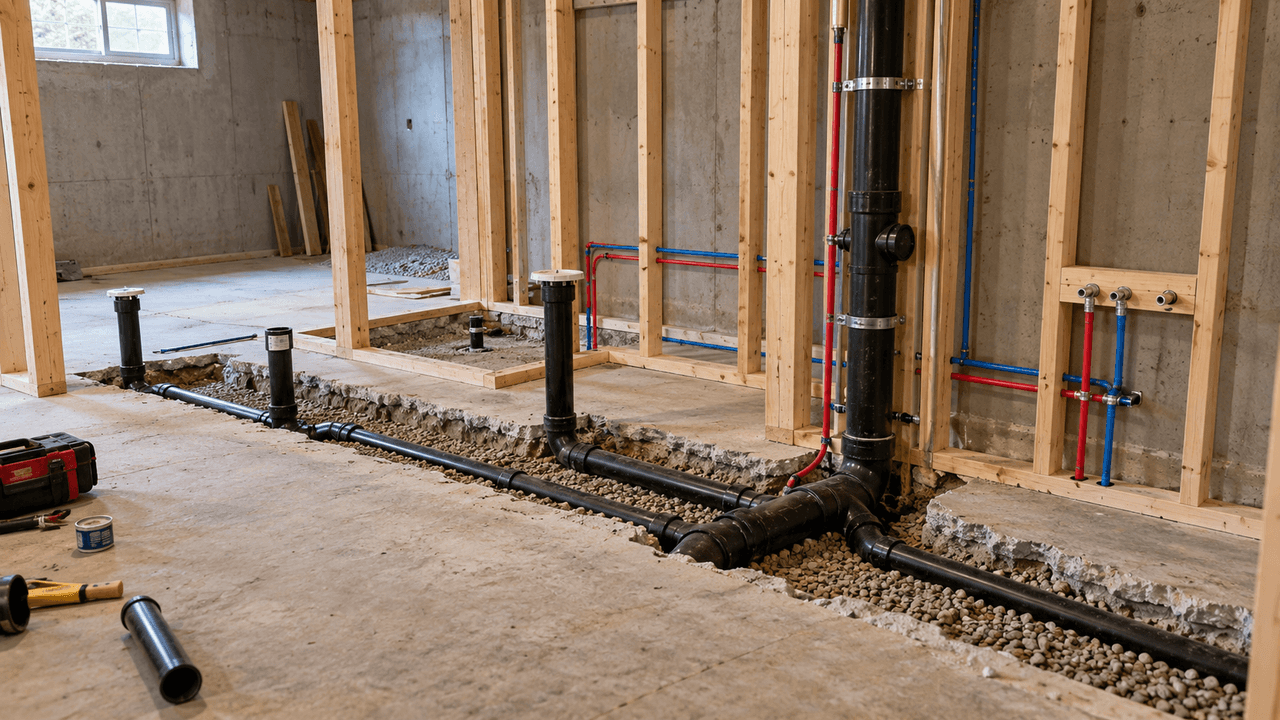
Finishing or renovating a basement can be one of the most valuable residential renovation projects in Quebec. Whether you're adding a second bathroom for your family, creating a functional laundry room, or installing a kitchenette in a secondary suite, rough-in plumbing forms the hidden but essential foundation of the project.
Rough-in plumbing includes the drainage pipes, water supply lines, and venting systems concealed beneath the floor or behind the walls before drywall is installed. In Quebec, where the climate requires reliable, watertight systems and strict compliance with the Construction Code, this stage requires careful budget planning.
Before starting your renovation, it's important to consider the detailed costs, the technical complexity of breaking into a concrete slab, the role of a backwater valve, and the legal requirements governing plumbing work in Quebec.
How Much Does Basement Rough-In Plumbing Cost?
Source: Bougie Rénovation inc
On average, Quebec homeowners can expect to spend between $2,500 and $8,500 on basement rough-in plumbing, depending on whether rough-in connections were included in the original construction or whether work beneath the existing slab is required.
To provide an overview of current costs in Quebec, here are the typical amounts to budget for:
Type of Rough-In Plumbing Work | Average Price Range (CAD) | Complexity |
Rough-in plumbing using existing connections (no slab removal) | $2,500 – $4,000 | Low to moderate |
Complete rough-in plumbing (including slab cutting and removal) | $3,500 – $8,500 | High |
Additional cost for breaking and repairing the slab | $1,000 – $2,500 | High (heavy equipment required) |
Addition of an ejector pump or sump pump | $1,200 – $2,800 | Moderate to high |
If you're planning the entire project, review the cost of finishing a basement to help structure your overall budget for cabinetry, partition walls, and finishing work.
Average Cost for a Standard Three-Plumbing Fixture Bathroom
For a standard residential bathroom with three plumbing fixtures, rough-in plumbing can cost approximately $2,500 to $6,000, depending on the existing configuration, pipe accessibility, and the amount of work required beneath the slab.
This price range generally covers:
Connection to the property's main building drain
Installation of the ABS wastewater drainage system
Installation of hot and cold water supply lines using PEX piping
Installation of the plumbing vent system
Installation of a backwater valve when required by the system configuration
If your bungalow or detached home already has plumbing rough-ins installed by the original builder, the cost will generally fall toward the lower end of this range. However, if the existing piping does not match the layout of your future bathroom, the under-slab piping may need to be partially reconfigured. For a more accurate cost overview, request plumbing quotes from certified contractors serving your area.
Additional Cost of Breaking and Repairing the Concrete Slab
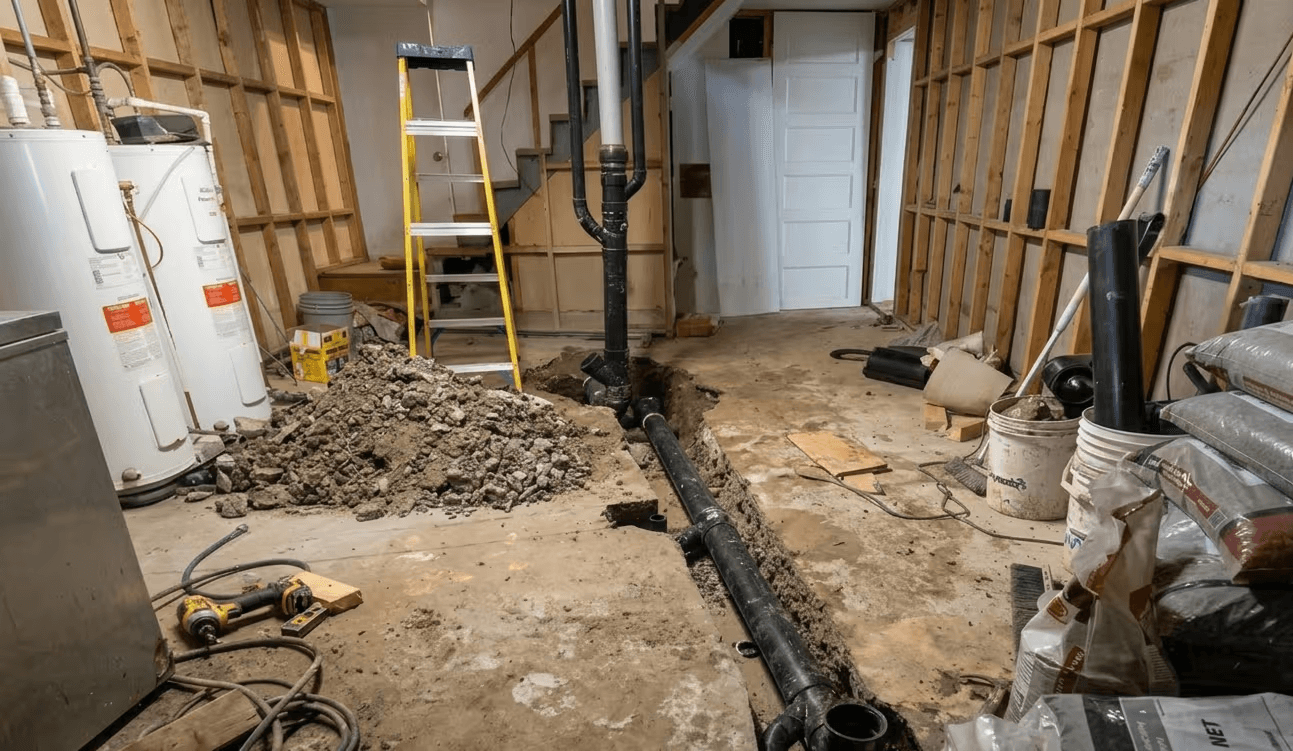
Typically, in older Quebec homes, basement plumbing rough-ins were not included during the original construction. If that is the case, a trench may need to be dug into the concrete slab to install new drainage piping.
This type of work can add approximately $1,000 to $2,500 to the project. The additional cost covers several labour-intensive and mechanical operations:
Cutting the concrete slab: A concrete saw equipped with a diamond blade is used to cut the trench perimeter according to the plumbing layout.
Breaking and excavation: The concrete is broken using a demolition hammer or jackhammer, and the debris is removed manually.
Excavating beneath the slab: Soil or gravel is removed beneath the slab to provide the required drainage slope, generally 1:50, or approximately 1/4 in. per foot, in accordance with the Quebec Construction Code.
Backfilling and concrete repair: Once the plumbing has been installed and inspected, the trench is backfilled with clean gravel and covered with new concrete levelled with the existing slab.
This work must be carried out carefully to avoid damaging any vapour barrier beneath the slab or compromising the foundation footings.
What's Included in Basement Rough-In Plumbing?
Source: RenoQuotes
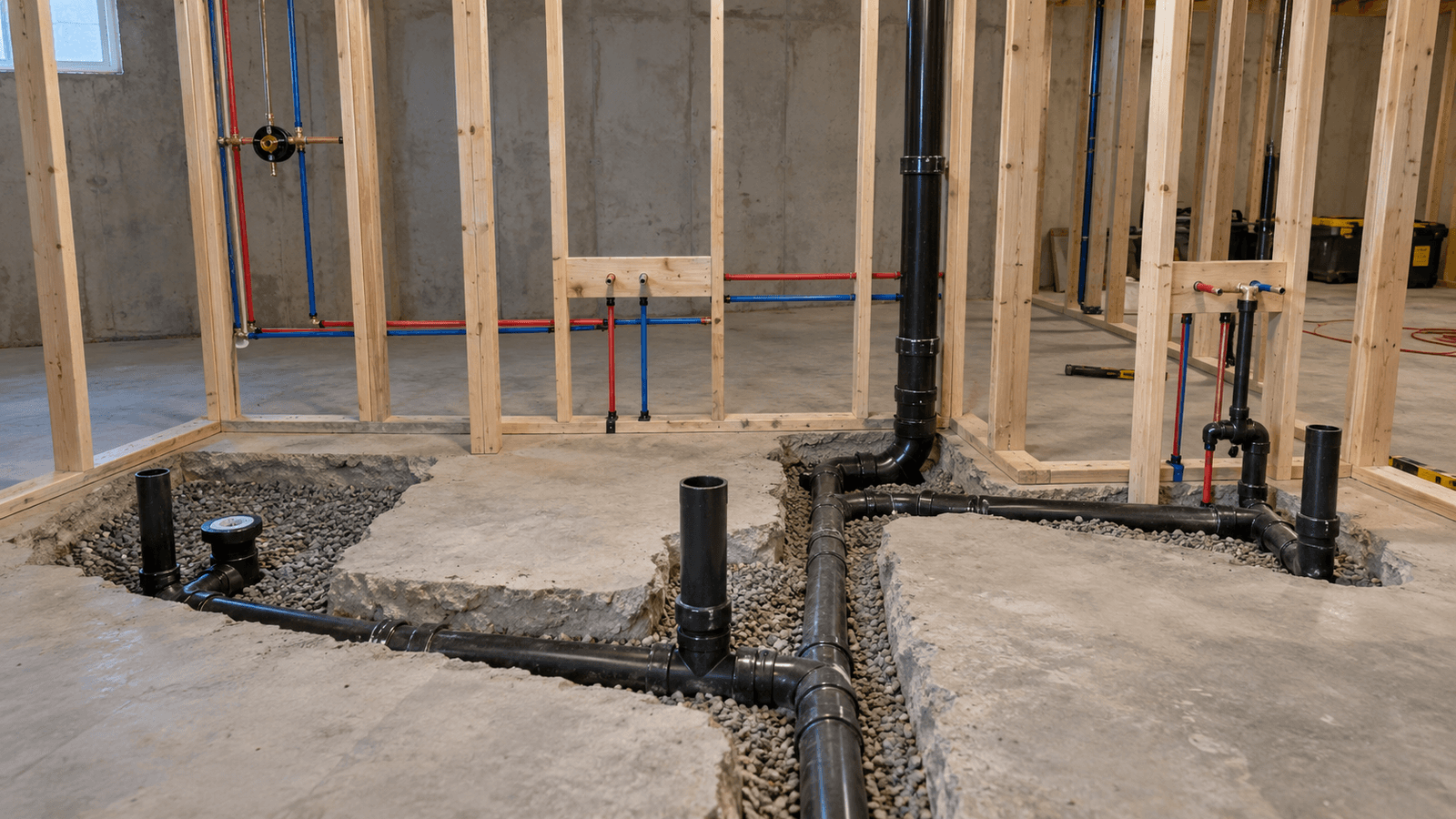
Rough-in plumbing involves much more than simply connecting a few pipes inside a wall. It is a complete mechanical system designed to deliver pressurized potable water while safely removing wastewater and sewer gases.
Main Components of Basement Rough-In Plumbing
A basement rough-in plumbing system generally includes several components that work together to supply water to fixtures and properly remove wastewater:
Plumbing vents: Balance air pressure within the drainage system and help wastewater flow properly.
Hot and cold PEX water supply lines: Deliver water to the various plumbing fixtures.
Plumbing fixtures: Including the toilet, shower, and sink.
ABS drainage piping: Carries wastewater toward the main drainage system at the required slope.
Accessible backwater valve: Installed beneath the slab when required to reduce the risk of sewer backup.
Connection to the main building drain: Connects the basement plumbing system to the home's main drainage system.
ABS Drainage Pipes, PEX Supply Lines, and Plumbing Vents
A complete rough-in plumbing system relies on three main components commonly used in residential plumbing installations in Quebec:
ABS drainage pipes: Pipe diameter must be determined according to the type of fixture, hydraulic load, and system configuration. For example, a toilet generally requires a connection of at least 3 in., while sinks, bathtubs, and showers use smaller diameters in accordance with the sizing tables in the Quebec Construction Code.
PEX supply lines (cross-linked polyethylene): Commonly used in modern residential plumbing systems, PEX piping is flexible and resistant to corrosion.
Plumbing vents: Often overlooked during improvised renovation work, proper drainage-system venting is essential. Plumbing vents allow air into the drainage system and help prevent negative pressure and siphoning. Without proper venting, water flowing through a toilet can potentially siphon water from a shower trap, allowing sewer gases to enter the home.
For more information on selecting materials for a larger home renovation, consult our complete plumbing renovation guide.
When Is a Backwater Valve Required in a Basement?
In Quebec, heavy rainfall and spring thaw can add significant pressure on municipal sewer systems. A sewer backup can cause extensive and costly damage to a finished basement.
Chapter III, Plumbing, of the Quebec Construction Code requires backflow protection for certain plumbing fixtures and drainage connections located below the adjacent street's flood level. Depending on the drainage-system configuration, this protection may be provided by backwater valves installed on the applicable drainage pipes or, in certain homes, by a normally open backwater valve installed on the main building drain in accordance with applicable requirements.
A backwater valve uses a flap or ball mechanism that shuts automatically when wastewater flows toward the home from the municipal sewer system. Depending on the drainage-system configuration, the valve may be installed on a branch drain or, where permitted by applicable regulations, on the main building drain serving the dwelling. The backwater valve must remain accessible for inspection, cleaning, and maintenance. When installed beneath a finished floor, suitable access must therefore be provided.
Factors That Affect the Cost of a Plumbing Contractor
Source: RenoQuotes
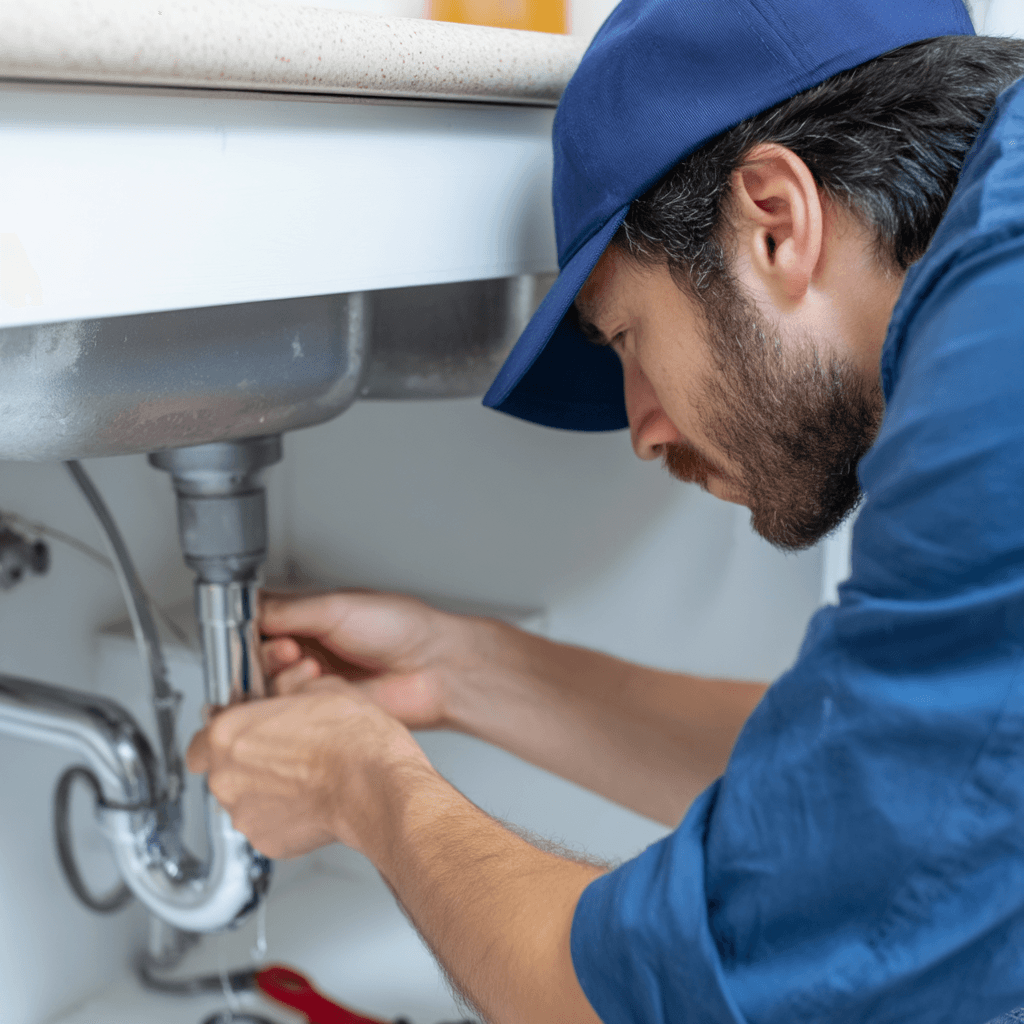
The total cost of basement rough-in plumbing can vary considerably from one home to another. Several factors affect the number of labour hours required and the amount of material needed:
Distance from the main drainage system: The farther the new bathroom or other plumbing fixture is from the soil stack, branch drain, or main building drain, the more piping and slab demolition may be required.
Thickness and reinforcement of the concrete slab: Basement slab thickness varies depending on the building's construction. A thicker slab or one reinforced with wire mesh or reinforcing steel can increase the time required for cutting and demolition.
Access to the work area: A basement with a walkout entrance or direct exterior access makes it easier to transport materials and remove heavy concrete debris. A narrow interior staircase can increase labour requirements.
Type of plumbing fixture: Installing a custom tiled shower with a linear drain requires more precise positioning and under-slab work than installing a standard prefabricated acrylic shower base.
Additional plumbing equipment: Adding a washing machine drain, laundry sink, or garbage disposal can also affect the final cost.
Why Is a CMMTQ-Certified Plumbing Contractor Required?

Source: RenoQuotes
In Quebec, construction work involving a plumbing system is generally reserved for contractors authorized to perform that work. When hiring a contractor for residential plumbing work, verify that the contractor holds a 15.5 – Plumbing Contractor licence subclass and is a member in good standing of the CMMTQ.
Before hiring a plumbing contractor, take the time to verify the following:
✓ Valid RBQ licence, including the licence subclass applicable to the plumbing work.
✓ Membership in good standing with the CMMTQ.
✓ Adequate liability insurance.
✓ Official invoice and clearly documented warranty information
Hiring a certified professional helps reduce several important risks:
Legal and regulatory compliance: The plumbing contractor hired to perform the work must hold a valid licence that includes the 15.5 – Plumbing Contractor subclass and be a member in good standing with the CMMTQ.
Home insurance coverage: Non-compliant plumbing work can complicate an insurance claim following water damage. Coverage, exclusions, and conditions vary between insurers. Keep all work-related invoices and documentation and confirm policy requirements with your insurer.
Property resale value: During a pre-purchase inspection, certain signs of non-compliant plumbing may be identified, such as an improperly sized vent, the absence of a backwater valve where one is required, or an incorrect drainage slope. Correcting non-compliant plumbing after the walls have been closed can result in high additional costs because finished surfaces may need to be reopened to access the piping.
For your overall basement renovation project, take the time to find a general or specialized contractor who can coordinate the plumbing contractor's work with the other trades involved, including electricians, carpenters, and drywall finishers.
Looking for something else?
Related articles
The latest industry news, interviews, technologies, and resources.

Amanda Harvey
•09 Jul 2026
When push comes to shove, if you’ve lived in the same home for a few years, you’ll likely need to do repairs at a point in time. Whether the renovation you take on is big or small, it’s important to think about the quickest, most efficient and least expensive way to make it happen.
Editorial Team
•05 Sep 2024
Bathrooms typically have one thing in common: limited floor plans. However, by strategically designing the layout of your bathroom, you may realize that it’s bigger than you originally thought.
Editorial Team
•08 Nov 2023
Feeling like your bathroom needs a makeover? Need to increase your storage space? Renovation projects can be very expensive. Plumbing, flooring installation and custom-made furniture are all projects that can easily become quite onerous.
Amanda Harvey
•08 Nov 2023
Your kitchen experiences a significant amount of wear and tear, used daily for a variety of necessary but damaging activities: cooking, hosting, eating, cleaning.

Léa Plourde-Archer
•06 Nov 2024
The deposit that is paid to a contractor during a renovation project is generally used to purchase materials that will be needed to complete the work and it also serves to measure the seriousness of your approach.