How to Register a Business with the Quebec Enterprise Register
By Editorial Team
Updated on August 18, 2025

Starting a renovation business is an exciting project, but it does come with legal obligations. In addition to the need to insure your business, register it with the CCQ, and obtain the necessary licenses to operate in this field, you must first register the business with the Quebec Enterprise Register. Here are the steps to follow to complete this important process.
Everything You Need to Know About Registering a Business in Quebec

Source : SunStar
Business Registration at a Glance
Registering a renovation business serves to consolidate key information about the company, making it easily accessible to government agencies, business partners, and citizens who may need to interact with it.
To officially register the business with the Quebec Enterprise Register, a declaration of registration must be submitted. Once completed, the business will receive a 15-digit business number (NEQ), which will be used to identify the company when dealing with various organizations.
Easily find clients starting today
Get started today and connect with the projects that suit you best!
Information Required in Your Registration Declaration
When filling out your declaration, you will need to provide several details, including:
The name and address of the applicant;
The name and address of the individual (natural person);
If applicable, any other name used by the individual to identify themselves when practicing their profession in Quebec;
The name of the person authorized to receive documents on behalf of the individual;
The two main business activities of the individual;
The number of employees who will be working in Quebec;
The full name and address of any business locations in Quebec, along with the nature of the professional activities carried out there;
If applicable, the name and address of the administrator of another person’s property and the term of their mandate;
The name and address of the person designated to negotiate or carry out significant transactions on behalf of the business (also known as the “attorney-in-fact”);
The contact details of the person to reach if the Enterprise Register requires additional information regarding the registration declaration.
The Quebec Enterprise Register provides a list of forms to help you register your business.
Legal Obligations After Registering Your Business

Source : Bel-Air Entretien de Bâtiment Inc.
Annual Update
Registering a business with the Quebec Enterprise Register comes with several legal obligations. One of the most important is the annual update of your business information, whether or not any changes have occurred.
This update must be completed during a specific period each year, and failure to comply can result in a penalty. It’s important to note that this obligation begins the year following registration.
For businesses whose information remains unchanged, the update can be confirmed when filing tax returns. The process is simple: just check the appropriate box on line 436 of the personal income tax return (TP-1) or line 39 of the corporate income tax return (CO-17).
If updates are needed, you must use the online service "File an annual update declaration" through "My Office". You can also use this service even if no changes are required.
Ongoing Updates
In addition to the annual update, an ongoing update is mandatory. This means that if any business information changes during the year, you must declare the change within 30 days.
Similarly, if your registration contains an error or missing information, you must submit a correction update declaration (or file an administrative remedy).
Voluntary Deregistration
Finally, if your business ceases its operations, you are required to log in to "My Office" and submit a voluntary deregistration declaration.
For a Business Incorporated Outside Quebec

Source : Soluo
If your business was incorporated in a province other than Quebec, you must meet certain conditions before registering your business in Quebec. First and foremost, your business must not be dissolved.
Secondly, the information you provide in your registration declaration must already be published in the other jurisdiction. Lastly, the information submitted must be identical in every respect to what has already been published.
Be aware that the Enterprise Register may request certain documents to verify the information you’ve provided.
Want to learn more about how to start your renovation business in Quebec? Here are two helpful articles on the subject:
Looking for something else?
Related articles
The latest industry news, interviews, technologies, and resources.

Editorial Team
•08 Nov 2023
The construction industry is currently facing a surge in workplace accidents due to factors such as labour shortages, tight turnarounds, and other intertwined challenges.

Editorial Team
•19 Nov 2024
The criminal liability of business leaders is an increasingly important topic, particularly in sectors such as construction, where incidents can have severe consequences. This responsibility involves not only individuals but can also pertain to the organizations themselves. It is crucial for business leaders to understand the legal risks they face.

Editorial Team
•08 Nov 2023
Your kitchen cabinets are one of the first things people notice in your kitchen. If they are outdated, splintering, or are just in bad shape in general, they will be even more noticeable to you and your guests.
Amanda Harvey
•08 Nov 2023
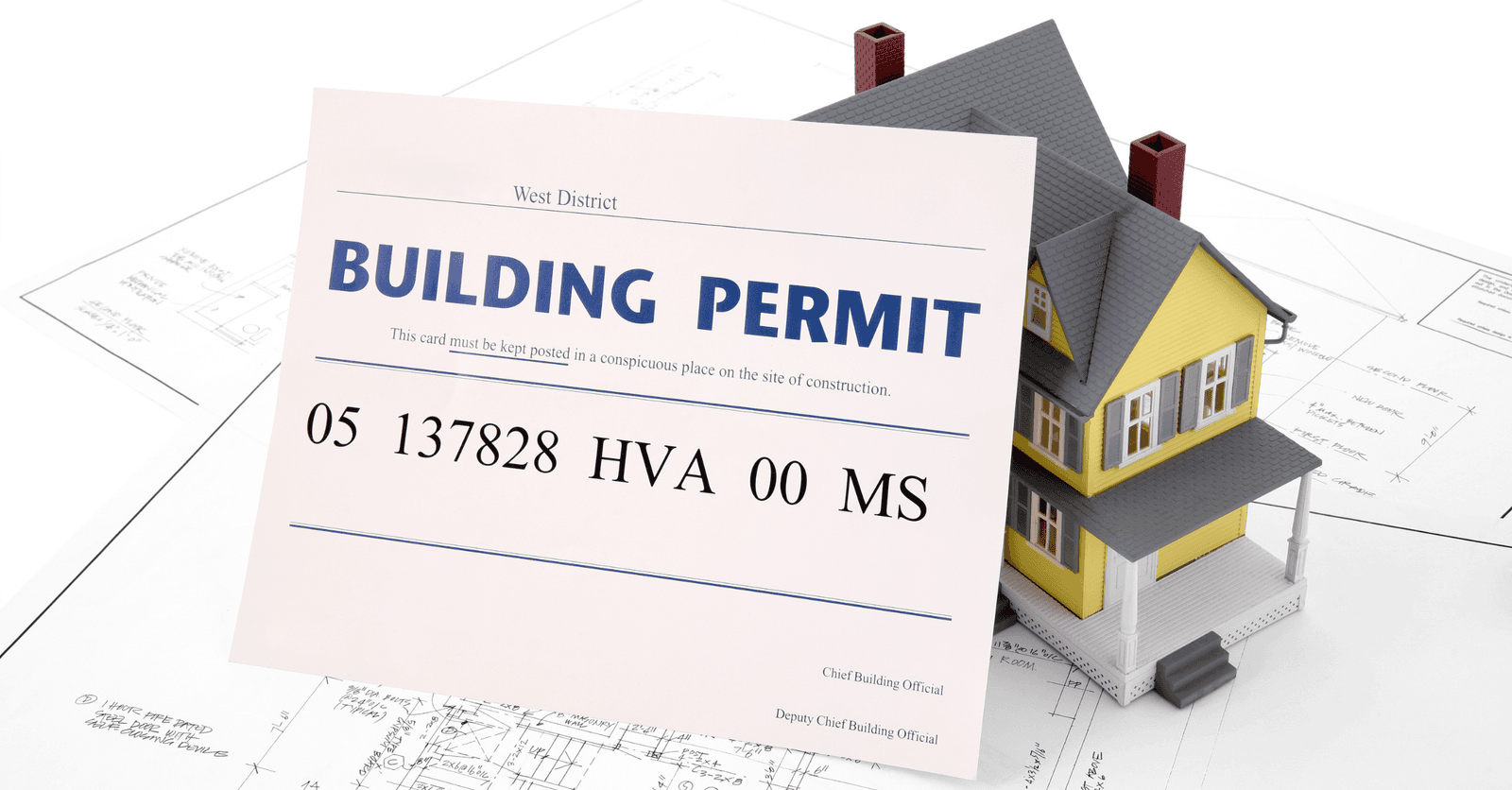
Regardless if you’re a renovation novice or an expert, a contractor even, the world of building permit requests is tricky to navigate. Of course, if you’ve taken on a renovation project or two, then you’re most likely aware of everything that's of importance, like applying for permits in the first place. In 1976, Ontario established the Building Code Act, to regulate and increase renovation quality control while offering homeowners protection. Therefore, if you’re renovating a structure in the City of Ottawa, you have to determine whether or not a work permit is required.

Editorial Team
•21 Jan 2026
Tile has become a must-have choice for adding personality to any home, and the trend shows no sign of slowing down in 2026. This year, tile stands out with bold styles, diverse patterns, and innovative formats, offering endless inspiration to bring character to every living space. In this article, discover 17 key trends that will help transform your home to match your style.