Toilet Installation Cost in Canada: 2026 Price Guide
By Cynthia Pigeon
Updated on September 19, 2026
Toilet installation costs $260 to $960 in Canada with the fixture included, and most homeowners pay around $520 for a standard two-piece toilet supplied and installed. Labour alone runs $150 to $400 if you've already bought the toilet.
Two different jobs answer to "toilet installation," and the gap between them is the porcelain. If the new toilet is already in your hallway, you're buying an hour or two of labour, a wax ring and a supply line. If the plumber brings the fixture, the fixture is most of the bill. This guide covers both, plus what removal costs and where quotes stop matching.
How much does toilet installation cost?
Installed Cost by Scenario
Scenario | Cost |
Labour only, customer-supplied toilet | $150 to $400 |
Builder-grade toilet supplied and installed | $350 to $650 |
Mid-range toilet supplied and installed | $450 to $900 |
Brand-name premium toilet installed | $750 to $1,800 |
Smart toilet with bidet integration | $1,400 to $5,000+ |
The Canadian average sits around $520 for a standard two-piece toilet supplied and installed. In Toronto the range runs $288 to $920, with an average near $518.
Cost by Region
Market | Typical installed cost |
Toronto and GTA | $450 to $900 |
Vancouver and Lower Mainland | $400 to $850 |
Ottawa | $350 to $700 |
Montreal and Quebec | $300 to $650 |
Calgary and Edmonton | $300 to $600 |
Smaller markets and rural areas | $260 to $550 |
Toronto runs about 15% above the national average, driven by labour rates, demand for skilled trades, and the city's aging housing stock — much of it predating 1960, which means more surprises once the old toilet comes off.
Plumber hourly rates vary regionally. Expect $90 to $150 in Toronto and Vancouver, and $80 to $120 in Montreal, Quebec City and most of the Prairies. Most plumbers bill a one-hour minimum regardless of how quickly the job goes.
The Cost of the Toilet Itself
Toilet tier | Price |
Basic builder-grade | $150 to $250 |
Mid-range | $300 to $500 |
Premium brand-name | $500 to $900 |
Wall-mounted with in-wall carrier | $800 to $2,000 |
Smart toilet | $1,400 to $5,000+ |
The major brands sit in predictable bands. American Standard is the budget option, Kohler covers mid-range through premium, and TOTO is the plumber's choice at the top end.
Accessories and Upgrades
Accessory | Cost |
Jet-system bidet attachment | $60 to $120 |
Heated toilet seat | $200 to $350 |
Electric bidet seat | $400 to $600 |
Stand-alone bidet fixture | $360 to $720 |
A jet-system attachment mounts under your existing seat and needs no electrical work, which makes it the cheapest way to add bidet function. An electric bidet seat needs a nearby outlet, and installing one runs $150 to $400.
Factors Affecting Installation Cost
Type of toilet: A standard two-piece is the fastest install. One-piece units are heavier and awkward to set. Wall-hung models require an in-wall carrier and cost several times more to install.
Style and brand: The fixture is the largest single line on most quotes, and it ranges from $150 to $5,000.
The state of existing plumbing: The biggest source of surprise charges. A corroded flange, a seized shut-off valve or a damaged supply line all add cost, and none of it is visible until the old toilet comes off.
Labour rate and location: Toronto and Vancouver run highest; Quebec and the Prairies lowest. Rural jobs may carry a travel charge.
Condo installation: Buildings often require a licensed plumber, and some require scheduling water shut-offs with management. Both add cost and lead time.
Skirted toilets: The concealed trapway looks cleaner but makes the mounting bolts harder to reach, adding time.
Cracks and damage to the subfloor: Water damage under an old toilet is common and must be repaired before the new unit goes in.
Plumbing infrastructure: Rough-in distance — the measurement from the wall to the drain centre, usually 12 inches — must match the new toilet. A mismatch means either a different model or drain modification.
After-hours service: Emergency or same-day work carries a $150 to $400 premium, and weekends $200 to $400.
What's Included, and What Isn't
Source: Ora construction design inc
A Standard Installation Covers
Removal of the existing toilet
New wax ring or rubber seal
New mounting bolts and hardware
Setting and levelling the new unit
Connection to the existing water supply line
Testing for leaks and proper flush operation
Cleanup of the work area
Disposal of the old wax ring and hardware
Quoted Separately
Additional work | Cost |
Water supply line replacement | $50 to $150 |
Shut-off valve replacement | $150 to $300 |
Electrical outlet for a smart toilet | $150 to $400 |
Toilet flange repair or replacement | $200 to $700 |
Tile or flooring repair | $200 to $600 |
Subfloor repair from water damage | $300 to $800 |
Moving the toilet to a new location | $500 to $1,500 |
The flange is the one that catches people out. It's the plastic or cast ring the toilet bolts to, and it's invisible until the old unit lifts off. A cracked or corroded flange has to be replaced before anything else happens.
Note that disposal of the old toilet is frequently excluded, even when removal is included. That distinction is covered below.
Old Toilet Removal and Disposal
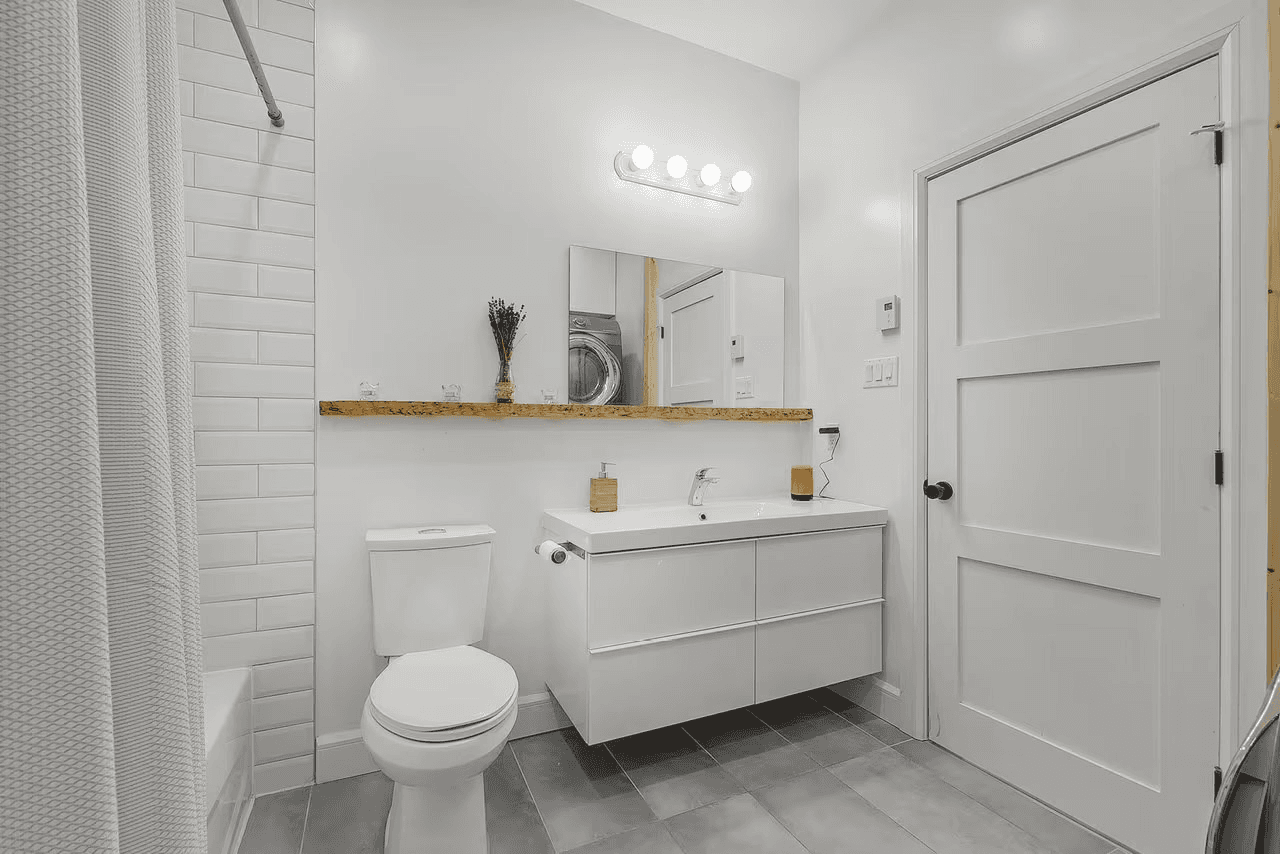
Source: ConstructionA.J.P.inc
Removing the old toilet and getting rid of it are two separate line items, and this is where two otherwise identical quotes stop matching.
What Removal Involves
The plumber shuts off the water at the valve, flushes to empty the tank, sponges out the remaining water in the bowl, disconnects the supply line, unbolts the unit from the floor and lifts it clear. The old wax ring gets scraped off the flange, which then gets inspected and cleaned.
Safe, clean removal matters more than it sounds. A toilet holds water even after flushing, and a fixture carried out carelessly leaves a trail across the hallway.
Disposal Options and Costs
Option | Cost |
Municipal bulk pickup | Free to $30 |
Transfer station or landfill drop-off | Free to $25 |
Included in the installer's service | Often included, sometimes an additional fee |
Junk removal service | $75 to $150 |
Most Canadian municipalities accept toilets through bulk waste collection or at a transfer station, though many require advance scheduling. Porcelain is not accepted in curbside recycling and won't go out with regular garbage.
Some installers include disposal in their quoted price and others charge an additional fee. Ask directly rather than assuming.
A Note on Older Toilets
A damaged older toilet may break during removal, which is inconvenient rather than dangerous but creates sharp porcelain to handle.
Pre-1960s toilets deserve particular care. Older bathrooms sometimes have fixtures set in mortar rather than bolted to a modern flange, and lifting one can damage the drain connection or the surrounding tile. If your house predates 1960 — as much of Toronto's housing stock does — mention it when requesting a quote so the plumber can price accordingly.
There's also a water-use argument. A pre-1990 toilet uses 13 litres or more per flush against 4.8 litres on a modern 1.28 GPF model. At Toronto's 2026 water rate of roughly $4.40 per cubic metre, the replacement pays for itself over a few years.
Installation Time and Process

Source: Reno Quotes
A standard toilet installation takes 1 to 2 hours for a licensed plumber, and most jobs are closer to 1 to 1.5 hours. Flange repair or subfloor work extends it to half a day.
Step by Step
Shut off the water supply at the valve behind the toilet and flush to drain the tank.
Disconnect and remove the old toilet, sponging out remaining water and protecting the floor in the work area.
Clean the flange, scraping away the old wax ring and inspecting for cracks or corrosion.
Replace the flange if needed. This is the decision point that turns a one-hour job into a three-hour one.
Set the wax or foam ring on the flange. This seal prevents sewage from leaking onto the floor and is the single most important component of the installation.
Position the new toilet carefully onto the bolts, lowering it straight down so the seal compresses evenly.
Level the unit using shims if the floor is uneven, then tighten the bolts gradually and alternately to avoid cracking the porcelain.
Assemble the tank and bowl on a two-piece model, seating the gasket between them.
Connect the water supply line, ideally replacing it with a new braided line rather than reusing the old one.
Test rigorously. A proper test means multiple flushes, checking the base for seepage, confirming the fill valve shuts off cleanly, and verifying no rocking.
Seal the base with silicone where code or preference calls for it, leaving a gap at the rear so any future leak becomes visible.
Why Professional Installation Matters
The two failure points are the wax ring and the levelling, and both produce problems that appear weeks later rather than immediately.
A wax ring seated imperfectly leaks slowly under the toilet, soaking the subfloor before anything shows on the surface. A toilet that isn't level rocks slightly with use, which breaks the seal over time and produces the same outcome.
A code-compliant setup with rigorous testing means immediate functionality and a leak-free seal you don't think about again.
Types of Toilets
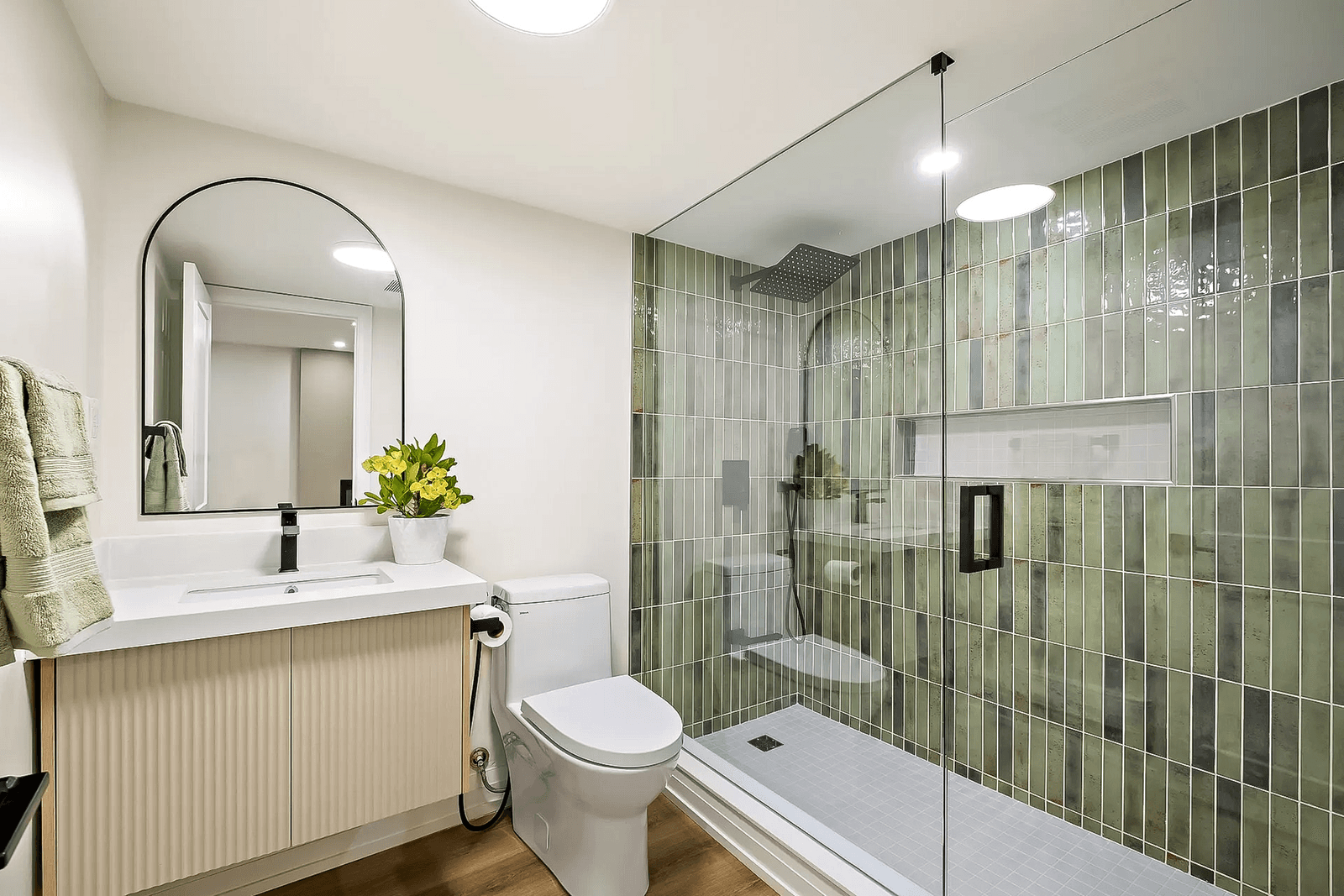
Source: A4 Group Construction Services Inc.
Two-Piece Toilets
The separate bowl and tank design, and the most common configuration in Canadian homes. Generally the least expensive and the fastest to install, since the two components go in separately and each is manageable to lift.
The gasket between the tank and bowl is an additional seal that can eventually fail, though it's a straightforward repair.
One-Piece Toilets
The bowl and tank are fused into a single unit. With no gaskets or separations, it's easy to maintain and less prone to leaks, and the sleek exterior suits contemporary decors. The smaller footprint makes it a good choice for bathrooms with limited space.
The trade-off is weight. A one-piece toilet is heavier and more awkward to set, which adds time and makes two-person handling advisable.
Skirted Toilets
A skirted toilet has a smooth outer panel concealing the trapway, which eliminates the contoured crevices that collect dust. Cleaning is considerably easier.
Installation is slightly more involved, since the skirt hides the mounting bolts and often requires a different anchoring method.
Wall-Hung Toilets
Installed with a carrier support concealed in the wall. The model is much quieter and takes up roughly 10 inches less than a floor-mounted unit.
It's favoured by people with reduced mobility, both for the floor clearance underneath and because the mounting height can be adjusted to suit the user.
The installation is the most demanding of any type. The tank and flushing mechanism sit inside the wall, which means opening the wall, installing a steel carrier frame, and connecting drainage within the cavity. This is professional-only work, and it costs several times a standard installation.
Smart Toilets
Integrated bidet function, heated seats, auto-flush and remote controls. They require a nearby electrical outlet, and installing one adds $150 to $400 if none exists.
Entry-level smart toilets start around $1,400 installed, with high-end models reaching $5,000 and beyond.
Signs You Need a New Toilet
Replace the Toilet
Cracks in the tank or bowl. Even hairline cracks in porcelain mean the unit has to be replaced. They don't get better and they eventually fail suddenly.
A toilet 15 years or older using 5 or more gallons per flush. The water savings from a modern 1.28 GPF model pay for the replacement within a few years.
Obsolete brand with unavailable parts. When a replacement fill valve costs more than a new toilet, the decision is made.
A persistently wobbly base, once new shims, bolts and a fresh wax ring haven't fixed it. That usually means flange or subfloor damage.
Repeated repairs. Three service calls in two years is a unit at the end of its lifecycle.
Repair Instead
The porcelain itself lasts 30 to 50 years. Internal components — flapper, fill valve, gaskets — last 5 to 10 and are normal wear items.
Roughly 80% of running-toilet calls are fixed with a fill valve, flapper or wax ring replacement, at $150 to $380. If your toilet is a modern brand-name unit under 15 years old with parts available, repair is almost always correct.
A wax ring replacement alone runs $150 to $320 and takes 60 to 90 minutes, including a flange check and subfloor inspection.
How to Tell the Difference
Water pooling at the base points to the wax ring or the flange, both repairable. Water inside the tank that never stops running points to the fill valve or flapper, also repairable.
A crack in the porcelain, a rocking unit that won't stabilize, or a flush that's weak despite new internals points toward replacement. A smart water meter, increasingly common in Canadian municipalities, will also flag continuous consumption from a silently leaking toilet.
Related Plumbing Services
Source: Reno Quotes
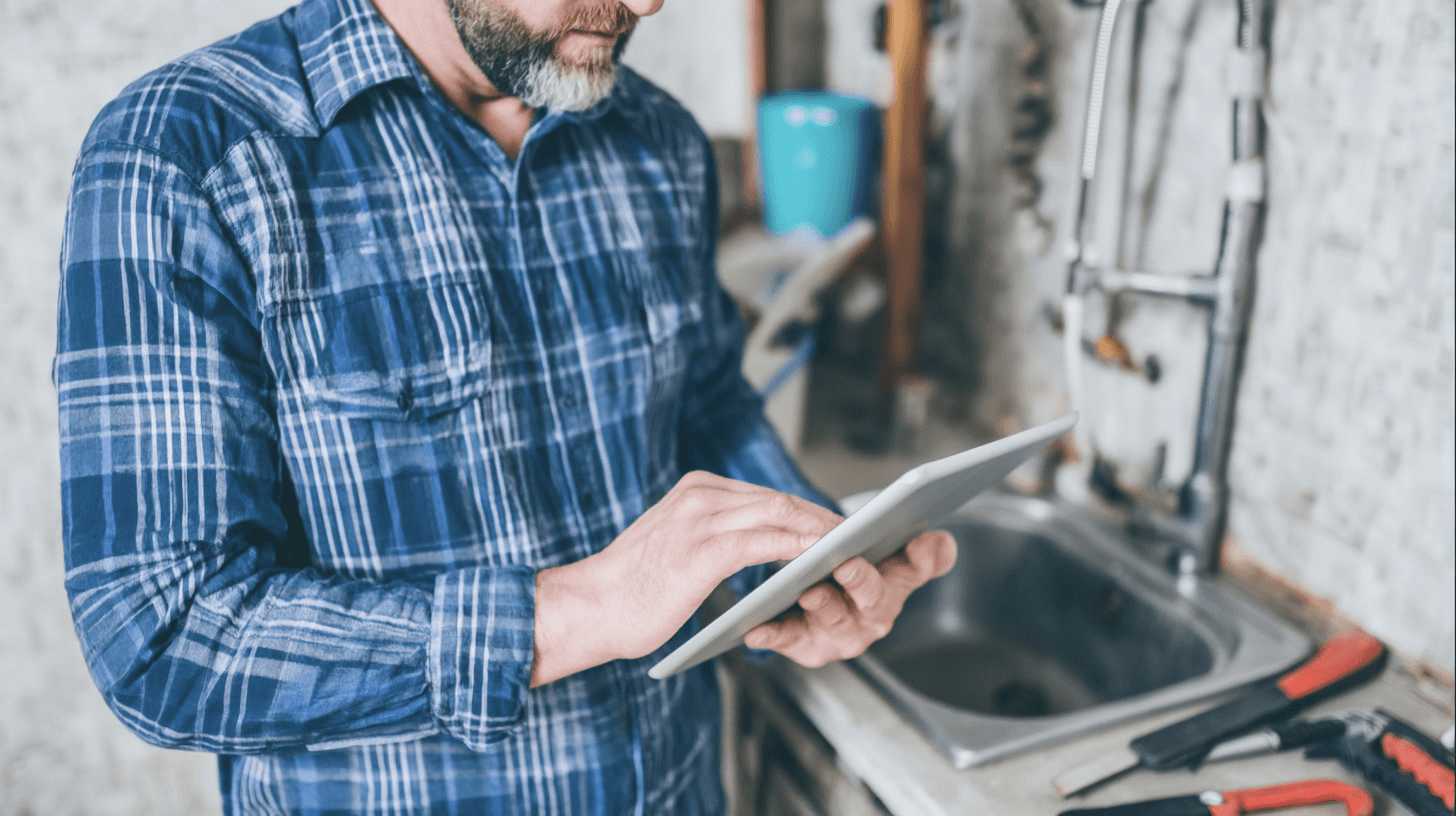
Toilet installation frequently bundles with other work, and grouping it saves a second call-out charge.
Shut-off valve replacement ($150 to $300): The valve behind the toilet often seizes with age. Many plumbers recommend replacing it during installation, since discovering it doesn't close during an emergency is the worst time to find out.
Braided supply line replacement ($50 to $150): Old rubber and plastic lines degrade. A braided stainless line is inexpensive insurance against a burst.
Toilet tank repair ($150 to $380): Fill valve, flapper or gasket replacement on a unit you're keeping.
Flange repair or replacement ($200 to $700): Required when the existing flange is cracked, corroded or sitting below floor level after new flooring was installed.
Bidet installation: A seat bidet or sprayer bidet attaches to the existing toilet with minimal plumbing. A stand-alone bidet fixture requires its own rough-in, drainage and supply, which is a substantially larger project.
Rough-in modifications ($500 to $1,500): Moving the toilet to a new location means altering the drain rough-in, opening the floor and often obtaining a permit.
Frame installation for wall-hung units: The in-wall carrier system, which requires opening the wall and is quoted as its own job.
Choosing a Professional Plumber
Licensing and Code Compliance
Toilet installation is licensed plumber work in most Canadian provinces. Provincial requirements differ — Ontario uses a 306A licence, Quebec requires an RBQ licence and CMMTQ membership — but the principle holds everywhere.
Code-compliant installation matters beyond the paperwork. Plumbing codes govern the seal at the flange, the venting of the drain and the shut-off valve, all of which affect whether your bathroom floor stays dry. An installation that fails inspection has to be redone.
What to Verify Before Hiring
Provincial licence, searchable through the regulator
Liability insurance, confirmed by a certificate they can produce on request
A workmanship guarantee covering leak-free installation, with a stated duration
Fixed pricing confirmed before work begins, rather than an estimate that firms up on site
Independent reviews on third-party platforms, ideally mentioning toilet work specifically
The Questions Worth Asking
"What happens if the flange is damaged?" This is the most common surprise, so ask how it's priced before the work starts rather than after.
"Is disposal of the old toilet included?" Removal and disposal are different things, and this is where two quotes diverge.
"Is the rough-in measurement confirmed?" A competent plumber checks whether your existing rough-in — the distance from the finished wall to the drain centre — matches the toilet you've selected. Twelve inches is standard, but 10-inch and 14-inch rough-ins exist in older homes.
"Does the price include a new supply line and shut-off valve?" Reusing old ones saves money today and occasionally costs a great deal later.
Comparing Quotes
A quote should itemize the fixture, the labour, the wax ring and supply line, removal and disposal, and a contingency rate for flange or subfloor work.
Fixed prices are preferable to hourly billing on a job this predictable. A plumber who quotes hourly on a straightforward swap is transferring the risk of their own inefficiency to you.
A quote substantially below the others usually excludes the fixture, excludes disposal, or assumes no flange work.
What should you budget?
For most Canadian homeowners, a toilet replacement costs $350 to $650 with a mid-range fixture supplied and installed. Buying your own toilet and paying labour only brings that to $150 to $400 plus the fixture.
Two things move the number. Whether the plumber supplies the toilet accounts for most of the spread between quotes, and what's under the old toilet accounts for most of the surprises. Budget a couple of hundred dollars of contingency for flange work, particularly in a house built before 1980.
Get three itemized quotes and compare them on inclusions rather than totals, with particular attention to whether disposal is covered.
Frequently Asked Questions
How much does toilet installation cost in Canada?
$260 to $960 with the fixture included, and most homeowners pay around $520 for a standard two-piece toilet supplied and installed. Labour alone runs $150 to $400 if you supply the toilet yourself. Toronto runs about 15% above the national average.
How long does it take to install a toilet?
One to two hours for a licensed plumber on a standard replacement, and often closer to 1 to 1.5 hours. Flange repair, subfloor damage or a wall-hung installation extend it to half a day or more.
What's included in a standard installation?
Removal of the old toilet, a new wax ring, new mounting bolts, setting and levelling the new unit, connection to the existing water supply, leak testing and cleanup. Flange repair, valve replacement and relocating the toilet are quoted separately.
Does the plumber take away my old toilet?
Removal is almost always included, but disposal often isn't. Some installers include it, others charge an additional fee, and municipal bulk pickup handles it free to $30 if you can put it out. Ask specifically, since this is where two quotes stop matching.
Should I buy my own toilet or have the plumber supply it?
Buying your own saves the plumber's markup and gives you more choice, bringing the job down to $150 to $400 in labour. Confirm the rough-in measurement matches before ordering, and check whether the plumber warranties their labour on a customer-supplied fixture.
What is a toilet flange and why does it matter?
The plastic or cast ring the toilet bolts to, connecting it to the drain pipe. It's invisible until the old toilet lifts off, and a cracked or corroded one must be replaced before the new unit goes in. Replacement costs $200 to $700 and is the most common source of surprise charges.
Can I install a toilet myself?
A standard two-piece replacement is within reach for a confident DIYer, and it saves $150 to $400. The risk is the wax ring and the levelling, since a poorly seated seal or a rocking toilet leaks slowly into the subfloor and won't show for weeks. Condo buildings typically require a licensed plumber regardless.
How long does a toilet last?
The porcelain lasts 30 to 50 years. Internal components — flapper, fill valve, gaskets — last 5 to 10 and are normal wear items. Replace the toilet when the porcelain cracks, when it's 15 years or older at 5 or more gallons per flush, or when parts are no longer available.
Should I repair or replace my toilet?
Repair a brand-name unit under 15 years old with a fill valve, flapper or wax ring failure, at $150 to $380. Replace when the tank or bowl is cracked, when the unit is 15 years or older at high water consumption, or when parts cost more than a new toilet.
Do I need a permit to replace a toilet?
No, for a standard like-for-like replacement. Moving the toilet to a new location requires altering the drain rough-in, which does typically require a permit and costs $500 to $1,500.
What is a rough-in measurement?
The distance from the finished wall to the centre of the drain, and it determines which toilets will fit. Twelve inches is standard in Canada, though 10-inch and 14-inch rough-ins appear in older homes. Measure before buying, since the wrong rough-in means the toilet won't sit properly.
How much does a bidet cost to add?
A jet-system attachment runs $60 to $120 and needs no electrical work. An electric bidet seat costs $400 to $600 plus $150 to $400 for an outlet if none exists nearby. A stand-alone bidet fixture at $360 to $720 requires its own rough-in and drainage, making it a much larger project.
Looking for something else?
Related articles
The latest industry news, interviews, technologies, and resources.

Editorial Team
•07 Nov 2024
When looking to optimize storage space around the house, every little nook or cranny available becomes priceless. You can even transform areas like that void sitting beneath your quarter-turn stairs. Instead of leaving it unutilized, the space can be converted into storage or a practical area. With a creative eye and a clever mind, there are no limits to what you can do with the space available under quarter-turn stairs.
Editorial Team
•27 Apr 2026
Plumbing renovations aren’t exactly gripping. As much as you’d like to put it off, at times, whether you like it or not, the right time is right now. This is all the more likely during a kitchen, bathroom, or basement renovation.

Amanda Harvey
•03 Aug 2026
Painting the outside of a house can be a long and gruelling process, but if completed correctly, the transformation can be dramatic! When high-quality exterior paint is applied to a properly treated surface, it’ll last much longer than expected. As well, it will protect the outside of your home from sun, wind, rain and snow. Although the price of paint will often indicate quality, there are several other factors that will help you to determine which paint is right for the exterior of your home.
Cynthia Pigeon
•14 May 2026
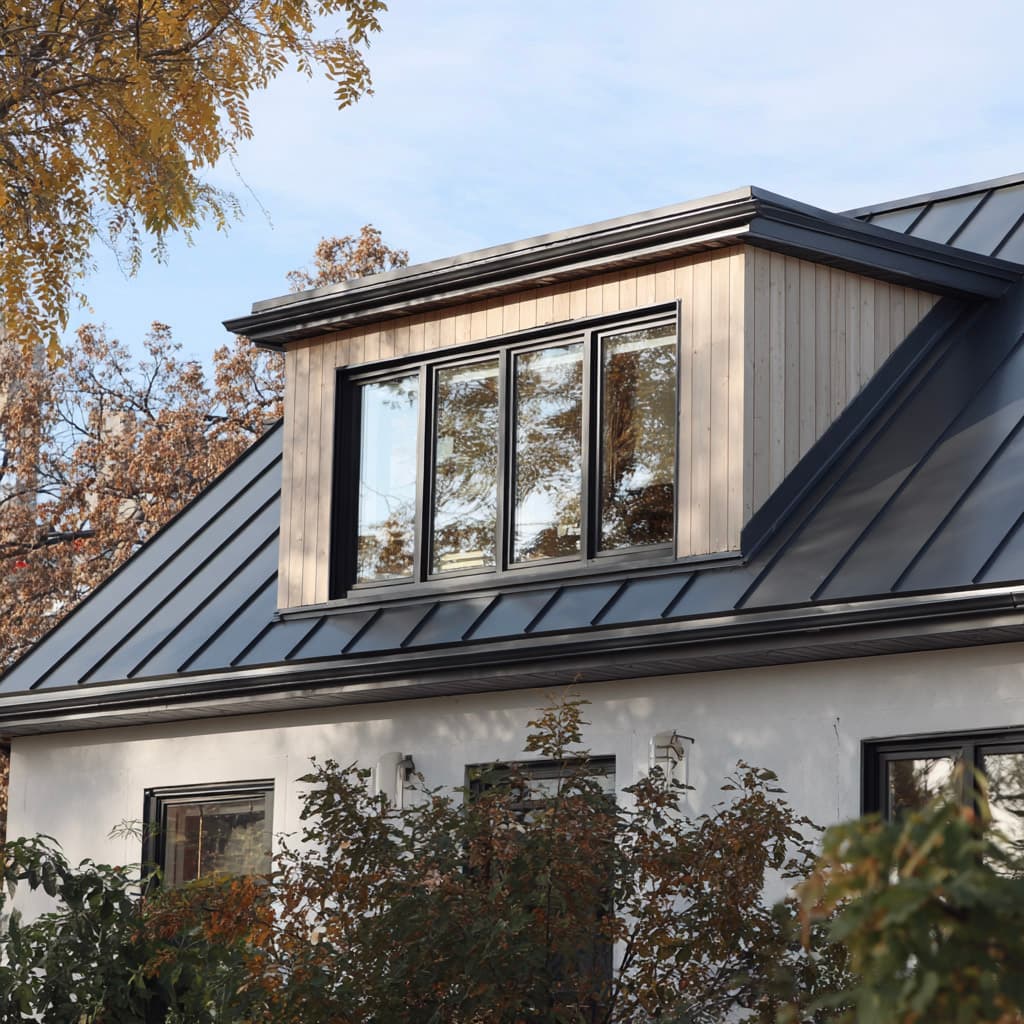
In 2026, the cost of a metal roof in Canada generally ranges from $13 to $30 per square foot, including installation, depending on the type of metal, profile, roof slope, project complexity, and site access. For an average single-family home, homeowners can expect to pay around $13 to $25/sq. ft. for galvanized steel or Galvalume, and up to $30/sq. ft. for aluminum. Although the initial investment is higher than that of asphalt shingles, a metal roof can become a very worthwhile long-term option thanks to its potential lifespan of more than 50 years and its strong resistance to Canada's tough weather conditions, especially if you plan to keep the property for many years.

Editorial Team
•29 Sep 2026
Anyone who lives in an environment that doesn't suit their needs when it comes to mobility or comfort will be subject to a great deal of frustration. To ensure a comfortable and pleasant living environment for an individual with reduced mobility, here's a look at the renovations to take on.