Mould Test Cost in Quebec in 2026: Prices, Methods and Procedure
By Cynthia Pigeon
Updated on September 18, 2026
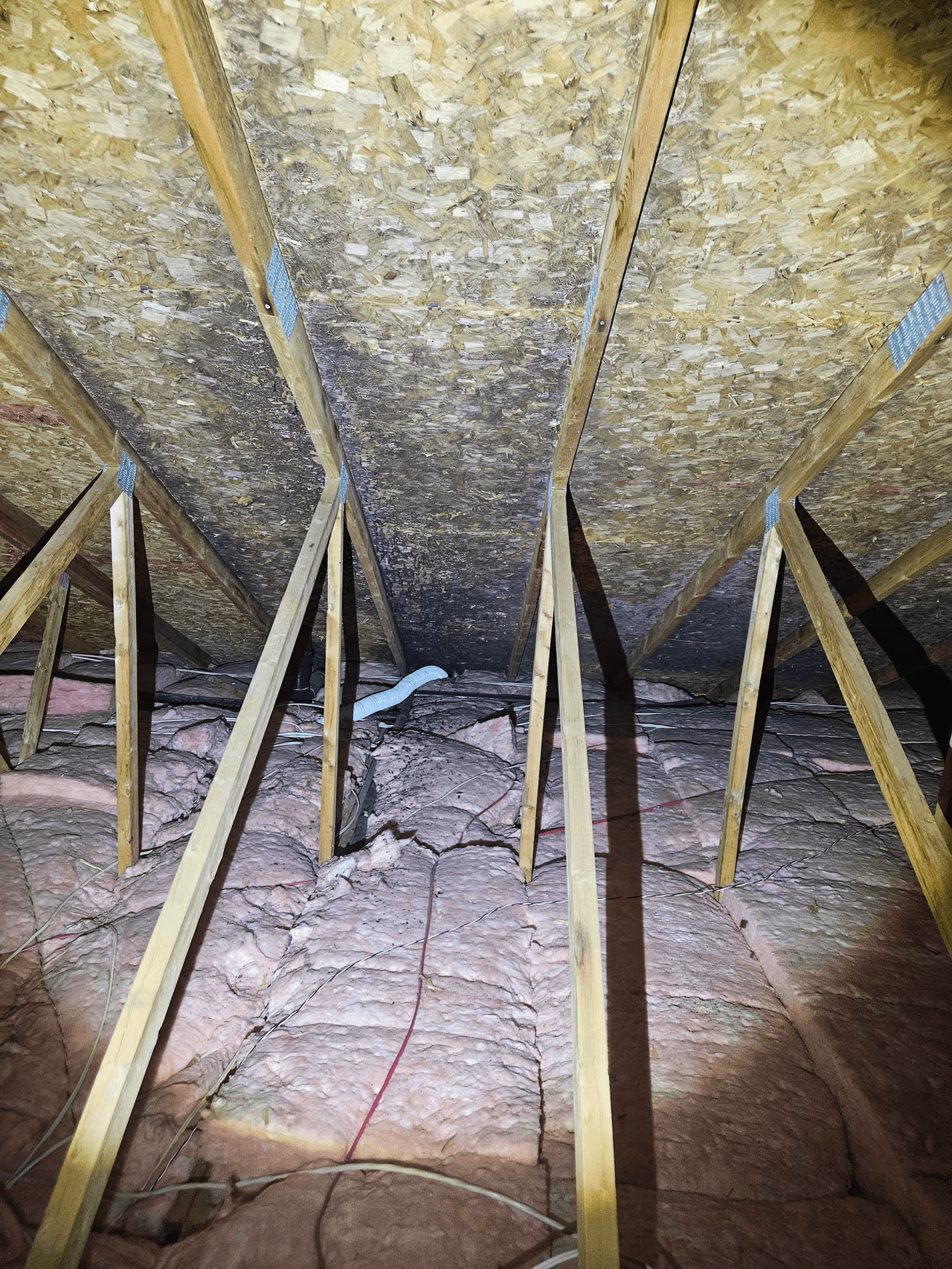
In 2026, a mould test in Quebec can cost $40 to $100 for a home testing kit, $250 to $450 for a basic professional inspection, and approximately $500 to $700 for a comprehensive assessment that includes multiple samples and, depending on the service selected, thermal imaging.
The price depends mainly on the number of samples, the type of analysis, and the scope of the inspection. A DIY kit may be useful for an initial check, but a professional assessment is generally better suited when a documented report is needed for a real estate transaction, insurance claim, legal dispute, or post-remediation verification.
Mould Testing in Quebec: When Should You Assess Indoor Air Quality?
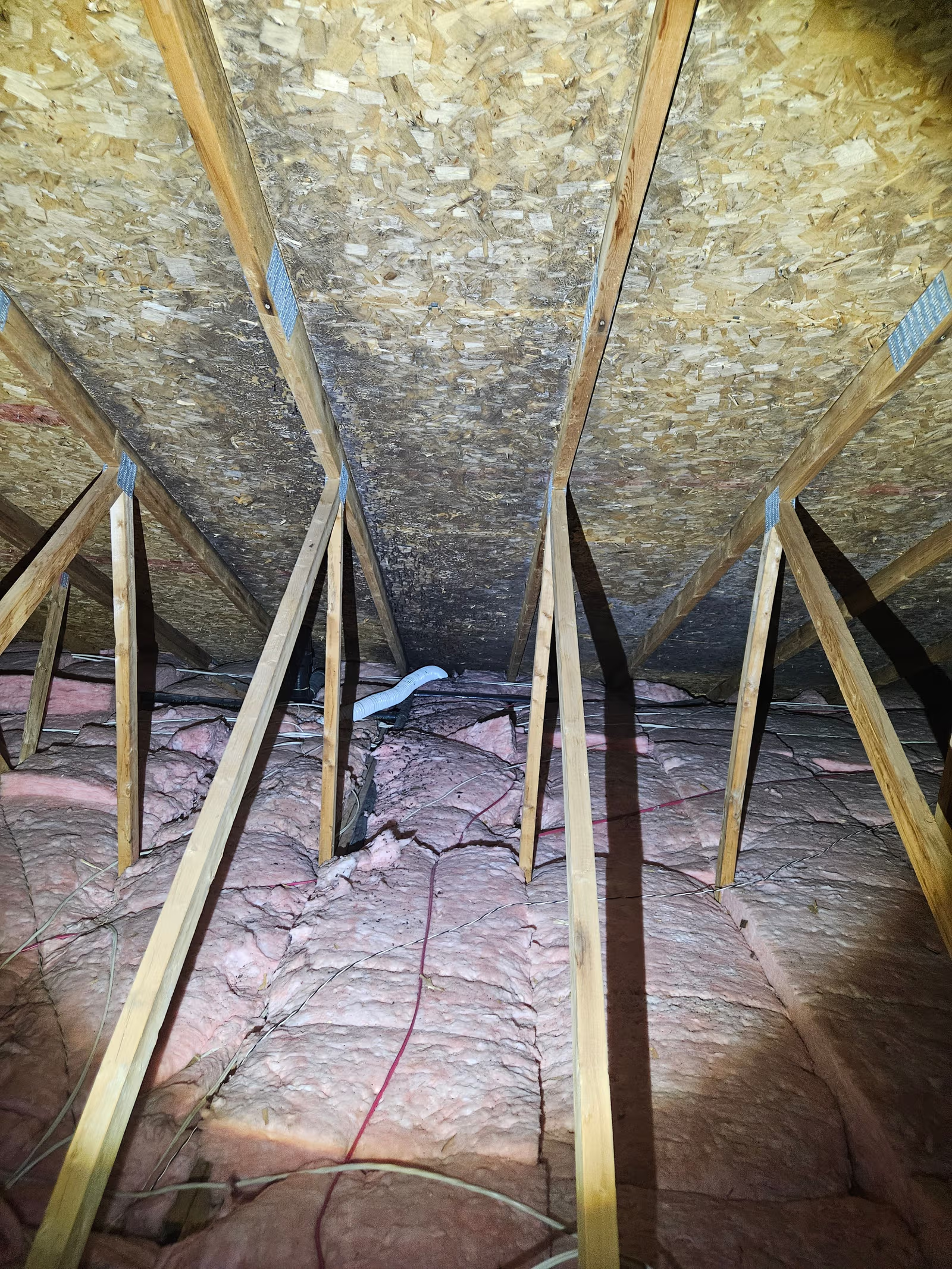
Source: CPO Isolation
A persistent musty smell in the basement, suspicious stains on the bottom of a drywall wall, or respiratory symptoms that seem to get worse when you spend time in a specific room can all be warning signs for Canadian homeowners. When mould is suspected, one question often comes up quickly: how much does a home mould test cost?
Whether you are trying to secure the purchase of a condo in Montréal, Toronto, Vancouver, Calgary, Halifax, or Ottawa, deal with a dispute after water infiltration, support an insurance claim, or protect your family’s health, an indoor air quality assessment can be useful in certain situations.
Costs vary significantly depending on whether you choose an inexpensive hardware-store kit or hire a qualified inspector, technologist, or indoor air quality specialist. Here is a detailed overview of typical 2026 prices to help you make an informed decision.
How Does a Professional Mould Test Work?
A professional mould inspection generally involves several steps to document the condition of the building and determine whether further investigation is needed.
Visual inspection: The professional looks for signs of mould, water infiltration, and excessive moisture.
Moisture testing: A moisture meter may be used to detect moisture in certain building materials.
Sampling: Depending on the situation, air or surface samples may be collected.
Reference sample: During air testing, an outdoor sample may be used as a comparison point for the indoor air.
Laboratory analysis: The samples are analyzed to identify and quantify the contaminants being investigated.
Report: The results are then documented in a report, which may include the professional’s observations and recommendations for the building.
DIY Mould Test Kits: Cost and Reliability
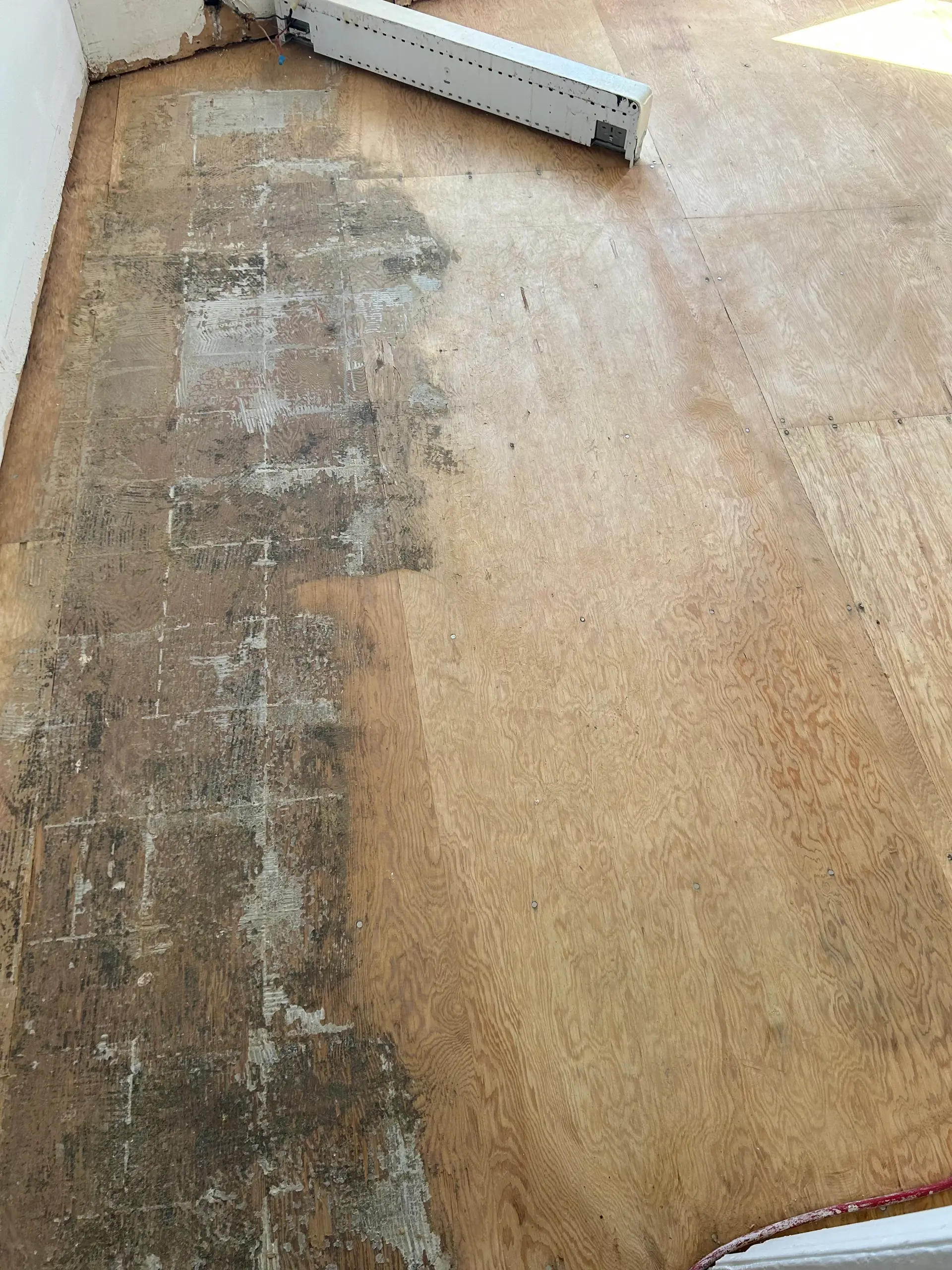
Source: Meulage pro sol
For many homeowners, the first reflex is to look for a quick and affordable option at a hardware store. Large retailers across Quebec and Canada sell kits that promise results within a few days. However, the low initial price can hide major technical limitations.
Store-Bought Test Kit Prices
At retailers such as Home Depot, RONA, Canadian Tire, or regional hardware stores, a DIY mould test kit usually costs between $40 and $100.
These kits typically include:
One or two culture media, often in Petri dishes;
Swabs for surface samples;
Instructions for collecting visible particles or airborne particles yourself.
At first glance, this seems like a low-cost option for a worried homeowner. However, that price often covers only the sampling tools, not a complete analysis or interpretation of the mould found.
Hidden Laboratory Analysis Fees
A common mistake is assuming the retail price covers the entire process. In many cases, the kit only includes the tools needed to collect samples. If you want to identify the type of mould present, for example, a species such as Stachybotrys chartarum or a more common mould type, you often need to send the samples to a laboratory for a more precise analysis.
Laboratories may charge additional analysis fees of $50 to $150 per sample. If you want to test the air in the basement, a bedroom, and include a surface sample, the total can quickly exceed $300, reducing the financial advantage of the DIY kit.
The reliability of these tests is also limited. Petri dishes left exposed to the air mainly capture spores that settle by gravity. Since indoor and outdoor air naturally contain mould spores, a DIY kit will often show fungal growth. This can produce results that are difficult to interpret, may cause unnecessary worry, and usually does not quantify the real concentration or identify the source of the problem.
Professional Mould Inspection and Testing Costs
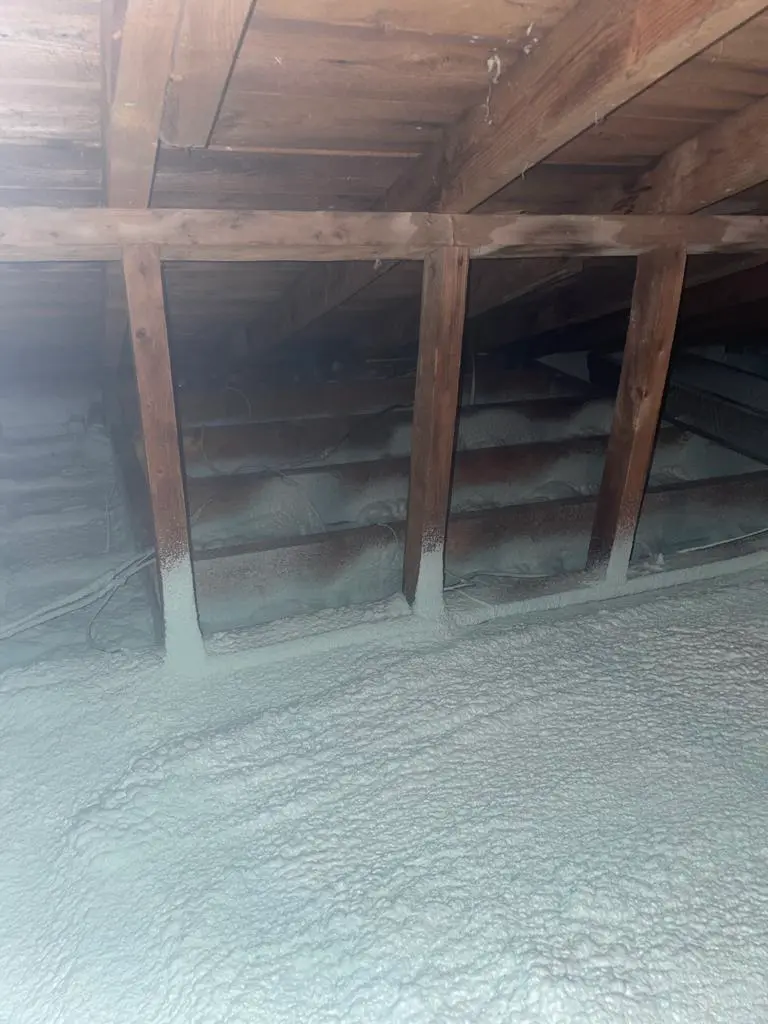
Source: Groupe EXL-OR
To get a clearer picture of indoor air quality, a qualified inspector, technologist, or indoor air quality specialist may be useful, especially when a documented report is needed for a transaction, claim, dispute, or verification after remediation.
Unlike basic consumer kits, professionals use calibrated tools and follow structured sampling protocols. Prices vary by province and city, but the service categories are generally similar across Canada.
Cost of a Basic Air Test
For an initial assessment focused on a specific area of the property, the average cost of a basic professional inspection in Montréal generally ranges from $250 to $450.
This price typically includes an inspection of the affected area, the necessary sampling, laboratory analysis, and a written report. However, the exact number of samples included varies from one company to another.
Additional Sample Costs
If the home has several floors, a suspicious crawl space, a basement, or multiple possible water infiltration points, additional samples may be recommended. Companies often charge a fixed amount per extra sample, usually around $75 to $125 per sample, depending on whether it is an air sample or a surface swab.
For a complete assessment of a detached home, larger condo, or multi-unit property, including thermal imaging and 3 to 5 samples, total costs can range from $500 to $700, depending on the region and the level of reporting required.
Below is a comparison table to help you plan your budget when shopping around:
Type of service | Average initial cost | Analysis or extra fees | Technical / documentary usefulness |
DIY mould kit | $40 to $100 | $50 to $150 per sample | Limited; difficult to interpret, and weak for documenting the building condition |
Basic professional inspection | $250 to $450 | Often includes 1 to 2 air samples | Useful for documenting a localized concern |
Complete professional assessment | $500 to $700 | Several samples and possible thermal imaging | More useful for a transaction, claim, dispute, or post-remediation verification, depending on report quality |
Note: Prices can vary depending on the number of samples, laboratory turnaround time, region, report inclusions, travel fees, and whether a more advanced inspection is required.
Before booking, compare services from qualified inspectors, members of recognized associations, indoor air quality specialists, or building professionals experienced with moisture and mould investigations.
Why Mould Problems Can Become Expensive in Canadian Homes
Mould growth is not simply a cleanliness issue. It is usually connected to moisture, ventilation, air leakage, insulation defects, drainage, or building envelope problems. In Canada, seasonal temperature swings, snow, rain, humidity, and freeze-thaw cycles can put pressure on homes.
Attics, Thermal Bridges, and Winter Condensation
During winter, the temperature difference between warm indoor air and cold outdoor conditions can create major condensation risks. If a home has air leaks, poor insulation, or thermal bridges, warm, humid air can escape into the attic.
When that warm air meets cold roof framing, it can condense into water droplets. Without proper attic ventilation and air sealing, moisture can accumulate, leading to wood deterioration and mould growth. Correcting this type of issue may require attic renovations, better insulation, improved ventilation, and stronger air sealing.
This problem is common in many cold Canadian regions, including Quebec, Ontario, the Prairies, Atlantic Canada, and northern communities.
Crawl Spaces and Summer Humidity
In summer, outdoor humidity can also create problems, especially in crawl spaces. A poorly ventilated crawl space or one with exposed soil and no proper vapour barrier can become a favourable environment for mould growth.
Warm, humid air entering a cooler crawl space can condense on concrete foundations, wood joists, or mechanical components. If the issue is not corrected, mould spores and odours may move toward the living spaces through air movement and stack effect.
In these situations, crawl space insulation, air sealing, drainage correction, vapour barrier installation, and dehumidification may be needed to address the problem properly.
How to Choose an Indoor Air Quality Inspector in Canada
Since mould remediation after water damage or major infiltration can cost several thousand dollars, the person performing the inspection should not be chosen based only on the lowest price.
Before hiring someone, check the following:
Professional association or credentials: Look for an inspector, technologist, hygienist, or building professional with relevant training and experience. In Quebec, this may include membership in a recognized association such as the Association des inspecteurs en bâtiment du Québec, AIBQ. In other provinces, check for relevant inspection, environmental, occupational hygiene, or building science credentials.
Liability insurance: The inspector should carry professional liability insurance, including errors and omissions coverage when applicable. This is especially important if the report may be used in a real estate transaction, insurance claim, or legal dispute.
No conflict of interest: This is a key point. A good indoor air quality inspector should inspect, sample, and produce a report, but should not pressure you into using their own remediation services. If the same company performs both the inspection and the cleanup, there may be a financial incentive to find a problem. Whenever possible, keep diagnosis and remediation separate.
To avoid surprises, compare several quotes from qualified independent specialists in your region. A well-documented report can help you understand the condition of the home, identify the moisture source, plan corrective work, support a claim, or negotiate fairly during a real estate transaction.
In Quebec and across Canada, the most important step remains the same: find the source of moisture, correct it, and remove mould safely rather than relying only on a test result.
Looking for something else?
Related articles
The latest industry news, interviews, technologies, and resources.

Editorial Team
•04 Nov 2024
The bedroom is not like other areas in the home. It is a place of rest and privacy where it’s important to feel comfortable. For this reason, the room's layout and decor are important and redesigning and personalizing this room can help one feel even happier in their home.

Editorial Team
•08 Nov 2023
The laundry room is a space that is notorious for being cramped. Since it is a multipurpose room, there is a constant quest to try to keep this room organized and utilitarian while still being an attractive space in the home. Especially in the case of smaller houses and apartments, the laundry room often lacks much-needed storage.
Cynthia Pigeon
•17 Apr 2026
In 2026, wall soundproofing in a Canadian condo typically costs between $15 and $25 per square foot, including labour and specialized materials. For materials alone, expect to pay between $1 and $10 per sq. ft. An effective system usually combines mineral wool insulation, resilient channels, and acoustic drywall (around $40 per sheet). Beyond comfort, soundproofing can also increase your property’s resale value by achieving a higher STC (Sound Transmission Class) than the minimum building code requirements.
Léa Plourde-Archer
•25 Jul 2025
A heat pump is an important purchase for your home and it often helps solve temperature variation issues indoors. Daikin offers options and features that suit all needs and budgets. We will explore this subject in the following paragraphs.

Editorial Team
•07 Feb 2024
Should you be lacking inspiration when it comes to planning your home improvement project, there is no reason to put so much pressure on yourself because you are definitely not alone in the boat! That is why, nowadays, there are several different platforms on the internet that are dedicated to providing different inspirational ideas for any given project.