
Pergola. This word, with a slight Italian intonation, is rather reminiscent of bright, sunny summer days, no? The pergola is actually the perfect in-between betwixt an exterior shade and a sunroom. It’s the ideal space to lay out whilst still being protected from the sun or adverse weather conditions.
Not only does it offer a space where one can alleviate stress outside the home, but the pergola can revamp your yard by conveying a certain aesthetic.
Whether it be made of vinyl or aluminum, there’s a wide range of materials used to make pergolas, and they’re offered in numerous different styles.
How much does a pergola cost? What’s the difference between the various models? These are just a few of the questions we’ll be answering in the course of this article.

Photo : Deposit Photo
How to Choose a Pergola
A pergola is a structural design that serves as an exterior space, one that’s partially shaded and the crowning jewel of your backyard or terrace setup. This framework is comprised of vertical posts and cross beams, with a roof made of fabric, glass, or adjustable slats. Besides being a decorative element, the pergola can serve to hang garden plants and grow vines.
Even though some pergolas might seem restrictive, space-wise that is, note that some models offer different options to maximize your comfort. A pergola can eventually mutate into an additional room in your house, whereby it's important to choose a model that fits your current and future needs.
Before jumping feet first into this project, you may have questions like whether you want to benefit from your pergola only on occasion or if you want to create a genuine, everyday setup during the summertime.
The second question obviously relates to your budget. How much are you willing to invest in such a project? Because prices can vary depending on the material and model selected.
Besides, isn’t it worth considering whether you plan on staying in your current house for an extended period of time? Bear in mind that some materials are more durable than others.

Photo: Deposit Photo
Different Pergola Models
The pergola model you select will largely depend on its size and the exterior space you have available. Avoid selecting a pergola that’s too big for your terrace or yard, as you’ll also need to furnish it comfortably without restricting movement. Another tip is to choose an area that’s flat and level (as much as possible) to avoid any water build-ups in case of storms.
There are 3 types of pergolas, see their features below:
Attached pergola: designed to fit on the front side of the terrace or yard. This model gives a modern look to your backyard with a straight or tilted roof. This pergola, combined with acrylic or micro-perforated fabric, is the perfect way to shade your terrace. You can also opt for a rigid roof for better protection against bad weather. The attached pergola can be quite challenging to install, but offers more comfort and flexibility;
Freestanding pergola: ideal when wanting to create an outdoor living space in your backyard. A freestanding pergola built of wood or wrought iron and decorated with garden plants adds a touch of serenity to your yard. Unlike the attached pergola, this model has the particularity of being autonomous and allows a quick installation, without having to alter the front of the house;
Awning pergola: perfect for occasional use. This type of pergola can be set up and taken down in no time. The awning pergola is primarily intended for one-time events, so it isn’t necessarily suitable for long-term use.
Thinking of installing a pergola in your backyard?
Fill out our form to receive quotes from certified contractors!
What material can I choose from?
It's super important to choose the material that'll constitute your pergola wisely, especially considering that all materials have pros and cons. Therefore, weighing these are a must before making your choice. Your choice will ultimately depend on your personal preferences and the style you want to convey in your backyard, but it'll also largely depend on your budget.
Vinyl Pergola
Vinyl is without a doubt the least expensive material for a pergola. It requires no maintenance other than an occasional rinse with a garden hose. However, a vinyl pergola only lasts a few years.
The basic model for this type of pergola is around $600 for 8' x 8' units. Prices go up to $3,600 for a high-end, sophisticated, and stylish product.
Metal Pergola
A metal pergola is rather sturdy and shock resistant. Moreover, this material has a certain durability given its 15-year lifespan. However, a metal pergola is very heavy and therefore not suitable for all ground conditions.
Furthermore, it must be treated with an anti-corrosion product every two years. Expect to pay between $840 and $5,640 for a metal pergola, dependent on the quality of the selected product.

Photo: Deposit Photo
Wooden Pergola
Wood is a solid and warm material. Its colour particularly stands out in a garden, especially if you add vines. As for the drawbacks, a wooden pergola requires regular wood treatment to withstand the effects of rain and moisture, and insects can damage the structure.
A properly maintained wooden pergola should last about 15 years. The price of a wooden pergola varies between $1,200 and $6,000.
Aluminum Pergola
If your budget is substantial, and you plan on living in your house for the foreseeable future, don't hesitate for a second and get the aluminum pergola. Indeed, the lifespan of this material is unlimited. Besides, it has very good thermal resistance, doesn't require maintenance, and adds a modern touch to your backyard.
However, durability comes at a price, and the starting point for this one is $3,000 for a 12' x 8' attached pergola.
Material | Price |
Vinyl | $600 to $3,600 |
Metal | $840 to $5,640 |
Wood | $1,200 to $6,000 |
Aluminum | $3,000 to $7,200 |
Get 3 renovation or installation quotes for your pergola project
RenoQuotes.com can help you get quotes for your pergola installation or renovation project. If you submit your project to us, we’ll put you in contact with top-rated contractors. Fill in the form on the homepage (it only takes a few minutes), and you will receive quotes from companies that are specialized in home renovations.
Dial 1-844 828-1588 to speak with one of our customer service representatives.
Looking for something else?
Related articles
The latest industry news, interviews, technologies, and resources.
Paul Riopel
•18 Mar 2026
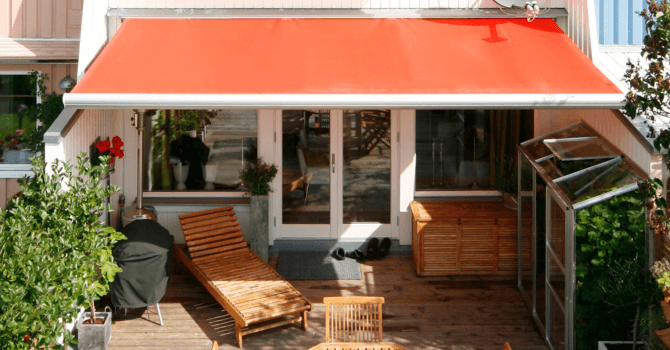
You're looking for a solution to enjoy your outdoor space all year round? Well, you've come to the right place! The 4-season awning allows you to enjoy your terrace and have barbecue evenings in all seasons, even during the winter months, without ever worrying about the whims of the weather. Still have doubts? Discover the essentials to know about this awning model!

Amanda Harvey
•08 Nov 2023
Hygge, pronounced phonetically as "hoo-gah," is a concept that originated in Denmark but has made its' way to the renovation and interior design networks of North America. Hygge roughly translates to "coziness," but is often described as a mindset for fostering positivity and togetherness in negative aspects of life; an attempt to enjoy the smallest and most insignificant moments.
Editorial Team
•08 Oct 2025
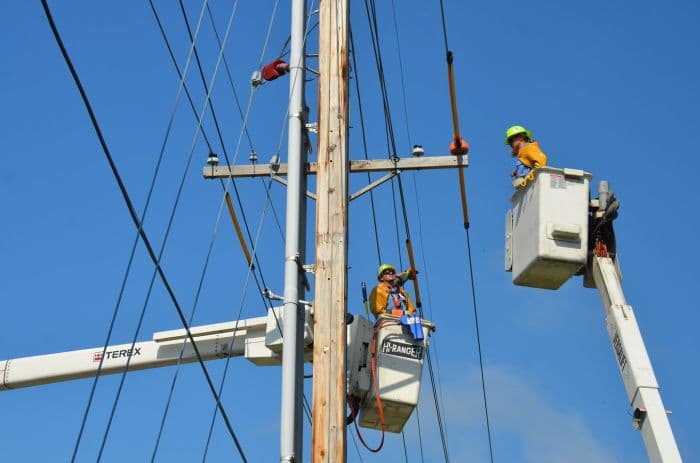
Are you thinking about becoming an electrician but hesitant about moving forward with this adventure for one reason or another? Of course, learning a trade involves a lot more than simply sitting in a classroom, and thus, we’re here to offer a glimpse of what this exciting job will hold for you. This includes information about the prospects it offers.
Editorial Team
•08 Nov 2023
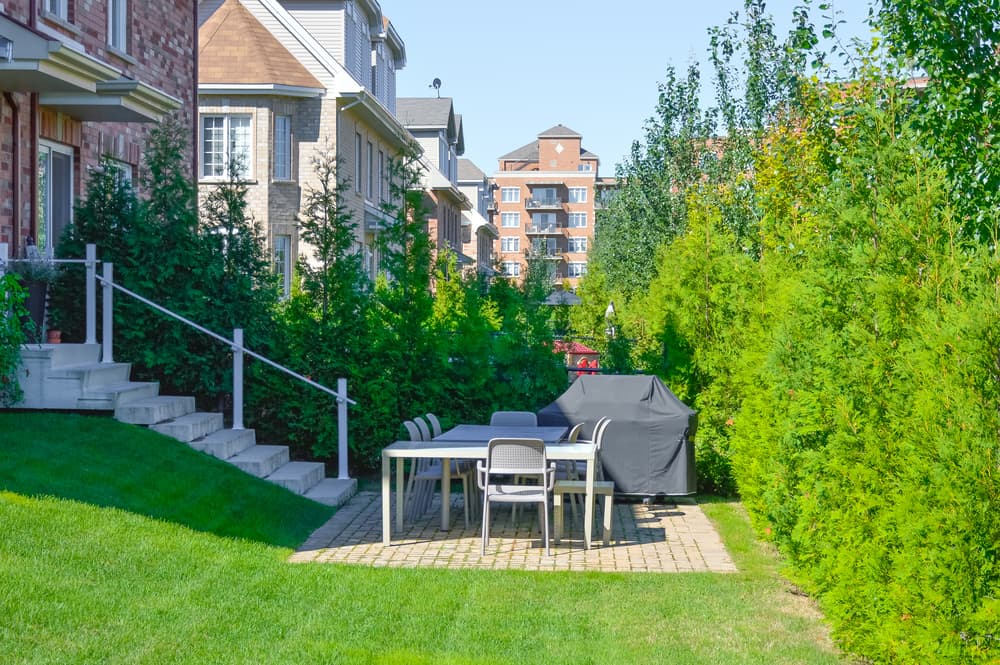
Are you thinking about setting up your backyard? Consider adding a compost bin! Not only will it reduce the volume of junk that you throw out in the garbage, but you'll also be posing a gesture that is friendly to the environment. If you decide to opt for this choice, there are several ways you can hide your compost bin so it doesn't pop out too much. Here are a few ideas that you can borrow when planning out the setup of your backyard:

Editorial Team
•08 Nov 2023
Often on the blog, we discuss decor and design trends but we usually focus on the home front. This allows our readers to find inspiration to create the perfect layout for their interiors and exteriors. But what about those looking for ideas for their business?