Removing a Load-Bearing Wall in Canada: Permits, Costs and Requirements
By Cynthia Pigeon
Updated on April 29, 2026
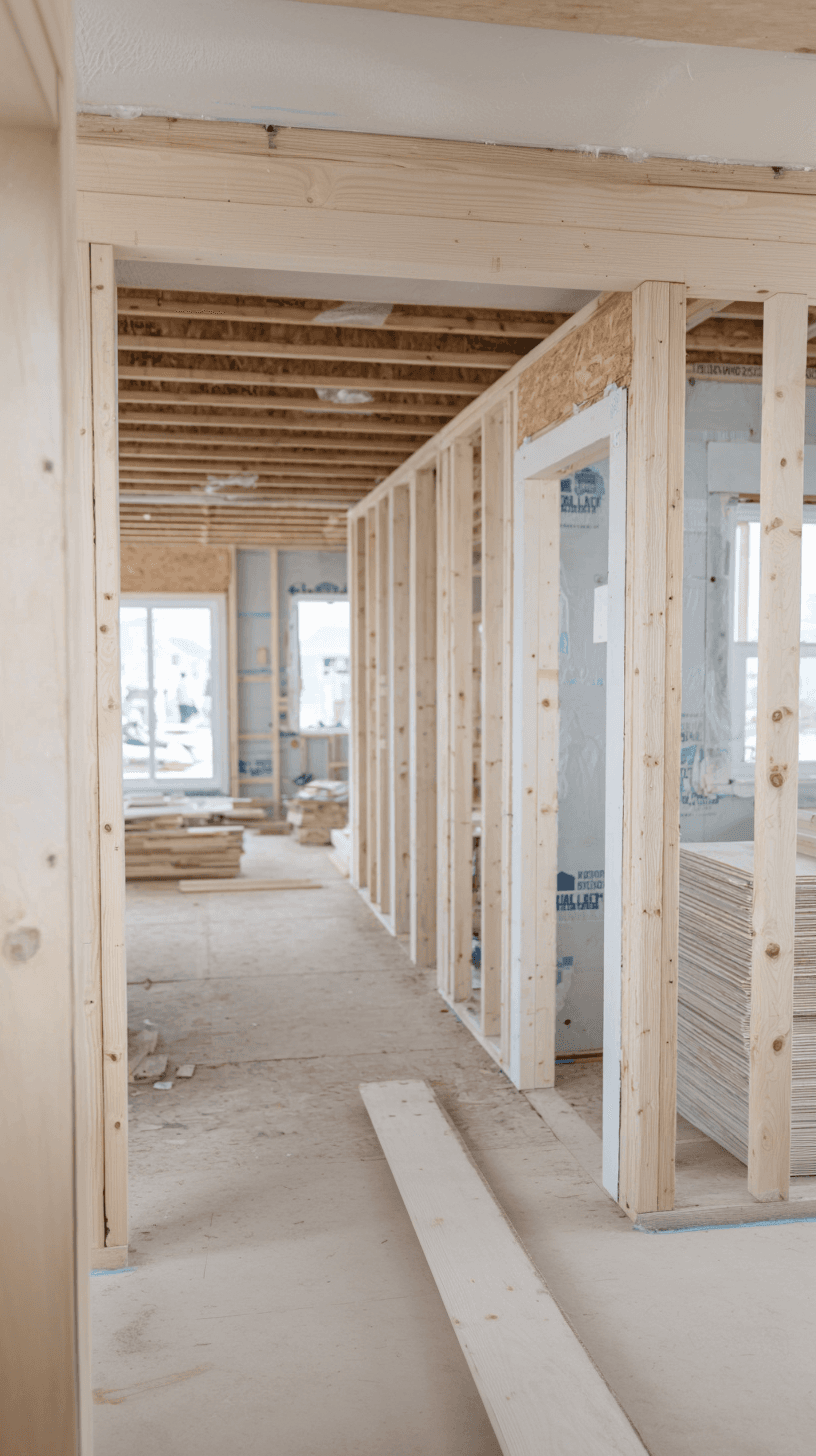
To remove a load-bearing wall in Canada, obtaining a renovation permit from your city is mandatory. This process requires submitting plans sealed by a licensed structural engineer (P.Eng.), or in some cases, an architect, depending on the scope of the project. The work must be carried out by a qualified contractor in accordance with provincial regulations. Performing this type of work without a permit can lead to fines, loss of insurance coverage, and complications when reselling your property due to non-compliance.
Removing a Load-Bearing Wall in Canada: Permits, Costs and Requirements for a Safe Open-Concept Layout
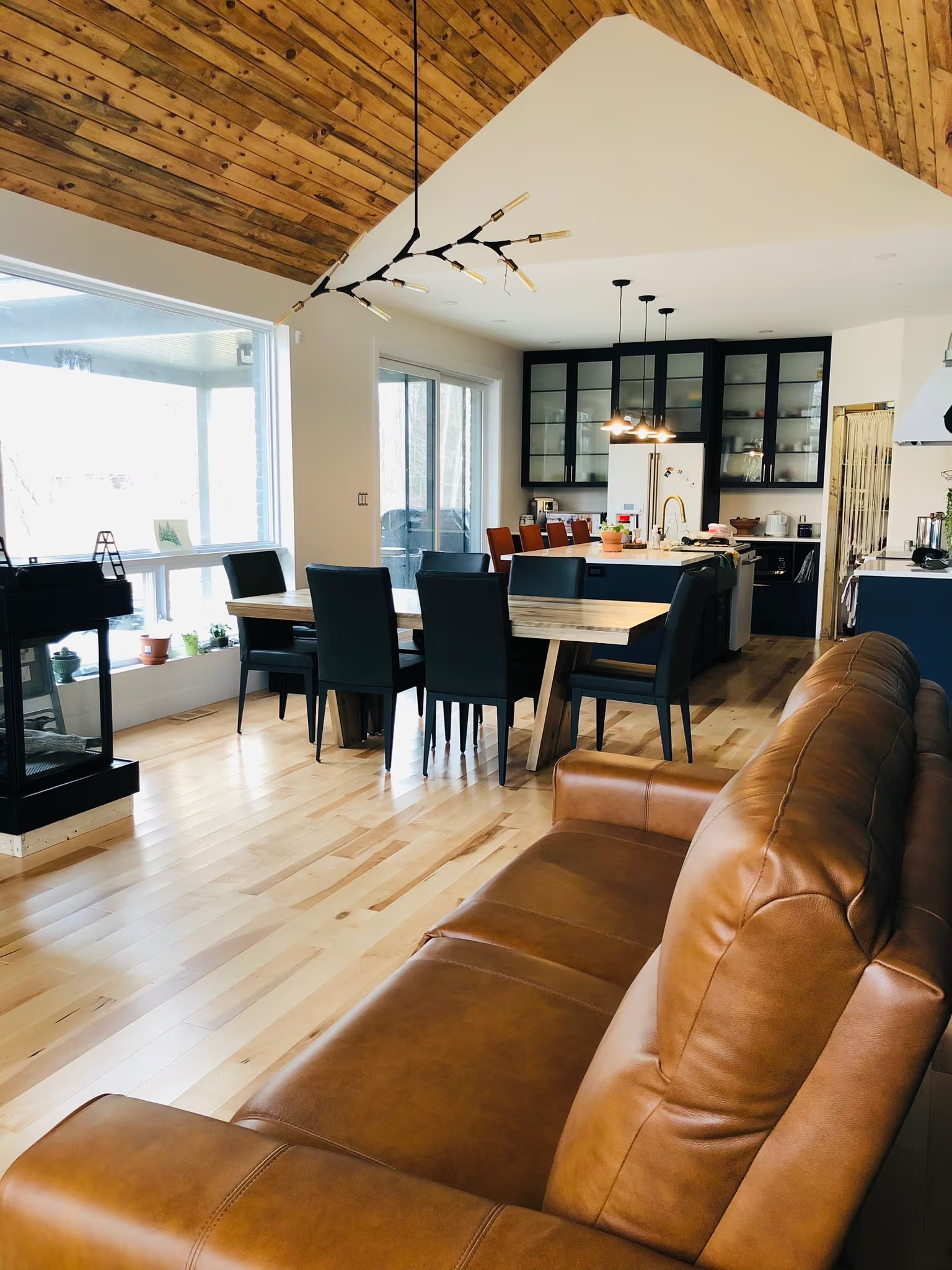
Source: Maduval Inc.
Renovating your home to create an open-concept layout is one of the most popular projects across Canada. Whether you're bringing more natural light into an older home in Toronto or modernizing a suburban bungalow in Calgary or on the outskirts of Montréal, removing a wall is often the first step. However, when dealing with a load-bearing wall, what seems like a simple weekend project quickly becomes a complex structural operation.
Across Canada, building structures must withstand significant loads, including heavy snow accumulation, temperature fluctuations, and shifting soil conditions. Altering this structure without proper expertise can compromise your home’s integrity and your financial security.
Why Is a Renovation Permit Mandatory?
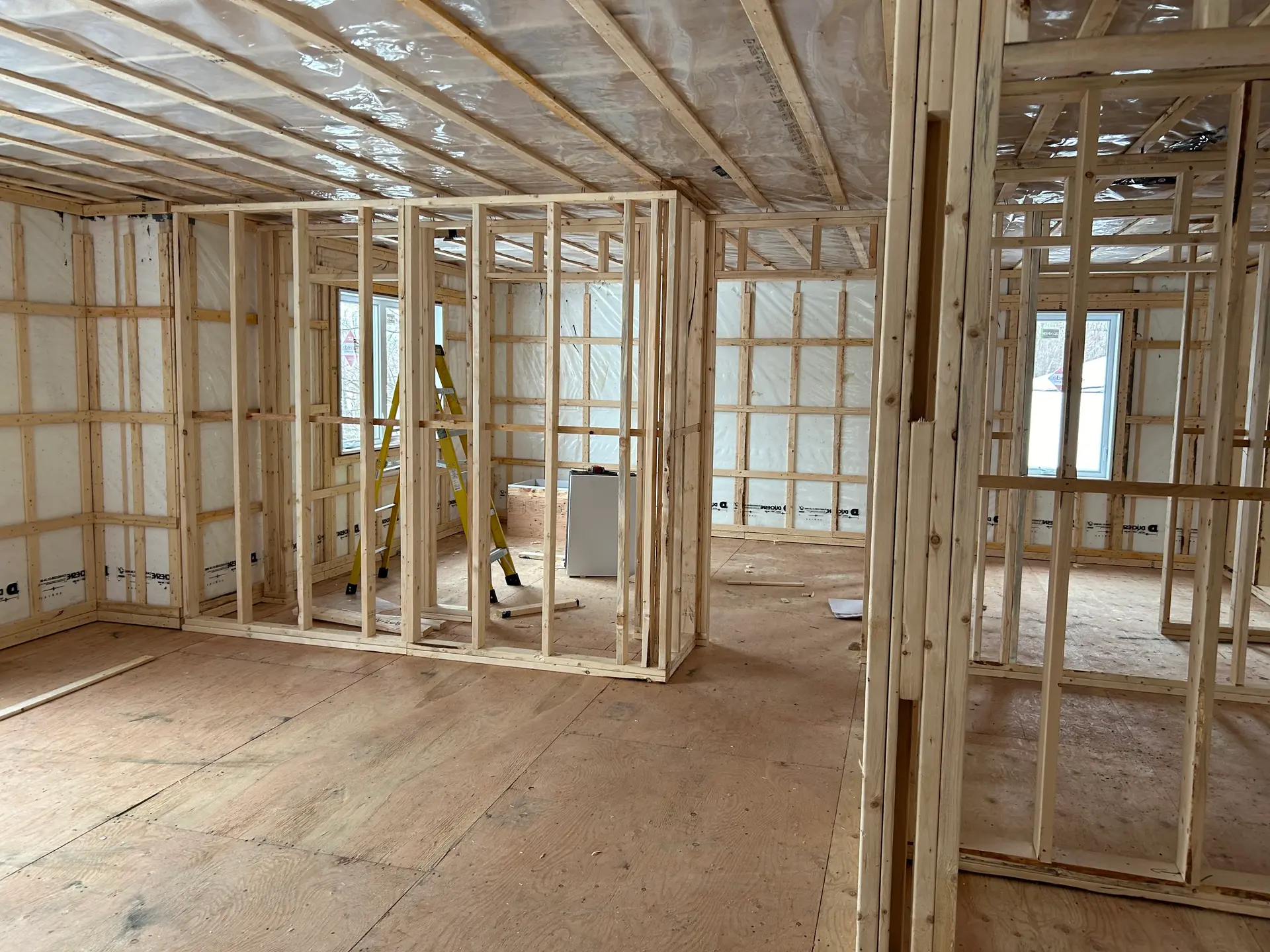
Source: Valorem Constructions Inc.
Many homeowners are tempted to skip the permit process to save time or money. This is a costly mistake. Municipal authorities act as a safeguard, ensuring that any structural modifications comply with the applicable building code (such as the National Building Code of Canada and local bylaws).
A renovation permit is not just an administrative formality—it is legal proof that your project meets safety standards. Without it:
Legal risks: You may face fines, stop-work orders, or enforcement actions.
Zoning compliance: In heritage or regulated areas, requirements can be stricter.
Liability: If structural failure causes damage to neighbouring properties, the absence of a permit can significantly impact your legal position.
The Critical Step: Consulting a Structural Engineer

Source: RenoQuotes
In Canada, only a licensed structural engineer (P.Eng.) has the authority to design plans that modify a building’s load-bearing structure.
The engineer will perform a load analysis (roof weight, upper floors, snow loads) and design a replacement solution, typically a steel beam or engineered wood beam (LVL or laminated veneer lumber), supported by strategically placed posts.
Why Are Stamped Plans Essential?
An engineer’s stamp represents professional liability and accountability. Municipalities require these stamped drawings to issue a permit. According to industry data, an error in beam sizing can lead to drywall cracks, misaligned doors, or, in extreme cases, partial roof collapse under heavy snow loads.
To find reliable professionals, compare renovation service providers available in your area.
The Permit Application Process
Every Canadian city (Toronto, Montréal, Vancouver, Ottawa, etc.) has its own regulations, but the general process remains similar. You must submit a complete application to your local building department.
Commonly required documents:
Permit application form: Available on your city’s website.
Engineer-stamped plans: They must be easy to understand, detailed, and sealed.
Site plan or survey (if required): To confirm the building's location and ensure that the work commissioned doesn't violate legal restrictions (servitudes/easements).
Contractor agreement and credentials: Must include the contractor's licence number.
Typical Timelines and Costs in Canada
Permit approval timelines vary depending on the season, with spring being the busiest. Expect a delay of 2 to 8 weeks.
Average costs:
Permit fees: Often based on project value (typically $5 to $15 per $1,000 of work, with minimum fees)
Engineering fees: Between $1,500 and $3,500 for inspection and basic plans
The Risks of Removing a Wall Without a Permit (DIY)
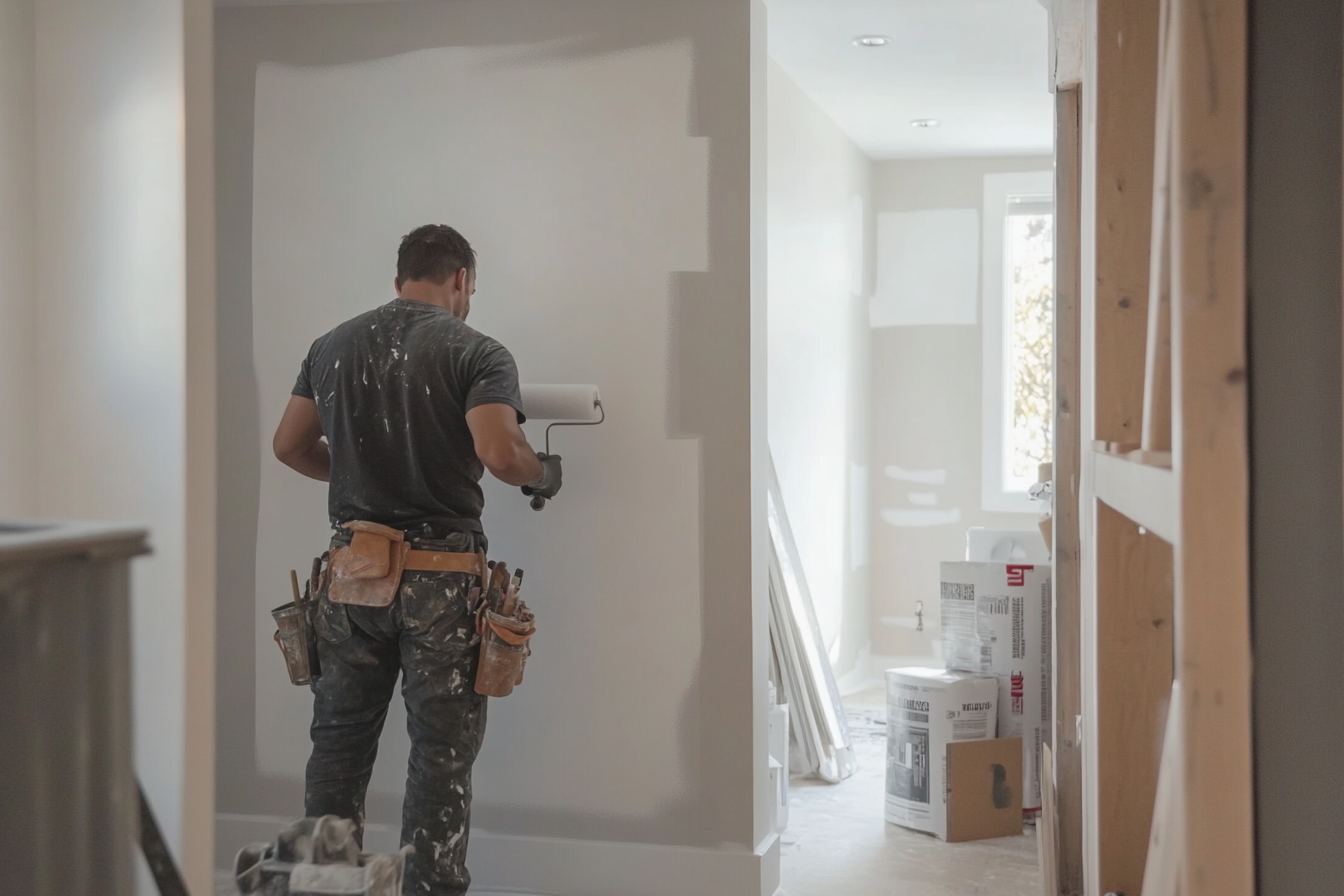
Source: RenoQuotes
DIY projects have limits—and structural work is one of them. The biggest risk of removing a load-bearing wall without a permit lies not just in the structure, but in your home insurance policy.
If a claim arises—even years later—and an inspector determines that structural modifications were done without proper engineering or permits, your claim could be denied. This could leave you responsible for repairs costing tens of thousands of dollars. Poorly executed work can also cause irreversible damage to your foundation.
How to Choose a Qualified Contractor
Once your plans are approved and your permit is issued, execution can begin. In Canada, contractors must comply with provincial licensing requirements (where applicable) and building regulations.
Look out for the following:
Proper licensing or registration: Varies by province.
Liability insurance (where applicable and bonding): Acquiring liability insurance protects you financially in the event of poor workmanship.
Proven experience with structural modifications: Ask questions about past open-concept floor plan projects. A qualified contractor will work closely with the hired engineer to ensure the temporary supports (shoring) are safe and won't collapse while work is being done.
To simplify your search, consider using a trusted platform to compare verified contractors in your area.
Protecting Your Home’s Resale Value
Investing in permits and engineering for removing a load-bearing wall is not an expense—it’s an investment in your property’s resale value. During a real estate transaction in Canada, inspectors and buyers will often request documentation for major renovations.
If you cannot prove compliance, buyers may negotiate a lower price or walk away entirely due to concerns about hidden defects or structural issues. By following best practices and regulations, you protect both your investment and your peace of mind.
For an accurate project estimate, be sure to request quotes for your structural work now.
Looking for something else?
Related articles
The latest industry news, interviews, technologies, and resources.
Editorial Team
•11 Mar 2026
Are you second-guessing the quality of the air you’re breathing in but have no idea how to fix the situation? Rest assured, this article details everything you should know about cleaning your home’s ventilation ducts.

Amanda Harvey
•27 Jun 2024
Installing a brand-new toilet in your bathroom isn’t exactly a desirable project. Plumbing aside, this isn’t a job for the faint at heart and takes some time, effort and heavy lifting. However, if you’ve got a spirit for adventure and you’re feeling up for it, this is a DIY job that you can easily take on!

Léa Plourde-Archer
•08 Nov 2023
If you've clicked on this article, we imagine that you are a fellow home design, decor and renovation enthusiast. We share this passion with you and thought it would be fun to create a monthly article where we share the most interesting articles we've found on the internet that cover this type of subject.

Editorial Team
•22 May 2024
Breaking up a concrete slab does mandate a certain know-how. Here are the tools you can use, as well as those that might be a tad ambitious for your project.

Editorial Team
•12 Aug 2025
Whether for the kitchen, the bathroom, or other rooms in the house, ceramic is a material known for its various colours, shapes, and patterns. Typical properties of ceramic material include wear resistance, heat resistance, high hardness, good electrical insulation, and a certain lightness.